What Can You Spray On Wood To Stop Dog Chewing For Good?
Safe sprays use bitter or unpleasant tastes that deter dogs from chewing. They work by making the wood taste bad. Common ingredients include bitter apple, bitter cherry, and sometimes vinegar or citrus.
It’s important to choose non-toxic options. Applying these sprays regularly can help break the chewing habit.
Understanding Why Dogs Chew Wood
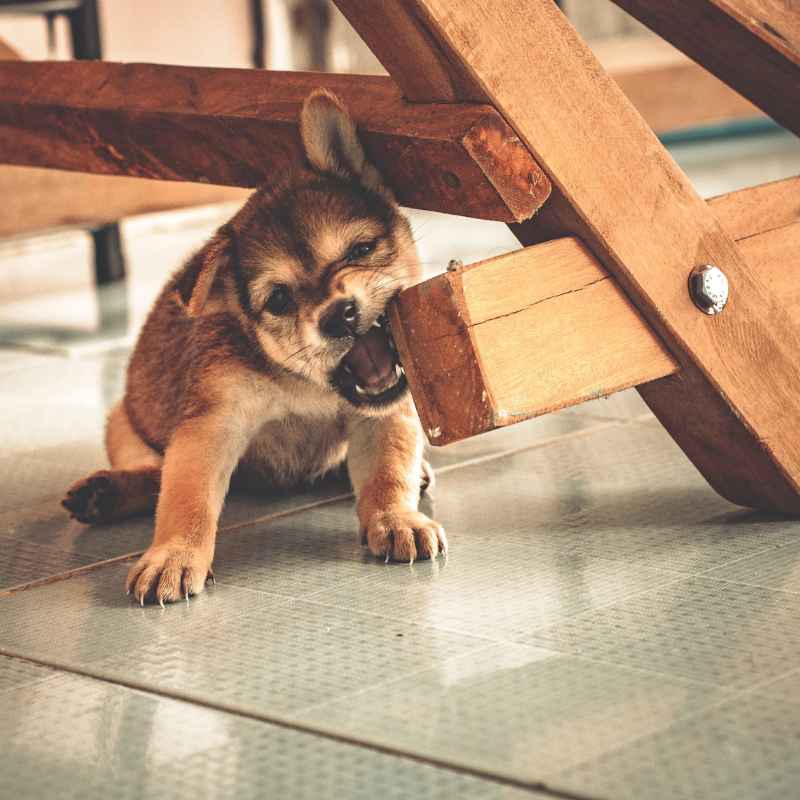
Dogs chew for many reasons. It’s a natural dog behavior. Puppies chew when they are teething.
Their gums hurt, and chewing helps. Adult dogs also chew. It helps them explore their world.
Smells and tastes are important to them. Chewing also helps clean their teeth. It can relieve boredom.
Some dogs chew when they feel stressed or anxious. Separation anxiety is a common cause. Sometimes, a dog might chew wood because they are not getting enough exercise or mental stimulation.
Your dog might also be trying to get your attention. If they chewed something before and got a reaction, they might do it again.
It’s vital to understand the root cause of the chewing. Is it a puppy with sore gums? Is it an adult dog left alone too long?
Or is it a sign of something else? Figuring this out helps you choose the best spray. It also helps you address the bigger picture of your dog’s needs.
Without this understanding, a spray might only be a temporary fix. It won’t solve the underlying issue.
How Dog Chewing Sprays Work
Most sprays designed to stop dog chewing work by taste. They use ingredients that dogs find very unpleasant. These tastes are not harmful.
They just make the wood taste bad. Dogs quickly learn to avoid chewing things that taste yucky. It’s like a little deterrent alarm.
The taste signals “Don’t bite this!”
The most common active ingredients are bittering agents. You might have heard of bitter apple spray. That’s a popular one.
It uses extracts that taste very bitter to dogs. Other sprays use bitter cherry or similar natural compounds. Some DIY sprays use vinegar or citrus.
These have strong smells and tastes too. The idea is simple: the spray makes the wood taste so bad that your dog simply loses interest.
It’s important to remember that these sprays are a tool. They are part of a bigger plan. They help redirect your dog’s chewing instinct.
But they don’t replace training or meeting your dog’s needs. You still need to provide chew toys. You need to give your dog enough exercise.
You also need to offer mental challenges. A spray can help protect your furniture while you work on these other areas.
Understanding Taste Aversion
What it is: Taste aversion is when an animal learns to avoid a food or object because it tastes bad. This is a natural survival instinct.
How it applies to dogs: Sprays use bitter or unpleasant tastes to make wood seem unappealing to dogs. They learn that chewing wood leads to a bad taste.
Key idea: It’s a learned behavior. The dog associates the object with the negative taste.
Types of Safe Sprays for Wood
When you’re looking for a spray, safety is number one. You don’t want to harm your dog. You also don’t want to damage your wood.
Thankfully, many effective and safe options exist. They are made with natural ingredients. They are designed for home use.
One of the most popular types is based on bitter apple. This is a common flavor extract. It’s safe for dogs and widely available.
Another good option is bitter cherry. Some dogs dislike this taste even more than bitter apple. These commercial sprays are usually your best bet.
They are formulated for both effectiveness and safety. They are also less likely to stain or damage wood finishes. Always check the product label to be sure.
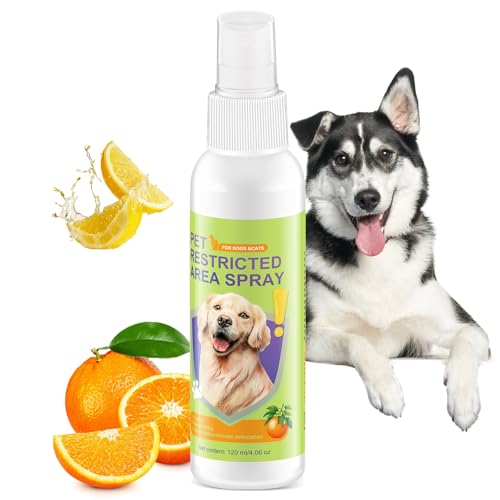
You might also consider sprays with citrus scents. Many dogs don’t like the smell or taste of lemon or orange. You can find commercial sprays with these.
Some people also try a diluted white vinegar solution. Vinegar has a strong taste and smell. It can deter dogs.
However, vinegar can sometimes affect wood finishes. It’s wise to test it on a hidden spot first. Always use a diluted mixture.
Never use harsh chemicals like ammonia or bleach. These are toxic and dangerous for pets.
The key is finding a scent or taste that your dog specifically dislikes. What works for one dog might not work for another. You might need to try a couple of different types.
Read reviews from other pet owners. This can give you clues about what has worked for them. Look for sprays that are specifically labeled as “dog deterrent spray” or “anti-chew spray.” This ensures they are made with pet safety in mind.
DIY vs. Commercial Sprays
You have two main paths when it comes to sprays: commercial products or making your own. Both have pros and cons. The choice often comes down to convenience, cost, and what works best for your specific dog.
Commercial sprays are usually the easiest option. You can buy them at pet stores or online. They are already mixed.
They are formulated by experts. They often have instructions for use. Many are designed to be safe for various surfaces, including wood.
You know exactly what you are getting. The downsides are that they can be more expensive. Sometimes, a dog might get used to the smell.
You then need to buy a different brand.
DIY sprays can be cheaper. You can use common household items. For example, a mixture of water and white vinegar is often suggested.
Another idea is water with lemon juice. You can also find recipes online that use diluted essential oils. However, you need to be very careful with DIY options.
Some essential oils are toxic to dogs. Always research thoroughly. Ensure any ingredient you use is pet-safe.
Also, DIY sprays might not be as long-lasting. You might need to apply them more often.
A significant advantage of DIY is the ability to tailor the scent. If your dog hates lemon, you can use more lemon. If they don’t mind vinegar, you can try something else.
But this tailoring requires knowledge. You must know which ingredients are safe. I remember trying a DIY mix once for my dog, Max.
I used diluted apple cider vinegar. He sniffed it, licked it, and then happily chewed the table leg again. It turned out he wasn’t bothered by the taste at all!
That’s when I switched to a commercial bitter apple spray. It was a game-changer.
For most people, starting with a good commercial spray is recommended. It takes the guesswork out of safety. If that doesn’t work, you can then explore DIY options with extreme caution.
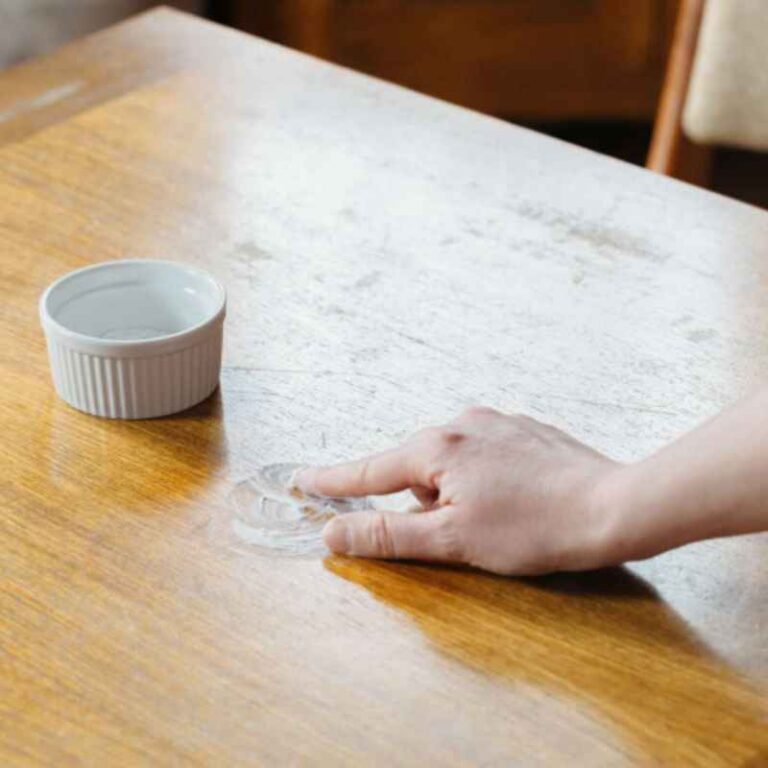
Always test any spray on an inconspicuous area of the wood first. This is to make sure it doesn’t stain or damage the finish. This step is crucial, no matter if you buy it or make it.
Quick Comparison: DIY vs. Commercial Sprays
Commercial Sprays
- Pros: Easy to use, known ingredients, often tested for safety on surfaces, convenient.
- Cons: Can be more expensive, dog might get used to scent.
DIY Sprays
- Pros: Cheaper, customizable scent, readily available ingredients.
- Cons: Risk of using unsafe ingredients, potential damage to wood, may need frequent reapplication, less predictable results.
Recommendation: Start with commercial. If needed, research DIY carefully.
How to Apply Sprays Effectively
Simply spraying a bit on the wood isn’t always enough. For sprays to work well, you need to apply them the right way. This means being consistent and thorough.
Your dog needs to get the message loud and clear.
First, clean the wood. Remove any dirt or grime. This helps the spray stick better.
Then, spray the affected areas generously. Make sure you cover all the spots your dog likes to chew. If they chew the corners of a table, spray those corners well.
Don’t forget the underside or any hidden spots they might reach.
The timing of application is also key. You need to reapply the spray regularly. Most sprays wear off.
Humidity and wear can make them less potent. Check the product instructions. They will tell you how often to reapply.
Often, it’s every day or every few days. If you notice your dog starting to chew again, that’s a sign to reapply the spray. Consistency is your best friend here.
When you apply the spray, do it when your dog isn’t around. This way, they don’t see you spraying. They just encounter the bad taste later.
If they see you, they might associate you with the unpleasantness. This isn’t ideal. It’s better if the bad taste just appears on the wood.
I remember I used to spray the base of our wooden staircase. My dog, Buster, loved to chew on the spindles. I applied the spray once a day.
But I noticed he’d still try to chew if I hadn’t sprayed that exact spot. It took about a week of daily, thorough spraying. Then, he really started avoiding it.
It became less about the spray and more about his learned experience that the wood tastes bad.
Think of it like teaching a child not to touch a hot stove. You show them once, and they learn. With dogs and chewing, it’s more about repeated negative experiences.
The spray provides those repeated bad tastes. This helps them learn much faster than just telling them “no.”
Application Checklist
- Clean the Surface: Wipe down the wood first.
- Apply Generously: Cover all chewable spots.
- Be Thorough: Don’t miss corners or undersides.
- Reapply Often: Follow product directions (daily or every few days).
- Apply When Absent: Don’t let your dog see you spray.
- Test First: Always test on a hidden area of the wood.
What to Look for in a Safe Wood Spray
Not all sprays are created equal. When you’re choosing a product to spray on your wood, especially for your dog to interact with, safety and effectiveness are key. You want something that does the job without causing harm.
The first thing to check is the ingredient list. Look for products that are non-toxic. They should be safe for pets.
Often, this means they are made with natural ingredients. Avoid anything with harsh chemicals. Things like ammonia, bleach, or strong solvents are a big no-no.
These can poison your dog if ingested or cause respiratory problems.
Ingredients like bitter apple extract, bitter cherry extract, or denatonium benzoate are common and generally safe. Denatonium benzoate is the most bitter substance known. It’s used in many anti-chew sprays and also in things like nail polish removers to stop kids from swallowing them.
It’s very potent but safe in the low concentrations used.
Consider the effect on the wood itself. Some sprays can leave a residue. Others might discolor or damage certain finishes.
Look for products that are safe for furniture or specific wood types. If you have antique wood or delicate finishes, this is extra important. Always test on a small, hidden area first.
This is true for both commercial and DIY sprays.
Think about the scent. While the taste is the primary deterrent, a strong, unpleasant smell can also help. Some dogs are more sensitive to smells than tastes.
However, you also don’t want a spray that makes your whole house smell bad. Look for products that have a mild scent or one that dissipates quickly after application.
Finally, check reviews. See what other pet owners say about the product. Does it work?
Is it safe? Does it damage furniture? Real-world experiences are very valuable.
Brands that have been around a long time and are recommended by vets or professional trainers are often a good choice. You want a product that has a good reputation for being both effective and safe.
Natural and DIY Options (With Caveats)
For those who prefer a more natural approach, there are some DIY options. These can work, but they come with important warnings. You must be extremely careful about what you use.
A very common DIY suggestion is diluted white vinegar. Mix one part white vinegar with one or two parts water. Spray this on the wood.
Vinegar has a strong, sour taste and smell that many dogs dislike. However, vinegar can damage some wood finishes. It’s acidic.
Always, always test this on a hidden spot first. Allow it to dry completely. Check for any discoloration or damage.
Also, some dogs are not deterred by vinegar. They might just lick it off and keep chewing.
Another idea is using citrus juice. Lemon, lime, or orange juice can be used. Mix fresh juice with water.
Again, citrus is acidic. It can potentially damage wood finishes. Test it first.
Also, the sugar in the juice could attract insects or create sticky spots if not cleaned properly. You would need to reapply it frequently as the scent fades quickly.
Some sources suggest using diluted essential oils. Oils like tea tree, eucalyptus, or peppermint are sometimes mentioned. This is where you need to be extremely cautious.
Many essential oils are TOXIC to dogs. Even in diluted forms, they can cause serious health problems. These include liver damage, neurological issues, and skin irritation.
Unless you are absolutely certain an oil is safe for dogs (and that is rare for chewing sprays), it is best to avoid them entirely. My vet strongly advises against using essential oils around pets for anything ingested. It’s just not worth the risk.
If you go the DIY route, remember that consistency is still key. These natural solutions often fade faster than commercial products. You’ll likely need to reapply them daily, perhaps even multiple times a day.
And if your dog doesn’t respond to the taste or smell, it’s time to move on to a tested commercial option. Safety for your dog and your furniture should always be the top priority.
DIY Spray Ingredients to Use with Caution
- White Vinegar: Dilute well. Test for wood damage. May not deter all dogs.
- Citrus Juice (Lemon, Lime, Orange): Dilute well. Test for wood damage. May attract pests. Fades quickly.
- Essential Oils (Tea Tree, Eucalyptus, Peppermint, etc.): EXTREME CAUTION ADVISED. Many are toxic to dogs. Avoid unless cleared by a vet and used in very specific, safe dilutions.
Always prioritize pet safety. If in doubt, do not use it.
When Chewing Becomes a Problem
It’s normal for dogs to chew. But sometimes, chewing becomes a serious issue. It can be destructive.
It can also signal deeper problems. Knowing when to worry is important.
Excessive destruction is a key sign. If your dog is chewing furniture, doors, or walls constantly, it’s more than just a passing phase. If they are destroying items when you are not home, it could be separation anxiety.
If they chew even when you are present, it might be boredom or a lack of training.
Changes in chewing habits are also notable. Has your dog suddenly started chewing wood when they never did before? This could indicate stress, a change in diet, or a medical issue.
Dental pain can cause dogs to chew unusual things. Sometimes, gastrointestinal issues can lead to pica, which is eating non-food items. It’s always wise to mention new or excessive chewing to your veterinarian.
Chewing as a compulsive behavior is another concern. Some dogs develop obsessive-compulsive disorders. Chewing can become a self-soothing mechanism.
If the chewing seems frantic, repetitive, or hard to distract from, it might be a sign of a more serious behavioral issue.
If chewing is causing significant damage to your home, it’s a problem. If it’s impacting your dog’s health or well-being, it’s a problem. Sprays can help manage the symptom of chewing on wood.
But they won’t fix underlying issues like anxiety, boredom, or medical conditions. In these cases, a spray is just a band-aid. You need to address the root cause.
I had a client whose dog, a Golden Retriever named Buddy, started chewing up their wooden deck. They tried sprays, but Buddy just chewed around them. It turned out Buddy was incredibly bored.
He was left alone for 10 hours a day. He needed more exercise and mental stimulation. Once they increased his walks and added puzzle toys, the chewing stopped.
The spray was part of the solution, but the real fix was meeting his needs.
Complementary Strategies for Stopping Chewing
Sprays are a great tool, but they work best when paired with other strategies. Think of it as a multi-pronged attack on chewing. You want to tackle the problem from all angles.
This increases your chances of success.
Provide plenty of appropriate chew toys. This is crucial. Dogs need things they are allowed to chew. Offer a variety of textures and types.
Some dogs like hard rubber toys. Others prefer softer plush toys. Nylabones and Kongs are excellent for providing a satisfying chew.
Rotate toys to keep things interesting. When you see your dog chewing on wood, redirect them to an appropriate toy. Praise them when they chew the toy.
Increase exercise and mental stimulation. A tired dog is less likely to be a destructive dog. Make sure your dog gets enough physical activity. Daily walks, runs, or playtime are essential.
Mental stimulation is just as important. Puzzle toys, training sessions, and interactive games can help tire out their brain. A bored dog will find ways to entertain themselves, and that often involves chewing.
Training and redirection. When you catch your dog chewing wood, don’t just spray it. Gently interrupt the behavior. Say a firm “no” or “leave it.” Then, immediately give them an acceptable chew toy.
When they start chewing the toy, praise them enthusiastically. This teaches them what they should be chewing.
Manage their environment. When you can’t supervise your dog, restrict their access to the areas where they chew wood. Use baby gates or crates. This prevents them from practicing the unwanted behavior.
It also protects your furniture. As they get better, you can gradually give them more freedom.
Address underlying anxiety. If chewing is linked to separation anxiety or general stress, you’ll need to address that directly. This might involve desensitization exercises, calming aids, or professional training advice. A spray won’t fix a dog who is panicking when left alone.
Combining these strategies with a good spray creates a comprehensive plan. It addresses the immediate problem of chewing wood while also meeting your dog’s behavioral and emotional needs. It’s about teaching your dog good habits and ensuring they have a happy, fulfilled life.
Complementary Strategies: A Quick Guide
- Provide Diverse Chew Toys: Offer various textures and types.
- Increase Physical Activity: Ensure enough daily exercise.
- Boost Mental Engagement: Use puzzle toys and training.
- Practice Redirection: Interrupt chewing and offer a toy.
- Supervise and Manage: Restrict access when unsupervised.
- Address Anxiety: Seek professional help if needed.
Protecting Different Types of Wood
Not all wood is created equal, and neither are finishes. What you can spray on a sealed hardwood floor might differ from what you use on unfinished pine furniture. It’s important to consider the type of wood and its finish.
Sealed and Finished Wood: Most commercial bitter sprays are safe for sealed and finished wood. These finishes create a barrier. They protect the wood from the spray’s moisture.
They also prevent discoloration. However, always test first. Some very delicate finishes might react.
Pay attention to what the spray manufacturer recommends.
Unfinished Wood: Unfinished wood is more absorbent. It can be easily stained or damaged by liquids. Sprays might soak in deeply.
This can lead to warping or discoloration. If you must spray unfinished wood, use a very diluted solution. Apply it sparingly.
Test it in a very hidden spot. Some people find that sealing unfinished wood first is a better option. Then you can use a standard spray.
Painted Wood: Most sprays are safe for painted surfaces. But some paints can be sensitive. Check the paint type.
If it’s a latex paint, it might be okay. If it’s an oil-based or specialty paint, test first. Some sprays might affect the gloss or even the paint adhesion.
Again, a small test patch is vital.
Varnished or Lacquered Wood: These are typically durable finishes. Most bitter sprays should be fine. But extremely high-gloss finishes might show streaks if the spray isn’t applied evenly or if it’s too wet.
Allow the spray to dry completely. If you see any dulling or streaking, try wiping it with a slightly damp cloth after it dries.
Antique or Valuable Wood: For antique furniture or items of high value, it’s often best to avoid sprays altogether. The risk of damage is too high. Instead, focus on management.
Use physical barriers. Redirect your dog aggressively. Consult with a furniture restoration expert for advice on pet-proofing methods that won’t harm the finish.
When in doubt, always read the spray’s label. Look for information on safe surfaces. If it’s not specified, err on the side of caution.
A small, hidden test spot will save you from potential damage later. It takes a few extra minutes but can prevent a costly mistake.
When to Call a Professional
While sprays and training can solve many chewing issues, some situations need expert help. Knowing when to reach out is key for your dog’s well-being and your sanity.
Severe Separation Anxiety: If your dog exhibits extreme distress when you leave – destructive chewing, excessive barking, house soiling, or attempts to escape – it’s likely separation anxiety. This is a complex issue. A certified professional dog trainer or a veterinary behaviorist can provide a tailored treatment plan.
Sprays won’t fix the panic your dog feels.
Compulsive or Obsessive Behavior: If the chewing seems uncontrollable, frantic, or ritualistic, it might be a compulsive disorder. These often require a behavioral modification plan developed by an expert. Sometimes, medication may also be recommended by a vet.
Sudden, Unexplained Changes: If your dog, especially an adult, suddenly starts chewing aggressively, and it’s not explained by teething or boredom, consult your veterinarian. It could be a sign of dental problems, pain, gastrointestinal issues, or other medical conditions. A vet can rule out health concerns.
Lack of Progress: If you’ve tried sprays, toys, exercise, and redirection consistently for several weeks, and you’re seeing no improvement, it’s time to get professional advice. A trainer can assess your dog’s behavior and your training methods. They can identify what might be missing or what you might be doing inadvertently that’s not helping.
Aggression Related to Chewing: If your dog shows any signs of aggression (growling, snapping, biting) when you try to take away something they are chewing, this is a serious concern. Seek help from a professional behaviorist immediately. This can be a form of resource guarding.
A professional can offer an objective perspective. They have experience with countless dogs and behaviors. They can help you understand the why behind the chewing.
They can also guide you on the most effective how to stop it. It’s an investment in your dog’s happiness and the peace of your home.
When to Seek Expert Help
- Extreme distress when left alone (separation anxiety).
- Compulsive, uncontrollable chewing behaviors.
- Sudden onset of chewing in adult dogs (rule out medical issues).
- No improvement despite consistent training efforts.
- Aggression when trying to interrupt chewing.
Consult a vet or certified behaviorist.
Frequently Asked Questions
Will spraying bitter apple on wood really stop my dog from chewing?
For many dogs, yes. Bitter apple has a taste that most dogs find unpleasant. When applied regularly to wood, it teaches them that chewing wood results in a bad taste.
It’s most effective when combined with other methods like providing chew toys and increasing exercise.
How often do I need to reapply a dog deterrent spray to wood?
This varies by product and environment. Most commercial sprays need reapplication every 1-3 days. Factors like humidity and how much your dog licks or chews can affect how long it lasts.
Check the product label for specific guidance. It’s often best to reapply when you notice your dog showing interest in chewing again.
Can I spray something on wood that is safe for puppies?
Yes, there are many safe options. Look for sprays specifically labeled as non-toxic and pet-safe. Bitter apple or bitter cherry sprays are generally good choices for puppies.
Ensure any DIY options you consider use only pet-safe ingredients. Avoid harsh chemicals. Always test on a small area first to ensure it doesn’t damage the wood.
What if my dog licks the spray off the wood? Does that make it less effective?
If your dog licks the spray off, it means they might tolerate or even like the taste, or they are determined to chew. In this case, the spray might be less effective on its own. You’ll need to reapply it more frequently.
You might also need to try a different type of deterrent spray. Combining it with management and redirection is crucial.
Can these sprays damage my wood furniture or floors?
Most commercial pet-safe deterrent sprays are formulated to be safe on sealed furniture. However, it’s always wise to test on an inconspicuous area first. Some DIY solutions, like undiluted vinegar or citrus, can potentially damage certain finishes.
Always test, especially on antique, unfinished, or delicate wood.
My dog chews on wooden door frames. What can I spray on them?
You can use the same types of sprays suitable for furniture on wooden door frames. Commercial bitter apple or bitter cherry sprays are good starting points. Ensure thorough application, especially around corners and edges your dog targets.
Consistent reapplication and management (like keeping the dog out of the room when unsupervised) are key for door frames.
Conclusion
Protecting your wooden furniture from your dog’s chewing habit can feel like a constant battle. But with the right approach, it’s a winnable one. Sprays that deter chewing by taste are a powerful tool.
They offer a safe way to make wood less appealing. Remember to choose non-toxic products. Apply them consistently.
Always test first on hidden spots.
But a spray is rarely the whole story. It works best when you also provide plenty of chew toys. You need to ensure your dog gets enough exercise.
And good training goes a long way. By understanding why your dog chews and using these combined strategies, you can create a peaceful home. You can have both happy dogs and intact wood.
Enjoy your chew-free furniture and a happy pup!
Sponsored / affiliate links. As an Amazon Associate I earn from qualifying purchases. I may earn additional commission from eligible campaigns.