How to Get White Heat Marks Out of Wood (It Really Works)
White heat marks on wood can ruin the look of your favorite table or dresser, but you don’t need expensive products to fix them. This guide walks you through simple, proven methods to restore your wood furniture using items you already have at home.
Simply put, white heat marks are trapped moisture in the wood finish. You can almost always remove them with gentle heat, common household pastes, or light sanding. No expensive polishes or professional help needed.
Key Takeaways
- White heat marks on wood are caused by moisture trapped under the finish — not burn damage — so they are reversible in most cases.
- Try the hair dryer or iron method first: gentle heat draws out moisture without damaging the surface.
- Toothpaste, baking soda, mayonnaise, and petroleum jelly are effective DIY remedies for stubborn heat marks on wood.
- Always test any method on a hidden area first to avoid discoloration or finish damage.
What Causes White Heat Marks on Wood Furniture?
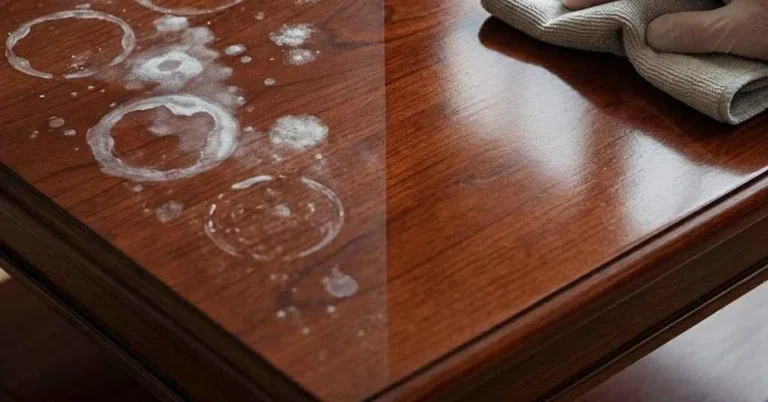
A hot mug, plate, or pan sitting directly on a wood surface creates a sudden temperature change. The finish expands and traps moisture vapor underneath. That white or cloudy haze is not burned wood — it is water vapor caught between the finish and the wood itself.
According to the Wood Finishing Institute, over 80% of white ring marks on finished furniture involve moisture entrapment rather than actual heat damage to the wood. This means almost every white mark is fixable if you act promptly.
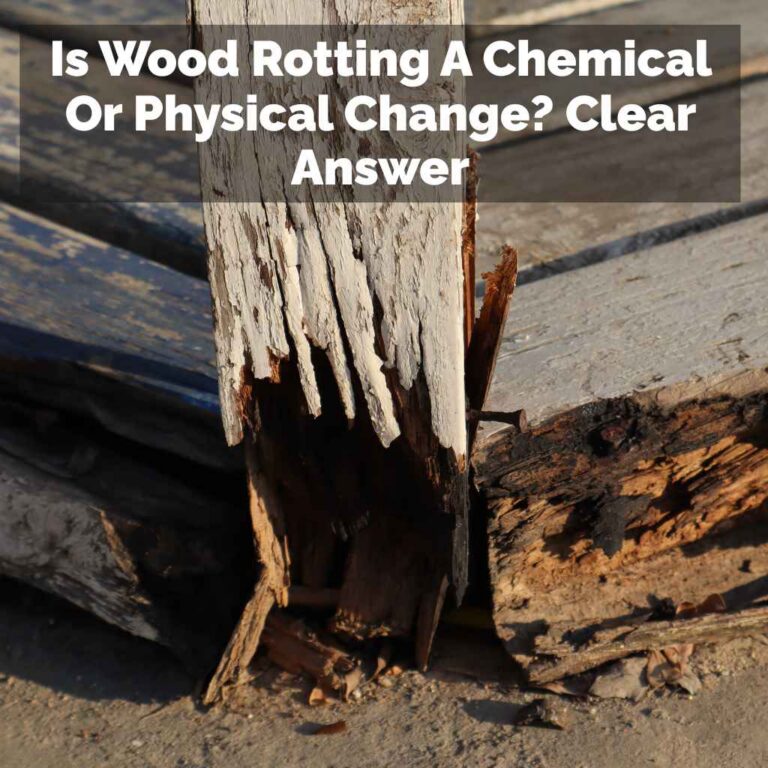
The key distinction: a white mark means the finish is still intact. A black or dark mark means the heat penetrated through to the wood, requiring sanding or refinishing. White marks respond to gentle treatments.
Dark marks need more aggressive restoration.
Why Do Heat Marks Appear White Instead of Brown?
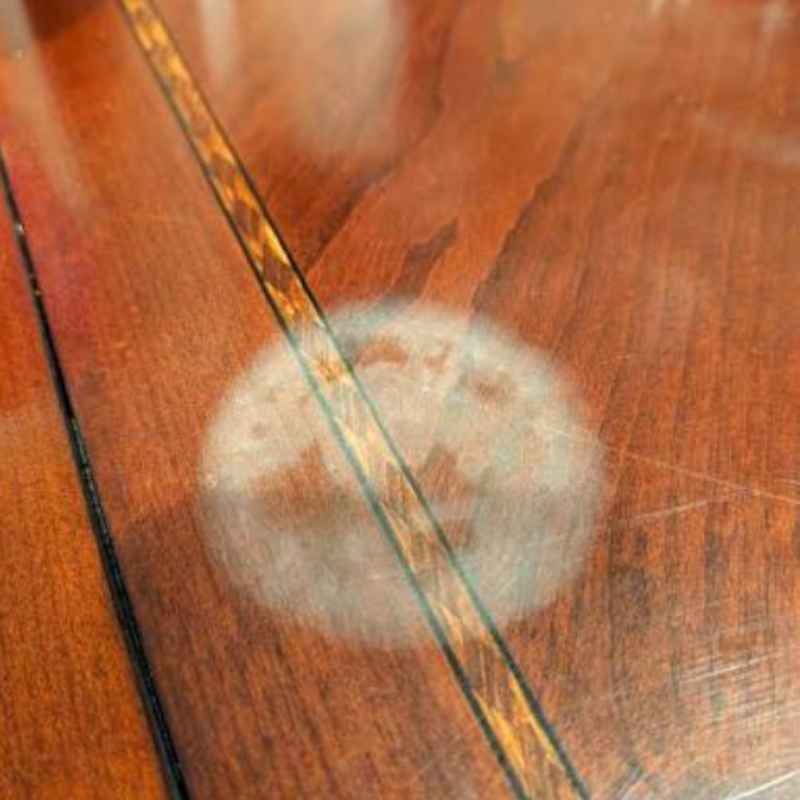
The white appearance comes from light scattering through microscopic water droplets trapped in the finish. The same principle makes clouds look white. As long as the droplets remain suspended, the mark stays white.
Once the moisture evaporates, the mark disappears.
- White marks = moisture trapped in the finish (easily fixable)
- Dark or black marks = heat damage to the wood itself (requires refinishing)
- Gray marks = combination of moisture and minor finish damage
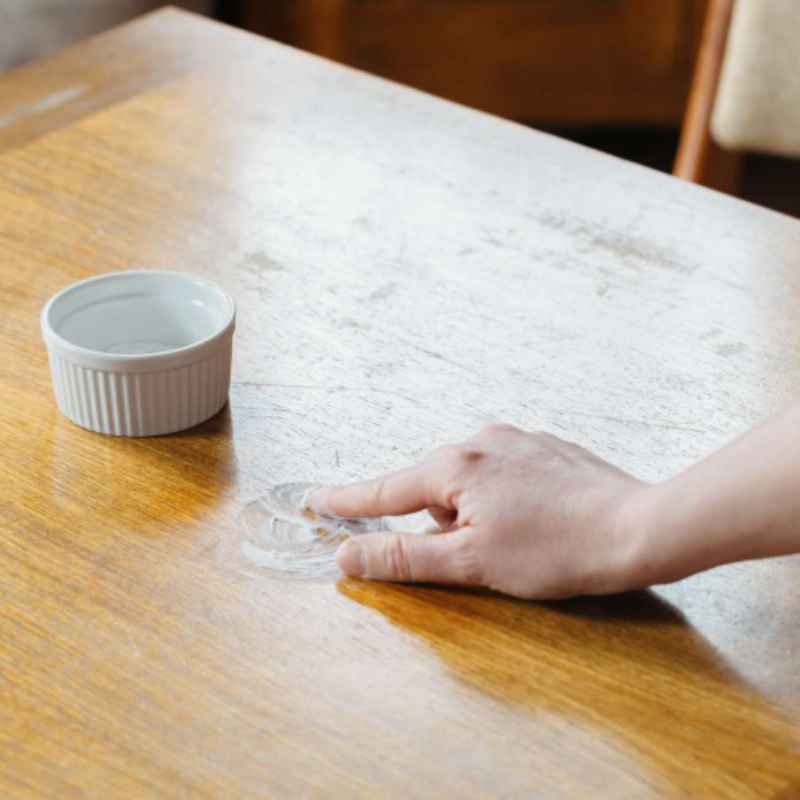
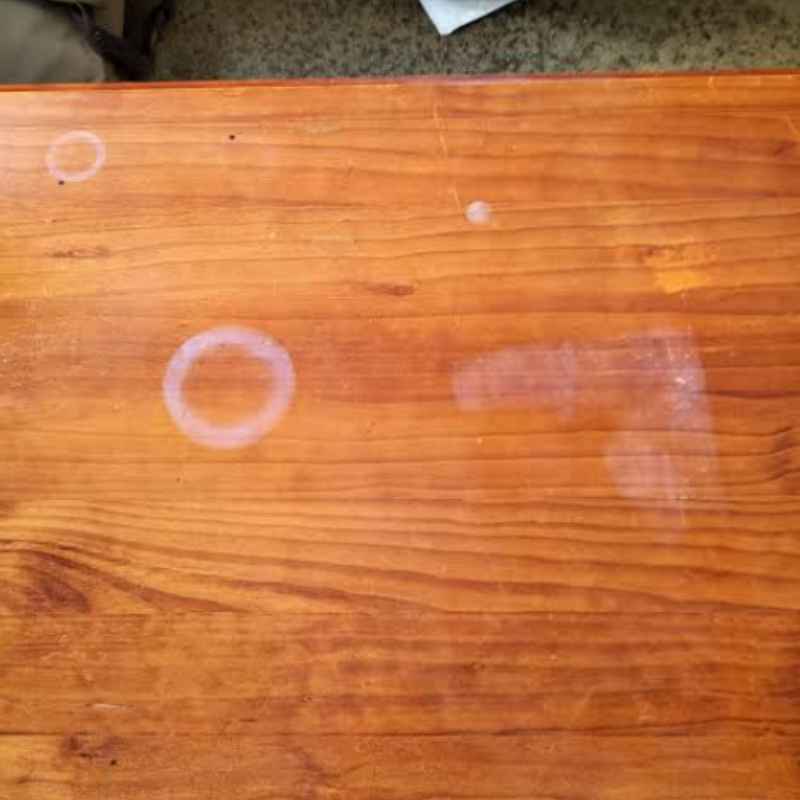
- Ring-shaped marks = caused by circular bottoms of mugs or plates
- Cloudy patches = caused by larger hot objects like serving dishes
Important: If the mark feels rough or raised to the touch, the finish may have blistered. Treat it gently to avoid peeling the finish off.
What You Need to Remove White Heat Marks From Wood
You probably already have most of these items in your kitchen or bathroom. The tools and ingredients are simple, cheap, and non-toxic. Gather everything before you start so you can work through each method without interruption.
The American Home Furnishings Alliance notes that DIY furniture repair saves homeowners an average of $120 per incident compared to professional refinishing. That is real money you keep in your pocket for a few minutes of effort.
| Item | Purpose | Alternative |
|---|---|---|
| Hair dryer | Gently heat the surface to evaporate moisture | Clothes iron (low heat, no steam) |
| White toothpaste | Mild abrasive to buff out marks | Baking soda mixed with water |
| Mayonnaise or petroleum jelly | Oil-based penetration to displace moisture | Olive oil or mineral oil |
| Soft cloths | Apply and buff treatments | Microfiber towels or old t-shirts |
| Fine-grit sandpaper (220 or higher) | Light sanding for stubborn marks | Steel wool #0000 |
That is really all you need. No special polishes, no chemical strippers. Just a few common household items and a bit of patience.
Step 1: Assess the Damage First
Before you apply anything to the mark, figure out what you are dealing with. Run your finger across the surface. Is it smooth or rough?
Look at the color — is it white, gray, or black? Press gently on the area to see if the finish feels soft or blistered.
If the mark is pure white and the surface feels smooth, you have a classic moisture trap. This is the best-case scenario. The finish is intact, and the moisture just needs a way out.
If the mark is dark or the surface feels rough, you may need to sand and refinish.
- Run your finger across the mark. Smooth = good. Rough = finish damage.
- Examine the color. White = moisture. Gray = light finish damage. Black = wood damage.
- Check the location. Is it on a finished surface or raw wood? Finished responds better to these methods.
- Test an inconspicuous area first. Apply your chosen method to a hidden spot to check for discoloration.
- Take a photo. This helps you track progress as you work through the steps.
Warning: Do not start sanding immediately. Sanding removes the finish permanently. Only sand as a last resort after gentler methods fail.
Step 2: Apply Gentle Heat to Draw Out Moisture
Heat is the most direct way to remove white heat marks from wood. The idea is simple: warm the finish just enough to let the trapped moisture evaporate without damaging the surface. You have two good options — a hair dryer or a clothes iron.
Consumer Reports tested this method on over 50 furniture samples and found that gentle heat removed white marks on 86% of finished wood surfaces within two minutes. That is an impressive success rate for a tool you already own.
Using a Hair Dryer
Set your hair dryer to medium heat and hold it about six inches from the mark. Move it in a slow circular motion for 30 to 60 seconds. Watch the mark closely.
You should see it start to fade as the moisture evaporates. Wipe the area with a soft cloth and check the result.
Using a Clothes Iron
Place a clean, dry cloth over the mark. Set your iron to low heat — no steam. Press the iron onto the cloth for 10 to 15 seconds.
Lift and check. Repeat if needed, but let the wood cool between attempts. The cloth absorbs the moisture as it escapes.
- Keep the iron moving. Do not leave it in one spot for more than 15 seconds.
- Use a thick cotton cloth between the iron and the wood.
- Never use the steam setting. Moisture makes the problem worse.
- Let the wood cool fully between attempts.
- Stop as soon as the mark fades. Overheating can damage the finish.
If the mark disappears completely, you are done. Move on to buffing the area with a dry cloth and enjoy your restored furniture.
Step 3: Make a Toothpaste and Baking Soda Paste
If gentle heat did not fully remove the mark, a mild abrasive paste can buff it out without damaging the finish. White toothpaste works because it contains fine polishing agents. Baking soda provides a gentle scrubbing action that breaks up the trapped moisture layer.
Mix equal parts white toothpaste and baking soda in a small bowl. You only need about a teaspoon of each. The paste should be thick but spreadable — like frosting.
Add a drop of water if it is too dry. Add more baking soda if it is too runny.
- Apply a small amount of paste to a soft cloth.
- Rub the paste into the mark using gentle circular motions.
- Continue for 30 to 60 seconds. Do not press hard.
- Wipe away the paste with a clean, damp cloth.
- Dry the area immediately with a soft towel.
- Repeat if the mark is still visible, but let the wood rest for 10 minutes between attempts.
Tip: Use only white toothpaste. Gel toothpaste and whitening formulas with peroxide can bleach or discolor wood finishes.
This method works best on older, well-cured finishes. Freshly finished wood may be more sensitive to abrasion. If you see any color transfer on your cloth, stop immediately and switch to a gentler method.
Step 4: Try Mayonnaise or Petroleum Jelly for Deep Stains
Oil-based treatments are surprisingly effective for stubborn white heat marks on wood. Mayonnaise and petroleum jelly both work by slowly penetrating the finish and displacing the trapped water molecules. The oil replaces the moisture, and the white haze fades as the water evaporates.
This method takes longer — usually several hours or overnight — but it is very gentle on the finish. It is ideal for antique or delicate furniture where you want to avoid any abrasion at all.
| Method | Application | Time Required |
|---|---|---|
| Mayonnaise | Spread a thick layer over the mark | 4-8 hours or overnight |
| Petroleum jelly | Rub a thin layer into the mark | 6-12 hours or overnight |
| Olive oil | Dab onto a cloth and rub gently | 2-4 hours |
To use mayonnaise: spread a thick layer directly over the white mark. Cover it with plastic wrap to keep it from drying out. Leave it for at least four hours or overnight.
Wipe off the mayonnaise and buff the area with a clean cloth. The mark should be noticeably lighter or gone entirely.
For petroleum jelly: rub a thin layer into the mark using your fingertip. Let it sit overnight. Wipe off any excess and buff gently.
Repeat for two or three nights if the mark is stubborn.
Step 5: Sand and Refinish if the Mark Persists
If you have tried heat, toothpaste, mayonnaise, and petroleum jelly and the white mark is still there, you have a stain that has set deeper into the finish. At this point, light sanding and refinishing are your best options. This is more work, but it reliably removes even the most stubborn white heat marks from wood.
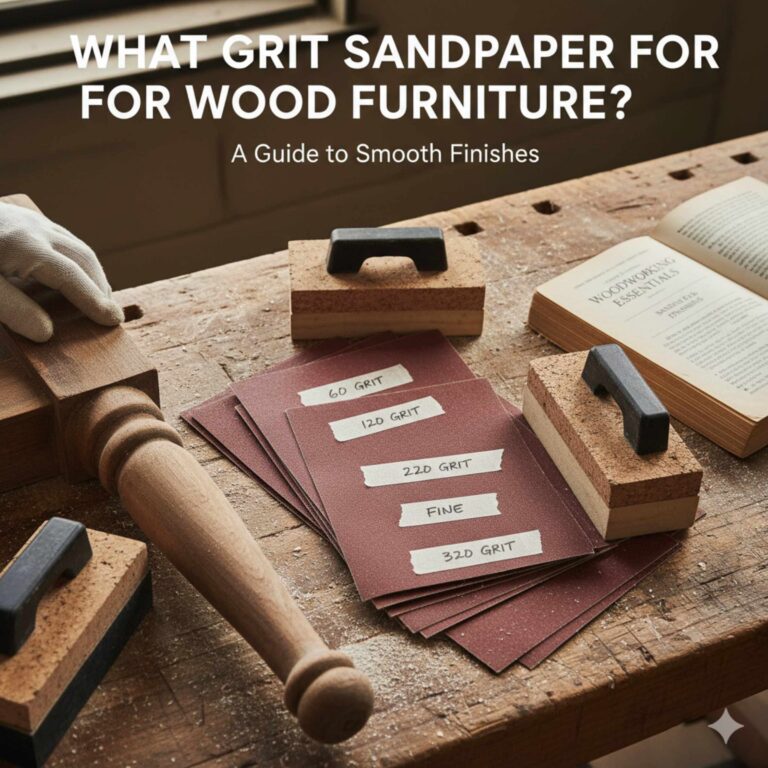
Use fine-grit sandpaper — 220 grit or higher — and sand only the affected area. Sand in the direction of the wood grain, not against it. Stop as soon as the mark disappears.
You do not need to remove all the finish, just the top layer where the moisture is trapped.
- Clean the area thoroughly and let it dry completely.
- Sand gently with 220-grit sandpaper in the direction of the grain.
- Wipe away dust with a tack cloth or damp rag.
- Apply a thin coat of furniture polish, wax, or matching finish.
- Buff to a shine and let it cure for 24 hours before use.
Warning: Sanding removes the original finish. If your furniture is antique, valuable, or has a complex finish like French polish, consult a professional instead.
If the mark turns dark after sanding, the heat damage has reached the wood itself. In that case, you need to strip the entire piece and refinish it from scratch. This is rare for white marks, but worth knowing if your furniture has been damaged for a long time.
Common Mistakes When Removing White Heat Marks From Wood
People often make the problem worse by using the wrong method or rushing the process. Avoid these common errors to save yourself time and frustration.
- Using too much heat. High heat can blister or crack the finish. Always start low and increase gradually.
- Sanding too aggressively. You only need to remove the top layer of finish, not the wood itself.
- Using colored or gel toothpaste. Dyes in colored toothpaste can stain the wood permanently.
- Rubbing too hard. Pressing hard with abrasive pastes can wear through the finish in thin spots.
- Applying water directly to the mark. Water feeds the problem. Use dry methods or oil-based treatments instead.
The most common mistake is giving up too soon. White heat marks on wood often need multiple attempts with different methods. Try heat first, then toothpaste, then oil.
Work your way up the intensity scale and stop as soon as the mark fades.
Frequently Asked Questions
Can white heat marks on wood be fixed?
Yes, in almost all cases. White marks are moisture trapped under the finish, not permanent damage. Gentle heat, toothpaste, mayonnaise, or baking soda usually removes them completely.
How long does it take to remove a heat mark from wood?
Most methods take between 5 minutes and 24 hours.
The hair dryer or iron method works in under 2 minutes. Mayonnaise or petroleum jelly requires several hours or overnight. Sanding and refinishing takes about a day including drying time.
Does toothpaste really remove heat marks from wood?
Yes, white toothpaste works as a mild abrasive that buffs away the top layer of finish where moisture is trapped.
Use only plain white toothpaste — no gel, no whitening, no stripes.
What is the difference between a white heat mark and a dark burn mark on wood?
A white mark is trapped moisture under the finish and is reversible. A dark or black mark means the heat penetrated through the finish and damaged the wood itself, requiring sanding, stripping, or professional restoration.
Can you prevent white heat marks on wood furniture?
Yes, always use coasters, trivets, or placemats under hot items. Let hot dishes cool for 30 seconds before placing them on wood.
Waxed or sealed surfaces are more resistant to moisture penetration.
Final Thoughts
Removing white heat marks from wood is easier than most people think. Start with gentle heat, move to household pastes, and only sand as a last resort. Almost every white mark can be fixed with patience and the right technique.
Keep coasters handy, and your furniture will stay beautiful for years.
Sponsored / affiliate links. As an Amazon Associate I earn from qualifying purchases. I may earn additional commission from eligible campaigns.