How To Get Rid Of A Woodlouse Spider In Your House
Woodlouse spiders are common in homes and are harmless to people. They are named for their diet, which includes woodlice or pill bugs. While they might look a bit intimidating, they are not aggressive and do not pose a threat.
Understanding their habits can help you feel more comfortable sharing your space with them.
Understanding the Woodlouse Spider
The woodlouse spider is also known by its scientific name, Dysdera crocata. It’s a fascinating creature that plays a role in nature. It’s also a very common sight in many homes across the United States.
You might see them in basements, garages, or even in living areas. They are often found in damp places. This is because their main food source, woodlice (also called pill bugs or roly-polies), like damp environments too.
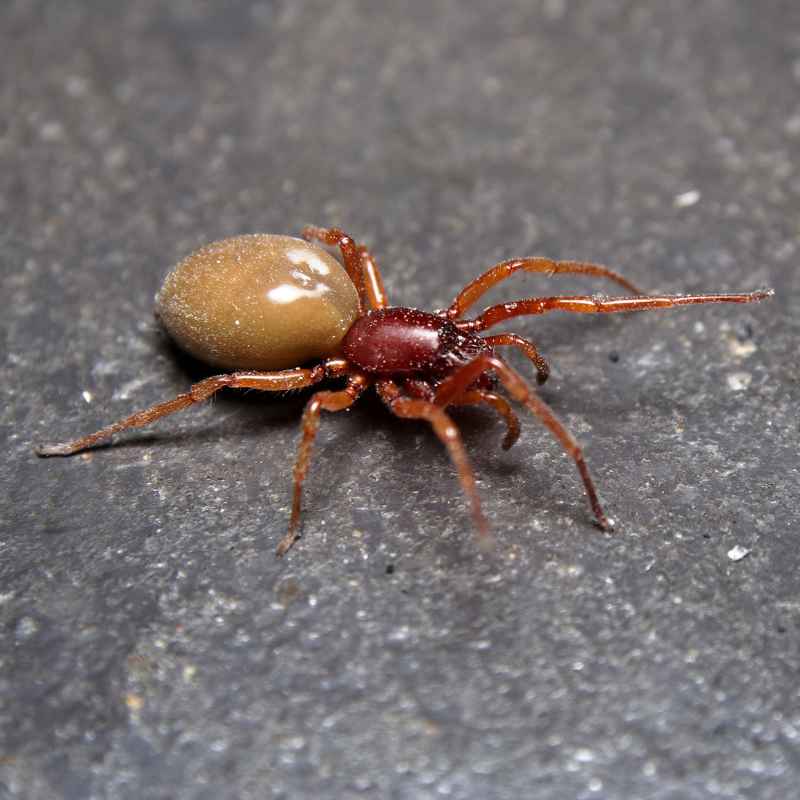
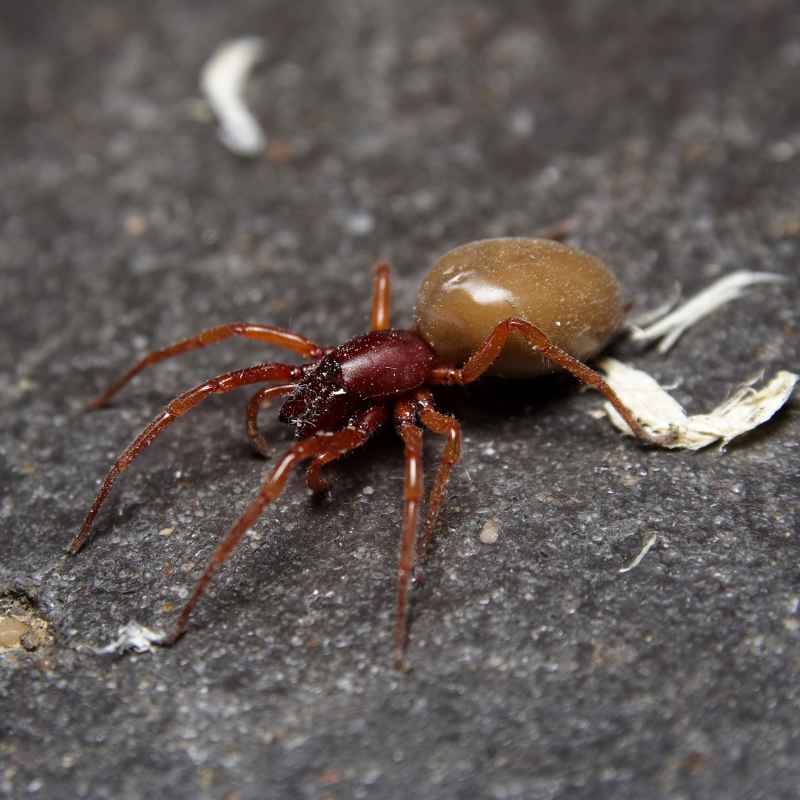
What makes them stand out is their appearance. They have a reddish-brown or orange-brown body. Their legs are a lighter color, often yellowish or pale orange.
The most distinctive feature is their large, powerful jaws, called chelicerae. These jaws are quite prominent and look a bit like fangs. They are designed for one main purpose: to catch and eat their prey.
Unlike some other spiders, these jaws are not used to inject venom into humans. Their venom is meant for their prey, not for us.
The size of a woodlouse spider can vary. Females are usually larger than males. An adult spider might be about half an inch to an inch long.
This includes the legs. So, while they are not tiny, they are also not giant spiders that would cause widespread panic. Their body is a bit elongated.
They have a somewhat flattened appearance. This helps them hide in small cracks and crevices.
Their behavior is also quite unique. They are not typically web-building spiders. Instead, they are hunters.
They actively seek out their food. This means you’re more likely to see them crawling around on floors or walls. They are nocturnal.
This means they are most active at night. So, if you see one during the day, it might be resting or trying to find a dark, quiet spot.
When you encounter a woodlouse spider, it’s important to remember they are generally shy. They don’t want to interact with you. If they feel threatened, their first instinct is to run away and hide.
They only bite if they feel trapped or are handled roughly. And even then, their bite is usually mild. It might feel like a bee sting to some people.
It’s not medically significant for most.
The presence of woodlouse spiders often indicates that you also have woodlice in or around your home. Woodlice are small, segmented creatures that are often found under rocks, logs, or in damp soil. They are also harmless to humans and their homes.
However, a large number of them might be a sign of too much moisture. This is something you might want to address.
My Scary Nighttime Encounter
I remember one summer evening distinctly. I had just finished a long day of work. It was close to midnight, and I was heading to the kitchen for a glass of water.
The house was quiet. Suddenly, on the polished wooden floor, I saw a shape moving. It was dark, and it looked… substantial.
My heart did a little jump. It’s that automatic, primal reaction to seeing a spider when you’re not expecting it. Especially when you can’t quite make out the details in the dim light.
As I got closer, trying not to step on it, I could see its shape. It had those long, spindly legs. And then, the front part came into view.
It was bigger, more pronounced than I was used to seeing on common house spiders. It had these incredible, almost menacing-looking jaws. I’d never seen anything quite like it.
I admit, for a moment, I felt a shiver of unease. My mind raced. Was it dangerous?
Was it going to jump? I froze, a little unsure of what to do.
It didn’t move aggressively. It just sat there, maybe a little startled by the light. I slowly reached for my phone.
I wanted to get a picture to identify it later. As I focused, I could see the reddish-brown color and the distinct shape of its head and those impressive jaws. It looked almost prehistoric.
The feeling of apprehension slowly started to fade as I realized it wasn’t charging at me. It wasn’t showing any signs of aggression at all. It just seemed like it was trying to get away from the light, just like I would.
I managed to take a few quick photos. Then, very carefully, I slid a piece of paper under it. I gently guided it towards the edge of the floor and onto the paper.
I took it outside, away from the house, and let it go. Later that night, I looked up the photos. That’s when I learned about the woodlouse spider.
Knowing what it was and that it was harmless made all the difference. It turned my moment of fear into a learning experience. It showed me how much understanding can change our perspective.
Woodlouse Spider Quick Facts
Appearance: Reddish-brown body, yellowish legs. Prominent, large jaws (chelicerae).
Size: About half an inch to an inch long, including legs.
Habitat: Found in homes, especially basements, garages, and damp areas.
Diet: Primarily woodlice (pill bugs).
Behavior: Nocturnal hunter, not a web builder. Shy and not aggressive towards humans.
Bite: Rare; can cause mild pain, similar to a bee sting, if provoked.
Why They Choose Your Home
Woodlouse spiders seek out specific conditions. These conditions are often present in our homes. The main draw is food.
As their name suggests, their favorite meal is woodlice, or pill bugs. These small, segmented creatures are drawn to moisture. They thrive in dark, damp environments.
Think of areas like:
- Basements and crawl spaces
- Underneath sinks or around leaky pipes
- Garages and sheds
- Areas with lots of debris or clutter
- Gardens, patios, or woodpiles near the house
If your home provides a welcoming environment for woodlice, it will also attract woodlouse spiders. These spiders are opportunistic hunters. They follow their food source.
So, the presence of woodlouse spiders is often a direct indicator of a woodlouse problem. It’s a natural food chain at play, right inside your own home.
Another reason they like homes is shelter. Woodlouse spiders are not built for harsh outdoor conditions. They prefer protection from extreme weather.
They also need places to hide from predators. Your home offers many safe havens. Cracks in walls, gaps under doors, spaces behind furniture, and cluttered storage areas all provide ideal hiding spots.
They are also attracted to the consistent temperature and humidity levels found indoors.
Their hunting style also plays a role. Since they don’t build webs, they need to actively search for food. This means they spend a lot of time exploring their surroundings.
This is why you’re more likely to see them out and about, moving across floors or up walls. They are looking for their next meal. A home provides a large, indoor hunting ground.
The type of construction of a house can also make it more appealing. Older homes, or homes with less modern sealing, might have more entry points. Gaps around windows, doors, and foundations can be easy access for spiders and their prey.
Even newer homes can develop these entry points over time.
It’s also worth noting that woodlouse spiders are more common in certain regions. They are widespread across the United States. They tend to be more prevalent in areas with milder climates.
However, they can adapt to many different environments. If the conditions are right – food, shelter, and suitable temperature – they will find a way in.
Why Spiders Enter Homes
Food Availability: Many insects and other invertebrates seek shelter indoors, providing a food source.
Shelter and Protection: Homes offer refuge from predators and harsh weather conditions.
Temperature Regulation: Indoor environments often have more stable temperatures than the outdoors.
Moisture: Certain spiders, like the woodlouse spider, are attracted to damp areas found in homes.
Entry Points: Gaps in doors, windows, foundations, and walls allow easy access.
Identifying the Woodlouse Spider
Spotting a woodlouse spider in your house can be a bit unsettling, especially if you’re not familiar with them. But once you know what to look for, it becomes much easier. Their distinctive features make them quite recognizable.
The key is to focus on a few specific characteristics. This will help you tell them apart from other common house spiders.
The most striking feature, as mentioned before, is their large, prominent jaws. These are called chelicerae. They stick out from the front of the spider’s head.
They are often a darker color than the rest of the body. Think of them as large, powerful pincers. These are their primary tools for catching and consuming woodlice.
Compared to their body size, these jaws are quite substantial. This is a dead giveaway for identifying this particular species.
Next, look at their body color and shape. Woodlouse spiders typically have a reddish-brown or orange-brown colored body. This gives them a warm, earthy tone.
Their abdomen is usually oval-shaped and somewhat elongated. It’s not as rounded as some other common house spiders. Their legs are generally a lighter shade.
They are often yellowish or a pale orange. They are not hairy like some other spider species, giving them a smoother appearance.
Their size is also a helpful indicator. While sizes can vary, adult woodlouse spiders often measure between half an inch and an inch in length. This includes their leg span.
This makes them a medium-sized spider for a household setting. They are certainly noticeable, but not exceptionally large. They are typically smaller than some of the giant house spiders you might encounter in other regions.
Another important characteristic is their lack of web-building. If you see a spider actively crawling on a surface, rather than hanging out in a corner web, it’s more likely to be a hunter like the woodlouse spider. They are ground hunters.
They prefer to roam and search for prey. This is different from spiders that build intricate webs to catch insects passing by.
Consider their behavior. Woodlouse spiders are not aggressive. They are quite timid.
If you approach one, it will most likely try to run away. It will seek a dark, quiet place to hide. They only bite if they feel threatened, cornered, or are handled carelessly.
Their bite is not considered dangerous to humans, though it can be painful.
To recap, when you see a spider in your house, ask yourself these questions:
- Does it have very large, noticeable jaws or fangs at the front?
- Is its body reddish-brown or orange-brown?
- Are its legs lighter, maybe yellowish?
- Is it actively crawling around, not sitting in a web?
- Is it a medium size, not tiny but not huge?
If you answered yes to most of these, you are likely looking at a woodlouse spider. Knowing these traits can help you feel more confident and less anxious when you encounter one.
Woodlouse Spider vs. Other House Spiders
Woodlouse Spider: Large jaws, reddish-brown body, hunts on ground, bites rarely (mild pain).
Common House Spider (e.g., American House Spider): Smaller jaws, brownish-grey, builds messy webs, bites rarely (mild irritation).
Wolf Spider: Medium to large, hairy, excellent vision, hunts on ground, bite can be painful but not dangerous.
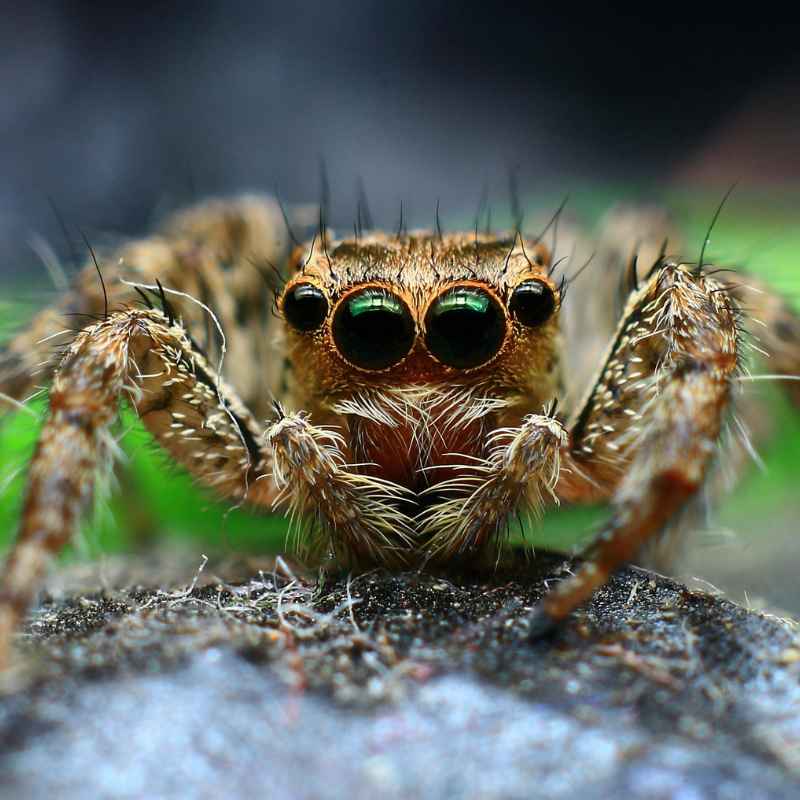
Jumping Spider: Small to medium, stout body, very good eyesight, often colorful, moves in quick jumps, bites rarely (mild).
The Woodlouse Spider’s Diet
The diet of the woodlouse spider is quite specialized. As their name strongly suggests, their primary food source is woodlice. You might know them as pill bugs, roly-polies, or even potato bugs.
These small, armor-plated crustaceans are often found in damp environments. They are a plentiful food source in many yards and basements.
Woodlouse spiders are perfectly adapted to hunting these particular prey. Their large, powerful jaws are ideal for capturing and holding onto the segmented bodies of woodlice. They don’t inject venom to paralyze their prey in the same way some other spiders do.
Instead, they use their strong jaws to crush and manipulate their meal. They then use their digestive enzymes to break down the woodlouse internally.
Why are woodlice such a good food source for them? Woodlice themselves are abundant in many environments where woodlouse spiders are found. They thrive in moist soil, under logs, rocks, and garden debris.
They also often seek out damp spots within homes, such as basements, bathrooms, and kitchens. This makes them readily available for a spider that lives in the same areas.
Woodlouse spiders are active hunters. They don’t rely on catching prey in webs. They actively search for their meals.
This means they will actively patrol areas where woodlice are likely to be found. They are particularly active at night. This is when woodlice are also more likely to be foraging.
While woodlice are their favorite food, it’s possible they might eat other small invertebrates if the opportunity arises. This could include things like small beetles or other soft-bodied insects. However, their hunting anatomy is clearly optimized for woodlice.
Their large jaws and hunting strategy are geared towards this specific prey.
The presence of woodlouse spiders is a natural indicator of a healthy population of woodlice. While some people may not want woodlice in their homes, they are actually beneficial in the garden. They help break down decaying organic matter.
In the house, however, they can be a sign of excess moisture. Addressing the moisture problem will help reduce the woodlice population. This, in turn, will naturally reduce the food source for woodlouse spiders.
What Do Woodlice Eat?
Woodlice, the primary food of woodlouse spiders, are detritivores. This means they feed on decaying organic matter.
Their diet includes:
- Fallen leaves
- Rotting wood
- Dead plant material
- Fungi
- Animal droppings
They play an important role in decomposition in gardens and other natural environments.
Is a Woodlouse Spider Bite Dangerous?
This is often the biggest concern for people when they see a woodlouse spider. The good news is, for the vast majority of people, a woodlouse spider bite is not dangerous. It’s important to understand that these spiders are not aggressive.
They do not go out of their way to bite humans.
A bite typically only occurs if the spider feels threatened. This usually happens if it’s accidentally trapped. For example, if you reach into a dark space without looking.
Or if you pick up a spider without realizing it. Or if it gets caught in clothing or bedding and feels squeezed. In these situations, its natural defense mechanism is to bite.
The bite itself can be painful. Many people describe the sensation as being similar to a bee sting. This is due to the spider injecting a small amount of venom.
However, the venom of the woodlouse spider is designed to break down the tough exoskeleton of its prey, like woodlice. It is not potent enough to cause serious harm to humans.
Symptoms of a woodlouse spider bite can include:
- Pain: Usually immediate and localized at the bite site.
- Redness: The area around the bite may become red.
- Swelling: Mild swelling is possible.
- Itching: Some people may experience itching.
These symptoms are typically mild. They usually subside within a few hours to a day. For most people, no medical treatment is necessary.
It’s similar to a minor cut or scrape.
When to seek medical advice:
While rare, some individuals might have a stronger allergic reaction to spider bites. If you experience any of the following, it’s a good idea to consult a doctor:
- Severe swelling that spreads beyond the bite area.
- Difficulty breathing or shortness of breath.
- Dizziness or nausea.
- Signs of infection, such as increasing redness, warmth, pus, or fever.
However, these are very uncommon reactions to a woodlouse spider bite.
Prevention is key:
The best way to avoid a bite is to be aware of your surroundings. Especially in dark or damp areas where these spiders might be found. Wear gloves when reaching into storage areas or sheds.
Shake out shoes and clothing that have been left on the floor. By being mindful, you can greatly reduce the chances of an unwanted encounter.
In summary, while a woodlouse spider bite can be painful, it is not a cause for significant concern for most people. They are not venomous in a way that threatens human health. Their primary defense is to flee, not to fight.
Understanding this can help alleviate a lot of the fear associated with them.
Spider Bite First Aid (General)
For most non-venomous spider bites:
- Wash the area gently with soap and water.
- Apply a cold compress or ice pack to reduce swelling and pain.
- Elevate the affected limb if possible.
- Take an over-the-counter pain reliever (like ibuprofen) if needed.
- Apply an antihistamine cream or take an oral antihistamine if itching is present.
- Keep an eye on the bite area for signs of infection.
Always consult a medical professional if you are unsure or if symptoms worsen.
How to Safely Manage Woodlouse Spiders
So, you’ve seen a woodlouse spider, or maybe a few. Your first instinct might be to get rid of them. While that’s understandable, remember they are harmless and even beneficial by controlling other pests.
If you do decide you want to reduce their presence, there are humane and effective ways to do it. The goal is usually not to eliminate them entirely, but to manage their numbers and prevent them from becoming a nuisance.
Encourage natural predators: If you have other beneficial insects or small animals in your yard, like certain birds or lizards, they might help control the spider population outdoors. This is more of a long-term, ecological approach.
Physical removal: This is often the easiest and most direct method. If you see a woodlouse spider, you can gently catch it and release it outside. Use a cup and a piece of stiff paper or card.
Place the cup over the spider, then carefully slide the paper underneath the cup. This traps the spider inside. You can then take it outdoors and release it far from your house.
This is a humane way to remove them without causing harm.
Sealing entry points: This is a crucial step in preventing any pest, including spiders, from entering your home. Inspect your house for gaps and cracks. Pay close attention to areas around windows, doors, foundations, and utility entry points.
Use caulk or weatherstripping to seal these openings. This will make it much harder for spiders and their prey (woodlice) to get inside.
Reduce moisture: Woodlouse spiders and woodlice love damp environments. Reducing moisture in and around your home can make it less attractive to them. Fix any leaky pipes or faucets.
Ensure good ventilation in basements and bathrooms. Use a dehumidifier in damp areas. Outdoors, make sure gutters are clear and direct water away from the foundation of your house.
Remove standing water sources.
Declutter: Spiders and woodlice like to hide in clutter. Reducing clutter in basements, garages, and storage areas can eliminate many hiding places. This makes your home less appealing and makes it easier to spot any pests that do appear.
Natural deterrents (use with caution): Some people suggest using natural repellents. Things like peppermint oil, eucalyptus oil, or vinegar. You can mix these with water and spray them around entry points.
However, the effectiveness of these methods can vary. And they might need frequent reapplication. They are generally safe but always test a small area first.
Avoid harsh chemicals: For woodlouse spiders specifically, using strong insecticides is usually unnecessary and not recommended. They are not considered a significant pest. Harsh chemicals can be harmful to pets, children, and the environment.
They can also kill beneficial insects. If you choose to use an insecticide, opt for products specifically labeled for spiders and follow all instructions carefully. But this should be a last resort.
The most effective long-term strategy is to make your home less inviting. By addressing the underlying conditions that attract woodlouse spiders and woodlice, you can naturally reduce their presence.
Preventing Pests: A Checklist
Sealing:
- Caulk cracks in foundation and walls.
- Install or repair weatherstripping around doors and windows.
- Use screens on vents and chimneys.
Moisture Control:
- Fix leaky pipes and faucets.
- Ensure good ventilation in basements and bathrooms.
- Use dehumidifiers in damp areas.
- Manage outdoor drainage away from the house.
Decluttering:
- Remove piles of wood, leaves, or debris near the house.
- Organize storage areas indoors and outdoors.
When to Worry About Woodlouse Spiders
In almost all situations, woodlouse spiders are not something to worry about. They are beneficial members of our ecosystem. They help keep populations of woodlice in check.
They are not aggressive towards humans and their bites are rarely problematic. However, there are a few very rare scenarios where you might want to pay a bit more attention.
Allergic Reactions: As mentioned before, while extremely uncommon, some individuals can have a stronger allergic reaction to spider bites. If you experience symptoms like severe swelling spreading from the bite site, difficulty breathing, dizziness, or nausea, seek medical attention immediately. This is not specific to woodlouse spiders but applies to any insect or spider bite if a severe allergic reaction occurs.
Signs of Infection: If you have been bitten and the bite area shows signs of infection, you should see a doctor. These signs include increasing redness, warmth around the bite, pus discharge, red streaks extending from the bite, or a fever. This usually indicates that bacteria have entered the wound.
Infestation Levels: While you might see one or two woodlouse spiders occasionally, if you are seeing an unusually large number of them, it could signal a larger issue. This typically means there is a significant woodlouse (pill bug) population in or around your home. The spiders are simply following their food source.
In this case, the focus should be on addressing the woodlouse problem, which often involves managing moisture. An overwhelming number of spiders, even harmless ones, can cause distress.
Misidentification: The primary reason to be cautious is if you misidentify the spider. While woodlouse spiders are harmless, other spiders that might be found in homes could be more medically significant. Always be certain of the spider’s identification before dismissing it.
If you are unsure, it’s better to err on the side of caution and consult with a local pest control expert or entomologist.
General rule of thumb: If you see a woodlouse spider, observe it from a safe distance. If it’s out in the open and not bothering you, the best approach is often to leave it be. If it’s in a high-traffic area where it might be accidentally bothered, you can gently relocate it outside.
The key is to remain calm and not to panic. Their presence is usually a sign of other minor ecological factors at play in your home environment.
When to Call a Professional
While you can manage most spider situations yourself, consider calling a pest control professional if:
- You suspect an infestation of spiders or other pests.
- You are unable to identify a spider and are concerned about its potential danger.
- You have tried DIY methods to manage pests without success.
- You are dealing with a spider known to be medically significant in your region.
Frequently Asked Questions
Are woodlouse spiders venomous?
Yes, woodlouse spiders are venomous, but their venom is not harmful to humans. It is adapted to help them subdue their prey, which consists mainly of woodlice. The venom is not potent enough to cause serious illness in people.
Do woodlouse spiders bite humans?
Woodlouse spiders can bite humans, but they rarely do. They are not aggressive and will typically try to escape if approached or threatened. A bite usually only occurs if the spider feels trapped or is handled roughly.
The bite can be painful but is not considered medically significant.
What does a woodlouse spider bite feel like?
A woodlouse spider bite can feel similar to a bee sting. It is usually characterized by immediate pain at the bite site, followed by redness, mild swelling, and possibly itching. Symptoms typically subside within a day.
How can I get rid of woodlouse spiders in my house?
The best way to manage woodlouse spiders is to make your home less appealing to them and their prey (woodlice). Seal entry points, reduce moisture, declutter, and if necessary, gently relocate any spiders you find outdoors. Harsh chemical pesticides are usually not needed.
Are woodlouse spiders good or bad to have in the house?
Woodlouse spiders are generally considered harmless and even beneficial. They help control populations of woodlice, which can sometimes become pests themselves. Their presence is usually not a cause for concern unless they are present in very large numbers.
What should I do if I find a woodlouse spider?
If you find a woodlouse spider, the best course of action is to remain calm. If it is in a convenient location to be removed, gently capture it using a cup and paper and release it outdoors. If it is in an area where it is unlikely to be disturbed, you can often leave it be.
Conclusion
Encountering a woodlouse spider can initially feel a bit alarming, especially with their unique appearance and formidable jaws. However, understanding their nature—that they are shy, harmless hunters of woodlice—can transform that fear into curiosity. They are a normal part of our indoor ecosystem, playing a role in pest control.
By knowing how to identify them and understanding their habits, you can feel more comfortable sharing your home with these fascinating creatures. Simple management strategies focus on making your home less inviting to them and their food source, ensuring a peaceful coexistence.
Sponsored / affiliate links. As an Amazon Associate I earn from qualifying purchases. I may earn additional commission from eligible campaigns.