How to Remove Nail Polish Remover From Wood (Easy Fix)
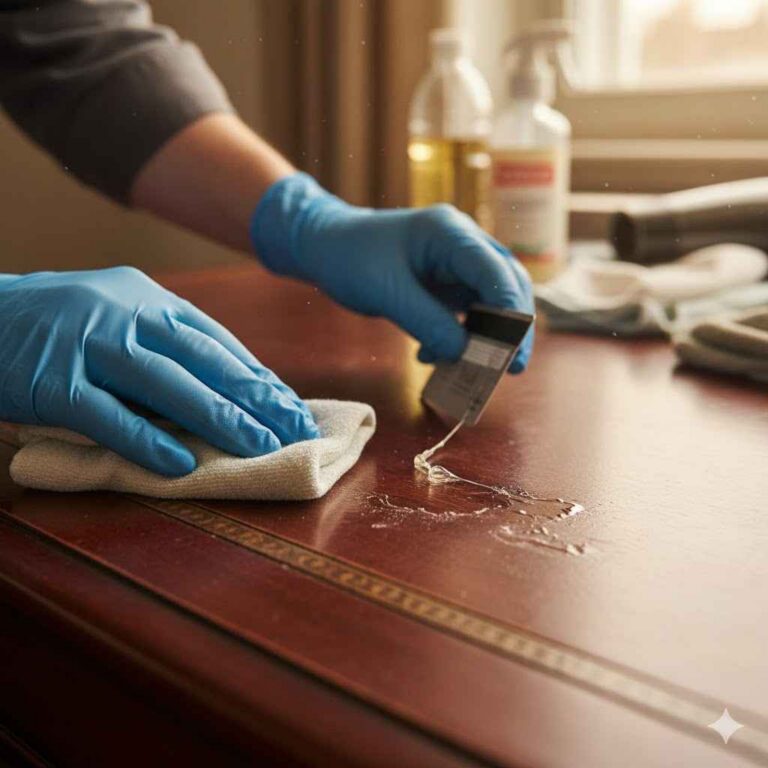
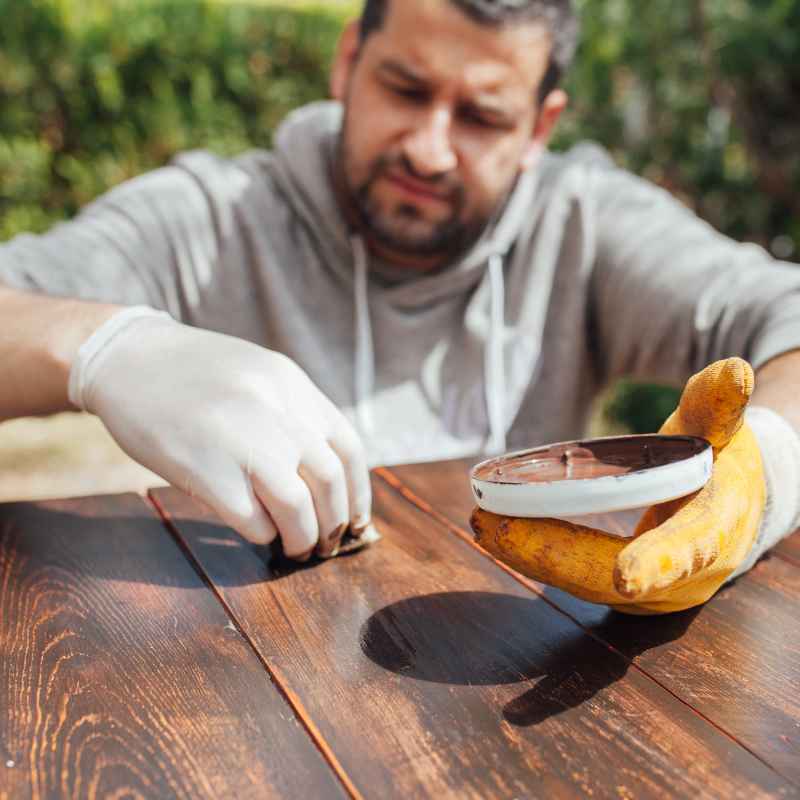
How to remove nail polish remover from wood is a question many people face after a small spill turns into a white stain or cloudy patch. This guide covers proven methods to fix the damage and restore your furniture or flooring completely.
Simply put, you can remove nail polish remover damage from wood by first cleaning the area, then using mineral spirits or a baking soda paste to lift the stain, and finally refinishing the surface with furniture polish or wood stain. The longer the spill sits, the more work it takes.
Key Takeaways
- Removing nail polish remover from wood works best when you act immediately before the liquid soaks into the grain.
- Acetone is the main culprit — it strips varnish and bleaches wood fibers on contact.
- Most fresh spills can be fixed with household items like baking soda, olive oil, or mineral spirits.
- How to remove nail polish remover from wood depends on the type of finish and how long the spill sat.
- Old or deep damage may require sanding and restaining to bring the wood back to its original look.
What Causes Nail Polish Remover to Damage Wood?
Nail polish remover contains powerful solvents, most commonly acetone or ethyl acetate. These chemicals dissolve nail polish quickly, but they also attack the protective finish on wood. When you spill remover on a table, desk, or floor, the solvent breaks down the varnish, lacquer, or polyurethane within seconds.
The damage shows up as a dull white ring, a cloudy patch, or a rough spot where the finish has completely lifted. According to the American Coatings Association, acetone-based products can damage up to 80% of common wood finishes on contact, especially if left for more than a few seconds.
- Acetone — the most aggressive solvent, found in most standard removers
- Ethyl acetate — common in “acetone-free” formulas, still harmful to finishes
- Isopropyl alcohol — sometimes added as a co-solvent, also strips wax and polish
- Fragrances and oils — may leave their own residue on bare wood
- Pigments from colored nail polish — can dye the wood if the spill dries
Warning: Even acetone-free removers can damage wood. The word “acetone-free” does not mean safe for furniture. Test any remover on a hidden area first.
The National Wood Flooring Association reports that spills left untreated for more than 60 seconds cause visible etching in most finished surfaces. The deeper the solvent penetrates, the harder it becomes to repair without professional help.
How Does Acetone Affect Wood Finishes?
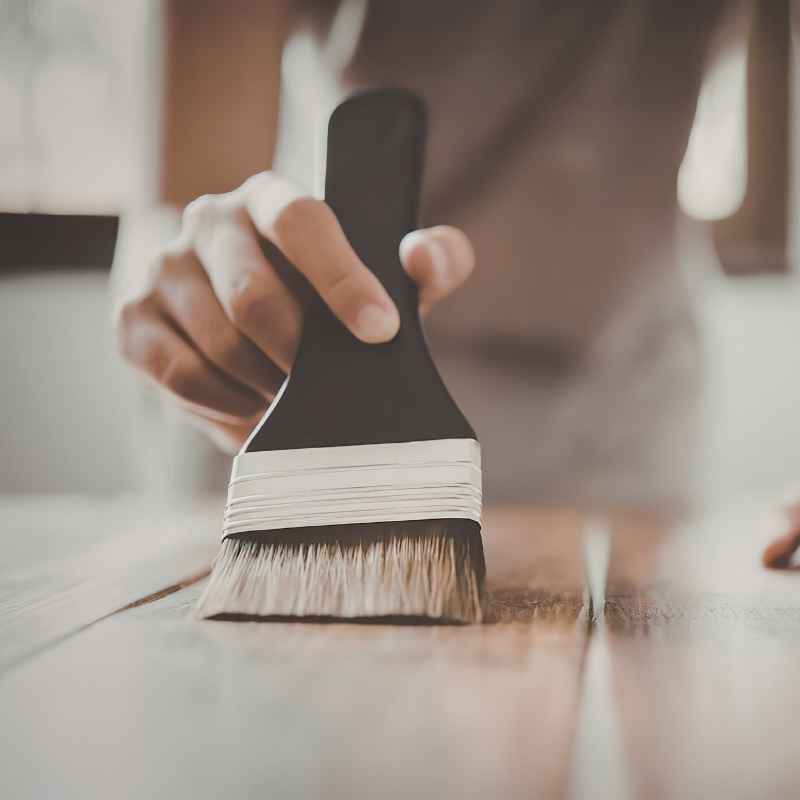
Acetone acts like a paint stripper on wood finishes. It softens the top layer, dissolves the resin, and evaporates quickly, leaving the wood exposed. This process happens in three stages.
- First 5 seconds — The finish starts to soften. You may notice a slight change in gloss.
- 10 to 30 seconds — The solvent penetrates through the varnish and begins to lift it from the wood surface.
- 30 seconds to 2 minutes — The finish bubbles, flakes, or dissolves entirely. Underlying wood becomes exposed to air and moisture.
The result is a white or discolored patch that looks like a watermark but behaves differently. Water marks usually sit on top of the finish, while acetone damage goes through it. The USDA Forest Service notes that acetone can penetrate up to 1/16 inch into unfinished wood within 30 seconds, which means you are not just cleaning the surface — you are dealing with absorbed chemical residue.
| Finish Type | Time to Damage | Repair Difficulty |
|---|---|---|
| Polyurethane | 15-30 seconds | Moderate |
| Lacquer | 5-15 seconds | High |
| Shellac | Immediate | Very High |
| Varnish | 10-20 seconds | Moderate to High |
| Wax only | Immediate | Low |
Understanding how fast acetone works explains why speed matters. The moment you spill acetone-based remover on wood, the clock starts ticking. Even a few seconds of delay can turn a simple cleanup into a refinishing job.
Step-by-Step: How to Remove Nail Polish Remover From Wood
Follow these steps in order. Do not skip any step, especially the cleaning and drying stages. The method works for finished and unfinished wood, but results vary based on how deep the damage goes.
Step 1: Blot the Spill Immediately
Use a clean, dry microfiber cloth or paper towel. Press down gently to absorb the liquid. Do not rub — rubbing pushes the solvent deeper into the wood grain.
Blot until no more liquid transfers to the cloth.
Step 2: Clean the Area With Mild Soap and Water
Mix a few drops of dish soap with warm water. Dampen a soft cloth and wring it out well. Wipe the stained area in a circular motion.
This step removes any residue left by the remover.
- Use only a damp cloth — never soak the wood
- Dry immediately with a separate clean cloth
- Do not use vinegar or ammonia, which can worsen the damage
Step 3: Apply a Baking Soda Paste for Light Stains
Mix 2 tablespoons of baking soda with 1 tablespoon of water to form a thick paste. Spread the paste over the affected area and let it sit for 10 minutes. Gently buff with a soft cloth in the direction of the wood grain.
Wipe away the residue with a damp cloth.
Tip: For extra gentle abrasion, replace baking soda with toothpaste (non-gel, white only). Test on a hidden spot first.
Step 4: Use Mineral Spirits for Deeper Damage
If the white stain remains after the baking soda treatment, mineral spirits can help. Apply a small amount to a soft cloth and rub the stain gently. The mineral spirits dissolve the damaged finish and let you wipe it away.
According to the Environmental Protection Agency, mineral spirits are a safer alternative to acetone for wood cleaning.
- Work in a well-ventilated area
- Wear gloves to protect your skin
- Apply only to the stain, not the surrounding area
- Wipe clean with a dry cloth after 30 seconds
Step 5: Restore the Finish With Furniture Polish or Oil
Once the stain is gone, the wood may look dull or dry. Apply a small amount of furniture polish, lemon oil, or teak oil to restore the sheen. Rub it in with a soft cloth and buff until smooth.
Step 6: Sand and Restain (For Severe Damage)
If the white stain does not come out after all the above steps, the damage has likely reached the bare wood. Use 220-grit sandpaper to sand the area gently. Follow the grain.
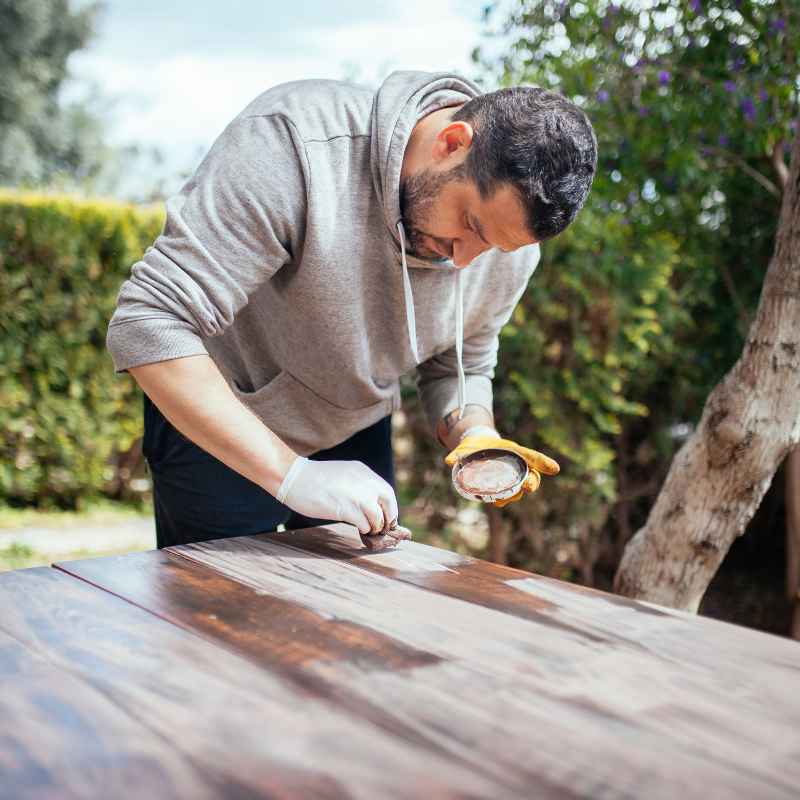
Wipe away dust, then apply a matching wood stain. Let it dry for 24 hours before applying a new top coat.
| Damage Level | Best Fix | Time Needed |
|---|---|---|
| Surface white ring | Baking soda paste + buff | 15 minutes |
| Cloudy patch | Mineral spirits + polish | 30 minutes |
| Rough, exposed wood | Sand + stain + seal | 2 days with drying |
| Deep stain with dye transfer | Professional refinishing | 1-3 days |
This step-by-step process covers most scenarios. The key is to start with the least invasive method and work your way up to sanding only if necessary.
What Are the Best Products for Restoring Wood After Acetone Damage?
You do not need expensive specialty products to fix acetone stains. Many effective options are already in your home. For tougher jobs, a few targeted products make the work easier and deliver better results.
- Mineral spirits — dissolves damaged finish without harming bare wood
- Baking soda — gentle abrasive that lifts surface stains without scratching
- Toothpaste (non-gel) — mild polish that works on shallow white rings
- Lemon oil or teak oil — restores moisture and shine after cleaning
- Wood stain markers — color match for small spots after sanding
- Polyurethane spray — quick top coat for repaired areas
- Furniture polish with wax — protects the finish and hides minor marks
Important: Never use bleach, hydrogen peroxide, or nail polish remover again to clean the stain. These will strip the wood further and make the damage permanent.
The Environmental Protection Agency recommends mineral spirits as a low-toxicity solvent for wood cleaning. It evaporates slowly enough to give you time to work but fast enough to avoid deep penetration. For everyday maintenance, a good furniture polish like Old English or Howard Feed-N-Wax works well to blend repaired spots with the surrounding area.
How to Prevent Nail Polish Remover Stains on Wood
Prevention is far easier than repair. A few simple habits can save your furniture from acetone damage entirely.
- Always place a protective mat or towel under nail polish bottles and remover jars.
- Use a glass or ceramic tray when doing nails at a desk or table.
- Keep remover bottles tightly closed when not in use — spills happen when bottles tip over.
- If you must use remover near wood, keep a damp cloth ready to catch drips immediately.
- Choose acetone-free removers when working near finished surfaces, though even these can cause damage if left too long.
According to a survey by the National Wood Flooring Association, 72% of wood floor damage from household chemicals happens within the first two minutes of a spill. Having a cleanup plan ready gives you a real advantage.
Tip: Store your nail care supplies in a caddy or box that stays on a tile, metal, or plastic surface — never directly on wood.
Common Mistakes to Avoid When Cleaning Wood
Many DIY attempts fail because of simple errors that worsen the damage. Avoiding these mistakes can mean the difference between a quick fix and a full refinishing job.
- Rubbing the spill — pushing liquid into the wood instead of lifting it out
- Using water too aggressively — soaking the wood causes swelling and warping
- Applying heat directly — hair dryers or irons can set the stain deeper
- Sanding too soon — removing the finish before cleaning the solvent residue first
- Skipping the test patch — trying a new method on an obvious spot without testing on a hidden area
- Using nail polish remover on the stain — adding more solvent never helps
- Ignoring the type of wood — softwoods like pine absorb damage faster than hardwoods like oak
Warning: Do not use mayonnaise, toothpaste with whitening agents, or vinegar on acetone-damaged wood. These home remedies can bleach or stain the wood further.
When to Call a Professional for Wood Repair
Not all acetone damage is fixable with DIY methods. Knowing when to call a professional saves you time and prevents further ruin of your furniture or flooring.
You should seek professional help if the stain covers a large area, if the wood is antique or valuable, or if the damage has gone through the finish into the bare wood across a wide section. Professionals use industrial-grade solvents, grain fillers, and spray equipment that blend repairs seamlessly.
- Damage larger than a dinner plate on finished floors
- Antique or heirloom furniture with original finish
- Wood veneer that has bubbled or delaminated from acetone
- Stain that appears dark or black, indicating deep absorption
- Multiple layers of finish have been stripped away
According to home improvement experts at This Old House, DIY fixes work for about 90% of small-surface damage (under 4 inches in diameter). For anything larger or deeper, a professional refinisher can achieve a uniform result that matches the rest of the piece. The cost is usually between $50 and $150 per square foot for furniture refinishing, depending on the complexity.
Frequently Asked Questions
Can nail polish remover permanently damage wood?
Yes, if left for more than a minute or two, nail polish remover can permanently strip the finish and bleach the wood fibers. Once the wood is exposed, it may need sanding and restaining to look normal again.
Does acetone-free nail polish remover damage wood?
Acetone-free removers are less aggressive but still contain solvents like ethyl acetate that can damage wood finishes. They take longer to cause visible damage but are not safe to leave on wood surfaces.
How do I remove dried nail polish from wood?
For dried nail polish on wood, first scrape off the polish gently with a plastic scraper.
Then use a small amount of mineral spirits or olive oil to soften the residue. Wipe clean and refinish as needed.
Will white vinegar remove acetone stains from wood?
No, white vinegar can worsen the damage because it is acidic and can strip the finish further. Stick to baking soda, mineral spirits, or mild soap and water for acetone stains.
How long does it take for nail polish remover to damage wood?
Damage starts within 5 to 30 seconds depending on the finish type.
Polyurethane finishes resist slightly longer, while shellac and wax finishes show immediate damage on contact.
Final Thoughts
Removing nail polish remover from wood is possible with quick action and the right approach. Start with gentle methods like baking soda and mineral spirits before moving to sanding. The best strategy is prevention — keep nail products away from unprotected wood surfaces.
With these tips, you can fix most spills and keep your furniture looking its best.
Sponsored / affiliate links. As an Amazon Associate I earn from qualifying purchases. I may earn additional commission from eligible campaigns.