Is Wood Rot A Physical Or Chemical Property? Explained
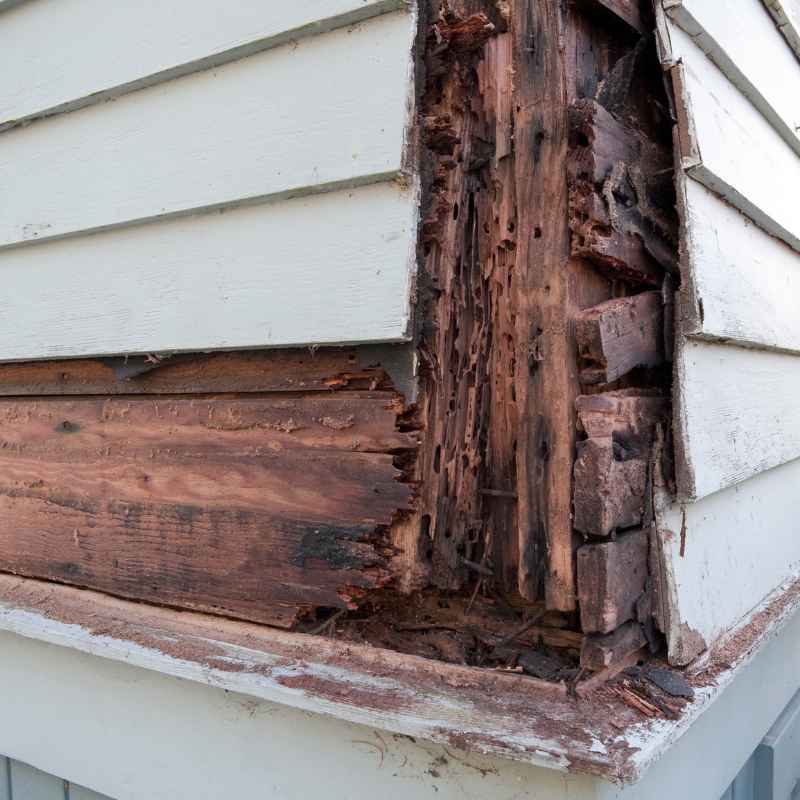
Wood rot is fundamentally a chemical process where fungi break down wood’s complex organic compounds. This breakdown changes the wood’s physical properties, making it weaker and softer. So, while the effects are physical, the root cause is chemical.
Understanding Wood Rot: A Deeper Look
Wood is amazing stuff. It’s strong and versatile. But it’s also organic.
This means it can break down over time. Wood rot is a common problem. It affects houses, furniture, and even trees.
It’s caused by certain types of fungi. These fungi eat the wood. They use it as food.
When fungi attack wood, they don’t just chew it up. They release special chemicals. These chemicals are called enzymes.
Enzymes are like tiny tools. They break down the wood’s structure. Wood has three main parts.
There’s cellulose, hemicellulose, and lignin. Cellulose gives wood its strength. Lignin acts like a glue.
It holds the cellulose fibers together.
The fungi target these parts. They break them into simpler sugars. These sugars are then used by the fungi.
This process changes the wood. It’s not just getting a little softer. The very nature of the wood changes.
This is where the question of physical versus chemical properties comes in.
Is Wood Rot a Physical or Chemical Property?
This is a great question. And the answer leans heavily towards chemical change. Think about it this way: a physical change alters a substance’s appearance or form.
Water freezing into ice is a physical change. It’s still water, just in a different state. A chemical change creates a new substance.
It rearranges the atoms and molecules.
Wood rot happens because fungi are eating the wood. They are breaking the long chains of cellulose and lignin. They turn them into new, simpler molecules.
These new molecules are food for the fungi. They are not wood anymore. This process creates new compounds.
It changes the wood’s fundamental composition.
So, while the results of wood rot are very visible and physical—like crumbling, softening, and color changes—the cause is a chemical reaction. The fungi are performing a chemical decomposition. They are digesting the wood.
Let’s break down the difference more. Imagine taking a block of wood and cutting it into smaller pieces. That’s a physical change.
The wood is still wood. Its chemical makeup hasn’t changed. Now, imagine setting that wood on fire.
It turns into ash and smoke. That’s a chemical change. New substances are formed.
Wood rot is more like the burning wood. The fungi are breaking down the wood at a molecular level. They are changing its chemical structure.
This is why wood rot is considered a chemical property and process. The effects we see are the physical signs of this chemical breakdown.
My Experience with Wood Rot: A Soaked Sill
I remember working on an old house a few years back. It was a beautiful Victorian. But it had seen better days.
The homeowner called me because there was a strange smell in the living room. It was musty. And the paint on the windowsill was bubbling and peeling.
I went to take a look. The windowsill was on the north side of the house. It got very little sun.
I gently pressed on the sill. It felt soft. Not just a little soft, but alarmingly so.
My finger sank right into the wood. I felt a wave of dismay. This wasn’t just old paint.
This was serious wood rot. The wood looked darker than the rest of the window frame. It had a spongy texture.
It felt damp, even though it hadn’t rained in days.
I carefully pulled away a loose piece of the sill. Underneath, the wood was dark brown and crumbly. It had lost all its structural integrity.
It felt like dry, weak cake. I knew right then that this was a deep problem. The moisture had been getting in for a long time.
The fungi had found a perfect, dark, damp home. They had been working for years. They were silently destroying the wood from the inside out.
It was a stark reminder of how persistent nature can be. And how important it is to catch these things early.
The Fungi Behind the Rot
It’s not just one type of fungus. Many different fungi cause wood rot. Some prefer wet conditions.
Others can survive in drier wood if there’s enough moisture. These fungi are often called ‘wood-decay fungi’. They are masters of decomposition.
They have evolved to break down tough materials like wood. They are essential for nature’s recycling process. But not so great for our wooden structures.
The Role of Moisture and Fungi
Wood rot doesn’t just happen anywhere. It needs specific conditions. The two main ingredients are moisture and fungi.
Fungi need water to grow and spread. Wood can typically hold moisture. When wood stays wet for a long time, it becomes a target.
Think about areas where water collects. Leaky pipes. Poorly draining foundations.
Roof leaks. These are prime spots.
Most wood has a moisture content of around 15-20%. Fungi need the wood’s moisture level to rise. They need it to be about 25% or higher.
This is why preventing water damage is so crucial. Keeping wood dry stops the rot before it starts.
There are three main types of wood rot. They are classified by how the fungi break down the wood. This relates to the chemical components they attack.
Types of Wood Rot Explained
- Brown Rot: This fungus eats the cellulose and hemicellulose. It leaves the lignin behind. This makes the wood shrink and crack. It turns a reddish-brown color. The wood becomes brittle. It crumbles easily. It feels dry and powdery.
- White Rot: This fungus breaks down lignin. It also eats some cellulose. It makes the wood turn a pale, whitish color. The wood often feels stringy. It can feel soft and spongy.
- Soft Rot: This fungus prefers very wet conditions. It attacks the cellulose first. It creates small, sunken areas. These areas look like cavities. The wood surface may appear soft and wet.
Each type of rot changes the wood differently. But they all start with the same basic idea. Fungi find a food source.
They use chemicals to break it down. They create new substances. This is a chemical reaction at its core.
Chemical Properties Changed by Rot
When wood rots, its chemical properties change dramatically. This is the heart of the matter. The fungi are altering the wood’s molecular structure.
They are changing its very essence.
Consider the lignin. It’s what gives wood its rigidity. It’s a complex polymer.
White rot fungi break down this lignin. This releases energy for the fungus. It also makes the wood flexible.
It can even feel rubbery. This is a clear chemical transformation.
Cellulose is another key component. It’s a long chain of sugar molecules. It provides strength.
Brown rot fungi target cellulose. They break these long chains into smaller pieces. This makes the wood weak.
It loses its ability to hold weight. The wood’s structural integrity is compromised due to this chemical breakdown.
Hemicellulose is also affected. It’s another type of carbohydrate. It helps bind cellulose fibers.
Fungi break these down too. This further weakens the wood’s structure.
The chemical changes lead to new compounds. These are often simpler sugars or acids. They are byproducts of the fungal metabolism.
These new compounds can also affect the pH of the wood. They can make it more acidic. This can, in turn, encourage more fungal growth.
It creates a cycle of decay.
So, while we see the physical results, the underlying cause is deeply chemical. The chemical bonds within the wood are being broken. New molecules are being formed.
This is the definition of a chemical change.
Physical Properties of Wood Affected by Rot
Even though rot is a chemical process, the physical changes are what we notice most. These are the signs that tell us something is wrong. They are the outward evidence of the internal chemical damage.
One of the most obvious physical changes is softening. Rotting wood loses its hardness. It becomes spongy.
You can often press into it easily. This is because the cellulose and lignin, which provide hardness, are being broken down.
Cracking and crumbling are also common. As the wood loses its structural components, it becomes brittle. Brown rot, in particular, causes wood to shrink and crack.
It forms cube-like shapes. This is a physical manifestation of the chemical decomposition.
Color changes are another visible sign. Brown rot often turns wood dark brown. White rot can bleach it to a pale white or yellow.
Soft rot can make wood dark and slimy.
Texture changes are also notable. Wood might go from smooth and firm to rough, stringy, or powdery. The density of the wood decreases.
It feels lighter. This is because organic material has been removed.
The strength of the wood is severely compromised. This is perhaps the most critical physical change. A rotted beam might look okay from the outside.
But it can no longer support weight. This is why it’s so dangerous. The structural integrity is gone.
All these physical changes are direct results of the chemical reactions. The fungi are altering the molecules. This makes the wood behave differently.
It looks different. It feels different. It performs differently.
Quick Scan: Rot vs. Normal Wood
| Feature | Normal Wood | Rotting Wood |
| Hardness | Firm, solid | Soft, spongy |
| Color | Natural wood tone | Dark brown, pale white, or yellow |
| Texture | Smooth, fibrous | Brittle, crumbly, stringy, powdery |
| Strength | High | Severely weakened |
| Moisture | Appropriate levels | Often damp or wet |
Myths vs. Reality About Wood Rot
There are many ideas about wood rot. Some are true, some are not. Let’s clear up a few common ones.
Wood Rot: Myth vs. Reality
Myth: Wood rot only happens to old wood.
Reality: While older wood can be more vulnerable, rot can occur in any wood that is exposed to moisture and fungi. New wood can rot quickly if conditions are right.
Myth: You can always see wood rot easily.
Reality: Not true. Wood rot often starts inside. It can spread unseen for a long time.
The surface might look fine. This is why regular checks are important.
Myth: Painting wood prevents rot.
Reality: Paint can help. But it’s not a foolproof solution. If water gets under the paint or through cracks, rot can still start.
A good paint job is part of protection. But it’s not the only part.
Myth: Wood rot is just decay, like dead leaves.
Reality: While both are decomposition, wood rot is specifically caused by fungi. It’s a more active, chemical breakdown process targeting wood’s specific structure.
Understanding the reality helps us protect our homes and belongings better. It guides us to the right steps to take.
Real-World Context: Where Wood Rot Thrives
Wood rot isn’t a random event. It happens in specific places. Understanding these environments helps us prevent it.
Bathrooms and kitchens: These rooms have high humidity. Leaks from sinks, showers, and toilets are common. This constant moisture is perfect for fungi.
The subflooring, baseboards, and even vanity cabinets can be at risk.
Basements and crawl spaces: These areas are often damp. They can have poor ventilation. Water can seep through foundation walls.
Condensation can also build up. Wooden support beams or joists in these areas are very vulnerable.
Exterior trim and decks: These parts of a home are exposed to the weather. Rain, snow, and humidity can soak into the wood. Especially if there are cracks or gaps.
Decks that don’t drain well are prone to rot.
Around windows and doors: If the seals are broken, water can get behind the frames. This is common on older homes. The wood framing around windows and doors can rot silently.
Attics: While often drier, attics can develop leaks from the roof. Or problems with ventilation. If moisture gets trapped, wood framing can start to rot.
The common thread in all these places is moisture. Fungi need water to survive. When wood stays wet, the fungi have a chance to grow.
They start their chemical work.
What This Means for Your Home and Belongings
Knowing that wood rot is a chemical process with physical results is important. It tells you what to look for. And what steps to take.
Structural Integrity: The most serious implication is the loss of strength. A rotted structural beam or joist can lead to collapse. This is a safety hazard.
It can cause significant damage to your home. It’s why regular inspections are vital, especially in older homes.
Aesthetic Damage: Rot can ruin the look of furniture, trim, and decks. The color changes, softness, and crumbling are unsightly. Repairing or replacing rotted wood can be costly.
Health Concerns: In some cases, mold can grow alongside wood rot fungi. Some molds produce spores that can cause respiratory problems. A musty smell often indicates both mold and rot are present.
Pest Attraction: Wood rot can attract other pests. Termites and carpenter ants are drawn to damp, softened wood. They can cause even more damage.
Cost of Repairs: The longer rot goes unnoticed, the more extensive the damage. Small issues can become big, expensive repairs. Replacing a small piece of trim is far cheaper than rebuilding a rotted floor joist.
It’s not all doom and gloom. Understanding this helps you be proactive. You can take steps to prevent rot.
You can catch it early.
Simple Checks You Can Do
Probing: Gently probe suspect areas with a screwdriver or awl. If it sinks in easily, you likely have rot.
Visual Inspection: Look for discoloration, soft spots, or crumbly texture.
Smell Test: A musty or earthy odor can indicate rot or mold.
Listen: Sometimes, severe rot can make wood sound hollow when tapped.
Quick Fixes and Preventive Tips
The best way to deal with wood rot is to prevent it. Since it’s a chemical process needing moisture, controlling moisture is key.
Control Moisture: This is the number one rule. Fix leaky pipes promptly. Ensure proper drainage around your home.
Use dehumidifiers in damp areas like basements. Vent bathrooms and kitchens well.
Proper Ventilation: Good airflow helps wood dry out. Ensure crawl spaces and attics are ventilated. Keep vents clear of debris.
Use Protective Coatings: Sealants, stains, and paints protect wood from moisture. Apply them regularly, especially on exterior wood. Pay attention to end grains, which absorb moisture easily.
Design for Drainage: When building or repairing, make sure water can run off. Avoid designs that trap water. For decks, ensure gaps between boards allow water to pass through.
Remove Debris: Keep gutters clean. Remove leaves and soil from around your foundation. This prevents water from pooling near the wood.
Regular Inspections: Make a habit of checking vulnerable areas of your home. Look for signs of moisture or rot. Catching issues early saves time and money.
If you find rot, removal is necessary. You must cut out the rotted section. Treat the area with a wood hardener or preservative.
Then, repair or replace the damaged wood. For significant structural rot, always call a professional.
Frequent Questions About Wood Rot
Is wood rot a physical or chemical property of wood?
Wood rot is primarily a chemical process. Fungi chemically break down the complex organic molecules in wood, like cellulose and lignin, into simpler substances. The physical changes we see, like softening and crumbling, are the visible results of this chemical decomposition.
What are the main causes of wood rot?
The two main causes are fungi (wood-decay fungi) and moisture. Fungi are the agents that break down the wood, but they need sufficient water content in the wood to thrive and perform their chemical reactions.
Can new wood get wood rot?
Yes, absolutely. New wood can rot just as easily as old wood if it is exposed to consistent moisture. The age of the wood is less important than its moisture content and exposure to decay-causing fungi.
What are the signs that wood is rotting?
Signs include softening of the wood, a spongy feel, color changes (often dark brown or pale white/yellow), a crumbly or stringy texture, and sometimes a musty or earthy smell. Loss of structural strength is a critical, though not always visible, sign.
How can I prevent wood rot in my home?
Prevention focuses on moisture control. Ensure good ventilation, fix leaks promptly, use protective coatings like paint or sealant, maintain good drainage around your home, and trim trees and shrubs to allow sunlight and airflow.
Is wood rot dangerous?
Yes, wood rot can be dangerous. It weakens structural components of a house, like beams, joists, and subflooring, which can lead to collapse. It can also attract pests and, in some cases, be associated with mold that affects health.
Conclusion
So, to sum it all up, wood rot is a chemical phenomenon. It’s nature’s way of recycling organic matter. Fungi use chemical processes to break down wood.
This makes new substances. The physical changes we observe are direct results of this chemical work. Understanding this helps us protect our homes.
It guides us to control moisture. And to act fast when we see the signs. Keep an eye on those damp spots!
Sponsored / affiliate links. As an Amazon Associate I earn from qualifying purchases. I may earn additional commission from eligible campaigns.