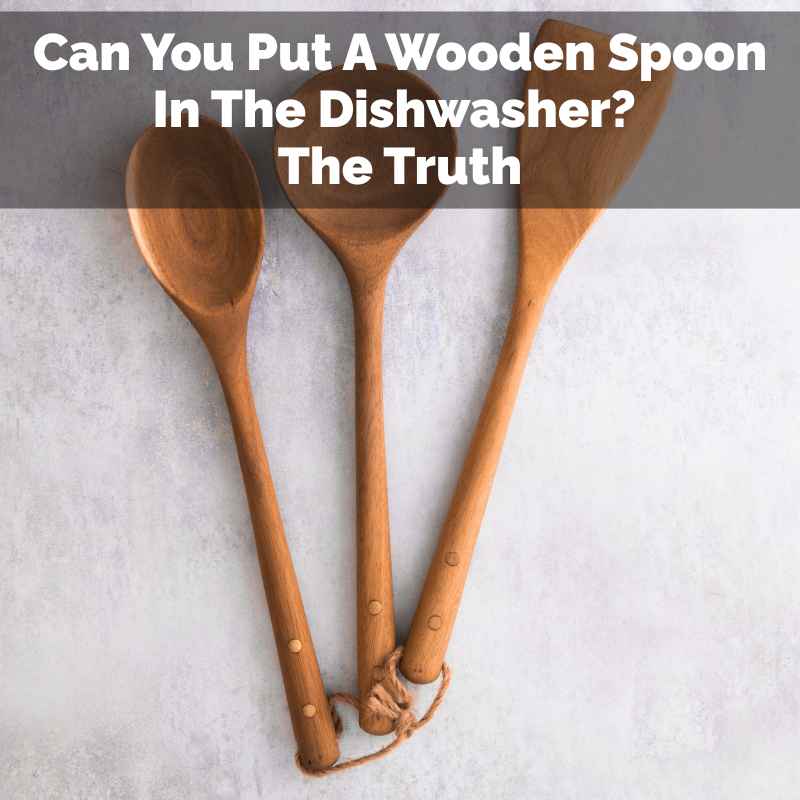
Can You Put A Wooden Spoon In The Dishwasher? The Truth
You can technically put a wooden spoon in the dishwasher, but it’s generally not recommended. The high heat, prolonged moisture, and harsh detergents can cause the wood to warp, crack, split, or become dull and rough. This damage can not only ruin the spoon but also make it unhygienic.
What Happens to Wooden Spoons in the Dishwasher?
Wood is a natural material. It behaves differently than plastic or metal. When wood gets wet, it absorbs water. Then, when it gets dry, it shrinks. This constant cycle of soaking and drying is tough on wood.
Dishwashers have cycles that are designed for tough cleaning. They use very hot water. They also use strong detergents. These things are great for cutting through grease on plates. But they are not so great for wood.
The heat from the dishwasher can dry out the wood too much. This makes it brittle. It can also cause the wood to expand and contract unevenly. This leads to cracks. Small cracks can grow. They can become big problems.
Detergents are also a concern. They are often alkaline. This can strip away any natural oils that are in the wood. Wood spoons often have a finish or oil applied to them. This protects the wood. Dishwasher soap can remove this protective layer.
This leaves the wood exposed. It becomes more likely to absorb moisture. It also becomes more likely to pick up stains. And it can become a breeding ground for bacteria. This is a big no-no for kitchen tools.
My Own Wooden Spoon Disaster Story
I remember one particularly busy holiday season. My mother-in-law was coming, and I wanted everything to be perfect. I had made a huge pot of chili that needed constant stirring. My favorite wooden spoon, the one with the slightly flattened edge perfect for scraping the bottom of the pot, was my MVP.
After dinner, exhaustion hit me like a ton of bricks. The dishwasher was full, and I just wanted to get everything put away. In my tired state, I threw the chili-splattered wooden spoon into the machine with everything else. I didn’t even think about it. I just wanted it out of sight.
The next morning, I opened the dishwasher with a sigh of relief. Then I saw it. My beautiful, smooth wooden spoon was a mess. It looked warped. It had a nasty crack running right down the middle. The smooth finish was gone, replaced by a rough, splintery surface. I felt a pang of regret. It wasn’t just a spoon; it was a tool I loved. Now it looked like a sad, broken twig. That experience taught me a valuable lesson about respecting my kitchen tools.
When Wood Meets Water: A Deep Dive
Wood is made of cells. These cells are like tiny straws. They soak up water. When they soak up water, they swell. This makes the wood expand.
When the water dries out, the cells shrink. This makes the wood contract. This swelling and shrinking is called wood movement. It’s natural for wood.
Dishwashers create an extreme version of this. The water is very hot. It’s also very humid inside. The wood gets saturated. Then the drying cycle uses even more heat. This dries the wood out very quickly.
This rapid change is what causes the damage. Think about a piece of paper. If you wet it evenly, it might wrinkle a little. If you dry one side much faster than the other, it will curl and warp. Wood is similar, but stronger.
The seams where different pieces of wood are joined together are also weak points. Many wooden spoons are made of several pieces glued together. The glue can break down with heat and moisture. This can cause the spoon to split apart.
The Science Behind Dishwasher Detergents
Most dishwasher detergents are alkaline. This means they have a high pH. They are designed to break down grease and food particles. They do this through a process called saponification. This is where fats are turned into soap.
While this is effective for dishes, it’s harsh on wood. These alkaline cleaners can strip away the natural oils. They can also break down the lignin in the wood. Lignin is a complex polymer that gives wood its strength and rigidity.
Think of it like stripping paint off a piece of furniture. The detergent is like a strong stripper for the wood’s natural protection. Once this protection is gone, the wood is exposed to more damage. It becomes more porous. It can absorb odors and flavors more easily. It also becomes a better place for mold and bacteria to grow.
Alternatives for Keeping Wooden Spoons Clean
So, if the dishwasher is out, what’s the best way to clean your wooden spoons? It’s actually quite simple.
Hand Washing: The Gold Standard
This is the most recommended method. It’s gentle. It’s effective. And it keeps your spoons looking good.
Here’s how:
Wash your spoon right after you use it. Don’t let food sit on it.
Use warm water. Add a tiny bit of mild dish soap.
Gently scrub the spoon with a soft sponge or cloth.
Rinse it thoroughly under warm running water.
Dry it immediately with a clean kitchen towel. Don’t let it air dry.
Dealing with Stubborn Stains and Odors
Sometimes, a spoon might pick up tough stains or smells. This is especially true if it’s used for strong ingredients like tomato sauce or curry.
For stains:
You can make a paste of baking soda and water. Rub this paste onto the stained areas. Let it sit for a few minutes. Then scrub and rinse.
For odors:
Another good trick is to rub the spoon with the cut side of a lemon. Then rinse it well. Lemon is a natural deodorizer.
Some people recommend soaking wooden spoons in a solution of water and vinegar. Use about one part vinegar to four parts water. Soak for a few minutes, then rinse and dry.
When to Re-Oil Your Wooden Spoons
After washing and drying, wooden spoons can benefit from a bit of conditioning. This helps replenish the natural oils. It keeps the wood from drying out. It also adds a protective layer.
You can use food-grade mineral oil. This is often sold as “cutting board oil.” You can also use beeswax.
Here’s how to oil them:
Make sure the spoon is completely dry.
Apply a small amount of oil to the spoon.
Rub it in with a clean cloth. Cover all surfaces.
Let it sit for a few hours, or even overnight. This allows the oil to soak in.
Wipe off any excess oil.
You don’t need to do this every time you wash the spoon. Do it once a month, or whenever the wood starts to look dull or dry.
Wooden Spoon Care Quick Guide
What to Avoid:
- Dishwashers (high heat, moisture, harsh soap)
- Soaking in water for long periods
- Abrasive scrubbers (steel wool)
Best Cleaning Method:
- Hand wash with warm water and mild soap.
- Dry immediately and thoroughly.
Maintenance:
- Oil regularly with food-grade mineral oil or beeswax.
Signs Your Wooden Spoon Is in Trouble
You don’t always need to guess. Your wooden spoon will often tell you when it’s not happy.
Cracks and Splits
This is the most obvious sign. If you see any lines appearing on the surface, that’s a problem. These can start small. They can grow over time.
Warping or Bending
A spoon that was once straight might start to curve. This happens when the wood dries out unevenly. It can make the spoon awkward to use.
Roughness and Splinters
If the smooth surface starts to feel rough or snaggy, it’s a sign that the wood fibers are damaged. You might even feel tiny splinters. These are dangerous. They can break off into your food.
Discoloration
While some staining is normal with use, widespread or dark discoloration can mean the wood is too porous. It’s absorbing too much.
Musty Odors
If your spoon smells off, even after washing, it could be mold or bacteria growing inside the wood. This is a serious hygiene issue.
What This Means for Your Kitchen Habits
Understanding how to care for your wooden spoons is part of a larger kitchen wisdom. It’s about respecting your tools. It’s also about food safety.
Wooden spoons are great because they don’t scratch non-stick pans. They also don’t conduct heat. So, they are comfortable to hold. They are a pleasure to cook with.
But this requires us to be a little more mindful of their needs. It means taking an extra minute to wash them by hand. It means putting them away to dry properly. It means giving them a little bit of oil now and then.
This care extends to other wooden kitchen items too. Cutting boards, rolling pins, and even wooden salad bowls need similar attention. Treating them well means they’ll perform better for longer. They’ll also be safer to use.
When is a Wooden Spoon Okay to Replace?
Even with the best care, wooden spoons don’t last forever. There comes a time when a spoon has seen better days.
If a spoon has deep cracks that can’t be repaired. If it’s warped so badly it’s unusable. If it has a persistent musty smell that won’t go away. These are all signs it’s time for a new one.
Don’t feel bad about replacing a worn-out spoon. It has served you well! Think of it as an opportunity to find another favorite.
A Quick Look at Wooden Spoon Alternatives
If you’re looking for tools that can handle the dishwasher, there are plenty of options.
Dishwasher-Safe Utensil Options
| Material | Pros | Cons |
|---|---|---|
| Silicone | Heat-resistant, flexible, won’t scratch pans, dishwasher safe. | Can sometimes stain, some people dislike the texture. |
| Nylon/Plastic | Inexpensive, lightweight, dishwasher safe. | Can melt at very high heat, may scratch some surfaces. |
| Stainless Steel | Durable, heat-resistant, easy to clean, dishwasher safe. | Can scratch non-stick pans, conducts heat. |
While these are dishwasher-friendly, they often lack the warm feel and specific scraping abilities of a wooden spoon. This is why many cooks still choose to keep a wooden spoon or two in their arsenal.
What This Means for Food Safety
The biggest concern with damaged wooden spoons is food safety.
When wood cracks or splinters, it creates tiny crevices. Food particles can get trapped in these. Even after washing, these particles can remain.
These trapped food bits are a perfect place for bacteria to grow. This includes common culprits like E. coli and Salmonella. If you use a spoon with trapped food, you could be spreading these bacteria to other foods.
Also, damaged wood can absorb more moisture. This creates a damp environment. Damp environments are ideal for mold and mildew. These can affect the taste of your food. They can also be harmful to your health.
This is why hand washing and proper drying are so important. They help ensure that your wooden spoons remain clean and safe for cooking.
Common Mistakes People Make with Wooden Spoons
Mistake number one is obvious: putting them in the dishwasher.
Another common mistake is leaving them to soak in the sink. Water is wood’s enemy. Prolonged soaking is like a slow death sentence for a spoon.
Some people also use harsh cleaners on them. Or they scrub them with abrasive pads. This can damage the surface and strip away protective oils.
Finally, not drying them immediately is a big one. Letting a wet spoon sit around invites trouble. It can lead to mold or warping.
Simple Checks You Can Do At Home
Before you use a wooden spoon, give it a quick once-over.
Run your fingers over the surface. Does it feel smooth? Or do you feel any rough spots or tiny splinters?
Look closely for any cracks or splits. Pay attention to the handle and the bowl of the spoon.
Give it a sniff. Does it smell fresh? Or is there a faint musty odor?
If you find any issues, it might be time to re-oil, repair, or replace.
Frequently Asked Questions About Wooden Spoons and Dishwashers
Can I put my wooden spoon in the dishwasher if it’s an emergency?
While you can, it’s not advised. If you absolutely must, use the shortest, coolest cycle possible. Afterward, dry it immediately and inspect it carefully for damage. It’s better to wash it by hand if you have the time.
How often should I oil my wooden spoons?
You don’t need to oil them every time you wash them. A good rule of thumb is once a month. Or, oil them when the wood starts to look dry, dull, or faded.
Are all wooden spoons the same regarding dishwasher safety?
No, but the vast majority are not dishwasher safe. Some very hard woods might tolerate it slightly better, but the heat, moisture, and detergents are still damaging in the long run. It’s best to assume all wooden spoons are not dishwasher safe.
What happens if I ignore the advice and keep washing wooden spoons in the dishwasher?
Your spoons will likely become warped, cracked, and splintered over time. They will absorb stains and odors more easily. Eventually, they can become unsafe to use due to bacteria or mold growth in the damaged wood.
Can I use olive oil to condition my wooden spoons?
While olive oil is an oil, it can go rancid over time, leaving an unpleasant smell and sticky residue. Food-grade mineral oil or specialized wood conditioners are a better choice because they don’t go rancid.
What’s the best type of wood for kitchen spoons if I want them to last longer?
Hardwoods like maple, cherry, or beech are generally more durable and resistant to wear and tear than softer woods. However, even these require proper hand care to prevent dishwasher damage.
The Takeaway on Wooden Spoons
Wooden spoons are wonderful kitchen companions. They bring a warmth and familiarity to cooking. But like many natural things, they need a little tender loving care. The dishwasher, while convenient, is their worst enemy. By choosing to hand wash them, dry them well, and give them an occasional oiling, you’re not just cleaning them. You’re investing in their longevity. You’re ensuring they remain safe and effective tools for many delicious meals to come. So, next time you’re faced with that pile of dishes, reach for the warm wood, and give it the gentle wash it deserves.
Sponsored / affiliate links. As an Amazon Associate I earn from qualifying purchases. I may earn additional commission from eligible campaigns.