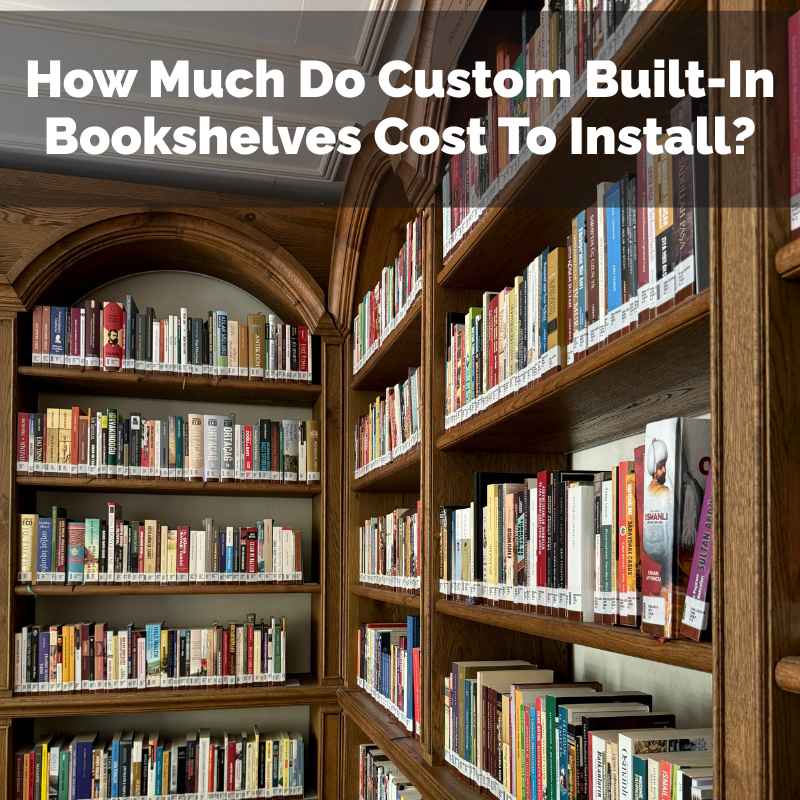
How Much Do Custom Built-In Bookshelves Cost To Install?
It’s a question many homeowners ponder when looking to add that special touch to their living space. You see them in magazines, on Pinterest, and in beautiful homes. Custom built-in bookshelves can transform a room.
But the big question always looms: how much will this dream project actually cost to install?
The average cost to install custom built-in bookshelves in the U.S. can range from $2,000 to $10,000 or more, depending on size, materials, complexity, and labor rates. Simple, smaller units might be at the lower end, while elaborate, floor-to-ceiling designs using premium woods will be at the higher end. DIY installation can save on labor costs but requires significant skill and time.
Understanding the Cost of Custom Built-In Bookshelves
Building custom bookshelves that fit perfectly into your walls is an exciting prospect. They aren’t just shelves; they become part of your home’s architecture. This integration is why they cost more than freestanding units. Several things play a big role in the final price tag.
Think of it like buying a suit. You can get an off-the-rack suit that fits okay. Or, you can get a tailor-made suit that fits like a glove. Custom built-ins are like that tailor-made suit for your walls. They are designed just for your space. This means careful planning, precise measurements, and skilled hands.
The size of the project is a huge factor. Are you looking to fill one small alcove? Or do you want to cover an entire wall from floor to ceiling? The more space you want to fill, the more materials and labor you’ll need. This directly impacts the overall cost.
Materials also make a big difference. You can use standard plywood, which is more affordable. Or you can opt for beautiful hardwoods like oak, maple, or cherry. These woods look amazing but come with a higher price. The type of finish also matters, from simple paint to detailed staining.
The complexity of the design is another key point. Do you want simple, straight shelves? Or do you envision doors, drawers, a rolling ladder, or intricate trim work? Each added feature increases the complexity and therefore the cost.
Finally, labor is a significant part of the expense. Skilled carpenters and installers charge for their time and expertise. The more complex the job, the longer it will take them. Their rates vary depending on where you live, too.

My Own Built-In Bookshelf Adventure
I remember wanting to add built-in bookshelves to my home office a few years back. The room felt a bit bare, and I had stacks of books and decorative items that just didn’t have a proper home. I’d seen gorgeous examples online and in friends’ homes and fell in love with the idea.
I contacted a local carpenter who came to see the space. He spent a good hour with me, measuring, looking at my books, and sketching out ideas. I wanted something that felt classic but also functional. I decided against doors at first, wanting the books to be visible. But I did want some deeper shelves for larger art books.
The quote came back higher than I had initially guessed. It wasn’t sky-high, but it was more than I’d planned. I felt a moment of panic, wondering if I should just settle for a freestanding unit. But then I looked at the sketch, imagining the finished product. It was going to be amazing.
The carpenter explained his pricing. It broke down into materials (mostly solid wood for the frames and good quality plywood for the shelves), his labor (which included design, building, and installation), and the finishing (sanding, priming, and painting). He also noted that built-ins add value to a home, which helped me justify the expense.
The process took about a week from start to finish. Seeing the bare wall transform was so satisfying. They even figured out how to build around a slightly uneven wall, making it look seamless. The final result was absolutely worth the investment. It made the room feel so much more polished and personal.
Factors Influencing Built-In Bookshelf Costs
Let’s dive deeper into what makes the price go up or down. Understanding these elements helps you budget better.
Material Choices
The type of wood you choose is a major cost driver.
Material Breakdown
Solid Wood vs. Plywood: Solid woods like oak, maple, or cherry are beautiful but expensive. They offer durability and a premium look.
Plywood is a more budget-friendly option, especially for the shelves themselves. High-quality plywood can still look very nice when finished properly.
MDF: Medium-density fiberboard (MDF) is another common material. It’s smooth, easy to paint, and generally cheaper than wood. However, it’s heavier and can be damaged by moisture more easily than solid wood.
Hardware: If you plan on adding doors or drawers, the cost of hinges, drawer slides, and handles will add to the total. High-quality hardware costs more but operates more smoothly and lasts longer.
Size and Scale
A small, simple shelf unit will naturally cost less than a massive wall unit.
Size Matters
Linear Footage: Installers often quote prices per linear foot. A longer bookshelf will cost more simply because it requires more materials and more time to build and install.
Height: Floor-to-ceiling units are more complex. They require more robust construction to support the weight and often involve more detailed trim work to look seamless with the ceiling.
Depth: Deeper shelves might need stronger supports or thicker material to prevent sagging, especially if they will hold heavy items.
Design Complexity
Simple straight lines are cheaper than intricate designs.
Design Details
Adjustable vs. Fixed Shelves: Adjustable shelves offer flexibility but add complexity and cost with the shelf pin system. Fixed shelves are simpler and often stronger for heavy loads.
Built-in Lighting: Adding LED strip lights or small spotlights can enhance the look but increases the electrical work and material costs.
Crown Molding and Trim: Decorative trim work that matches your home’s existing style adds a custom, high-end look but also adds to the labor and material costs.
Labor and Installation
The cost of skilled labor is a significant portion of the overall price.
Labor Rates
Carpenter’s Skill Level: An experienced carpenter with a portfolio of beautiful built-ins will likely charge more than a less experienced one. Quality craftsmanship often comes with a higher price tag.
Geographic Location: Labor costs vary greatly by region. Carpenters in major metropolitan areas typically charge more than those in smaller towns.
Installation Challenges: If your walls are not perfectly plumb or level, or if there are obstacles like outlets, vents, or electrical boxes that need to be worked around, the installation can take longer and cost more.
Finishing Touches
The final paint or stain job adds to the cost.
Finishing Options
Painting: Painting is generally less expensive than staining. It covers imperfections in the material well and can be done with MDF or plywood. Multiple coats are usually needed for a smooth finish.
Staining: Staining highlights the natural beauty of wood grain. It requires more careful application and often a sealant for protection. Staining typically costs more than painting.
Hardware Installation: If you add doors or drawers, the installation of hinges, knobs, or pulls is part of the finishing process and labor cost.
Typical Cost Ranges for Different Types of Built-Ins
To give you a clearer picture, let’s look at some common scenarios and their estimated costs. These are general ranges and can vary widely.
Simple Alcove or Nook Shelving
These are often smaller projects, perhaps filling a small recessed area.
Alcove/Nook Estimates
Description: Basic shelves installed into an existing alcove or small nook. Usually made of plywood with a painted finish.
Estimated Cost: $500 – $2,500
What it includes: 2-4 shelves, simple framing, basic trim, painted finish.
Standard Wall Unit
This usually means shelves along a significant portion of a wall, but not necessarily floor-to-ceiling.
Standard Wall Unit Estimates
Description: Shelving that covers a good section of a wall, perhaps 6-8 feet long and 5-6 feet high. Often includes a mix of shelf depths or small cabinet sections.
Estimated Cost: $2,000 – $6,000
What it includes: Custom fit to the wall, choice of material (plywood or budget hardwood veneer), painted or stained finish, basic trim.
Floor-to-Ceiling Library or Entertainment Unit
These are the most ambitious and costly projects.
Floor-to-Ceiling Estimates
Description: Unit spanning from floor to ceiling, covering an entire wall. Can include a mix of open shelves, closed cabinets, drawers, and decorative elements.
Estimated Cost: $6,000 – $15,000+
What it includes: Premium materials (hardwood), intricate design, extensive trim work, high-quality hardware, professional finishing, often integrated lighting.
Units with Doors and Drawers
Adding cabinetry increases complexity and cost significantly.
Cabinetry Integration Estimates
Description: Built-ins that incorporate base cabinets or drawers along with shelving above.
Estimated Cost: Adds 30-60% to the base shelving cost, depending on the number and size of cabinets/drawers.
What it includes: Cabinet boxes, drawer boxes, drawer slides, doors, hinges, and hardware.
DIY vs. Professional Installation
This is a common decision point. Can you save money by doing it yourself?
DIY vs. Pro: A Quick Look
DIY Pros: Potential to save thousands on labor. Complete control over the process. Satisfying accomplishment.
DIY Cons: Requires significant carpentry skills, tools, and time. Risk of mistakes that can be costly to fix. Professional finish may be hard to achieve.
Can be frustrating and time-consuming.
Professional Pros: Expert craftsmanship and design. Efficient execution. High-quality, seamless finish.
Saves you time and stress.
Professional Cons: Higher upfront cost due to labor charges.
If you’re considering DIY, be honest about your skill level. Building straight, level, and seamless built-ins is harder than it looks. Mistakes can include uneven shelves, poor fitting against walls, or damage to existing drywall. A botched DIY job can end up costing more to fix than hiring a pro from the start.
Real-World Context: Where Built-Ins Shine
Built-in bookshelves aren’t just for living rooms or studies. They can add value and beauty to many areas of your home.
Living Rooms
This is perhaps the most common place for built-ins. They can frame a fireplace, flank a window, or span an entire wall. They provide a sophisticated display for books, art, and photos.
In many American homes, the living room is the heart of the house. Adding built-in bookshelves here can make it feel more inviting and organized. Imagine a wall of books beside a cozy reading chair.
It creates an instant focal point.
Home Offices
For those who work from home, a well-designed office is crucial. Built-ins offer practical storage for files, reference books, and supplies. They can also make the space feel more professional and inspiring.
I’ve seen offices where the entire wall behind the desk is covered in custom shelves. It looks incredibly impressive and makes it easy to access everything you need. It’s a great way to keep a busy workspace tidy.
Bedrooms
While less common, built-ins can be a stylish addition to a master bedroom. They can serve as a bedside storage solution or a display for decorative items.
Some people opt for built-in nightstands that incorporate shelves. This saves floor space and creates a clean, unified look. It’s a smart solution for smaller bedrooms.
Kids’ Rooms and Playrooms
Built-ins can be fantastic for organizing toys, books, and games in children’s spaces. Using child-safe materials and lower shelving can make them both functional and fun.
I’ve helped friends design built-ins for their kids’ rooms. We used rounded edges and bright colors. The kids loved being able to reach their own books and toys easily.
It made tidying up much simpler.
Kitchens and Dining Rooms
Open shelving can be incorporated into kitchen or dining room designs to display dishware, cookbooks, or decorative items. This can add a unique architectural element.
Imagine a beautiful set of plate racks integrated into a built-in unit in the dining room. It’s both functional for serving and visually appealing.
What This Means For You: When to Worry and When to Relax
Most of the time, the cost of custom built-in bookshelves is an investment. But it’s good to know the signs of a potential issue.
When It’s Normal to See Higher Costs
Premium Materials: If you’re choosing solid hardwoods like walnut or cherry, expect higher costs.
Intricate Designs: Custom trim, crown molding, built-in lighting, or doors and drawers will push the price up.
Large Scale Projects: Filling an entire wall or multiple walls costs more due to material and labor time.
Skilled Craftsman: Hiring a highly-rated carpenter with a strong portfolio means paying for top-tier expertise.
Complex Installation Site: Uneven walls, angled ceilings, or the need to work around existing structures adds time and cost.
When to Question the Estimate
Unusually Low Prices: If a quote seems dramatically lower than others, it could mean lower quality materials, less experienced labor, or hidden costs down the line.
Vague Quotes: A professional should be able to provide a detailed breakdown of materials, labor, and finishes. If the quote is just a lump sum, ask for clarification.
Pressure Tactics: Be wary of contractors who pressure you to sign immediately or make decisions without giving you time to consider.
Lack of Portfolio: If a carpenter can’t show you examples of their previous built-in work, it’s a red flag.
Simple Checks Before You Commit
Get Multiple Quotes: Always get at least 3 bids from different reputable carpenters or cabinet shops.
Ask for References: Check with previous clients to ensure satisfaction and quality.
Review Contracts Carefully: Understand exactly what is included in the price. Does it include design, materials, construction, installation, and finishing?
Quick Fixes & Tips for Managing Costs
If the full custom built-in dream feels out of reach right now, don’t despair. There are ways to get a similar look or manage the budget.
1. Prioritize Your Must-Haves
Decide what features are essential. Do you really need every single shelf to be adjustable? Or is a fixed configuration acceptable? Maybe you can live without the built-in lighting for now. Focus your budget on the elements that matter most to you.
2. Consider Plywood and Paint
High-quality plywood, especially birch or maple veneer plywood, can look fantastic when painted. A skilled painter can achieve a smooth, seamless finish that rivals solid wood. This can save you a significant amount compared to using expensive hardwoods.
3. Opt for Simpler Designs
Straight shelves with clean lines are more budget-friendly than complex, multi-tiered designs with intricate molding. You can always add decorative elements later if your budget allows.
4. Explore Semi-Custom Options
Some companies offer modular or semi-custom built-in systems. These are often more affordable than fully custom solutions. They provide a good balance of customization and cost savings. You can mix and match modules to fit your space.
5. Think About Local Carpenters vs. Large Companies
Sometimes, a local, independent carpenter might offer more competitive pricing than a larger, well-known cabinet shop. They may have lower overhead. However, always vet them thoroughly.
6. Stagger Your Project
If you want a large wall unit, perhaps you can break it down into phases. Build and install one section now, and plan to add another section later when funds allow. This makes the investment more manageable.
7. Focus on Scale
Instead of a massive floor-to-ceiling unit, consider a more modest built-in that fills a specific need, like a media console with integrated shelving or a library nook.

Frequent Questions About Built-In Bookshelf Costs
How much does a built-in bookshelf cost per linear foot?
The cost per linear foot for built-in bookshelves can range widely, typically from $300 to $1,000 or more. This figure depends heavily on the materials, complexity of the design, and the installer’s rates. Simpler designs with plywood and paint might be at the lower end, while elaborate hardwood units with custom features will be at the higher end.
Are custom built-in bookshelves worth the money?
For many homeowners, yes, they are worth the investment. Custom built-ins offer superior aesthetics, functionality, and can significantly increase a home’s resale value. They provide a seamless look that freestanding furniture cannot match.
The value often comes from the enhanced organization, beauty, and structural integration into the home.
What is the cheapest way to get built-in bookshelves?
The cheapest way to get the look of built-in bookshelves is often a DIY approach using affordable materials like MDF or plywood, combined with a simple design and a painted finish. Alternatively, exploring modular or semi-custom systems from furniture retailers can offer a more budget-friendly solution than fully custom carpentry.
Can I use IKEA furniture to create a built-in look?
Yes, many people achieve a “faux” built-in look using IKEA cabinets and shelving units. By strategically placing and securing these units, adding trim, and caulking gaps, you can create a custom-built appearance for a fraction of the cost of traditional built-ins. This is a popular DIY hack.
How long does it take to install custom built-in bookshelves?
The installation time for custom built-in bookshelves can vary greatly. A simple unit might take 1-3 days for installation. More complex, floor-to-ceiling units with cabinets and intricate trim can take 5-10 days or even longer, depending on the scope and the carpenter’s schedule.
What are the hidden costs of built-in bookshelves?
Hidden costs can include the need for electrical work if you want built-in lighting, specialized hardware for doors and drawers, unexpected repairs if the existing wall structure needs reinforcement, and potentially costs for moving or protecting existing fixtures during installation. Always ask about potential extra costs upfront.
Conclusion
Adding custom built-in bookshelves is a significant home improvement project. The cost can seem high at first glance, but it’s an investment in both beauty and function. By understanding the factors that influence pricing – materials, design, scale, and labor – you can budget more effectively. Whether you opt for a full custom build, a semi-custom solution, or a clever DIY hack, built-ins have the power to elevate your home’s appeal and organization. Take your time, get informed, and plan for a beautiful addition to your living space.
Sponsored / affiliate links. As an Amazon Associate I earn from qualifying purchases. I may earn additional commission from eligible campaigns.