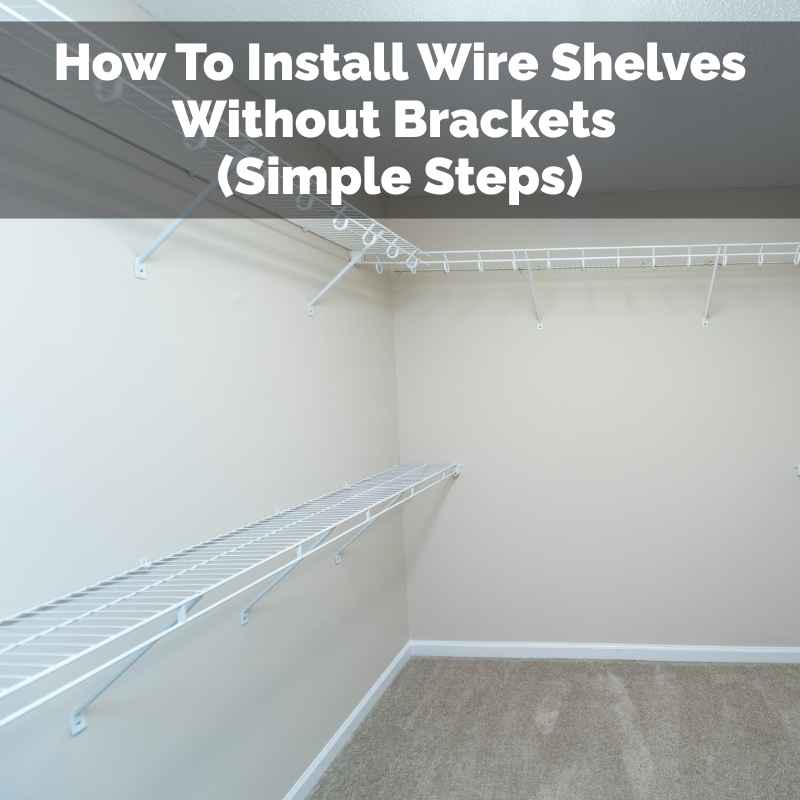
How To Install Wire Shelves Without Brackets (Simple Steps)
Putting up shelves can feel like a puzzle. You want them strong. You want them neat.
Sometimes, the usual brackets just look clunky. You might be hoping for a cleaner look. Maybe you just want to get the job done fast.
It’s totally understandable. Many people struggle with how to make shelves look good and stay put without bulky hardware. This guide breaks down easy ways to do just that.
You can often install wire shelves without traditional brackets by using specialized clips, direct wall mounts, or by integrating them into existing furniture. The method chosen depends on the shelf type, wall material, and desired load capacity. Always check the shelf’s weight limit and use appropriate wall anchors for safety.
Understanding Wire Shelves Without Brackets
Wire shelves are popular for a reason. They let air flow. They don’t collect dust as much.
They also look pretty open and light. But the way you hang them matters a lot for how they look. Some people think you always need those L-shaped brackets.
That’s not quite true. There are clever ways to skip them.
These methods aim for a smoother finish. They can make your shelves look built-in. Or they might just look simpler.
Think about your closet. Or maybe your pantry. A clean shelf adds to the whole feel.
It can make a small space feel bigger.
So, what are these bracket-free ways? We’ll dive into them. Each has its own pros and cons.
It’s about finding the best fit for your project. And your home.
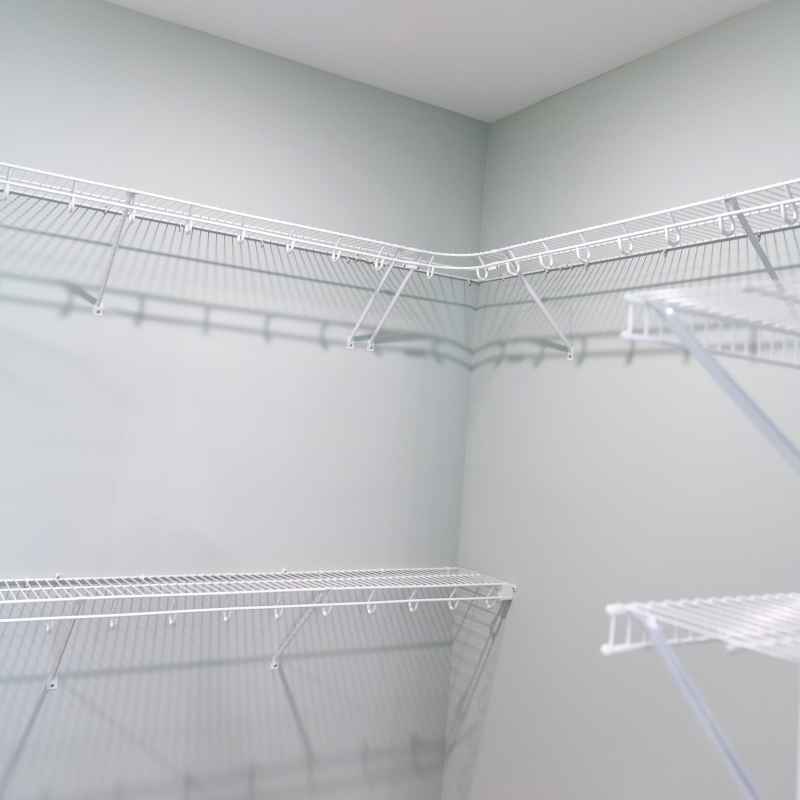
My First “Bracket-Free” Shelf Fiasco
I remember my first attempt at a really clean pantry shelf. I was so tired of those big metal brackets sticking out. They just felt… in the way.
I saw this neat set of wire shelves. They looked like they just floated there. I bought them, feeling super confident.
The instructions were a bit vague. They mentioned “direct mounting.” I thought, “Easy!” I grabbed my drill. I found some screws.
I put the shelf up. It looked okay at first. But then I put a few cans on it.
One side started to sag. Then, oh no, it made a loud POP. The shelf tilted.
Cans rolled. It was a mess! I felt so silly and frustrated.
That’s when I learned you really need to understand how a shelf is designed to be mounted, especially when you’re trying to be clever about it.
Innovative Ways to Mount Wire Shelves
Let’s look at the best ways to get wire shelves up. You can skip the bulky brackets. These ideas focus on a clean install.
They also keep your shelves strong and safe.
Method 1: Snap-On Clips and Supports
Many wire shelving systems are designed with special clips. These often push into small holes in the wall. Or they might screw directly into the wall.
The shelf then just snaps onto these clips. This creates a very clean look. You see only a small clip.
It’s almost invisible.
Key Points:
- Check if your shelves come with these.
- They work best on solid walls like drywall with studs.
- Make sure the clips are rated for the shelf’s weight.
Method 2: Direct Wall Mounting Plates
Some shelves use a slim mounting plate. This plate screws flat against the wall. The wire shelf then slides or clips onto this plate.
It’s like a hidden bracket. The plate holds the shelf firmly. This is a sturdy option.
It hides most of the hardware.
Pro Tip: Use a level to ensure the mounting plate is perfectly straight. This makes a huge difference in the final look.
Method 3: Shelf Standards and Sleeves
This is common in closets. You install vertical metal strips (standards) into the wall. These have many small slots.
Then, you use special sleeves or clips. These fit into the slots. The wire shelf rests on these.
You can adjust the shelf height easily. The standards are visible, but the shelf support itself is minimal.
Consider this for: Adjustable closet systems. Pantries where you might move shelves.
Method 4: Integrating into Existing Structures
Sometimes, you can use parts of furniture. Think about a tall bookshelf. You might be able to slide wire shelves into grooves.
Or attach them to the sides. This works well if you want to add shelving. It doesn’t require new wall holes.
Or maybe you have a sturdy cabinet. You could install the wire shelves inside it.
Think creatively: Can the shelf rest on cabinet edges? Can it hook onto existing drawer slides?
Real-World Shelf Scenarios
Let’s talk about where you’d use these ideas. The place and purpose matter a lot. You wouldn’t use the same method for heavy books as for spices.
Closets: This is a prime spot. Wire shelves are great for shoes and folded clothes. Using shelf standards and sleeves is very popular here.
It allows for easy adjustments as your wardrobe changes. You can get a very clean, built-in look. It maximizes space without feeling crowded.
Pantries: For food items, airflow is key. Wire shelves prevent mold and keep things fresh. Here, direct mounting plates or snap-on clips are good.
You want shelves that can hold canned goods. Or jars of pasta. Safety is super important.
Make sure the wall anchors are strong. Think about how much weight each shelf will carry.
Garages or Workshops: Durability is the focus. Heavy-duty wire shelves are best. While brackets might be common, you can still aim for neatness.
Direct mounting plates can work. Or sturdy shelf standards. The goal is to hold tools, paint cans, and other heavy items securely.
A clean install looks professional. It also makes cleaning easier.
Laundry Rooms: These areas often need storage for detergent and supplies. Wire shelves offer good ventilation. This can help keep items dry.
Snap-on clips or direct mounting plates are good choices. You want something that’s easy to wipe down. And won’t rust from humidity.
What This Means For Your Home
So, what’s the takeaway from all this? It means you have options! You don’t have to use those chunky L-brackets if you don’t want to.
You can achieve a sleeker look. And still have strong, functional shelves.
When is a bracket-free style normal? It’s normal when the shelf system is designed for it. If your wire shelf came with special clips or mounting plates, use those. That’s what they are for.
It’s also normal if you’re integrating shelves into existing furniture. Or using closet standards.
When should you worry? You should worry if you’re trying to force a bracket-free method. Especially if the shelf isn’t designed for it. Or if you’re trying to hang heavy items on a system not built for it.
Improper installation is a big risk. Items can fall. This can cause damage or injury.
Simple Checks:
- Always check the weight limit of the shelf.
- Ensure your wall type is suitable for the mounting method.
- Use a stud finder for the most secure mounting.
- When in doubt, use appropriate wall anchors.
- Make sure everything is level.
Smart Tips for a Clean Install
Getting that smooth, bracket-free look takes a little care. But it’s totally doable. Here are some tips that really help.
Tip 1: Know Your Wall Type
This is the most crucial step. Is your wall drywall? Do you have plaster?
Is it concrete? Drywall needs anchors or studs for strength. Plaster can be brittle.
Concrete needs masonry bits and anchors. Use a stud finder. It’s your best friend for secure mounting.
Finding a stud means you can screw directly into solid wood. This is much stronger than drywall alone.
Tip 2: Measure Twice, Drill Once
This old saying is true! Use a level. Mark your spots carefully.
If you’re using snap-on clips, make sure they are perfectly aligned. If you’re using mounting plates, ensure they are level and parallel. A crooked shelf looks bad.
It can also be less safe.
Tip 3: Choose the Right Fasteners
Don’t just grab any screw. If you’re screwing into a stud, wood screws are usually fine. If you’re only in drywall, you absolutely need drywall anchors.
There are many types. Toggle bolts are very strong. Screw-in anchors are easy to use.
Make sure the anchor’s weight rating is higher than what you plan to put on the shelf.
Tip 4: Consider Shelf Sleeves and Supports
For systems like closet standards, the sleeves are key. Make sure they fit snugly into the standards. They should feel secure.
They shouldn’t wobble. These small parts are what actually hold your shelf up. Check them for wear and tear periodically.
Tip 5: Test the Load
Once installed, test the shelf gently. Put a few lighter items on it first. Wait a bit.
Then add slightly heavier things. Listen for any creaking. Watch for any sagging.
This is your chance to catch a problem early. It’s much better than having it fail later.
Common Mistakes to Avoid
Even with simple methods, people make mistakes. Learning these can save you a lot of hassle. And protect your shelves.
Mistake 1: Ignoring Weight Limits
This is a big one. Wire shelves have limits. Even if they look strong.
Piling too much on them is dangerous. It can bend the shelf. Or it can pull the mounting hardware out of the wall.
Always know what your shelf can hold.
Reality Check: A shelf rated for 15 lbs will likely fail with 30 lbs. Be realistic about what you store.
Mistake 2: Not Using Studs or Anchors
This is probably the most common error. People screw directly into drywall. Drywall is weak.
It’s made of paper and gypsum. It crumbles. Without a stud or a proper anchor, your shelf will fall.
Especially if you put anything heavy on it.
Myth vs. Reality: Myth: Screwing into drywall is fine for light items. Reality: Drywall alone is rarely strong enough for shelves.
Always use a stud or an anchor.
Mistake 3: Not Using a Level
A shelf that’s not level looks bad. It can also cause items to slide off. Even if it’s only a little bit off.
Take the time to get it perfectly straight. It makes a huge difference to the finished look. And how useful the shelf is.
Mistake 4: Using the Wrong Tools
Using a screwdriver when you need a drill. Or using a drill bit that’s too small. This can damage your wall.
Or strip screw heads. Make sure you have the right tools. A good drill, level, and stud finder are essential.
Mistake 5: Rushing the Installation
Trying to do it too fast is a recipe for mistakes. Take your time. Read the instructions (even if they seem simple).
Plan your layout. Double-check your measurements. Rushing leads to crooked shelves, missed studs, and poor anchoring.
When Is It Okay to Install Wire Shelves Without Any Hardware?
Sometimes, you might wonder if you can just place a wire shelf somewhere and have it stay put. For example, resting it on two sturdy ledges. Or sliding it into a pre-made cabinet slot.
This is usually okay IF the shelf is designed to be supported that way.
Consider a situation where you have two strong, fixed shelves in a closet. You want to add a wire shelf between them for smaller items. If the wire shelf fits snugly and doesn’t wobble, this can work.
The key is that the shelf is being supported by something else. It’s not relying on wall anchors for its primary support.
Another example is a modular shelving unit. These often have specific slots. You just slide the wire shelf in.
The unit itself is anchored to the wall. The shelf is held by the unit. This is perfectly safe.
However, trying to hang a wire shelf on just a couple of tiny hooks you hammered into drywall? That’s generally not a good idea. It’s very risky.
Always look for systems designed for minimal visible hardware. Or ensure the primary support is very robust.
Let’s Talk About Wire Shelf Materials
The material of your wire shelf can also affect how you install it and how much weight it can hold. Most wire shelves are made from steel. But the coating matters.
Chrome-Plated Steel: This is very common. It’s shiny and looks good. It’s strong.
It’s good for dry areas like closets and pantries. It can rust if exposed to constant moisture.
Powder-Coated Steel: This has a smooth, often matte finish. It comes in many colors. It’s durable.
It offers good protection against rust. This is a great option for garages or laundry rooms where there might be more humidity or dirt.
Stainless Steel: This is the most durable and rust-resistant. It’s also usually the most expensive. It’s excellent for very humid environments or where hygiene is critical.
It can be heavier than other types.
The weight capacity often depends on the gauge of the steel used. Thicker wire (lower gauge number) is stronger. The design of the wire grid also plays a role.
Shelves with more cross-supports are generally stronger.
Putting It All Together: A Quick Summary
You want to install wire shelves. You want a clean look. You want to avoid bulky brackets.
It’s totally achievable!
The main ways involve using specialized clips. Or slim mounting plates. Some systems use vertical standards with sleeves.
You can even get creative with existing furniture.
The most important things are safety and proper installation. Always know your wall type. Use studs or strong anchors.
Respect the shelf’s weight limit. Measure carefully. And take your time.
With the right method and a little care, you can have beautiful, functional wire shelves. They’ll look great and hold your items securely. Enjoy your newly organized space!
Frequently Asked Questions
Can I hang wire shelves on a plaster wall without brackets?
Yes, you can hang wire shelves on plaster walls without traditional brackets. However, plaster can be brittle. You must use heavy-duty plaster anchors or find studs within the plaster wall.
Specialized clips or mounting plates designed for wire shelves can work. Ensure the anchors are rated for the shelf’s weight capacity.
What are the best wall anchors for wire shelves?
For drywall, toggle bolts or screw-in anchors are generally strong. If you can locate wall studs, screwing directly into the studs is the most secure method. The best anchor depends on your wall type and the weight the shelf will hold.
Always check the anchor’s weight rating.
How do I ensure my wire shelves are level?
Use a spirit level during installation. Place it on the shelf as you mount it. Mark your screw holes with the level in place.
If using systems with multiple mounting points, like shelf standards, ensure each component is level. Re-check after everything is installed.
Can I use wire shelves for heavy items like books?
Yes, but only if the shelves are specifically designed for heavy loads. Look for thick gauge wire, strong support systems, and a low weight capacity. Direct mounting into studs or using robust wall anchors is essential for heavy items.
Many standard wire shelves are not ideal for very heavy loads like a full bookcase.
Are wire shelves good for humid environments like bathrooms?
Standard chrome-plated wire shelves can rust in high humidity. For bathrooms or damp basements, choose powder-coated or stainless steel wire shelves. These materials offer better resistance to moisture and corrosion.
Ensure the mounting hardware also resists rust.
How far apart should shelf supports be?
For most wire shelves, the supports (clips, plates, or sleeves) should be placed at the ends of the shelf and at intervals along its length. Usually, supports are needed every 16-24 inches, depending on the shelf’s length and weight capacity. Always follow the manufacturer’s recommendations for support spacing.
Conclusion
Adding shelves to your home can be simple and stylish. You can get a clean, modern look. You don’t need chunky brackets to make it work.
Focus on the right mounting method for your shelf and your walls. Safety and secure installation are always key.
Sponsored / affiliate links. As an Amazon Associate I earn from qualifying purchases. I may earn additional commission from eligible campaigns.