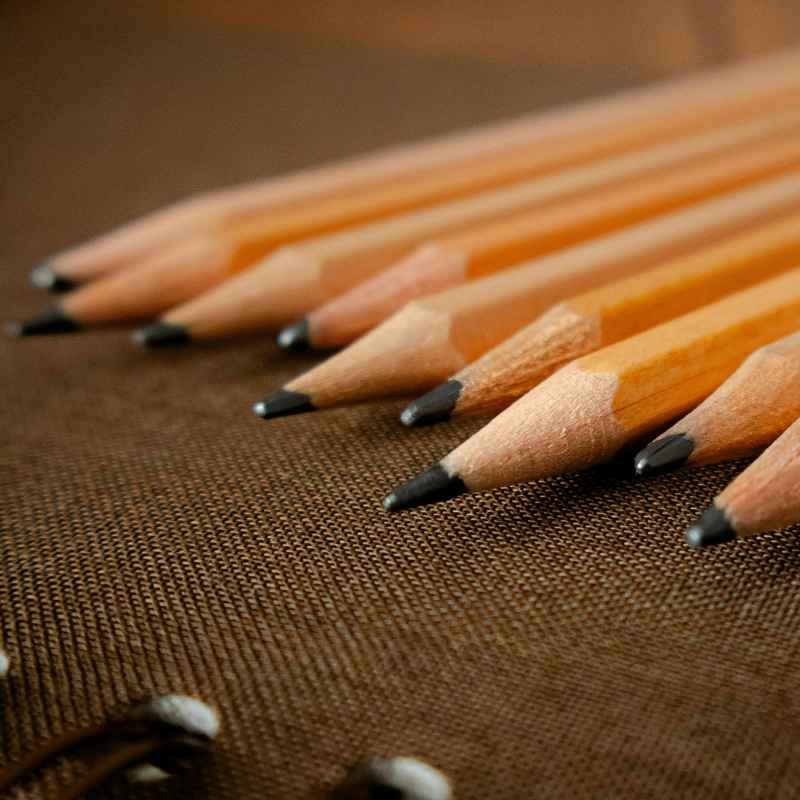
What Type Of Wood Do Ticonderoga Pencils Use? Revealed
It’s a simple question, isn’t it? What kind of wood makes up a Ticonderoga pencil? You’ve probably held one a million times.
It feels just right in your hand. But the wood itself is a bit of a mystery to most of us. We just know it works.
It writes smoothly. It sharpens well. It doesn’t snap easily.
This seemingly small detail about pencil wood matters more than you might think. It impacts how the pencil feels. It affects how it performs.
It even plays a role in how pencils are made. Knowing the ‘why’ behind the wood can give you a new appreciation for this everyday tool. Let’s explore the wood that makes the iconic Ticonderoga pencil so special.
The primary wood used for Ticonderoga pencils is a type of cedar, specifically incense-cedar. This wood is chosen for its unique properties that make it ideal for pencils. These properties include its straight grain, softness, and ability to sharpen evenly without splintering. Incense-cedar is also known for its pleasant aroma.
Understanding Pencil Wood
Why does the type of wood matter so much for a pencil? It’s all about balance. A good pencil needs to be strong enough not to break.
But it also needs to be soft enough to sharpen cleanly. And it needs to hold the graphite lead without cracking or crumbling.
Think about what happens when you use a pencil. You press down. You move it across paper.
Then, you sharpen it. This sharpening process is crucial. The wood needs to shave away cleanly.
It shouldn’t shred. It shouldn’t create jagged edges that make the pencil uncomfortable to hold. This is where the choice of wood becomes very important.
The wood also needs to be consistent. Wood from different trees, or even different parts of the same tree, can vary greatly. Pencil makers need a reliable material.
They need something they can count on, batch after batch. This consistency ensures that every pencil writes and feels the same. It’s a big part of why certain woods are preferred over others.
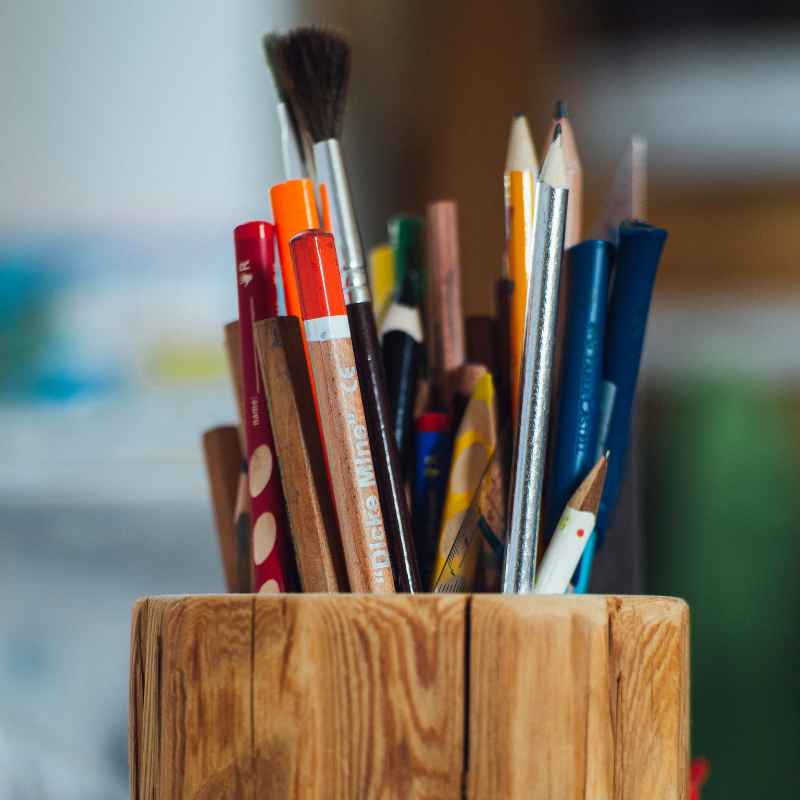
The Star of the Show: Incense-Cedar
When you pick up a classic Ticonderoga pencil, you’re likely holding incense-cedar. This wood comes from a tree called Calocedrus decurrens. It’s native to the western United States.
Many people know it by other names, like California incense-cedar. It’s a type of coniferous tree. It’s related to junipers and cypresses.
What makes incense-cedar so perfect for pencils? Let’s break down its amazing qualities. First, it has a very straight grain.
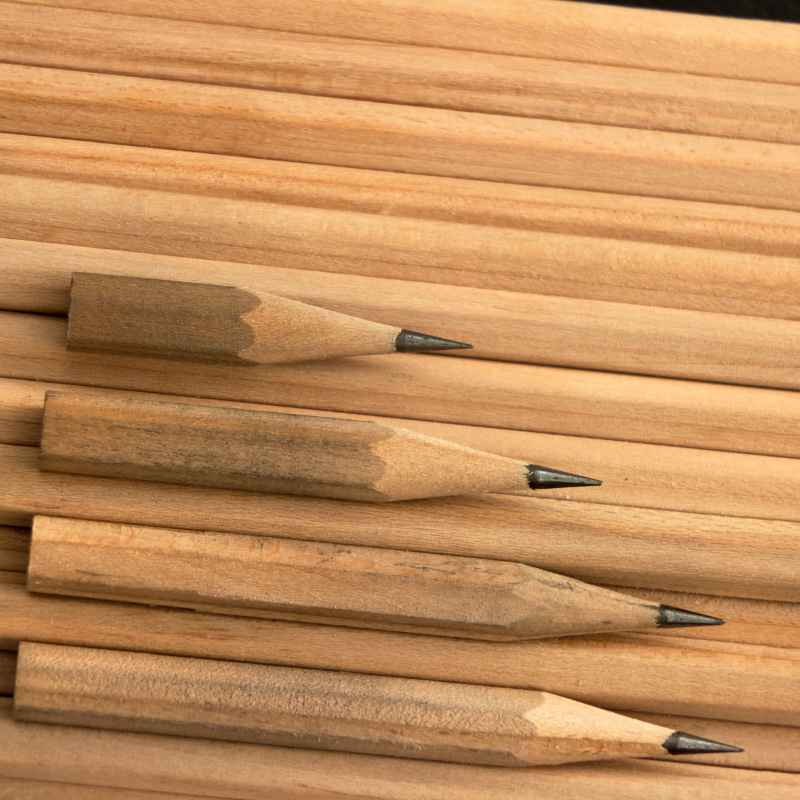
This means the wood fibers run in a straight line. This makes it easy to cut and shape. It also means it sharpens smoothly.
There are fewer chances for the wood to split or chip unevenly.
Second, incense-cedar is relatively soft. But it’s not too soft. This softness allows a sharp blade to shave it away cleanly when you use a pencil sharpener.
It also means the wood grips the graphite lead well. It doesn’t crush the lead. This is vital for a good writing experience.
The wood protects the fragile graphite core.
Third, it has a wonderful scent. Many people notice a faint, pleasant aroma when they use an incense-cedar pencil. This smell is due to the natural oils in the wood.
While not directly related to its writing ability, it adds to the overall sensory experience of using the pencil. It makes the pencil feel more natural and inviting.
Finally, incense-cedar is durable. Even though it’s soft, it’s not brittle. It resists decay and insect damage.
This means pencils made from it last a long time. They can withstand the rigors of being tossed in a backpack or used in a busy classroom. It’s a very reliable wood for such a common item.
A Bit of History and Experience
I remember the first time I really paid attention to my pencil. I was in middle school, doodling in my notebook. The lead broke.
I grabbed my sharpener, a cheap plastic one. As I twisted the pencil, I was surprised at how easily the wood peeled away. No resistance.
No tearing. It just gave way smoothly, revealing a perfect point.
That’s when I first thought about the wood. It wasn’t rough or splintery like some cheap wooden rulers I’d used. It was smooth.
It felt almost silky. And that faint, pleasant smell was there. It made the simple act of sharpening feel a little bit more special.
It was a small thing, but it stuck with me. That was likely an incense-cedar pencil.
The use of cedar for pencils isn’t new. For a long time, pencil makers have sought out woods with these specific qualities. Before incense-cedar became the standard, other types of wood were tried.
Some were too hard, making them difficult to sharpen. Others were too soft and would break easily. Some even had an unpleasant smell or caused splinters.
The journey to finding the perfect pencil wood involved a lot of trial and error. Experts looked at grain structure. They tested hardness.
They considered how the wood aged. They even thought about where the trees grew. Certain regions had trees that produced wood with the best properties.
This led to a focus on woods like incense-cedar, especially from the Pacific Northwest.
Ticonderoga, a brand with a long history, has consistently used high-quality wood. They have a reputation for making reliable pencils. This reputation is built on many factors, including their choice of materials.
The incense-cedar provides a consistent, enjoyable writing and sharpening experience. It’s a key reason why Ticonderoga pencils are so popular and trusted.
Why Incense-Cedar Wins for Pencils
Straight Grain: This means the wood cuts and sharpens easily. It prevents splintering and tearing.
Medium Softness: It’s not too hard, not too soft. This lets it sharpen to a fine point. It also holds the graphite lead securely.
Pleasant Aroma: The natural oils give it a distinct, pleasant smell. This adds to the user experience.
Durability: It resists decay and insects. Pencils made from it last a long time.
Consistency: Wood from incense-cedar trees is very uniform. This ensures every pencil is made to the same high standard.
Beyond Incense-Cedar: Other Woods Used
While incense-cedar is the gold standard for many high-quality pencils like Ticonderoga, it’s not the only wood used in pencil making. Different brands and price points might use other types of wood. The goal is always to find a wood with similar beneficial properties.
Basswood is another common wood. It’s also relatively soft and has a fine, straight grain. It sharpens well and is quite affordable.
Basswood can be found in many general-purpose pencils. Sometimes it’s used in combination with other materials.
Pine can also be used. However, pine can sometimes have more knots. It might also have a stronger scent.
The grain can be less consistent than cedar or basswood. This can make it a bit harder to get a perfect, smooth sharpening. So, while it’s used, it might not offer the same premium feel.
In some cases, especially with lower-cost pencils, you might find composite materials or woods that are not as high-quality. These might be made from recycled wood or less desirable types of lumber. These pencils might sharpen less cleanly.
They could also feel less sturdy in your hand. They might even splinter more easily.
The choice of wood often comes down to cost versus quality. Brands like Ticonderoga prioritize the user experience. They are willing to use a more expensive, but superior, wood like incense-cedar to ensure their pencils perform at their best.
This commitment to quality materials is what builds trust with consumers.
Quick Look: Pencil Wood Types
| Wood Type | Key Qualities for Pencils | Common Use |
| Incense-Cedar | Straight grain, medium softness, pleasant smell, durable | High-quality pencils (e.g., Ticonderoga) |
| Basswood | Soft, fine grain, sharpens well, affordable | General-purpose pencils |
| Pine | Can be soft, but grain less consistent, may have knots | Some budget pencils |
How Pencils Are Made
The process of making a pencil is quite fascinating. It involves joining two halves of wood around the graphite lead. This is often called a “pencil slat.” These slats are typically made from cedar wood.
First, logs of incense-cedar are cut into blocks. Then, these blocks are sliced into thin slats. These slats are usually about the thickness of a pencil.
Each slat has grooves cut into it. These grooves will hold the graphite lead. A typical slat might have six or seven grooves, ready for six or seven pencils.
Next, the graphite “lead” is placed into these grooves. The “lead” is actually a mix of graphite and clay. The ratio of graphite to clay determines how dark and soft the mark is.
More graphite means a softer, darker line. More clay makes it harder and lighter.
Once the leads are in place, another grooved slat is glued on top. This creates a “sandwich” with the leads in the middle. This sandwich is then pressed together tightly.
Heat is often used to help the glue set quickly and strongly.
After the glue dries, the large sandwich of wood and lead is cut. Special machines slice it into individual pencils. This cutting process shapes the pencils.
It creates the familiar hexagonal or round shape. It also sharpens the ends to prepare them for the final touches.
Finally, the pencils are sanded smooth. They are then painted or lacquered. This gives them their color and a smooth finish.
Many pencils, like the Ticonderoga, also get an eraser attached. This whole process, from tree to finished pencil, is a marvel of engineering and craftsmanship.
Real-World Context: Why This Wood Choice Matters in Schools and Offices
In places where pencils are used a lot, like classrooms or busy offices, the choice of wood really stands out. Think about a classroom. Kids are using pencils for writing, drawing, and tests.
Pencils get dropped. They get chewed on (though they shouldn’t!). They get sharpened by the dozens, sometimes hundreds.
When a pencil sharpens easily and cleanly, it saves time. It saves frustration. A teacher doesn’t want to spend precious lesson time helping students fix broken pencil points.
A student shouldn’t have to deal with a pencil that tears apart in the sharpener. This is where the consistent, smooth-sharpening quality of incense-cedar shines.
In an office, pencils might be used for jotting notes, marking up documents, or sketching ideas. The feel of the pencil in your hand matters. A pencil that feels solid and well-made is more pleasant to use.
The smooth wood and the comfortable grip contribute to a better overall work experience. It makes a simple tool feel more professional.
The durability of incense-cedar is also a big plus. Pencils in high-use environments need to last. They need to withstand being carried around.
They need to survive being used by many different people. A pencil made from a strong, resistant wood like cedar is more likely to last longer. This means fewer pencils need to be replaced, saving money and reducing waste.
The aesthetic appeal of the wood also plays a role. While function is key, a pencil that looks and feels good is simply more enjoyable. The natural beauty of cedar, its subtle color, and its pleasant scent contribute to this.
It elevates the pencil from a mere writing tool to something more tactile and satisfying.
What This Means for You
So, what does the wood type of your Ticonderoga pencil mean for you as a user? It means you’re holding a tool designed for performance and comfort.
When it’s normal to have incense-cedar pencils: Most of the time, when you buy a quality pencil like a Ticonderoga, it will be made of incense-cedar. This is normal and expected. It means you’re getting a pencil that will sharpen well, write smoothly, and feel good in your hand.
This is the standard for a reason.
When to maybe look closer: If you pick up a pencil and it feels rough when you sharpen it, or if the wood seems to splinter easily, it might not be made of high-quality cedar. It could be a different type of wood, or perhaps a lower-grade version. This isn’t necessarily “bad,” but it might not offer the same premium experience.
Simple checks you can do:
- Sharpening: Does it shave off cleanly with a sharpener? Or does it tear and shred?
- Feel: Does the wood feel smooth against your fingers? Or is it rough and prone to splinters?
- Smell: Do you notice a pleasant, woody scent? This is a good sign of cedar.
- Weight: Does it feel balanced and solid? Or does it feel hollow or flimsy?
These simple observations can tell you a lot about the quality of the wood used in your pencil. For Ticonderoga, these checks usually confirm the presence of excellent incense-cedar.
Quick Fixes & Tips for Pencil Care
While the wood itself is chosen for durability, how you care for your pencils can also help them last longer and perform better.
- Use a good sharpener: A dull or poorly made sharpener can damage the wood. It can also break the lead. Invest in a quality manual sharpener. Electric sharpeners can also be very effective.
- Avoid dropping pencils: While the wood is sturdy, repeated drops can loosen the lead inside or cause tiny cracks in the wood.
- Store them properly: Keep pencils in a pencil case or a cup. This prevents them from rolling around and getting damaged. Avoid storing them in damp places.
- Don’t force sharpening: If a pencil seems difficult to sharpen, check your sharpener. Sometimes a small piece of wood or lead can get stuck. Don’t force the pencil, as you might break the lead or damage the sharpener.
- Know when to replace: Even the best pencils get worn down. When a pencil becomes too short to hold comfortably or sharpen effectively, it’s time for a new one.
Frequently Asked Questions
What is the main wood used in Ticonderoga pencils?
Ticonderoga pencils primarily use incense-cedar wood. This wood is chosen for its straight grain, medium softness, pleasant aroma, and durability, making it ideal for pencil manufacturing.
Why is incense-cedar good for making pencils?
Incense-cedar is excellent for pencils because it sharpens easily and cleanly without splintering. Its grain is straight, which helps with consistent sharpening. It also holds the graphite lead securely and provides a smooth writing experience.
Are all Ticonderoga pencils made of incense-cedar?
While incense-cedar is the traditional and most common wood for classic Ticonderoga pencils, the company may use other high-quality woods for specific product lines or variations to meet different needs and price points. However, incense-cedar remains their signature wood for quality.
Can pencils be made from other types of wood?
Yes, pencils can be made from other woods like basswood and pine. Basswood is also a good choice due to its softness and fine grain. Pine can be used but might have less consistent grain and more knots, potentially affecting sharpening quality.
What is the difference between graphite and lead in a pencil?
The marking material in a pencil is not actually lead; it’s a mixture of graphite and clay. Graphite is a form of carbon. The clay acts as a binder and controls the hardness and darkness of the mark.
More graphite means a softer, darker line, while more clay means a harder, lighter line.
How does the wood affect the pencil’s writing quality?
The wood provides the structure and protection for the graphite core. A good wood like incense-cedar ensures the pencil sharpens to a fine, consistent point. It also grips the lead well, preventing it from breaking easily during writing.
The smoothness of the wood also contributes to a comfortable feel in your hand.
The Last Word on Pencil Wood
It’s clear that the wood in your pencil is more than just a holder for graphite. For a brand like Ticonderoga, the choice of incense-cedar is a deliberate one. It’s about delivering a reliable, enjoyable writing experience.
This focus on quality materials ensures that each pencil performs its best, from the first word to the last sharpening.
Sponsored / affiliate links. As an Amazon Associate I earn from qualifying purchases. I may earn additional commission from eligible campaigns.
 Wood Glue, Strong Glue for Woodworking, Waterproof Clear Wood Glue for Furniture Heavy Duty, Interior & Exterior Furniture Glue for Crafts, Baseboard, Cabinets, Door (500g)
 Titebond III Ultimate Wood Glue 32 Oz. (6 Pack) – Premium Professional Woodworking Adhesive, Waterproof, Strong Initial Tack, Interior/Exterior Use, Easy Water Cleanup – 1415