How To Fix Floating Shelves Without Brackets (Simple Ways)
Fixing floating shelves without visible brackets usually involves reinforcing the internal mounting system. This might mean adding new screws into the wall studs, using stronger wall anchors, or shoring up the shelf’s internal support rod. It’s about making sure the shelf is firmly attached to the wall itself.
Understanding How Floating Shelves Work
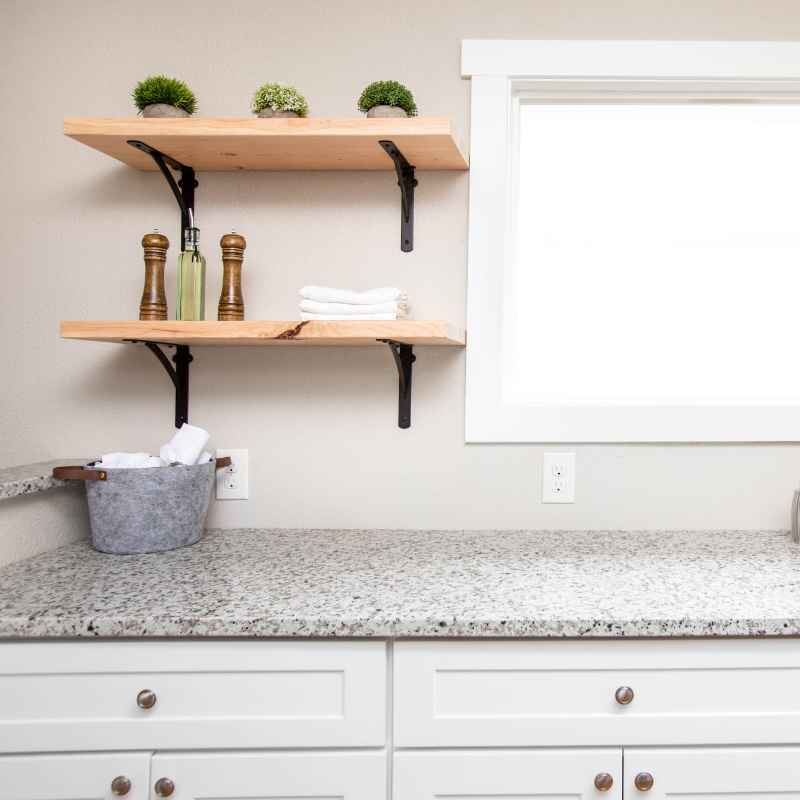
Floating shelves have a clever design. They look like they float because their support is hidden. Inside the shelf itself, there’s usually a metal bracket or rod.
This part screws directly into the wall. The shelf then slides onto this hidden support. It creates a clean look without any visible legs or brackets.
The magic happens with a strong internal cleat or rod. This piece is the real hero. It needs to be securely fastened to the wall.
Ideally, it goes into wooden studs. If studs aren’t an option, strong wall anchors are used. These hold the weight and keep the shelf stable.
When a shelf starts to droop or feel loose, it’s a sign the connection to the wall is weak. This could be because the screws have loosened. Maybe the anchors aren’t holding as well as they should.
Or, the internal support inside the shelf might be the issue.
My Own Wobbly Shelf Scare
I remember one evening, I was putting a new plant on my living room shelf. It was a nice, leafy one. As I set it down, the whole shelf tilted forward just a little.
My heart skipped a beat! I quickly took the plant off. I could see the shelf wasn’t flush with the wall anymore.
It was a bit scary, thinking it might just fall. I looked closer and saw a tiny gap had appeared. It looked like the screws on one side were backing out.
I felt a wave of annoyance and a bit of panic. I didn’t want my plants or books ending up on the floor. That night, I learned a lot about shelf stability!
Quick Shelf Check List
Before you start fixing, do a quick check. This helps you find the real problem.
- Wiggle Test: Gently push the shelf up and down, and side to side. Where does it feel loose?
- Gap Check: Look for any gaps between the shelf and the wall.
- Screw Patrol: If you can see any screws, check if they are tight.
- Weight Limit: Are you sure you’re not putting too much on the shelf?
Finding the Loose Point
The first step in fixing any wobbly floating shelf is to find exactly where it’s loose. This helps you know what kind of fix you need. You don’t want to just start drilling blindly.
That can make things worse. Take a good, close look at the shelf.
Gently try to move the shelf. Does it tilt forward or backward? Does it sag in the middle?
Does it feel loose where it meets the wall? Pay attention to any creaking sounds. These sounds can tell you where the stress is.
You might need a friend to help hold the shelf steady while you inspect it.
Look closely at the edges where the shelf meets the wall. Are there any visible gaps? If there are gaps, this usually means the screws holding the internal bracket are loose or have pulled away from the wall material.
This is common if the shelf wasn’t installed into studs or if the wall material is soft.
Sometimes, the issue is with the shelf itself. The internal mounting bracket might have come loose from the shelf’s material. This is more common with DIY shelves or cheaper models.
You might need to take the shelf off the wall to check this.
Methods for Fixing Without Brackets
Once you know why your shelf is loose, you can pick the right fix. Many times, you don’t need new brackets. You just need to re-secure the existing ones.
Or, use better ways to attach it to the wall.
Here are some common fixes:
- Tighten Existing Screws: The easiest fix. If the screws are just loose, tighten them up.
- Add New Screws: If the old screw holes are stripped, you need new ones.
- Use Stronger Anchors: If you can’t hit studs, better anchors are key.
- Reinforce the Internal Bracket: Sometimes the shelf’s insides need help.
We’ll dive into each of these more deeply. You’ll see how to do them yourself.
Method 1: Tighten Existing Screws
This is the simplest fix for a loose shelf. Often, screws just back out over time. This happens with changes in humidity or from vibrations.
Your shelf might just need a little tightening.
You’ll need a screwdriver that fits the screws you see. Most floating shelves use Phillips head screws. Sometimes they are flathead.
Make sure you have the right size. A screwdriver that’s too small can strip the screw head.
Gently try to turn the screw clockwise. Don’t force it if it feels stuck. If it turns easily and tightens, that’s good.
Keep turning until it feels snug. Then, check the shelf to see if it’s stable. Repeat this for any other visible screws.
If a screw just keeps turning and doesn’t get tight, the hole is likely stripped. This means the screw isn’t grabbing anything. In this case, you’ll need a different method.
But always try tightening first. It might be all you need!
Screw Stripped? What Now?
If a screw just spins, the hole is stripped. Don’t panic! Here are quick tips:
- Toothpick Trick: Put a few wooden toothpicks in the hole with a bit of wood glue. Let it dry. Then try the screw again.
- Bigger Screw: Use a slightly larger screw of the same length. Make sure it fits the hole without splitting the wood.
- Anchor Time: If you can’t get a screw to hold, you’ll need a wall anchor.
Method 2: Adding New Screws (When Holes Are Stripped)
When screws won’t tighten, the hole is stripped. The threads of the screw can’t grip the wall material anymore. This is a common problem, especially in drywall.
You need to create new holding power.
You can try a slightly larger screw. Make sure it’s the same length. This larger screw can often catch new material.
Be careful not to split the wood or drywall. If you’re drilling into studs, this is less of a concern. But if it’s just drywall, you need to be gentle.
Another great option is to use wood filler or drywall compound. You can fill the stripped hole. Let it dry completely.
Then, you can re-drill a pilot hole and drive your screw into the new, solid material. This works well for minor stripping.
If the shelf’s internal bracket is loose within the shelf itself, this method might require removing the shelf. You can then add new screws from the inside of the shelf into the bracket. Ensure these screws are appropriate for the shelf’s material (wood, MDF, etc.).
Method 3: Using Stronger Wall Anchors
Not every wall has studs exactly where you need them. Drywall alone isn’t strong enough to hold much weight. That’s where wall anchors come in.
They spread the load over a larger area of the drywall. This makes it much stronger.
There are many types of anchors. For floating shelves, you want robust ones. Toggle bolts are very strong.
They have wings that open up behind the drywall. Screw-in anchors are also good. Look for anchors rated for at least 20-30 pounds each.
Your shelf’s weight and what you put on it will guide your choice.
To install anchors, you usually need to drill a hole. The anchor packaging will tell you the correct drill bit size. Once the hole is drilled, you insert the anchor.
Then, you can drive the screw into the anchor. This screw will now be held securely by the anchor’s expanding wings or threads.
If the original installation used weak plastic anchors, replacing them with stronger ones can make a big difference. Make sure the new anchors are the right size for the holes you have. Sometimes you might need to drill a slightly larger hole for a sturdier anchor.
Types of Strong Anchors
- Toggle Bolts: Excellent strength. The wings spread behind the wall.
- Molly Bolts: Metal anchors that expand as you screw them in.
- Heavy-Duty Screw-in Anchors: Easy to install, good for moderate weight.
Always check the weight rating on the anchor package.
Method 4: Reinforcing the Internal Bracket
Sometimes, the problem isn’t the wall attachment. It’s the shelf’s internal bracket or support rod. This part is what the shelf slides onto.
It needs to be firmly attached to the shelf’s body.
If the shelf feels loose where the metal rod meets the shelf material, you might need to add more screws. You’ll likely have to remove the shelf from the wall first. Once it’s off, look at the connection point.
See if there are any screws missing or loose.
You can add wood screws from the outside of the shelf into the metal bracket. Or, if the bracket is inside, you might be able to add screws from the inside of the shelf into the bracket. Make sure these screws are the right length.
They shouldn’t poke through the other side.
For hollow shelves, the internal bracket might be attached with small screws or even strong adhesive. If it’s loose, you can try re-gluing it with a strong construction adhesive. Let it cure fully before re-mounting the shelf.
This reinforces the shelf itself, making it a more stable unit. Then, when you re-attach it to the wall, it will feel much more solid.
When to Re-Secure to Wall Studs
Attaching anything heavy to wall studs is always the best option. Studs are the wooden beams inside your walls. They provide the strongest possible support.
If your shelf keeps loosening, or if you plan to put a lot of weight on it, finding studs is key.
You can find studs using a stud finder. These electronic tools detect the denser wood behind the drywall. Mark the stud locations carefully.
Then, when you install or re-install your shelf, you’ll screw directly into these studs.
If the existing holes don’t line up with studs, you might need to fill them. Then, you can drill new pilot holes into the studs. This is a bit more work.
But it offers the most secure mounting. It’s the best way to prevent future wobbling.
For floating shelves, the internal mounting bracket usually has multiple screw holes. This allows you to hit one or two studs if possible. Even hitting one stud makes a big difference.
The rest of the support can come from strong wall anchors in the drywall.
Stud Finder Tips
- Calibrate: Follow your stud finder’s instructions to calibrate it.
- Mark Edges: Mark the left and right edges of the stud.
- Tap Test: Tap the wall; a solid sound means a stud, a hollow sound means empty space.
- Look for Outlets/Switches: These are usually mounted on studs.
Real-World Scenarios: Where Things Go Wrong
Many times, floating shelves fail because of how they were installed. It’s often in the beginning. Here are common mistakes people make:
1. Not hitting studs: This is the biggest one. Builders often put shelves where they look best.
But that might not be where the studs are. Using only drywall anchors for heavy shelves is a recipe for trouble. This is especially true in older homes where drywall might be brittle.
2. Using the wrong anchors: Even if you can’t hit a stud, some anchors are just not strong enough. Those tiny plastic anchors that come with cheap shelves?
They’re often for very light decor. They won’t hold a row of books. Choosing anchors based on the shelf’s weight is crucial.
3. Overloading the shelf: Each shelf has a weight limit. This limit is based on how it’s mounted and the shelf material.
Putting too much weight on it will strain the mounting system. This can cause screws to loosen or anchors to pull out. Think about what you’re displaying.
4. Moisture issues: In bathrooms or kitchens, humidity can affect drywall and screws. Moisture can cause materials to expand and contract.
This can loosen screws over time. Ensure your shelves are in appropriate environments or treated for moisture.
What This Means for Your Shelf’s Health
Understanding these installation and usage issues helps you know when a shelf is likely to get wobbly. If your shelf was installed without hitting studs, it’s more prone to problems. This is especially true if it holds heavier items like books or ceramic decor.
When a shelf starts to feel loose, it’s a warning sign. It means the forces holding it to the wall are weakening. Ignoring it could lead to the shelf falling.
This can damage your wall and break whatever was on the shelf.
The good news is that most of these issues can be fixed. It usually involves going back and re-securing the mounting hardware. Sometimes, this means upgrading the hardware to something stronger.
You might need to fill old holes and create new ones.
It’s also a good reminder to check your shelves periodically. A quick wiggle test every few months can catch small problems before they become big ones. This preventative care is key to keeping your shelves looking and feeling solid.
Shelf Health Check Questions
- Was the shelf mounted into wall studs?
- Are the screws and anchors still tight?
- Is the shelf overloaded with items?
- Is the shelf in a high-moisture area?
Simple Checks You Can Do Now
You don’t need to be a DIY expert to do some basic checks. These simple steps can help you identify if your shelf needs attention. Or if it’s perfectly fine.
1. The Push Test: Stand in front of the shelf. Gently push down on the front edge.
Does it give way easily? Does it feel spongy? If it feels firm, that’s a good sign.
If it moves more than a tiny bit, something is loose.
2. The Level Check: Use a small spirit level. Place it on the shelf.
Is it perfectly straight? If it’s sagging, the mounting system is under stress. This could mean screws are loosening or the shelf itself is bending.
3. Visual Inspection: Look very closely at the wall where the shelf meets it. Can you see any tiny cracks forming around the screw holes?
Are there any gaps that weren’t there before? These are signs of stress.
4. Weight Distribution: If you have heavy items, try to distribute them evenly. Don’t pile everything on one end.
A balanced load puts less stress on the mounting hardware.
These checks are quick and easy. They can save you a lot of trouble down the road. If you find an issue, you can address it before it becomes a major problem.
Quick Fixes and Tips for Longevity
Here are some practical tips to keep your floating shelves looking great and feeling secure:
- Use a Level During Installation: Always ensure shelves are level when you put them up. This prevents uneven stress.
- Consider Shelf Material: Solid wood shelves are generally stronger than hollow ones. If you have a lot to store, choose sturdy materials.
- Don’t Exceed Weight Limits: Check the manufacturer’s recommendation. It’s there for a reason!
- Regular Maintenance: Every six months or so, do a quick wiggle test. Tighten any loose screws you find.
- Protect from Moisture: If shelves are in damp areas, use moisture-resistant finishes or mounts.
- Know Your Wall Type: Drywall, plaster, or concrete all need different mounting methods.
These tips aren’t just about fixing problems. They are about preventing them. By taking a few simple steps, you can ensure your floating shelves serve you well for years to come.
They add beauty to your home without the worry.
Frequently Asked Questions About Floating Shelf Fixes
Can I fix a floating shelf that’s pulling away from the wall without removing it?
Yes, often you can. If the issue is loose screws, you can try tightening them while the shelf is on the wall. You might also be able to carefully inject wood glue into small gaps with a syringe.
For bigger issues, removing the shelf might be necessary for a secure fix.
What is the best way to re-mount a floating shelf if the old holes are too big?
If the old screw holes are stripped, you can fill them with wood filler or a dowel and glue. Let it dry completely. Then, you can drill new pilot holes in the hardened filler or dowel.
This provides a solid base for new screws. Using wall anchors is also a good option if studs aren’t available.
How much weight can a typical floating shelf hold?
This varies a lot. A hollow-core shelf might hold 10-15 pounds. A solid wood shelf mounted into studs could hold 30-50 pounds or even more.
Always check the manufacturer’s stated weight limit for your specific shelf model.
My floating shelf is sagging in the middle. What can I do?
Sagging usually means the shelf material is bending under the weight, or the mounting support isn’t strong enough. First, check if the screws holding the internal bracket are tight and into studs. If the shelf material itself is too weak, you might need to
Is it okay to use regular screws in drywall for floating shelves?
No, it’s generally not recommended for anything beyond very light decorations. Regular screws in drywall won’t hold much weight. They can easily pull out.
You should always use heavy-duty wall anchors or screw directly into wall studs for any significant load.
How do I find wall studs behind my drywall?
You can use an electronic stud finder, which is the easiest method. Alternatively, you can tap on the wall; a solid sound usually indicates a stud, while a hollow sound means empty space. You can also look for common stud locations, like around electrical outlets and light switches, as these are often mounted to studs.
Conclusion and Moving Forward
Floating shelves add beauty and function to any room. When they become loose, it’s natural to worry. But as we’ve seen, fixing them is often quite simple.
You don’t always need to buy new brackets or call a handyman. By understanding how they work and doing a few checks, you can often secure them yourself.
Remember to identify the loose point, tighten what you can, and use stronger anchors or screws when needed. Securing to studs offers the best support. With a little care and attention, your floating shelves will be stable and stylish for a long time.
Sponsored / affiliate links. As an Amazon Associate I earn from qualifying purchases. I may earn additional commission from eligible campaigns.