Difference Between Hard And Soft Maple Trees Fully Explained
This guide explains the differences between hard and soft maple trees. You’ll learn about their distinct wood properties, leaf shapes, growth habits, and common uses. This information helps identify them and choose the right type for your needs, whether for lumber, shade, or beauty in your yard.
Understanding Hard and Soft Maple Trees
Maple trees are beloved for many reasons. They offer gorgeous fall colors. Many provide sweet sap for syrup. Their wood is also very useful. But not all maples are the same. The terms “hard maple” and “soft maple” don’t just refer to how hard their wood is. They also point to different types of trees in the maple family. These differences affect their look, how they grow, and what we use them for.
What’s in a Name? Hard vs. Soft
The main way to tell them apart is by looking at their wood. Hard maples have denser wood. This means it’s tougher and more durable. Soft maples have wood that is less dense. It’s easier to work with but also softer. This difference is key for many uses. But other things matter too, like their leaves and how they grow.
The Core Differences: Wood, Leaves, and Growth
Let’s dive deeper into what separates these two groups of maple trees.
Maple Wood Properties
This is the most significant difference. It’s why the terms “hard” and “soft” are used.
Hard Maple Wood
Hard maple wood, also called sugar maple or rock maple, is famous for its strength. It’s very dense. This makes it hard to scratch or dent. It has a fine, even texture. The grain is usually straight. It’s also very heavy. A cubic foot of hard maple wood weighs about 40 to 45 pounds.
This dense wood takes finishes well. It’s great for things that see a lot of wear. Think about bowling alley lanes. Or the floors in a gym. Kitchen butcher blocks use it too. It’s also a top choice for fine furniture. And for musical instruments where precise sound is needed.
Soft Maple Wood
Soft maple wood comes from trees like red maple and silver maple. It’s not actually soft like pine. It’s just softer than hard maple. It’s less dense. So it’s lighter in weight. A cubic foot of soft maple wood weighs about 30 to 35 pounds.
Soft maple has a coarser texture. The grain can be more uneven. It’s easier to cut and shape. This makes it a good choice for some furniture. It’s also used for pallets. Or for doors and trim work. It can be more affordable than hard maple.
Wood Comparison Chart
Feature | Hard Maple | Soft Maple
Density | High | Medium
Weight | Heavy | Lighter
Hardness | Very Hard | Moderately Hard
Texture | Fine, even | Coarser
Workability | Can be tough | Easier to work
Durability | High | Moderate
Common Uses | Floors, furniture, butcher blocks | Furniture, pallets, doors
Maple Leaf Identification
The leaves can also offer clues. But this can be tricky. Maple leaves are famous for their lobed shape. Most have 3 to 5 lobes. They often have pointed tips.
Hard Maple Leaves
Hard maple trees, like the sugar maple, often have leaves with 5 lobes. The lobes are usually smooth-edged. Or they have very gentle, rounded teeth. The sinuses, the spaces between the lobes, are often U-shaped. The leaves are typically quite broad.
Soft Maple Leaves
Soft maples, such as red maple and silver maple, have leaves with 3 to 5 lobes. These lobes often have more jagged, sharp edges. The sinuses between the lobes are often V-shaped. Silver maple leaves are deeply cut. They look almost fern-like. Red maple leaves can vary more.
Leaf Shape Guide
Feature | Hard Maple (Sugar Maple Example) | Soft Maple (Red/Silver Maple Example)
Number of Lobes | Typically 5 | 3-5
Edge Type | Smooth or gently toothed | Jagged, sharp teeth
Sinus Shape | U-shaped | V-shaped
Overall Look | Broad, less deeply cut | Can be deeply cut, more pointed
Growth Habits and Bark
The way a tree grows and its bark can also be indicators.
Hard Maple Growth
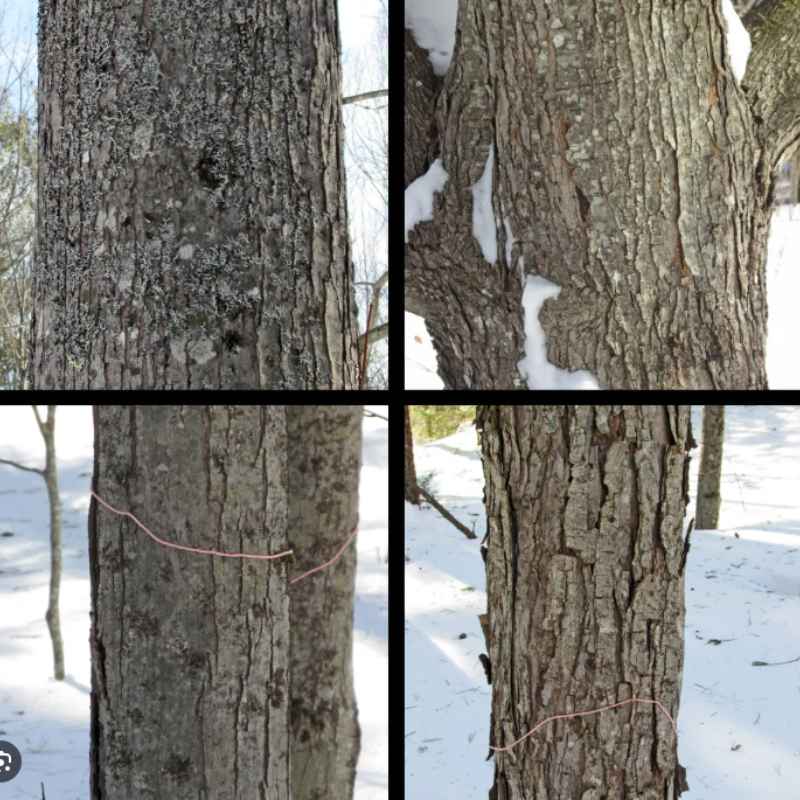
Sugar maples are known for their strong, upright growth. They often form a dense, oval or rounded crown. They tend to be slower growing than soft maples. But they can live for a very long time. Their bark is gray and furrowed, especially on older trees. It can look a bit shaggy.
Soft Maple Growth
Red maples can grow in various shapes. They might be oval or rounded. Silver maples are famous for their fast growth. They often have a more spreading, sometimes irregular shape. Their branches can be more prone to breaking in storms. Soft maple bark is often smoother on younger trees. It becomes more furrowed with age. Silver maple bark often peels in long strips.
Common Maple Tree Species and Their Classification
Let’s look at some specific trees that fall into these categories.
Trees Classified as Hard Maple
The primary tree known as hard maple is the sugar maple (Acer saccharum). This is the iconic maple tree. It’s famous for its vibrant fall colors. Reds, oranges, and yellows are common. It’s also the tree that gives us maple syrup.
Another tree sometimes grouped with hard maples, or considered a close relative, is the black maple (Acer nigrum). It’s very similar to sugar maple. Its leaves are often thicker and more triangular. The sinuses are less deep.
Trees Classified as Soft Maple
There are several types of soft maple. The most common include:
Red Maple (Acer rubrum): This is one of the most widespread trees in the Eastern U.S. It’s known for its red flowers, red twigs, and brilliant red fall color. It grows in a wide range of conditions.
Silver Maple (Acer saccharinum): This tree grows very fast. It has deeply cut, silvery-green leaves. It’s often planted for quick shade. But its brittle wood can be a problem.
Freeman Maple (Acer x freemanii): This is a hybrid. It crosses red maple and silver maple. It gets some of the good traits from both. It has better structure than silver maple. And good fall color.
Why Does This Difference Matter? Uses and Applications
Understanding hard vs. soft maple is not just trivia. It has real-world impact.
For Homeowners and Gardeners
If you’re planting a tree, the choice matters.
Shade and Landscape Trees
If you want a tree for shade that grows quickly, a soft maple like the silver maple might seem appealing. However, its brittle branches are a drawback. Red maples are a better choice. They offer beautiful color and are more sturdy. Sugar maples grow slower. But they become magnificent, long-lived trees. They offer great shade and stunning fall color. They are less prone to storm damage than soft maples.
Fall Color
All maples offer fall color. Sugar maples are famous for their spectacular, long-lasting displays. Red maples are also known for their intense reds. Silver maples can be good, but their color can be more yellow or brownish.
For Woodworkers and Crafters
The wood properties are the biggest factor here.
Hard Maple Uses
When someone says they need “maple lumber,” they often mean hard maple. It’s preferred for:
Flooring: Especially for high-traffic areas like gymnasiums and dance floors. Its hardness resists wear and tear.
Furniture: High-quality, durable furniture often uses hard maple. It holds up well.
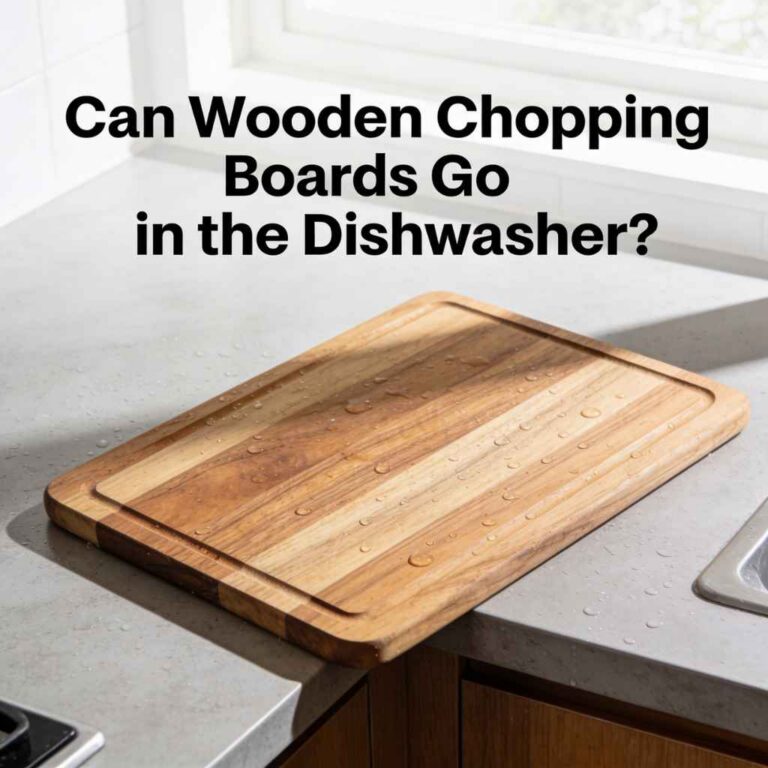
Butcher Blocks and Cutting Boards: Its dense, smooth surface is hygienic and durable.
Musical Instruments: The clarity and sustain of hard maple make it ideal for parts of guitars and violins.
Turned Items: Bowls, spindles, and other items that are spun on a lathe benefit from its strength.
Soft Maple Uses
Soft maple is more budget-friendly. It’s used for:
Less Demanding Furniture: Where extreme durability isn’t the main concern.
Cabinetry: Especially for the interior parts of cabinets.
Doors and Trim: It can be painted or stained effectively.
Pallets and Crates: Its lighter weight and lower cost make it suitable for shipping materials.
Plywood: Soft maple is often used to make plywood.
I remember a project where I was building a custom dining table. The client wanted that classic maple look. I initially went with what I thought was just “maple.” It turned out to be a mix of soft and hard maple. When I started sanding, I noticed a big difference. The soft maple cut much faster. But it also seemed to dent more easily when I accidentally bumped it with a tool. The hard maple was a dream to sand to a silky finish. It felt much more substantial. That day, I really learned to pay attention to the exact type of maple I was buying. The difference in density was incredibly obvious.
Maple Syrup Production
Only certain maples are good for syrup. The sugar maple is the king of syrup production. It has the highest sugar content in its sap. Red maples can also be tapped. But their sap is less sweet. You need to boil down a lot more sap to get syrup. Silver maples are generally not used for syrup. Their sap sugar content is too low.
Identifying Maple Trees in Your Yard or Local Park
So, how can you tell which is which when you’re out and about?
Observe the Leaves First
As we discussed, look at the lobes. Are they smooth and rounded, or jagged and sharp? Are the spaces between the lobes U-shaped or V-shaped?
Check the Bark
Younger trees might have smoother bark. Older trees will have more texture. Hard maples tend to have gray bark that develops deep furrows. Silver maples can have bark that peels in long, irregular strips.
Look at the Overall Shape
Does the tree grow in a neat, upright oval? That might be a sugar maple. Is it fast-growing with a more spreading, perhaps wilder look? That could be a silver maple. Red maples can be quite variable.
Consider the Location
Some maples prefer certain conditions. Sugar maples often like well-drained soils. Silver maples can tolerate wetter spots. Red maples are very adaptable.
Quick Identification Tips
Look for:
- Leaves: Smooth vs. jagged edges, U vs. V sinuses.
- Bark: Furrowed and gray (hard maple) vs. peeling strips (silver maple).
- Branch Structure: Upright and strong (hard maple) vs. potentially brittle and spreading (soft maple).
- Growth Rate: Slower, more deliberate growth (hard maple) vs. fast and vigorous (soft maple).
Real-World Scenarios: Hard vs. Soft Maple in Action
Let’s imagine some everyday situations.
Scenario 1: The Home Renovation
You’re redoing your kitchen floors. You want a classic, durable look. You talk to a flooring supplier. They show you options. One is labeled “Maple Hardwood.” It feels very dense and solid when you tap on it. This is likely hard maple. You decide to go with it because you know it will last. You might also consider it for new kitchen cabinets. It’s a good choice for a high-use area.
Scenario 2: The Backyard Project
Your neighbor is building a treehouse for their kids. They need some sturdy lumber. They find some leftover “maple” planks from an old fence. When they try to saw it, it cuts easily. The nails go in without much effort. This wood is likely soft maple. It’s fine for this project, but they wouldn’t want to use it for a deck railing that needs to withstand weather and weight. They might, however, use it for decorative elements inside the treehouse.
Scenario 3: The Furniture Hunt
You’re browsing antique stores. You see a beautiful, old writing desk. The wood has a fine grain. It feels solid. The drawers slide smoothly but feel substantial. The seller tells you it’s made of solid sugar maple. This explains its enduring quality. If it felt lighter and the wood seemed to have more open pores, it might be soft maple.
What This Means for You: Choosing the Right Maple
Knowing the difference helps you make better choices.
When Hard Maple is Your Best Bet
Choose hard maple if you need:
Maximum durability and resistance to dents.
A smooth, fine surface for finishes.
Wood for flooring, high-wear furniture, or butcher blocks.
The best sap for making maple syrup.
When Soft Maple Might Be a Good Option
Consider soft maple if:
You need a more affordable wood.
You’re working on projects where extreme hardness isn’t critical.
You want wood that is easier to cut and shape.
You’re looking for quick shade in your landscape.
When to Be Cautious
Avoid silver maples in areas where strong winds are common. Their brittle branches can cause damage. Don’t expect premium syrup from soft maples. If you’re buying lumber, always ask for clarification if you’re unsure if it’s hard or soft maple.
Quick Tips for Maple Enthusiasts
Here are a few things to keep in mind.
Fall Color: While sugar maples are famous, red maples offer stunning reds too.
Tree Planting: Consider the mature size and growth habit. A fast-growing silver maple might seem appealing but can cause future problems.
Lumber Selection: Always clarify with your lumber supplier. “Maple” can mean many things.
Syrup: Stick to sugar maples for the sweetest sap and the most efficient syrup making.
Frequently Asked Questions About Hard and Soft Maple Trees
What is the main difference between hard and soft maple wood?
The main difference is density. Hard maple wood is much denser and harder than soft maple wood. This makes hard maple more durable and resistant to wear and tear. Soft maple wood is lighter and easier to work with.
Can I tap a soft maple tree for syrup?
Yes, you can tap some soft maples like red maples for syrup. However, their sap has a lower sugar content. This means you’ll need to boil down more sap to make syrup compared to sugar maple sap. Silver maples are generally not tapped.
Which maple tree is best for shade?
For fast shade, silver maples grow quickly but can be brittle. Red maples offer good shade and better structure. Sugar maples grow slower but become large, majestic trees that provide excellent, long-lasting shade.
How do I tell a sugar maple from a red maple by its leaves?
Sugar maple leaves typically have smooth-edged lobes and U-shaped sinuses. Red maple leaves often have more jagged, sharp-toothed lobes and V-shaped sinuses. Sugar maples usually have 5 lobes, while red maples can have 3 to 5.
Is hard maple more expensive than soft maple?
Yes, hard maple lumber is generally more expensive than soft maple lumber. This is due to its greater density, durability, and desirability for high-end applications like flooring and furniture.
Can soft maple be used for furniture?
Yes, soft maple can be used for furniture, especially for less demanding pieces or for interior cabinet components. It’s easier to work with and more affordable than hard maple, making it a practical choice for many furniture projects.
Final Thoughts on Maple Varieties
Understanding the distinction between hard and soft maples helps you appreciate these trees more. It guides your choices, whether you’re picking a tree for your yard or selecting lumber for a project. Both types have their own unique strengths and uses. Knowing them allows you to use them best. Enjoy the beauty and utility of these wonderful trees!
Sponsored / affiliate links. As an Amazon Associate I earn from qualifying purchases. I may earn additional commission from eligible campaigns.