How Much Does It Cost To Replace Wood Siding In 2025?
Understanding the costs involved now can help you plan and avoid surprises later. We’ll break down all the details so you can feel confident about your home’s exterior and your budget. Let’s dive into what you need to know about wood siding replacement costs for 2025.
The average cost to replace wood siding in 2025 typically ranges from $8,000 to $20,000. This figure can shift significantly based on the type of wood, the size of your home, labor rates in your area, and any necessary repairs or upgrades. Factors like pitch of the roof and accessibility also play a role.
Understanding Wood Siding Replacement Costs
Replacing wood siding is a big job. It protects your home from weather. It also gives your house its look.
When it’s time for a change, knowing the price helps a lot. Many things affect how much you’ll pay.
Think about the raw materials first. Different wood types cost different amounts. Some woods are harder to find.
Others are more durable. The size of your house is also key. A small cottage needs less wood than a large family home.
Labor costs change too. What’s normal in one town might be high in another.
Your current siding might hide problems. When old siding comes off, you might find rot or water damage. Fixing these issues adds to the total cost.
You might also want to upgrade. Maybe you want a different style or color. All these choices impact the final bill.
Why Wood Siding Replacement Becomes Necessary
Wood siding has charm. It looks great. But it needs care.
Over time, it can wear out. This happens from sun and rain. Strong winds can also cause damage.
You might see peeling paint. Or maybe cracks start to form. These are signs it’s time to think about replacing it.
Wood can also rot. This is common if it gets too wet. Pests like termites can also be a problem.
They eat away at the wood. This weakens the siding. It can let water into your walls.
That’s a much bigger problem to fix. Replacing siding early saves you from these larger issues.
Sometimes, it’s just about looks. Maybe the paint is faded. Or the style feels dated.
You might want to update your home’s appearance. New siding can make a house look almost new. It’s an investment in your home’s curb appeal and value.
Personal Experience: That Annoys Me Every Time!
I remember standing on my porch one chilly autumn afternoon. The wind had picked up. I heard a strange flapping sound.
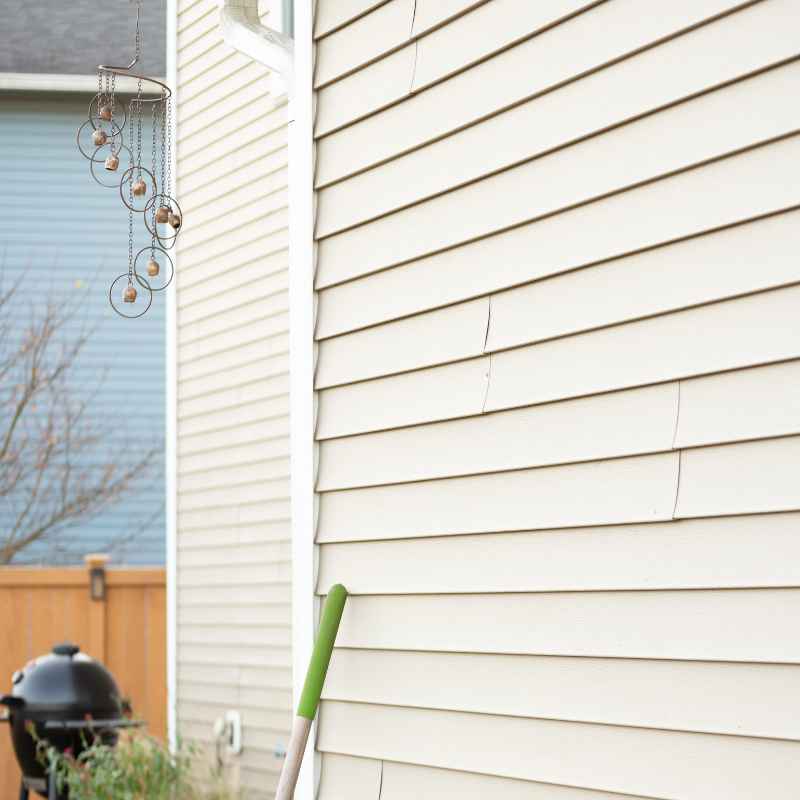
It wasn’t a tree branch. I walked around the side of the house. One of my cedar planks was loose.
A whole section was just hanging there, creaking. My heart sank. This was not good.
I knew this day might come. The house was old. The siding had seen better days.
But I always put it off. I thought I had more time. Now, I had a piece of my house literally hanging by a thread.
It felt both urgent and overwhelming. The wind was getting stronger. I just stood there, staring at it, feeling a mix of panic and annoyance at myself.
That loose plank was a stark reminder. Ignoring home maintenance really bites you later. I had to call a contractor immediately.
The repair wasn’t just about that one plank. It opened the door to a full siding replacement discussion. That flapping sound cost me more than just money; it cost me peace of mind.
Wood Siding Types and Their Cost Impact
Natural Wood: These are classic choices. They offer beauty and warmth.
- Cedar: Known for its natural beauty and insect resistance. Costs more.
- Pine: A more budget-friendly option. Needs good sealing.
- Redwood: Very durable and insect-resistant. Also one of the priciest.
Engineered Wood: Made from wood fibers, resin, and other materials. It’s designed to look like real wood but is often more durable and less costly.
- Composite Siding: Mimics wood grain. Resists rot and insects.
Factors Influencing Wood Siding Replacement Costs
So, what really makes the price go up or down? It’s not just one thing. It’s a mix of many factors.
Let’s look at them one by one. This helps you understand where your money is going.
The type of wood is a big one. Cedar and redwood cost more than pine. They last longer.
They also look richer. Engineered wood can be cheaper. But it’s not always the case.
Some high-end composites are very expensive.
The size of your home matters a lot. More square footage means more materials. It also means more work time.
A two-story house takes longer than a ranch. High roofs are harder to reach. This means more safety gear and more skilled labor.
Labor rates vary by location. Big cities usually have higher labor costs. Rural areas might be cheaper.
The skill of the crew also matters. Experienced installers cost more. But they do a better job.
This means fewer problems later on.
Demolition and disposal costs are part of the bill. Old siding has to be taken down. It then needs to be hauled away.
Some materials are heavier. Some might be treated. This can affect disposal fees.
Repairing the sheathing or structure underneath is a common extra cost. If there’s rot, you have to fix it. This can be simple or complex.
It depends on how bad the damage is. Mold removal is also an added expense.
Trim and detail work adds to the price. This includes corners, window frames, and door surrounds. Fancy trim costs more than simple boards.
Painting or staining the new siding is also a cost. High-quality paint lasts longer.
Average Cost Breakdown (Estimates for 2025)
| Cost Component | Typical Range |
|---|---|
| Materials (Wood & Accessories) | $4 – $12 per sq ft |
| Labor | $6 – $15 per sq ft |
| Demolition & Disposal | $500 – $2,000 |
| Sheathing/Structural Repairs | $500 – $5,000+ |
| Painting/Staining | $2,000 – $8,000+ |
| Total Average (for a 2,000 sq ft home) | $10,000 – $25,000+ |
Note: These are general estimates. Your specific costs may vary.
The Role of Home Size and Structure
Imagine your house is a canvas. The larger the canvas, the more paint you need. The same goes for siding.
A bigger house needs more siding material. This directly increases the cost of materials.
But it’s not just about square footage of siding. The structure itself adds complexity. Does your house have many corners?
Are there lots of windows? Each corner needs careful cutting and fitting. Each window requires detailed trim work.
These add time for the installers.
The height of your house is also a factor. A single-story home is easier to work on. A two-story or even three-story home requires ladders or scaffolding.
Safety is a bigger concern. Installers might need special training or equipment. This raises labor costs.
Roof pitch matters too. A steep roof means installers have to work at an angle. This is slower and more dangerous.
They might need to use harnesses or other safety gear. This adds to the time and cost of the job.
Finally, think about the shape of your house. A simple rectangular house is straightforward. A house with many dormers, gables, or complex architectural features takes much longer to side.
Each unique shape needs custom cuts and careful fitting. This increases labor costs significantly.
Wood Types: Exploring Your Options and Costs
When you think of wood siding, you might picture a classic look. There are many wood types. Each has its own charm.
And its own price tag. Knowing the differences helps you choose wisely.
Cedar is a popular choice. It’s beautiful. It smells nice.
Cedar is naturally resistant to rot and insects. This means it lasts a long time. But it’s one of the more expensive woods.
It can cost between $4 and $10 per square foot for materials alone.
Redwood is similar to cedar. It’s also very durable. It has a rich, deep color.
Redwood is excellent at resisting rot and insects. It’s often considered a premium wood. It can be even more expensive than cedar, sometimes reaching $8 to $12 per square foot.
Pine is a more budget-friendly option. It’s readily available. It has a nice look when treated and painted.
However, pine is softer. It’s more prone to rot and insect damage. It needs very good sealing and regular maintenance.
This makes it cheaper upfront, maybe $3 to $7 per square foot for materials.
Then there’s engineered wood siding. This is made from wood fibers and resins. It’s designed to look like natural wood.
It’s often more stable. It doesn’t warp or crack as easily. It can be a good balance of looks and cost.
Prices can range from $3 to $9 per square foot.
Quick Scan: Wood Siding Material Costs (per sq ft)
- Pine: $3 – $7
- Engineered Wood: $3 – $9
- Cedar: $4 – $10
- Redwood: $8 – $12
These are material costs only and do not include labor.
Labor Costs: The Biggest Variable
While materials have a set price, labor is where things can really change. The cost of hiring skilled professionals to install your new siding is often the largest part of the total bill. This is for good reason.
Installing siding correctly takes time, skill, and effort.
Think about what goes into it. Installers need to carefully remove the old siding. They must inspect the sheathing underneath for damage.
They then install the new siding, ensuring each piece is level, properly overlapped, and securely fastened. This requires precision.
The complexity of your home’s architecture plays a role here. A simple, flat wall is quick to cover. A house with many angles, windows, and doors takes much longer.
Each cut and fit must be exact. This means more hours worked by the crew.
Your location is a huge factor for labor costs. In areas with a high cost of living, like major cities, you’ll pay more for labor. In more rural areas, the rates might be lower.
It also depends on the demand for skilled tradespeople in your region.
A reputable contractor will also factor in overhead costs. This includes insurance, tools, vehicles, and administrative staff. These are necessary to run a professional business.
They ensure the job is done safely and correctly. Always get multiple quotes to compare.
Additional Costs to Consider (The Hidden Fees)
We’ve talked about the main costs. But sometimes, unexpected expenses pop up. It’s wise to be ready for them.
These are the extras that can catch you off guard.
Demolition and Disposal: The old siding has to come off. And it has to go somewhere. You’ll be charged for taking it down.
Then, you’ll pay to have it hauled away. Some materials, like old painted wood, might have special disposal rules. This can add to the cost.
Structural Repairs: This is a big one. When old siding is removed, you might find rot or damage underneath. Water damage can spread.
Termites can weaken the structure. Fixing these issues can range from a few hundred dollars to several thousand, depending on the extent.
Pest Control: If termites or other pests are found, you’ll need to deal with them. This involves treatment. This is an extra service and cost.
Mold Remediation: Water damage often leads to mold. Mold can be harmful. It needs to be professionally removed.
This is a specialized service that adds significant cost.
New Gutters or Downspouts: Sometimes, installing new siding is a good time to upgrade your gutters. They might be old or damaged. Or they might not work well with the new siding.
This is an additional expense.
Painting or Staining: Most new wood siding needs to be painted or stained. This protects it and gives it color. This labor and material cost can be substantial.
It’s often not included in the siding installation price.
Common “Hidden” Costs
- Rotten wood repair: Unexpected structural damage needs fixing.
- Mold removal: If water damage has caused mold growth.
- Pest treatment: Dealing with termites or other wood-boring insects.
- Permits: Some areas require permits for siding replacement.
- New paint or stain: Most wood siding needs finishing.
Real-World Context: When Siding Goes Wrong
It’s not just about the siding itself. It’s about what happens behind it. I recall a friend’s house.
They replaced their old clapboard. They chose a beautiful new wood. The installers were fast.
They seemed good.
A year later, they started seeing dark spots on the interior walls. Then, a musty smell appeared. They called me over.
We looked closely. The new siding looked fine from the outside. But water was getting in somewhere.
It wasn’t draining properly behind the boards.
It turned out the installers hadn’t used the correct flashing. Or perhaps they didn’t seal all the gaps perfectly. Moisture got behind the siding.
It sat there. It caused rot in the sheathing and mold growth. They ended up having to have a large section of the new siding removed.
They had to fix the damage. Then they had to re-install the siding correctly. This was a huge, unexpected expense.
And a lot of stress.
This story highlights the importance of hiring qualified professionals. It also shows why proper installation is as crucial as the material itself. Cutting corners on installation can lead to much larger problems and costs down the road.
It’s about the whole system working together.
Normal vs. Concerning Signs in Wood Siding
Normal:
- Slight fading over time.
- Minor cracks in older, weathered wood.
- Natural wood grain patterns.
Concerning:
- Peeling or bubbling paint.
- Loose or missing boards.
- Soft spots or rot when touched.
- Evidence of insect activity (holes, sawdust).
- Mold or mildew growth.
Getting Accurate Quotes and Avoiding Scams
Getting good quotes is key. Don’t just pick the first company you see. Shop around.
Get at least three bids. Make sure they are detailed. They should list all the work and materials.
They should also explain the warranty.
Ask questions. What kind of wood are they using? What’s the warranty on the labor and materials?
Are they licensed and insured? This is very important. It protects you if something goes wrong.
Be wary of prices that seem too low. A very cheap bid might mean they’re cutting corners. They might be using lower-quality materials.
Or they might not be insured. This can lead to bigger problems later.
Also, be careful of high-pressure sales tactics. A good contractor will explain things clearly. They won’t rush you into signing a contract.
They’ll give you time to think and compare.
Always check references. Ask to see examples of their work. Look online for reviews.
A reputable company will be happy to provide this information. This helps you feel confident in your choice.
DIY vs. Professional Installation
Could you tackle this yourself? For some minor repairs, maybe. But a full siding replacement?
It’s a huge undertaking. It requires specific tools and skills.
DIY Pros: You save on labor costs. You get to control the pace. You learn a new skill.
DIY Cons: It takes a lot of time and effort. Mistakes can be very costly to fix. You might not have the right safety equipment.
Improper installation can lead to water damage and structural issues. This can void warranties.
Professional Pros: They have the experience and tools. They know best practices for installation. They can often get materials at better prices.
They usually offer a warranty on their work. They handle safety and permits.
Professional Cons: Labor costs are higher. You have less control over the timeline.
For most homeowners, professional installation is the way to go. The risks of DIY siding replacement are usually too high. The potential for costly mistakes is significant.
Protecting your home’s structure and value is worth the investment in a good contractor.
DIY vs. Pro: A Quick Look
DIY:
- Save on labor.
- Requires significant time/skill.
- High risk of costly errors.
Professional:
- Higher upfront cost.
- Expert installation, fewer risks.
- Warranties provide peace of mind.
When Is It Time to Worry About Your Wood Siding?
You’ve seen the signs of wear. But when does it become a real problem? It’s like a little voice of concern in the back of your mind.
You want to know if you should act now.
If you see widespread rot, that’s a big red flag. Rot can spread quickly. It weakens the wood.
It can lead to serious structural damage. Look for soft spots. Try pressing on the wood.
If it gives easily, it’s rotten.
Large cracks or gaps are also worrying. These let water in. Water behind the siding is bad news.
It can cause mold. It can damage the insulation and framing. Check where boards meet.
Look around windows and doors.
If your paint is constantly peeling, even after repainting, there’s an issue. This could mean moisture trapped behind the paint. Or the wood itself is breaking down.
It’s a sign that the wood isn’t healthy.
Insect damage is another serious concern. Small holes, sawdust piles, or visible bugs mean termites or carpenter ants. These pests can destroy your siding and even the structure of your home.
They need to be dealt with by professionals.
Loose or bulging boards are also a sign of trouble. This can mean the fasteners are failing. Or the wood is expanding or contracting too much.
It’s a sign that the siding is no longer secure.
If you notice any of these issues, it’s time to get a professional inspection. It’s better to fix a small problem early than to wait for it to become a disaster.
Tips for Saving Money on Siding Replacement
A big cost like this can be hard on the wallet. But there are ways to manage it. Smart choices can help you save money.
Here are some tips to keep in mind.
Get Multiple Quotes: I can’t stress this enough. Compare prices from at least three different contractors. Make sure they’re all bidding on the same scope of work.
Look for detailed estimates.
Choose Materials Wisely: Not all wood is created equal. Pine is cheaper than cedar. Engineered wood can also be more affordable.
Consider your budget and the longevity you expect from the siding.
Timing is Key: Contractors are often busier in the spring and summer. You might get a better price if you schedule the work for the fall or winter. This is the off-season for siding.
But be aware of weather delays.
Consider a Simpler Style: Highly decorative trim or complex patterns will cost more. Opting for simpler designs can reduce labor time and material waste.
Ask About Sales or Promotions: Sometimes, suppliers or contractors have special offers. It never hurts to ask if there are any discounts available.
Factor in Longevity: The cheapest option upfront might cost more in the long run. Investing in more durable materials and professional installation can save you money on repairs and replacement later.
Consider Materials Other Than Wood: While this article focuses on wood, some homeowners find that other materials like vinyl or fiber cement are more cost-effective long-term. Explore all your options.
Money-Saving Strategies
- Compare Quotes: Get bids from 3+ contractors.
- Material Choice: Pine or engineered wood can be cheaper.
- Off-Season Installation: Fall or winter might offer lower rates.
- Simplify Design: Avoid complex architectural details.
- Ask for Discounts: Inquire about current promotions.
Frequently Asked Questions About Wood Siding Replacement
How long does wood siding typically last before needing replacement?
With proper maintenance, natural wood siding can last anywhere from 15 to 40 years. Cedar and redwood tend to last longer than pine. Factors like climate, maintenance, and exposure to elements greatly influence its lifespan.
Is it cheaper to paint or replace wood siding?
Painting is almost always cheaper than replacement. However, if the wood is rotten, cracked, or severely damaged, painting won’t fix the underlying issues. Replacement is necessary when the wood’s structural integrity is compromised.
What is the most cost-effective wood siding option?
Pine siding is typically one of the most cost-effective natural wood options. Engineered wood siding can also be a good budget-friendly choice that mimics the look of natural wood but offers more durability for its price point.
How much extra should I budget for unexpected repairs?
It’s wise to have a contingency fund of 10-20% of the total project cost. This can cover unexpected structural repairs, mold remediation, or pest issues that might be discovered once the old siding is removed.
Does the type of wood siding affect my home’s insulation?
The siding itself offers minimal insulation. However, the process of replacing siding is a good opportunity to add or improve wall insulation. Ensure the sheathing behind the siding is sound to maintain your home’s thermal efficiency.
What are the signs of water damage behind wood siding?
Signs include interior wall discoloration or stains, musty odors, peeling interior paint, and soft spots in drywall. Exterior signs can be bubbling paint, warped boards, or mold growth visible along the bottom edges of the siding.
Conclusion: Planning for Your Home’s Future
Replacing wood siding is a significant project. It impacts your home’s look, protection, and value. By understanding the costs, factors, and options, you can make informed decisions.
Planning ahead helps manage your budget. It ensures you get the best results for your investment.
Focus on quality materials and skilled installation. This will give you a beautiful, durable exterior. It will also give you peace of mind for years to come.
Your home deserves the best.
Sponsored / affiliate links. As an Amazon Associate I earn from qualifying purchases. I may earn additional commission from eligible campaigns.