Are Portable Heaters Supposed To Smell? When To Worry
It’s that time of year again. The air is getting crisp, and the thought of a warm room is very inviting. Many of us turn to portable heaters to chase away the chill.
But then, a smell starts. Is that normal? Or should your portable heater be smelling like something else?
You’re not alone if this question pops into your head. That strange odor can be unnerving. You want to stay warm, but you also want to stay safe.
This guide will help you understand why your heater might smell and when it’s time to pay closer attention.
A portable heater may have a slight, temporary odor when first used or after a period of disuse. This is often due to dust or new components. However, a strong, persistent, or unusual smell usually indicates a problem that needs immediate attention for safety.
Understanding Portable Heater Smells
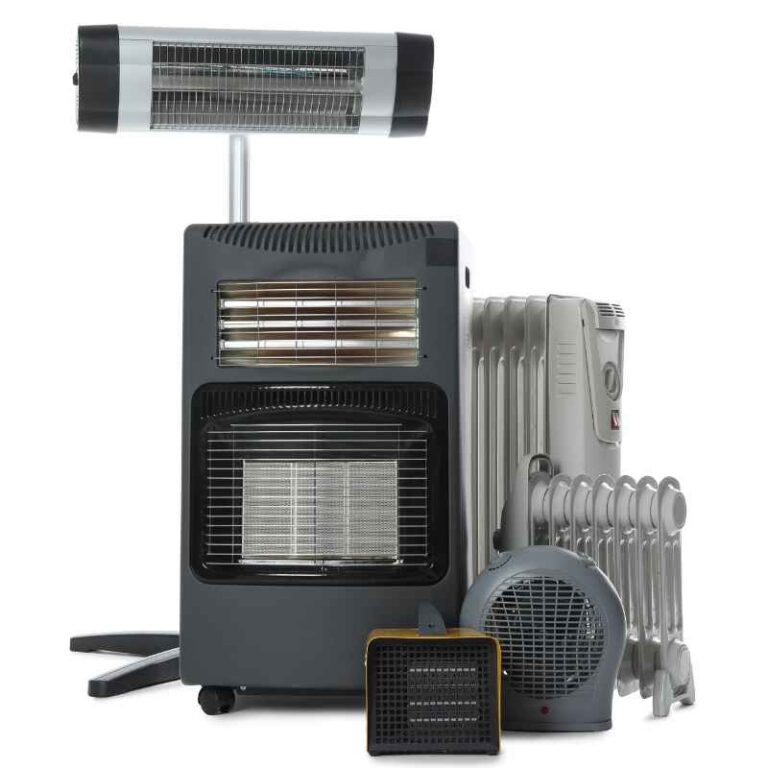
Portable heaters work in a few main ways. Electric heaters use coils to get hot. This heat then warms the air.
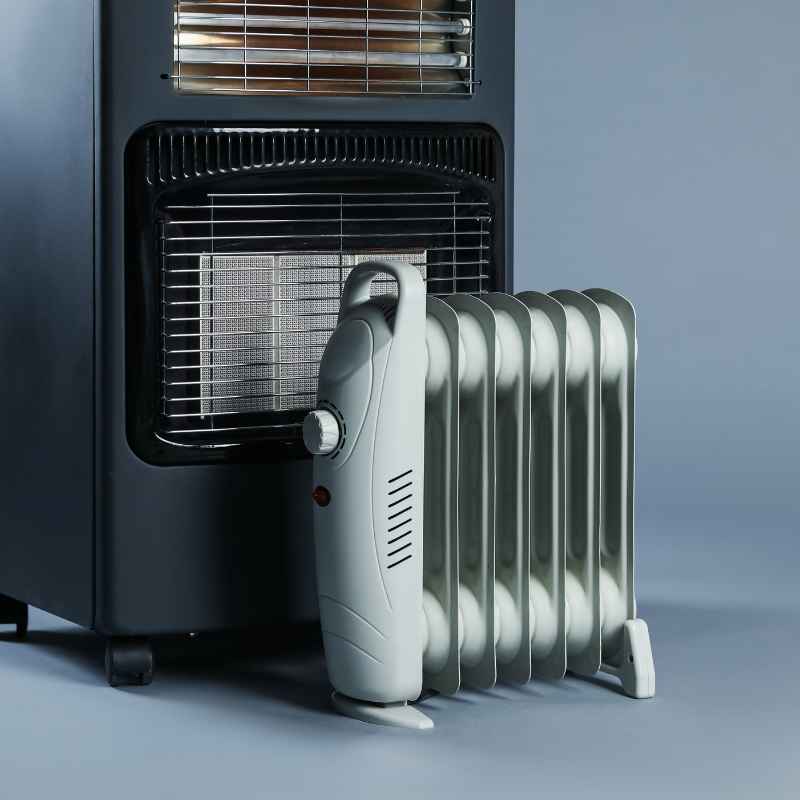
Oil-filled heaters contain oil. An electric element heats the oil. The warm oil then heats the air around it.
Some heaters use fans to blow air over hot elements. Others rely on natural convection.
No matter the type, these heaters involve electricity and heat. Things can happen to create smells. Some smells are harmless and go away.
Others are warnings. It’s important to know the difference.
My First Portable Heater Scare
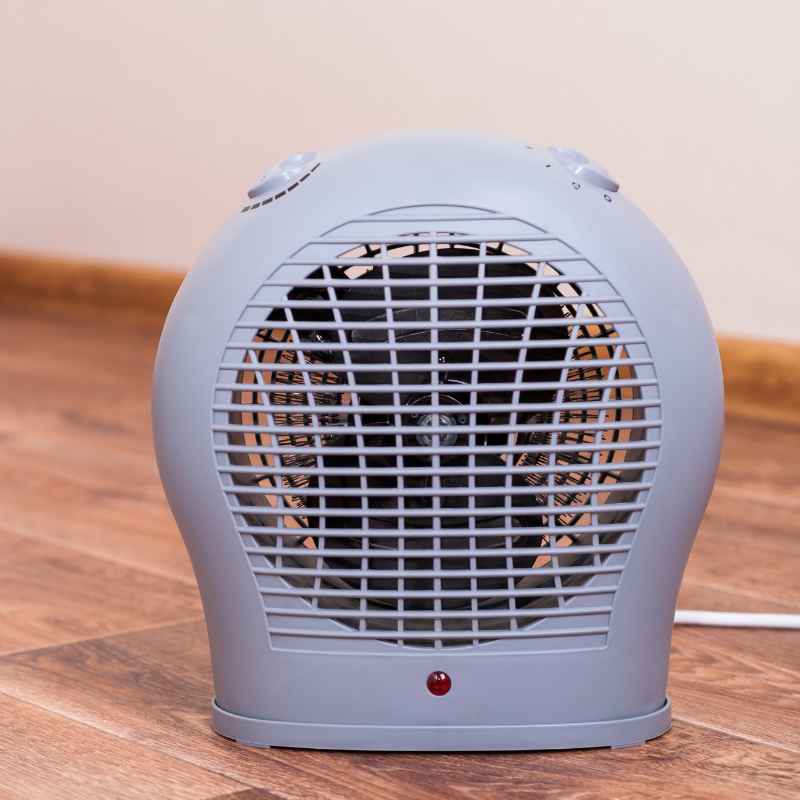
I remember the first time I plugged in a new electric space heater. I was living in a small apartment. The winter chill was setting in, and my old building’s heating was unreliable.
I got a shiny new heater. It looked sleek and promised instant warmth. I set it up, plugged it in, and turned it on.
Within minutes, a distinct smell filled the air. It wasn’t burning plastic, thank goodness. It was more like… old dust.
A little acrid. I felt a pang of worry. Was it broken?
Was it dangerous? I stood there, sniffing the air, trying to decide if I should turn it off. My mind raced.
What if it started a fire? What if the fumes were bad to breathe?
I nervously paced the room for about ten minutes. The smell seemed to lessen. I cautiously stayed in the room.
It eventually faded almost completely. It turned out it was just dust that had settled on the heating element. After that first use, it never smelled again.
But that initial worry was very real. It taught me to be observant.
Common Heater Smells & What They Mean
What you smell: A slight, sweetish, or metallic odor.
Possible cause: New unit. This can be from manufacturing oils or new materials heating up for the first time. It usually fades quickly.
What you smell: Burnt dust or stale air.
Possible cause: Dust and debris on the heating element. This is very common after the heater has been stored for a while. It’s usually harmless but can be annoying.
What you smell: A burning plastic or electrical smell.
Possible cause: This is a serious warning. It could be the plastic casing overheating or internal wiring issues. Turn off the heater immediately.
The Science Behind the Smells
When a portable heater smells, it’s usually due to one of two things. First, it’s heat interacting with particles. Second, it’s an electrical component having a problem.
For electric heaters, the heating element gets very hot. If dust, pet hair, or small debris lands on it, it will burn off. This creates a smell.
It’s like throwing a small piece of paper onto a hot stove. It burns and smells. This is why heaters often smell when you first use them after a long break.
The dust from storage is the culprit.
For oil-filled heaters, the process is similar. The oil itself doesn’t typically smell. But if dust gets into the heating mechanism, it can cause an odor.
The sealed nature of the oil means fewer external smells, but internal dust is still possible.
The more concerning smells come from electrical issues. Wires can overheat. Plastic parts can begin to melt or burn.
This can create a sharp, chemical odor. This indicates a malfunction that could lead to a fire. Your heater’s safety features are designed to prevent this.
But they aren’t foolproof.
Real-World Scenarios of Heater Smells
Let’s look at a few typical situations where you might notice a smell from your heater. These happen in many homes across the country.
Scenario 1: The “Back From Storage” Smell
It’s October in Chicago. You pull your trusty ceramic heater out of the attic box. You set it up in the living room.
You plug it in and switch it on. Almost immediately, a smell like old socks mixed with burnt toast fills the air. You see a tiny wisp of smoke.
You panic slightly.
What’s likely happening: Dust and possibly a spider web or two have accumulated on the fan blades and heating element during the summer. The first blast of heat burns them off. This smell is usually harmless but unpleasant.
It often goes away after 5-10 minutes of running.
Scenario 2: The “New Heater” Scent
You ordered a new infrared heater online. It arrives in a fancy box. You unbox it, and it looks great.
You plug it in. For the first hour, there’s a faint, almost chemical or plastic-like smell. It’s not strong, but it’s noticeable.
You wonder if you made a mistake.
What’s likely happening: This can be from manufacturing oils or new plastic parts that are heating up for the first time. Many manufacturers mention this in their manuals. It should disappear within a few hours of use or after a couple of uses.
Scenario 3: The “Uh Oh” Smell
It’s a cold December evening in Denver. You turn on your oil-filled radiator. Within minutes, you smell something sharp and acrid.
It’s not dusty. It’s not like burnt food. It smells like burning wires.
You also notice the heater casing feels unusually hot to the touch, even for a heater.
What’s likely happening: This is a serious warning sign. There might be an issue with the internal electrical components. It could be a wire fraying or a short circuit.
This poses a fire risk. You need to unplug it and stop using it immediately.
Heater Use Habits and Smells
Habit: Storing heaters in dusty attics or basements.
Result: Higher chance of burnt dust smell on first use.
Habit: Not cleaning heaters regularly.
Result: Dust buildup can worsen smells and reduce efficiency.
Habit: Running heaters near curtains or furniture.
Result: Material can fall onto the heater, causing a burning smell or fire hazard.
When is a Smell Normal?
So, when can you relax about a smell? Generally, a faint, temporary odor is okay. This includes:
1. The Initial Use Smell: When you first get a new heater, a slight chemical or plastic smell can occur. It’s like a new car smell.
It’s the materials getting used to heat. This should vanish after a short period.
2. The “After Storage” Smell: This is the most common one. If your heater has been sitting in a closet or garage for months, dust has likely settled on it.
When you turn it on, this dust burns off. It smells like burnt dust. This smell should also disappear within a few minutes of the heater running.
3. A Faint Warm Air Smell: Sometimes, warm air itself can have a slight scent. This is usually not unpleasant.
It’s just the smell of air that has been heated. It’s different from a burning or chemical smell.
The key here is faint and temporary. If the smell is strong, persistent, or causes you to cough or feel uneasy, it’s not normal.
When to Worry About a Portable Heater Smell
A strong, persistent, or unusual smell is a red flag. You should worry and act if you notice:
1. Burning Plastic or Electrical Smell: This is the most dangerous. It means something is overheating internally.
This could be wiring, a motor, or plastic components. This smell is sharp and acrid. It can make your eyes water.
If you smell this, unplug the heater immediately. Do not use it again until it’s inspected or replaced.
2. Strong, Acrid, or Chemical Odor: Beyond burning plastic, any strong chemical smell is concerning. It could mean a component is breaking down.
Or it could be related to the heating medium (though less common with sealed units).
3. Persistent Smells: If the smell doesn’t go away after 10-15 minutes of the heater running, it’s not just dust. It means something else is likely causing it.
Especially if it’s a smell you didn’t notice before.
4. Smells Accompanied by Other Issues: If the smell comes with strange noises, sparks, smoke, or the heater getting unusually hot in one spot, turn it off right away. These are all signs of a serious problem.
Heater Smells: Normal vs. Concerning
Normal:
- Slight chemical smell on new units (first few uses).
- Burnt dust smell after storage (fades quickly).
- Very faint, warm air scent.
Concerning:
- Strong burning plastic smell.
- Sharp, acrid, or chemical odor.
- Smell that does not go away after 15 minutes.
- Smell accompanied by smoke, sparks, or loud noises.
What This Means for Your Home Safety
Portable heaters are convenient. But they also come with risks. Smells are often our first clue that something is wrong.
Ignoring a warning smell can have serious consequences.
Fire Hazard: The most significant risk is fire. Overheating components can ignite nearby materials. A smell of burning plastic or electrical wires is a direct warning of this risk.
U.S. fire departments respond to thousands of heating-related fires each year. Portable heaters are a common cause.
Air Quality: While burnt dust is mostly just unpleasant, other burning materials can release harmful fumes. If you smell strong chemicals, it’s not good to breathe in. This is especially true for people with respiratory issues, children, and pets.
Damage to the Heater: Even if a smell isn’t immediately dangerous, it can signal an issue that will shorten the heater’s lifespan. Ignoring problems can lead to a more costly repair or replacement.
Simple Checks for Heater Smells
Before you panic, a few simple checks can help you figure out the cause. These are things you can do yourself, safely.
1. Identify the Type of Smell: Is it dusty? Chemical?
Burning plastic? Your nose is your first tool.
2. Check the Heater’s Exterior: Is there anything stuck to the outside? A piece of paper?
A stray thread? Is the casing warped or discolored?
3. Look for Visible Debris: Carefully (make sure it’s unplugged and cool!), look at the heating element or the fan. Can you see dust bunnies or other gunk?
4. Consider When You Last Used It: Was it just pulled out of storage? Has it been running for hours straight?
5. Check the Manual: Many manuals explain common smells. They often mention initial use odors.
6. Test its Location: Is it too close to curtains, bedding, or papers? These can heat up and cause smells, or worse, catch fire.
Quick-Scan Table: What To Do If Your Heater Smells
| Smell Type | Likely Cause | Action |
|---|---|---|
| Faint, dusty smell (newly unpacked or after storage) | Dust burning off heating element. | Run heater for 10-15 mins. Ensure good ventilation. If smell persists, clean heater. |
| Slight chemical/plastic smell (new heater) | Manufacturing residue. | Run in a well-ventilated area until smell disappears. Check manual. |
| Strong burning plastic or electrical smell | Internal wiring or component issue. | Unplug immediately! Do not use. Contact manufacturer or replace. |
| Persistent, strong, unusual smell | Malfunction or foreign object. | Unplug and inspect. If cause not obvious or smell is concerning, stop using. |
What to Do if You Smell Burning Plastic
This is the most critical situation. If you smell burning plastic or an electrical odor, here’s exactly what to do:
1. Turn it OFF immediately. Do not hesitate. Find the power button or unplug it directly from the wall socket.
2. Unplug it. This cuts off the power source, preventing further damage or fire.
3. Move it safely. If possible and safe to do so, move the heater to a non-flammable surface away from anything combustible, like a concrete floor outside or a metal sink.
4. Let it cool completely. Do not try to touch or inspect it while it’s hot.
5. Do NOT use it again. Even if the smell seems to go away, the internal damage is still there. This is a safety hazard.
You should contact the manufacturer if it’s under warranty, or discard and replace the heater.
In U.S. homes, fires caused by faulty appliances are a major concern. A smell of burning plastic is a sign that your appliance is becoming a fire hazard.
It’s better to be safe than sorry.
Cleaning and Maintenance Tips to Prevent Smells
Regular cleaning is your best defense against most common heater smells. It’s simple and effective.
1. Unplug and Cool Down: Always make sure the heater is unplugged and completely cool before cleaning.
2. Dust the Exterior: Use a soft, dry cloth to wipe down the outside of the heater. Pay attention to vents and grilles.
3. Clean the Vents: Use a vacuum cleaner with a brush attachment to gently clean dust from the air vents. This is where dust builds up the most.
4. Clean the Heating Element/Fan (If Accessible): For some heaters, you can access the heating element or fan. Use a soft brush or compressed air (hold the can upright) to blow dust away.
Check your manual first. Some elements are delicate. Do not use water or cleaning fluids on heating elements.
5. Check the Cord: Ensure the power cord is not frayed or damaged. A damaged cord can also cause smells or electrical issues.
6. Store Properly: When storing your heater for the season, cover it loosely or place it in a clean box. This helps prevent excessive dust accumulation.
How to Clean Your Portable Heater
Step 1: Safety First
Unplug the heater. Let it cool completely.
Step 2: Exterior Wipe Down
Use a dry, soft cloth. Get into corners and crevices.
Step 3: Vent Cleaning
Use a vacuum cleaner with a brush attachment. Or a soft brush to loosen dust, then vacuum.
Step 4: Interior (If Safe & Accessible)
Consult your manual. Use compressed air or a dry brush. Never use water or liquids.
Step 5: Inspect Cord
Look for any damage, cuts, or fraying.
What This Means for You and Your Family
Understanding heater smells is about more than just an annoying odor. It’s about ensuring your home is safe and warm.
Peace of Mind: Knowing what smells are normal and what are warnings brings peace of mind. You can enjoy your heater without constant worry.
Safety First: Prioritizing safety means knowing when to stop using a heater. That burning plastic smell isn’t a suggestion to keep using it. It’s a command to stop.
Efficient Heating: A clean heater works better. Regular maintenance can help it heat your room more effectively and quietly. Less dust means less obstruction for airflow.
Saving Money: By identifying and fixing minor issues or replacing a faulty heater promptly, you avoid larger problems. A small issue ignored could lead to a larger repair or a house fire, which is financially devastating.
Frequently Asked Questions About Portable Heater Smells
Why does my portable heater smell like burning dust?
This is very common when a heater has been stored for a while. Dust, pet hair, and other small debris settle on the heating element or fan. When you turn the heater on, this material burns off.
The smell is usually harmless and should disappear after a few minutes of use. Ensure good ventilation during this time.
Is it normal for a new portable heater to have a smell?
Yes, it can be. New heaters might have manufacturing oils or residues on the components. When heated for the first time, these can produce a faint chemical or plastic-like smell.
This should dissipate quickly, often within the first few hours of use or after a couple of uses. Check your heater’s manual for specific information.
What should I do if my heater smells like burning plastic?
A burning plastic smell is a serious warning. It indicates a potential electrical issue or overheating components, which is a fire hazard. Immediately turn off and unplug the heater. Do not use it again.
Contact the manufacturer if it’s under warranty, or plan to replace it. Never try to use a heater that smells like burning plastic.
Can a portable heater smell cause health problems?
Most common smells, like burnt dust, are more of an annoyance and are generally not harmful in short exposures. However, strong, persistent chemical or burning smells can indicate the release of harmful fumes. If you experience coughing, headaches, or difficulty breathing, stop using the heater and ensure the area is well-ventilated.
If the smell is concerning, consult a professional.
How often should I clean my portable heater?
It’s a good idea to give your portable heater a good cleaning at least once a year, before you store it for the season and again before you start using it. You can also do a quick wipe-down and vent cleaning more frequently, especially if you notice dust buildup or a faint smell.
My oil-filled heater is making a slight smell. What could it be?
Oil-filled radiators are generally sealed. If you detect a smell, it’s often due to dust that has accumulated on the exterior fins or near the heating element if any is exposed internally. A slight smell of warm oil itself, if any seeps out, could also be noticed.
Persistent or strong unusual smells, however, should still be investigated as described above.
Conclusion
Portable heaters are fantastic tools for staying warm. Understanding the smells they produce is key. A little dust burning off is usually no big deal.
But a strong chemical or burning plastic smell means danger. Always trust your senses. If something feels off, it probably is.
Prioritizing safety ensures you can enjoy the warmth without the worry.
Sponsored / affiliate links. As an Amazon Associate I earn from qualifying purchases. I may earn additional commission from eligible campaigns.