What Is The Best Portable Heater For A Car? Top Choices
Cold weather can really make a car feel like an icebox. You know that feeling. You get in, and the air bites at your skin.
Your fingers go numb. You’re stuck waiting for the car’s own heater to kick in, which feels like forever. Many people face this problem every winter.
They want a quick, reliable way to warm up their car’s interior before or while driving.
This guide dives deep into finding the best portable heater for your car. We’ll look at what makes a good car heater. We’ll explore different types and what to watch out for.
You’ll learn how to pick one that’s safe and works well for your needs. We aim to make this choice simple for you.
Finding the best portable car heater means looking at several factors. You need to think about safety features, power source, heating ability, and ease of use. Portable heaters for cars are designed to offer quick warmth, especially when the built-in system is slow or not working. Safety is key, so look for models with automatic shut-off and overheating protection.
Understanding Portable Car Heaters
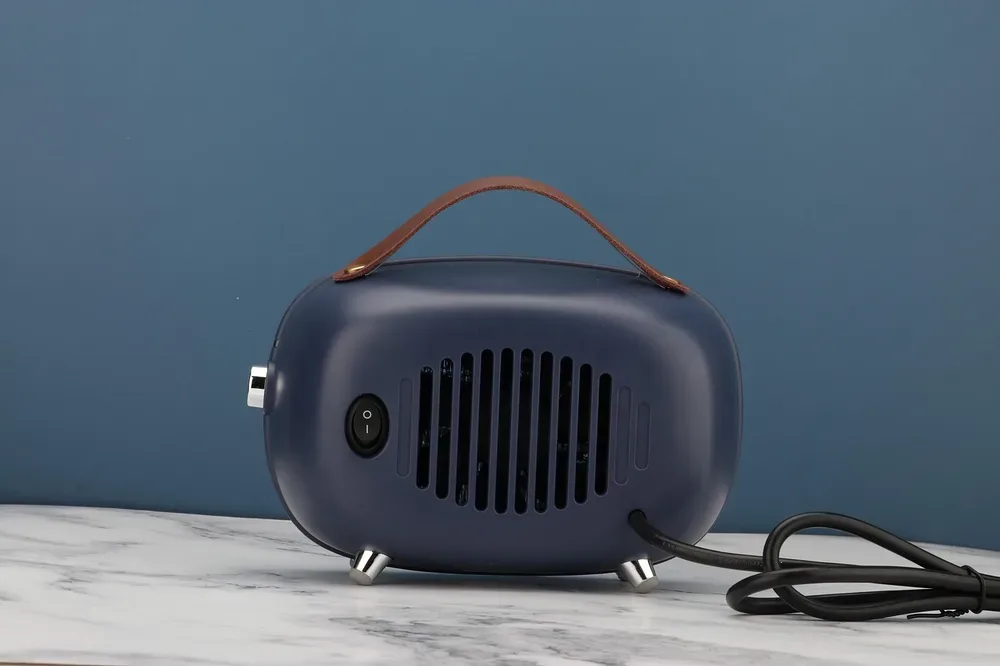
A portable car heater is a small device. It’s made to warm up the inside of your vehicle. These aren’t like the big heaters for your home.
They are smaller. They run on power from your car. This usually means plugging into the cigarette lighter socket.
Some might use a battery. They are great for quick heat. This can be useful when it’s very cold outside.
Many people use these when waiting. Maybe you’re picking someone up. Or perhaps you’re stuck in traffic.
The car’s own heater needs the engine to run and get hot. This takes time. A portable heater can start warming up the space right away.
It’s like having a personal heater for your car’s cabin.
They can also help if your car’s heater breaks. This is a real lifesaver if you can’t get it fixed right away. It means you don’t have to freeze while driving.
But it’s important to know these are usually for temporary warmth. They are not meant to replace your car’s main heating system permanently.
Types of Portable Car Heaters
There are a few main types of portable heaters you’ll find for cars. Each has its own way of working. And each has pros and cons.
Knowing these helps you pick the right one for your situation.
The most common kind is the plug-in heater. These plug into your car’s 12V power outlet. This is often called the cigarette lighter port.
They use the car’s electrical system to generate heat. They usually have a fan. This fan blows the warm air out into the car.
They are simple to use. Just plug them in and turn them on.
Another type is the ceramic heater. These use a ceramic heating element. When electricity passes through it, the ceramic gets very hot.
A fan then blows air over the hot ceramic. This warms the air. Ceramic heaters are often seen as safer.
This is because they tend to get hot but don’t usually glow red. They are good at heating up a small space quickly.
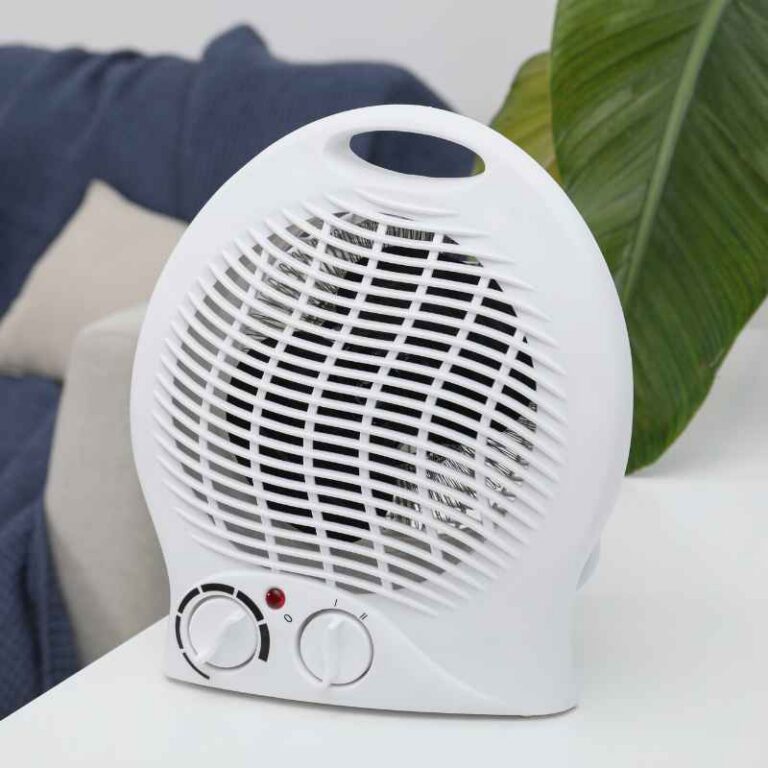
You might also see fan heaters. These are very simple. They have a heating coil or element.
A fan blows air over it. The heated air then comes out. They are very basic.
Their heating power can vary a lot. Some are just small fans with a warm setting. Others are more robust.
There are also catalytic heaters. These work differently. They use a chemical reaction.
This reaction produces heat. They don’t have a heating element like electric ones. They often don’t need a fan.
They can be very efficient. However, they can also produce carbon monoxide. This is a big safety concern.
You must use them with extreme caution and good ventilation.
Lastly, some portable units are multi-functional. These might be heaters that also function as defrosters or air purifiers. They offer more than just heat.
They can be a good choice if you want a device that does several things.
How Portable Car Heaters Work
Most portable car heaters work by using electricity. They draw power from your car’s 12-volt system. This power goes to a heating element.
This element gets hot. Think of a toaster element. It glows red when it’s hot.
Some car heaters use this principle.
Once the element is hot, a fan is usually involved. The fan blows air across the hot element. This warms the air.
The fan then pushes the warm air into your car’s cabin. This is how you feel the heat. The speed of the fan affects how quickly the air is heated and spread.
Some heaters use ceramic plates. These plates get hot. The fan blows air over them.
Ceramic is popular because it can get very hot. But it is less likely to ignite things if it touches them. This makes them a bit safer than open coil heaters.
They are also good at heating a confined space like a car quickly.
The amount of heat a portable heater can produce depends on its wattage. A higher wattage means more power. This usually means more heat.
But you need to be careful. Your car’s electrical system has limits. Plugging in a very high-wattage heater can overload the fuse.
This can cause problems.
The car’s battery also plays a role. If you run a heater for a long time with the engine off, it can drain your battery. This can leave you stranded.
So, it’s usually best to use these heaters when the engine is running. This way, the engine is also charging the battery.
Safety First: What to Look For
Safety is the most important thing. You are using an electrical device in your car. You don’t want to cause a fire or damage your car.
There are specific safety features you should always look for.
Automatic Shut-Off is a must-have. This feature turns the heater off if it gets too hot. It also turns it off if it tips over.
This prevents fires. It’s a critical safety net. Always check the product description for this.
You might see it called “tip-over protection” or “overheat protection.”
Quality Construction matters. Look for heaters made from sturdy materials. Cheap plastic can melt or break easily.
The cord should be thick and flexible. A thin, stiff cord might be a sign of poor quality. It could also overheat or fray.
Certifications are good indicators. Look for marks like UL or ETL. These mean the product has been tested by a recognized safety laboratory.
They meet certain safety standards. This is a strong sign of a safer product.
Proper Ventilation is also key. Even electric heaters can make the air feel dry. Some might produce small amounts of fumes.
Always use a portable heater with some fresh air coming into the car. This means cracking a window slightly. This is especially true for any heater that isn’t purely fan-forced electric.
Never sleep in a car with a portable heater running. This is very dangerous.
Fuse Protection is built into most car outlets. However, some powerful heaters might blow a fuse easily. Check the wattage of the heater.
Compare it to your car’s fuse rating for that outlet. It’s usually written on the fuse box cover or in your car’s manual.
Key Features for Performance
Beyond safety, you want a heater that actually works well. Here are some performance features to consider.
Heating Power (Wattage) is crucial. Higher wattage generally means more heat. For a car, 150 watts is a common starting point.
Some go up to 300 watts or more. Too low, and it won’t do much. Too high, and you risk blowing fuses.
A good range is often between 150W and 250W for a standard car. For larger vehicles like SUVs or trucks, you might need more power.
Fan Speed and Airflow matter. A good fan will push warm air around the car effectively. Some heaters have adjustable fan speeds.
This lets you control the airflow. More airflow can help warm the car faster. It also helps circulate the air.
Adjustable Heat Settings are nice to have. Some heaters have a “hot” and “warm” setting. Or they might have just a fan-only mode.
This flexibility lets you use it for defogging or just to circulate air. It also helps you fine-tune the temperature.
Cord Length and Flexibility are practical. You want a cord that’s long enough to reach where you need it. But not so long that it becomes a tripping hazard or gets tangled.
A flexible cord is easier to manage.
Swivel Head or Adjustable Angle is a small but useful feature. This lets you direct the warm air where you want it. You might want it pointed at the windshield.
Or maybe at your feet. Being able to adjust the direction makes it more effective.
Noise Level can be a factor. Heaters with fans make noise. Some are quieter than others.
If you plan to use it while talking on the phone or listening to music, a quieter model might be better.
Personal Experience: The Time My Car Heater Died
I remember one particularly brutal winter morning. It was freezing outside, easily below zero. I had to drive to an early appointment.
I got into my old car, turned the key, and nothing. The engine sputtered. Then it died.
The battery was dead. I was stuck. My car’s built-in heater, of course, needed the engine to run.
So, it was as cold inside as it was outside.
Panic started to set in. I was miles from anywhere. My fingers were already numb.
I fumbled for my phone. I called roadside assistance. While waiting, I remembered I had a small, cheap portable car heater tucked away in the trunk.
I’d bought it years ago and barely used it. I pulled it out. It was just a simple ceramic fan heater.
It plugged into the 12V outlet.
I plugged it in and turned it on. The engine was still dead, so I was just using the car battery. At first, nothing seemed to happen.
Then, a faint puff of warm air. It wasn’t much. But it was something.
I directed it towards my feet. Slowly, very slowly, my toes started to feel a little less like blocks of ice. It wasn’t toasty warm, but it was a noticeable difference.
It gave me a small sense of comfort and hope. It made the wait for the tow truck much more bearable. That little device, despite its limited power on a dead battery, made a huge difference.
It showed me the value of having a backup heat source, even a small one.
What stood out was how even a small amount of heat can feel like a lot when you’re freezing. It wasn’t going to save me from the cold entirely, but it was a personal bubble of warmth. It made me realize I should probably keep it charged and ready, maybe even upgrade to something a bit more powerful for future emergencies.
That experience taught me a lot about portable heaters. They aren’t magic. They won’t turn your car into a sauna in minutes, especially with a weak power source.
But they offer a degree of comfort and safety that’s hard to beat when your main system fails or is slow to respond.
Heater Power vs. Car Electrical System
Understand Wattage Limits: Your car’s 12V system has a limit. Most car accessory outlets are fused for 10 to 15 amps. At 12 volts, this means about 120 to 180 watts.
Higher wattage heaters (like 200W or 300W) might be too much. Always check your car’s manual or fuse box. Using a heater that’s too powerful can blow the fuse.
In rare cases, it could damage the wiring.
Engine Running is Best: For heaters above 100W, it’s safest to use them with the engine running. The alternator provides more power than the battery alone. This also recharges the battery.
It prevents you from draining your battery and getting stranded.
Choosing the Right Heater for Your Needs
What is the “best” heater? It really depends on what you need it for. Think about your typical situation.
Are you just trying to de-ice a windshield a little faster? Or do you need to keep a passenger warm on a long trip?
For quick defogging or a little bit of warmth to start, a smaller, lower-wattage heater (around 150W) might be enough. These are less likely to strain your car’s electrical system. They are often simpler and cheaper.
If you need more significant heat, maybe for longer waits or very cold climates, look for a higher-wattage heater (200W-250W). Just be very mindful of your car’s power limits. And always run the engine.
Consider the size of your vehicle. A small car might warm up faster with a modest heater. A large SUV or a truck will need something more powerful to feel a difference.
Some heaters are designed specifically for larger vehicles.
Think about where you live. If you are in a place with mild winters, a basic heater might be fine. If you face extreme cold regularly, you might need to invest in a more powerful and efficient model.
Some users even buy two small heaters and use them on different circuits if their car allows.
Heater Styles for Different Uses
- Quick Defrost/Defog: Small, fan-only or low-wattage ceramic heaters directed at the windshield.
- Passenger Comfort: Mid-wattage heaters with adjustable angles to direct heat towards occupants.
- Emergency Backup: A reliable, safe model with auto shut-off, kept in the trunk.
- Long Drives in Cold: Higher wattage, robust units that can maintain a comfortable temperature when the engine is running.
Don’t forget about the cord. If you have a small car, a long cord might be a nuisance. If you have a larger vehicle or want to place the heater in the back seat, a longer cord is essential.
Check the length and material of the cord.
Read reviews from other car owners. They often give real-world feedback on how well a heater works in different cars and conditions. Look for comments about noise, effectiveness, and durability.
Popular Portable Car Heater Models (Examples)
While specific models change, here are types of heaters often recommended. Always research current reviews for the latest and greatest.
1. Basic Ceramic Fan Heaters: Many brands offer these. They typically plug into the 12V outlet.
They have a small fan and a ceramic heating element. They are great for quick, localized heat. Look for ones with a swivel base and an auto-shutoff feature.
Brands like KEMAIDI or generic options on Amazon often fit this bill.
2. High-Power Car Heaters: Some heaters are marketed as “heavy-duty” or “high-power.” These can be 200W or more. They aim to heat a larger space faster.
Brands like Yantral or other specialized automotive accessory makers might have these. Be extra cautious with these regarding your car’s electrical limits.
3. 2-in-1 Heater/Fan Units: These can switch between heating and cooling (fan only). This makes them useful year-round.
They offer versatility. You can use the fan for air circulation or defogging when it’s not cold. Brands like KROAK or similar often have these models.
4. Compact and Portable Designs: Some heaters are made to be very small and easy to store. They might have a foldable handle or a compact shape.
If space is a concern, this is a good feature. Brands that focus on car accessories often have compact options.
Remember to always check the wattage, safety features, and cord length. Look for user reviews that mention your specific car model or type of vehicle if possible.
Myth vs. Reality: Portable Car Heaters
| Myth | Reality |
|---|---|
| They can instantly turn your car into a sauna. | They provide localized warmth and can take time to heat a whole car. |
| You can use them all day with the engine off. | Running them with the engine off can drain your battery quickly. |
| All portable heaters are the same. | Wattage, safety features, and build quality vary greatly. |
| They are a replacement for your car’s heater. | They are best for supplementary heat or emergencies. |
| They are always safe to use. | Safety features like auto shut-off and proper ventilation are crucial. |
Real-World Context: When Are They Most Useful?
Portable car heaters shine in specific situations. They are not a universal solution for every cold-weather problem. But when they are useful, they are incredibly valuable.
Waiting in the Cold: This is perhaps their most common use. You’re waiting to pick up a child from school. You’re stuck in a long drive-thru line.
You’re at a remote location and don’t want to idle your engine for too long. A portable heater can provide comfort without excessive fuel use or engine wear.
Engine Problems: If your car’s heating system is faulty or broken, a portable heater is a temporary fix. It keeps you from freezing until you can get it repaired. This is a critical safety function in freezing temperatures.
Defrosting and Defogging: While not as powerful as your car’s defroster, a small portable heater can help. You can aim it at the windshield to speed up the process of clearing ice or fog. Some models have a “cold air” fan setting for defogging, which is very useful.
Camping or Outdoor Activities: If you spend time in your car in cold weather for hobbies like bird watching, photography, or fishing, a portable heater can make your car a much more comfortable base camp.
Post-Accident or Breakdown: In a breakdown situation, especially in winter, staying warm is vital. A portable heater can help maintain a safe temperature inside the vehicle while you wait for assistance.
It’s important to remember the limitations. They are designed for small, enclosed spaces like a car cabin. They are not meant for garages or large rooms.
And as mentioned, they can drain your battery if used with the engine off for extended periods.
What This Means for You: When to Worry
Most of the time, using a portable car heater is straightforward. But there are times when you need to be extra careful.
When it’s Normal: It’s normal to feel a gentle warmth spreading through the car. It’s normal for the fog on your windows to start clearing faster when the heater is on. It’s normal for the air to feel a bit warmer and less biting.
When to Worry:
Smells: If you smell burning plastic, melting wires, or anything unusual, turn it off immediately. This is a sign of a serious problem. Flickering Lights: If the car’s interior lights dim significantly or flicker when the heater is on, your car’s electrical system might be overloaded.
Blowing Fuses: If the heater repeatedly blows fuses, it’s too powerful for your car’s circuit. Stop using it. No Heat: If the heater turns on but blows only cold air, there might be a fault in the heating element or fan.
Excessive Noise: While fans make noise, any grinding or very loud, unusual noises can indicate a problem with the fan motor. Overheating: If the heater itself feels excessively hot to the touch, or if it doesn’t shut off when it should (even with safety features), this is a major concern.
Simple Checks:
Check the Cord: Make sure the cord isn’t frayed or damaged. Check the Outlet: Ensure the car’s 12V outlet is clean and functional. Check Fuses: Know where your car’s fuse box is and how to check/
If you experience any of the “worry” signs, stop using the heater and have it inspected, or consider replacing it. Your safety and your car’s well-being are most important.
Quick Tips for Using Your Car Heater
- Always read the manual.
- Plug in with the engine running for heaters over 100W.
- Crack a window for ventilation.
- Don’t leave unattended for extended periods, especially with the engine off.
- Keep away from flammable materials.
- Store it safely when not in use.
Quick Fixes & Tips for Better Performance
While a portable heater is a device you buy, there are ways to make its use more effective.
Pre-Heat Your Car (If Possible): If you have access to an outlet at home or work, consider using a plug-in heater for your home for a few minutes before you leave. This pre-warms the cabin. Then, switch to the car’s portable heater for supplemental warmth.
Use it Strategically: Don’t just turn it on and forget it. Direct the heat where you need it most. If your feet are cold, aim it low.
If your windshield is foggy, aim it high. Adjust the angle as needed.
Combine with Other Methods: Wear gloves and a hat inside the car if it’s very cold. Use a blanket for extra warmth. These small steps reduce the burden on the portable heater.
Keep it Clean: Dust and debris can get into the fan and vents. This can reduce airflow and potentially cause overheating. Periodically clean the vents with a soft brush or compressed air.
Check the Power Outlet: Make sure the 12V power outlet in your car is clean. Sometimes dirt or debris can prevent a good connection. A poor connection can lead to the heater not working well or even causing sparks.
Understand its Limits: It’s a portable heater, not a furnace. It’s designed to supplement your car’s heat or provide warmth in emergencies. It won’t instantly make a frigid car feel like a summer day.
Setting realistic expectations helps prevent disappointment.
When Your Car’s Heater Isn’t Enough
Problem: My car’s heater blows lukewarm air, even when the engine is hot.
Possible Causes: Low coolant level, air in the cooling system, a clogged heater core, or a failing thermostat.
Portable Heater Role: Provides immediate supplemental heat while you address the car’s issue.
Problem: My car heater takes forever to warm up.
Possible Causes: Cold outside temperatures, older vehicles, or certain engine types that warm up slower.
Portable Heater Role: Offers quicker comfort while the car’s system is getting up to temperature.
Frequently Asked Questions
Can a portable car heater drain my battery?
Yes, if you use a powerful heater for a long time with the engine turned off, it can drain your car’s battery. It’s best to use portable heaters with the engine running, especially those over 100 watts. This allows the alternator to power the heater and recharge the battery.
Are portable car heaters safe to use overnight?
It is generally NOT recommended to use portable car heaters overnight while sleeping. There’s a risk of fire, carbon monoxide buildup (even with electric heaters, fumes can accumulate in a sealed car), or battery drain. Always use them with the engine running and with some ventilation.
Never sleep in a parked car with any heater running.
How many watts should a portable car heater be?
For most standard cars, a heater between 150 to 250 watts is usually sufficient and less likely to overload the electrical system. Higher wattage heaters (like 300W+) might be needed for larger vehicles like SUVs or trucks, but always check your car’s fuse rating and manual first.
Can I use a portable heater in a diesel car?
Yes, you can use portable heaters in diesel cars, just like in gasoline cars. The principle of drawing power from the 12V outlet is the same. Be mindful of the same wattage limits and battery drain concerns that apply to gasoline vehicles.
What is the difference between a ceramic heater and a fan heater for cars?
A ceramic heater uses a ceramic element that gets hot. A fan blows air over it. These are often considered safer as they don’t glow red.
A basic fan heater might use a metal coil that gets hot, with a fan blowing air over it. Ceramic heaters can sometimes heat a space faster.
How do I know if my car’s 12V outlet can handle a heater?
Check your car’s owner’s manual or look at the fuse box cover. It will usually indicate the amperage rating for the accessory outlets. You can calculate the maximum wattage by multiplying the amperage by 12 volts (e.g., 15 amps x 12 volts = 180 watts).
Avoid using heaters that exceed this limit.
Conclusion
Finding the best portable car heater can make a big difference in your comfort and safety during cold weather. It’s about choosing a device that fits your car’s power system and your specific needs. Always prioritize safety features like automatic shut-off.
Pay attention to wattage and your car’s electrical limits. A well-chosen heater offers a simple way to add warmth when you need it most. It’s a smart accessory for any driver facing chilly commutes or unexpected waits.
Sponsored / affiliate links. As an Amazon Associate I earn from qualifying purchases. I may earn additional commission from eligible campaigns.