When Were Portable Heaters Invented? The Surprising History
It’s easy to take portable heaters for granted. They sit in a corner, ready to chase away a chill. But have you ever stopped to wonder when these handy devices first appeared?
When were portable heaters invented, and what did they look like back then? It’s a question that unlocks a bit of history you might not expect.
The invention of portable heaters spans a fascinating timeline, evolving from early, often dangerous, electric coil designs in the early 20th century to the safer and more efficient models we use today. Their development is tied to the broader electrification of homes and the increasing desire for localized comfort.
The Dawn of Portable Heat: Early Electric Heaters
Portable heaters, as we know them today, are largely a product of the 20th century. Their story is closely linked to the widespread adoption of electricity. Before electricity, people relied on fireplaces, wood stoves, and coal furnaces for heat.
These were central to the home. They warmed the whole house, but rooms far from the heat source could be quite cold.
The idea of a device that could provide heat in a specific spot, without needing a full central system, was appealing. Early electric heating elements were quite basic. They often used exposed wires that glowed red-hot.
These were sometimes called “glow-worm” heaters.
One of the earliest patents for an electric heater dates back to the late 19th century. But these were not quite “portable” as we think of them. They were often stationary and more like small electric stoves.
The true concept of a movable, personal heater took a bit longer to emerge.
When Were Portable Heaters Invented? Key Milestones
Pinpointing a single “invention date” for portable heaters is tricky. It was more of an evolution. However, we can identify key periods and developments:
- Early 1900s: The first practical electric heaters started appearing. These were often bulky and relied on simple resistance coils. Think of large, metal boxes with coils inside. Safety was a major concern.
- 1910s-1920s: More refined electric heaters began to be marketed. The technology improved, making them slightly safer. Companies started to see the potential for personal comfort.
- Post-World War II: This era saw a boom in home appliances. Portable electric heaters became more common in American homes. Designs became a little sleeker, and some even featured basic thermostats.
It’s important to remember that these early models were very different from today’s. They often used a lot of electricity and could be fire hazards if not used carefully. The focus was on getting heat out, rather than on efficiency or advanced safety features.
The Humble Beginnings: The First Electric Heater Patents
The story of electric heating really kicks off with inventors experimenting with electrical resistance. When electricity passes through certain materials, it creates heat. This basic principle is what powers all electric heaters.
Albert Marsh is often credited with inventing Nichrome wire in 1905. This alloy of nickel and chromium was perfect for heating elements. It could get very hot without breaking or oxidizing quickly.
This was a huge step forward. Before Nichrome, heating elements didn’t last long.
With better materials like Nichrome, inventors could design more reliable electric heaters. Early versions often looked like a metal cage or box with a heating element inside. They were heavy and made of cast iron or steel.
Safety guards were often simple wire mesh.
These early heaters were not what you’d call “portable” by today’s standards. They were heavy and required a strong electrical connection. But they did offer a new way to get heat quickly into a specific room.
Think of them as the great-grandparents of today’s sleek ceramic heaters. They were functional, but beauty and advanced safety were not the main concerns. Getting enough heat was the priority.
A Personal Story: My First Encounter with an Old Heater
I remember visiting my grandmother’s house when I was a kid. It was an old Victorian home, full of charm but also full of drafts. In her sewing room, there was this bulky, dark metal thing.
It had a cage around what looked like glowing wires.
It felt like a bit of magic. You’d plug it in, and after a minute, the air around it would get warm. My grandmother always told me, “Don’t touch that, honey.
It’s very hot.” It looked a little scary, honestly. The metal was a bit rusty in places.
She used it only when she was sewing for long periods. Otherwise, the house was heated by the big, noisy furnace in the basement. That old heater was her little personal comfort zone.
It felt heavy and industrial, nothing like the plastic or ceramic heaters you see now. It made me realize how far heating technology had come.
The Evolution of Design: From Exposed Coils to Safer Technology
Early electric heaters were pretty basic. They often featured exposed heating coils. This design, while effective at producing heat, came with significant risks.
If a cloth or paper got too close, a fire could start easily. Children and pets were especially at risk.
Manufacturers quickly realized that safety had to be improved. This led to several key design changes over the decades:
1. The Protective Grill: The most obvious change was the addition of a sturdy metal grill or cage. This separated the hot coils from the user.
It was a simple yet crucial safety feature.
2. Enclosed Heating Elements: Later designs moved the heating element inside a more enclosed space. This reduced the risk of direct contact with flammable materials.
3. Thermostats and Timers: As technology advanced, heaters gained more features. Thermostats allowed users to set a desired temperature.
Timers let them turn on or off automatically. These added convenience and helped prevent overheating.
4. Different Heating Technologies: Beyond just glowing coils, other heating methods emerged. These included:
- Radiant Heaters: These use a heating element to emit infrared radiation, which directly warms objects and people in its path. Think of the warmth you feel from a campfire.
- Convection Heaters: These heat the air. Cool air enters the heater, is warmed, and then rises to circulate around the room.
- Fan Heaters (Ceramic Heaters): These use a fan to blow air across a heated ceramic element. They are known for heating spaces quickly.
- Oil-Filled Radiators: These are a type of convection heater. They have internal fins filled with oil that heats up and then warms the air around the unit. They offer a gentler, more even heat.
Each of these technologies brought its own set of advantages and safety considerations. The goal was always to provide warmth efficiently and, most importantly, safely.
Early Safety Concerns
Problem: Exposed heating elements were a major fire risk.
Solution: Introduction of protective grills and enclosed elements.
Impact: Significantly reduced accidental fires in homes.
Still Important: Always keep flammable items away from heaters, even modern ones.
The Role of Electrification in Portable Heater Adoption
The invention and spread of portable heaters are inseparable from the electrification of homes. For most of history, heating was fuel-based. Wood, coal, and natural gas were the primary sources.
As electricity became more accessible and affordable in the early to mid-20th century, new possibilities opened up. Suddenly, a clean, convenient energy source was available in many homes. This paved the way for electric appliances of all kinds, including heaters.
Early electric heaters were not always efficient. They used a lot of power, and generating that power often relied on burning fossil fuels. However, for individual room heating, they offered a clear advantage: no need for chimneys, no fuel storage, and no ash to clean.
It was a convenience factor that appealed to many.
In colder climates, central heating systems were often still the primary source of warmth. But portable heaters filled a niche. They were perfect for:
- Warming up a basement or garage workshop.
- Providing extra heat in a bedroom on a very cold night.
- Supplementing a weak central heating system in a drafty room.
- Quickly warming a small space before the main heating kicked in.
The ability to “spot heat” a particular area was a game-changer for home comfort. It allowed people to feel warmer without necessarily turning up the thermostat for the entire house, which could save energy and money.
What Did Early Portable Heaters Look Like?
Imagine a heater from the 1920s or 1930s. It probably wouldn’t look much like the sleek plastic or ceramic units you see today. These early models were built for function over form.
Many were made of heavy cast iron or stamped steel. They often had a dark, utilitarian finish. The heating element would be a coil of Nichrome wire, visible through a sturdy metal grate or cage.
Some might have looked like small, squat radiators, but powered by electricity. Others were designed to sit on a table or desk. They were usually quite heavy, which made them less “portable” in the sense of easy carrying, but they could be moved from room to room.
Controls were very basic. Often, there was just an on/off switch. Some might have had a simple dial for high or low heat.
Automatic temperature control, like thermostats, was a luxury feature found on more expensive models.
The cords were often thick and made of fabric-covered rubber. Safety features were minimal compared to today’s standards. The emphasis was on the heating mechanism itself.
Think of them as early prototypes. They demonstrated the concept that electricity could provide personal heat. But they were also a clear indicator that there was a lot of room for improvement in terms of safety, efficiency, and design.
Contrast: Early vs. Modern Portable Heaters
Early Heaters:
- Materials: Cast iron, steel.
- Heating Element: Exposed Nichrome wire.
- Controls: Basic on/off, maybe high/low.
- Safety: Minimal; relied on protective grills.
- Portability: Heavy, difficult to move often.
- Efficiency: Low.
Modern Heaters:
- Materials: Plastic, ceramic, lighter metals.
- Heating Element: Enclosed ceramic plates, quartz tubes, oil.
- Controls: Digital thermostats, timers, remote controls.
- Safety: Tip-over shut-off, overheat protection, cool-touch exteriors.
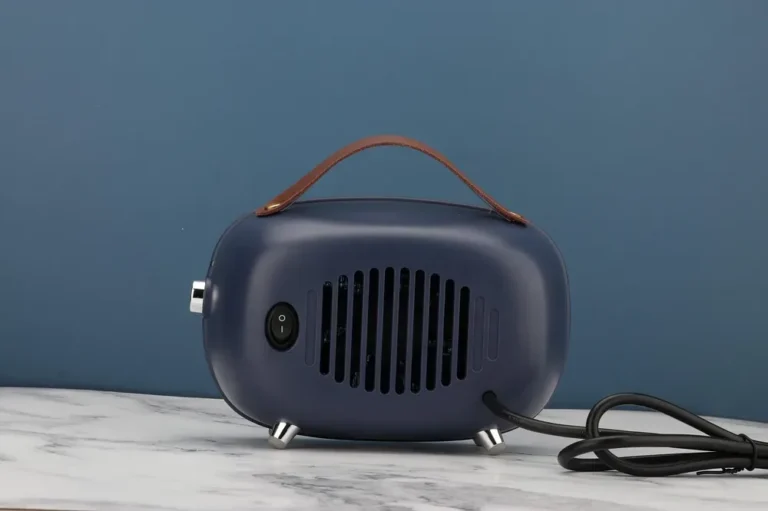
- Portability: Lightweight, often with handles or wheels.
- Efficiency: Much higher, with energy-saving modes.
The “Who” Behind the Heat: Key Inventors and Companies
While specific individual inventors for the very first portable electric heaters are hard to pinpoint, several companies played a crucial role in their development and popularization. The development was more of a collective effort driven by industrial innovation.
Companies like General Electric (GE), Westinghouse, and Emerson Electric were at the forefront of electrical appliance development in the early 20th century. They were experimenting with how to harness electricity for everyday use.
The patent records from the early 1900s show numerous inventors working on electric heating devices. These patents often focused on improving the heating element, the casing, or safety features. The goal was to create a device that was more effective and less dangerous.
For instance, companies would patent new ways to mount heating coils or new materials for the outer casing. The introduction of the thermostat was a significant patentable innovation. It allowed for more controlled heating.
Emerson Electric is often cited for its early electric fan heaters. These devices used a fan to distribute heat, making them more effective at warming a room than simple radiant heaters. This innovation was key to the popularization of portable, forced-air electric heaters.
It’s a story of gradual improvement rather than a single “eureka” moment. Inventors and engineers in large manufacturing companies continuously refined the designs, making them safer, more efficient, and more user-friendly over time.
Real-World Context: Why People Needed Portable Heat
The need for portable heaters wasn’t just about convenience; it was often a necessity. In many American homes, especially those built before central heating became standard, staying warm was a challenge.
Drafty Homes: Older homes often had poor insulation. Windows and doors leaked air. Even with a central furnace, some rooms could remain uncomfortably cold, especially at night or on windy days.
Portable heaters offered a way to boost warmth where it was needed most.
Unheated Spaces: Basements, attics, garages, and workshops were typically unheated or poorly heated. For people who used these spaces for work, hobbies, or even just storage, a portable heater was essential for making them usable during colder months.
Supplementing Central Heat: Even in homes with central heating, there could be “cold spots.” A portable heater could be used to make a specific room, like a home office or a child’s bedroom, more comfortable without having to crank up the main thermostat for the whole house.
Temporary Solutions: When a central heating system broke down, a portable heater could provide crucial warmth until repairs could be made. This was especially important in harsh winter conditions.
Economic Factors: In some cases, using a portable heater to warm just one room might have been more economical than heating the entire house, depending on energy costs and the efficiency of the central system.
The advent of portable heaters gave people more control over their personal comfort. It allowed for a more customized approach to staying warm, adapting to the specific needs and challenges of individual homes.
The “When” and “Why” of Specific Technologies
Different types of portable heaters emerged at different times, driven by technological advancements and perceived needs.
Convection Heaters: These were among the earlier electric heating designs. They work by heating the air, which then rises and circulates. Early versions were simple boxes with a heating element.
Their advantage was heating a whole room over time, but they could take a while to warm up.
Radiant Heaters: These heaters produce infrared rays. You feel the heat directly, much like sunlight. Early radiant heaters often used quartz tubes or exposed coils to achieve this.
They were good for heating a person or a small area quickly, but didn’t warm the air in the room as effectively.
Fan-Forced Heaters (Ceramic): The development of durable ceramic heating elements was a major leap. These elements could be heated efficiently and safely. Combined with a fan, they could distribute warm air rapidly.
Many modern, compact heaters use this technology. They are known for fast heating.
Oil-Filled Radiators: These became popular as a safer, more even-heating alternative. They work by heating oil sealed within the unit. The oil then circulates heat throughout the radiator fins, warming the air through convection.
They provide a gentler, quieter heat and tend to retain warmth longer. They were seen as a more premium option.
The timeline for these technologies isn’t always distinct. Often, improvements were made to existing types while new types were being explored. The constant drive was towards better efficiency, enhanced safety, and greater user convenience.
Quick Scan: Heating Technologies
- Convection: Heats air, circulates for room warming. Slow start, even heat.
- Radiant: Direct infrared heat. Fast personal warmth, less room heating.
- Ceramic Fan: Heats air over element, fan blows it out. Quickest room heating.
- Oil-Filled: Heats oil, radiates warmth. Gentle, quiet, retains heat.
What This Means for You: Understanding Your Heater’s History
Knowing when portable heaters were invented and how they evolved helps us appreciate the technology we use today. It also sheds light on why certain features are important.
Safety First: The history of portable heaters is marked by a strong push for safety. Early models were quite dangerous. Modern heaters have multiple safety features like automatic shut-off if tipped over, overheat protection, and cool-touch exteriors.
These aren’t just fancy add-ons; they are essential.
Efficiency Matters: Early electric heaters were energy hogs. They generated heat but often wasted a lot of electricity. Today’s heaters are much more efficient.
Look for Energy Star ratings or features like programmable thermostats and eco-modes to save on your electricity bill.
Choosing the Right Type: The different technologies available today serve different needs. If you need to warm a small office quickly, a ceramic fan heater might be best. If you want quiet, gentle heat for a bedroom, an oil-filled radiator could be ideal.
Radiant heaters are great for immediate personal warmth.
Understanding Limitations: While portable heaters are great for supplemental heat, they are usually not designed to be the sole source of heat for an entire home, especially in very cold climates. They are best used to target specific areas.
The journey from a dangerous glowing coil in a metal box to the smart, safe, and efficient devices we have now is a testament to human ingenuity. It’s about making our living spaces more comfortable and safer.
Quick Fixes & Tips for Using Portable Heaters Safely
Using any portable heater, no matter how old or new, requires attention to safety. Here are some key tips:
- Clearance is Key: Always maintain at least three feet of clear space around any heater. Keep it away from curtains, furniture, bedding, and anything else that can burn.
- Never Leave Unattended: Do not leave a portable heater running when you are sleeping or when you leave the house.
- Stable Surface: Place heaters on a flat, stable, and non-flammable surface.
- Check the Cord: Inspect the power cord regularly for any signs of damage. If the cord is frayed or damaged, stop using the heater immediately.
- Plug Directly into Wall: Avoid using extension cords, as they can overheat. Plug the heater directly into a wall outlet.
- Use Approved Models: Make sure your heater has safety features like tip-over protection and overheat shut-off. Look for the UL or ETL safety certification mark.
- Don’t Dry Clothes: Never drape clothing or towels over a portable heater to dry them. This is a major fire hazard.
- Keep Away from Water: Do not use electric heaters in bathrooms or other damp areas where they could come into contact with water.
- Clean Regularly: Dust can build up on heating elements and vents, potentially becoming a fire hazard or reducing efficiency. Clean your heater according to the manufacturer’s instructions.
By following these guidelines, you can enjoy the warmth provided by portable heaters while minimizing risks.
Frequently Asked Questions About Portable Heaters
When was the first electric heater patented?
While many patents for electric heating devices exist from the late 19th century, practical and portable electric heaters began to emerge more commonly in the early 20th century, with significant advancements following the invention of Nichrome wire in 1905.
Were early portable heaters safe?
No, early portable heaters often had exposed heating elements and lacked modern safety features. They posed significant fire risks and were much less safe than today’s models, which include features like tip-over shut-off and overheat protection.
What kind of heating elements did early portable heaters use?
Early portable heaters primarily used coils made of an alloy called Nichrome (a mix of nickel and chromium). This material could get very hot without breaking down quickly, making it suitable for heating elements.
How did electrification affect the invention of portable heaters?
Electrification was crucial. Before widespread electricity, heating relied on fuels like wood and coal. Electricity provided a convenient, clean (at the point of use), and controllable energy source that made personal, portable heating devices possible.
Are old portable heaters energy efficient?
Generally, no. Older portable heaters, especially those with exposed coils or basic designs, are often very inefficient. Modern heaters have much better insulation, more efficient heating elements, and advanced features like thermostats to optimize energy use.
Can a portable heater heat my whole house?
Portable heaters are designed for supplemental or spot heating. They are typically not powerful enough to heat an entire house, especially in very cold climates. They are best used for single rooms or specific areas.
The Journey to Modern Comfort
The story of portable heaters is one of steady progress. From basic coils to advanced ceramic and oil-filled designs, their evolution mirrors our own journey towards greater home comfort and safety. Understanding their origins helps us appreciate the technology and use it wisely.
Sponsored / affiliate links. As an Amazon Associate I earn from qualifying purchases. I may earn additional commission from eligible campaigns.