What Type Of Portable Heater Is Best For Your Home?
When the cold weather hits, finding the right portable heater can feel like a puzzle. You want warmth, but you also need to think about safety and how much it will cost. It’s a common problem many of us face.
We all want our homes to feel cozy and safe, especially when the temperature drops outside. This guide will help you understand the different types of portable heaters. We’ll look at what makes them tick and which one might be the perfect fit for your space and needs.
The best portable heater for your home depends on your specific needs, focusing on safety, fuel type, and room size. Electric heaters are safest and easiest for indoor use, while propane or kerosene heaters offer more power for larger spaces or power outages but require careful ventilation.
Understanding Portable Heater Types
Portable heaters are great for adding heat to specific rooms. They can also be a backup if your main heating system has trouble. But not all heaters are the same.
They use different energy sources. Some are safer than others. Knowing these differences helps you pick the right one.
Think about what you need most. Is it quick warmth for a small room? Or maybe heat for a garage or during a power outage?
Your answers will guide you to the best choice. We’ll explore the main types: electric, propane, and kerosene heaters. Each has its own pros and cons.
We will also touch on others that might fit certain needs.
Electric Portable Heaters
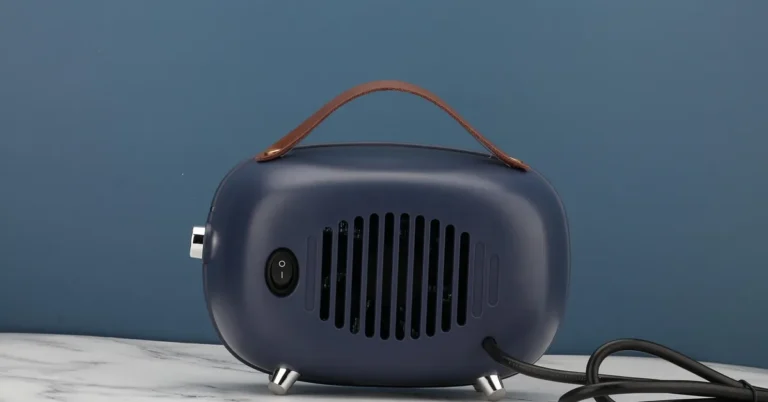
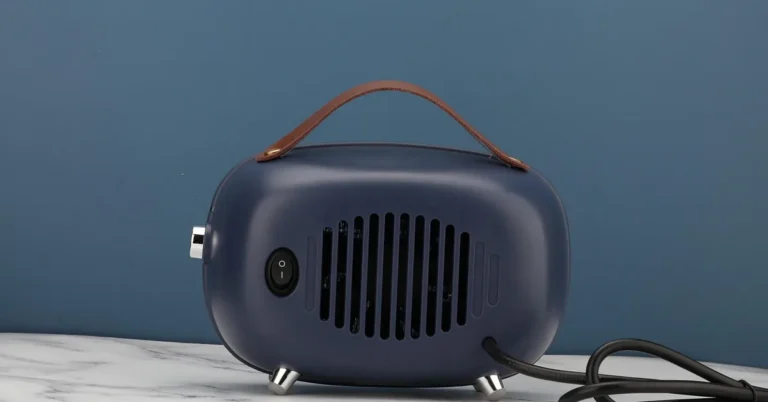
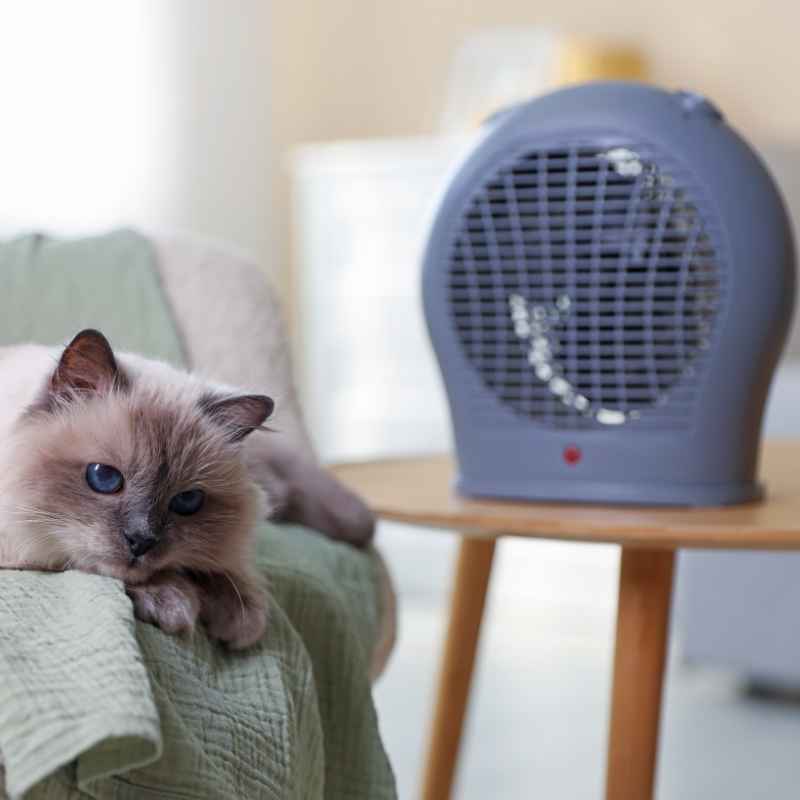
Electric heaters are very popular for good reasons. They are easy to use and generally the safest option for indoor spaces. You just plug them in.
No fumes or special ventilation are usually needed. This makes them ideal for living rooms, bedrooms, and offices. They come in many styles.
Some are small and sit on a desk. Others are larger and meant for a whole room.
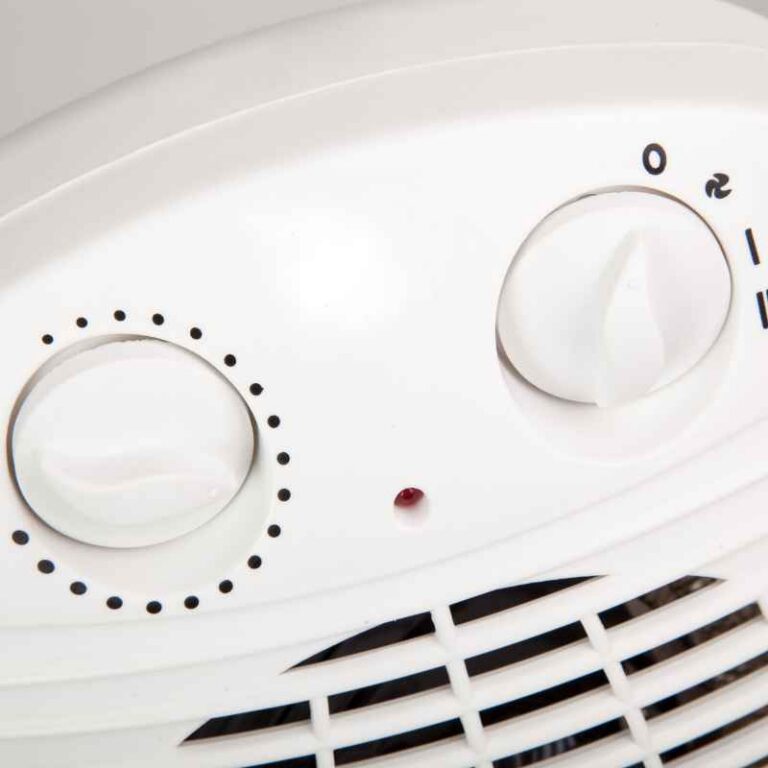
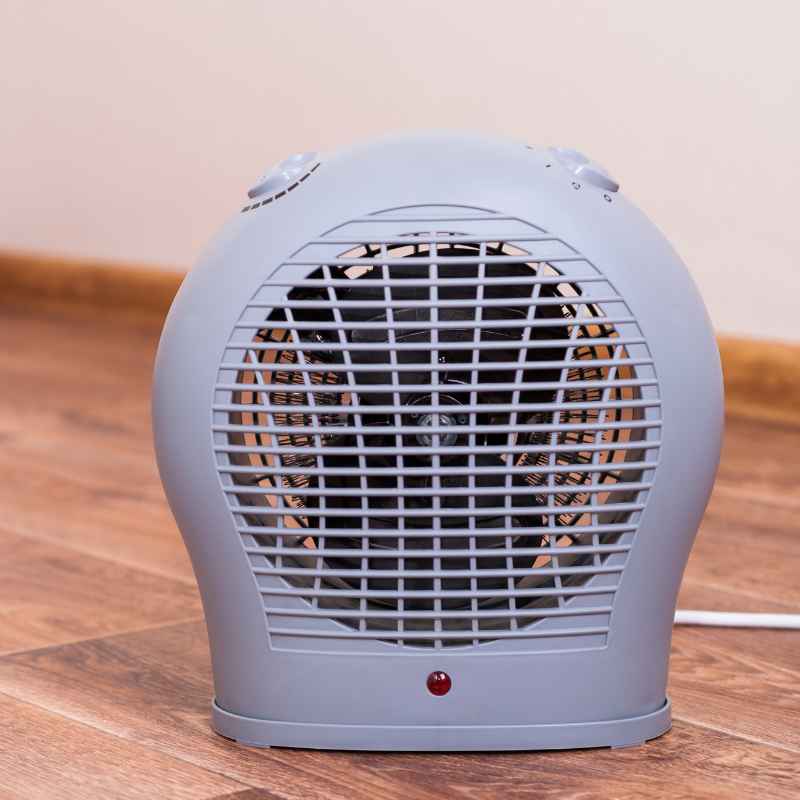
How they work: Electric heaters use electricity to warm up a heating element. This element then heats the air around it. A fan often blows this warm air into the room.
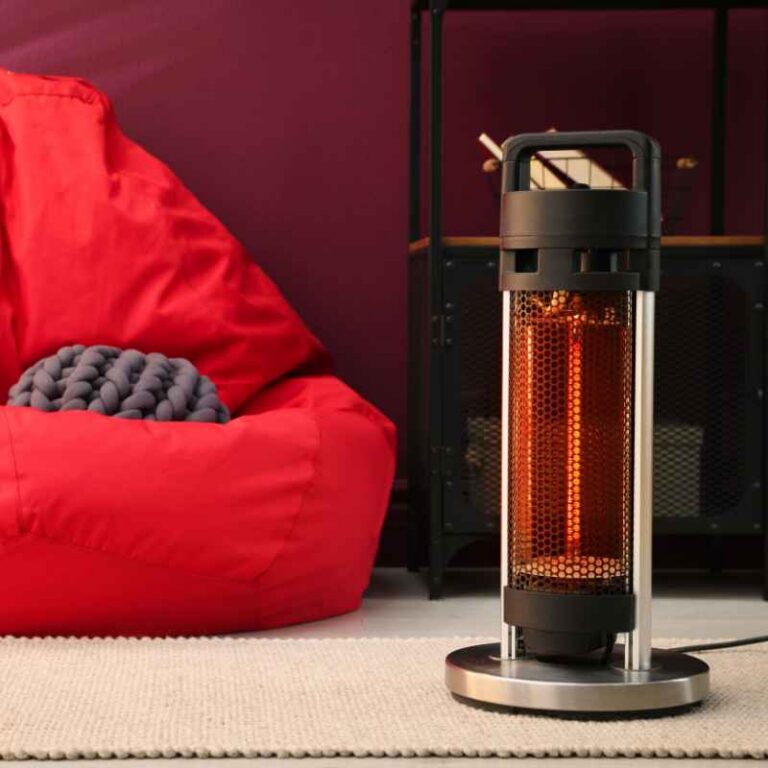
Other types use radiant heat. They warm objects and people directly, like the sun does. This is called infrared heat.
Types of Electric Heaters:
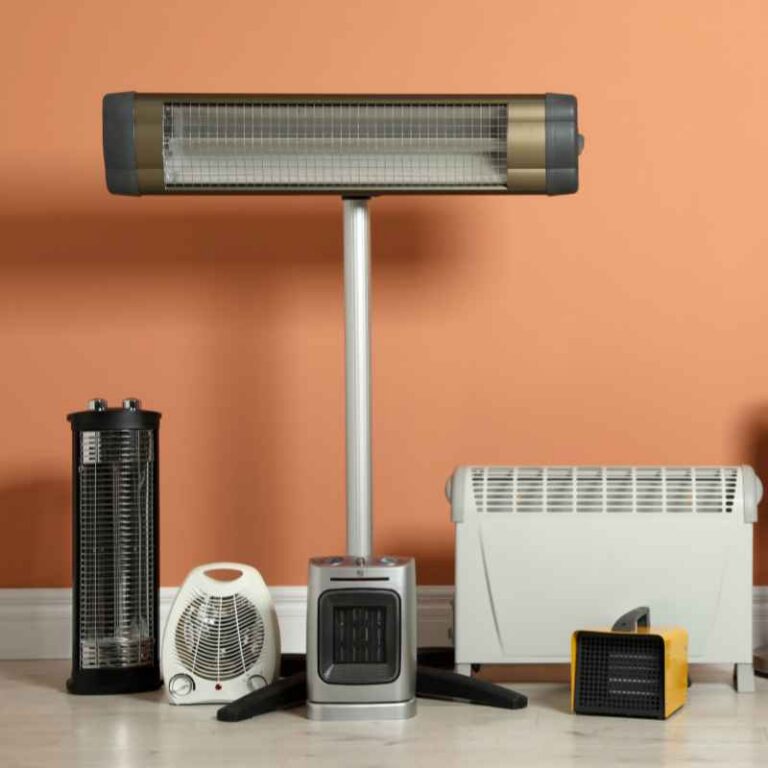
- Convection Heaters: These heat air and then circulate it. They are good for warming up a whole room slowly and evenly.
- Ceramic Heaters: These use a ceramic plate to heat air. Many have a fan to push the warm air out. They heat up fast.
- Infrared (Radiant) Heaters: These glow red hot. They send heat waves directly to people and objects. They warm you up fast but don’t heat the air much.
- Oil-Filled Radiators: These have fins like a radiator but are filled with oil. The oil heats up and stays warm, giving off a gentle heat. They are quiet.
Pros:
- Safety: Very safe for indoor use. No open flames or exhaust.
- Ease of Use: Plug and play. Simple controls.
- No Fumes: No carbon monoxide worries.
- Portability: Lightweight and easy to move.
Cons:
- Energy Cost: Can be expensive to run. Electricity costs can add up.
- Heating Speed: Some types take longer to heat a room.
- Power Needs: May trip breakers if too many appliances are on one circuit.
Propane Heaters
Propane heaters offer more power. They are often used in garages, workshops, or for outdoor events. They are also a good choice for backup heat during power outages.
Propane burns clean, but you still need to be very careful with ventilation. These heaters use propane gas from a tank to create heat.
How they work: Propane heaters burn propane gas. This creates heat. Some have fans to push the warm air out.
Others use radiant heat. They get very hot. You must always ensure enough fresh air gets into the space.
Types of Propane Heaters:
- Radiant Propane Heaters: These direct heat forward. They are good for spot heating.
- Forced-Air Propane Heaters: These have a fan. They push heated air into a space. They can heat up areas faster.
- Propane Tower Heaters: Often used for patios. They have a tall cylinder.
Pros:
- Powerful Heat: Can heat large spaces quickly.
- Portability: Many are designed to be moved.
- Good for Outages: Don’t rely on electricity.
Cons:
- Ventilation is CRUCIAL: MUST have fresh air. Risk of carbon monoxide poisoning.
- Moisture: Can add moisture to the air.
- Fuel Storage: Need a place to store propane tanks.
- Cost: Propane costs can vary.
- Safety Risks: Open flames mean a fire risk if not used carefully.
Important Safety Note for Propane Heaters: Never use these in a bedroom or any enclosed space without proper ventilation. Always follow the manufacturer’s instructions. A carbon monoxide detector is a must-have when using propane or kerosene heaters indoors.
Propane Heater Safety Checklist
Ventilation: Open a window or door slightly. Ensure fresh air can enter.
CO Detector: Have working carbon monoxide detectors nearby.
Fuel Source: Use only the correct type of propane tanks.
Clearance: Keep away from flammable materials (curtains, furniture).
Supervision: Never leave a running propane heater unattended.
Room Size: Match the heater’s BTU output to the room size.
Kerosene Heaters
Kerosene heaters are also powerful. They are often used in workshops or garages where electricity might not be handy. Like propane heaters, they produce fumes and require good ventilation.
Kerosene burns, so safety is a top concern. They are generally not recommended for living spaces.
How they work: Kerosene is burned to create heat. Most are radiant heaters, warming objects and people directly. Some may have a fan.
The wick inside the heater is key to how it burns.
Types of Kerosene Heaters:
- Convection Kerosene Heaters: These heat air and circulate it.
- Radiant Kerosene Heaters: These produce radiant heat. They have a metal grille that glows.
Pros:
- High Heat Output: Very effective at heating large areas.
- Portable: Designed to be moved.
- Good for Outages: Fuel is stored in the unit.
Cons:
- Fumes and Odor: Kerosene has a strong smell and produces fumes.
- Ventilation Required: Risk of carbon monoxide.
- Safety Hazards: Open flame, risk of spills.
- Fuel: Kerosene can be messy to store and handle.
- Not for All Homes: Generally not suited for well-sealed, modern homes due to ventilation needs.
Important Safety Note for Kerosene Heaters: These are best for well-ventilated areas like garages or sheds. They are NOT for bedrooms or any small, enclosed space. Always use a certified heater.
Never use gasoline or other fuels. A carbon monoxide detector is absolutely essential.
Kerosene Heater Safety Guidelines
Ventilation: Always use in a well-ventilated area. Open doors and windows.
CO Detector: Essential. Have one running nearby.
Fuel Type: Use only high-quality kerosene. Never gasoline.
Refueling: Let the heater cool completely before refueling.
Placement: Keep away from curtains, furniture, and anything flammable.
Storage: Store kerosene safely away from living areas.
Other Portable Heater Types
While electric, propane, and kerosene are the main players, a few other types exist. Some might be a good fit for very specific situations. It’s always good to know your options.
Infrared Propane Heaters: These are a bit different. They use propane to heat a panel. The panel then gives off infrared heat.
They don’t blow air. They warm objects and people directly. They can be good for open areas like patios or garages.
Ventilation is still important, but they are often considered a bit safer than forced-air propane heaters. Make sure it is rated for indoor use if that’s your plan.
Natural Gas Heaters: Some heaters use natural gas. These are usually not “portable” in the way we think. They are often fixed installations.
They connect to a gas line. While they offer continuous heat, they lack the mobility of propane or electric models. They also require professional installation and proper venting.
Wood Stoves (Portable/Smaller Units): While not typical “portable heaters,” some smaller, modern wood stoves are designed for easier setup. They are more for rustic cabins or off-grid living. They require wood fuel and strict safety measures for fire and smoke.
They produce a lot of heat but need constant tending.
Pellet Stoves: Similar to wood stoves, pellet stoves burn compressed wood pellets. They are more automated and efficient. Again, not truly portable, but can be placed in a new location if needed.
They require electricity to run their fans and augers.
Quick Comparison: Heater Types
Electric Heaters
Best For: Indoor rooms, offices, bedrooms.
Pros: Safe, easy, no fumes.
Cons: Can be costly to run, slower for large spaces.
Propane Heaters
Best For: Garages, workshops, power outages, large spaces.
Pros: Powerful heat, portable.
Cons: Requires ventilation, CO risk, fuel handling.
Kerosene Heaters
Best For: Workshops, garages, emergencies (with caution).
Pros: Very high heat output, portable.
Cons: Fumes, odor, CO risk, not for living spaces.
Real-World Context: Where Do You Need Heat?
The best type of heater depends heavily on where you plan to use it. Think about the environment and how you will use the heater. This helps narrow down your choices quickly.
Living Rooms and Bedrooms: For these spaces, safety is the top priority. Electric heaters are usually the best choice here. They don’t produce fumes.
They are easy to control. Ceramic and oil-filled radiators are great. They provide steady, safe warmth.
Always make sure the heater is stable and away from curtains or bedding.
Garages and Workshops: These areas can be colder and larger. Propane or kerosene heaters might be considered. However, ventilation is key.
You need to open a door or window. This can let in cold air. Electric heaters are also an option if you have a good power source.
Infrared electric heaters can warm you up quickly in a garage.
Basements: Basements can be damp and cold. Electric heaters are a good choice. Look for models with thermostats to control humidity.
Some electric heaters have a fan that helps circulate air, which can be good for basements. Propane or kerosene heaters should be avoided due to potential for moisture and poor ventilation.
Offices or Small Rooms: A small electric heater, like a personal ceramic heater, works well. They are quiet and efficient for small spaces. Desk heaters are designed for personal use.
They don’t heat the whole room but keep you comfortable.
Power Outages: This is where fuel-burning heaters can be useful. Propane or kerosene heaters can provide heat when the power is out. However, safety is extremely important.
A generator-powered electric heater is another option if you have a generator. Always have a carbon monoxide detector ready.
What This Means for You: Safety First!
Choosing a portable heater isn’t just about getting warm. It’s about doing it safely. Each type has its own risks.
Understanding these risks helps you make a wise decision for your home and family.
When Electric is Best: If you are heating a room where people sleep or spend a lot of time, electric is almost always the safest bet. The risk of carbon monoxide poisoning is zero. They are easy to use and control.
Even if they use more electricity, the safety benefits are huge.
When to Worry with Fuel-Burning Heaters: Propane and kerosene heaters carry risks. Carbon monoxide (CO) is a colorless, odorless gas. It can be deadly.
Poor ventilation is the main cause. Always use a CO detector. Never use these heaters in bedrooms.
If you smell gas or feel dizzy, turn it off and get fresh air immediately.
Simple Checks Before You Use:
- Inspect the Heater: Look for any damage to the cord, plug, or housing.
- Check the Fuel: For propane or kerosene, ensure you are using the correct fuel.
- Read the Manual: Always read the manufacturer’s instructions.
- Test Your CO Detector: Make sure it’s working.
Know the Limits: Portable heaters are meant to supplement your main heat. They are not usually designed to heat an entire large house. They can help keep a specific room warm.
They can also be a lifesaver during a power outage. But they have limitations.
Quick Fixes & Tips for Using Portable Heaters
Using a portable heater efficiently and safely is important. Here are some tips to help you get the most out of yours and stay safe.
Heating Efficiency Tips
Use a Thermostat: Set the heater to a comfortable temperature. Don’t overheat the room.
Zone Heating: Heat only the rooms you are using. Turn off heaters in empty rooms.
Close Doors: Keep doors to other rooms closed to keep heat in.
Check Insulation: Good insulation helps keep heat inside.
Draft Proofing: Seal leaks around windows and doors.
Use Timers: Some heaters have timers. Set them to turn off automatically.
Fans Help: A ceiling fan on low speed (spinning backward) can push warm air down.
Placement is Key: Place electric heaters on a level surface away from traffic. Make sure there is space around them for air to flow. Never place them near furniture, curtains, or bedding.
For fuel-burning heaters, placement is even more critical due to heat and flame.
Maintenance Matters: Clean your heater regularly. Dust can clog filters or heating elements. This reduces efficiency and can be a fire hazard.
For fuel-burning heaters, cleaning the wick and checking the fuel system is important.
Consider the Cost: Electric heaters can increase your electricity bill. Propane and kerosene costs can also add up. If running costs are a big concern, compare the wattage or BTU output to the price of fuel.
Sometimes a more energy-efficient electric model is cheaper to run in the long run for small spaces.
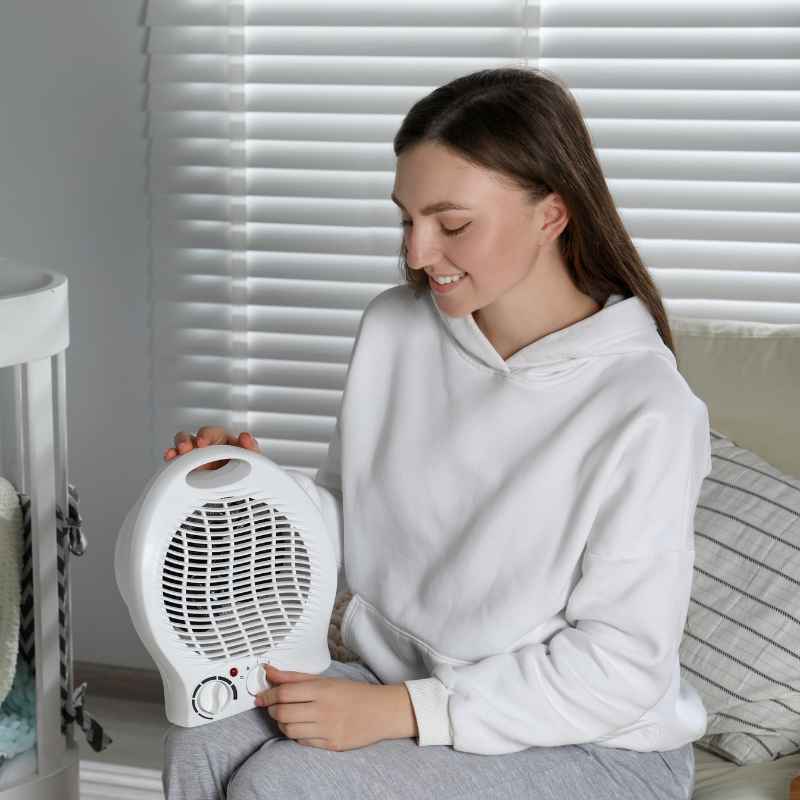
Frequent Questions About Portable Heaters
Are portable heaters safe to use in a bedroom?
For bedrooms, electric portable heaters are the safest choice. They do not produce carbon monoxide. Always ensure they are placed away from bedding and curtains.
Never leave any heater running unattended while you sleep, though most modern electric heaters have safety features.
What is the safest type of portable heater?
Electric portable heaters are generally considered the safest for indoor use. They don’t produce fumes or open flames. Models with safety features like tip-over switches and overheat protection add extra security.
How much electricity does a portable heater use?
Most portable electric heaters use between 700 and 1500 watts of power. A heater that uses 1500 watts will consume 1.5 kilowatts per hour (kWh). The cost depends on your local electricity rates.
For example, if electricity costs $0.15 per kWh, running a 1500-watt heater for one hour would cost $0.225.
Can I use a propane heater indoors?
Yes, but only if the heater is specifically designed for indoor use and has proper safety certifications. Crucially, you must ensure adequate ventilation. This means opening a window or door slightly to allow fresh air in.
Always use a carbon monoxide detector when using any fuel-burning heater indoors.
What’s the difference between radiant and convection heaters?
Convection heaters heat the air and circulate it throughout the room, warming the space gradually. Radiant heaters, like infrared or ceramic models, heat objects and people directly using heat waves. Radiant heaters warm you up faster, while convection heaters provide more even, whole-room warmth.
How do I choose the right size portable heater?
For electric heaters, a general rule is 10 watts per square foot. For a 100 sq ft room, a 1000-watt heater is a good starting point. For fuel-burning heaters, check the BTU (British Thermal Unit) rating.
The manufacturer’s guide will help you match the BTU to the room size and insulation.
Conclusion: Your Cozy, Safe Space Awaits
Finding the best portable heater means looking at your needs. Safety, where you’ll use it, and how you’ll power it are key factors. Electric heaters are king for indoor safety and ease.
Fuel-burning options like propane offer power for specific jobs but demand respect for their risks. By understanding these types, you can make an informed choice. Enjoy your warmer, cozier home this season!
Sponsored / affiliate links. As an Amazon Associate I earn from qualifying purchases. I may earn additional commission from eligible campaigns.