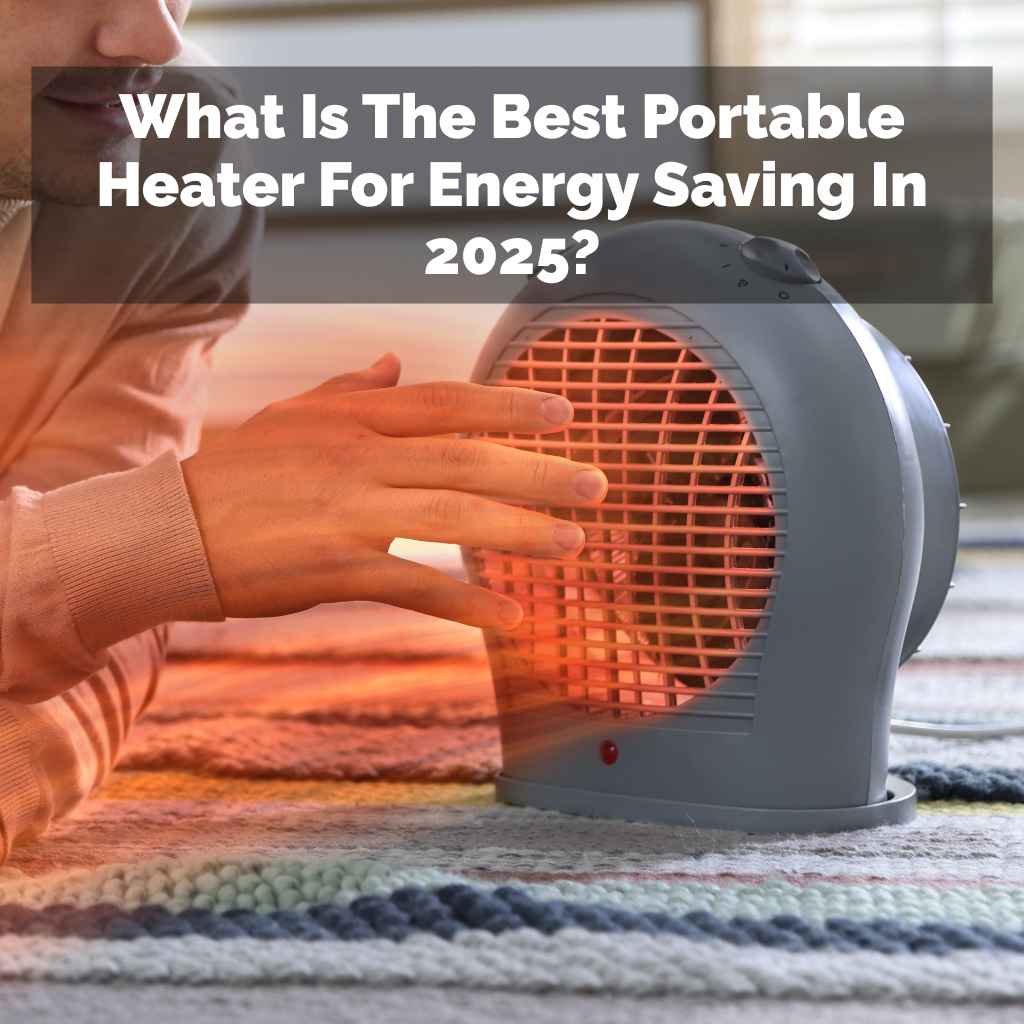
What Is The Best Portable Heater For Energy Saving In 2025?
The best portable heaters for energy saving in 2025 focus on efficient heat output, smart controls, and the right type of heating for your space. Look for models with thermostats, timers, and energy-saving modes. Ceramic, infrared, and oil-filled radiators are often good choices for targeted warmth.
Understanding Portable Heater Energy Use
Portable heaters seem simple. You plug them in, and they make heat. But how they make that heat matters a lot for your energy bill.
Different types work in different ways. Some heat the air. Others warm objects directly.
This difference affects how quickly a room warms up. It also impacts how much power they use.
Think about the wattage. This tells you how much power a heater uses. Higher wattage means more power.
But more power doesn’t always mean more heat for your money. It’s about efficiency. How well does it turn that power into useful warmth?
We want a heater that works smart, not just hard. One that gives you comfort without making your electric bill skyrocket. That’s the goal for 2025.
Energy saving is key for our wallets and for the planet.
Types of Portable Heaters and Their Energy Habits
Let’s break down the most common types of portable heaters. We’ll look at how they use energy. This helps you pick the one that fits your needs best.
Convection Heaters
Convection heaters warm the air around them. They have a heating element inside. A fan often helps push the warm air out.
This warm air then rises. It circulates around the room. Cool air sinks back down.
It gets heated and rises again. This creates a continuous cycle.
Pros: They can warm a whole room evenly. They are usually quiet. Many have adjustable thermostats.
This helps control the temperature. Cons: They take time to warm up a space. They can dry out the air.
They might not be the most energy-efficient for quick spot heating.
In my own home, I used a basic convection heater for a small home office. It took a while to feel warm. I often found myself turning it up too high.
Then the room got too hot. This wasted energy. It was better than freezing, but I knew there had to be a more efficient way.
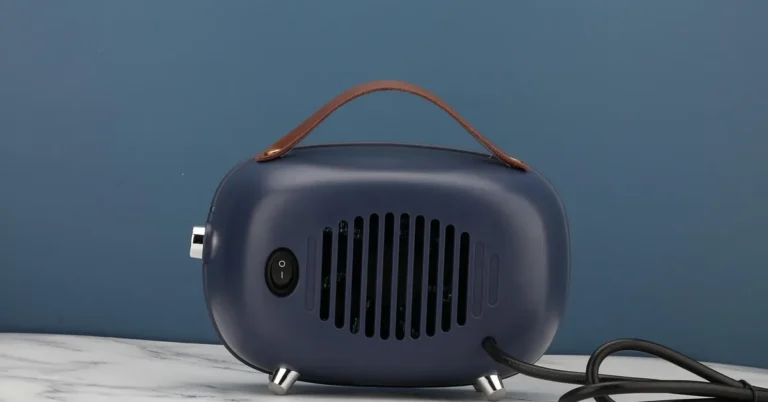
Ceramic Heaters
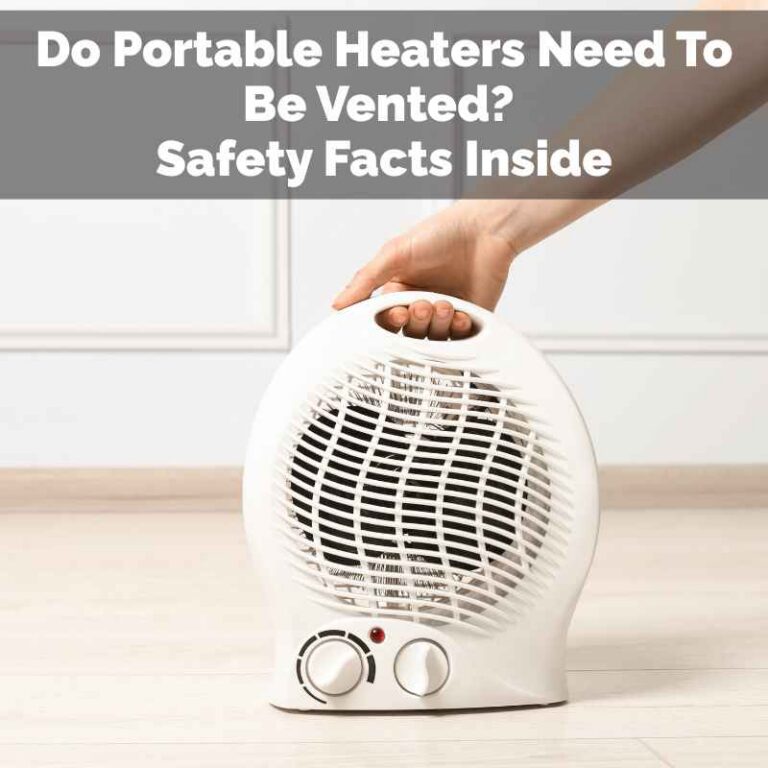
Ceramic heaters are very popular. They use a ceramic plate as the heating element. This plate heats up quickly.
A fan then blows air over the hot ceramic. This pushes warm air into the room. Because the ceramic heats up fast, they can provide heat pretty quickly.
Pros: They heat up fast. Many have safety features like tip-over switches. They are generally safe to the touch.
They are good for personal or small room heating. Cons: The fan can make some noise. They might not heat a very large room as effectively as other types.
They can also dry out the air.
I remember buying my first ceramic heater. It was a small one for my dorm room. It felt like magic!
I plugged it in, and within minutes, I felt a nice wave of warmth. It was a game-changer for those cold nights. It didn’t feel like it was guzzling power, which was a relief.
Ceramic Heater: Quick Heat-Up
How it works: Fan blows air over hot ceramic plate.
Best for: Small rooms, quick personal warmth.
Energy tip: Use the thermostat to avoid overheating.
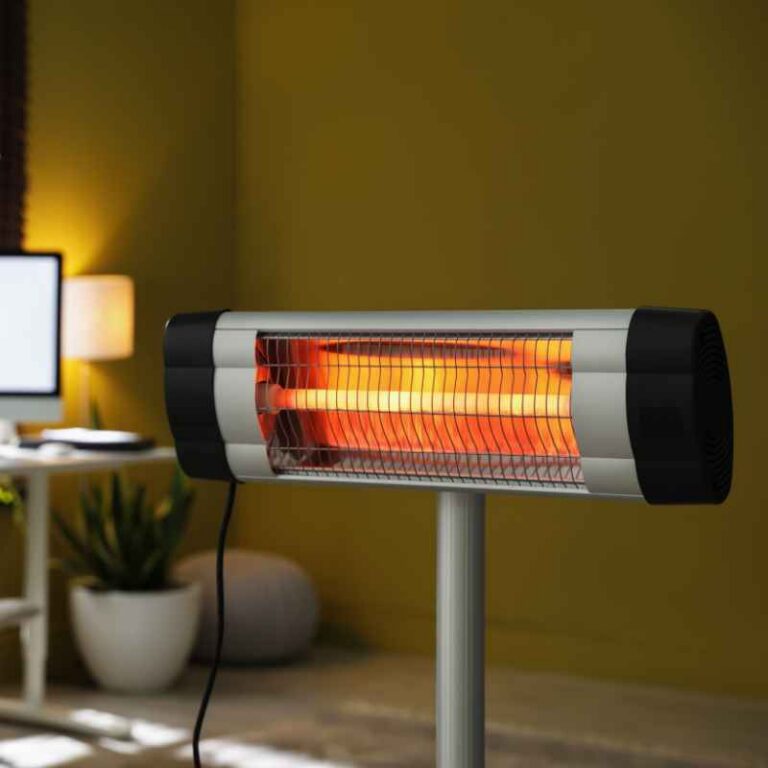
Infrared Heaters
Infrared heaters work differently. They don’t heat the air directly. Instead, they emit infrared rays.
These rays warm objects and people they hit. Think of the sun warming your skin. It’s a similar idea.
You feel the warmth directly.
Pros: They heat you up quickly without warming the whole room. This can be very energy-efficient. They don’t dry out the air as much.
They are usually silent. Cons: They only heat what they are pointed at. If something is blocking the rays, it won’t get warm.
They are best for direct, personal warmth.
My friend lives in a drafty old house. He uses an infrared panel heater in his living room. He says he can feel the warmth on his face within seconds.
He only turns it on when he’s sitting in his favorite chair. This way, he heats himself, not the entire large room. He told me his electric bill has gone down since he started using it this way.
Infrared Heater: Direct Warmth
How it works: Emits rays that warm objects and people directly.
Best for: Spot heating, feeling warm fast.
Energy tip: Aim it at where you are sitting or working.
Oil-Filled Radiators
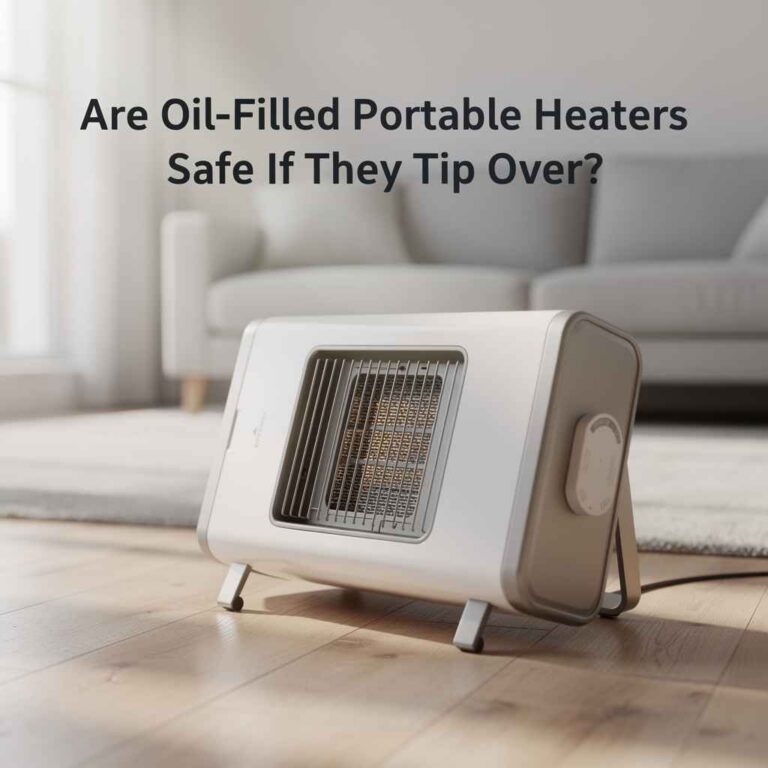
These heaters look like old-fashioned radiators. They have fins and are filled with oil. An electric element heats the oil.
The oil then heats up the metal fins. The fins radiate heat into the room. They heat the air around them like convection heaters.
But they do it more gently.
Pros: They provide a steady, even heat. They are very quiet. They don’t dry out the air much.
Once heated, they retain warmth for a while even after being turned off. Cons: They take a long time to heat up. They are larger and heavier.
They are best for keeping a room warm over long periods.
I have an oil-filled radiator in my bedroom. I turn it on an hour before bed. It warms the room up nicely and keeps it at a comfortable temperature all night.
Because it’s a gentle heat, it doesn’t feel dry. And it stays warm even if the power flickers. It’s a consistent, comforting heat source.
Oil-Filled Radiator: Gentle, Lasting Heat
How it works: Oil heats up, then fins radiate heat.
Best for: Long periods, consistent room warmth.
Energy tip: Use timer to pre-warm room before you need it.
Halogen and Quartz Heaters
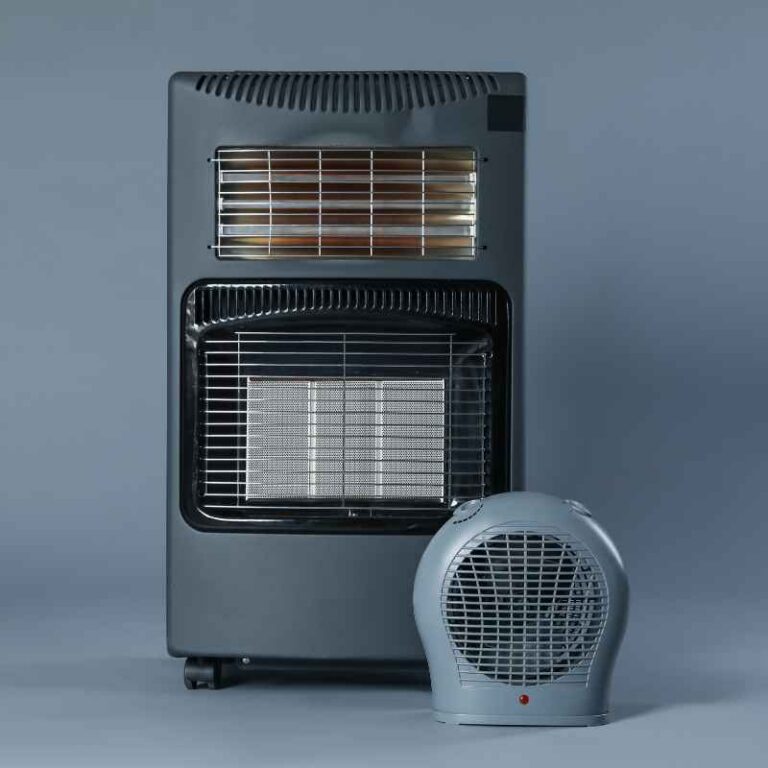
These heaters use quartz tubes or halogen lamps. They glow red hot. They emit radiant heat directly.
They are similar to infrared heaters but can feel more intense. They heat up very quickly.
Pros: Very fast heat. Good for direct, personal warmth. Often more affordable upfront.
Cons: The bright glow can be distracting. They only heat what they point at. Can dry out the air and feel harsh to some.
Not ideal for whole-room heating.
I’ve seen these in garages or workshops. They are great for a quick blast of heat when you’re working on something. But for a living space, they can be a bit much.
The intense light isn’t very relaxing. And if you move, you stop feeling warm. They are very direct.
What Makes a Portable Heater “Energy Saving”?
An energy-saving portable heater does a few things well. It doesn’t waste power. It heats the space you need it to heat.
It uses smart features to avoid running when it’s not needed.
Thermostats Are Your Friend
A built-in thermostat is crucial. It lets you set a desired temperature. The heater then turns itself on and off to maintain that temperature.
This is far more efficient than a heater that just runs constantly. Without a thermostat, you might overheat the room and waste energy.
I learned this lesson the hard way. I had an old heater with no thermostat. I’d set it and forget it.
Then I’d come back to a stifling hot room. I’d have to open a window. That felt like such a waste of all the electricity I’d used.
Now, a thermostat is a must-have feature for me.
Timers for Smart Heating
Timers let you control when the heater is on. You can set it to turn on just before you get home. Or turn off in the middle of the night.
This is especially useful for bedrooms. You can warm the room for sleep. Then have it turn off later.
Imagine waking up in a cold room. You want heat, but not right away. A timer can be set to start warming the room 30 minutes before your alarm.
You wake up to comfort. And the heater wasn’t running all night unnecessarily. That’s smart energy use.
Energy-Saving Modes
Some modern heaters have special energy-saving modes. These might adjust the heat output based on the room temperature. Or they might cycle on and off more frequently.
They are designed to use less power overall.
Look for terms like “eco mode” or “energy saving.” These features are usually explained in the manual. They can make a noticeable difference. It’s like the heater is thinking about how to save you money.
Targeted Heating vs. Whole Room Heating
This is a big one. If you only need to warm your feet under your desk, a big heater for the whole room is overkill. An infrared or small ceramic heater pointed at you is more efficient.
You heat yourself, not empty space.
Conversely, if you need to warm a whole living room, a small personal heater won’t cut it. You’ll end up running it too high. This can waste energy.
It’s about matching the heater to the job.
Energy Efficiency Ratings
While not all portable heaters have official energy efficiency ratings like large appliances, some manufacturers provide this data. Look for information on their typical energy consumption. Compare models based on their stated power output (wattage) and how effectively they deliver heat.
A higher efficiency means more warmth for less electricity.
Choosing the Right Portable Heater for Energy Saving in 2025
So, how do you pick the best one? It depends on what you need it for. Let’s think about your situation.
For Your Office or Workspace
If you have a home office that gets chilly, you want something that warms you up fast. A small ceramic heater is often a good choice. They heat up quickly and provide direct warmth.
An infrared panel can also be excellent if you want silent, radiant heat.
Look for models with adjustable thermostats. You don’t want to overheat your workspace. A timer is also handy.
You can set it to warm up before you start your workday. Then have it turn off when you finish.
Workspace Heater Checklist
- Type: Ceramic or Infrared
- Features: Thermostat, Timer
- Size: Compact for desk space
- Safety: Tip-over switch
For Warming a Small Room
For a small bedroom or bathroom, an oil-filled radiator can be great. They provide a steady, gentle heat. They are also very quiet.
This is good for sleeping. Make sure it has a good thermostat. You want it to maintain a comfortable temperature without running constantly.
A ceramic heater can also work well. Just make sure it’s powerful enough for the room size. Again, a thermostat is key to prevent waste.
For Spot Heating in a Larger Area
If you just want to feel warmer while sitting on the couch, an infrared heater is perfect. It directly warms you. You don’t waste energy heating the whole room.
Many people use these to lower their main thermostat setting. They can save significant money this way.
Think about where you sit the most. Position the infrared heater so it points towards you. This is direct, efficient warmth.
It’s like wearing a warm blanket but for your whole body.
Key Features to Look For in 2025
Here’s a quick rundown of what to seek:
- Digital Thermostat: More precise than analog knobs.
- Programmable Timer: Set it and forget it.
- Eco/Energy-Saving Mode: For extra efficiency.
- Remote Control: For convenience.
- Safety Features: Overheat protection, tip-over switch.
- Quiet Operation: Especially for bedrooms.
- Modern Design: It might fit your home better.
Real-World Scenarios: Energy Saving in Action
Let’s look at how people use these heaters in real life. These examples show how smart choices save energy.
Scenario 1: The Home Office Warrior
Sarah works from home. Her office faces north and is always a bit colder. She used to blast her main heat.
It made the rest of the house too hot. Now, she uses a small ceramic heater with a digital thermostat. She sets it to 70°F.
It only turns on when the room dips below that. She also uses a timer to turn it off when she finishes work. Her overall heating bill has dropped.
Scenario 2: The Cozy Living Room
The Miller family loves their living room. But the old fi
Scenario 3: The Nighttime Comfort Seeker
John gets cold at night. His bedroom is upstairs. It takes a while for the main heat to reach it.
He bought an oil-filled radiator for his room. He sets the timer to turn it on at 9 PM and off at 6 AM. This keeps his room toasty all night.
He wakes up comfortable. The heater is efficient because it runs for set hours and provides steady warmth.
What This Means for Your Energy Bill
Using the right portable heater can really impact your energy bill. It’s not just about buying a cheap heater. It’s about buying a smart heater.
Reducing Reliance on Central Heating
One of the biggest energy savers is using a portable heater for spot heating. Instead of turning up your main thermostat for the whole house, use a portable heater to warm just the room you’re in. This can easily save 10-20% on your heating bill, sometimes more.
Think about it: if your main thermostat is set to 70°F, but you only occupy one room, you are heating up 1000-2000 square feet more than you need to. A portable heater might only use 1500 watts, while a central system can use much more. Targeting the heat where you need it is key.
When It’s Normal to Use a Portable Heater
It’s perfectly normal to use a portable heater for:
- Supplementing heat in a specific room.
- Warming up a room quickly before central heat kicks in.
- Heating a small, isolated space like a sunroom or garage workshop.
- During temporary cold snaps when your main system struggles.
When to Be Concerned About Energy Use
You might be using a portable heater inefficiently if:
- You are heating a large, open-plan space with a small heater.
- The heater runs constantly without shutting off (no thermostat).
- You feel too hot and have to open windows.
- Your electricity bill spikes significantly without other explanation.
- The heater is old and making strange noises (it might be breaking down).
It’s always good to check your meter or smart plug readings. This tells you exactly how much power a heater is using.
Quick Tips for Maximizing Energy Savings
Here are some simple, actionable tips to make your portable heater as energy-efficient as possible:
- Seal Drafts: Check windows and doors for air leaks. Use weather stripping or draft stoppers. This prevents warm air from escaping.
- Use Curtains: Close heavy curtains at night. They add an extra layer of insulation. Open them during the day to let in sun heat.
- Layer Up: Wear warmer clothes indoors. Use blankets. This lets you set the thermostat lower.
- Regular Maintenance: Keep vents clear. Dust can block airflow. Ensure the heater is clean and in good working order.
- Match Heater to Space: Don’t use a small heater for a huge room. Don’t use a large heater for a tiny space.
- Placement Matters: For radiant heaters, aim them at people. For air heaters, place them where air can circulate freely.
- Unplug When Not In Use: Some heaters use a small amount of power even when off. Unplug them to be sure.
Frequently Asked Questions About Energy-Saving Portable Heaters
Can a portable heater really save me money on my energy bill?
Yes, a portable heater can save you money if used correctly. By targeting heat to the room you’re in, you can avoid heating unused areas. Using features like thermostats and timers also prevents waste.
It’s about smart heating, not just more heating.
Which type of portable heater is the most energy-efficient?
Infrared heaters are very efficient for spot heating because they warm objects directly, not the air. Ceramic heaters are good for small rooms and quick warm-ups with a thermostat. Oil-filled radiators offer steady heat and are good for consistent room temperature.
The most efficient choice depends on your specific needs.
How much does it cost to run a portable heater?
The cost depends on the heater’s wattage and how long you run it, plus your local electricity rates. A 1500-watt heater running for 8 hours at $0.15 per kWh costs about $1.80 per day. Using features like thermostats and timers can significantly reduce this cost by turning the heater off when not needed.
Are portable heaters safe to leave on overnight?
Many modern portable heaters are designed with safety features for overnight use, like automatic shut-off and overheat protection. However, it’s always best to check the manufacturer’s instructions. Oil-filled radiators are often considered safer for continuous overnight use because they don’t have exposed heating elements and provide gentle warmth.
What is the difference between radiant and convection portable heaters in terms of energy use?
Radiant heaters (like infrared) heat objects and people directly. They feel warm faster and are efficient for spot heating. Convection heaters warm the air, which then circulates.
They take longer to heat a room but can provide more even heat. For energy saving, radiant is often better for personal use, while a well-thermostatted convection heater can be efficient for a whole small room.
Should I look for specific certifications on energy-saving heaters?
While portable heaters don’t always have broad energy ratings like refrigerators, look for safety certifications like UL (Underwriters Laboratories) or ETL. For energy saving, focus on models with precise digital thermostats, programmable timers, and eco-modes. Manufacturers may also provide wattage information or energy consumption estimates.
Conclusion: Smart Heating for a Warmer, Cheaper Winter
Finding the best portable heater for energy saving in 2025 is about making smart choices. It’s not just about the upfront cost. It’s about how it performs over time.
Look for features like thermostats and timers. Choose the right type of heater for your specific needs. Whether it’s for your office, a bedroom, or just a comfy spot on the couch, there’s an energy-efficient option.
By using them wisely, you can stay warm and keep more money in your pocket. Happy heating!
Sponsored / affiliate links. As an Amazon Associate I earn from qualifying purchases. I may earn additional commission from eligible campaigns.
 Garvee 14,000 BTU Inverter Portable Air Conditioner, Dual Hose with Heat Pump, Energy Efficient Smart AC Unit for Rooms Up to 700 sq.ft, Quiet Cooling & Dehumidifier with Remote
 AZEUS Portable AC and Heater Unit, 420W 110V Compact Air Conditioner for Tent RV Truck Cabin and Small Room, 1400W Cooling, 800W Heating, Remote Control, Dehumidifier, Sleep Timer, Champagne