Do Portable Air Conditioners Have Heaters Built Inside?
It’s frustrating when you’re trying to get cozy. You want simple solutions for your home comfort. Does your portable air conditioner offer that dual function?
Let’s dive in and clear this up. We’ll look at what these machines can and can’t do. This way, you’ll know exactly what to expect from your portable unit.
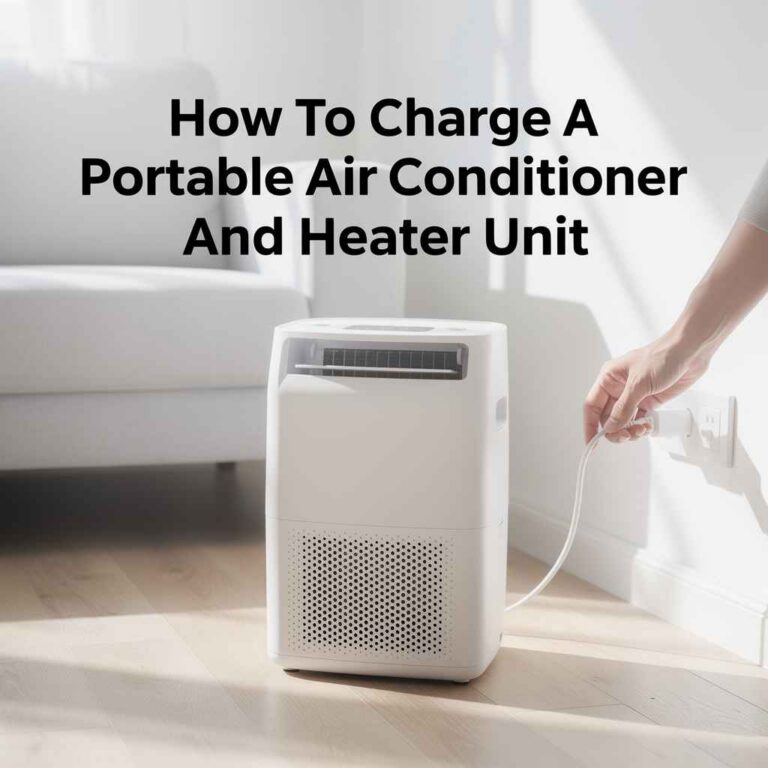
Many portable air conditioners are designed to cool only. However, some models include a built-in heating element, offering both cooling and heating functions. These are often called “dual-hose portable AC and heater” or “portable air cooler and heater” units. Always check the specific model’s features to confirm if it has a heating mode.
Understanding Portable Air Conditioner Functionality
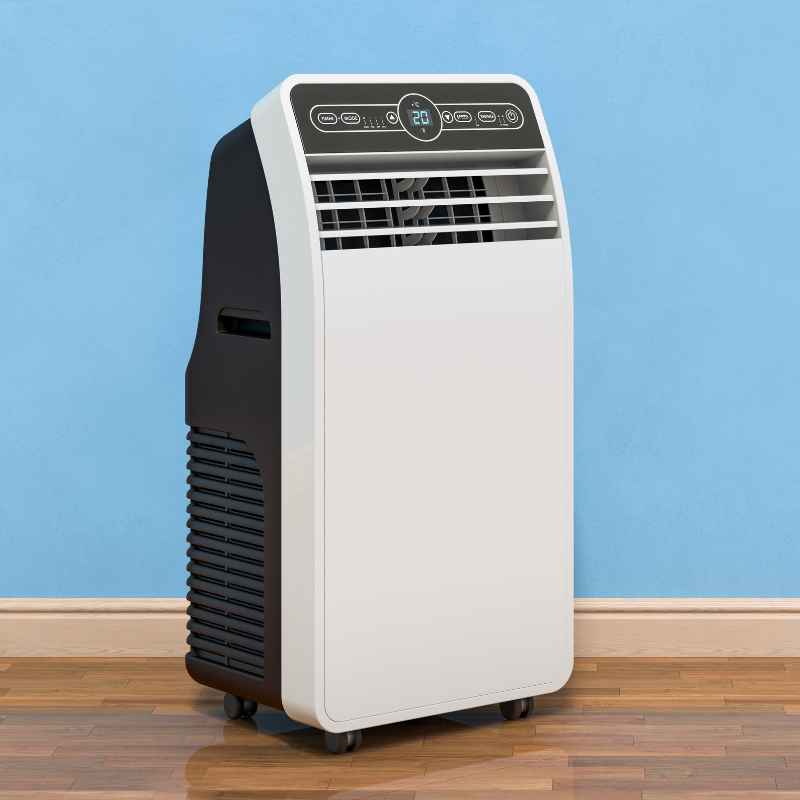
Portable air conditioners are fantastic for specific cooling needs. They are great for a single room or an area where you can’t install a permanent system. The core job of an air conditioner is to remove heat from a space.
It does this using a refrigerant cycle. Think of it like a mini-fridge for your room.
Inside the unit, a special liquid called refrigerant moves around. It picks up heat from your room. Then, it carries that heat outside through an exhaust hose.
This process makes your room feel cooler. The exhaust hose is a key part of how they work. It needs to vent hot air outside.
Without it, the unit just recycles hot air.
Most standard portable ACs focus solely on this cooling function. They are built with specific components for that task. They have a compressor, evaporator, and condenser.
These parts work together to manage the refrigerant and transfer heat.
The Nuance: Portable ACs with Heating Capabilities
Now, here’s where the confusion often starts. Are there portable AC units that can also heat? Yes, there absolutely are!
These are not as common as the cooling-only models, but they exist. They are often marketed as “portable air conditioners with heat” or “all-in-one portable comfort solutions.”
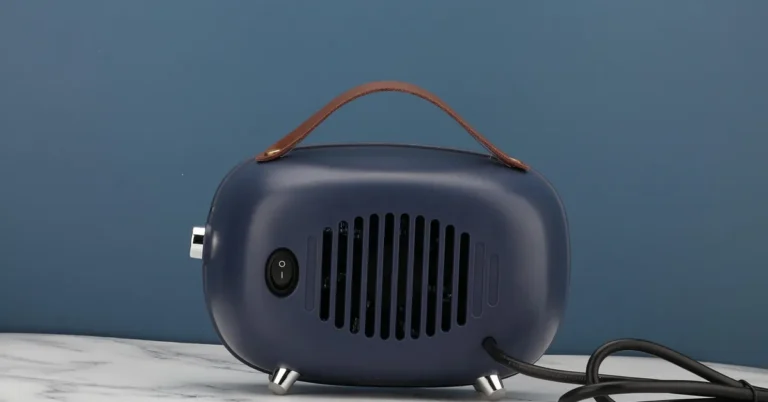
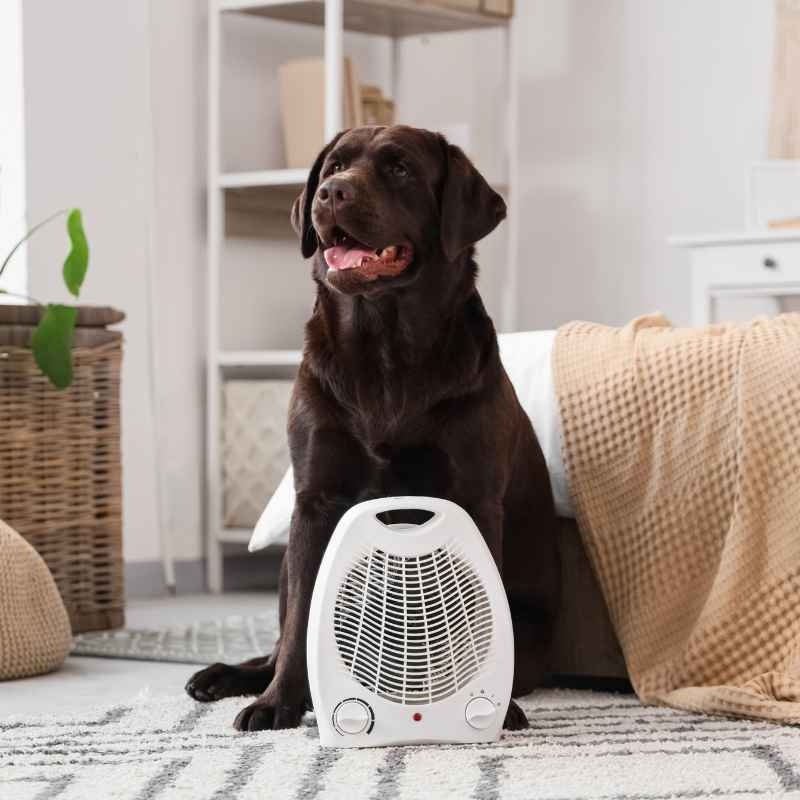
How do they work? These units have an added heating element. This element is much like the one found in a space heater.
When you switch the unit to heating mode, it reverses some of its cooling cycle. Or, it simply activates this dedicated heating coil. It then blows warm air into your room.
It’s important to note that these dual-function units can be a bit bulkier. They might also use more energy than a dedicated space heater. But for convenience, having one unit that does both jobs can be very appealing.
You save space and don’t need two separate appliances.
So, when you’re looking to buy, read the product description carefully. If it says “cooling only,” it won’t heat. If it specifically mentions “heating mode” or “heat pump,” then you’ve found a unit that can warm your space.
My Own “Oops, I Need Heat!” Moment
I remember one autumn evening a few years back. I had just moved into a new apartment. It had a great window AC unit for the summer.
I thought, “Perfect, I’m set for all seasons!” The summer was amazing. My living room was always cool and comfortable, even on the hottest days. The little exhaust hose going out the window was no big deal.
Then, October arrived. The temperature dropped suddenly. I woke up one morning feeling quite chilly.
I looked at my AC unit, still installed in the window. “Aha,” I thought, “time to crank up the heat.” I went over to the remote and started pressing buttons. I looked for a “heat” setting, or a snowflake icon turning into a sun.
Nothing. I fiddled with it for a good ten minutes. I even checked the instruction manual, which was buried in a drawer.
It hit me then. This unit was strictly a cooler. It had no heating function whatsoever.
I felt a bit foolish, but also annoyed. Now I needed a separate heater. I hadn’t factored that into my budget or my apartment setup.
It was a clear lesson for me: always double-check the features. Don’t assume your cooling appliance can also heat.
That year, I ended up buying a small, cheap space heater. It did the job, but it took up floor space. It also meant managing two different devices with two different remotes.
If I had known about the dual units back then, I might have made a different choice from the start.
Cooling vs. Heating: The Core Difference
Cooling: Portable ACs move heat from inside your room to the outside. They use a refrigerant cycle. This cycle requires the unit to expel hot air.
This is usually done via an exhaust hose.
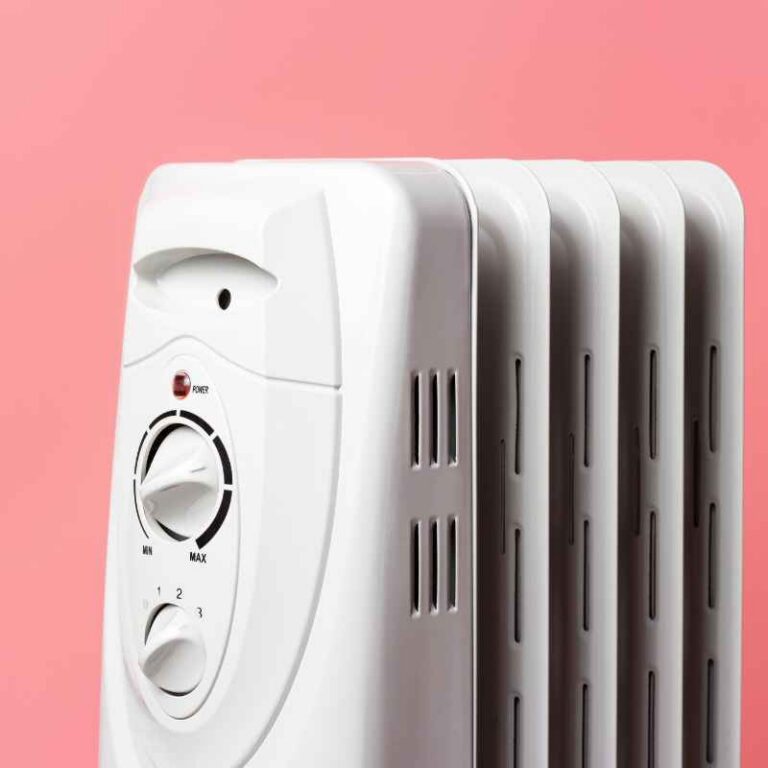
Heating: Some portable units can also add heat. They often use an electric heating element. Think of it like a toaster or a space heater.
This element gets hot. The unit then blows this warm air into your room.
How Heating Works in Dual-Function Units
Let’s get a little more technical about how the heating function operates in these combined units. It’s not always a simple reversal of the cooling cycle. Often, it involves a dedicated heating component.
One common method is using an electric resistance heater. This is similar to what you find in most space heaters or even a toaster oven. Electricity passes through a resistant wire.
This wire gets very hot. A fan then blows air across this hot wire. This warmed air is pushed into your room.
Another, more energy-efficient, technology some advanced units use is a heat pump. A heat pump is a clever device. It can both heat and cool.
In cooling mode, it moves heat from inside to outside. In heating mode, it reverses the process. It extracts heat from the outside air (even when it’s cold!) and transfers it inside.
This heat pump technology is very effective. It uses less electricity than electric resistance heating. However, units with heat pumps are typically more expensive.
They are also generally larger and might be a bit louder.
Regardless of the method, the unit needs to manage its exhaust. For cooling, it expels hot air. For heating, it may expel cooler outside air, or just less heat.
Some units might still require a single exhaust hose, even when heating, to vent moisture or excess heat. Always check the specific model’s setup.
Real-World Scenarios: When a Dual Unit Shines
Imagine living in a place with unpredictable weather. Maybe you have mild winters but humid summers. Or you get a few weeks of real cold, then it warms up again.
A dual-function portable AC can be a lifesaver.
Consider a college dorm room. Space is often very limited. Having one appliance that cools you in the summer and warms you in the fall and spring is incredibly practical.
You don’t need to store a separate heater. You don’t need to worry about finding space for two large appliances.
Another scenario is a home office or a guest room. You might not want to invest in central air or a permanent heating system for just one room. A portable unit that can handle both temperature extremes makes a lot of sense.
You can set it up when you need it, and it’s relatively easy to move or store.
I’ve also seen these units used effectively in small apartments. If the building’s central heating or cooling isn’t great, or if you want more control over your own space, a portable unit can fill the gap. It’s a way to get personalized comfort without major renovations.
The key is understanding your needs. If you only ever need cooling, a single-function unit is fine. But if you anticipate needing heat, even occasionally, in a space where you’d use a portable AC, exploring dual units is a smart move.
Quick Scan: Do You Need Heat?
- Mild Climates: Often, a dedicated heater is enough.
- Unpredictable Weather: Dual units offer great flexibility.
- Limited Space: One unit saves precious room.
- Seasonal Rooms: Guest rooms or offices benefit greatly.
The Performance Difference: Heating vs. Cooling
It’s important to have realistic expectations about how well these units perform their heating function. While they can add warmth, they often don’t perform quite like a dedicated, high-powered heating system.
Cooling Capacity: Portable ACs are rated in BTUs (British Thermal Units). Higher BTUs mean more cooling power. A unit sized correctly for a room will cool it effectively.
It removes heat and humidity.
Heating Capacity: When a portable unit has a heating function, its heating BTUs might be lower than its cooling BTUs. Or, the heating power might be described in watts. A 1500-watt heater is common for portable units.
This is similar to a good space heater.
Room Size Matters: Just like with cooling, the size of the room is critical for heating. A small unit won’t heat a large, drafty space. It will struggle to keep up.
You might find the room only gets slightly warmer, not truly cozy.
Energy Use: Electric resistance heating, common in many dual units, can use a lot of electricity. Running a heater on high power for extended periods can significantly increase your energy bill. Heat pump models are more efficient but come with a higher initial cost.
Comfort Level: For quick spot heating or to take the chill off a small room, these units are great. For maintaining a consistently warm temperature in very cold weather, a dedicated furnace or central heating system is usually superior. Think of them as supplemental heat, or for mild heating needs.
Myth vs. Reality
Myth: All portable air conditioners can also heat.
Reality: Only specific models are designed with heating capabilities. Most are cooling-only.
Myth: A portable AC heater works just like my central heating.
Reality: Portable heaters are best for supplemental or mild heating. They may not be as powerful as dedicated systems.
What This Means for Your Home Comfort
Understanding whether your portable air conditioner has a heater built-in is all about managing your expectations and your comfort. It directly impacts how you plan for different seasons.
If your unit only cools: You’ll need a separate heating solution for colder months. This could be a space heater, a radiator, or relying on your home’s central heating. You’ll need to consider storage for the window AC unit when it’s not in use.
If your unit heats and cools: You have a versatile tool! You can use it for cooling in summer and heating in cooler seasons. This offers great flexibility.
You can often control the temperature precisely in the room where it’s located.
When it’s normal to use the heating mode: This is for those cooler days when the temperature drops but it’s not freezing. It’s perfect for taking the edge off a chilly morning or evening. It’s also ideal for rooms that tend to get colder than the rest of the house.
When to worry or seek alternatives: If the room is extremely cold, and the unit struggles to warm it, it’s not powerful enough. If you notice your electricity bill skyrocketing due to high heater use, you might need a more energy-efficient heating solution. Also, always follow safety guidelines for any portable heater.
Simple checks: Look at your unit’s control panel or remote. Is there a “heat” or “warm” setting? Check the manual.
Search online for your specific model number and “specifications.” These simple steps will tell you for sure.
Simple Checks for Your Unit
- Control Panel: Look for a “Heat,” “Warm,” or sun icon.
- Remote Control: Check for similar heating modes.
- User Manual: The definitive source for your model’s features.
- Manufacturer’s Website: Search your model number for details.
- Product Box/Label: Sometimes features are listed directly.
Quick Tips for Using Your Portable Climate Control
If you have a dual-function unit, using it wisely can save you money and keep you comfortable. It’s not just about turning it on and hoping for the best.
Seal the Deal: For both heating and cooling, proper sealing is key. Make sure the window kit for the exhaust hose is fitted snugly. This stops drafts from coming in or conditioned air from escaping.
Use weather stripping if needed.
Room Size Matters: As we’ve discussed, don’t try to heat a huge space with a small unit. Use it in the room where you spend the most time. If you need to heat multiple rooms, you might need more than one unit or a different system.
Thermostat Use: Set your desired temperature and let the unit do its work. Avoid constantly cranking it up higher. This wastes energy.
Most units have eco-modes or timers that can help save power.
Regular Maintenance: Keep the filters clean! Dirty filters reduce efficiency for both cooling and heating. They make the unit work harder.
This can lead to higher energy bills and less effective performance.
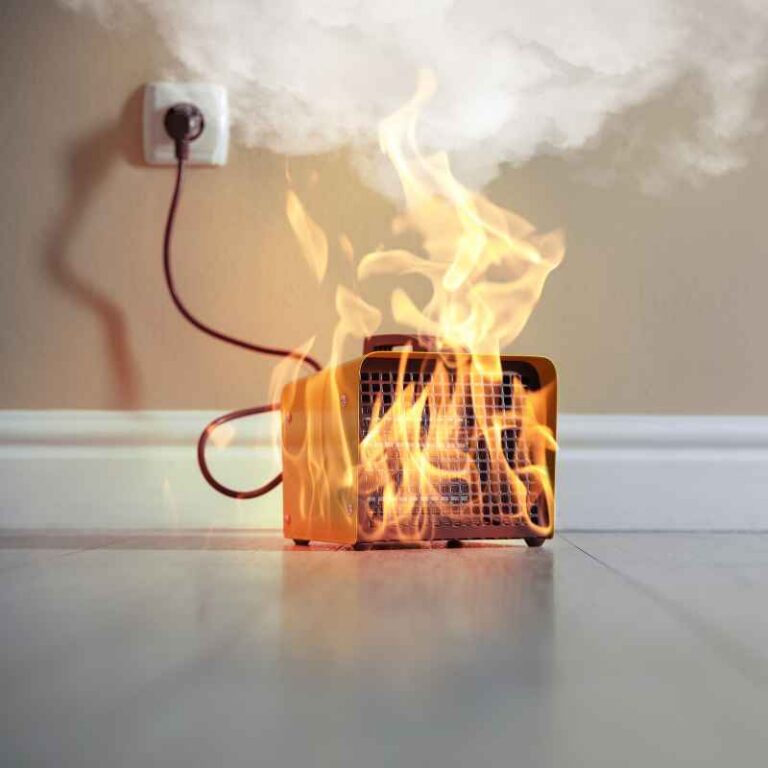
Safety First: When using the heating function, keep flammable materials away from the unit. Ensure there’s good airflow around it. Never block the vents.
Follow all safety instructions in your manual.
Consider Supplemental Heat: Even with a dual unit, if it’s very cold, you might want to use it in conjunction with another heat source. For instance, you could use it to take the chill off a room, and then use a small space heater for extra warmth.
Optimizing Your Portable Unit
- Check Seals: Ensure the window kit is airtight.
- Match Unit to Room: Use it for appropriately sized spaces.
- Smart Thermostat Use: Set it and let it work.
- Clean Filters: Do this regularly for best performance.
- Safety First: Keep clear space around the unit.
Frequently Asked Questions About Portable AC Heaters
Can I use a portable air conditioner to heat my entire house?
No, portable air conditioners, even those with heating functions, are designed for single-room use. They do not have the capacity or design to heat an entire house. For whole-home heating, you need a central heating system like a furnace or heat pump.
How much does it cost to run a portable AC heater?
The cost depends on the unit’s wattage, the room size, how cold it is outside, and your local electricity rates. Electric resistance heating uses a lot of power. Using a 1500-watt unit for 8 hours a day could add a noticeable amount to your monthly bill, potentially $50-$100 or more depending on usage and rates.
Are portable AC heaters safe to leave on overnight?
Most modern units are designed with safety features and can be used overnight. However, always ensure the unit is on a stable surface, away from flammable materials, and that vents are clear. Read your specific model’s manual for safety recommendations regarding overnight use.
What’s the difference between a portable AC heater and a space heater?
A space heater is solely for heating. A portable AC with a heating function offers both cooling and heating. The heating element in a combined unit might be similar to a space heater, but the overall appliance is more complex and larger due to the AC components.
How do I know if my portable air conditioner has a heating mode?
Check the unit’s control panel or remote for a “heat” or “warm” setting. Consult your user manual or the manufacturer’s website by searching your model number. If it only has settings like “cool,” “fan,” or “dry,” it likely does not have a heating function.
Will a portable AC heater dry out my room like a dehumidifier?
While heating can sometimes reduce perceived humidity by warming the air, it does not actively remove moisture like a dehumidifier. Some units may even release a small amount of moisture during heating. If you are concerned about dry air, consider a humidifier.
Final Thoughts on Portable Comfort
So, do portable air conditioners have heaters? Some do, and some don’t. It really comes down to the specific model you have or are considering buying.
Always look for those explicit heating features.
These dual-function units offer a fantastic blend of convenience. They can keep you cool when it’s hot and warm when it’s not. Just remember their limitations.
They are best for targeted room comfort, not whole-home solutions. Knowing this helps you make smart choices for your home and your wallet.
Sponsored / affiliate links. As an Amazon Associate I earn from qualifying purchases. I may earn additional commission from eligible campaigns.
 Portable Air Conditioners, 14000 BTU Portable AC Unit with Remote Control, 3-In-1 Quiet Air Conditioner for Room, Dorm, Office, Cools Up to 750 Sq. Ft, Sleep Mode, 24H Timer, Window Kit, Grey
 Portable Air Conditioners, 14000 BTU Portable AC Unit with Remote Control, 3-In-1 Quiet Air Conditioner for Room, Dorm, Office, Cools Up to 750 Sq. Ft, Sleep Mode, 24H Timer, Window Kit, Black Top