Are Portable Oil-Filled Radiators Expensive to Run?
In short, the running cost of portable oil-filled radiators depends heavily on electricity prices, room size, insulation, and thermostat settings. While they are generally more efficient than electric fan heaters for sustained warmth, they can be more expensive than central heating or gas heaters for large spaces, but often cheaper than electric space heaters for localized heating.
Key Takeaways
- The primary cost driver for portable oil-filled radiators is electricity consumption, which varies with unit wattage and usage duration.
- Their running costs are generally lower than portable electric fan heaters but can exceed gas heaters or efficient central heating for larger areas.
- Proper insulation, room size, and consistent thermostat use significantly impact the overall expense of operating these heaters.
- Using them for targeted, supplemental heat in well-insulated rooms is more cost-effective than relying on them as a primary heat source.
- Understanding your local electricity rates is crucial for accurately estimating the energy cost of oil-filled radiators.
What is a Portable Oil-Filled Radiator and How Does it Work?
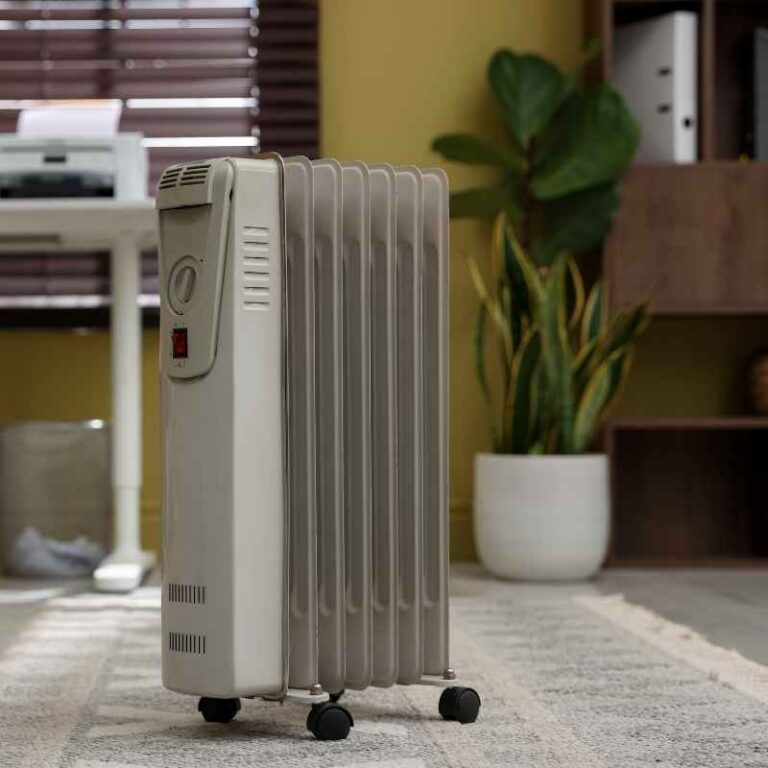
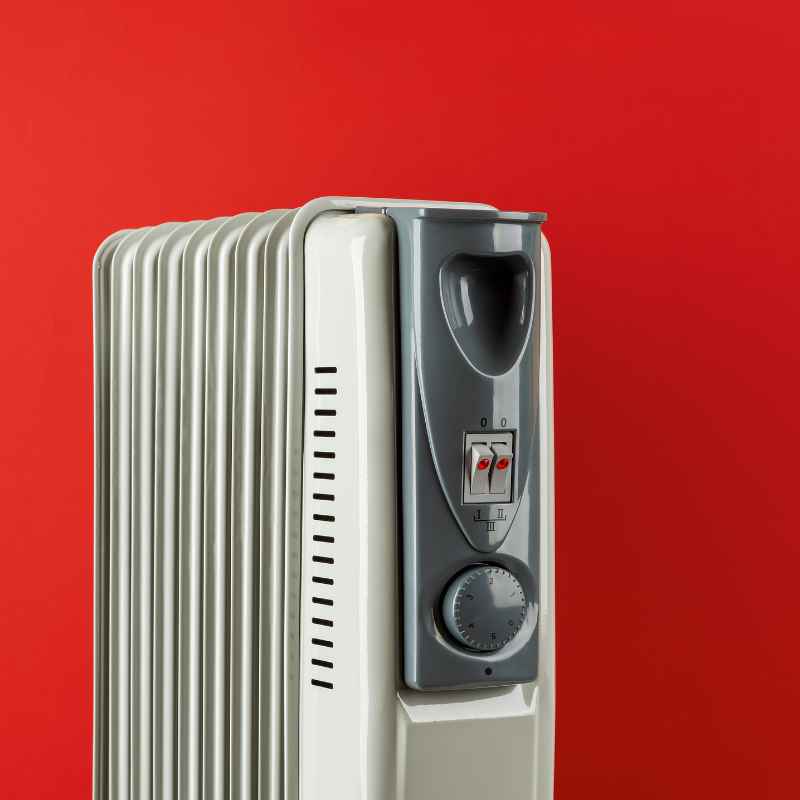
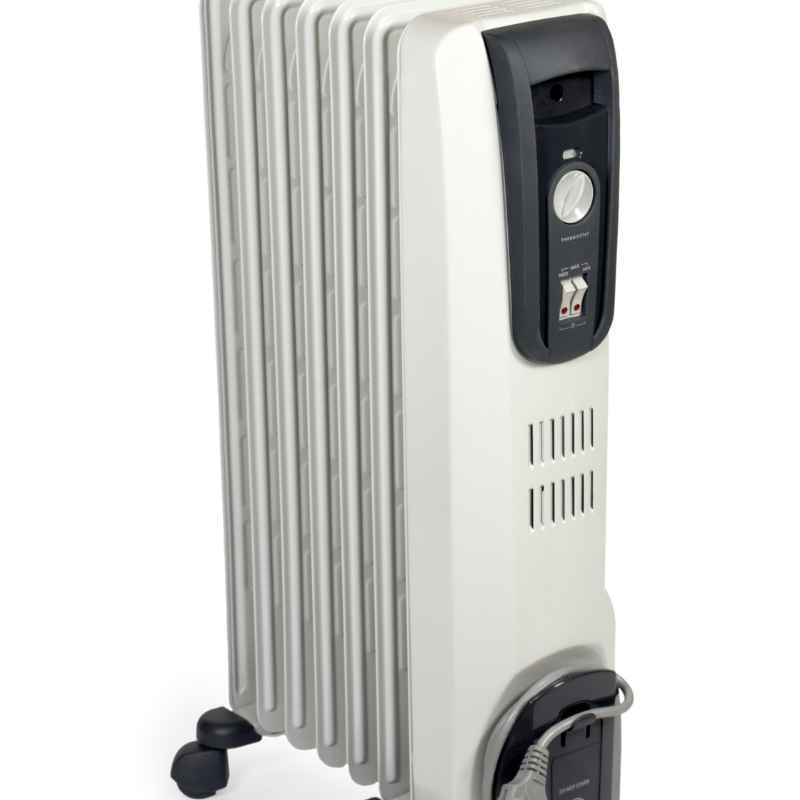
Portable oil-filled radiators, often called oil-filled radiators or column heaters, are electric space heaters designed to provide radiant and convection heat. Unlike fan heaters that force hot air, these units contain a sealed chamber filled with a special heat-conducting oil. When plugged in, an electric heating element heats this oil, which then circulates within the radiator’s fins.
The heat from the oil is transferred to the metal fins of the radiator, which then radiate warmth into the room. Simultaneously, the air around the fins heats up, rises, and creates a gentle convection current, distributing heat throughout the space. The oil itself does not burn or diminish; it simply acts as a medium to store and transfer heat efficiently, allowing the unit to continue radiating warmth even after the thermostat has switched it off.
This slow and steady heating process means they tend to provide a more consistent and less drying heat compared to other electric heaters. They are also typically quieter, as there are no fans involved. The sealed nature of the unit means there are no fumes or open flames, making them a safer option for many home environments.
- Sealed Oil Chamber: Contains a non-combustible diathermic oil.
- Electric Heating Element: Heats the oil efficiently.
- Radiant Heat: Heat radiates directly from the fins into the room.
- Convection Heat: Warms the air, creating gentle circulation.
- Thermostat Control: Regulates temperature and cycling.
- Portability: Wheels or casters for easy movement.
- Quiet Operation: No noisy fans.
Understanding the Power Consumption of Oil-Filled Radiators
The primary factor determining how expensive oil-filled radiators are to run is their power consumption, measured in watts (W) or kilowatts (kW). Most portable oil-filled radiators range from 700W to 1500W. A 1500W heater, for instance, will draw 1.5 kW of power when running at full capacity.
This wattage directly influences the amount of electricity consumed over time.
To calculate the running cost, you need to know the unit’s wattage and your local electricity rate per kilowatt-hour (kWh). For example, if your electricity costs $0.15 per kWh and you run a 1500W (1.5 kW) heater for 8 hours, the cost would be 1.5 kW 8 hours $0.15/kWh = $1.80 per day. This calculation provides a baseline, but actual consumption can vary.
Factors Affecting Actual Power Draw
- Thermostat Settings: The thermostat cycles the heater on and off to maintain a set temperature. The lower the setting, the less the heater will run, and thus the less electricity it will consume.
- Room Size: Larger rooms require more energy to heat, meaning the heater will run for longer periods.
- Insulation: Poorly insulated rooms lose heat quickly, forcing the heater to work harder and run more often.
- Ambient Temperature: The colder it is outside, the more the heater will need to run to combat heat loss.
- Unit Efficiency: While most are efficient at converting electricity to heat, older or poorly maintained units might be less effective.
It’s important to remember that the oil-filled radiator does not consume the oil. The oil is a sealed medium. The energy is purely electrical input to the heating element.
Comparing Running Costs: Oil-Filled Radiators vs. Other Heaters
To truly gauge whether oil-filled radiators are expensive to run, it’s essential to compare them to alternative heating methods. Their cost-effectiveness is highly dependent on the specific application and the type of heater they are being compared against.
Electric Fan Heaters
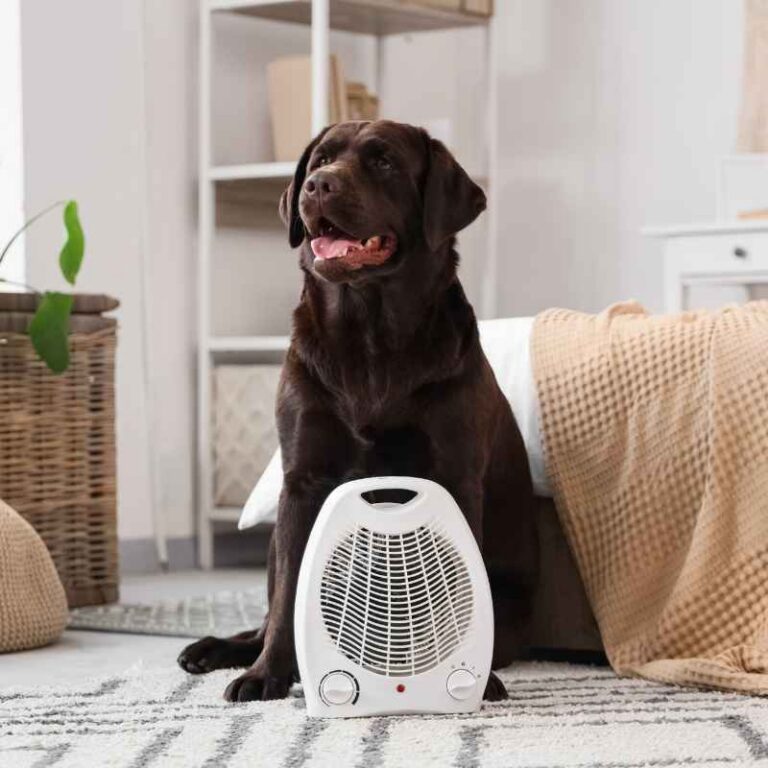
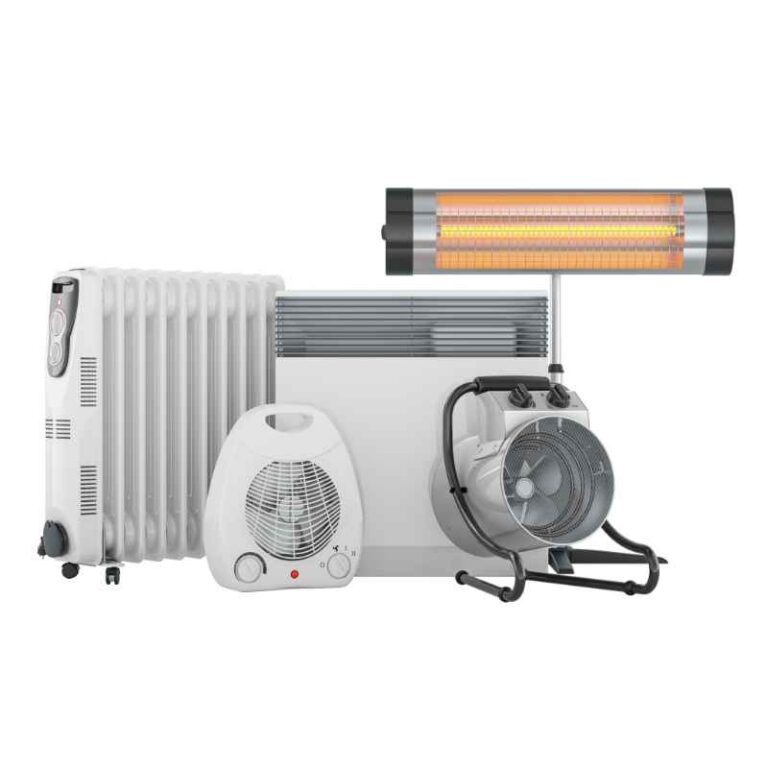
Electric fan heaters (ceramic or resistance) often have similar wattages to oil-filled radiators (typically 1500W). However, fan heaters provide heat much faster by blowing air over a hot element. This can be good for quick spot heating but less efficient for maintaining a consistent temperature over a long period.
Oil-filled radiators, with their stored heat, can maintain warmth more economically once the room is up to temperature because they cycle less frequently.
Gas Heaters (Propane, Natural Gas)
For larger spaces or whole-home heating, natural gas heaters are generally the cheapest to run due to the lower cost of natural gas per unit of heat compared to electricity. Propane heaters can be more expensive, especially if you have to pay for tank refills. However, they are not portable and require proper ventilation, making them a different category of heating.
Central Heating Systems
Central heating systems, especially those powered by natural gas or efficient heat pumps, are often the most economical for heating an entire home. They are designed for whole-house comfort. Using an oil-filled radiator as supplemental heat to a central system can be more efficient than cranking up the central thermostat, as it allows you to heat only the occupied space.
Infrared Heaters
Infrared heaters directly heat objects and people rather than the air. They can feel very warm quickly and are energy-efficient for direct heating, but they don’t heat the entire room as effectively as convection. Their running costs can be comparable to oil-filled radiators for targeted heating.
| Heater Type | Typical Wattage | Running Cost Factor | Best For |
|---|---|---|---|
| Oil-Filled Radiator | 700W – 1500W | Moderate (Electricity) | Sustained, quiet spot heating; supplemental warmth |
| Electric Fan Heater | 700W – 1500W | Moderate (Electricity) | Quick spot heating; small spaces |
| Infrared Heater | 500W – 1500W | Moderate (Electricity) | Direct radiant heat; localized comfort |
| Central Heating (Gas) | Varies widely | Low (Gas) | Whole-home heating; primary source |
Generally, for localized, consistent warmth in a moderately sized, well-insulated room, an oil-filled radiator can be quite cost-effective. However, using them to heat multiple large rooms or poorly insulated areas will likely lead to higher electricity bills.
Maximizing Efficiency to Reduce Running Costs
To ensure your portable oil-filled radiator isn’t costing you more than necessary, implementing efficiency strategies is key. These heaters are designed to be energy-efficient for specific uses, but user habits play a significant role in their overall expense.
Tip: Always ensure the room you are heating is as well-insulated as possible. Seal drafts around windows and doors to prevent heat loss.
Understanding how to best utilize your unit can significantly reduce its impact on your electricity bill. Here are several practical tips:
- Use a Timer: Many modern oil-filled radiators come with built-in timers. Program the timer to turn the heater on just before you need it and off when you leave the room or go to sleep. This prevents unnecessary heating.
- Set the Thermostat Appropriately: Avoid setting the thermostat to the maximum. Find a comfortable temperature that doesn’t require constant heating. Every degree lower can save energy. The U.S. Department of Energy suggests maintaining indoor temperatures between 68°F and 72°F (20°C to 22.2°C) for comfort and efficiency.
- Targeted Heating: Use the radiator only in the room you are currently occupying. This focused heating is far more efficient than trying to heat an entire house or multiple rooms with a portable unit.
- Combine with Other Heating: If you have central heating, use the oil-filled radiator to maintain a comfortable temperature in your main living area, allowing you to lower the central thermostat by a few degrees.
- Regular Maintenance: Keep the radiator clean. Dust build-up on the fins can impede heat transfer, making the unit less efficient.
- Room Size Matters: Ensure the wattage of your radiator is appropriate for the size of the room. A 700W unit might suffice for a small office, while a 1500W unit is better for a medium-sized living room. Overkill can lead to excessive cycling or constant running.
One crucial aspect is to understand the concept of “phantom load.” While oil-filled radiators themselves don’t draw much power when off, many electronics do. Ensure your radiator is completely unplugged when not in use for extended periods, though this is less critical for the heater itself and more for other household electronics.
Factors Influencing Electricity Rates
The cost of running any electric appliance, including oil-filled radiators, is directly tied to the price of electricity in your region. These rates can vary significantly based on several factors, making a universal answer to “are they expensive to run?” impossible without local context.
Local Utility Provider Policies
Different utility companies have different pricing structures. Some offer tiered rates where the cost per kWh increases after a certain usage threshold. Others may have time-of-use rates, charging more during peak demand hours (typically late afternoon to early evening) and less during off-peak hours (overnight, weekends).
Source of Electricity Generation
Regions that rely heavily on renewable energy sources might have more stable or even lower electricity costs over the long term. Areas dependent on fossil fuels can see costs fluctuate with global market prices. The infrastructure and grid maintenance costs also play a role.
Government Regulations and Taxes
Local and national regulations, environmental mandates, and taxes can influence the final price consumers pay for electricity. These can add a significant percentage to the base cost of power generation and distribution.
Time of Day and Season
As mentioned, time-of-use rates mean that running your heater during peak hours (e.g., 5 PM – 9 PM) will be more expensive than running it overnight or during the day when demand is lower. Seasonal variations in demand can also sometimes affect pricing.
To get an accurate estimate of running costs, check your latest electricity bill or visit your utility provider’s website. Look for the rate charged per kilowatt-hour (kWh). For example, if rates are $0.10/kWh, a 1500W heater running for 10 hours will cost: 1.5 kW 10 hours $0.10/kWh = $1.50.
If the rate is $0.30/kWh, the same usage would cost $4.50, highlighting the significant impact of local rates.
| Electricity Rate ($/kWh) | 1500W Heater (1.5kW) Running for 8 Hours Daily | Estimated Daily Cost | Estimated Monthly Cost (30 Days) |
|---|---|---|---|
| $0.10 | 1.5 kW 8 hrs $0.10/kWh = 1.20 kWh | $1.20 | $36.00 |
| $0.15 | 1.5 kW 8 hrs $0.15/kWh = 1.20 kWh | $1.80 | $54.00 |
| $0.20 | 1.5 kW 8 hrs $0.20/kWh = 1.20 kWh | $2.40 | $72.00 |
| $0.25 | 1.5 kW 8 hrs $0.25/kWh = 1.20 kWh | $3.00 | $90.00 |
This table clearly illustrates how a moderate difference in electricity rates can lead to substantial variations in monthly heating expenses for the same heater and usage pattern.
Common Mistakes That Increase Running Costs
Many users inadvertently increase the running costs of their oil-filled radiators by making common mistakes. Awareness of these pitfalls can lead to significant savings and more efficient operation.
Warning: Never use an oil-filled radiator to dry clothes or other fabrics, as this can block airflow, damage the unit, and create a fire hazard.
Mistake 1: Overheating Rooms
Setting the thermostat too high is perhaps the most common and costly mistake. People often crank the dial to maximum, assuming it will heat the room faster, but it simply forces the heater to run continuously, consuming more electricity than necessary to reach and maintain an unnecessarily high temperature.
Mistake 2: Inadequate Insulation or Drafts
Running a heater in a poorly insulated room or one with significant drafts is like pouring money out of a window. Heat escapes rapidly, requiring the radiator to run almost constantly to compensate, leading to extremely high energy bills for minimal comfort.
Mistake 3: Using as a Primary Heat Source for Large Areas
These units are best for supplemental or localized heating. Trying to heat an entire large home or multiple rooms solely with one or two portable radiators is inefficient and will result in high electricity costs. Central heating or multiple units would be more appropriate, or a different heating solution entirely.
Mistake 4: Leaving Them On Unattended in Unoccupied Rooms
Forgetting to turn off the heater when leaving a room or the house is a direct waste of electricity. Even if set to a low temperature, it’s still consuming power unnecessarily.
Mistake 5: Incorrect Sizing for the Space
Using a heater that is too small for the room means it will run constantly without ever reaching the desired temperature, wasting energy. Conversely, a unit that is too large might cycle on and off too frequently or be set lower, but users might misjudge its effectiveness.
By avoiding these common errors, users can significantly reduce the energy consumed by their portable oil-filled radiators, making them a more economical choice for targeted heating.
When Are Portable Oil-Filled Radiators Cost-Effective?
Despite their electricity consumption, portable oil-filled radiators can be very cost-effective in specific scenarios. Their strength lies in their ability to provide consistent, quiet, and safe heat without drying out the air, making them ideal for particular uses.
1. Supplemental Heating in Cold Rooms
If your home’s central heating doesn’t adequately reach certain areas, such as a home office, a basement room, or a bedroom, an oil-filled radiator can be used to boost the temperature in that specific zone. This allows you to keep your central thermostat lower, saving overall energy costs while ensuring comfort in the occupied space.
2. Targeted Heating for Small Spaces
For heating a single, small to medium-sized room (like a home office, nursery, or reading nook), an appropriately sized oil-filled radiator is an efficient solution. They provide gentle, pervasive warmth that can be maintained for extended periods.
3. Temporary Heating Needs
If your primary heating system is temporarily out of order, an oil-filled radiator can serve as a reliable temporary solution. Their ease of use and consistent heat output make them a practical choice during a breakdown.
4. Situations Requiring Quiet Operation
For bedrooms, studies, or other quiet spaces where noise is a concern, the silent operation of an oil-filled radiator is a significant advantage over fan heaters or even some central heating systems that might have air handling noises.
5. Safety-Conscious Environments
Because they lack exposed heating elements or open flames, and the outer surfaces become warm rather than dangerously hot, they are often considered safer for homes with children or pets, or for elderly individuals. This safety aspect can outweigh minor cost differences.
The key is to use them for what they excel at: providing steady, quiet, and localized warmth. When used this way, their running costs are justifiable and often more economical than alternative spot-heating methods.
Frequently Asked Questions
What is the average running cost of a 1500W oil-filled radiator per hour?
The average running cost depends on your electricity rate. If your electricity costs $0.15 per kWh, a 1500W (1.5 kW) radiator would cost approximately $0.23 per hour (1.5 kW * $0.15/kWh = $0.225). This cost increases significantly with higher electricity rates.
Are oil-filled radiators more energy-efficient than electric fan heaters?
For maintaining a consistent temperature over long periods in a single room, oil-filled radiators can be more energy-efficient. They provide sustained radiant and convection heat with less cycling. Electric fan heaters provide faster heat but can be less efficient for prolonged use as they cycle more frequently and heat the air more aggressively.
Can I use an oil-filled radiator to heat my entire house?
No, it is generally not cost-effective or practical to heat an entire house with portable oil-filled radiators. They are designed for supplemental or localized heating of individual rooms. Heating a whole house with them would likely result in very high electricity bills.
How much does an oil-filled radiator cost to run per day?
A typical 1500W oil-filled radiator running for 8 hours a day at an electricity rate of $0.15/kWh would cost about $1.80 per day. This figure can vary widely based on your electricity costs, usage duration, and room insulation. Using a thermostat and timer can significantly reduce this daily cost.
Do oil-filled radiators consume oil over time?
No, the oil inside an oil-filled radiator is sealed and is not consumed. The oil simply circulates to store and transfer heat. The unit’s energy consumption is entirely electrical, powering the heating element.
Final Thoughts
Ultimately, are portable oil-filled radiators expensive to run? The answer is nuanced. They are more expensive than gas heating for large spaces but often more efficient and comfortable than other electric space heaters for sustained, quiet warmth in a single room.
By understanding their wattage, local electricity rates, and employing smart usage habits like proper insulation and thermostat control, you can effectively manage their running costs and enjoy their benefits without breaking the bank.
Sponsored / affiliate links. As an Amazon Associate I earn from qualifying purchases. I may earn additional commission from eligible campaigns.