Panel Heater vs Oil-Filled Radiator: Which Costs Less?
For short, timed heating in a small UK bedroom or office, a panel heater is often cheaper to run; if you need heat for several hours after switch-off, an oil-filled radiator can cost less because it keeps giving off heat. Pick the wrong type and you pay for heat the room does not use. This guide compares running cost by warm-up time, room use pattern, and typical wattages.
This guide is part of our Heater efficiency guide series.
How panel heaters and oil-filled radiators work differently
Both heater types convert electricity into heat efficiently. The cost gap comes from warm-up speed, how long the unit keeps releasing heat, and how often the thermostat cuts power. Runtime matters more than the label on the front.
Panel heater heat-up and heat loss
A panel heater is an electric space heater that usually warms air quickly, and many models are fan-assisted. Electric heaters can produce heat almost instantly, which makes panel heaters useful when you need a room warm for a short period. They also lose heat quickly after switch-off, so they suit brief or intermittent use better than long steady heating.
Oil-filled radiator heat storage and cool-down
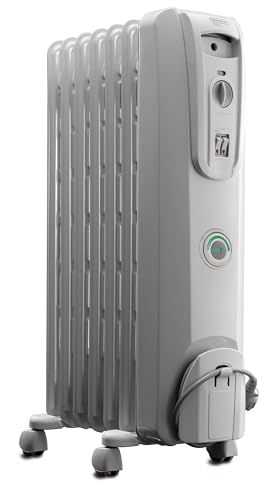
Oil-filled radiators heat thermal oil inside the unit and emit warmth through radiation. They take longer to reach the chosen temperature, but they do not cool down quickly after switching off. That stored heat is the reason they are best used for steadier heating over longer periods of time.
What both heaters have in common electrically
Running costs depend on wattage, mode, and how long you use the heater. In electricity terms, the unit is kilowatt hour, or kWh: if a 1.5 kW heater runs for about an hour, it uses about 1.5 kWh. Your tariff price per kWh is what turns that electricity use into pounds and pence.
| Decision factor | Panel heater | Oil-filled radiator: which is cheaper to run? | Winner |
|---|---|---|---|
| Short burst heating | Warms fast and suits 10-20 minute boosts. | Slower warm-up, so some of the paid run time goes into heating the unit itself. | Panel heater |
| Longer steady heating | Can keep drawing power more often because it loses heat quickly after switch-off. | Stored heat can reduce compressor-free on-time after the thermostat cuts power. | Oil-filled radiator |
| Noise | Often fan-assisted, so it is usually audible. | Can be super quiet because it lacks fan construction. | Oil-filled radiator |
| Typical wattage range | Varies by model; sized to the room and usage pattern. | Oil-filled radiator models in the roundup range from 500-2500W. | Tie |
| Best fit by room use | Small rooms, home offices, brief pre-heating. | Bedrooms or rooms needing longer, steadier background heat. | Depends on use |
Why the table splits the verdict
Price alone does not decide the cheaper heater. A panel heater often wins when you only need a short burst, because it reaches useful warmth quickly and then can be switched off. An oil-filled radiator has more chance to win when the room needs heat over a longer stretch and the thermostat can use retained warmth.
Purchase price is separate from running cost. A cheaper unit on the shelf can still cost more to use if it runs for longer, and a pricier oil-filled radiator may save money in a room that stays heated for hours.
📊 Oil-filled radiator models in the roundup range from 500-2500W. Source: CO.
Is a panel heater cheaper to run than an oil-filled radiator?
For short, timed use, yes, a panel heater is often cheaper to run because it reaches useful warmth faster and is less likely to sit idling for long. For longer sessions, an oil-filled radiator can be cheaper because stored heat can reduce compressor-free on-time after the thermostat switches it off.
Think in terms of the room’s heating pattern, not the product category. If you want quick heat for a home office before a call, the panel heater usually makes more sense. If you want the bedroom warm for hours, the oil-filled radiator may use less electricity over the whole period.
Short bursts: when a panel heater usually wins
Say your spare room is cold, about 10 to 12 m², and you only need 15 minutes of heat before using it. A panel heater is usually the cheaper choice because the room benefits from the quick warm-up without paying for a long heat-retention phase you will not use.
Evening top-ups: where thermostat cycling starts to matter
For a 2-hour top-up, thermostat cycling starts to matter more than raw wattage alone. If the room is fairly insulated, the heater can switch off for part of the period, and the model that holds heat better can spend less time drawing power overall.
Overnight heating: when retained heat can reduce on-time
Overnight use is where an oil-filled radiator has the best chance of being cheaper. A room that needs to stay warm for hours benefits from the slower cool-down, because the thermostat may call for power less often once the room and the radiator are warm.

Worked cost comparison table: same wattage, same tariff, different heating patterns
This worked example uses the same assumptions for both heaters, including a 1,500W output, a typical electricity tariff, and a medium-insulated bedroom. The room is assumed to be small to medium, where a 1,500W heater is in the right range. The figures below are illustrative duty-cycle examples to show how runtime changes cost.
| Use case | Assumed on-time: panel heater | Estimated cost: panel heater | Assumed on-time: oil-filled radiator | Estimated cost: oil-filled radiator | Lower-cost result |
|---|---|---|---|---|---|
| 15-minute burst | 15 minutes at full output | 0.375 kWh × 28p = 10.5p | 15 minutes at full output | 0.375 kWh × 28p = 10.5p | Tie on electricity used; panel heater is usually better in practice because the heat arrives sooner |
| 2-hour evening top-up | About 1.5 hours of on-time | 2.25 kWh × 28p = 63p | About 1.2 hours of on-time | 1.8 kWh × 28p = 50.4p | Oil-filled radiator |
| 8-hour overnight heating | About 6 hours of on-time | 9.0 kWh × 28p = £2.52 | About 4.8 hours of on-time | 7.2 kWh × 28p = £2.02 | Oil-filled radiator |
The 15-minute case is the cleanest example of why a panel heater often wins for brief use. Both units can draw similar power if they are simply on for the same length of time, but the panel heater gets the room feeling warm sooner. The oil-filled radiator’s slow warm-up blunts its value in a short session.
The 2-hour and 8-hour cases show where thermostat cycling can separate the bills. If the oil-filled radiator keeps the room warm after switch-off, it can spend less time drawing electricity, even at the same wattage rating. In a draughty room, that gap can shrink because both heaters cycle more often.
Does thermostat cycling make an oil-filled radiator cheaper to run?
Yes, it can, but only when the room holds heat well enough for the stored warmth to matter. Thermostat cycling reduces on-time, and that is a bigger factor than nominal efficiency here because both heaters already convert electricity to heat very efficiently.
Room insulation changes the result more than most buyers expect. In a well-insulated room, the heater may stay off for longer between cycles, which improves the case for an oil-filled radiator. In a leaky, draughty room, the thermostat comes back on sooner and the advantage narrows.
Why insulation level changes the result
Insulation affects heat loss through walls, windows, doors, and ventilation gaps. If the room cools quickly, the heater has to work harder no matter which type you choose. That is why the same heater can seem economical in one bedroom and expensive in another.
Why set temperature matters more than sticker claims
Higher set temperatures increase runtime. Lowering the target temperature by even a small amount can cut cycling, which matters more than chasing a claim about efficiency between two electric resistive heaters. The cheaper heater is the one that matches the room’s real heat demand.
Which heater is better for a bedroom, panel or oil-filled?
For a bedroom used only for pre-heating, a panel heater is usually the better fit. For a bedroom that stays warm for several hours, an oil-filled radiator often costs less to run because it can keep releasing heat after switch-off and may need fewer on-cycles.
Room size matters too. A 1,500W oil heater can handle a room up to about 200 square feet, but suitability still depends on insulation and whether you need quick heat or steady background warmth. A smaller bedroom that only needs occasional use favours the faster heater.
Draughty bedrooms and cooler walls
A common first-timer mistake is choosing the quieter heater and expecting lower bills in a draughty room. If cold air keeps leaking in, retained heat matters less, and the room may pull both heaters into longer runtime. In that case, sealing drafts can save more than the choice of heater.
How much does wattage affect heater running costs?
Wattage is the main driver of hourly cost because it determines how much electricity the heater draws when it is on. A 1,500W heater costs less per hour than a 2,500W heater if both run for the same time at the same tariff, but the lower-wattage unit still has to meet the room’s heat demand.
That is why wattage should be matched to room size and insulation, not picked in isolation. Too little wattage means longer runtime and more cycling. Too much wattage can heat the room quickly, but you still pay for the electricity used while it is on.
Do panel heaters and oil-filled radiators both convert electricity to heat efficiently?
Yes. Both are electric resistive heaters, so they convert electricity to heat very efficiently in practical terms. The difference in running cost comes from runtime, thermostat cycling, heat-up speed, and heat retention, not from one unit wasting less electricity than the other.
That is why a lower running cost usually comes from better timing, tighter room control, and the right heater for the room size. The heater that stays on for fewer minutes is often the cheaper one, even when the wattage label looks the same.
Which heater stays warm longer after switching off?
An oil-filled radiator stays warm longer after switching off. It heats thermal oil inside the unit and does not cool down quickly, so it keeps emitting warmth after the thermostat cuts power. A panel heater loses heat faster, which is useful for quick bursts but less useful for long residual warmth.
This matters most when the room does not need constant heating. If you are only trying to take the edge off a cold room, a panel heater’s fast response helps. If you want the room to coast through part of the evening, the oil-filled radiator’s retained heat can reduce the total on-time.
Choose panel heater if… / choose oil-filled radiator if…
Choose a panel heater if you need quick heat for a short period, if the room is small, or if you only want brief pre-heating before using the space. It is usually the better match for intermittent use, brief home-office sessions, and quick warm-ups before bedtime.
Choose an oil-filled radiator if you want longer, steadier heat, if the bedroom stays occupied for several hours, or if you want the thermostat to use retained warmth after switch-off. It is often the better pick for overnight use, evening top-ups, and rooms that hold heat well.
If the room is draughty, neither heater is ideal without improving the space first. If the real problem is a cold floor, leaking window, or poor insulation, fix that before choosing a higher wattage unit. Otherwise the running cost rises no matter which heater you buy.
Frequently asked questions
Do oil-filled radiators use less electricity than panel heaters?
Not automatically. They can use less electricity in steady-use rooms because retained heat can shorten the periods when the element is powered. If you only need a fast 15-minute boost, the difference may be small or disappear entirely.
Which heater costs less to run in a bedroom overnight?
Usually the oil-filled radiator, especially if the bedroom holds heat reasonably well. Overnight use gives the radiator time to warm up and then coast through thermostat cycles. In a very draughty room, the savings can shrink because both heaters must work harder.
Sponsored / affiliate links. As an Amazon Associate I earn from qualifying purchases. I may earn additional commission from eligible campaigns.