How To Heat A Kitchen Floor Above A Crawl Space Safely
This guide is here to help. We’ll walk through the best ways to warm up that kitchen floor. We’ll talk about safe options, what to watch out for, and how to make your kitchen feel truly comfortable.
No more icy toes while you make your morning coffee!
Heating a kitchen floor above a crawl space involves choosing safe methods that don’t compromise the structure or create moisture issues. Options include electric radiant floor heating, which is installed under the flooring, or improving insulation and airflow within the crawl space itself. Professional installation is often recommended for safety and effectiveness.
Understanding Kitchen Floors Over Crawl Spaces
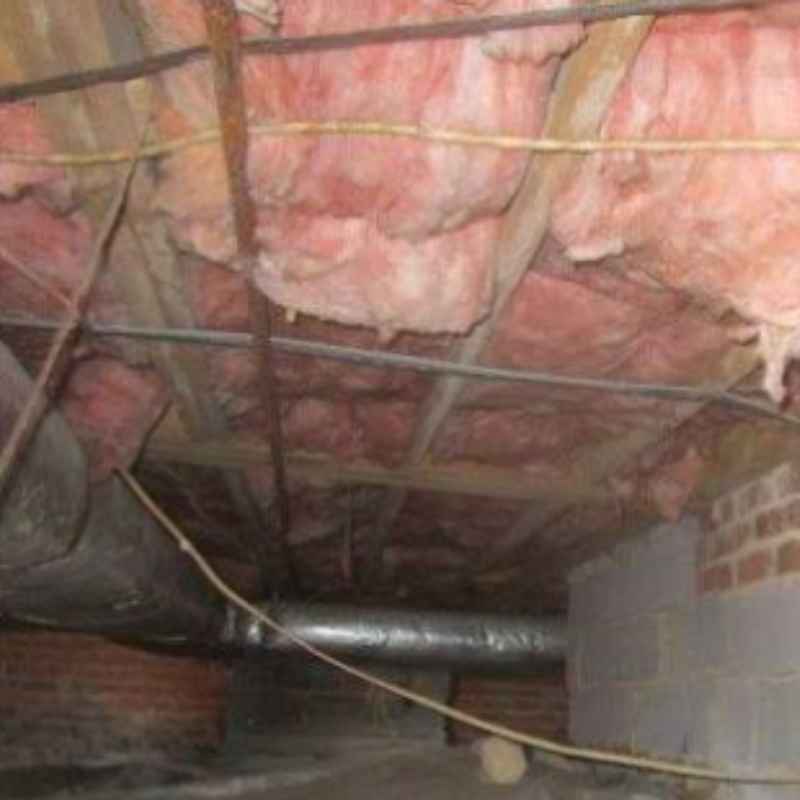
When you have a kitchen with a crawl space underneath, the floor can feel much colder than other rooms. This is because crawl spaces are often unconditioned. That means they aren’t heated or cooled like the rest of your home.
Air can flow freely through them, bringing in outside temperatures.
This airflow can be good for preventing moisture. But it also means your kitchen floor sits on top of this cool air. The joists and subfloor lose heat to the crawl space.
This makes the finished floor feel cold to walk on. It’s a common issue in older homes or homes built on slabs with raised foundations.
Why Warm Up Your Kitchen Floor?
The main reason is comfort. No one likes a freezing floor, especially in a room where you spend a lot of time. A warm kitchen floor makes the whole space feel cozier and more inviting.
It can make a big difference on a winter day.
Beyond comfort, a warmer floor can also help with energy efficiency. When your floor is warmer, you might not need to turn up the thermostat as high. This can save you money on heating bills.
Plus, it can help prevent condensation issues.
Common Issues Above Crawl Spaces
Cold Air Drafts: Unsealed crawl spaces let cold air in. This directly chills your floor.
Moisture Problems: If not properly managed, crawl spaces can get damp. This can affect your floor structure over time.
Poor Insulation: Older homes might have little or no insulation between the crawl space and the floor above.
Safe Heating Options for Floors Above Crawl Spaces
When you’re thinking about heating a kitchen floor over a crawl space, safety and moisture control are key. You don’t want to create new problems while trying to solve the cold floor issue. Let’s look at the best ways to approach this.
Electric Radiant Floor Heating: A Popular Choice
Electric radiant floor heating systems are a very popular choice for adding warmth directly to a floor. These systems use thin heating cables or mats that are installed under your finished floor. They are electric, so they don’t require a separate boiler or water lines.
The heating elements are laid out evenly. Then, they are covered by a layer of thin-set mortar. Your tile, stone, or even some types of laminate or vinyl flooring can then be installed on top.
When you turn the system on, it gently heats the floor surface.
This type of heating is great because it heats the floor directly. It doesn’t just blow warm air around. The warmth radiates up from the floor, making it feel very comfortable.
It’s also very controllable. You can set a thermostat to maintain a specific temperature.
Electric Radiant Heating At a Glance
- Type: Electric cables or mats.
- Installation: Under finished flooring.
- Controls: Thermostat for precise temperature.
- Best For: Tile, stone, and some other floor types.
- Pros: Even heating, comfortable warmth, energy efficient when used smartly.
- Cons: Higher upfront cost, requires electrical work.
For kitchens over crawl spaces, electric radiant heat is a good option. It’s installed directly beneath the kitchen floor. This means it’s less affected by the cool air in the crawl space.
It adds warmth where you feel it most. It’s important to ensure the installer follows all electrical codes. This is for safety and to prevent issues.
Improving Crawl Space Insulation and Sealing
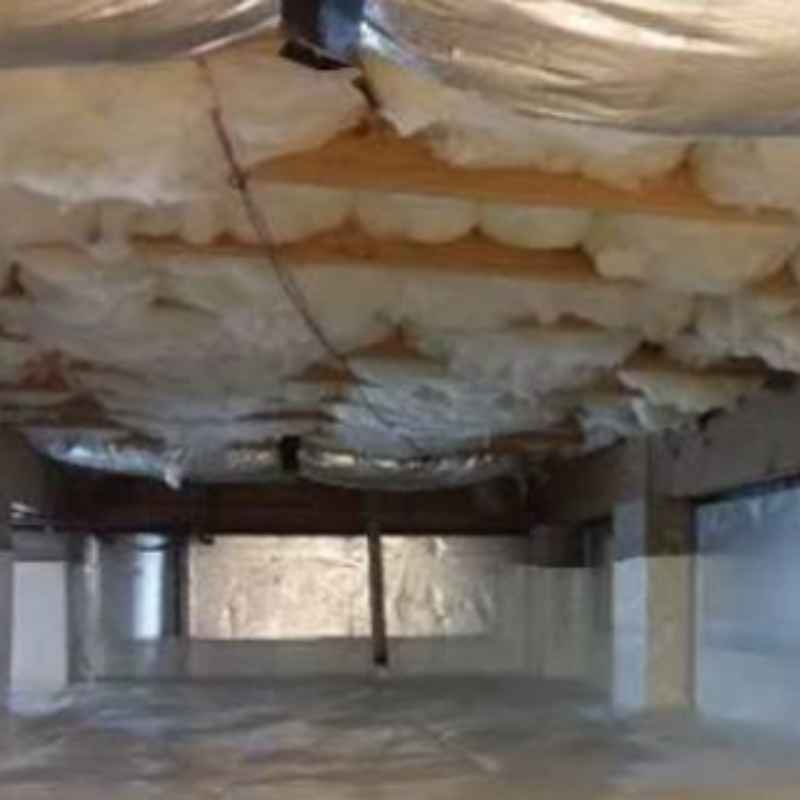
Before or along with adding heat to the floor, making sure your crawl space is properly insulated and sealed is crucial. Think of it as building a better barrier against the cold. A well-insulated crawl space keeps your floor warmer naturally.
This involves a few steps. First, you need to ensure the crawl space is clean and dry. Remove any debris.
Then, consider adding a vapor barrier on the ground. This stops moisture from rising up from the soil.
Next comes insulation. Rigid foam boards or spray foam insulation can be added to the crawl space walls. This is often more effective than fiberglass batts in this environment.
The goal is to create a thermal barrier between the crawl space and the living space above.
Sealing vents is also important. While some ventilation is needed, excessive airflow can be a problem in colder climates. Sometimes, sealing most of the vents and conditioning the crawl space air can help.
This is a more advanced approach and often requires professional advice to balance ventilation needs with insulation goals.
Crawl Space Sealing vs. Venting
Vented Crawl Space: Open to outside air. Can be colder. Needs floor insulation.
Sealed/Conditioned Crawl Space: Vents sealed. Insulated walls. Vapor barrier on ground.
More stable temperature.
For Heating: A sealed crawl space generally leads to a warmer floor above.
Improving the crawl space itself is a foundational step. It can make any floor heating system work better. It also helps prevent other issues like mold and mildew.
This is a long-term investment in your home’s comfort and health.
Hydronic Radiant Floor Heating: Another Option
Hydronic radiant floor heating uses hot water circulated through tubes under the floor. These tubes are typically made of PEX (cross-linked polyethylene) tubing. They are often embedded in a concrete slab or a special underlayment.
This system is connected to a boiler or water heater. The hot water flows through the tubes, releasing heat into the floor. Like electric radiant heat, it provides very even and comfortable warmth.
For a kitchen floor above a crawl space, hydronic systems can be installed. The PEX tubing is often laid out over the subfloor. Then, a thin layer of self-leveling underlayment is poured over it.
This creates a smooth, solid surface for the finished flooring.
Hydronic systems can be more complex to install than electric ones. They require a boiler and plumbing connections. The upfront cost can also be higher.
However, if you already have a boiler system or are doing a larger renovation, it can be a very efficient and effective heating solution.
Hydronic Radiant Heating Facts
- Type: Hot water circulating through PEX tubes.
- Source: Boiler or water heater.
- Installation: Embedded in concrete, underlayment, or special mats.
- Pros: Very even heat, can be highly energy efficient with modern boilers.
- Cons: Higher installation cost, requires boiler/water heater, potential for leaks if not installed correctly.
When considering hydronic heat over a crawl space, ensuring the installation is done by experienced professionals is paramount. They can properly manage the tubing layout, the underlayment, and the connections to the boiler. This prevents issues like uneven heating or water damage.
It’s a robust system but needs skilled hands.
Adding Extra Insulation to the Floor Joists
If adding full radiant heating isn’t an option right now, or you want to boost the effectiveness of other methods, adding insulation directly to the floor joists from below is a great step. This means working in the crawl space.
The goal here is to create a stronger barrier. You want to stop heat from escaping down into the crawl space. You can use fiberglass batts, mineral wool, or rigid foam boards for this.
Make sure the insulation fits snugly between the joists.
It’s important to use a vapor barrier on the warm side of the insulation. In this case, that’s the side facing your kitchen. This prevents moisture from the crawl space from condensing within the insulation.
This is crucial for preventing mold and rot.
When insulating joists, pay close attention to any pipes or ducts that run through the crawl space. These should also be insulated to prevent freezing and heat loss. This approach directly tackles heat loss through the floor structure.
Joist Insulation: Key Steps
- Access: Work safely in the crawl space.
- Material: Use appropriate insulation (batts, foam board).
- Fit: Ensure snug fit between joists.
- Vapor Barrier: Install on the side facing the kitchen.
- Completeness: Insulate all joist bays and around pipes.
This method is more hands-on. It requires you to be comfortable working in crawl spaces. Or you may need to hire a contractor.
But it’s a fundamental way to improve your kitchen floor’s warmth. It also helps with overall home comfort and energy savings.
Personal Story: The Cold Kitchen Floor Dilemma
I remember one particularly brutal winter. My old house had a kitchen that always felt like an ice rink. The floor was tile, and stepping onto it in the morning was a shock to the system.
My daughter would cry because her feet were so cold, even with thick socks.
The crawl space beneath was basically an open void. It was drafty and damp. I tried laying down extra rugs, but they just got in the way and didn’t truly solve the problem.
It felt like no matter how high I turned up the heat, that kitchen floor stayed frigid.
I started researching. I learned about how much heat was escaping. It was a real eye-opener.
I decided to tackle the crawl space first. I spent a weekend down there, laying down a heavy-duty vapor barrier and insulating the joists with fiberglass batts. I sealed up the vents as much as I could, leaving just a couple for necessary airflow.
The difference was noticeable, but still not perfect. That’s when I decided to invest in electric radiant heating. It was a bigger project, and I hired an electrician and a flooring installer.
But oh, what a difference it made!
Now, stepping into my kitchen is a completely different experience. The floor is consistently warm. My daughter doesn’t cry anymore.
It feels like a luxury, but it’s truly just a matter of addressing the home’s thermal performance. That chilly kitchen floor was a problem I was determined to solve, and it taught me a lot about home comfort.
Understanding Crawl Space Airflow and Humidity
Crawl spaces can be tricky environments. They are often humid. This is due to moisture evaporating from the soil.
Rainwater can also seep in. This high humidity can lead to mold, mildew, and rot. It can also make the space feel colder.
Ventilation in crawl spaces is a complex topic. Older homes often have many vents. The idea was to let air flow through.
This would dry out the space. However, in colder climates, this can bring very cold air right under your kitchen floor. This makes the floor colder.
In warmer, humid climates, too much airflow can bring in humid air. This can then condense on cooler surfaces. This adds to the moisture problem.
Modern best practices often lean towards sealing the crawl space and controlling the humidity. This is called a “conditioned” or “sealed” crawl space.
A sealed crawl space involves putting down a thick vapor barrier on the ground. Then, insulation is added to the crawl space walls, not the floor joists. The space is then often supplied with a small amount of conditioned air from the house.
This keeps the temperature and humidity more stable.
Crawl Space Moisture Control
- Problem: High humidity leads to mold, rot, and cold floors.
- Solution 1: Vapor barrier on ground + sealed vents + insulated walls.
- Solution 2: Insulated floor joists + vapor barrier on underside.
- Ventilation: Modern advice often favors sealing rather than venting.
- Professional Help: Consult a crawl space specialist for best results.
Managing the crawl space environment is crucial. It not only affects your kitchen floor’s temperature but also the health of your home’s structure. A dry, well-insulated crawl space is the first step to a warmer, more comfortable kitchen.
Radiant Floor Heating: Installation Considerations
When you decide on radiant floor heating, the installation process is vital for success. For electric radiant systems, the heating elements are usually installed directly onto the subfloor or a thin layer of mortar. It’s crucial that the subfloor is clean, smooth, and stable.
If your subfloor isn’t ideal, a self-leveling underlayment might be needed. This creates a perfectly flat surface. Unevenness can cause hot spots or damage to the heating elements.
A professional installer will check this carefully.
The heating cables must be laid out according to the manufacturer’s instructions. They cannot be cut or overlapped. The installer will also ensure the cables are protected during the mortar application.
Then, the finished flooring goes on top.
Thermostats are also important. They control the system and prevent overheating. Most systems come with programmable thermostats.
This allows you to set schedules for heating. This saves energy when you don’t need the heat.
For hydronic systems, the PEX tubing is laid out in a pattern. Then, a self-leveling underlayment is poured over it. This creates a solid, monolithic surface.
This is a critical step for ensuring the tubing is protected and the heat transfers evenly.
Key Installation Steps
- Subfloor Prep: Clean, level, and stable.
- Cable/Tube Layout: Even spacing, no overlaps.
- Mortar/Underlayment: Proper application to protect elements.
- Thermostat: Correct installation and programming.
- Flooring: Compatible flooring material installed on top.
Hiring qualified professionals is highly recommended for radiant floor heating. They understand the intricacies of electrical or plumbing connections. They also know how to properly prepare the subfloor and install the system to ensure longevity and safety.
This is an investment, so getting it right the first time is important.
What This Means for Your Kitchen Floor
So, what does all this mean for your specific kitchen floor? It means you have choices, and many of them are quite effective. The goal is to create a warm, comfortable surface without causing damage or creating new problems.
If your kitchen floor is already cold, it’s likely because of heat loss from the crawl space. Simply turning up the heat inside your house might help a little. But it’s not the most efficient solution.
It’s like trying to fill a leaky bucket.
The best approach usually involves a combination of strategies. Improving the crawl space insulation and sealing is often the first and most important step. This reduces the amount of cold air that can reach your floor.
Then, you can add targeted heating.
Electric radiant floor heating is a direct way to add comfort. It heats the floor from below, and because it’s electric, it’s contained within the floor system itself. Hydronic systems offer similar benefits but are more complex to install.
Even if you don’t install radiant heating, better crawl space insulation can make a noticeable difference. It makes your existing heating system work less. This means cost savings over time.
It also contributes to a more consistent temperature throughout your home.
Your Kitchen Floor: Normal vs. Concerning
Normal: Feels cooler than other rooms in winter. Takes a while to warm up.
Concerning: Extremely cold, feels like ice. Persistent drafts. Visible signs of moisture or mold in the crawl space.
Warping or damage to the flooring.
When to worry is when the cold is extreme, or you see signs of moisture. These indicate a bigger issue that needs attention. Don’t ignore those signs.
They can lead to more costly repairs down the line.
Quick Fixes and Tips
While full solutions take time and money, here are some quick things you can do:
- Area Rugs: Use thick rugs in high-traffic areas of your kitchen. This adds a soft, warm layer underfoot.
- Slipper Socks: Keep cozy slippers or thick socks handy for everyone in the house.
- Check for Drafts: Feel around the edges of your kitchen floor and where it meets the walls. Are there obvious drafts? You might be able to seal minor gaps with caulk.
- Crawl Space Inspection: If you can safely access your crawl space, take a look. Is there a vapor barrier? Is there standing water? Are the vents open all the time? This gives you clues.
These are not long-term solutions but can help manage the discomfort immediately. They are also good first steps in understanding the problem.
Frequently Asked Questions About Heating Kitchen Floors Above Crawl Spaces
Is electric radiant floor heating safe for kitchens over crawl spaces?
Yes, electric radiant floor heating is generally safe and effective for kitchens over crawl spaces when installed correctly by a qualified professional. It adds warmth directly to the floor, minimizing the impact of the cooler crawl space below. Proper electrical wiring and grounding are essential.
Can I insulate my crawl space myself?
Yes, you can insulate your crawl space yourself, especially if it involves adding a vapor barrier and installing insulation batts between floor joists. However, for more complex solutions like spray foam or sealing the entire crawl space, professional help is often recommended for safety and effectiveness.
How much does it cost to heat a kitchen floor?
The cost varies greatly. Electric radiant floor heating installation can range from $10 to $25 per square foot or more, depending on the system and labor costs. Improving crawl space insulation might cost $500 to $3,000 or more.
Running costs depend on electricity prices and how often the system is used.
Will heating the crawl space itself help?
Heating the crawl space directly is generally not recommended. It can lead to moisture problems and is inefficient. The focus should be on insulating the crawl space walls and sealing it off from the outside, or insulating the floor joists from below.
What kind of flooring works best with radiant heat over a crawl space?
Tile and stone are excellent choices as they conduct heat well. Many types of engineered wood, laminate, and vinyl flooring are also compatible. It’s crucial to check the manufacturer’s specifications for any flooring product to ensure it works with radiant heating systems.
How do I know if my crawl space is too humid?
Signs of high humidity include a musty smell, visible mold or mildew growth, condensation on pipes or walls, and damp insulation. Using a hygrometer (a humidity meter) is the most accurate way to measure humidity levels in the crawl space.
Conclusion: Achieving a Warmer Kitchen
Warming up a kitchen floor above a crawl space is a common challenge. It requires careful consideration of moisture, insulation, and heating methods. By focusing on improving your crawl space’s environment and exploring options like electric radiant heating, you can transform your cold kitchen into a cozy sanctuary.
Remember, a little effort here can make a huge difference in daily comfort and home value.
Sponsored / affiliate links. As an Amazon Associate I earn from qualifying purchases. I may earn additional commission from eligible campaigns.