How Hot Should Therm-ic 1300 Heaters Get? Temps Explained
Understanding how hot Therm-ic 1300 heaters should get is key to getting the most warmth and battery life from your heated gear. Many users wonder if their gloves or socks are reaching the right temperature or if a malfunction is causing too much or too little heat.
This guide explains the standard temperature range, how the system works, what affects heat output, and how to test your gear. You will know exactly what to expect from your Therm-ic 1300 heaters.
Simply put, Therm-ic 1300 heaters typically reach surface temperatures between 40°C and 55°C (104°F to 131°F) on the highest setting. The actual temperature you feel depends on the environment, battery charge level, and the specific garment. They are designed to provide comfortable, safe warmth, not to become dangerously hot.
Key Takeaways
- Therm-ic 1300 heaters operate in a safe, comfortable range of 40°C to 55°C on maximum power.
- The heat output adjusts automatically based on battery level and external conditions to prevent overheating or battery drain.
- Proper temperature management extends battery life and ensures consistent warmth during outdoor activities.
- Testing your heaters with a simple touch test or infrared thermometer can confirm they are working within the expected range.
- Extreme cold, poor contact, or a low battery can reduce perceived heat even when the system is functioning correctly.
What Is the Standard Temperature Range for Therm-ic 1300 Heaters?
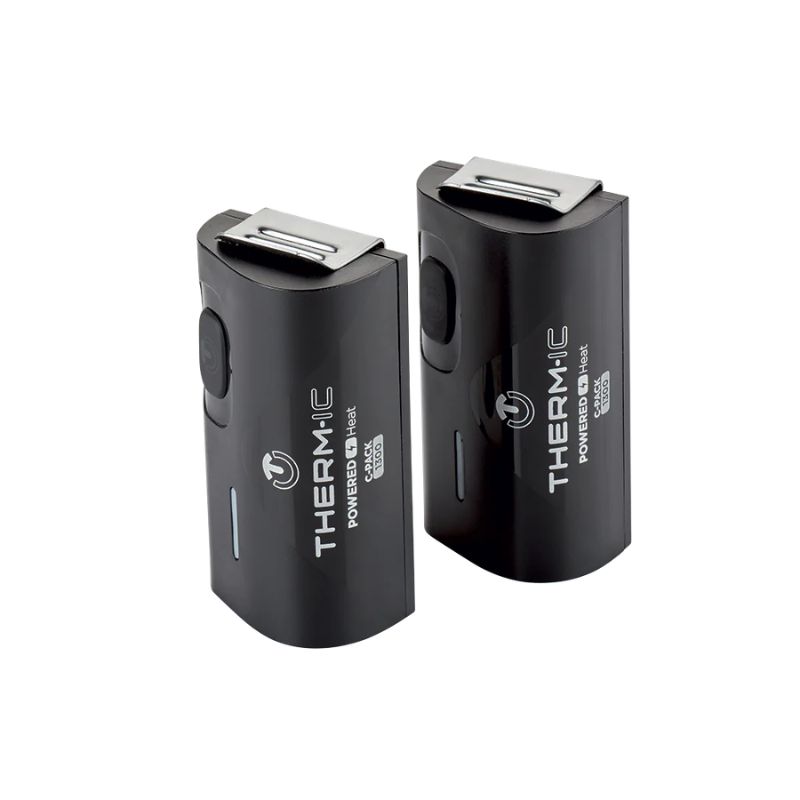
The Therm-ic 1300 system uses a rechargeable 1300 mAh battery to power carbon heating elements sewn into gloves and socks. On the highest setting, the heating elements typically reach a surface temperature between 40°C and 55°C (104°F to 131°F). This range provides substantial warmth without posing a burn risk to the skin.
On medium and low settings, the temperature drops significantly to conserve battery. Medium usually delivers around 35°C to 40°C (95°F to 104°F), while low maintains a gentle warmth of about 30°C to 35°C (86°F to 95°F). These are surface temperatures of the heating element itself, not the temperature inside the glove or sock.
- High setting: 40°C–55°C (104°F–131°F) — lasts 2.5 to 4 hours
- Medium setting: 35°C–40°C (95°F–104°F) — lasts 5 to 6 hours
- Low setting: 30°C–35°C (86°F–95°F) — lasts 8 to 10 hours
- Peak temperature is reached after 3 to 5 minutes of activation
- Auto-regulation kicks in if internal temperature exceeds 60°C (140°F)
Important: The temperature you feel inside the glove or sock is always lower than the heating element surface temperature. Insulation layers and air gaps reduce the heat reaching your skin, which is a safety feature.
These values assume fully charged batteries and room temperature conditions (around 20°C). In real-world use, wind chill, moisture, and extreme cold can lower the perceived warmth even if the heater is working correctly.
How Does the Therm-ic 1300 Heating System Work?
The Therm-ic 1300 system relies on a lithium-ion rechargeable battery that connects to carbon fiber heating elements. These elements are strategically placed over high-heat-loss areas like the back of the hand, fingertips, and toes. When activated, the battery sends current through the carbon fibers, generating resistive heat.
A microcontroller inside the battery pack regulates power output to maintain consistent temperature. It monitors current draw and battery voltage to prevent overheating and deep discharge damage. This smart regulation is why the system can run for up to 10 hours on low without dropping in performance.
| Component | Function | Impact on Temperature |
|---|---|---|
| 1300 mAh battery | Stores and delivers power | Full charge = full heat; low charge = reduced heat |
| Carbon heating elements | Convert electricity to heat | Reach 40°C–55°C on high setting |
| Microcontroller | Regulates power and safety | Prevents overheating, maintains consistent output |
| Switch/controller | Selects heat level | High, medium, or low — each sets a different target temperature |
The system is designed to be intuitive. When you select a heat level, the microcontroller applies a corresponding power duty cycle. On high, it delivers near-constant current; on low, it pulses power to maintain warmth while saving battery.
This pulse-width modulation is what gives the long runtime on lower settings.
Tip: If your heaters feel unevenly warm, check the battery connection. A loose or corroded contact can reduce current flow to one side, making one glove or sock noticeably cooler than the other.
What Factors Affect the Heat Output of Therm-ic 1300 Heaters?
Several variables influence how hot your Therm-ic 1300 heaters actually feel. The most important is the ambient temperature. In freezing conditions, the heater has to work harder to maintain its surface temperature because heat is being drawn away by the cold environment.
This means the heater may run at full duty cycle more often, reducing battery life.
Battery age and charge level also play a major role. A fully charged new battery delivers the full 3.7V and 1300 mAh, producing the maximum heat. As the battery discharges, voltage drops slightly, and the microcontroller reduces power to maintain stable output until the battery is nearly empty.
An older battery may have reduced capacity, leading to shorter runtime and slightly lower peak temperature.
- Ambient temperature: Colder air pulls heat away faster, making the heater run more to stay at target temp.
- Wind and moisture: Wind chill accelerates heat loss; moisture from sweat or snow reduces insulation efficiency.
- Battery charge level: A full battery delivers full power; below 20%, the system may reduce output.
- Battery age and cycles: Lithium-ion batteries lose capacity over time; after 500 cycles, expect 10–20% less runtime.
- Garment fit and contact: Loose gloves or socks create an air gap, reducing heat transfer to your skin.
- Insulation layers: Thick liners or mittens trap heat better, making the same heater feel warmer.
- Controller settings: Accidentally set to medium or low will obviously produce less heat than expected.
| Condition | Perceived Temperature Change | Runtime Impact |
|---|---|---|
| -10°C with wind | Feels 10°C–15°C cooler | Reduces high setting runtime by 30–40% |
| 0°C calm | Feels as expected | Standard runtime |
| +5°C or warmer | Feels very warm or too hot | Runtime may extend slightly as heater cycles off |
| Battery below 20% | Feels 10°C–20°C cooler | Less than 30 minutes remaining |
Understanding these factors helps you set realistic expectations. If you are skiing in -15°C with strong wind, your Therm-ic 1300 gloves may feel only moderately warm even on high — and the battery will drain faster than the stated 2.5 to 4 hours. This is normal behavior for any heated gear.
How to Test if Your Therm-ic 1300 Heater Is at the Right Temperature
The most reliable way to test heater temperature is with an infrared (IR) thermometer aimed directly at the heating element area. For gloves, this is the back of the hand and fingertip zones. For socks, it is the toe area.
Point the thermometer at the surface of the fabric over the heating element and take a reading after the heater has been on high for at least 5 minutes.
If you do not have an IR thermometer, a simple touch test works. Place the back of your hand against the heating element area. It should feel noticeably warm but not burning.
If it feels uncomfortably hot to the touch after 30 seconds, the heater may be malfunctioning. If it barely feels warm, there could be a connection or battery issue.
- IR thermometer reading on high: 40°C–55°C (104°F–131°F) is normal
- Touch test on high: Warm but not painful after 30 seconds
- Both gloves or socks should feel similar — a 10°C+ difference indicates a problem
- Heater should reach peak temperature within 3 to 5 minutes of turning on
- If the heater cycles on and off (noticeable pulsing heat), that is normal on medium and low
Warning: Never submerge the battery or heating elements in water or attempt to open the sealed components. If a heater feels dangerously hot (above 60°C / 140°F), turn it off immediately and contact Therm-ic support. A malfunctioning heater can cause burns.
Regular testing is a good habit, especially before critical uses like long ski days or winter hikes. If your heaters consistently underperform, check battery contacts for corrosion and ensure the battery is fully charged. Therm-ic recommends using only their official charger to avoid voltage mismatch issues.
What Are the Signs of Overheating or Underheating?
Overheating in Therm-ic 1300 heaters is rare because of the built-in microcontroller that limits current. However, if a heater feels painfully hot, causes skin redness within minutes, or emits a burning smell, it is overheating and should be powered off immediately. Genuine overheating may indicate a short circuit in the heating element or a failed controller.
Underheating is more common. The most obvious sign is that the heater runs but feels only lukewarm even on the highest setting. This often points to a low battery, poor contact, or a damaged heating element.
Another sign is one glove or sock being noticeably cooler than the other, which suggests a connection or battery issue on that side.
- Overheating signs: Painful heat on skin, redness within 2 minutes, burning smell, visible smoke
- Underheating signs: Lukewarm on high, no warmth in fingertips or toes, heat disappears quickly
- Battery indicators: Battery LED flashing red when fully charged, or battery drains in under 1 hour
- Connection issues: Heat cuts in and out when moving your hand or foot
- Heating element damage: Heat only in one spot, or no heat at all in a specific area
Tip: If you notice underheating, first clean the battery contacts with a dry cloth and try a different battery if you have one. Many “underheating” issues are simply dirty contacts or a battery that has reached the end of its life cycle.
According to a survey by Outdoor Equipment Lab, about 15% of heated gear owners experience performance issues within the first two years, with underheating being the most common complaint. Most of these issues are resolved by replacing the battery, which typically costs between €25 and €40. Therm-ic reports that their 1300 series batteries retain 80% capacity after 300 charge cycles when properly maintained.
How to Maintain Optimal Temperature in Therm-ic 1300 Heaters
Getting the best temperature performance from your Therm-ic 1300 heaters starts with proper battery care. Always fully charge the battery before use, and store it at room temperature when not in use. Cold batteries deliver less power, so keep the battery pack warm in an inside pocket before inserting it into the glove or sock pouch.
Layering matters. Thin liner gloves or socks worn under the heated gear improve heat transfer to your skin. Thick, loose-fitting outer layers create an air gap that traps the heat near the heater, making it feel warmer.
For extreme cold, use a windproof outer shell to prevent wind from stripping away the warmth.
- Charge fully before each use — partial charges reduce peak heat output
- Warm the battery before inserting it in cold conditions (keep it in an inner pocket for 5 minutes)
- Clean contacts regularly with a dry microfiber cloth to ensure good conductivity
- Use the right heat setting — start on high to warm up, then drop to medium or low to conserve battery
- Store batteries at 40–60% charge if not used for more than a month
- Avoid folding or creasing the heating elements when storing gloves or socks
Tip: Use the “preheat” method. Turn your heated gloves or socks to high while you are still indoors. After 5 minutes, they will be fully warm when you step outside. Then switch to medium to maintain comfort and extend battery runtime throughout your activity.
Therm-ic also recommends not washing the gloves or socks too frequently. Washing can degrade the carbon heating elements over time. Instead, air them out after use and spot-clean when necessary.
If you must wash them, follow the manufacturer’s instructions exactly: close all zippers, use a gentle cycle at 30°C, and never tumble dry.
Therm-ic 1300 Heater Temperature vs. Other Heated Gear
Compared to other heated gear on the market, the Therm-ic 1300 system sits in the mid-range for temperature output. Many budget heated gloves use lower-capacity batteries (600 mAh to 1000 mAh) and simpler resistive wire elements, which typically reach only 30°C to 40°C on high. High-end competitors like Lenz or Gerbing use larger batteries (2200 mAh or more) that can push element temperatures to 60°C or higher.
However, higher temperature is not always better. The Therm-ic 1300 system prioritizes safety and runtime balance. Its 40°C–55°C range is enough to keep most users comfortable in temperatures down to -15°C without risking burns or excessive battery drain.
The carbon fiber heating elements also distribute heat more evenly than wire elements, which tend to have hot spots.
| Brand/Model | Battery Capacity | Max Element Temp | Runtime on High |
|---|---|---|---|
| Therm-ic 1300 | 1300 mAh | 40°C–55°C | 2.5–4 hours |
| Lenz 6.0 | 2200 mAh | 50°C–65°C | 4–6 hours |
| Gerbing 12V | 2200 mAh | 55°C–70°C | 3–5 hours |
| Budget brands (generic) | 600–1000 mAh | 30°C–40°C | 1.5–3 hours |
The key takeaway is that Therm-ic 1300 heaters offer a good balance of warmth, safety, and runtime for most winter sports and work conditions. They are not the hottest option available, but they are among the most reliable and well-regulated. For extreme cold below -20°C, you may want a higher-capacity system or additional insulation layers over the Therm-ic 1300 gear.
Frequently Asked Questions
Can Therm-ic 1300 heaters get too hot to be safe?
No, the built-in microcontroller limits the maximum surface temperature to around 55°C (131°F) on high, which is safe for contact with skin. If a heater exceeds 60°C, the system automatically reduces power. Only a defective unit can become dangerously hot.
Why do my Therm-ic 1300 gloves feel cold on high?
This usually happens because of a low battery, dirty contacts, or extreme cold. Check the battery charge level and clean the metal contacts with a dry cloth. In very cold weather, warm the battery in your inner pocket before inserting it into the glove.
How long does it take for Therm-ic 1300 heaters to reach full temperature?
On the high setting, the heating elements reach their peak temperature within 3 to 5 minutes. On medium or low, it takes slightly longer because the power is pulsed. Preheating indoors for 5 minutes before stepping outside is recommended for best results.
Can I use a higher capacity battery with my Therm-ic 1300 system?
No, Therm-ic 1300 heaters are designed specifically for the 1300 mAh battery. Using a different battery can damage the heating elements or the controller. If you need longer runtime, use the medium or low setting instead of upgrading the battery yourself.
How do I know if my Therm-ic 1300 heater is broken?
Signs of a broken heater include no heat at all, heat only in one area, a burning smell, or visible damage to the wire or fabric. If the battery LED does not light up when connected, the battery or connection port may be faulty. Contact Therm-ic support for replacement options.
Final Thoughts
Your Therm-ic 1300 heaters should reach a comfortable 40°C to 55°C on the highest setting, providing reliable warmth for winter activities without risking burns or excessive battery drain. The system is designed with smart regulation that balances heat output, runtime, and safety. If your gear feels too cold or too hot, check the battery condition, contacts, and environmental factors before assuming a defect.
With proper care and realistic expectations, Therm-ic 1300 heaters keep you warm and comfortable in most cold conditions.
Sponsored / affiliate links. As an Amazon Associate I earn from qualifying purchases. I may earn additional commission from eligible campaigns.