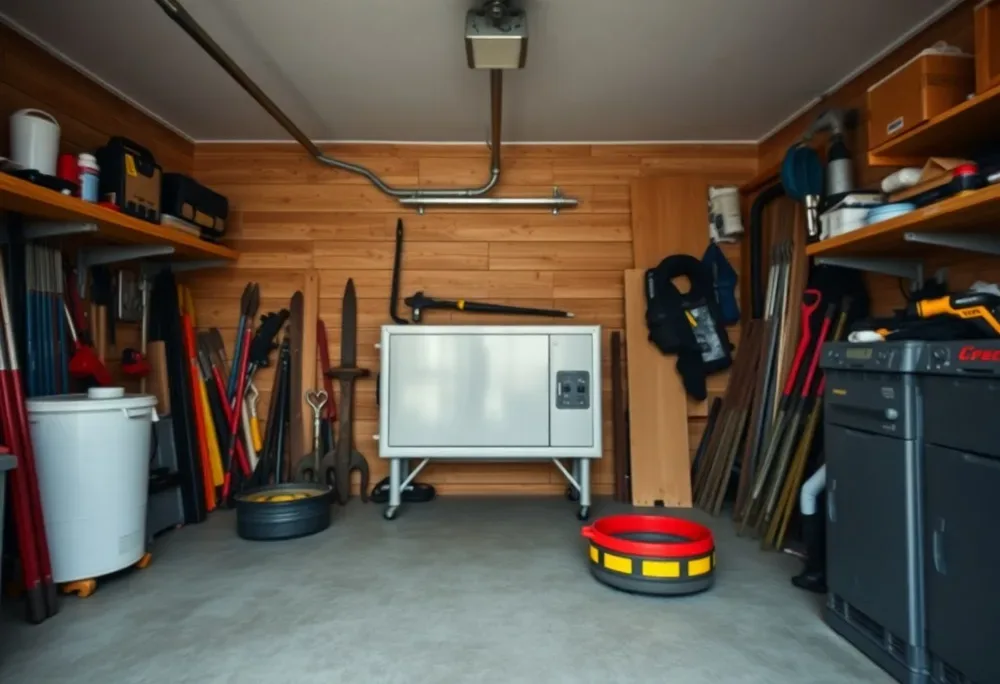
Garage Heater Placement: Floor vs. Ceiling Pros & Cons
Garage heater placement is a critical decision that impacts efficiency, safety, and overall comfort. Whether you opt for a floor-standing unit or a ceiling-mounted option, understanding the advantages and disadvantages of each position is key to a warm and functional garage space.
This guide will break down the key considerations for both floor and ceiling garage heaters, helping you make the best choice for your specific needs and garage layout. We’ll explore factors like heat distribution, installation complexity, safety concerns, and cost-effectiveness to ensure you get the most out of your investment.
Simply put, floor heaters offer easier installation and direct heat but can be a tripping hazard and less efficient in larger spaces, while ceiling heaters provide better heat distribution and save floor space but require more complex installation and may take longer to warm up the area.
Key Takeaways
- Garage heater placement on the floor is simpler to install but poses a tripping risk and might not heat large spaces evenly.
- Ceiling-mounted heaters save valuable floor space and offer superior heat circulation but involve more complex installation.
- Consider your garage size, layout, insulation levels, and primary use when deciding on the best placement for your garage heater.
- Safety features and proximity to fuel sources are paramount for both floor and ceiling installations.
- Electric options are generally easier to install for both floor and ceiling types compared to gas models.
What is a Garage Heater?
A garage heater is a specialized heating appliance designed to warm up typically uninsulated or poorly insulated spaces like garages, workshops, and sheds. Unlike standard home heating systems that rely on ductwork and central air, garage heaters are often standalone units intended for localized or supplemental heating.
These units come in various types, including electric, propane, natural gas, and kerosene, each with its own installation requirements and operational costs. The primary goal is to create a comfortable environment, allowing for year-round use of the garage for hobbies, storage, or as a workspace.
The choice between a floor or ceiling mount often dictates the heater’s effectiveness and the overall usability of the garage. Proper selection and installation are crucial for maximizing warmth, ensuring safety, and avoiding potential hazards.
Types of Garage Heaters
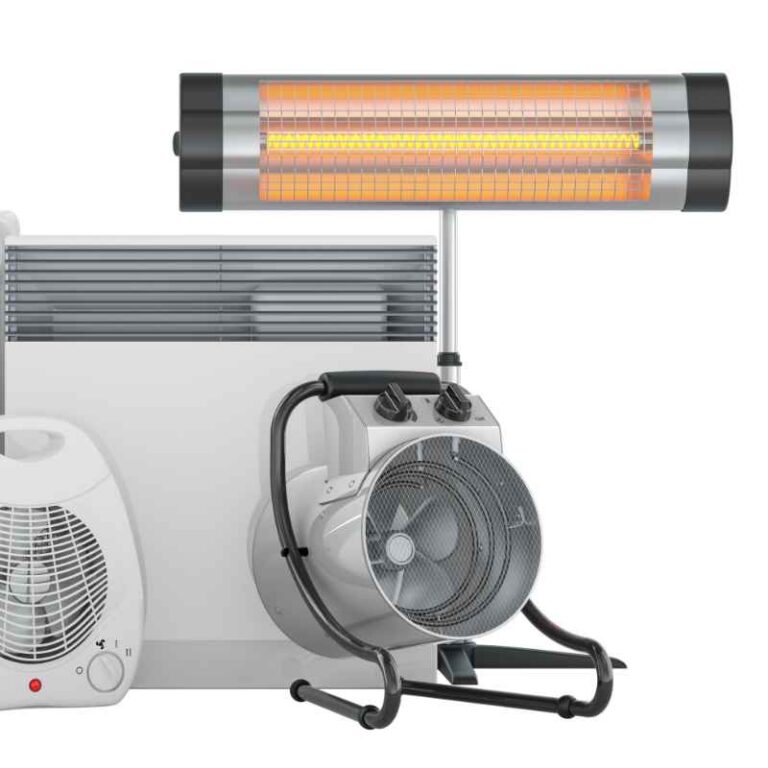
- Electric Heaters: These are often the easiest to install, requiring only a power outlet. They include portable radiant heaters, forced-air space heaters, and some wall-mounted units. They are safe but can be more expensive to operate due to electricity costs.
- Propane/Natural Gas Heaters: These are powerful and cost-effective for larger spaces. They require ventilation and proper fuel line connections. They can be either vented or unvented, with vented units being safer for occupied spaces.
- Infrared Heaters: Both electric and gas models can be infrared. These work by directly heating objects and people in their path, rather than the air, making them effective for drafty spaces.
- Forced-Air Heaters: These blow heated air into the space, providing quick warmth, similar to a furnace. They can be electric or fuel-burning.
- Radiant Heaters: These emit heat waves that warm surfaces and people. They are efficient for direct heating and can be electric or gas-powered.
How Garage Heaters Work
The fundamental principle behind garage heaters is generating and distributing heat within an enclosed space. Electric heaters use resistance coils to convert electrical energy into heat, which is then often dispersed by a fan (forced-air) or radiated directly (infrared/radiant).
Fuel-burning heaters (propane, natural gas) ignite a fuel source within a combustion chamber. The heat produced is then transferred to the surrounding air, which is circulated by a fan, or it’s released directly as radiant heat. Proper ventilation is critical for fuel-burning units to expel exhaust gases safely.
The effectiveness of any garage heater is heavily influenced by the garage’s insulation, the size of the space, and the frequency of door openings. A well-insulated garage will retain heat much better, requiring less energy and time to maintain a comfortable temperature.
Floor-Mounted Garage Heaters: The Direct Approach
Floor-mounted garage heaters are a popular choice due to their straightforward installation and the direct manner in which they deliver heat. These units typically sit on the concrete floor, often on a small pedestal or simply placed directly on the surface. They can be electric, propane, or natural gas powered.
Their primary advantage is ease of setup. For electric models, it often just involves plugging them into a suitable outlet. For gas models, professional installation of the gas line and venting may be required, but the unit itself sits directly on the floor.
This makes them accessible for DIY installations or less expensive professional jobs.
The direct heat output is also a significant benefit. Radiant or infrared floor heaters, in particular, can quickly warm up the immediate area around them, making it comfortable to work in specific zones of the garage. Forced-air floor heaters also provide rapid heating by circulating warm air directly from their position.
Pros of Floor-Mounted Heaters
- Easier Installation: Generally simpler and less costly to install, especially electric models that only require a power source.
- Direct Heat Output: Radiant and infrared models provide quick, targeted warmth to specific areas.
- Portability (for some models): Many electric floor heaters are portable, allowing you to move them to where heat is needed most.
- Lower Initial Cost: Often, basic floor-standing units are less expensive upfront than complex ceiling-mounted systems.
- Visible Heat Source: For some users, the tangible presence of a heater on the floor provides a sense of immediate warmth.
Cons of Floor-Mounted Heaters
- Floor Space Obstruction: Units take up valuable floor space, which can be an issue in crowded garages or workshops.
- Tripping Hazard: Power cords or the unit itself can present a tripping risk, especially in active workspaces.
- Uneven Heat Distribution: Heat may rise and collect near the ceiling, leaving the lower working areas cooler, particularly in large or tall garages.
- Dust and Debris Accumulation: Units on the floor can be more susceptible to accumulating dust, dirt, and other debris, requiring more frequent cleaning.
- Potential for Damage: Items stored or moved around the garage could accidentally knock over or damage a floor-standing heater.
Best For:
- Smaller garages or workshops where floor space is not a major concern.
- Users who prioritize easy installation and are comfortable with basic electrical setups.
- Situations where targeted, direct heat is more important than evenly warming the entire space.
- Individuals looking for a more budget-friendly heating solution.
Ceiling-Mounted Garage Heaters: Maximizing Space
Ceiling-mounted garage heaters are designed to free up valuable floor real estate, making them an excellent choice for garages that double as workshops or storage areas. These units are typically fixed to the ceiling joists, keeping them out of the way of daily activities.
The main advantage of ceiling installation is improved heat distribution. By placing the heat source higher up, the warm air can naturally descend and circulate more evenly throughout the entire garage space. This is particularly beneficial for larger or taller garages where floor units might struggle to reach all corners effectively.
Installation for ceiling heaters can be more involved. Electric models still require electrical wiring, but the run might be longer and more complex than a simple plug-in. Gas or propane units mounted on the ceiling often require professional installation for gas lines, venting, and secure mounting, adding to the overall cost and complexity.
Pros of Ceiling-Mounted Heaters
- Saves Floor Space: Frees up valuable floor area for parking vehicles, tools, or workspace.
- Superior Heat Distribution: Often provides more even and consistent heating throughout the entire garage.
- Reduced Tripping Hazard: Keeps cords and the unit itself safely out of the way.
- Aesthetically Pleasing: Can blend more seamlessly into the garage environment compared to bulky floor units.
- Safer for High-Traffic Areas: Ideal for garages where children, pets, or frequent movement might be a concern around floor units.
Cons of Ceiling-Mounted Heaters
- More Complex Installation: Typically requires professional installation, especially for gas units, increasing costs.
- Potentially Slower Heating: It might take longer for heat to reach floor level and warm the occupied space, especially initially.
- Maintenance Access: Cleaning and maintenance can be more challenging due to the elevated position.
- Higher Initial Cost: The need for professional installation and potentially more robust mounting hardware can increase upfront expenses.
- Limited Portability: Once installed, these units are not portable.
Best For:
- Garages where floor space is at a premium.
- Larger or taller garages that require better overall heat circulation.
- Users who want to minimize tripping hazards and create a cleaner, more organized look.
- Those who are willing to invest in professional installation for optimal safety and performance.
Factors to Consider When Choosing Placement
Deciding between floor and ceiling placement for your garage heater isn’t just about convenience; it involves several crucial factors that will impact performance, safety, and your overall satisfaction. Understanding these elements will guide you toward the most effective solution for your specific garage.
The size and layout of your garage are paramount. A small, single-car garage might be perfectly served by a compact floor heater, while a large, two-car garage with high ceilings might benefit more from a ceiling unit for better heat distribution. Consider how you use the space – is it primarily for parking, or is it an active workshop?
Insulation plays a massive role. If your garage is poorly insulated, any heater will struggle to maintain temperature. In such cases, investing in insulation alongside proper heater placement is often the most effective strategy.
Drafts from poorly sealed doors or windows can also significantly affect how well either placement works.
Garage Size and Volume
The physical dimensions of your garage are a primary driver for placement decisions. For smaller garages (e.g., up to 400 sq ft), a powerful floor-standing electric heater or a small, vented gas unit might suffice and offer easy setup. The heat generated can quickly fill the space.
In larger garages (e.g., over 600 sq ft), or those with high ceilings (10ft+), heat stratification becomes a significant issue. Warm air rises. A floor heater might heat the upper portion of the garage effectively, leaving the floor and working areas cold.
Ceiling heaters, positioned higher, can leverage natural convection more effectively, pushing warm air down and creating a more uniform temperature from floor to ceiling.
Consider the volume of air you need to heat. A taller garage has more cubic feet to heat than a shorter one of the same footprint. This volume dictates the BTU output required and influences whether a single floor unit can manage or if a ceiling unit offering broader dispersal is necessary.
Insulation and Drafts
A poorly insulated garage is like a sieve for heat. If your garage walls, ceiling, and doors are uninsulated, heat will escape rapidly, regardless of where the heater is placed. In such scenarios, both floor and ceiling heaters will struggle to maintain a comfortable temperature and will run constantly, leading to high energy bills.
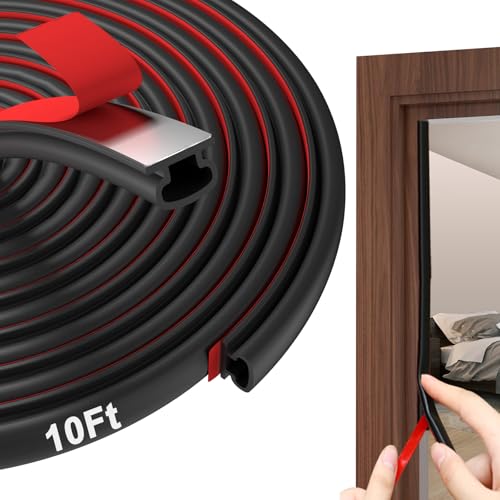
Drafts from weather stripping around doors and windows are also major culprits. Even a small gap can allow cold air to enter and warm air to escape. Before committing to a heater placement, inspect and seal these areas.
For floor heaters, drafts can create cold spots around the unit. For ceiling heaters, drafts can disrupt the warm air’s descent.
Tip: Before installing a heater, assess your garage’s insulation. Adding insulation to walls and the ceiling can dramatically improve heating efficiency and reduce the load on your heater, regardless of its placement. Check weather stripping on garage doors and windows for leaks.
Usage of the Space
How you use your garage dictates its heating needs and the practicality of different placements. If your garage is primarily for parking cars and occasional access, a less powerful heater placed on the floor might be sufficient, and the floor space obstruction might be minimal.
However, if your garage is a dedicated workshop, hobby space, or gym, you’ll likely be spending extended periods there. In this case, consistent, even heating is crucial. A ceiling-mounted heater that provides uniform warmth throughout the space, coupled with good insulation, will offer superior comfort for prolonged use.
The need to keep the floor clear of obstructions is also paramount in active workshops.
Important: If your garage is used frequently for work or leisure, prioritize even heating and safety. Ceiling mounts often excel here by keeping the floor clear and distributing heat widely.
Safety Considerations
Safety is non-negotiable when dealing with heating appliances, especially in a space that might store flammable materials like gasoline, paints, or cleaning supplies. The placement of the heater significantly impacts safety.
Floor heaters, particularly those with exposed heating elements or open flames (in the case of some gas units), pose a higher risk of accidental contact or ignition of nearby materials. Proper clearance around floor units is essential. On the other hand, ceiling units are generally safer from accidental knocks or spills but require secure mounting to prevent them from falling.
For fuel-burning heaters (propane, natural gas), proper ventilation is critical to prevent carbon monoxide buildup. This is a concern for both floor and ceiling units, but professional installation is vital to ensure venting systems are correctly designed and installed, regardless of placement.
Installation Differences: Floor vs. Ceiling
The installation process for garage heaters varies significantly depending on whether you choose a floor-standing or ceiling-mounted unit. These differences can affect costs, complexity, and the need for professional assistance.
Electric floor heaters are typically the easiest to install, often requiring just a plug into a grounded outlet of the correct amperage. Gas or propane floor heaters, however, will require a fuel line connection and proper venting, which almost always necessitates professional installation. Similarly, electric ceiling heaters need appropriate wiring run to their location, which can be more involved than a simple outlet connection.
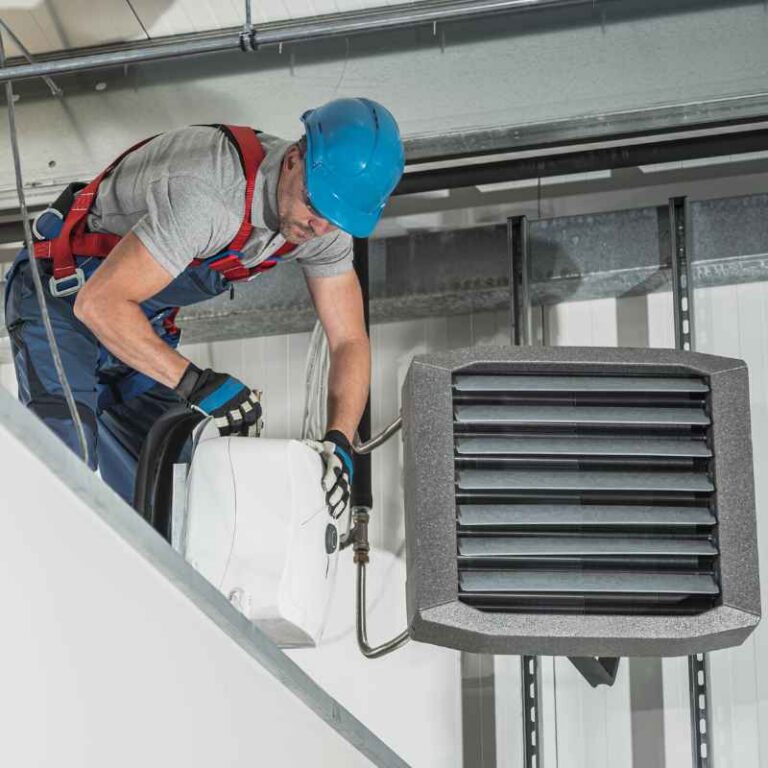
Ceiling-mounted units, especially gas-powered ones, are generally the most complex to install. This involves secure mounting to the ceiling structure, running gas lines, and ensuring adequate ventilation and exhaust. Due to the safety implications and the need for structural integrity, professional installation is almost always recommended, if not required, for ceiling units.
Electric Heater Installation
Floor-mounted electric heaters: These are often plug-and-play. You simply need an available outlet with the appropriate voltage and amperage rating for the heater. For higher-wattage models, you might need a dedicated circuit breaker.
Extension cords are generally discouraged for continuous use due to fire risk.
Ceiling-mounted electric heaters: These require electrical wiring to be run from your electrical panel to the mounting location. This might involve fishing wires through walls and ceilings, connecting them to a junction box, and ensuring the circuit can handle the heater’s load. While not as complex as gas installation, it often requires an electrician for safe and code-compliant setup.
Key Considerations: Ensure your home’s electrical system can support the additional load of the garage heater. Consult with an electrician if you are unsure about outlet or circuit requirements.
Gas/Propane Heater Installation
Floor-mounted gas/propane heaters: These units require a connection to a propane tank or a natural gas line. This involves running a fuel line from the source to the heater. Crucially, most fuel-burning heaters produce exhaust gases and require proper venting to the outside to prevent the buildup of dangerous gases like carbon monoxide.
Unvented heaters are available but are generally not recommended for garages where people spend significant time.
Ceiling-mounted gas/propane heaters: Installation is similar to floor units but with added complexity. Securely mounting the unit to the ceiling joists is critical. The fuel line and venting must also be routed appropriately from this elevated position.
This type of installation almost always necessitates a qualified professional, such as a licensed plumber or HVAC technician, to ensure safety and compliance with building codes.
Warning: Improper installation of gas or propane heaters can lead to gas leaks, fires, or carbon monoxide poisoning. Always hire a qualified professional for fuel-burning appliance installation and ensure adequate ventilation.
DIY vs. Professional Installation
For electric floor heaters, DIY installation is often feasible if you are comfortable with basic electrical safety and have the correct outlet available. You’ll need to read the manual carefully, understand wattage requirements, and ensure proper grounding.
For any gas or propane heater, as well as electric ceiling heaters, professional installation is highly recommended. The risks associated with gas leaks, improper venting, or electrical faults are too significant to ignore. Professionals can ensure the unit is installed correctly, safely, and in compliance with local building codes, which can also be important for insurance purposes.
| Installation Type | Typical Complexity | DIY Friendly? | Professional Recommended? | Key Safety Concerns |
|---|---|---|---|---|
| Electric Floor Heater | Low (plug-in) to Medium (dedicated circuit) | Yes, for plug-in models | Yes, for dedicated circuits | Electrical shock, fire risk from overloaded circuits |
| Gas/Propane Floor Heater | High (fuel line, venting) | No | Yes, always | Gas leaks, carbon monoxide poisoning, fire |
| Electric Ceiling Heater | Medium to High (wiring run, secure mounting) | No, unless experienced electrician | Yes, strongly recommended | Electrical shock, fire, secure mounting failure |
| Gas/Propane Ceiling Heater | Very High (fuel line, venting, mounting) | No | Yes, always | Gas leaks, carbon monoxide poisoning, fire, falling unit |
A professional installation ensures that all connections are secure, venting is adequate, and the unit is properly supported and grounded, providing peace of mind.
Heat Distribution Patterns
Understanding how heat moves from a heater is crucial for optimizing its placement and ensuring your garage is heated effectively and evenly. The distribution pattern is significantly influenced by the heater’s type and its position – floor versus ceiling.
Floor heaters, especially radiant or infrared types, tend to heat objects and people directly in their path. This can create a warm zone immediately around the unit. Forced-air floor heaters will push warm air upwards and outwards.
However, in larger or taller garages, this warm air can rise and become trapped near the ceiling, leaving the lower levels cooler.
Ceiling heaters, on the other hand, are positioned to take advantage of natural convection. Warm air rises from the heater and then naturally descends as it cools, creating a more continuous circulation pattern. Infrared ceiling heaters directly warm the floor and objects below, while forced-air ceiling units push warm air down into the living space.
Heat Rise from Floor Heaters
When a floor heater is in operation, especially a forced-air model, the heated air is expelled from the unit. This air is less dense than the surrounding cooler air, causing it to rise. This phenomenon is known as convection.
In a well-insulated, smaller garage, this rising warm air might circulate sufficiently to heat the entire space. However, in larger garages with higher ceilings, the warm air can accumulate near the ceiling, creating a significant temperature difference between the floor and the ceiling. This can lead to a situation where the thermostat near the ceiling reads a comfortable temperature, but you still feel cold at ground level.
Radiant and infrared floor heaters behave differently. They emit heat waves that directly warm surfaces and people they encounter. This provides a more immediate sense of warmth in the direct line of the heater but doesn’t rely as much on air circulation for the initial heating effect.
However, these also contribute to overall air temperature as they warm objects that then re-radiate heat.
Heat Descent from Ceiling Heaters
Ceiling-mounted heaters are strategically placed to optimize heat distribution. By locating the heat source high up, the system can more effectively utilize natural convection to warm the entire space.
When a ceiling heater warms the air, that warm air rises. As it travels upwards and encounters the ceiling, it begins to cool. As it cools, it becomes denser and naturally descends.
This creates a continuous loop where warm air is constantly being supplied from above and circulating downwards, ensuring a more even temperature distribution throughout the garage.
This process is often enhanced by the design of the heater itself. Some ceiling units have directional vents that help push warm air downwards, further aiding the distribution process. The goal is to avoid the “hot ceiling, cold floor” scenario common with poorly placed floor heaters.
Tip: For optimal heat distribution from a ceiling heater, ensure it’s mounted centrally or strategically placed to cover the primary occupied areas of your garage. Avoid placing it directly above a frequently opened door where warm air can escape quickly.
Comparing Distribution Patterns
| Feature | Floor Heater (Forced Air) | Floor Heater (Radiant/Infrared) | Ceiling Heater (Forced Air/Radiant) |
|---|---|---|---|
| Primary Heat Transfer | Convection (air circulation) | Radiation (direct heating of objects) | Convection & Radiation |
| Ideal for Garage Size | Small to Medium, well-insulated | Any size, especially drafty areas | Medium to Large, especially with high ceilings |
| Risk of Cold Floors | Moderate to High | Low (warms surfaces directly) | Low to Moderate (relies on descent) |
| Floor Space Impact | High (unit placement required) | High (unit placement required) | Very Low (out of the way) |
| Installation Complexity | Low (electric) to High (gas) | Low (electric) to High (gas) | Medium (electric) to Very High (gas) |
This comparison highlights how each placement type interacts with the physics of heat transfer and garage environment, ultimately influencing comfort and efficiency.
Cost Considerations: Purchase and Operation
The financial aspect of choosing a garage heater is a significant factor. This includes not only the upfront purchase price of the unit but also the ongoing operational costs, which depend heavily on the heater type and its placement efficiency.
Generally, electric floor heaters have the lowest initial purchase price and the simplest installation costs, making them the most budget-friendly option to get started. However, their operational cost can be the highest due to the price of electricity. Gas or propane heaters often have a higher upfront purchase and installation cost but can be cheaper to run, especially in larger spaces, depending on local fuel prices.
Ceiling-mounted units, especially gas ones requiring professional installation, will typically have the highest upfront cost. However, their improved heat distribution in larger spaces can lead to more efficient operation and potentially lower heating bills over time compared to a poorly chosen floor unit in the same large garage.
Upfront Purchase and Installation Costs
The price of garage heaters can range from under $100 for a basic portable electric floor heater to over $1,000 for a high-BTU, professional-grade gas unit. Electric floor models are often the most affordable, with many options available between $50 and $200.
Gas or propane floor heaters typically start in the $200-$500 range and can go higher for more powerful or specialized models. Installation costs for gas units can add several hundred dollars, depending on the complexity of running gas lines and venting. Electric ceiling heaters might range from $150 to $400, with professional electrical installation adding another $200-$500.
Gas or propane ceiling heaters are often the most expensive, with unit prices starting around $300 and installation costs easily exceeding $500-$1000 due to the need for specialized skills and materials.
Operating Costs: Electricity vs. Fuel
Operating costs are largely determined by the energy source and the efficiency of the heating system. Electricity is often the most expensive energy source per BTU of heat produced. A typical electric heater might consume 1,500 watts (1.5 kW) per hour, costing approximately $0.15-$0.25 per hour depending on local electricity rates.
Natural gas and propane are generally more cost-effective. The price of natural gas varies significantly by region but is usually cheaper than electricity. Propane prices can fluctuate but are often comparable to or slightly more expensive than natural gas, though generally cheaper per BTU than electricity.
The exact cost depends on fuel prices and the heater’s efficiency rating (AFUE for gas furnaces or BTU output for other units).
Important: Energy prices fluctuate. It’s wise to check current local rates for electricity, natural gas, and propane to accurately estimate your potential operating costs. Also, consider the heater’s efficiency rating – a higher rating means more heat output for the same amount of fuel or energy.
| Heater Type | Typical Upfront Cost | Typical Installation Cost | Estimated Operating Cost (per hour, high usage) | Pros for Cost | Cons for Cost |
|---|---|---|---|---|---|
| Electric Floor | $50 – $200 | $0 – $150 (dedicated circuit) | $0.15 – $0.30 | Low upfront & install cost | High operating cost |
| Gas/Propane Floor | $200 – $500 | $300 – $800+ (venting, fuel line) | $0.05 – $0.15 | Lower operating cost | Higher upfront & install cost |
| Electric Ceiling | $150 – $400 | $200 – $500 (electrician) | $0.15 – $0.30 | Low upfront & install cost for electric type, saves space | High operating cost, complex install than floor electric |
| Gas/Propane Ceiling | $300 – $600+ | $500 – $1,000+ (professional, complex venting) | $0.05 – $0.15 | Lower operating cost, saves space | Highest upfront & install cost, complex |
Choosing the right balance between upfront investment and long-term running costs is a key part of the decision-making process for garage heater placement.
When to Use Which Placement
The decision between floor and ceiling placement for your garage heater boils down to a combination of practical needs and priorities. There isn’t a one-size-fits-all answer; the best choice depends on your unique garage situation.
For smaller garages or those primarily used for parking, where floor space is not a major constraint and the need is for occasional warming or quick spot heating, a floor-mounted heater is often the most practical and cost-effective solution. Electric models offer extreme ease of installation.
However, if you have a larger garage, a workshop, or an area where you spend extended periods, maximizing floor space and ensuring even heat distribution become critical. In these scenarios, a ceiling-mounted heater is usually the superior choice. It keeps the valuable floor area clear and leverages physics to provide more consistent warmth throughout the space.
Situations Favoring Floor Placement
- Small Garages (< 500 sq ft): Heat can fill the space relatively quickly without significant stratification.
- Primary Use is Parking: Floor space isn’t critical for daily activities.
- Budget Constraints: Floor-standing electric heaters are the cheapest to buy and install.
- Need for Portability: Some electric floor units can be moved to different areas or taken to other spaces.
- DIY Installation Preference: Plug-in electric floor heaters are the easiest for homeowners to set up themselves.
- Targeted Spot Heating: Radiant or infrared floor units are excellent for warming a specific workbench or seating area.
Situations Favoring Ceiling Placement
- Large Garages (> 600 sq ft) or High Ceilings: To combat heat stratification and ensure even distribution.
- Workshop or Hobby Space: Maximizing floor space is essential for tools, workbenches, and movement.
- Safety Concerns: Minimizing tripping hazards and keeping the unit away from potential spills or interference.
- Aesthetics and Organization: Desire for a cleaner, less cluttered look.
- Year-Round Usability: Ensuring consistent comfortable temperatures for extended periods.
- Efficient Heating of the Entire Space: When the goal is to make the entire garage feel uniformly warm.
Hybrid Approaches
In some very large or uniquely shaped garages, a hybrid approach might be considered. This could involve using a main ceiling-mounted heater for overall temperature regulation and a smaller, targeted floor heater for specific cold spots or high-use areas, like a workbench.
Another consideration is using a wall-mounted heater, which can offer some of the space-saving benefits of ceiling units while being more accessible for maintenance than ceiling units and less of a floor obstruction than floor units. However, wall-mounted units still require proper clearance and can have their own set of installation challenges.
Ultimately, the best placement is one that balances heating needs, space utilization, safety, and budget. A thorough assessment of your garage’s characteristics and your personal priorities will lead to the most effective heating solution.
Frequently Asked Questions
What is the most efficient way to heat a garage?
The most efficient way to heat a garage involves a combination of good insulation, sealing drafts, and selecting a heater appropriate for the garage’s size and your usage patterns. Ceiling-mounted heaters generally offer better heat distribution in larger spaces, leading to more consistent temperatures. Choosing a heater type that matches your local fuel costs (e.g., natural gas if it’s cheap) also contributes to efficiency.
Can I install a garage heater myself?
Electric floor-standing garage heaters that plug into a standard outlet are often suitable for DIY installation. However, any gas or propane heater, or any heater requiring dedicated electrical circuits or complex mounting, is best installed by a qualified professional to ensure safety and compliance with codes.
How close should a garage heater be to flammable materials?
Always follow the manufacturer’s clearance recommendations specified in the owner’s manual. Generally, heaters require several feet of clearance from combustible materials like gasoline cans, oil, wood, paper, and cleaning supplies to prevent ignition. This is a critical safety factor for both floor and ceiling placements.
Does the placement of a garage heater affect its heating power?
While the heater’s wattage or BTU output determines its theoretical heating power, placement significantly affects its effective heating. A poorly placed heater might not distribute heat efficiently, making it seem less powerful. Ceiling placement often enhances distribution in larger spaces, while floor placement might be sufficient for smaller areas or direct heating.
How do I choose between electric and gas garage heaters?
Consider the cost of energy in your area: electricity is typically more expensive per BTU than natural gas or propane, making gas heaters more cost-effective for regular, long-term heating of larger spaces. Electric heaters are generally easier and cheaper to install and safer in environments where flammable materials are stored, but can be pricier to run.
Final Thoughts
Choosing the right garage heater placement is crucial for maximizing comfort, efficiency, and safety. While floor-mounted units offer simplicity and direct heat, ceiling-mounted options excel in space-saving and uniform heat distribution, especially in larger garages. Carefully consider your garage size, insulation, usage, and budget to determine whether the direct approach or the overhead solution is best for your needs.
Sponsored / affiliate links. As an Amazon Associate I earn from qualifying purchases. I may earn additional commission from eligible campaigns.