How to Heat a Large, Uninsulated Space Effectively
Heating a large, uninsulated space can feel like an uphill battle, but with the right strategies, you can achieve comfort without breaking the bank. These spaces, from garages and workshops to old barns or industrial buildings, often lack the thermal protection of a typical home, leading to rapid heat loss and high energy bills. This guide will walk you through the most effective methods and considerations to keep your large, uninsulated area warm and functional, focusing on efficiency and practicality.
Simply put, effectively heating a large, uninsulated space requires focusing on targeted heat sources, maximizing existing insulation efforts, and implementing smart energy-saving practices to overcome rapid heat loss. Consider a combination of powerful, efficient heaters and strategic sealing to retain warmth.
Key Takeaways
- Focus on powerful, localized heating solutions rather than attempting to heat the entire volume of air uniformly in a large, uninsulated space.
- Implement immediate, low-cost sealing methods to minimize drafts and prevent heat from escaping through gaps and openings.
- Consider supplemental insulation strategies, even if full insulation isn’t feasible, to improve heat retention over time.
- Explore efficient energy sources and heating technologies that offer good ROI for large-scale, intermittent heating needs.
- Understand the specific usage patterns of your space to choose the most appropriate heating method and avoid unnecessary energy waste.
What is Heat Loss in Uninsulated Spaces?
Heat loss is the process by which thermal energy escapes from a warmer area to a cooler one. In uninsulated large spaces, this phenomenon is amplified significantly. Walls, roofs, and floors that lack adequate insulation act as poor barriers against the outside temperature.
This means that any heat you generate will quickly dissipate into the surrounding environment, making it incredibly difficult and expensive to maintain a comfortable temperature.
The primary culprits for heat loss are conduction, convection, and radiation. Conduction occurs through solid materials like walls and windows. Convection is the movement of air, carrying heat with it, which is why drafts are so problematic.
Radiation is heat energy that travels in waves, like sunlight, which can also contribute to temperature fluctuations.
Understanding these mechanisms is the first step toward combating them. Without insulation, the temperature difference between the inside and outside of your space will constantly drive heat transfer, leading to a never-ending cycle of heating and cooling.
Mechanisms of Heat Loss
- Conduction: Heat transferring directly through solid materials like metal, glass, and uninsulated wood.
- Convection: Heat being carried away by moving air, especially from drafts around doors, windows, and cracks.
- Radiation: Heat escaping as electromagnetic waves, particularly from large, cold surfaces like uninsulated metal roofs or walls.
- Air Leakage (Infiltration/Exfiltration): Uncontrolled air movement through gaps, cracks, and openings, which can account for a substantial portion of heat loss.
Factors Influencing Heat Loss
- Temperature Difference: The greater the difference between indoor and outdoor temperatures, the faster heat will escape.
- Surface Area: Larger spaces have more surface area exposed to the outside, leading to more potential for heat loss.
- Material Properties: Different building materials conduct heat at different rates; metals and glass are poor insulators.
- Wind Exposure: Higher wind speeds can increase convective heat loss by forcing air into and out of the space.

Choosing the Right Heater Type
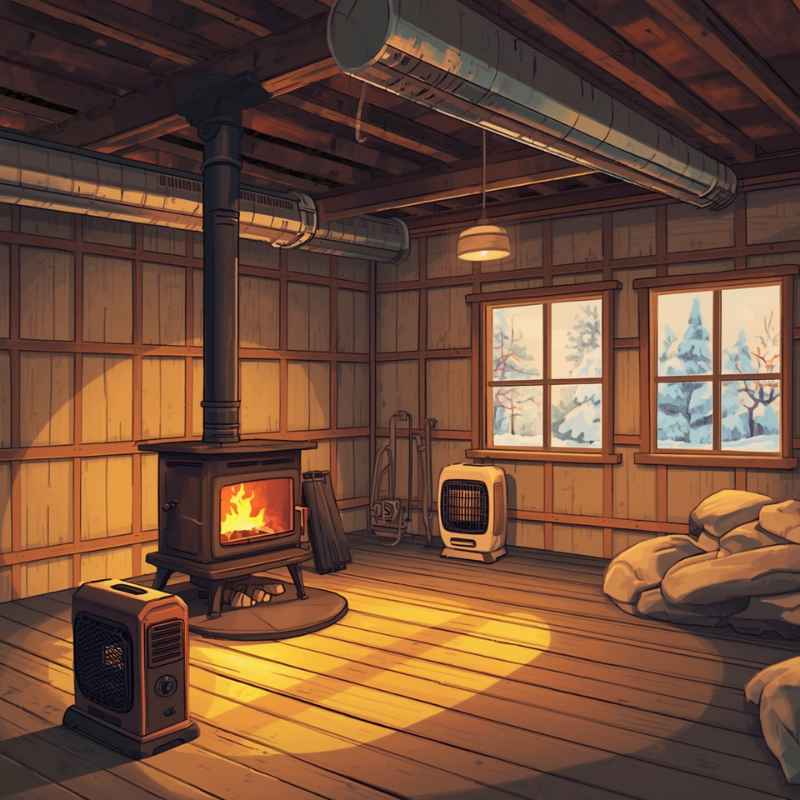
When dealing with a large, uninsulated space, the goal is often not to heat the entire volume of air, but rather to heat the occupants or specific work zones. This approach is far more efficient and cost-effective than trying to achieve a uniform temperature throughout a massive, drafty area. Various heater types offer different advantages depending on your needs.
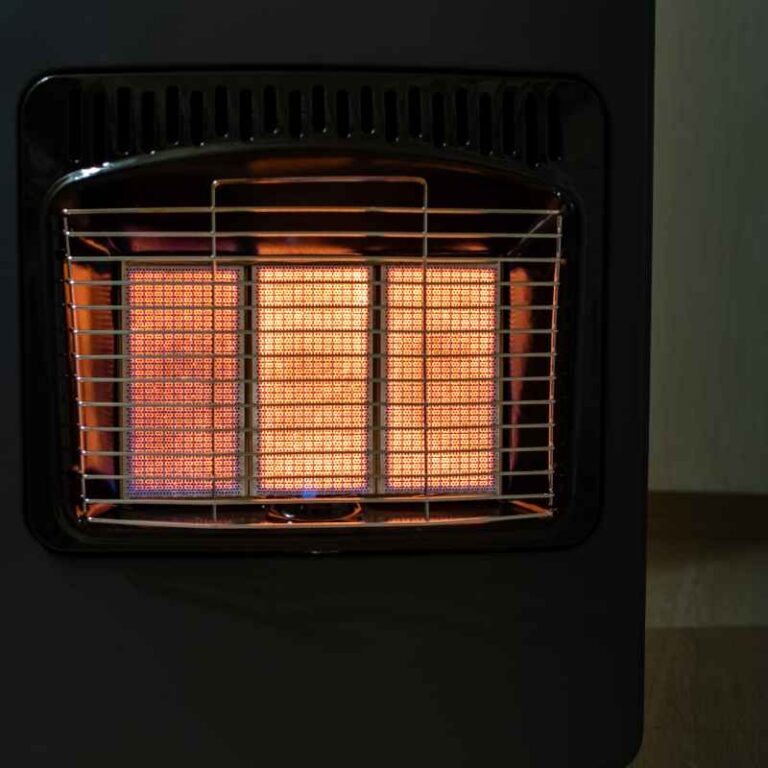
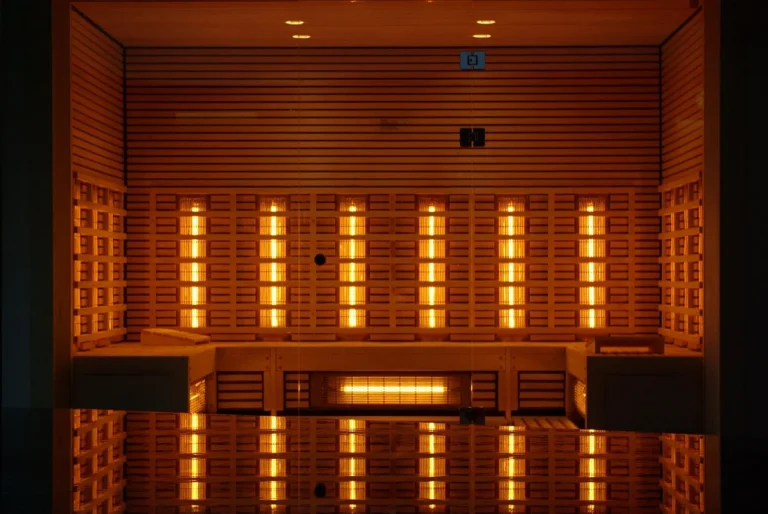
For large, open spaces, radiant heaters are often the most practical. They work by emitting infrared radiation that directly heats objects and people in their path, much like the sun warms you on a cold day. This method bypasses the need to heat the vast volumes of air, which would otherwise be lost quickly through drafts.
Electric infrared heaters and propane/natural gas radiant tube heaters are common choices.
For areas where occupants are more stationary, like a workshop bench or a specific corner of a garage, targeted forced-air heaters can also be effective. These units heat the air and then blow it into the space. However, their efficiency is significantly reduced in poorly sealed environments as the heated air can escape rapidly.
Types of Heaters for Large Uninsulated Spaces
- Infrared (Radiant) Heaters: Emit heat waves that directly warm objects and people. Excellent for spot heating and minimizing heat loss from air. Available as electric, propane, or natural gas models.
- Forced-Air Heaters: Heat air and distribute it using a fan. Can be electric, propane, natural gas, or kerosene-powered. More effective in smaller, better-sealed spaces or for temporary rapid heating.
- Convection Heaters: Heat the air, which then circulates naturally. Generally less powerful and slower to heat large areas, but can be useful for maintaining a low background temperature if the space is reasonably sealed.
- Ceramic Heaters: Often portable electric heaters that use a ceramic element to heat the air. Best for very small, enclosed zones within a larger space.
When to Use Which Heater Type
| Heater Type | Best For | Considerations |
|---|---|---|
| Infrared (Radiant) | Spot heating, workshops, garages, areas with frequent openings | Direct heat, less effective for heating entire room volume evenly. Requires good ventilation if fuel-burning. |
| Forced-Air | Temporary heating of specific zones, when quick air heating is needed. | Heated air escapes quickly; less efficient for large, drafty spaces. Noise can be a factor. |
| Convection | Maintaining a low background temperature in a reasonably sealed large space. | Slow to heat; not ideal for quick temperature boosts or very large volumes. |
Choosing the right heater type is crucial for both comfort and cost-effectiveness in large, uninsulated spaces.
Sealing Drafts and Air Leaks
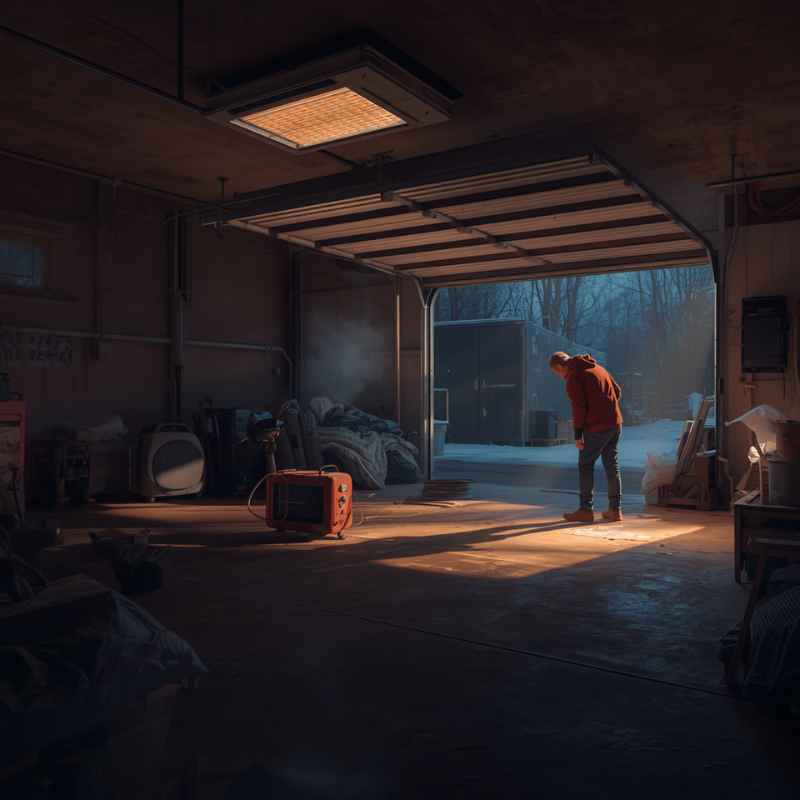
Before you even think about firing up a heater, addressing air leaks is paramount. In an uninsulated space, drafts are often the biggest enemy of warmth. They allow precious heated air to escape and cold outside air to rush in, creating uncomfortable cold spots and forcing your heating system to work overtime.
Focus on the most common culprits: doors, windows, vents, and any penetrations through the walls or roof. Weatherstripping, caulk, and expanding foam are your best friends here. For large doors, consider adding thicker weatherstripping around the perimeter and a draft stopper at the bottom.
For windows, temporary plastic window insulation kits can make a surprising difference by creating an air gap and sealing leaks.
Don’t underestimate the power of simple, low-cost sealing solutions. Even a well-sealed space will lose heat, but reducing drafts by even 20-30% can significantly improve comfort and reduce heating costs. It’s the most fundamental step in managing heat loss in any uninsulated structure.
Key Areas to Seal
- Doors: Especially large garage doors, personal access doors, and any service hatches. Check frames and bottoms.
- Windows: Inspect frames, sills, and the seals between the glass and the frame.
- Vents and Exhausts: Ensure proper seals around any roof vents, chimney penetrations, or dryer vents.
- Wall/Roof Junctions: Look for gaps where walls meet the roof or foundation.
- Utility Penetrations: Seal around pipes, conduits, or cables that enter the building.
DIY Sealing Techniques
- Weatherstripping: Apply foam or rubber strips to the edges of doors and windows that meet their frames.
- Caulking: Use exterior-grade caulk to seal stationary cracks and gaps around window frames, door frames, and where different materials meet.
- Expanding Foam Sealant: Ideal for larger gaps and holes, particularly around pipe penetrations or larger cracks in walls. Use low-expansion foam for windows and doors to avoid warping.
- Draft Stoppers: Place fabric tubes filled with sand or insulation at the bottom of doors to block under-door drafts.
- Window Insulation Film Kits: Apply a plastic film to the inside of window frames and shrink it with a hairdryer to create an insulating air pocket.
Warning: Ensure proper ventilation when using fuel-burning heaters (propane, natural gas, kerosene) in uninsulated spaces. Inadequate ventilation can lead to the buildup of carbon monoxide, a dangerous and potentially fatal gas. Always follow the manufacturer’s safety guidelines.
Maximizing Insulation Efforts
While complete insulation of a large structure might be a significant investment, there are incremental steps you can take to improve its thermal performance. Even partial insulation can make a noticeable difference in heat retention and the effectiveness of your heating system. Prioritize areas that experience the most heat loss.
For large spaces like garages or workshops, insulating the roof or ceiling is often the most impactful step. Heat rises, so preventing it from escaping through the roof is crucial. You can often install fiberglass batts or rigid foam boards yourself.
Walls can be more challenging but are still a worthy consideration, especially if specific zones within the space are regularly occupied.
Think about temporary or DIY insulation solutions as well. Hanging heavy thermal blankets or curtains across large openings or dividing the space can help contain heat in a smaller, more manageable zone. Even adding reflective insulation behind existing structures can help reflect heat back into the room.
Prioritizing Insulation Projects
- Roof/Ceiling: Highest priority due to heat rising.
- Exterior Walls: Especially those facing prevailing cold winds.
- Garage Doors: Adding insulation panels or kits can significantly reduce heat loss.
- Large Openings: Consider heavy thermal curtains or temporary partitions.
- Floors: Particularly if they are on concrete slabs or over unheated spaces.
DIY Insulation Materials and Methods
- Fiberglass Batts: Common and relatively inexpensive, available in various R-values. Requires protective gear to install.
- Rigid Foam Boards: Offer high R-values per inch and are easier to handle for walls and ceilings. Can be cut to fit around obstructions.
- Spray Foam Insulation: Provides excellent air sealing and insulation, but is typically a professional installation job for large areas. DIY kits are available for smaller spots.
- Reflective Insulation: Consists of a reflective surface (like foil) with a layer of air or foam bubbles. Best installed with an air gap to be effective.
- Heavy Thermal Blankets/Curtains: Cost-effective temporary solution for blocking off large areas or windows.
Efficient Energy Sources and Heating Strategies
The energy source for your heater directly impacts operating costs. For large spaces, especially if they are used intermittently, exploring options beyond standard electric resistance heating can be beneficial. Propane and natural gas heaters often provide more heat output for a lower cost per BTU compared to electricity, but require a fuel source and proper ventilation.
Consider the usage pattern of your space. If you only need heat for a few hours a day or only in specific zones, using a powerful but efficient radiant heater for targeted heating will be more cost-effective than trying to maintain a warm ambient temperature in the entire space. Smart thermostats or timers can also help automate heating, ensuring the space is warm when you need it and cooler when you don’t, saving significant energy.
Combining heating strategies can also be effective. For example, using a radiant heater for direct warmth while simultaneously implementing draft-proofing measures to retain that heat. The goal is to heat what you need, when you need it, and prevent that heat from escaping.
Energy Source Comparison
| Energy Source | Pros | Cons |
|---|---|---|
| Electricity | Widely available, clean at point of use, easy to control. | Can be expensive per BTU, especially for resistance heating. Limited output for very large spaces without special wiring. |
| Propane/Natural Gas | High heat output, generally lower operating cost per BTU than electricity. | Requires fuel storage (propane) or direct line (natural gas). Needs proper ventilation to prevent CO buildup. Initial unit cost can be higher. |
| Kerosene | Portable, high heat output, good for temporary use. | Fuel odor can be strong. Requires ventilation. Fuel can be more expensive than propane/NG. |
Understand your local energy costs and availability when making your choice.
Smart Heating Strategies
- Zoning: Divide the large space into smaller, heated zones using temporary walls or heavy curtains.
- Timer Controls: Use timers or smart thermostats to schedule heating only during occupied or needed times.
- Spot Heating: Employ radiant heaters to directly warm people or workstations, rather than the entire room.
- Heat Recirculation: If using forced air, ensure fans are set to recirculate air and help distribute warmth evenly.
- Passive Solar Gain: Maximize any natural sunlight by keeping windows clear during sunny days.
Utilizing Fans for Heat Distribution
Even with radiant heaters, air movement can play a crucial role in distributing warmth evenly. Ceiling fans, when reversed to blow air upwards, can gently push warmer air that collects at the ceiling back down towards the occupied level without creating a draft. This is particularly effective in spaces with high ceilings.
Forced-air heaters will naturally circulate air, but the efficiency can be improved by using auxiliary fans to ensure the heated air reaches all corners of the space, especially if there are obstacles or a complex layout. The goal is to create a gentle, continuous circulation of air that prevents stratification – the phenomenon where warm air stays high and cold air stays low.
Remember that fans consume electricity, so use them judiciously. The key is to use them to supplement your primary heating source and improve its effectiveness, not as a primary heating method themselves. Their role is to ensure the heat you generate is utilized efficiently.
How Fans Help Heat Distribution
- De-stratification: Pushing warm air from the ceiling down to the occupied zone.
- Even Temperature: Helping to mix cooler air with warmer air for a more consistent temperature throughout the space.
- Draft Reduction: Gentle air movement can sometimes mitigate the feeling of direct drafts by mixing air.
- Boosting Heater Efficiency: Ensuring heated air reaches intended areas more quickly.
Fan Settings and Types
- Ceiling Fans: Reverse direction to run clockwise at a low speed. This pushes air up, circulating it down the walls.
- Portable Fans (Box, Pedestal): Position strategically to direct air towards occupied areas or to create airflow patterns that aid heat circulation.
- Industrial Fans: For very large spaces, larger industrial fans might be necessary to move significant volumes of air.
- Ventilation Fans: Ensure these are off when heating, unless specific safety ventilation is required for fuel-burning appliances.
Maintaining Consistent Temperatures
One of the biggest challenges in uninsulated spaces is maintaining a consistent temperature. Fluctuations can make the space feel colder than it actually is and can be uncomfortable for occupants. Implementing a few simple habits can help smooth out these temperature swings.
Try to minimize opening external doors and windows for extended periods. If you must open them, do so quickly. Using storm doors or vestibules can also create an airlock effect, reducing immediate heat loss.
For spaces that are used regularly, such as a workshop, it’s often more energy-efficient to maintain a lower, consistent background temperature rather than letting the space get very cold and then trying to rapidly heat it up.
Monitoring the temperature with a reliable thermometer is also a good practice. This helps you understand how quickly your space heats up and cools down, allowing you to adjust your heating strategy accordingly. Don’t rely solely on how you feel, as perceived temperature can be influenced by drafts and humidity.
Strategies for Consistency
- Minimize Door/Window Openings: Be quick and mindful when entering or exiting.
- Use Vestibules/Airlocks: If possible, create an intermediate space to buffer temperature changes.
- Establish a Background Temperature: Maintain a low, steady temperature rather than letting it drop to extremes.
- Thermostat Placement: Position thermostats away from direct heat sources or drafts to ensure accurate readings.
- Monitor Temperature: Use a thermometer to track actual temperatures and identify cold spots.
Frequently Asked Questions
What is the most energy-efficient way to heat a large, uninsulated garage?
The most energy-efficient approach is to focus on spot heating with infrared radiant heaters and to thoroughly seal all drafts and air leaks around doors and windows. This method heats occupants directly rather than wasting energy trying to heat the entire air volume, which would escape quickly.
Can I use a space heater in an uninsulated workshop?
Yes, but it’s crucial to choose the right type of space heater. Infrared or radiant heaters are best for workshops as they direct heat onto surfaces and people, minimizing heat loss through air circulation. Ensure adequate ventilation if using a fuel-burning unit.
How much insulation do I need for a large uninsulated building?
While there’s no single answer, for large, uninsulated buildings, any added insulation is beneficial. Prioritize the roof/ceiling, then exterior walls. Aim for the highest R-value you can afford or install, as the more insulation, the less heat will escape.
For a basic improvement, consider R-19 for walls and R-30 for ceilings.
Is it better to heat a large space continuously or intermittently?
For uninsulated spaces, intermittent heating is often more efficient if the space is not occupied constantly. Heat the space only when needed and for the duration required. If the space is used daily for many hours, maintaining a low background temperature can be more efficient than dramatic heating and cooling cycles.
What are the risks of using propane heaters in uninsulated spaces?
The primary risk is carbon monoxide (CO) poisoning due to incomplete combustion and poor ventilation. Propane heaters also consume oxygen. Always ensure there is adequate fresh air exchange and use a CO detector when using fuel-burning heaters.
Final Thoughts
Heating a large, uninsulated space presents unique challenges, but it’s entirely manageable with a strategic approach. By prioritizing sealing drafts, selecting the right type of targeted heater, and considering incremental insulation improvements, you can create a comfortable and functional environment without exorbitant energy costs. Remember that efficiency comes from heating what you need, when you need it, and preventing that heat from escaping.
Sponsored / affiliate links. As an Amazon Associate I earn from qualifying purchases. I may earn additional commission from eligible campaigns.