Best Type of Heaters for a Warehouse or Mechanic Shop
Simply put, the best heaters for warehouses and mechanic shops combine high BTU output, fuel flexibility, and durable construction. Forced air units excel in large spaces, while infrared models offer targeted heating with lower energy waste.
Key Takeaways
- Best type of heaters for a warehouse or mechanic shop depends on space size, insulation, and fuel availability.
- Forced air and radiant heaters are popular for open areas, but infrared models provide efficient spot heating.
- Gas heaters typically cost less to operate than electric ones in large industrial settings.
- Proper ventilation and thermostat controls are critical for safety and energy savings.
- Unit heaters with built-in fan systems circulate warm air evenly across high ceilings.
Factors to Consider When Choosing a Heater
Before investing in any heating system, evaluate your workspace dimensions and typical usage patterns. Warehouses often have high ceilings and poor insulation, which affects heat retention. Mechanic shops face additional challenges due to vehicle exhaust and chemical vapors.
BTU output is the primary metric for capacity. The rule of thumb is about 30-40 BTUs per square foot for insulated buildings, and up to 50-60 BTUs for spaces with minimal insulation. Fuel type also matters—propane, natural gas, or electricity each have distinct cost profiles.
Here are key factors to assess:
- Total square footage and ceiling height
- Climate zone and average winter temperatures
- Ventilation requirements and local building codes
- Number of workers and hourly occupancy
- Existing electrical or gas infrastructure
- Noise tolerance (some units run loudly)
- Maintenance frequency and part availability
Important: Always consult a licensed HVAC professional to calculate exact BTU requirements. Oversized heaters cycle too often, while undersized units run constantly without reaching set temperatures.
Comparing heater types side by side helps narrow down your options. Use the table below to see key differences at a glance.
| Feature | Forced Air | Infrared | Radiant |
|---|---|---|---|
| Heat delivery | Air circulation | Direct radiation | Surface warming |
| Ideal space | Large open areas | Zone heating | Workshops |
| Fuel options | Gas, propane, electric | Electric, propane | Gas, electric |
| Energy efficiency | Moderate | High | Very high |
| Noise level | Moderate to loud | Quiet | Quiet |
| Typical cost range | $500–$2,000 | $300–$1,500 | $400–$1,800 |
This comparison shows that no single heater works for every scenario. Your choice should align with your budget, fuel availability, and heating goals.
Forced Air Heaters: Pros and Cons
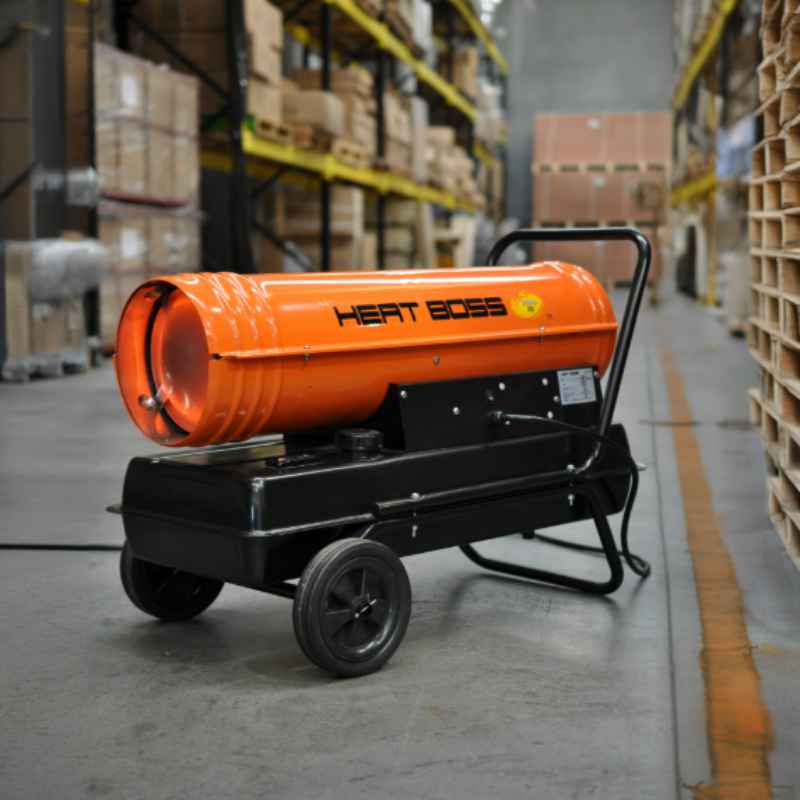
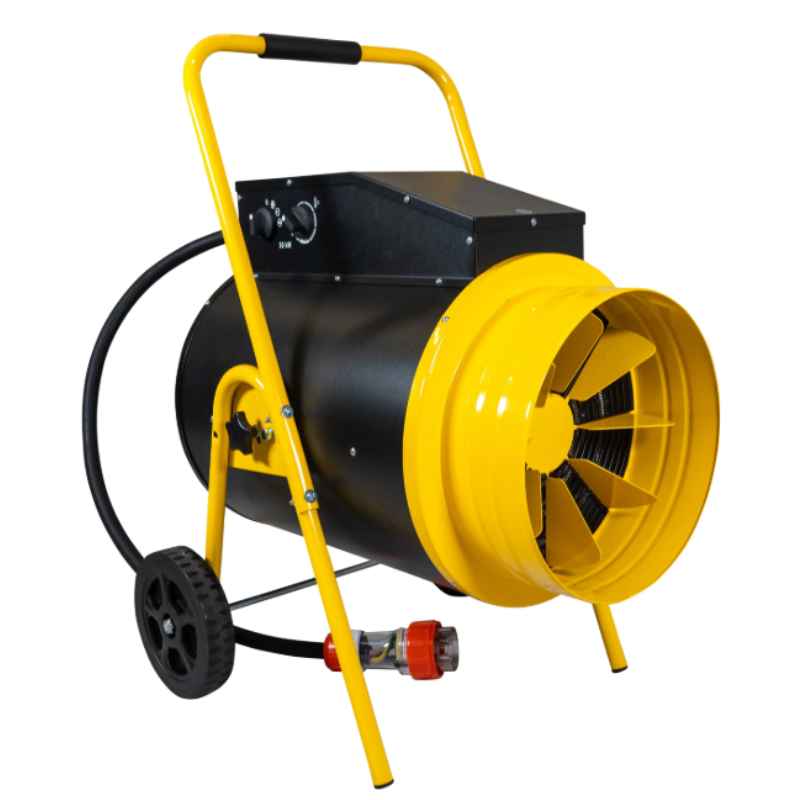
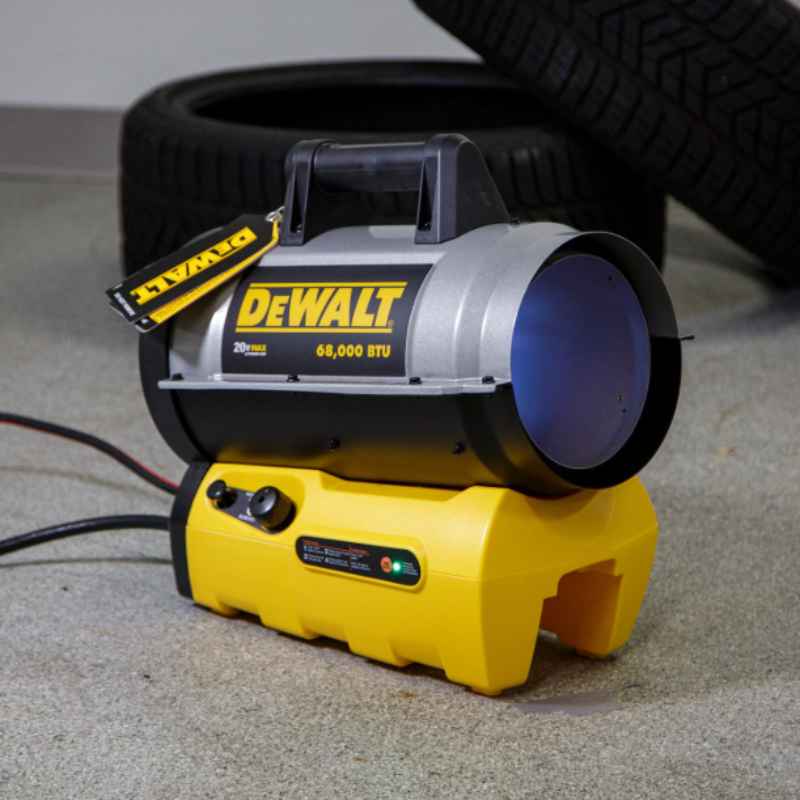
Forced air heaters work by blowing air over a heated element or burner, then distributing it through ducts or directly into the space. They are common in warehouses because they quickly raise the overall temperature in large volumes. According to the U.S.
Department of Energy, forced air systems can heat a 5,000-square-foot area within 30 minutes.
However, these units can be noisy and may stir up dust or fumes in mechanic shops. Units with sealed combustion chambers reduce ventilation risks. Key features include multiple fan speeds, adjustable louvers, and thermal overload protection.
Consider these advantages and drawbacks:
- Fast heat distribution across large areas
- Compatible with programmable thermostats
- Lower initial cost compared to radiant systems
- Requires regular filter changes and duct cleaning
- Can create drafts if not positioned properly
- Not ideal for spaces with flammable vapors
Tip: Install forced air heaters at least 8 feet above the floor to avoid direct contact with materials and improve air circulation.
For mechanic shops, choose models with explosion-proof motors and shutoff valves. The National Fire Protection Association (NFPA) recommends Class I Division 2 heaters in areas where gasoline vapors may be present.
Infrared Heaters: Best for Spot Heating
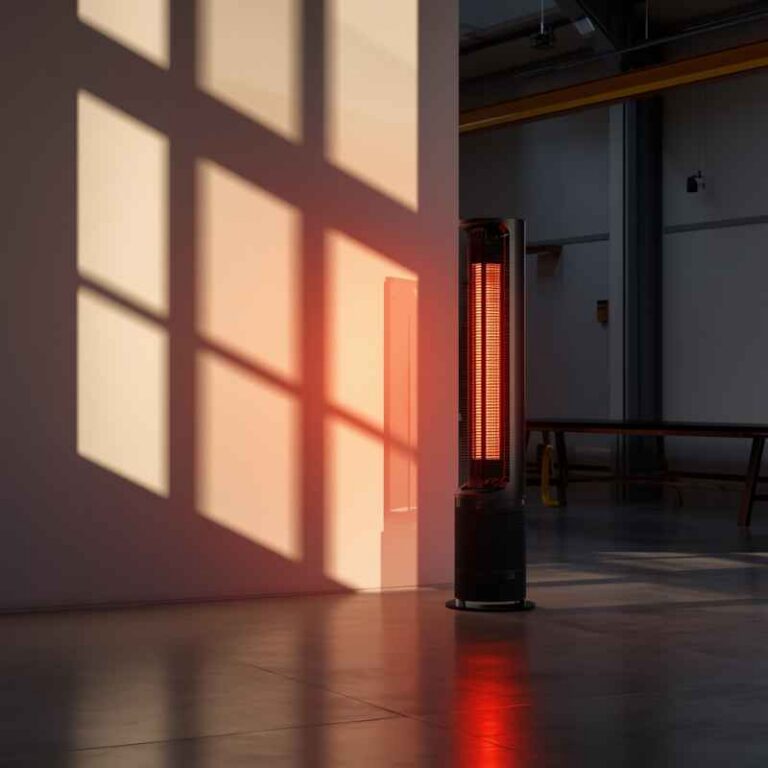
Infrared heaters emit electromagnetic radiation that directly warms objects and people without heating the air first. This makes them highly efficient for drafty spaces like loading docks or repair bays. The International Association of Certified Home Inspectors notes that infrared units can be 20-30% more efficient than forced air in high-ceiling environments.
These heaters work best when positioned close to workstations. They do not circulate airborne contaminants, which is a major advantage in mechanic shops with exhaust fumes. Most models use quartz or ceramic elements that reach operating temperature in seconds.
Key considerations for infrared heaters:
- Place the heater 4–6 feet from workers for maximum comfort
- Use reflectors to direct heat exactly where needed
- Combine with ceiling fans to push warm air downward in colder zones
- Always follow manufacturer clearance guidelines to avoid fire hazards
Infrared heaters also have a longer lifespan—up to 20,000 hours of use—compared to forced air units that might need motor replacements after 5 years.
Gas vs. Electric Heaters: Which One to Choose?
The showdown between gas and electric heaters often comes down to operating costs and infrastructure. Propane and natural gas heaters typically deliver lower BTU costs per hour compared to electric resistance heaters. The Energy Information Administration reports that gas heating is often 50-60% cheaper than electric in industrial settings.
However, electric heaters have lower upfront costs and require no venting or gas lines. This simplifies installation in shops without existing gas supply. Electric units also produce zero emissions, improving indoor air quality.
Compare these aspects directly:
| Factor | Gas Heater | Electric Heater |
|---|---|---|
| Operating cost/heat | $0.08–$0.15 per hour | $0.20–$0.40 per hour |
| Upfront installation | Higher (ventilation needed) | Lower (plug and play) |
| Safety concerns | Carbon monoxide risk | Minor (no combustion) |
| Maintenance | Annual burner cleaning | Minimal |
| Lifespan | 10–15 years | 15–20 years |
For large warehouses with long heating hours, gas heaters offer better ROI. For smaller shops or spaces with intermittent use, electric heaters provide simplicity and safety.
Installation and Safety Considerations
Proper installation is non-negotiable for safe operation. Gas heaters require venting to expel carbon monoxide outside, while electric units need dedicated circuits to avoid overloading panels. Always hire a certified electrician or plumber for hookups.
Safety standards like OSHA regulations mandate clearance zones around heaters. Flammable materials must be kept at least 3 feet away from all heat sources. Ceiling-mounted units should have safety chains to prevent falls.
Follow these steps for safe setup:
- Review local building codes for heater clearance and exhaust requirements
- Install carbon monoxide detectors near gas heaters in mechanic shops
- Use thermal overload switches that shut off the unit if it overheats
- Schedule annual inspections for dust buildup on burners and coils
- Label emergency shutoff valves in accessible locations
Warning: Never use unvented propane heaters in enclosed mechanic shops. They can deplete oxygen and produce dangerous levels of carbon monoxide.
The Occupational Safety and Health Administration reports that proper heater placement reduces workplace injury risks by up to 40%. Invest in guards and shields for floor-mounted units.
Cost Analysis and Long-Term Savings
Total cost of ownership includes purchase price, fuel, maintenance, and lifespan. A typical forced air gas heater costs $800–$1,500 and uses $300–$500 in fuel annually for a 3,000-square-foot warehouse. Electric units of similar capacity cost less upfront but may triple annual energy bills.
Infrared heaters, while more efficient, have higher purchase costs—$600–$1,200 per unit. However, their targeted heating can cut overall energy use by 25-30% compared to forced air systems. The Department of Energy estimates that proper insulation and radiant heating combined can reduce warehouse heating expenses by 40%.
Here is a simple cost breakdown for a 5,000-square-foot shop using average rates:
| Heater Type | Initial Cost | Annual Fuel Cost | 5-Year Total |
|---|---|---|---|
| Forced air gas | $1,200 | $400 | $3,200 |
| Infrared electric | $1,800 | $300 | $3,300 |
| Radiant gas | $2,000 | $350 | $3,750 |
Long-term savings come from proper sizing and zoning. Use multiple smaller units instead of one large heater to heat only active work areas.
What Is the Best Type of Heater for High-Ceiling Warehouses?
High ceilings—often 20 to 40 feet—cause heated air to rise and stratify. This makes forced air systems less efficient because they must work harder to push warm air downward. Radiant and infrared heaters bypass this problem by heating surfaces directly rather than the air.
For very tall spaces, consider radiant tube heaters. These units use a gas burner to heat a metal tube that emits infrared energy. The Energy Information Agency found that radiant tube heaters reduce stratification losses by up to 50% compared to forced air.
Ideal solutions for high ceilings include:
- Low-intensity infrared tube heaters for even coverage
- High-intensity infrared units for spot heating at loading docks
- Ceiling-mounted forced air heaters with vertical discharge
- Destratification fans combined with any heater type
What Are the Safety Standards for Mechanic Shops?
Mechanic shops face unique risks from flammable liquids, solvents, and battery fumes. Heaters must be rated for the specific hazard class of the area. The National Electric Code (NEC) Article 511 applies to commercial garages and requires Class I Division 2 equipment in spaces where gasoline vapors may accumulate.
Key safety standards for mechanic shop heaters include:
- Heaters must have sealed electrical components to prevent spark ignition
- All units must be kept away from floor drains where fumes collect
- Automatic shutoff valves should be installed if gas detection fails
- Regular inspection of gas lines for leaks using soap-and-water tests
- Maintain clear exit pathways around all heating equipment
The Occupational Safety and Health Administration also mandates that heaters in garages have a minimum clearance of 18 inches from combustible materials. Post safety signs near each unit.
How to Maintain Your Warehouse Heater for Peak Performance
Routine maintenance extends heater life and prevents costly breakdowns. For gas units, clean burners and heat exchangers annually to ensure efficient combustion. Electric heaters require checking electrical connections and thermostat calibration every season.
Follow this maintenance checklist:
- Turn off power or gas supply before any cleaning
- Vacuum dust and debris from intake grills and vents
- Inspect belts and motors for wear on forced air models
- Replace air filters every 3 months—more often in dusty shops
- Test safety controls like thermal cutoffs and pressure switches
- Lubricate fan bearings to reduce noise and drag
Tip: Keep a log of maintenance dates and part replacements. This helps track efficiency trends and warranty claims.
Most manufacturers recommend professional servicing every 2 years. For shops running heaters 12 hours daily, increase service frequency to annually.
Frequently Asked Questions
What size heater do I need for a 10,000-square-foot warehouse?
You typically need 300,000 to 400,000 BTUs for that space, assuming average insulation. Always add 10% for uninsulated areas or extreme climates. Divide this total among multiple units for zone control.
Can I use a portable heater in a mechanic shop?
Yes, but only if it is listed for commercial or industrial use. Consumer-grade portable heaters lack safety features like tip-over shutoff and spark-proof enclosures required for garage environments.
How much does it cost to run a warehouse heater per month?
Costs vary widely. A 150,000 BTU gas heater running 10 hours daily may cost $300–$500 per month at current rates. Electric models for the same output can triple that cost.
What is the most energy-efficient heater for a warehouse?
Infrared and radiant heaters are the most efficient because they heat objects directly without warming the entire air volume. They are ideal for tall spaces and intermittent use.
Do I need a carbon monoxide detector with gas heaters?
Absolutely. Install detectors at waist height near heater intake areas and in sleeping quarters if present. Test them monthly and replace batteries annually for safety.
Final Thoughts
Choosing the best type of heaters for a warehouse or mechanic shop requires balancing BTU output, fuel type, and safety compliance. Forced air units work well in open warehouses, while infrared heaters excel in drafty mechanic bays. Always prioritize ventilation and professional installation to protect workers and equipment.
Invest in the right system today to keep your workspace warm and productive for years ahead.
Sponsored / affiliate links. As an Amazon Associate I earn from qualifying purchases. I may earn additional commission from eligible campaigns.