When Did Heaters Start Having Emergency Shutoffs?
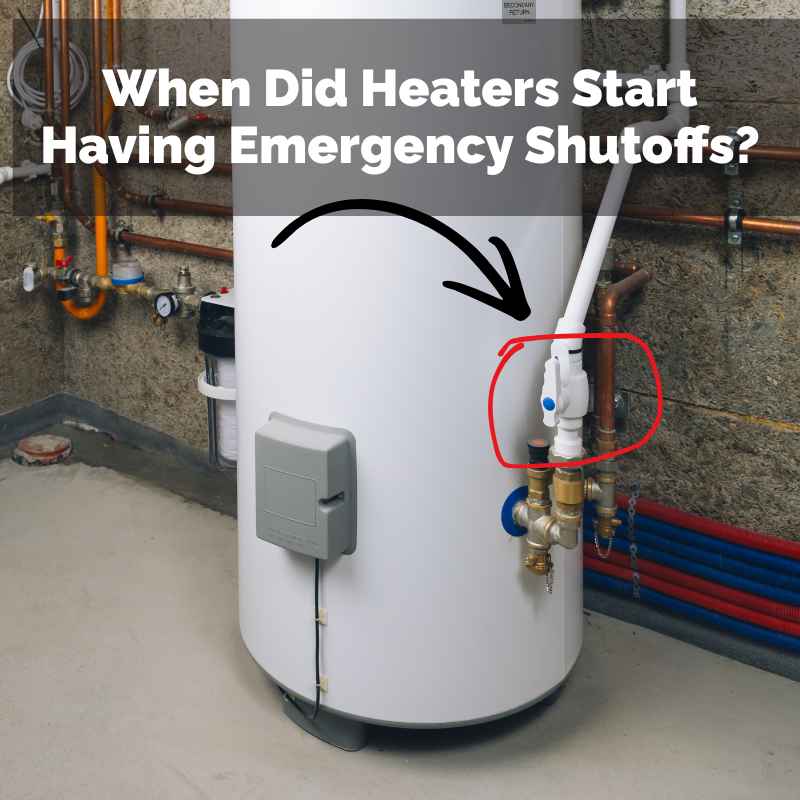
Heaters started commonly featuring emergency shutoff mechanisms in the late 20th century. This was driven by increasing safety regulations and a better understanding of potential hazards like carbon monoxide leaks and overheating. Early versions might have been simpler, but they evolved into the sophisticated systems we see today.
The History of Heater Safety Features
Think about older homes. They might have had heaters that ran without many safety checks. People didn’t know as much about the risks back then. Things like faulty gas lines or overheating could lead to serious problems. Fires were a bigger worry. Carbon monoxide, a gas you can’t see or smell, was also a major concern. This invisible danger can be deadly.
Over time, safety became more important. Experts studied accidents and how they happened. This research led to new ideas. Engineers began designing heaters with built-in safety steps. These steps were meant to stop the heater before a dangerous situation could get worse. It was a slow change. Not all heaters got the upgrades at once.
Why Emergency Shutoffs Are a Big Deal
An emergency shutoff is like a watchdog for your heater. It constantly monitors things. If it senses a problem, it acts fast. It tells the heater to turn off. This prevents potential disasters. Imagine a gas leak. Without a shutoff, the gas could build up. This could lead to an explosion or fire. An emergency shutoff stops the gas flow.
Another issue is overheating. If a heater gets too hot, it can damage itself. It could also start a fire. The shutoff senses this heat. It cuts the power or fuel supply. This stops the heater from getting hotter. It protects your home and the people inside. It also helps the heater last longer.
How Emergency Shutoffs Work
Most heaters have a few main types of sensors. These sensors are key to the shutoff system. One common sensor checks for temperature. It makes sure the heater isn’t getting too hot. This is often a small metal disc or a probe. If the temperature goes above a safe level, it triggers the shutoff.
Another important sensor checks for fuel flow. For gas heaters, this could involve a flame sensor. This sensor checks if the gas is actually burning properly. If the flame goes out but gas is still flowing, that’s a problem. The sensor tells the system to stop the gas. This prevents unburned gas from filling your home.
There are also systems that monitor pressure. Too much pressure can be dangerous. Pressure sensors detect this. They alert the shutoff system to stop the heater. For electric heaters, safety switches might monitor electrical current. If the current is too high or unstable, it can cause a shutoff.
The Evolution of Safety Standards
The push for better heater safety didn’t happen overnight. It was a process involving many people. Government agencies played a big role. In the U.S., groups like the Consumer Product Safety Commission (CPSC) help set standards. They look at product safety. They work with manufacturers.
Manufacturers also have their own engineering teams. These teams are always looking for ways to make products safer. They conduct tests. They research new technologies. They want their products to be reliable and safe for families. Industry groups also help share best practices. This collective effort leads to safer heaters for everyone.
Early Warning Signs and Modern Solutions
Before widespread shutoff features, people relied on other signs. A pilot light that kept going out might be a clue. Strange smells from the heater were also a warning. But these signs weren’t always obvious. And sometimes, problems happened very quickly.
Modern heaters are much smarter. They don’t just wait for a disaster. They have sensors that can detect small issues early. For example, some heaters can tell if the exhaust vent is blocked. A blocked vent can cause dangerous fumes to back up into the house. The shutoff system will detect this. It will turn off the heater.
Personal Experience: A Close Call
I remember one particularly cold winter. I was visiting my parents in their older house. The furnace was making some odd noises. It was a low hum that seemed to get louder sometimes. I also noticed a faint smell, like burnt dust. My dad said it had been doing that for a while. He thought it was just getting old.
One evening, the furnace just stopped. No heat. Silence. We were all a bit worried. My dad went to check it. He found that a small piece of debris had somehow gotten into the main fan. It was causing it to strain and overheat. If it had kept going, he said, it could have easily caught fire. The old furnace didn’t have a sophisticated shutoff. It just died. That experience made me really appreciate the newer heaters. The ones that have these smart safety features. It showed me how easily things can go wrong. And how much those safety systems protect us.
Infographic-Style Section 1: Key Shutoff Triggers
Common Triggers for Heater Shutoffs
High Temperature: Sensor detects the heater is too hot.
Flame Failure: Gas is on, but the flame isn’t lit or goes out.
Vent Blockage: Exhaust gases can’t escape safely.
Pressure Issues: Abnormal pressure levels detected.
Electrical Faults: Problems with the power supply.
The Role of Carbon Monoxide Detectors
While heaters themselves have safety shutoffs, they are not the only safety line. Carbon monoxide (CO) detectors are vital. These devices are separate from the heater. They are placed in homes to detect CO gas. CO is a byproduct of burning fuel. If a heater isn’t working right, CO can be released.
The shutoff on the heater might stop the problem. But it’s not foolproof. CO detectors provide an extra layer of safety. If CO levels rise, the detector sounds an alarm. This tells people to leave the house immediately. It’s important to have working CO detectors on every floor. Especially near sleeping areas.
Infographic-Style Section 2: Shutoff vs. CO Detector
Heater Shutoff vs. Carbon Monoxide Detector
Heater Shutoff
Purpose: Stops the heater if it’s malfunctioning.
Action: Turns off the heater’s fuel or power.
Goal: Prevents fires, explosions, and overheating.
Detection: Internal heater sensors.
CO Detector
Purpose: Detects the presence of carbon monoxide gas.
Action: Sounds a loud alarm.
Goal: Alerts occupants to a dangerous gas leak.
Detection: External gas sensors.
When Heaters Became Standardized
It’s hard to pinpoint one exact year. Safety features evolved over time. But by the 1980s and 1990s, many of these shutoff systems were becoming standard. Especially in new construction. Building codes started requiring them. This was a major step. It ensured that most new homes had safer heating systems.
Older homes might still have heaters without these advanced features. Or they might have older versions of the technology. That’s why regular maintenance is so important. A professional can check the safety systems. They can make sure they are working correctly. They can also advise if an upgrade is needed.
Real-World Context: Different Heater Types
The type of heater also matters. Each type has its own safety concerns. And its own ways of implementing shutoffs.
Gas furnaces are common. They burn natural gas or propane. They have many safety points. The flame sensor is crucial. It ensures the gas is burning. If not, it shuts off the gas supply. Overheating sensors are also standard.
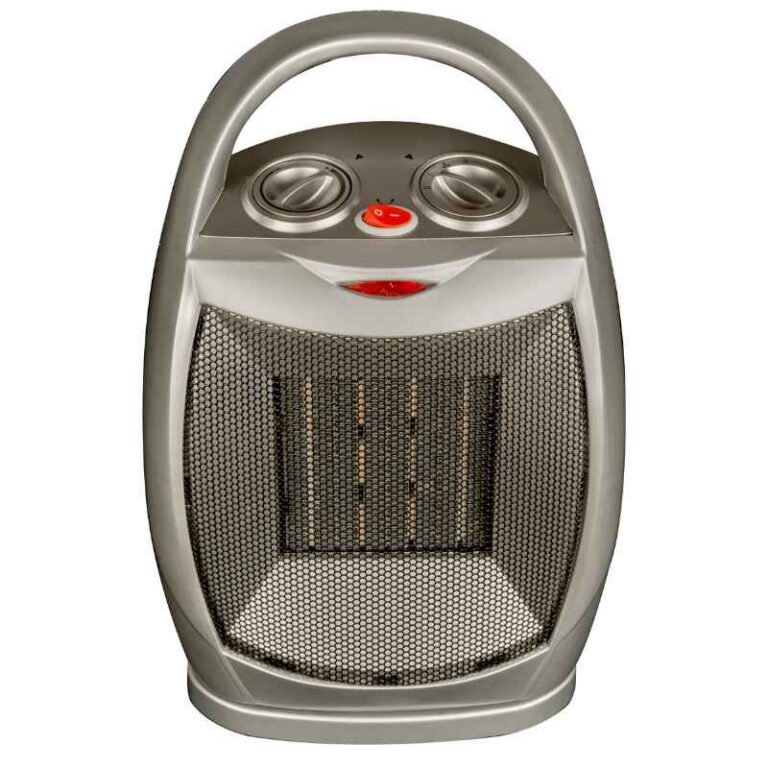
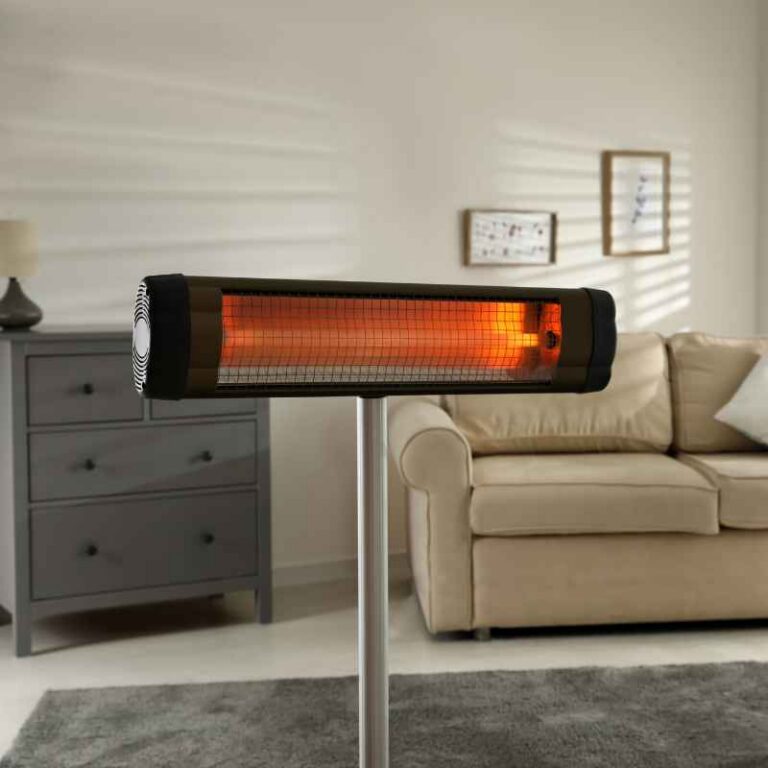
Electric heaters are different. They use electricity to generate heat. They don’t produce carbon monoxide. But they can still overheat. Many electric heaters have thermal cutoffs. These are like automatic circuit breakers for heat. If the heater gets too hot, it cuts the power.
Boilers, used for hot water or steam heat, also have safety features. They monitor water pressure and temperature. High pressure or extreme temperatures will trigger a shutdown.
Wood-burning stoves and fireplaces have fewer automatic shutoffs. Their safety relies more on proper installation and user vigilance. Ensuring good ventilation is key. Keeping flammable materials away is also important.
Infographic-Style Section 3: Heater Type Safety Checks
Safety Checks by Heater Type
Gas Furnace
Primary Concerns: Gas leaks, carbon monoxide, overheating.
Key Shutoffs: Flame sensor, high-limit thermostat, vent blockage sensor.
Electric Heater
Primary Concerns: Overheating, electrical faults.
Key Shutoffs: Thermal cutoffs, tip-over switches (for portable units).
Boiler
Primary Concerns: Overheating, high pressure.
Key Shutoffs: Pressure relief valve, high-limit aquastat.
The Impact of Regulations
Government regulations have had a huge effect. They set minimum safety standards. Manufacturers must meet these standards. This ensures that products sold are reasonably safe. For heaters, regulations often focus on preventing fires and gas leaks.
The U.S. Environmental Protection Agency (EPA) and the Occupational Safety and Health Administration (OSHA) also influence safety indirectly. For example, by promoting energy efficiency. More efficient heaters often have better combustion. This can reduce the risk of issues. Consumer Reports also tests and reviews appliances, including heaters, for safety. Their findings can influence both consumers and manufacturers.
What This Means for Your Home
If you have a newer heater, it likely has emergency shutoff features. This is good news. It means your home has a built-in safety net. But it’s not a reason to be careless. Regular checks are still a must.
When is it normal for a heater to shut off? Sometimes, it might shut off briefly if there’s a power surge. Or if it senses a very minor issue that it corrects. If it happens often, that’s not normal. It means something is wrong.
When should you worry? If your heater shuts off and won’t restart. If you smell gas. If you hear unusual noises. If you see smoke. These are all signs to get professional help immediately. And always have working carbon monoxide detectors.
Simple Checks You Can Do
You can do a few simple things. First, test your CO detectors. Do this monthly. Make sure they have fresh batteries. Check your heater visually. Look for any obvious damage. Dust buildup is common. Gently clean around the vents. But don’t try to fix internal parts.
Listen to your heater. Does it sound different than usual? Write down any strange noises or smells. This information is helpful for a technician. And always keep the area around your heater clear. Don’t store things near it. This reduces fire risk.
Quick Fixes and Tips
It’s important to remember that most heater issues require a professional. You should never try to repair a gas line or electrical component yourself. That’s dangerous. And it can void warranties.
However, there are simple steps you can take. If your heater has a reset button, and it has tripped, try pressing it once. If it trips again immediately, call a technician. For portable electric heaters, ensure they are on a stable surface. And that they are plugged directly into a wall outlet. Avoid using extension cords.
Frequent Questions
When did safety features become common in home furnaces?
Safety features, including emergency shutoffs, became increasingly common in home furnaces throughout the late 20th century, particularly from the 1980s onwards. Building codes and consumer demand for safer appliances drove this trend.
What is the most important safety feature on a gas heater?
The most critical safety feature on a gas heater is often considered the flame sensor or thermocouple. This ensures that gas is only supplied when a flame is present, preventing the release of unburned gas into the home.
Can a heater shut off by itself for no reason?
Heaters don’t usually shut off “for no reason.” If a heater shuts off unexpectedly, it’s a sign that a safety sensor has detected a potential issue. This could be anything from overheating to a problem with the gas supply or airflow.
How often should my heater’s safety systems be checked?
It’s recommended to have your heater’s safety systems checked annually by a qualified HVAC professional during routine maintenance. Also, regularly test your carbon monoxide detectors.
What is a thermal cutoff in an electric heater?
A thermal cutoff is a safety device in electric heaters. It automatically shuts off power to the heating element if the unit overheats. This prevents damage to the heater and reduces the risk of fire.
Are all modern heaters required to have emergency shutoffs?
Yes, in most developed countries, including the U.S., modern heating systems sold must comply with safety standards that include various forms of emergency shutoff mechanisms to prevent hazards.
Conclusion
Heaters have come a long way in safety. The evolution of emergency shutoff features has made our homes much safer. These systems quietly protect us from potential dangers like fires and gas leaks. While they are designed to work automatically, being aware and performing simple checks is still important. Regular maintenance by a pro ensures these vital safety systems are always ready. Stay warm and stay safe!
Sponsored / affiliate links. As an Amazon Associate I earn from qualifying purchases. I may earn additional commission from eligible campaigns.