Solid Vs Engineered Wood: Key Differences You Must Know
You’re standing in a lumber yard, or maybe just browsing online. You need wood for a project. It could be a new shelf, a repair, or even a piece of furniture.
You see terms like “solid wood” and “engineered wood.” What’s the real difference? It feels like a puzzle, and you just want to get it right. That’s totally understandable.
Many people feel the same way. This guide is here to clear up all the confusion.
Understanding Solid Wood vs. Engineered Wood
Solid wood is exactly what it sounds like. It’s a single piece of wood from a tree. Think of an oak table or a pine floor.
This wood has natural grains and looks unique. Each piece is different. It can be beautiful and strong.
It also costs more sometimes.
Engineered wood is different. It’s made by humans. They use wood pieces, fibers, or veneers.
They then glue them together. This creates a stable product. It often looks like real wood.
It can be very strong too. It’s also usually cheaper than solid wood.
The main difference lies in their construction. Solid wood is one solid piece from a tree. Engineered wood is made by combining wood pieces, fibers, or veneers with adhesives to create a composite material.
This affects their stability, cost, and appearance.
What Exactly Is Solid Wood?
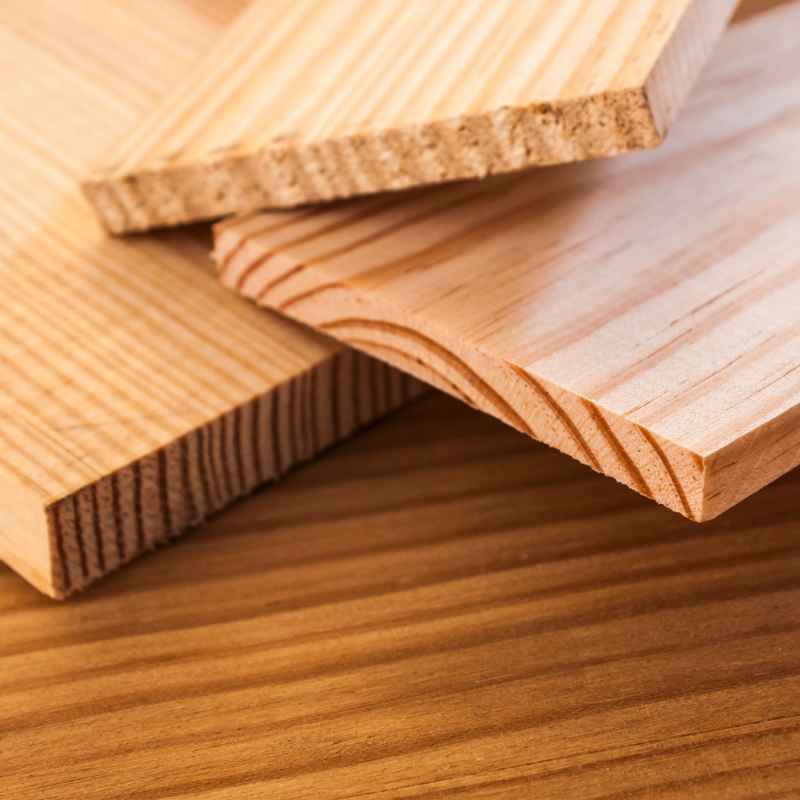
Solid wood comes straight from the tree. It’s cut into planks or boards. There are many types of solid wood.
Some are hard, like oak and maple. Others are soft, like pine and fir. Hardwoods are usually stronger and last longer.
Softwoods are often easier to work with and less costly.
The beauty of solid wood is its natural character. You can see the tree’s growth rings. You might see knots or unique color patterns.
This natural variation makes each piece special. It gives furniture and structures a warm, authentic feel. It can also expand and contract with changes in humidity.
This movement is natural for solid wood. It’s something you have to consider. If not managed, it can lead to warping or cracking.
This is why solid wood furniture might need some care. It’s part of its charm and history. Experts know how to work with this natural behavior.
A Closer Look at Engineered Wood
Engineered wood is a group of products. They are all man-made. They use wood materials in different ways.
Plywood is a common type. It’s made of thin wood layers. These layers are glued together.
The grain runs in different directions. This makes it very strong and stable.
Another type is particleboard. It uses wood chips and sawdust. These are pressed and glued.
It’s not as strong as plywood. It’s also sensitive to moisture. MDF (Medium-Density Fiberboard) is similar.
It uses wood fibers. It’s smooth and good for painting. But it also doesn’t like water.
Veneer is a thin layer of real wood. It’s often glued onto a core material. This core can be particleboard or plywood.
This gives you the look of solid wood. But it’s often more stable and cheaper. It’s a smart way to get a nice finish.
Engineered wood is designed to be stable. It doesn’t change size much with humidity. This makes it good for many uses.
It’s often used in construction. It’s also found in cabinets and flooring. It’s a reliable material for many projects.
Experts often choose it for its consistency.
The Differences in Detail: Strength, Stability, and Cost
Let’s break down the core differences. Strength is one big factor. Solid hardwood is very strong.
It can hold heavy loads. Plywood is also very strong. Its layered structure makes it tough.
Particleboard and MDF are less strong. They can sag or break under weight.
Stability is another key point. Solid wood can warp or swell. This happens when the air gets humid or dry.
Engineered wood is much more stable. Plywood, in particular, resists warping. This makes it great for large panels.
It stays flat and true. This is a major plus for builders.
Cost is often a deciding factor. Solid wood, especially hardwoods, costs more. The process of milling and drying it is intensive.
Engineered wood is generally less expensive. It uses wood waste and simpler processes. This makes it a budget-friendly option for many projects.
You get a lot of material for your money.
When I first started my DIY journey, I learned this lesson the hard way. I wanted to build a simple bookshelf. I chose solid pine because it looked nice.
But I didn’t account for humidity changes in my garage workshop. The shelves started to bow slightly. It wasn’t a disaster, but it taught me a lot about wood behavior.
That’s when I started looking into plywood for more structural needs. It offered the stability I needed without breaking the bank.
The selection of wood depends on the job. For a fine dining table, solid oak might be best. For kitchen cabinets, a good quality plywood might be perfect.
Understanding these trade-offs is key. It helps you pick the right material for your needs. It ensures your project lasts and looks great.
Your budget also plays a role, of course. Always balance quality with cost.
Key Differences at a Glance
Solid Wood vs. Engineered Wood: A Quick View
Solid Wood
Pros: Natural beauty, unique grain, can be refinished many times, strong.
Cons: Can warp/swell, more expensive, some types are prone to scratching.
Best For: Fine furniture, flooring, trim, butcher blocks.
Engineered Wood
Pros: Stable, less prone to warping, often more affordable, consistent quality.
Cons: Cannot be refinished as much, some types are sensitive to moisture, can contain adhesives.
Best For: Cabinet boxes, subflooring, paneling, DIY projects, structural beams.
Where Do You See These Woods Used?
You encounter these woods every day. In your home, solid wood might be your beautiful hardwood floors. It could be the sturdy legs of your dining table.
It’s often used for window frames and door frames. High-end furniture often uses solid wood for its durability and classic look. It’s a material that speaks of quality and tradition.
Engineered wood is everywhere too. Your kitchen cabinets probably use plywood or MDF. The shelves inside them are likely made from these materials.
Your flooring might even be laminate or engineered hardwood. These are designed to look like real wood. They offer a more stable and sometimes cheaper option.
Construction sites rely heavily on engineered wood. Large plywood sheets are used for subflooring. They form the base for your carpets and tiles.
OSB (Oriented Strand Board) is another common engineered wood. It’s used for sheathing walls and roofs. It’s strong and cost-effective for large areas.
Many modern homes are built with a significant amount of engineered wood.
I remember helping a friend renovate their kitchen. They wanted a classic look but had a tight budget. We used solid wood for the cabinet doors.
This gave them the premium feel they desired. But for the cabinet boxes and drawers, we opted for high-quality plywood. This saved them a lot of money.
The end result was stunning and functional. It showed me how smart choices can blend beauty and practicality.
The Environmental Impact: What to Consider
When thinking about wood, it’s good to consider the environment. Solid wood comes from trees. Responsible forestry is important.
Look for wood that is certified by groups like the Forest Stewardship Council (FSC). This means the wood comes from well-managed forests. These forests are replanted and protected.
Engineered wood can be a more sustainable choice. It often uses byproducts of the lumber industry. Things like wood scraps and sawdust can be turned into useful products.
This reduces waste. It also uses fewer large, old-growth trees. However, some engineered woods use adhesives.
It’s good to check for low-VOC (Volatile Organic Compound) options. These are safer for your home’s air quality.
Some people worry about the chemicals used in engineered wood. Modern manufacturing has improved a lot. Many companies offer formaldehyde-free options.
Always check the product labels. Transparency is key. Knowing what’s in the materials you use is important for your health and the planet.
I once toured a facility that made plywood. I was impressed by how they recycled everything. Even the small wood pieces were ground up and used.
They explained their commitment to sustainability. It made me feel better about using their products. It’s not just about the trees.
It’s about the whole process.
Working with Solid Wood: Tips for Success
If you choose solid wood, there are a few things to keep in mind. Before you start cutting or assembling, let the wood acclimate. This means letting it sit in the room where it will be used.
This helps it adjust to the humidity. It reduces the chance of it warping later.
Use the right tools for solid wood. It can be harder to cut than some engineered woods. Sharp blades are a must.
When joining pieces, use strong glues. Screws and nails also work well. For projects where stability is key, like large tabletops, you might need to use joinery techniques.
These techniques help the wood move naturally without causing problems. Expert woodworkers have many tricks for this.
Finishing solid wood is often a joy. You can sand it smooth and apply stains or clear coats. The natural grain will show through.
This gives a rich, deep look. Remember that solid wood can be refinished. If it gets scratched or worn, you can sand it down.
Then you can apply a new finish. This means solid wood pieces can last for generations.
I remember a project where I built a small hope chest. I used solid cherry wood. The smell of the wood alone was amazing.
Sanding it revealed such a beautiful, deep red color. Applying the oil finish made it glow. It felt like I was creating something that would be passed down.
It’s those moments that make working with solid wood so rewarding.
Working with Engineered Wood: Tips for Success
Engineered wood is often easier to work with. Plywood, for instance, is lightweight and stable. It cuts cleanly.
You can get large sheets of it. This makes it great for big projects. MDF is very smooth.
It’s excellent for projects that you plan to paint. You get a perfect, seamless finish.
When using engineered wood, pay attention to the edges. Particleboard and MDF can be damaged easily. They don’t hold screws as well as solid wood or plywood.
You might need to use special anchors or joinery. For plywood, the edge can look layered. You can cover this with veneer tape or wood filler for a cleaner look.
Moisture is the enemy of many engineered woods. Particleboard and MDF will swell and fall apart if they get wet. Even plywood can be damaged if soaked.
Always seal the edges and surfaces of engineered wood. Use a good primer and paint. Or use a waterproof sealant.
This is especially important for kitchen and bathroom projects.
One time, I was building a temporary stage for an event. We needed a large, flat surface quickly. Plywood was the perfect choice.
It was affordable, easy to cut into sections, and very stable. We assembled the whole platform in just a few hours. It held up perfectly for the event.
This showed me the power of engineered wood for practical, large-scale needs.
When to Choose Solid Wood
You should lean towards solid wood when you want the best. If you’re building a fine dining table, you want something that looks amazing and feels substantial. Solid hardwood, like oak, walnut, or cherry, offers that.
It has a natural warmth and beauty that engineered wood struggles to replicate.
For flooring, solid hardwood is often preferred. It can be sanded and refinished multiple times. This means it can last for a century or more.
It adds significant value to a home. It has a timeless appeal. It feels good underfoot too.
If you plan to build something that needs to be very strong and durable, solid wood is a good bet. Think about butcher blocks for kitchens. Or structural beams where extreme strength is needed.
For projects where you want to showcase natural wood grain and character, solid wood is the way to go. It’s a choice for longevity and classic elegance.
I have a friend who inherited a beautiful antique desk made of solid mahogany. It’s seen many years of use. It has a few dings and scratches.
But they are part of its story. They know they can get it professionally restored. Then it will look almost new again.
That’s the power of quality solid wood. It endures and can be brought back to life.
If mahogany like that catches your eye for a project, see how it compares to oak on cost and durability in our mahogany vs oak comparison.
When to Choose Engineered Wood
Engineered wood is a smart choice when budget is a concern. Or when stability is more important than natural grain. Plywood is excellent for cabinet boxes.
It’s strong and holds screws well. It’s also good for drawer sides and bottoms. It gives you a sturdy structure without the high cost of solid wood.
For subflooring, plywood or OSB are standard. They provide a stable, flat base for your finished floor. They are designed to handle the stresses of construction.
They are also cost-effective for covering large areas.
If you need a smooth surface for painting, MDF is ideal. Think of doors, trim, or decorative panels. It takes paint beautifully.
It doesn’t have the grain patterns that can show through paint on wood. It provides a clean, modern look.
Engineered wood is also great for large projects where warping is a risk. Like large wall panels or built-in shelving that spans many feet. Its stability means it will stay put.
It won’t sag or twist over time. This makes your projects more reliable. It reduces potential callbacks or fixes.
I helped a community center build new benches for their garden. They needed something durable but affordable. We used exterior-grade plywood for the seats and backs.
We sealed it thoroughly to protect it from the weather. It was a cost-effective solution. The benches looked good and served their purpose perfectly.
It proved that engineered wood can be a fantastic practical choice.
Understanding Wood Grades and Quality
Both solid wood and engineered wood come in different grades. For solid wood, grades usually refer to appearance. You might see terms like “Select” or “Standard.” Select grades have fewer knots and imperfections.
Standard grades have more. Higher grades cost more. But they offer a more flawless look.
For engineered wood, grades often relate to strength and intended use. Plywood has different grades for its face and back veneers. There are also structural grades.
These are used in building codes. For MDF and particleboard, quality can vary greatly. Denser, more uniform boards are generally better.
When buying, always inspect the wood. For solid wood, check for straightness. Ensure there are no major cracks or splits.
For engineered wood, look for smooth surfaces. Check for any damage to the edges. Make sure the panels are flat and not warped.
Don’t be afraid to ask the seller questions.
I learned the importance of grades when buying lumber for a fence. I initially went for the cheapest option. It was lower grade pine.
It warped and twisted within months. I ended up having to replace several boards. The second time, I paid a bit more for a better grade.
It held up much better. That experience taught me that sometimes, paying for quality upfront saves you money and hassle later.
Common Misconceptions About Wood Types
One common myth is that engineered wood is always “cheap” or “fake.” While some engineered products are basic, many are high-tech and very durable. High-quality plywood, for instance, is incredibly strong. It’s used in demanding applications.
It’s not a lesser material, just a different one.
Another misconception is that solid wood is always better. While it has unique qualities, it’s not always the right choice. For certain projects, engineered wood offers superior stability and cost-effectiveness.
It’s about picking the right tool for the job. There’s no single “best” wood for everything.
Some people think engineered wood contains harmful chemicals. While this was a concern years ago, standards have improved. Many products are now low-VOC.
Always check the product information. You can find safe and healthy options. It’s important to be informed.
I once spoke to a client who insisted on solid wood for their entire kitchen. They were worried about particleboard. We talked through the pros and cons.
I showed them high-quality plywood examples. They were amazed by its strength and finish. They ended up using a mix.
Solid wood for the visible fronts, and plywood for the inner structures. They were happy with the result and the savings.
How to Care for Your Wood Projects
Caring for solid wood projects often involves gentle cleaning. Use a soft cloth and mild soap if needed. Avoid harsh chemicals.
For wood furniture, occasional waxing can protect the finish. Keep solid wood away from extreme temperature changes and humidity. Use coasters under drinks to prevent water rings.
Minor scratches can often be buffed out.
Engineered wood also needs care, but the focus is different. For items like laminate flooring or veneered cabinets, avoid excessive moisture. Wipe up spills immediately.
Use cleaning products recommended for that specific material. Sometimes, the veneer or laminate can peel if damaged. These areas are harder to repair than solid wood.
Both types of wood benefit from being kept out of direct, harsh sunlight. This can fade finishes over time. Regular dusting and a gentle cleaning routine will help your wood projects last longer.
It’s about simple maintenance, not complicated procedures.
My own kitchen cabinets are made from a high-quality laminate-covered particleboard. They’ve been in my home for ten years. I clean them regularly with a damp cloth and a bit of dish soap.
I’ve been careful not to let water sit on them. They still look great. It shows that with basic care, engineered wood can be very durable too.
What This Means for Your Next Project
Knowing the difference between solid and engineered wood empowers you. You can make informed choices. Consider what the project needs.
Is it for show, like a decorative mantel? Solid wood might be best. Is it for structure, like a large closet system?
Engineered wood might be more practical and affordable.
Think about your budget. Solid wood often means a higher upfront cost. Engineered wood can stretch your money further.
But don’t sacrifice quality entirely. There are different grades and types within each category.
Consider the environment where the project will live. Is it a bathroom where moisture is high? Choose materials that resist water, like exterior-grade plywood or sealed solid wood.
Is it a living room with stable temperature? You have more flexibility.
Always ask yourself: what is the main purpose of this project? What look am I going for? What is my budget?
What level of durability do I need? Answering these questions will guide you to the right wood choice. It’s about finding the perfect balance for your specific needs.
Quick Fixes & Tips
When working with wood, always measure twice and cut once. This old saying is true. It saves you material and time.
Ensure your saw blades are sharp for clean cuts.
For solid wood projects, pre-drilling holes before screwing can prevent splitting. This is especially important near the ends of boards.
If you’re painting engineered wood, use a good primer first. This helps the paint adhere better. It also covers any imperfections.
A smooth primer coat makes a big difference.
When joining wood, use the right glue for the job. Wood glue is very strong. Clamps are your best friend for holding pieces together while the glue dries.
Make sure your clamps apply even pressure.
For projects that need to be extra strong, consider using pocket hole joinery. This is a technique that uses screws at an angle. It creates very strong joints.
Many DIYers find it easier than traditional joinery.
Always wear safety glasses when cutting or sanding wood. Wood dust can be harmful. A dust mask is also a good idea.
Work in a well-ventilated area.
Frequently Asked Questions
Is solid wood always more expensive than engineered wood?
Generally, yes, solid hardwoods are more expensive than most engineered wood products. However, some high-end engineered woods can rival the cost of lower-grade solid softwoods. The type of wood and its grade significantly impact the price for both categories.
Can engineered wood be refinished like solid wood?
It depends on the type of engineered wood. Veneered products can be lightly sanded and refinished once or twice, but the veneer layer is thin. Laminate flooring or purely composite boards like MDF cannot be refinished in the same way as solid wood.
Which type of wood is better for kitchen cabinets?
For cabinet boxes, high-quality plywood is often preferred due to its strength and stability. For cabinet doors, solid wood offers a premium look and feel, while MDF or veneered particleboard can be more budget-friendly and paint well.
Is engineered wood safe for my home’s air quality?
Many modern engineered wood products are manufactured with low-VOC adhesives, making them safer for indoor air. Always look for products labeled as low-VOC or formaldehyde-free to ensure better air quality.
Which wood is best for outdoor projects?
For outdoor projects, you need wood that can withstand moisture and insects. Naturally rot-resistant woods like cedar and redwood are good solid wood choices. For engineered options, exterior-grade plywood or treated lumber are suitable.
Always ensure proper sealing and finishing for outdoor use.
What is the difference between plywood and MDF?
Plywood is made from thin layers of wood veneer glued together with alternating grain directions, making it strong and stable. MDF is made from wood fibers mixed with wax and resin, then pressed into panels. MDF is very smooth and dense, ideal for painting, but less resistant to moisture and impact than plywood.
Final Thoughts
Choosing between solid and engineered wood is about understanding their strengths. Both have their place in our homes and projects. By knowing the differences, you can select the best material.
This leads to projects that are beautiful, functional, and built to last. Don’t be afraid to mix and match. Smart choices lead to great results.
Sponsored / affiliate links. As an Amazon Associate I earn from qualifying purchases. I may earn additional commission from eligible campaigns.