What Is Better: Engineered Wood Or Solid Wood? Full Answer
Choosing new flooring can feel like a big puzzle. You want something that looks great. You also need it to last a long time.
And it should fit your budget. Two popular choices pop up often: solid wood and engineered wood. They sound similar, but they are quite different.
Knowing these differences helps you pick the right one for your home. Let’s break it down so you can make a smart choice.
Solid Wood vs. Engineered Wood: A Clear Comparison
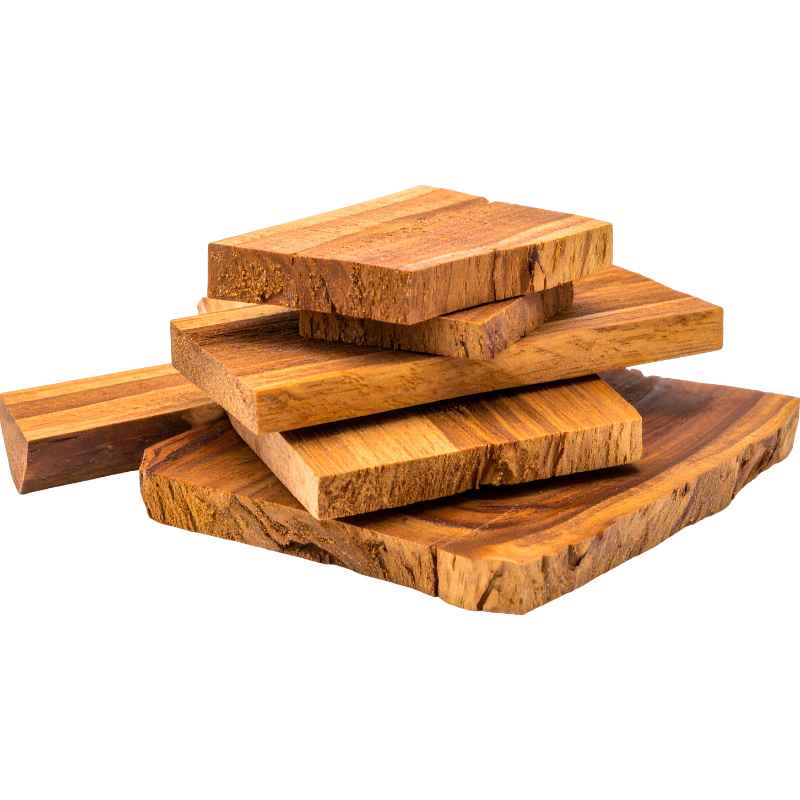
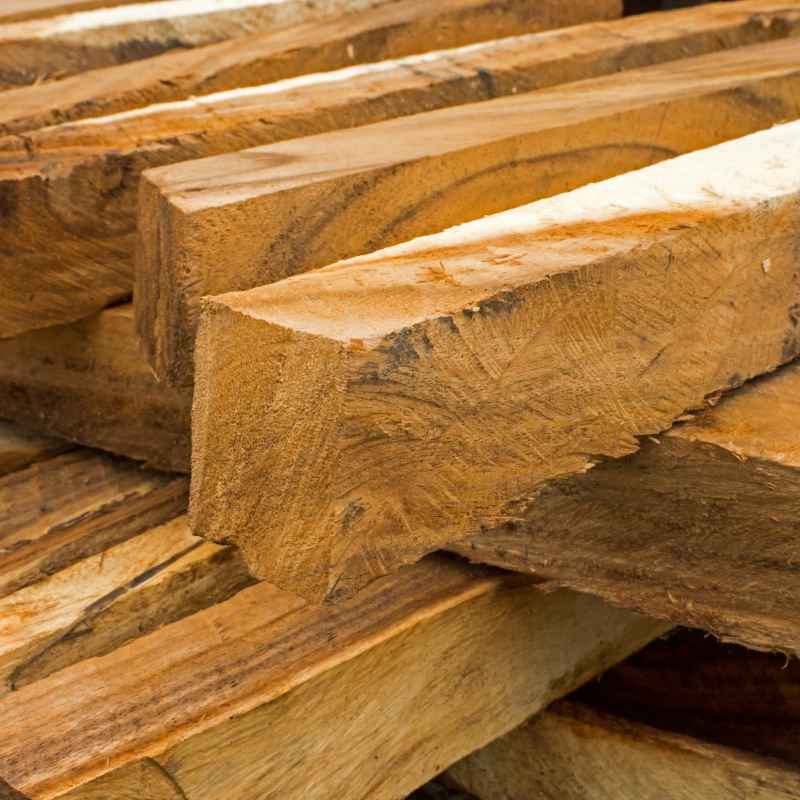
Solid wood flooring is exactly what it sounds like. Each plank is made from one solid piece of hardwood. Think oak, maple, or cherry.
This is the traditional choice for wood floors. It has a classic beauty and a certain warmth.
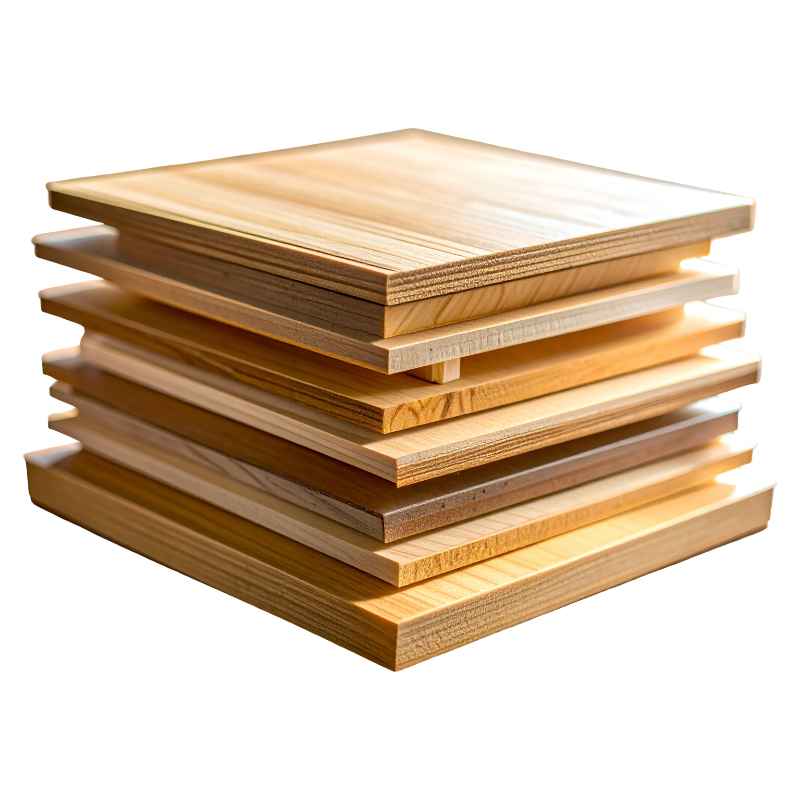
Engineered wood flooring is a bit more complex. It’s made in layers. The top layer, or veneer, is real hardwood.
This is the part you see and touch. Underneath this top layer are several other layers. These are usually made of plywood or high-density fiberboard.
These layers are glued together. They often run in different directions. This layering gives engineered wood more stability.
The main question is: which one is better for you? It really depends on your home and your needs. Both have great points.
They also have some drawbacks. We’ll look at everything you need to know.
My Own Flooring Fiasco
I remember when we bought our first house. It was a fixer-upper. The floors were old and worn.
I dreamed of beautiful hardwood floors. I imagined walking barefoot on smooth, rich oak. I read blogs.
I looked at pictures. Everything pointed to solid wood for that timeless look.
So, we went for it. We picked out the most gorgeous, wide plank solid oak we could find. The installer came.
He worked for days. It looked amazing when he finished. We were so proud.
Then, the first summer hit. Our house had a crawl space. It got humid.
The temperature also changed a lot.
Slowly, I started to notice little gaps between the boards. Then, some boards started to warp slightly. It wasn’t extreme, but it was noticeable.
I felt a knot of panic in my stomach. This was supposed to last forever! The installer said it was normal for solid wood to move with humidity.
I felt so defeated. That’s when I really learned that “beautiful” isn’t always “practical” without considering the conditions.
Engineered Wood: The Layered Advantage
What it is: A real hardwood top layer bonded to multiple core layers.
Why it’s different: The cross-grain construction of the core makes it less likely to expand or contract.
Key benefit: More stable in areas with changing temperatures or humidity.
Understanding the Core Differences
Let’s dive deeper into what makes these two types of flooring distinct. This knowledge is key to making the right pick.
Durability and Stability
This is a big one. Solid wood floors are beautiful, but they can be sensitive. They expand and contract with changes in temperature and humidity.
In a very stable environment, like a basement that’s always cool and dry, solid wood might do just fine. But in a typical home with seasons, this movement can cause issues. Boards might gap open.
They could even cup or crown (bend upwards or downwards).
Engineered wood is much more stable. Because the core layers have wood grains running in different directions, they lock together. This stops the plank from expanding or contracting as much.
Think of it like making a very strong plywood. This makes engineered wood a better choice for areas where moisture and temperature can change. This includes basements, kitchens, and even bathrooms in some cases.
Its stability means fewer worries about gaps or warping.
Solid Wood Flooring: The Classic Choice
Construction: One single piece of hardwood.
Pros: Can be sanded and refinished many times; natural beauty; adds value to a home.
Cons: Sensitive to moisture and humidity changes; can warp or gap; more expensive installation.
Installation Methods
How the flooring is put down also matters. Solid wood floors are usually nailed down. The installer uses a special nail gun.
This gun shoots nails through the bottom of the plank into the subfloor. This creates a very solid bond. However, it requires a wood subfloor.
You can’t nail solid wood directly onto concrete.
Engineered wood offers more flexibility. Many engineered wood floors can be nailed down, just like solid wood. But many others can also be glued down.
Some even have a click-lock system. This means the planks snap together. This floating floor method doesn’t even need glue or nails.
It just rests on top of the subfloor. This makes it a great option for DIYers. It also works well over concrete subfloors.
You can even install it over existing flooring in some cases.
Sanding and Refinishing
This is where solid wood really shines. Because each plank is solid wood all the way through, you can sand it down to bare wood. Then, you can re-stain and re-finish it.
You can do this many times over the years. This means a solid wood floor can potentially last a lifetime. If it gets scratches or wear, you can bring it back to looking new.
Engineered wood can be sanded and refinished too. But there’s a limit. It depends on how thick the top hardwood veneer is.
If the veneer is very thin (say, less than 2 millimeters), you can only sand it once or maybe not at all. If the veneer is thicker (3 millimeters or more), you can usually sand it a couple of times. After that, you’ve sanded through the real wood and hit the core layers.
So, while it can be refreshed, it doesn’t have the same lifelong potential for refinishing as solid wood.
Cost Comparison: Initial vs. Long-Term
Initial Cost: Engineered wood is often less expensive upfront than solid wood.
Installation: Engineered wood can be cheaper to install due to easier methods (like floating floors).
Refinishing: Solid wood’s ability to be refinished many times makes its long-term cost potentially lower than replacing engineered wood.
Lifespan: A well-maintained solid wood floor can outlast multiple engineered wood floors.
The Real-World Impact: Where to Use Each
Thinking about where your flooring will go is super important. This often guides the best choice.
High-Traffic Areas
For busy areas like living rooms, hallways, and family rooms, both can work. However, the wear and tear will be different. Solid wood can handle sanding, so scratches can be fixed.
But deep scratches are still permanent damage.
Engineered wood’s top veneer can scratch too. The thickness of this veneer matters a lot here. A thicker veneer will hold up better to daily use.
Also, some engineered woods come with harder top layers. These resist scratches and dents better than softer solid woods.
Kitchens and Bathrooms
These rooms are the biggest challenge for flooring. They often have moisture. There can be spills.
Solid wood is generally not recommended for kitchens and bathrooms. Its sensitivity to moisture can lead to rapid damage. Warping, swelling, and mold growth are real risks.
Engineered wood is a much better option here. Its stable construction means it can handle minor spills better. Many engineered woods are finished with protective coatings that resist water.
However, you should still clean up spills quickly. Even engineered wood isn’t waterproof. Always check the manufacturer’s warranty for specific room recommendations.
Basements
Basements are often cooler and can be more humid. They can also have concrete subfloors. Solid wood is usually a bad idea for basements.
The constant potential for moisture is a problem. Plus, you can’t nail solid wood to concrete.
Engineered wood is a fantastic choice for basements. Its stability is a huge plus. Many engineered floors can be glued down or floated over concrete.
This gives you the look of hardwood without the moisture worries. Again, check for specific water resistance ratings if you’re concerned about flooding.
Quick Scan: Room Suitability
- Living Room: Solid or Engineered (both good, depends on stability needs)
- Kitchen: Engineered (much better due to moisture)
- Bathroom: Engineered (best option, but be careful with water)
- Bedroom: Solid or Engineered (either works well)
- Basement: Engineered (highly recommended)
- Hallway: Solid or Engineered (consider traffic and stability)
Appearance and Feel
Both solid wood and engineered wood use real hardwood for their top layer. So, visually, they can look very similar. The species of wood (oak, maple, walnut) and the finish (stain color, sheen) will be the same for both.
The feel underfoot can also be similar. When you walk on a plank of either type, you’re stepping on real wood. The slight give or hardness will depend more on the wood species and the underlayment than on whether it’s solid or engineered.
However, there’s a nuance with very thin engineered veneers. Sometimes, if the veneer is extremely thin, it might feel slightly less substantial than a thick solid wood plank. This is rare, though.
For most people, the visual and tactile experience is nearly identical.
Wood Species and Grain
The type of wood you choose greatly impacts the look. Oak is very popular. It has a strong, visible grain pattern.
Maple is smoother and lighter. Walnut is darker and richer. Cherry deepens in color over time.
With engineered wood, the top veneer is from these same species. The grain pattern you see is natural hardwood. The way the wood is cut also affects the grain.
Plainsawn oak will have more varied, “cathedral” patterns. Quartersawn oak will have straighter, tighter grain lines.
The way the wood is constructed in engineered floors can sometimes influence how the grain looks across multiple planks. For instance, the core layers might affect how the veneer sits or how color variations appear over time compared to a single solid piece.
Cost Breakdown: What to Expect
Let’s talk money. This is often a deciding factor for many homeowners. Generally, engineered wood is less expensive than solid wood.
This applies to both the material cost and sometimes the installation cost.
Material Costs
On average, you might see solid wood flooring costing anywhere from $4 to $12 per square foot. This can go higher for exotic woods or premium grades. Engineered wood often starts around $3 per square foot and can go up to $10 or more for high-end options.
Why the difference? The manufacturing process for engineered wood can be more efficient. It uses less of the most expensive hardwood for the visible layer.
It also uses materials that might otherwise be considered waste in solid wood production.
Installation Costs
Installing solid wood usually requires a professional. It involves nailing the planks down. This takes skill and specialized tools.
Professional installation for solid wood might cost $4 to $9 per square foot.
Engineered wood installation can sometimes be cheaper. If it’s a click-lock or glue-down system, a skilled DIYer might tackle it. Professional installation for engineered wood might range from $3 to $7 per square foot.
This is often less than solid wood, especially if it’s a floating floor.
Long-Term Value
This is where the cost picture gets more complex. A solid wood floor, if well-maintained and refinished over time, can last for decades, even a century. Its ability to be renewed means its long-term cost of ownership can be very low.
Engineered wood has a lifespan tied to its veneer thickness. If the veneer is thin, it might need replacing sooner than a solid wood floor can be refinished. If you buy a high-quality engineered floor with a thick veneer, it can last a very long time.
But you can typically only refinish it once or twice. So, while the initial cost is lower, the long-term cost might be higher if you have to replace it sooner.
Cost Factors to Consider
- Wood Species: Oak is common and affordable. Exotic woods like teak or Brazilian cherry are much more expensive.
- Veneer Thickness (Engineered): Thicker veneers cost more but allow for more refinishing.
- Plank Width: Wider planks often cost more per square foot.
- Finish: Pre-finished floors can be more expensive upfront but save on installation labor.
- Brand Reputation: Well-known brands may cost more.
- Subfloor Condition: If the subfloor needs repair, this adds to the total project cost.
Maintenance and Care
Keeping your wood floors looking good involves similar practices for both types, but with some key differences in what to watch out for.
Daily Cleaning
Both solid and engineered wood floors benefit from regular sweeping or vacuuming. Use a soft brush attachment on your vacuum cleaner. This helps pick up dirt and grit without scratching the finish.
For spills or sticky spots, use a slightly damp cloth or a mop specifically designed for wood floors. Never use excessive water. Water is the enemy of wood flooring.
It can seep between boards and cause swelling or damage the finish.
Deep Cleaning and Refinishing
For solid wood, deep cleaning can involve professional sanding and refinishing. This process removes the old finish and any minor scratches. It’s like giving your floor a new life.
As mentioned, you can do this many times.
For engineered wood, deep cleaning means using manufacturer-approved wood floor cleaners. If the veneer is thick enough, you can get it professionally screened and re-coated, or lightly sanded and refinished. This is a less aggressive process than sanding solid wood.
It preserves more of the veneer thickness.
What to Avoid
Always use furniture pads under chairs and tables. This prevents scratches from movement. Avoid walking on your floors in high heels or cleats.
They can dent or scratch even the hardest wood.
Never use harsh chemicals, steam mops, or excessive water on either type of wood floor. Steam mops, in particular, can force moisture deep into the wood and damage the glue bonds in engineered floors. Always check the manufacturer’s care instructions.
They will tell you exactly what products and methods are safe for their flooring.
Care Tips for Both Types
- Sweep/Vacuum Daily: Remove grit that can scratch.
- Wipe Spills Immediately: Water and wood don’t mix.
- Use Doormats: Trap dirt and moisture at entrances.
- Use Furniture Pads: Protect against scratches from moving furniture.
- Avoid Steam Mops: Too much moisture can cause damage.
- Use Manufacturer-Approved Cleaners: Different finishes need different care.
Expert Opinions and Recommendations
Industry experts often weigh in on this debate. For general home use, especially in areas with changing weather patterns, they often lean towards engineered wood. The stability factor is a major selling point.
For historic homes or for people who prioritize the absolute longest lifespan and the ability to truly restore a floor, solid wood remains the classic choice. If you plan to live in your home for many decades and want the option to refinish it multiple times, solid wood is hard to beat.
However, the quality of engineered wood has improved dramatically. Many high-end engineered floors offer a beautiful, durable surface that can last for 20-30 years or more, even with a couple of refinishes if the veneer is thick enough. The key is to choose a reputable brand and a product with a substantial veneer layer.
When consulting with flooring professionals, they often ask about your home’s climate, where the flooring will be installed, and your budget. They might also ask about your lifestyle – do you have pets? Young children?
These factors help them guide you to the best material.
What This Means for Your Home
So, what’s the takeaway for your specific situation? Consider these points.
When Solid Wood Might Be Your Best Bet
- You live in a climate with very stable humidity and temperature.
- You want the absolute longest possible lifespan for your flooring, with multiple refinishing opportunities.
- You are installing over a wood subfloor.
- You prioritize the traditional, timeless appeal and don’t mind potential maintenance.
- Your budget allows for higher upfront costs and potentially more involved installation.
When Engineered Wood Is Likely the Smarter Choice
- You live in an area with significant seasonal changes in humidity and temperature.
- You want to install flooring in a basement, kitchen, or other area prone to moisture.
- You are installing over a concrete subfloor.
- You are looking for a more budget-friendly option upfront.
- You want more installation flexibility, possibly even DIY options.
- You are happy with a floor that can be refreshed once or twice.
My own experience taught me that my desire for solid wood needed to be balanced with the reality of my home’s environment. If I had chosen engineered wood for that first house, I likely would have had fewer worries about those warping boards.
Your Quick Fixes and Tips
Here are some simple tips to help you decide and manage your wood floors.
Test the Environment
Before buying, check your home’s humidity. You can get a small, inexpensive hygrometer. If your humidity fluctuates wildly (say, below 30% in winter and above 60% in summer), engineered wood will likely be more forgiving.
Look at the Veneer Thickness
If you’re leaning towards engineered wood, ask about the veneer thickness. A veneer of 2mm or less is considered thin and might only be refinished once, if at all. A veneer of 3mm or more is much better and allows for a couple of refinishes.
Understand the Warranty
Always read the warranty for both solid and engineered wood. It will tell you what conditions the manufacturer covers and what they don’t. It will also specify recommended installation areas.
Consider Installation Experts
Even if you’re handy, a professional installer can spot potential issues with your subfloor or installation site. They have the right tools for a perfect finish. For complex jobs or high-end materials, professional installation is often worth the cost.
Decision Helper: Key Questions to Ask Yourself
1. Where will the floor be? (Kitchen, basement, living room?)
2. What’s my climate like? (Stable or fluctuating humidity/temp?)
3. How long do I want this floor to last? (20 years, 50 years, 100+ years?)
4. What’s my budget? (Upfront cost vs. long-term cost)
5. How much maintenance am I willing to do? (Refinishing, careful cleaning?)
6. Will I install it myself? (Some engineered floors are DIY-friendly)
Frequently Asked Questions
Can engineered wood floors be refinished?
Yes, engineered wood floors can be refinished, but the number of times depends on the thickness of the top hardwood veneer. Thin veneers might only be refinished once, or not at all. Thicker veneers (3mm or more) can typically be refinished two or three times.
Always check the manufacturer’s specifications.
Is solid wood flooring more expensive than engineered wood?
Generally, solid wood flooring is more expensive than engineered wood. This applies to both the material cost and often the installation cost. However, the long-term value can be comparable if solid wood is well-maintained and refinished over many years.
Which type of wood flooring is better for kitchens?
Engineered wood flooring is typically a better choice for kitchens. Its layered construction makes it more stable and resistant to changes in humidity and minor spills compared to solid wood. Solid wood is very sensitive to moisture and can swell or warp in kitchens.
Can I install wood flooring in a basement?
Engineered wood flooring is highly recommended for basements due to its stability and resistance to moisture. Solid wood flooring is generally not recommended for basements because of potential humidity issues and the inability to nail it down over concrete subfloors.
How do I choose between oak and maple flooring?
Oak flooring has a more pronounced grain pattern and comes in various shades. Maple flooring has a smoother, more uniform grain and is typically lighter in color. Your choice depends on the aesthetic you prefer.
Both are durable hardwood options.
What is the lifespan of engineered wood flooring?
The lifespan of engineered wood flooring can range from 20 to over 100 years. This depends heavily on the quality of the product, the thickness of the hardwood veneer, and how well it is maintained and cared for. Floors with thicker veneers can be refinished, extending their life.
Making Your Final Flooring Choice
Deciding between solid wood and engineered wood flooring involves looking at your home’s specific needs. Consider your climate, the rooms where it will be installed, your budget, and how you plan to care for it. Both offer the beauty of real wood.
Understanding their strengths and weaknesses helps you pick the perfect floor for a lifetime of enjoyment.
Sponsored / affiliate links. As an Amazon Associate I earn from qualifying purchases. I may earn additional commission from eligible campaigns.
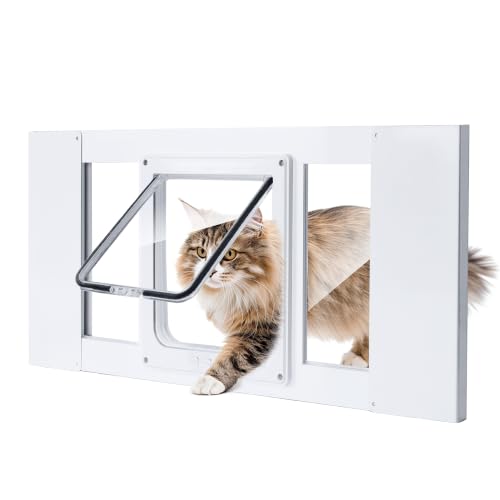 【Solid Wood】 Cat Door for Window,Fit Width 21"-25" Window,3-Min Install,Solid Wood Frame,Window Cat Door,Hd High-Transparency Acrylic Sheet,4 Lock Mode,Magnetic Close,Weatherproof Design
 Fuller Brush Wood Floor Easy Clean Mist with Sprayer – 24 oz Gentle Cleaner with Vinegar for Hardwood & Laminate Floors – Removes Dirt, Dust & Stains – Safe for All Wood Finishes (Bottle with Sprayer)