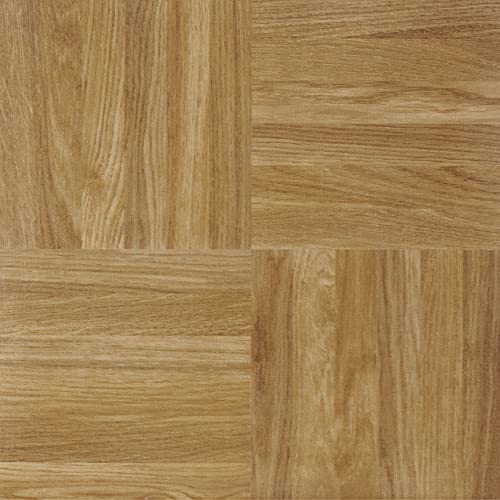
How To Match Wood Furniture With Wood Floors Beautifully
Ever walked into a room and just felt… off? Like something didn’t quite fit, even though everything looked nice individually? Often, that feeling comes down to how the wood elements in a space play together. Matching your wood furniture with your wood floors can feel like a puzzle. You want it to look good, feel cozy, and not clash. It’s a common worry for many homeowners. But it doesn’t have to be a headache. Let’s break down how to get it just right. We’ll make your home feel welcoming and stylish, with wood that sings together.
For a beautiful look, aim for contrast or complementary tones between your wood furniture and wood floors. Avoid exact matches if possible. Consider the undertones (warm, cool, neutral) of both surfaces. Mix different wood species or finishes to create visual interest and depth. Pay attention to the overall style of your home and furniture.
Understanding Wood Tones and Undertones
Wood is beautiful. It brings warmth and life into a home. But not all wood looks the same.
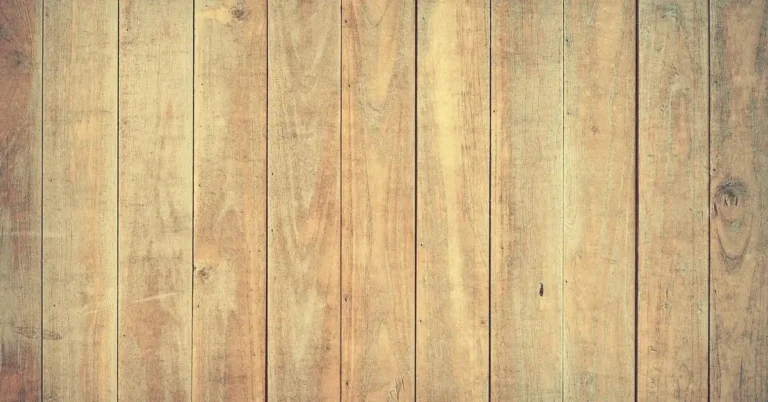
Wood has different colors. These colors are called tones. Think of light blonde wood, rich cherry red, or dark walnut.
These are the main tones you see.
Underneath these main tones are undertones. These are subtle colors. They can be warm, cool, or neutral.
Warm undertones have hints of red, orange, or yellow. Cool undertones have hints of blue, gray, or green. Neutral undertones are a mix or are hard to place.
Knowing these undertones is key. It helps you pick pieces that work well together. A floor with a warm, yellow undertone might look great with furniture that also has warm undertones.
Or, you could choose furniture with cooler undertones for a bit of contrast.
Most people don’t think about undertones. They just see the main color. But undertones are where the magic happens.
They help create a look that feels “right.” They prevent the space from feeling too busy or too bland.
Here’s a quick way to check undertones. Look at the wood in natural light. Does it lean more orange-red (warm)?
Or more blue-gray (cool)? Some woods are more neutral, like maple or birch. They don’t lean heavily in either direction.
This makes them very versatile.
Understanding this makes furniture shopping easier. You can see why one piece “works” and another doesn’t. It’s all about those hidden colors.
Once you get this, matching wood becomes much simpler. You start seeing the patterns. This makes a big difference in the final look.
Think about your favorite cozy sweater. It probably has a color that feels comforting. That’s the undertone at work.
Wood floors and furniture work the same way. They need to feel good to the eye. They need a sense of harmony.
That harmony often comes from matching undertones. Or from using undertones to create a pleasing contrast.
So, before you buy that new coffee table, take a closer look at your floors. What’s their main tone? And more importantly, what’s their undertone?
This little bit of knowledge goes a long way. It’s a secret weapon for home decorators. It helps make spaces feel intentional and beautiful.
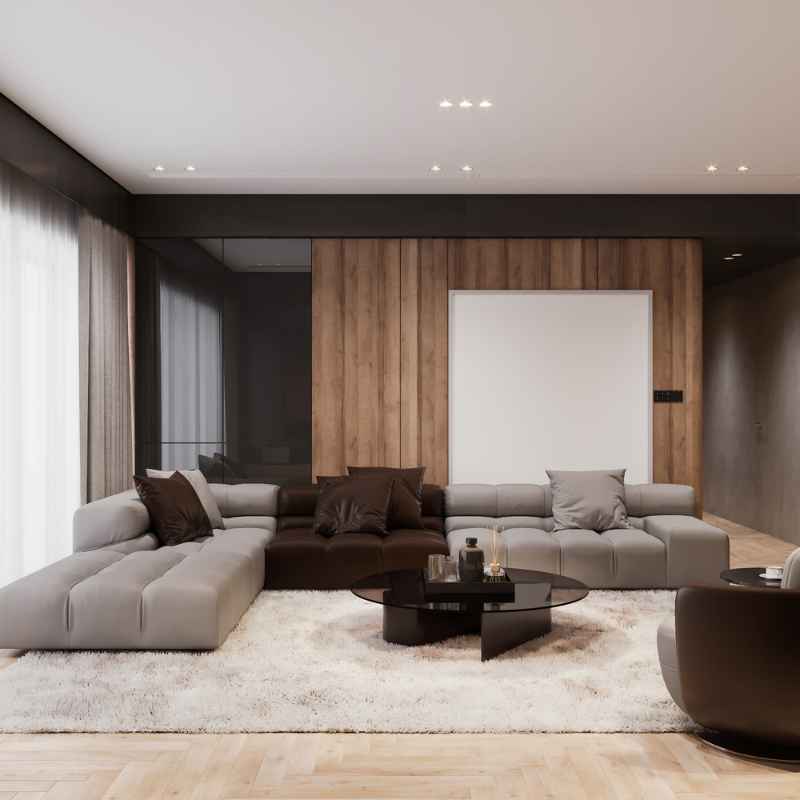
Why Exact Matches Are Often a Mistake
It might seem logical. You have oak floors, so you buy oak furniture. Simple, right?
But in reality, this often leads to a room that feels a bit… flat. Or even worse, it can make the space look confused.
When furniture and floors are the exact same wood species and finish, they can blend together too much. There’s no separation. Your eye doesn’t know where the floor ends and the furniture begins.
This lack of definition can make a room feel smaller. It can also make it feel less dynamic.
Imagine wearing a suit made of the exact same fabric and color from head to toe. It can look striking, but sometimes it’s a bit overwhelming. You might want a shirt with a different texture or color to break it up.
Wood furniture and floors are similar.
A little bit of difference is good. It creates visual interest. It adds depth.
Your eye can appreciate the different textures and tones. This makes the room feel more layered and sophisticated. It shows thoughtful design.
It doesn’t look like you just bought everything from one set.
When I first started decorating my own home, I made this mistake. I had beautiful maple floors. I found a maple dining table and chairs.
It looked okay, but something was missing. It felt a bit like a showroom. Then I swapped out the chairs for a darker wood.
The room instantly felt alive. It had more personality.
This doesn’t mean you can’t use the same wood species at all. You can! But you need to vary the finish.
Or use a different shade of that species. For example, if you have light natural maple floors, you could use a medium walnut dining table. Or a darker stained oak dresser.
The goal is contrast or complementarity, not sameness. Contrast means they are different. Light floors with dark furniture.
Dark floors with light furniture. Complementary means they have similar undertones but different main tones. For instance, a reddish cherry floor with a more golden oak table.
This is where understanding those undertones becomes really useful. If your floors are cool-toned, you might pick furniture with a slightly warmer tone to create a soft contrast. Or stick with cool tones but in a different species or finish.
The key is to create a pleasing visual break.
Think of it like music. You need different notes to make a melody. You can’t have all the same note.
Your room needs different wood “notes” to create a beautiful “song.” An exact match often leads to a single, monotonous note. We want a symphony.
So, resist the urge to buy a perfectly matching set. Embrace a little bit of difference. It’s not about making things clash.
It’s about creating a look that is balanced and visually appealing. It adds character and charm. It makes your home feel more unique.
Quick Contrast Guide
Light Floors: Pair with medium to dark furniture.
Medium Floors: Can handle a wider range. Try slightly lighter or darker pieces. Or pieces with different undertones.
Dark Floors: Pair with light to medium-toned furniture.
Key Idea: Aim for at least a few shades of difference between your floor and your main furniture pieces.
When to Mix Wood Species
Mixing wood species is not just allowed; it’s often encouraged for a richer, more dynamic look. It’s a sign of a well-decorated space. It shows confidence in your design choices.
Many homes have multiple wood types. And they look fantastic.
The fear is that mixing woods will make a room look chaotic. Like a furniture store with no cohesion. But when done right, it does the opposite.
It adds personality. It tells a story. It makes your home feel curated and personal.
The best way to mix wood species is to have a unifying element. This could be a shared undertone. Or a similar finish sheen.
Or even a common design style for the furniture.
For example, let’s say you have a light, cool-toned ash floor. You could pair it with a medium-toned walnut coffee table. Walnut has a richer, warmer tone.
But both woods have a more neutral or subtly cool undertone. The contrast in color is pleasing. The similar undertone keeps them from fighting.
Another approach is to use different species but similar colors. If your floors are a medium oak, you could bring in cherry furniture. Cherry is often a bit redder.
Oak can be more golden. But both fall into the medium tone category. They complement each other rather than competing.
I remember helping a friend furnish her new apartment. She had beautiful, light Scandinavian pine floors. We picked out a sofa with a dark, almost black wood base.
Then, we found a reclaimed wood side table with a mix of gray and brown tones. The pine floors, the dark sofa base, and the rustic side table could have clashed. But they didn’t.
Why did it work? The Scandinavian style of the floors was very clean and simple. The dark sofa base provided a strong anchor.
The reclaimed wood table added texture and a touch of warmth. Each piece brought something different. But the overall airy feel of the room tied it together.
The common thread was the simplicity and the natural feel.
Another strategy is to think about how the woods relate to other elements in the room. Do you have metal accents? What colors are your walls?
Your artwork? These other colors and textures can act as bridges between different wood tones.
For instance, if you have cool gray walls, they can bridge the gap between cool-toned floors and warmer-toned furniture. Or if you have brass accents, they can tie together woods with golden or warm undertones. It’s a balancing act.
And often, the simplest solutions are the best.
When you’re mixing species, look at the grain pattern too. Some woods have very tight, subtle grain. Others have bold, prominent patterns.
Mixing a very fine-grained wood with a strongly grained wood can create interesting texture. It can add visual depth without looking messy.
The key is intentionality. Don’t just grab random pieces. Think about the overall mood you want to create.
Do you want a calm, serene space? Or something more vibrant and lively? Your wood choices can help achieve this.
Don’t be afraid to experiment. Bring a wood sample from your floor to the furniture store. Or take a picture of your floor to compare.
Trust your eye. If it looks good to you, that’s the most important thing. Mixing woods is a powerful tool for creating a home that feels uniquely yours.
Considering Wood Finishes and Sheen
Beyond the wood species itself, the finish and sheen play a huge role. The finish is the protective coating applied to the wood. Sheen refers to how much light it reflects – from matte to high gloss.
Different finishes can alter the appearance of the wood color. A natural oil finish might keep wood looking light and matte. A polyurethane finish can deepen the color.
It can also add a noticeable shine.
When matching furniture to floors, consider the finish of your floors. Are they matte, satin, semi-gloss, or high-gloss? This can guide your furniture choices.
For example, if you have matte finished floors, you might want furniture with a similar matte or satin finish. This creates a unified, understated look. It feels very natural and relaxed.
This is common in modern and Scandinavian design.
On the other hand, if your floors have a bit of a sheen, like satin or semi-gloss, you have more flexibility. You can pair them with furniture that has a similar sheen. Or you can use furniture with a different sheen for contrast.
A high-gloss finish on furniture can add a touch of glamour. It reflects light and can make a piece stand out. If your floors are more subdued, a high-gloss piece can be a beautiful focal point.
But be mindful not to overdo it. Too much gloss can feel overwhelming.
I once saw a living room with very dark, matte floors. The homeowner had a beautiful, antique mahogany coffee table. The table had a deep, rich color.
Its finish had a medium sheen, not too dull, not too shiny. It was perfect. The matte floors made the table’s sheen pop.
It felt elegant and inviting. The contrast in sheen was a subtle but effective design choice.
Think about the overall vibe. Matte finishes tend to feel more casual and natural. They hide minor imperfections well.
Satin finishes offer a gentle sheen. They are a good middle ground. Semi-gloss and high-gloss are more formal and reflective.
They make wood colors look richer.
When you’re looking at furniture, check the description for the finish. Look at it in person if you can. How does it look under different lights?
Does it feel smooth or textured? Does it reflect a lot of light?
If your floors have a very specific finish, like a natural oil, try to find furniture with a similar natural feel. This doesn’t mean it has to be the exact same product. But the visual effect should be similar.
It should look like it belongs.
Sometimes, using different finishes intentionally can create interest. Imagine a simple, rustic dining table with a matte finish. You could pair it with chairs that have a slightly more lacquered, satin finish.
This adds a layer of refinement without making the space too formal.
The key here is balance. If your floors are very shiny, maybe opt for furniture that is more matte. If your floors are very matte, a touch of sheen on your furniture can elevate the space.
It’s about creating a visual dialogue between the surfaces.
Don’t forget about stained finishes. The stain color is one thing, but the finish on top is another. A dark stain with a matte topcoat looks very different from the same dark stain with a high-gloss topcoat.
Pay attention to both the color and the shine.
Finish & Sheen Tips
Goal: Create harmony or pleasing contrast.
Matte/Natural: Feels grounded, casual. Hides scratches.
Satin/Low Sheen: Versatile, soft glow. Good balance.
Semi-Gloss/High Gloss: Reflective, elegant. Makes colors richer.
Mix & Match: If floors are matte, a satin or semi-gloss furniture piece can add interest. If floors are shiny, consider a matte furniture piece.
Incorporating Different Styles
Your furniture doesn’t have to match your floors in style, just like it doesn’t have to match in wood species or finish. In fact, mixing styles can be very effective. It makes a room feel more lived-in and eclectic.
The trick is to find common ground. What ties the different styles together? It could be color.
It could be material. Or it could be a shared mood or feeling.
For example, you might have modern, clean-lined floors. You could introduce a more traditional or farmhouse-style dining table. How do you make this work?
You might choose a table with a simpler silhouette. Or a finish that has a more neutral tone. Perhaps you incorporate elements from both styles into your decor.
Let’s say you have very traditional, ornate wood floors. Think dark, maybe with intricate patterns. You could bring in sleek, minimalist furniture.
This creates a striking contrast. It’s modern meets classic. The key is to let one element lead.
Perhaps the floors are the star, and the furniture is the supporting cast.
Or, the furniture could be the statement. A bold, contemporary sofa with a dramatic wood frame could sit on more subdued, neutral floors. The furniture style becomes the focal point.
The floors provide a grounding, neutral base.
I worked with a client who had beautiful, light, wide-plank floors. They had a rustic, almost unfinished look. She loved mid-century modern furniture.
We curated a collection of mid-century pieces. Some had teak wood, which is warmer and richer than her floors. Others had simple lines.
We used textiles and art to bridge the gap. The clean lines of the furniture contrasted beautifully with the rustic floors. It created a unique look that felt both warm and stylish.
Think about the overall aesthetic you’re aiming for. Do you want a bohemian vibe? A Scandinavian feel?
A modern farmhouse look? Your wood choices should support this. Even if the wood species or styles are different.
For a modern farmhouse look, you might pair slightly distressed, medium-toned wood floors with simple, sturdy furniture. This could include pieces made of pine or oak. The finishes might be matte or have a slight rub-through effect.
The style is casual and inviting. The wood tones complement each other.
For a more eclectic, bohemian space, you could mix and match more freely. Perhaps dark wood floors with painted furniture. Or lighter wood floors with intricately carved, antique pieces.
The key here is embracing imperfection and variety. The overall mood is what matters.
When mixing styles, it’s helpful to have a consistent color palette for your walls, upholstery, and accessories. This creates a cohesive backdrop. The different wood styles can then stand out as interesting accents within this palette.
Don’t be afraid of a little visual tension. Sometimes, the most interesting rooms have elements that are slightly unexpected. The contrast between styles can be captivating.
It keeps the eye engaged. It makes a room memorable.
Consider the scale of the furniture too. Large, bold furniture pieces might overwhelm delicate floors. Small, intricate furniture might get lost on vast, simple floors.
Ensure the scale of your furniture feels right for the space and the floors.
Ultimately, the goal is to create a space that feels balanced and harmonious. Even when mixing different styles. It’s about finding that thread that connects everything.
That makes it feel like a curated collection, not a random assortment.
The Role of Wood Grain
Wood grain is like wood’s fingerprint. It’s the natural pattern formed by the tree’s growth rings. The grain can be subtle or very prominent.
It can be straight and uniform, or swirly and irregular.
The type of wood and how it’s cut affects its grain. Oak often has a strong, open grain. Maple has a very fine, subtle grain.
Walnut has a more complex, wavy grain.
When matching furniture to floors, the grain pattern can add another layer of interest. Or it can be a source of conflict if not considered.
If your floors have a very strong, busy grain, you might opt for furniture with a more subtle grain. This prevents the room from looking too visually chaotic. A fine-grained wood like birch or maple can create a nice contrast.
It offers a calmer surface next to the more active floor.
Conversely, if you have very smooth, fine-grained floors, a piece of furniture with a bold grain can be a wonderful focal point. Think of a live-edge walnut table on top of a sleek, minimalist floor. The contrast in grain is striking and beautiful.
My own kitchen has floors with a noticeable, somewhat wavy grain. They’re not overly dramatic, but you can see the pattern. When I chose my kitchen island, I looked for a wood that had a simpler, straighter grain.
I found a solid maple island. Its grain is very tight and uniform. This provides a calm visual counterpoint to the floors.
It makes the island feel like a distinct piece, rather than just blending in.
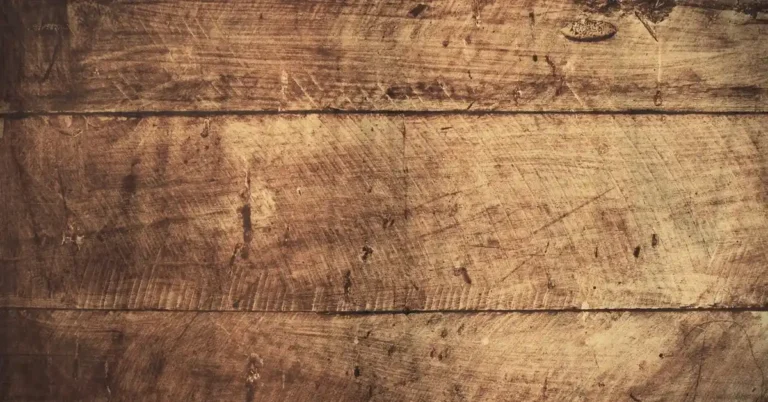
Consider how the grain runs. On floors, the grain typically runs along the length of the planks. On furniture, it might run vertically on cabinet doors or horizontally on tabletops.
Think about how these patterns will interact. Sometimes, having the grain run in different directions can add visual energy. Other times, a more parallel flow can create a sense of calm.
When woods have similar undertones, a difference in grain can actually enhance the harmony. For example, if both your floors and furniture have warm undertones, a subtle difference in grain texture can add depth. It makes the pieces feel related, but not identical.
If you’re going for a very uniform, minimalist look, you might choose woods with similar grain patterns. This creates a sense of order and simplicity. For example, matching a finely grained floor with finely grained furniture.
However, most people don’t need to obsess over grain. It’s usually a secondary consideration after tone and finish. But for those looking to achieve a truly refined look, paying attention to grain can make a difference.
It adds another dimension to the design.
Think of it like this: if wood tones and finishes are the main melody, then grain is the interesting rhythm or percussion that adds complexity and character. It’s the subtle detail that can elevate the entire composition.
When you’re shopping, run your hand over the wood. Look closely at the patterns. How do they feel?
How do they look? This tactile and visual experience is just as important as the color. It helps you understand how the wood will truly present itself in your home.
Grain Considerations
Busy Grain Floors: Pair with furniture that has a simpler, straighter grain.
Simple Grain Floors: Can handle furniture with a bolder, more prominent grain.
Goal: Create visual interest without chaos, or enhance harmony.
Direction: Think about how grain patterns run on floors vs. furniture.
When to Worry and When It’s Okay
It’s easy to get caught up in the “rules” of decorating. But when it comes to wood tones, there’s a lot of room for personal taste. Most of the time, things will look fine, even if they aren’t perfectly “matched.”
You might worry if your furniture and floors look like they are fighting each other. This happens when their undertones clash. For example, a very yellow-toned floor with a very pink-toned wood table.
They might look awkward together.
Another time to be mindful is when everything is almost the same. Remember the exact match problem? When your floors are a medium oak and your furniture is a medium oak, but the undertones are slightly different.
They can look like they are trying to match but failing. This is often worse than a clear contrast.
When should you not worry too much? If you have a strong unifying element in the room. This could be a large area rug that covers a significant portion of the floor.
The rug acts as a buffer. It reduces the direct visual comparison between your furniture and floors.
Or, if your walls are a strong color. Or if your upholstery is very dominant. These elements can act as visual connectors.
They draw the eye away from the subtle differences between wood tones. They create a broader color story for the room.
Also, don’t stress if you inherited furniture. Or if you bought pieces at different times. Most of the time, people won’t notice or care about subtle wood mismatches.
They will appreciate the overall comfort and style of your home.
If you have a very busy room with lots of patterns and colors, the wood tones become less critical. The eye has too many other things to focus on. The wood will likely just blend into the overall scheme.
The biggest red flags are:
1. Obvious Clash: When the undertones are starkly different and visually jarring. 2.
Near Miss: When wood tones are very similar but not quite the same, making them look like a mistake. 3. Too Much of the Same: When everything is the exact same wood and finish, leading to a flat, uninspired look.
If you have a piece of furniture you love, but it doesn’t perfectly match your floors, try to make it work. Add accessories that pull colors from both the floor and the furniture. For example, if you have light, cool floors and a warm, dark wood table, look for throw pillows or artwork that has both light and dark tones, and perhaps some cool and warm colors.
Ultimately, your home should reflect you. If you love a particular piece of furniture, and it has a wood tone that you enjoy, don’t discard it just because it’s not a perfect match for your floors. Most of the time, a little styling can make it work beautifully.
Think about the overall feeling. Does the room feel welcoming? Does it feel comfortable?
If the answer is yes, then you’ve likely done a great job. The wood matching is just one piece of the puzzle. The overall harmony is what truly matters.
Creating Flow with Wood Tones
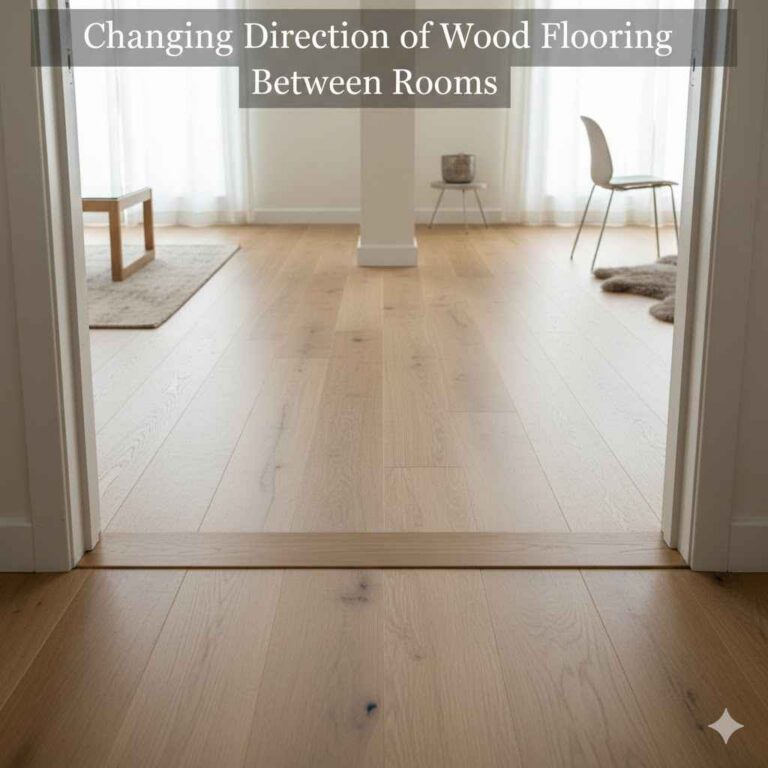
Having a consistent flow of wood tones throughout your home can create a feeling of unity and spaciousness. It makes the transition from one room to another feel seamless and pleasing.
This doesn’t mean every piece of wood must be identical. It means there’s a common thread. A similar color palette or undertone that reappears.
It helps the eye travel naturally through the space.
One way to achieve this is to pick a primary wood tone for your main floors. Then, choose furniture woods that complement it. You can then carry those complementary tones into other rooms.
For instance, if your main living area has light oak floors and you choose walnut furniture, consider using walnut accents in your dining room or bedroom.
Another technique is to use a consistent finish sheen. If all your major wood pieces have a satin finish, for example, it creates a subtle link. This link helps tie different wood species and colors together visually.
Consider the undertones again. If your home generally leans towards warm undertones (reds, yellows, oranges), try to maintain that warmth. Use woods that have these undertones.
If your home is cooler (blues, grays, greens), stick to those cooler woods.
What about painted furniture? Painted pieces can also play a role in wood flow. If you have a lot of wood tones, a painted piece can offer a break.
The color of the paint can then pick up on other colors in the room, tying it all together. For example, a painted blue cabinet could echo the blue undertones in your wood floors.
Don’t forget architectural elements. Doors, trim, and built-in shelving are also wood. Ideally, these should have a consistent tone or finish.
If your trim is a different wood than your doors, try to find furniture that bridges the gap. Or at least doesn’t clash with both.
I once visited a home where the homeowner had done this beautifully. All her floors were a medium, neutral-toned wood. In the living room, she had a sofa with dark wood legs.
In the dining room, a table with lighter, warmer wood. In the bedroom, a dresser with a slightly more reddish tone. The common thread was the medium neutral floor.
And the fact that each accent wood had a similar, natural sheen. The undertones weren’t identical, but they weren’t fighting. The flow was excellent.
Each room felt distinct but connected.
Using accessories is another powerful tool for creating flow. Throw pillows, rugs, artwork, and decorative objects can all pull colors from different wood tones. They act as visual connectors.
They make the entire space feel more cohesive.
When choosing new furniture or wood elements, ask yourself: “How does this piece relate to the other wood in this room? And how does it relate to the wood in the adjacent rooms?” This simple question can help you make better choices.
The goal of flow isn’t monotony. It’s about creating a sense of calm and order. It’s about making your home feel like a cohesive whole.
A place where the eye can rest and move comfortably. Wood flow is a subtle but impactful design element.
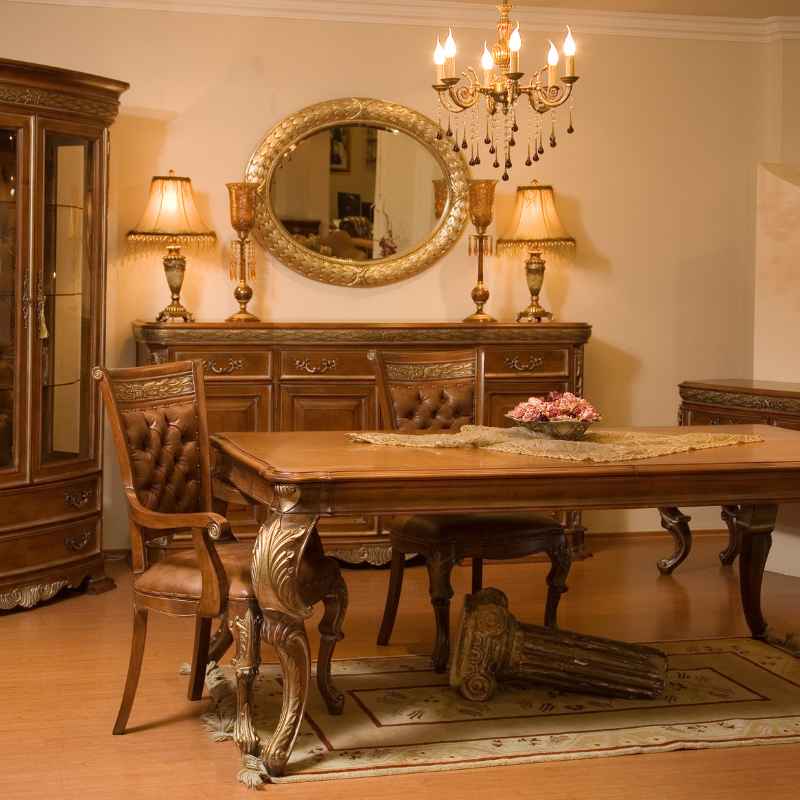
Quick Tips for Success
Here are some simple things to remember when matching furniture to wood floors. These tips can help you avoid common pitfalls and achieve a beautiful look.
- Look for Contrast, Not Match: Aim for a noticeable difference in tone or shade between your floors and furniture.
- Understand Undertones: Warm (red, yellow, orange) vs. Cool (blue, gray, green). Pick furniture that complements or has a similar undertone to your floors.
- Mix Species Wisely: Don’t be afraid to mix wood types. Use unifying elements like similar finishes or undertones.
- Consider the Finish/Sheen: Matte, satin, or gloss finishes affect how wood colors appear. Try to create harmony or pleasing contrast.
- Don’t Match Style Exactly: Mixing styles can add personality, but find common ground in color or mood.
- Pay Attention to Grain: A strong floor grain might pair well with subtler furniture grain, and vice versa.
- Use a Neutralizer: Large rugs, paint colors, and textiles can help bridge gaps between wood tones.
- Bring Samples: If possible, take a sample of your flooring to furniture stores, or photos to compare.
- Trust Your Eye: If it looks good to you, it probably is! Don’t get too caught up in rigid rules.
- Think Holistically: Consider the entire room. How do the wood elements interact with other colors and textures?
Your Wood Matching Checklist
Step 1: Identify your floor’s main tone and undertone.
Step 2: Decide if you want contrast or complementary tones for furniture.
Step 3: Consider the finish and sheen of both floors and potential furniture.
Step 4: Think about how the wood grain will interact.
Step 5: How will other room elements (rugs, paint) tie things together?
Frequently Asked Questions
Can I use different types of wood in the same room?
Yes, absolutely! Mixing wood species can add depth and interest to a room. The key is to ensure there’s a unifying element, like a similar undertone, finish, or a neutral color scheme in the room.
Avoid having too many wildly different wood tones without a connecting factor, as it can look chaotic.
What if my floors are a very unusual color, like gray or painted?
Gray and painted wood floors offer a great neutral base. For gray floors, you can pair them with almost any wood tone, warm or cool, as gray is neutral. For painted floors, treat them like a neutral color.
You have a lot of freedom with furniture wood tones. Consider the overall style you want for the room.
Should my furniture wood tone match my doors and trim?
It’s ideal if your doors and trim have a consistent tone. If they do, you can choose furniture that either matches them or offers a pleasing contrast. If your doors and trim are a different wood than your floors, try to pick furniture that bridges the gap or complements both.
Sometimes, painting trim or doors can simplify things.
How do I handle a small room with wood floors and wood furniture?
In small rooms, lighter wood tones for both floors and furniture tend to make the space feel larger and more open. If your floors are dark, opt for lighter-toned furniture. Using mirrors and good lighting also helps to expand the space.
Contrast can still work, but keep the overall tones lighter.
What is the easiest wood floor and furniture combination?
A very easy combination is light, neutral wood floors (like natural maple, birch, or light oak) paired with medium to dark wood furniture (like walnut or medium oak). This provides good contrast and works with most decor styles. Another easy route is to use a strong neutral floor like gray, and then pick furniture you love.
Can I mix a very rustic wood floor with modern furniture?
Yes, this is a popular trend! The contrast between rustic and modern can be very striking. For example, wide plank, distressed floors can pair well with sleek, minimalist furniture.
The key is to ensure there’s a balance and that other elements in the room (like textiles, art, or wall color) help to tie the two styles together.
Bringing It All Together
Matching wood furniture to wood floors doesn’t have to be a daunting task. It’s all about understanding the subtle differences in tone, undertone, and finish. Remember, contrast is often better than sameness.
Don’t be afraid to mix wood species or styles.
By paying attention to these elements and using other decor like rugs and paint as connectors, you can create a home that feels cohesive, warm, and stylish. Your space will feel intentional and beautifully put together. You’ve got this!
Sponsored / affiliate links. As an Amazon Associate I earn from qualifying purchases. I may earn additional commission from eligible campaigns.