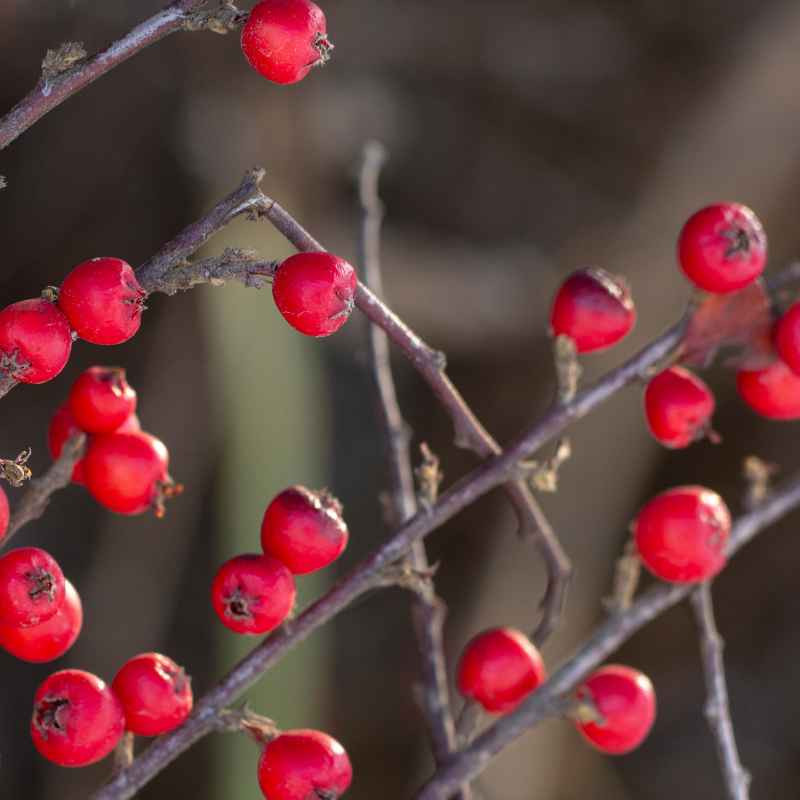
Are the Berries on a Dogwood Tree Poisonous? Stay Safe
Are the berries on a dogwood tree poisonous? It is a question millions of homeowners ask each fall when clusters of glossy red fruit appear on their trees. The short answer is that most dogwood berries are not truly poisonous, but they are bitter, unpleasant, and can cause stomach upset if eaten in large amounts. This guide explains exactly what dogwood berries are, which species are safe, and what to do if you or your pet eats one.
Simply put, dogwood berries are rarely dangerous to humans, but they are not something you should eat. Most species produce bitter drupes that can cause mild stomach upset, and overeating may trigger vomiting or diarrhea. No dogwood species is considered severely toxic, but caution is still wise for children and pets.
Key Takeaways
- Dogwood berries are not seriously poisonous to humans, but their bitter taste and mild tannins can upset the stomach.
- The berries on a dogwood tree feed more than 75 species of birds and are a vital autumn food source for wildlife.
- Some dogwood species, such as Kousa dogwood and Cornelian cherry, produce berries that are safe and genuinely tasty for humans.
- Dogwood berries are listed as non-toxic to dogs by the ASPCA, yet pets that overindulge may still vomit.
What Are Dogwood Tree Berries?
Dogwood trees belong to the Cornus genus, a group that includes roughly 30 to 60 species of trees, shrubs, and subshrubs. The berry-like fruits they produce are botanically classified as drupes. That means each fruit has a fleshy outer layer surrounding a hard inner seed, just like a cherry or a plum, even though they look like berries.
These fruits appear in late summer and fall, right after the tree finishes flowering. The color depends heavily on the species. Flowering dogwoods, or Cornus florida, produce bright red clusters that stand out against dark green leaves.
Kousa dogwoods (Cornus kousa) develop pinkish-red, spiky-looking fruits that resemble oversized raspberries. Red osier dogwoods (Cornus sericea) produce white or pale blue berries on vivid red stems.
Key characteristics of dogwood berries:
- Color varies by species: red, pink, white, or pale blue
- Shape ranges from oval drupes to lumpy, raspberry-like clusters
- Size typically falls between 0.25 and 1 inch long
- Ripens from August through October depending on your region
- Contains 1 to 2 hard seeds per fruit
- Grows in small clusters at the tips of branches
- Fruit appears only after the tree has flowered in spring
| Characteristic | Typical Range |
|---|---|
| Size | 0.25 to 1 inch long |
| Color | Red, pink, white, pale blue |
| Shape | Oval drupe or lumpy cluster |
| Seeds | 1 to 2 hard seeds |
| Ripening season | Late summer to mid-fall |
Birds rely heavily on these fruits as a late-season food source. According to wildlife researchers, more than 75 species of birds regularly consume dogwood berries, including cardinals, bluebirds, cedar waxwings, and woodpeckers. The fruit is rich in fat and calcium, making it especially valuable as birds prepare for migration or the cold months ahead.
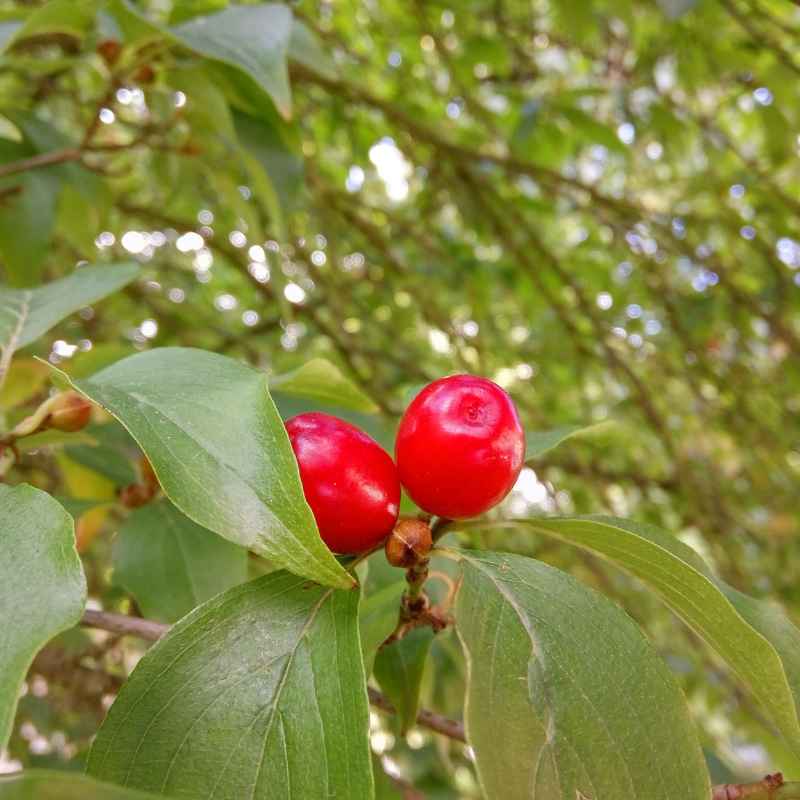
Are Dogwood Berries Poisonous to Humans?
No dogwood species is classified as severely poisonous to humans. Health organizations and poison control centers do not list dogwood berries among dangerous plants. The real issue is that they taste awful.
Most dogwood berries are intensely bitter and astringent, which is nature’s way of telling you to spit them out.
For context, truly poisonous berries like yew (Taxus baccata) or deadly nightshade (Atropa belladonna) can cause seizures, organ failure, or death from just a handful of fruit. Dogwood berries carry nowhere near that level of risk. That is why experts describe them as “inedible” or “unpalatable” instead of “poisonous.”
Eating one or two berries is unlikely to cause any real harm. Eating a handful or more can trigger digestive upset, including:
- Nausea and queasiness
- Vomiting in sensitive individuals
- Stomach cramps or bloating
- Diarrhea
- A lingering bitter, chalky taste in the mouth
These symptoms come from mild tannins and astringent compounds that irritate the digestive tract. They are not true toxins, but natural deterrents that keep animals from eating the fruit before the seeds are ready to disperse.
Warning: “Not toxic” does not mean “edible.” Always supervise young children around dogwood trees and teach them to never eat unknown berries, seeds, or leaves.
The leaves, bark, and twigs follow the same rule. They are not dangerously poisonous, but they are not food either. Chewing on dogwood twigs or bark can cause mild stomach irritation, so keep them out of reach of curious toddlers.
Are Dogwood Berries Poisonous to Pets and Wildlife?
Pets face a slightly different risk than humans, but the outlook is still reassuring. The ASPCA’s poison control database classifies flowering dogwood (Cornus florida) as non-toxic to dogs, cats, and horses. A dog that eats a berry or two should be completely fine.
The trouble starts when a pet overeats. Dogs, especially, will gulp down fallen dogwood berries that have collected under the tree. The fruit is fibrous, rich, and completely foreign to their normal diet.
Eating a large pile can lead to stomach irritation, even though the berries are not chemical toxins.
Symptoms to watch for in pets after eating dogwood berries:
- Vomiting or episodes of gagging
- Loose stools or diarrhea
- Excessive drooling
- Loss of appetite for a meal or two
- Mild lethargy or stomach sensitivity
- Pawing at the mouth due to the bitter taste
These signs usually pass within 12 to 24 hours. Keep fresh water available and monitor your pet closely. If symptoms last longer than a day, or if you own a small breed or a pet with chronic health issues, call your veterinarian for guidance.
| Dogwood Species | Pet Risk | Notes |
|---|---|---|
| Flowering dogwood | Low | Listed as non-toxic by ASPCA |
| Kousa dogwood | Low | Fruit is edible, but pets should not overindulge |
| Red osier dogwood | Low | Bitter fruit may cause mild GI upset |
| Cornelian cherry | Low | Edible drupes, unlikely to cause issues |
| Common dogwood | Moderate | Some sources note higher irritation risk |
Wildlife, meanwhile, adores these fruits. Birds, squirrels, and even bears have eaten dogwood berries for centuries without issue. In fact, the U.S.
Forest Service ranks flowering dogwood among the most widely planted ornamental trees in the country, and one of its biggest ecological perks is feeding backyard birds through autumn and winter.
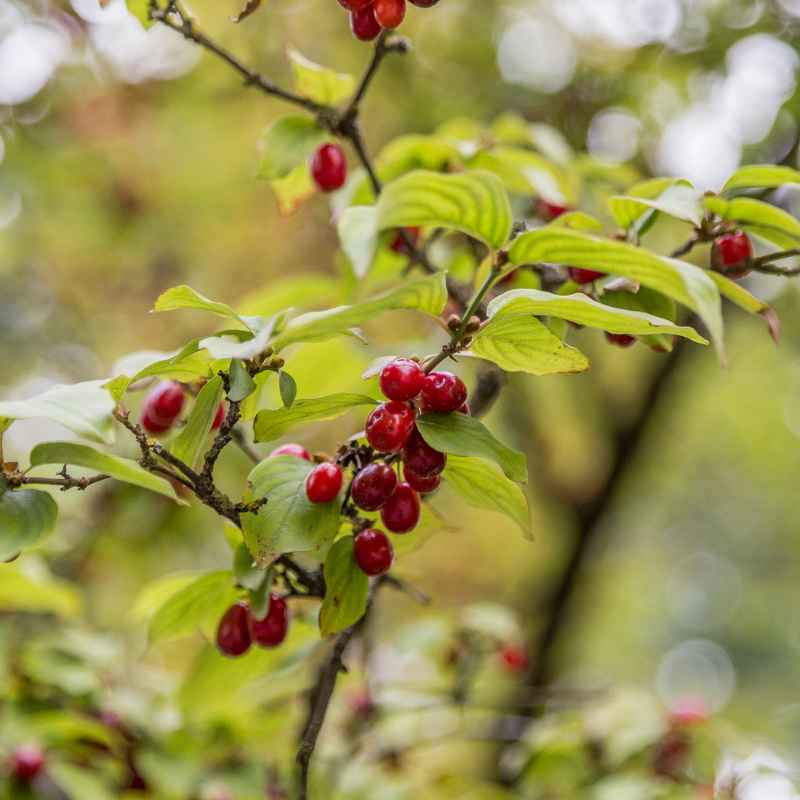
How Do I Identify Dogwood Berries?
Knowing whether the tree in your yard is actually a dogwood is the easiest way to relieve anxiety about its berries. Dogwoods have several features that make them stand out, even when they are not fruiting. Learn these and you will never confuse a dogwood with a more dangerous plant.
Bark and stems: In many species, the bark is smooth and gray, with a blocky, alligator-like texture on older trees. Shrub-type dogwoods, such as the red osier, have distinctive bright red stems in winter. Leaves: Dogwood leaves are oval with smooth edges and curved, prominent veins that run parallel to the leaf edge.
These veins are a dead giveaway once you learn to spot them. Berries: The fruit clusters at the end of branches, often in groups of 3 to 6, and is small, glossy, and usually bright red in the most common North American species.
Identification checklist:
- Leaf veins curve strongly toward the leaf tip
- Leaves are arranged opposite each other on the stem
- Showy spring flowers in white, pink, or yellow
- Berries appear only after flowering
- Fruit cluster sits at the tip of a short stalk
- Older trees have rough, blocky bark
- Shrub varieties often show bright red stems in winter
Important: When identifying a tree in the wild, always cross-check several features. Berries alone cannot confirm a dogwood, since several unrelated shrubs produce similar red fruit.
Sponsored / affiliate links. As an Amazon Associate I earn from qualifying purchases. I may earn additional commission from eligible campaigns.