Is Wood A Renewable Or Nonrenewable Resource? Real Answer
Let’s break down this common question. We’ll look at what makes something renewable. We’ll also talk about why it’s a big deal for our world.
By the end, you’ll have a clear picture of wood’s status.
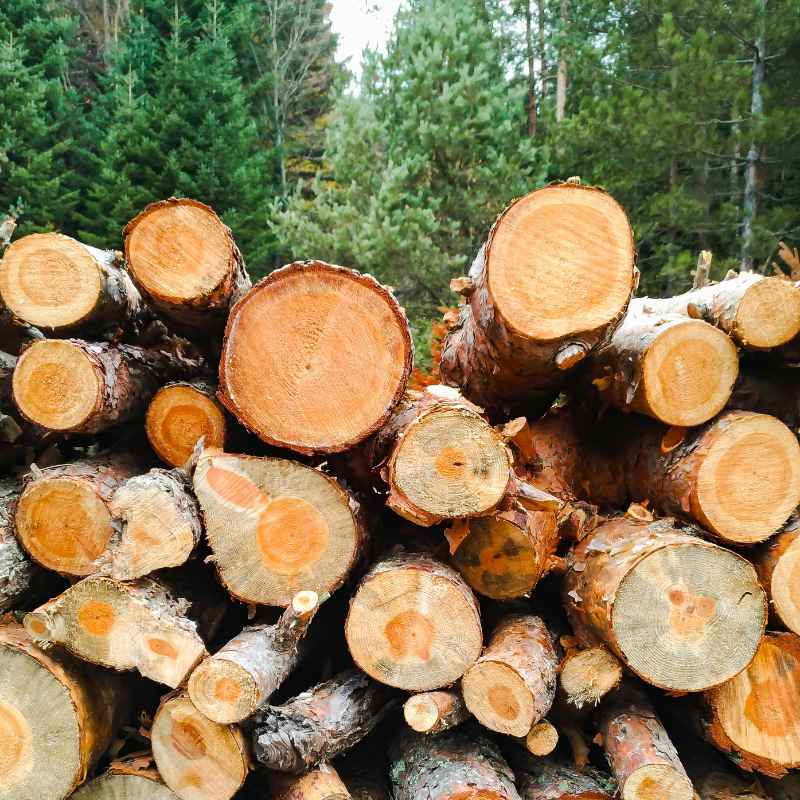
Wood is considered a renewable resource. This is because trees can be replanted and regrown relatively quickly. However, its renewability depends heavily on how we manage our forests. Sustainable practices ensure trees are harvested at a rate that allows forests to regenerate. This makes wood a good choice for many products.
What Makes Wood Renewable?
The main idea behind a renewable resource is simple. It’s something that nature can
Water is another example. Rain fills up rivers and lakes. We can use this water.
Then, more rain comes. It’s a cycle that keeps going. Even wind is renewable.
We can harness its power with turbines. The wind keeps blowing.
Now, think about wood. Wood comes from trees. Trees are plants.
Plants grow. They start as tiny seeds. With sunlight, water, and good soil, they grow into big trees.
This growth happens over many years. But it does happen.
When we cut down a tree, we can plant a new one. Or, nature might plant a new tree on its own. This means we can keep having trees.
If we do this right, we can have a steady supply of wood. This is what makes wood a renewable resource.
The Big Difference: Renewable vs. Nonrenewable
It helps to see the contrast. Nonrenewable resources are the opposite. They are things that take millions of years to form.
Once we use them up, they are gone for a very, very long time. We can’t make more in our lifetime.
Oil is a good example. We dig oil out of the ground. We use it for fuel and plastics.
But it took millions of years for dead plants and animals to turn into oil deep underground. If we use all the oil we can find today, it won’t be back for ages.
Coal and natural gas are similar. They are fossil fuels. They are also nonrenewable.
Metals like iron and copper are also nonrenewable. We mine them from the earth. While we can recycle metal, we can’t create new metal deposits quickly.
So, the key is time. Can nature make more of it fast enough? For trees, the answer is yes.
For oil, the answer is no. This is why wood is in a different category than things like gasoline.
The Role of Sustainable Forestry
Here’s where things get a little more complex. Just because wood can be renewable doesn’t mean it always is. It all depends on how we treat our forests.
This is where sustainable forestry comes in. It’s a very important idea.
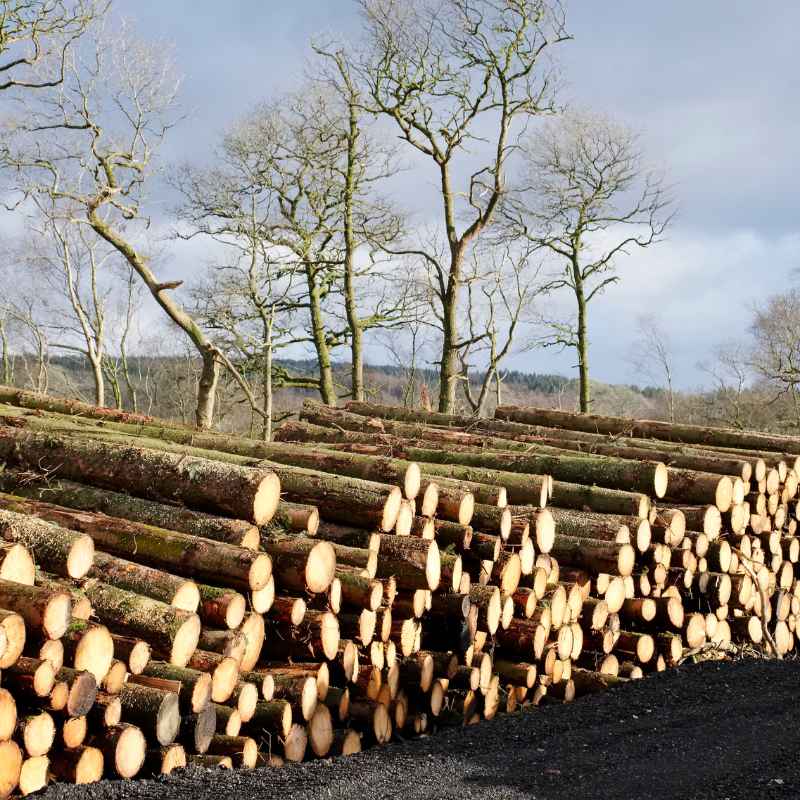
Imagine a forest. It has many trees of different ages. Some are young.
Some are old. There are also plants and animals living there. Sustainable forestry means we harvest trees in a way that protects the whole forest.
We don’t just cut everything down.
This involves planning. Foresters decide which trees to cut. They make sure to leave enough trees to produce seeds for new growth.
They also protect the soil and water. They make sure wildlife has a place to live. It’s about balance.
When forests are managed sustainably, they stay healthy. They keep producing wood for us. But they also continue to be homes for animals.
They help clean our air and water. This way, wood truly stays a renewable resource for generations.
Companies that follow sustainable practices often get special labels. These labels help you know that the wood you buy is from well-managed forests. It’s like a stamp of approval for good forest care.
This helps consumers make good choices.
Without these practices, forests can be destroyed. This is called deforestation. When that happens, the wood we get is no longer renewable.
It’s like burning down a farm and expecting to get crops next year. It just doesn’t work that way.
Quick Forest Facts
Did You Know? Forests cover about 31% of the world’s land area. About 10% of this is used for wood production. Sustainable forest management aims to keep these vital areas healthy.
Wood’s Connection to Climate Change
This is a part that many people miss. Trees do more than just grow wood. They play a huge role in our climate.
They help fight against climate change. This makes understanding wood’s renewability even more critical.
Trees breathe in carbon dioxide. This is a gas that contributes to warming the planet. When trees take in CO2, they store the carbon.
They release oxygen. This is the air we breathe. This process is called photosynthesis.
It’s a natural miracle.
So, when a forest is healthy and growing, it’s acting like a giant sponge. It’s soaking up CO2 from the air. This helps keep our planet cooler.
This is why protecting forests is so important for fighting climate change.
Now, what happens when we harvest wood? If the wood is used for something that lasts a long time, like furniture or a house, the carbon stays stored in it. The CO2 isn’t released back into the air right away.
This is good!
However, if wood is burned for fuel or left to rot, the stored carbon goes back into the atmosphere. This is why how we use wood matters. Using wood from sustainably managed forests for long-lasting products is a great way to keep carbon out of the air.
This is a key reason why wood is often seen as a more eco-friendly option. Compared to materials like concrete or steel, which have a high carbon footprint to produce, wood can actually help store carbon. It’s a win-win when done right.
Wood vs. Other Materials: Carbon Storage
- Wood Products: Can store carbon for decades or centuries in homes, furniture, and other uses.
- Concrete & Steel: Production releases large amounts of CO2 into the atmosphere.
- Plastics: Often made from fossil fuels, contributing to CO2 emissions.
My Own Forest Experience
I remember visiting a family friend’s farm up in Oregon a few years back. They had a small plot of land that was managed for timber. It wasn’t a wild forest, but a working one.
I was really curious about how it all worked.
My friend’s dad, a seasoned forester, took me out one crisp autumn morning. The air smelled like pine needles and damp earth. He showed me a section where they had harvested some trees a decade ago.
Now, young pines were already several feet tall. They were growing strong.
He explained that they only harvested about 20% of the mature trees in any given section. They also made sure to plant new saplings right after. It wasn’t just about cutting.
It was about planning for the future. He pointed out different bird nests and animal tracks. He told me how they worked to protect the wildlife habitat.
What struck me most was the quiet, steady rhythm of it all. It felt very different from hearing about big, destructive logging operations. This felt like a partnership with nature.
It showed me that wood can be a resource we use wisely. It doesn’t have to mean destroying a forest. Seeing those young trees ready to grow made the concept of wood as renewable so real.
Real-World Context: Homes and Habits
Think about the typical American home. Wood is everywhere. The frame of the house might be wood.
The floors could be wood. The cabinets in the kitchen are often wood. Even the doors and windows might have wooden parts.
This isn’t new. People have used wood for building and making things for thousands of years. It’s strong.
It’s relatively easy to work with. And, as we’ve learned, it can be grown again.
Our habits also play a role. We use a lot of paper products. Newspapers, magazines, toilet paper, and packaging all often come from wood pulp.
Every time we toss an old magazine or an empty cardboard box, we’re dealing with wood products.
Where this wood comes from matters. If it’s from responsibly managed forests, then our use of these products is fine. They are part of the renewable cycle.
If it’s from forests that are being cleared unsustainably, then it’s a problem.
The design of our homes and products also influences demand. Prefabricated homes often use a lot of engineered wood products. These are made from smaller pieces of wood glued together.
They use wood resources efficiently.
Many people today are interested in using sustainable materials. They look for certifications that show wood comes from good sources. This consumer demand is helping to drive better forest management practices.
It’s encouraging for the future of wood as a renewable resource.
Wood Uses in a Typical Home
- Structural: Wall studs, roof trusses, floor joists.
- Finishing: Flooring, doors, window frames, trim, molding.
- Furnishings: Tables, chairs, beds, cabinets, shelves.
- Paper Products: Books, newspapers, tissues, packaging.
What This Means for You
So, what does it mean for you that wood is a renewable resource? It means you have choices. When you buy wood products, you can often choose ones that are better for the planet.
When is it normal to use wood? It’s normal all the time! Wood is a fundamental building material.
It’s part of our daily lives. Using wood for furniture, construction, or paper is common and often sustainable.
When should you perhaps worry? You should worry if the wood products you buy are contributing to deforestation. This happens when forests are cut down faster than they can regrow.
Or when they are cut down for other land uses, like farming or development, without replanting.
How can you check? Look for labels. Certifications like the Forest Stewardship Council (FSC) or the Sustainable Forestry Initiative (SFI) are good signs.
They mean the wood came from forests managed with environmental, social, and economic considerations in mind.
It’s also helpful to think about the lifespan of wood products. A wooden table that lasts for 50 years is a much better use of resources than a cheap particle board item that falls apart in two years. Durability is a form of sustainability.
Choosing products made from recycled wood is another great option. Many companies now use reclaimed wood or wood fiber from waste streams. This reduces the need to harvest new trees.
Easy Checks for Sustainable Wood
- Look for Labels: FSC or SFI certifications are a great start.
- Consider Durability: Choose items that will last a long time.
- Recycled Content: Opt for products made from reclaimed or recycled wood.
- Local Sourcing: Sometimes, locally sourced wood has a lower transport footprint.
Quick Tips for Using Wood Wisely
If you’re looking to use wood in a way that’s good for the planet, here are a few simple ideas. They’re easy to follow in your daily life.
- Buy Smart: When you need furniture or building materials, look for that FSC or SFI label. It’s a small step that makes a big difference.
- Repair, Don’t Replace: If a wooden item is broken, try to fix it. Learning simple repairs can give old furniture new life. This saves resources.
- Reduce Paper Use: Print only when you need to. Use both sides of the paper. Choose recycled paper products when you buy them.
- Recycle Properly: Make sure you know how to recycle wood scraps or old wooden items in your area. Some places have special collection programs.
- Choose Reclaimed Wood: Projects using reclaimed wood can look fantastic. They also give old materials a new purpose.
These tips aren’t difficult. They just require a little thought when you’re making a purchase or dealing with an old item. They help ensure that our use of wood truly remains part of a renewable cycle.
Frequently Asked Questions
Is bamboo considered renewable like wood?
Yes, bamboo is often considered renewable and even faster-growing than many trees. It’s a type of grass that can be harvested and regrown quickly. Many of the same sustainability principles apply to bamboo as they do to wood.
How long does it take for a tree to regrow?
The time it takes for a tree to regrow varies a lot. It depends on the type of tree. It also depends on the climate and soil conditions.
Some trees might be ready for harvest in 20-30 years. Others might take 50 years or more. This is why sustainable forestry is so important.
What is the difference between softwood and hardwood renewability?
Both softwoods (like pine) and hardwoods (like oak) are renewable resources. The difference is in the type of tree they come from. Softwoods generally grow faster than hardwoods.
This means they can be harvested more frequently in some managed forests. However, both are renewable if managed properly.
Can wood ever be nonrenewable?
Wood itself is always a renewable resource because trees can grow back. However, the supply of wood can become nonrenewable if forests are destroyed or degraded faster than they can regenerate. This happens through unsustainable logging or deforestation.
Are engineered wood products renewable?
Yes, engineered wood products are renewable. They are made from wood fibers, chips, or veneers. These materials come from trees.
If the wood used to make them is sourced from sustainable forests, then the final product is also considered renewable.
What happens to carbon when wood is burned?
When wood is burned, the carbon stored within it is released back into the atmosphere as carbon dioxide (CO2). This is why burning wood for energy, especially if it’s from unsustainable sources, contributes to greenhouse gas emissions. However, burning sustainably harvested wood can be part of a carbon-neutral cycle if new trees are planted to replace those burned.
The Bottom Line on Wood
To wrap things up, wood is a truly amazing resource. It’s versatile, beautiful, and importantly, renewable. Its ability to regrow means we can use it without depleting it forever.
The key is responsible management. When we practice sustainable forestry, we ensure our forests thrive. This keeps wood available for us.
It also keeps our planet healthy. So, enjoy your wooden furniture and paper products, knowing they can be part of a lasting, green future.
Sponsored / affiliate links. As an Amazon Associate I earn from qualifying purchases. I may earn additional commission from eligible campaigns.
 Permanent Mulch Recycled Rubber Border - 6 Feet Long x 22 Inches Wide | Weed Deterrent | Easy Install | Scatter-Proof | Landscaping | Paths | Eco-Friendly Design
 Wooden Bathroom Mat, Large Teak Platform for Luxury Shower, Non Slip Design, Heavy Duty Entryway Mat for Elderly and Spa, Ideal for Outdoor Shower Floors