Ebony vs Rosewood: 3000+ Janka Hardness, Which Wins
Ebony rates 3,000+ on the Janka hardness scale, making it denser and more scratch-resistant than rosewood at 1,700-2,400.
That extra hardness means ebony needs sharper tools and more effort to work, while rosewood is easier to machine for furniture and cabinets.
This guide compares appearance, workability, and the best project for each wood.
Exploring Ebony and Rosewood for Woodworking
Best Ebony Wood Pick
Woodcraft Ebony Gaboon (2″x2″x6″) – $49.38
This guide notes ebony rates 3,000+ on the Janka scale and needs sharp tools to work – this pre-sized gaboon block is ready for small carved pieces like chess pieces or knife handles.
- Best for: small carved or turned pieces needing near-black color
- Why we picked it: pre-cut 2x2x6 size skips milling for smaller projects
- Main drawback: extreme hardness demands sharp, often carbide, tools
Compare more ebony and rosewood options
 Option 1 Ebony Gaboon Lumber (2″x2″x24″) – $134.95
|
 Option 2 East Indian Rosewood Turning Blank – $41.00
|
 Option 3 Rosewood Pen Blanks (5pc) – $4.95
|
As an Amazon Associate we earn from qualifying purchases.
This section looks at the basics of ebony and rosewood. We will cover what they are, where they come from, and why they are popular choices for woodworkers. Understanding these fundamental aspects will help you appreciate their unique qualities and make informed decisions for your project. We will explore their common uses and the general characteristics that make them stand out.
What Are Ebony and Rosewood?
Ebony is a dense, dark wood. It comes from trees in the Diospyros genus. These trees are often found in tropical regions. The most prized ebony is almost black. It’s known for its smooth finish and elegant look.
Rosewood is also a dense hardwood. It’s named for its pleasant, floral scent when worked. Rosewood trees belong to the Dalbergia genus. They grow in tropical areas like South America, Africa, and Asia. Rosewood often has beautiful, rich colors with dark grain patterns.
Where Do These Woods Come From?
Ebony trees grow in hot climates. Many species are native to Africa and Asia. Some ebony varieties are also found in Madagascar. Because many ebony species are slow-growing and in high demand, some have become endangered. This means sourcing ebony can be challenging and requires careful consideration of sustainable practices.
Rosewood trees are also tropical. Different species are found on various continents. Brazilian rosewood, for instance, is highly valued but is now protected. Other types of rosewood come from India, Madagascar, and Honduras. The origin of the rosewood can affect its color, grain, and scent.
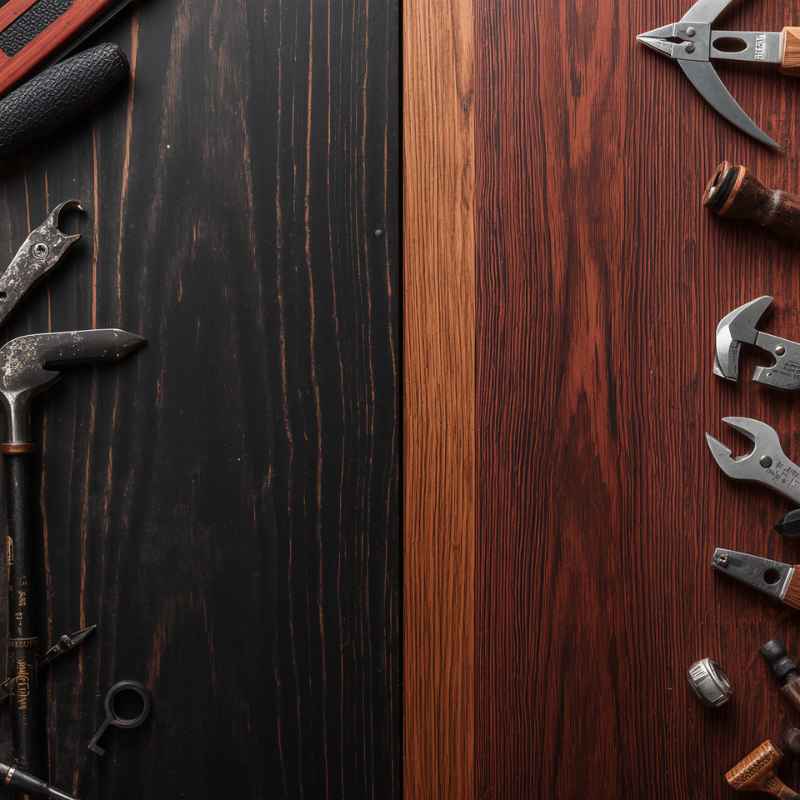
Properties of Ebony Wood
Ebony wood is famous for its distinct appearance and hardness. These qualities make it suitable for certain projects where durability and a luxurious finish are important. We will explore its physical characteristics, common uses, and the challenges associated with working with it. This will help you understand if ebony is the right fit for your needs.
Color and Grain Characteristics
The most striking feature of ebony is its color. True ebony is deep black. Some varieties may have dark brown streaks. This uniform, dark color is very appealing for decorative items.
The grain of ebony is typically very fine and uniform. It doesn’t have prominent patterns like some other woods. This fine texture contributes to its smooth feel and ability to take a high polish. The wood is very dense, which makes it feel heavy.
Hardness and Durability
Ebony is one of the hardest woods available. It rates very high on the Janka hardness scale, which measures resistance to denting and wear. This makes it incredibly durable. It can withstand a lot of use and will last for a very long time.
Its density also means it’s resistant to pests and decay. This durability is why ebony has been used for centuries in items that need to last. It doesn’t easily warp or change shape with humidity changes, which is a big plus for stable projects.
Working with Ebony Wood
Because ebony is so dense and hard, it can be challenging to work with. It requires sharp tools. Dull blades can burn the wood or splinter it. Cutting and shaping ebony can be slower than with softer woods.
Sanding ebony to a fine finish is usually straightforward due to its fine grain. However, dust from ebony can be an irritant, so good ventilation and dust masks are important. Gluing ebony can also be a bit tricky because of its density. Special adhesives might be needed.
Common Uses for Ebony
Ebony is often chosen for items where beauty and longevity are key. It’s popular for piano keys, as it offers a smooth, durable surface. It’s also used for guitar fingerboards and other musical instrument parts because of its feel and stability.
Decorative items like small boxes, handles for knives, and inlay work frequently feature ebony. Its deep color makes it stand out. Due to its cost and rarity, it’s usually used for high-end pieces or accents rather than large structural parts.
Properties of Rosewood
Rosewood is another highly sought-after hardwood, known for its beauty, aroma, and workability. Unlike ebony’s stark darkness, rosewood offers a spectrum of rich colors and distinctive grain patterns. This section will detail its physical attributes, how it performs in projects, and its many applications.
Color and Grain Patterns
Rosewood is celebrated for its vibrant colors. These can range from reddish-brown to deep purple and dark brown. Many varieties have striking black or dark brown streaks that form complex, swirling, or linear patterns. These patterns can make each piece of rosewood unique.
The grain is typically straight but can also be wavy or irregular. The texture is usually medium to fine. The wood’s natural luster is often quite attractive, even before any finishing is applied. The distinct aroma that gives it its name is strongest when the wood is cut or sanded.
Hardness and Durability
Rosewood is a hard and dense wood, though generally not as hard as ebony. It’s still very durable and resistant to wear and tear. Its hardness means it holds up well for items that get a lot of handling, like furniture or tool handles.
It’s also quite resistant to moisture and decay, making it suitable for various environments. The density contributes to its stability, meaning it’s less prone to warping or cracking compared to softer woods. This makes it a reliable choice for long-lasting projects.
Working with Rosewood
Rosewood is generally easier to work with than ebony. It cuts and shapes well with both hand and power tools. The pleasant scent can be a nice bonus while working. Sharp tools are still important to get clean cuts and prevent tear-out, especially with its varied grain patterns.
Sanding rosewood usually yields a smooth surface. It takes finishes very well, bringing out the rich colors and grain. Like ebony, it’s good practice to wear a dust mask as fine dust can be an irritant. Gluing is usually not problematic.
Common Uses for Rosewood
The beauty and durability of rosewood make it ideal for fine furniture, cabinetry, and decorative veneers. It’s also widely used in the making of musical instruments. Guitar bodies, fretboards, and other parts often use rosewood for its tonal qualities and attractive appearance.
Tool handles, carving projects, and small decorative items are also common uses. Its distinctive look and pleasant scent add a touch of luxury and craftsmanship to any piece. It’s also a popular choice for turning on a lathe to create bowls or other decorative objects.
Ebony vs Rosewood Choosing for Your Project
Deciding between ebony and rosewood depends heavily on what you want your project to look and feel like, as well as the practical demands you expect it to meet. This section directly compares the two woods based on key factors to help you make the best choice for your specific needs. We will consider aesthetics, durability, cost, and ease of working.
Aesthetic Appeal and Appearance
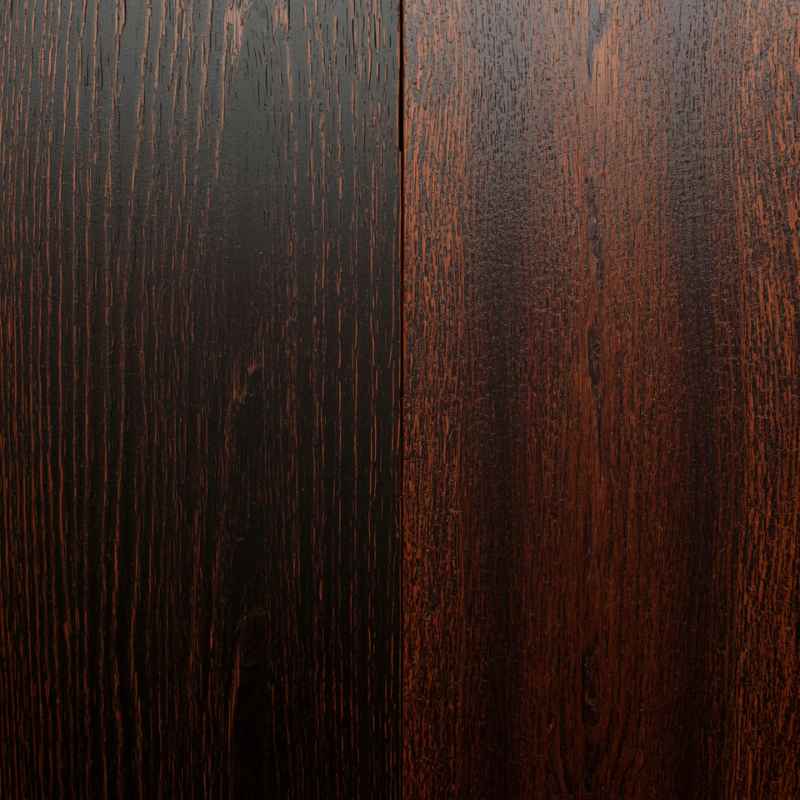
Ebony offers a sleek, modern, and sophisticated look. Its deep, uniform black color is dramatic and elegant. It’s perfect when you want a minimalist or high-contrast design. If you desire a wood that is dark and understated, ebony is a strong contender.
Rosewood provides warmth and visual interest. Its rich colors and figured grain patterns add depth and character. It’s ideal for projects where you want to showcase natural beauty and unique artistic flair. The varied patterns mean no two rosewood projects will look exactly alike.
Durability and Longevity Comparison
Both woods are highly durable and long-lasting. Ebony is typically harder and denser, making it exceptionally resistant to dents and scratches. This makes it suitable for items that experience very heavy, constant wear, like piano keys.
Rosewood is also very durable and resistant to wear. While slightly less hard than ebony, it still stands up very well to regular use. Its resistance to moisture and decay is also excellent. For most general woodworking projects requiring a long lifespan, both are fantastic choices.
Cost and Availability Factors
Ebony is generally more expensive than rosewood. This is due to its rarity, slow growth rate, and high demand. Some species of ebony are endangered, which further impacts its price and availability. When selecting ebony, looking for sustainably sourced options is crucial.
Rosewood can also be expensive, especially certain varieties like Brazilian rosewood, which is highly restricted. However, other types of rosewood are more readily available and may be more affordable than ebony. Prices can fluctuate based on species and region.
Workability and Project Suitability
Ebony demands sharp tools and a bit more effort to work with due to its extreme hardness. It can be challenging for beginners or those without specialized tools. Projects involving intricate carving might be difficult.
Rosewood is generally easier to machine and shape. It offers a good balance of hardness and workability, making it a more approachable option for many woodworkers. It’s well-suited for a wide range of projects from furniture to musical instruments.
Sample Scenarios for Choosing
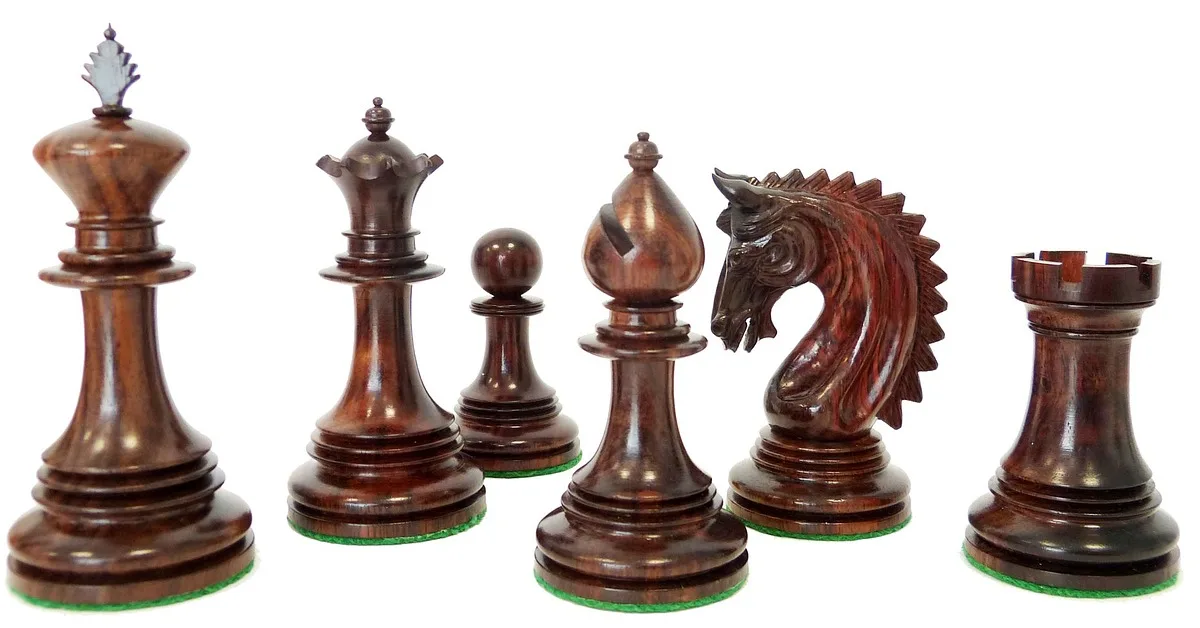
Scenario 1: You are crafting a set of high-end chess pieces. You want a classic, distinguished look. The pieces will be handled frequently.
Ebony would be excellent for the dark pieces. Its extreme hardness means it will resist dents from being moved across the board for years. The deep black provides a beautiful contrast to lighter wood pieces.
Rosewood could also work, perhaps for the lighter pieces in a set, offering a warm, rich color. However, for the ultimate dark, contrasting piece, ebony is often preferred for its pure blackness.
Scenario 2: You are building a custom guitar neck. You need a fretboard material that is smooth, stable, and looks great.
Ebony is a classic choice for fretboards. Its super-smooth finish and extreme hardness make it ideal for finger wear. It provides a clean, uncluttered look.
Rosewood is also a very popular choice for guitar fretboards. It offers a slightly warmer feel and a beautiful, often figured, appearance. Many players prefer its feel and its resonant qualities.
A comparison of key properties:
| Feature | Ebony | Rosewood |
|---|---|---|
| Color | Deep black, very uniform | Browns, reds, purples with dark streaks |
| Grain | Fine, uniform | Varied, can be straight, wavy, or figured |
| Hardness (Janka) | Very High (e.g., 3000+ lbf) | High (e.g., 1700-2400 lbf) |
| Workability | Difficult, requires sharp tools | Moderate, works well |
| Cost | Generally higher | Can be high, but varies |
| Scent | None | Pleasant floral or woody scent |
Making Your Final Decision
Choosing between ebony and rosewood for your next local project boils down to your specific goals for the piece. Consider how it will look, how it will be used, and what budget you have. Both woods offer exceptional quality and beauty, but they excel in slightly different areas. Let’s weigh the final considerations to help you feel confident in your selection.
When to Choose Ebony
Pick ebony when you need:
An extremely dense, hard, and stable wood.
A pure, deep black color for a sophisticated look.
Maximum resistance to wear and tear for high-traffic items.
A wood that offers a premium, luxurious feel.
For example, if you are making inlay work for furniture that needs to be exceptionally durable and visually striking against a lighter wood, ebony is a top choice. Its density means it won’t chip easily and its black color provides a sharp contrast.
Consider ebony for projects like:
Piano keys
High-end knife handles
Musical instrument fingerboards
Small, intricate decorative inlay
When to Choose Rosewood
Choose rosewood when you desire:
Rich, warm colors and distinctive, figured grain patterns.
A balance of hardness, durability, and good workability.
A wood that takes finishes beautifully and shows off its natural luster.
A pleasant aroma when working the wood.
For instance, if you are crafting a beautiful jewelry box, rosewood’s natural beauty can make the piece truly unique. The varied grain and rich colors will draw the eye and add a handcrafted feel.
Consider rosewood for projects like:
Fine furniture and cabinetry
Guitar bodies and fretboards
Decorative veneers
Carvings and turning projects
Tool handles
Ethical Sourcing and Sustainability
It’s important to remember that many ebony and rosewood species are endangered or threatened. When purchasing these woods, always look for certified sustainable sources. Reputable suppliers will provide information on where their wood comes from and ensure it is harvested responsibly. This way, you can enjoy beautiful wood while protecting natural resources for the future.
Final Thoughts
Choosing between ebony and rosewood for your local project is about matching the wood’s qualities to your vision. Ebony offers unparalleled blackness and extreme hardness for ultimate durability. Rosewood provides rich colors and beautiful grain for warmth and character. Both are excellent, long-lasting woods. Your final decision depends on the specific look and performance you need. Go with ebony for pure darkness and toughness, or rosewood for vibrant beauty and good workability.
Frequently Asked Questions
Question: Is ebony or rosewood better for small woodworking projects like carvings?
Answer: For carvings, rosewood is often easier to work with due to its slightly less extreme hardness. It also offers more visual variety with its figured grain. Ebony is very hard and can be challenging for detailed carving, though it produces a striking result.
Question: Which wood is more prone to scratching, ebony or rosewood?
Answer: Ebony is generally more scratch-resistant because it is a harder and denser wood than most rosewoods. However, both are quite durable and suitable for projects that might experience wear.
Question: Can I use either ebony or rosewood for outdoor furniture?
Answer: While both woods are durable, they are typically too expensive and rare for large outdoor furniture pieces. They are better suited for indoor items or smaller decorative outdoor pieces. Proper sealing is crucial for any outdoor wood use.
Question: What is the main difference in feel between ebony and rosewood?
Answer: Ebony feels very smooth, dense, and cool to the touch due to its fine grain and high density. Rosewood also feels smooth but can have a slightly warmer feel and the texture of the grain can be more pronounced.
Question: Are there any common woodworking tools that are particularly good for working with ebony or rosewood?
Answer: For both woods, sharp carbide-tipped saw blades and high-speed steel cutters are recommended. Because ebony is so hard, extremely sharp planer blades and router bits are essential to avoid burning or chipping. For rosewood, standard sharp woodworking tools work well.
Summary
Choosing between ebony and rosewood for your local project is about matching the wood’s qualities to your vision. Ebony offers unparalleled blackness and extreme hardness for ultimate durability. Rosewood provides rich colors and beautiful grain for warmth and character.
Both are excellent, long-lasting woods. Your final decision depends on the specific look and performance you need. Go with ebony for pure darkness and toughness, or rosewood for vibrant beauty and good workability.
Sponsored / affiliate links. As an Amazon Associate I earn from qualifying purchases. I may earn additional commission from eligible campaigns.