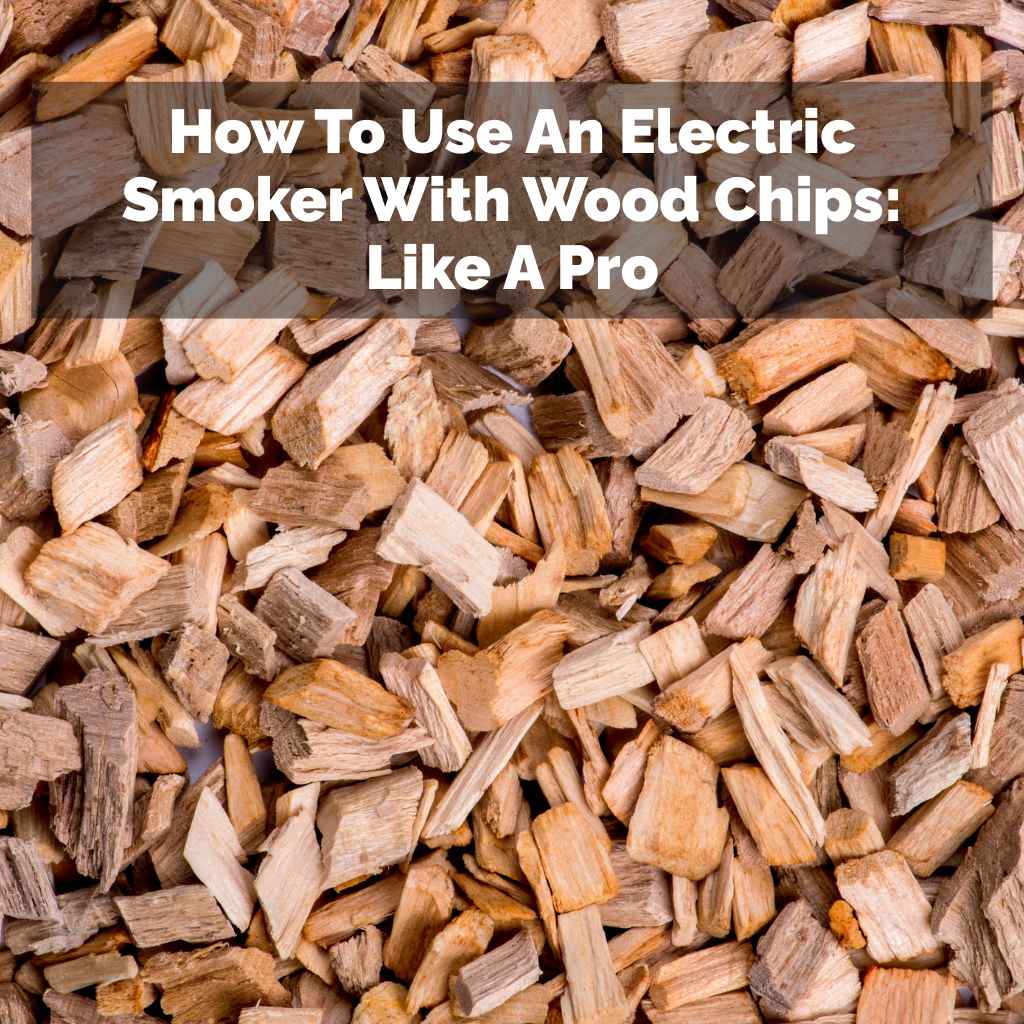
How To Use An Electric Smoker With Wood Chips: Like A Pro
It’s a common feeling. You’ve got this shiny new electric smoker. You’re excited to make some amazing smoked food.
Then you look at the wood chips. How do you even start? It can feel a bit confusing.
You want that deep, smoky flavor. But you don’t want to mess it up. This guide is here to help.
We’ll break down how to use your electric smoker with wood chips. You’ll feel much more confident. Let’s get that smoky goodness just right.
Using an electric smoker with wood chips involves selecting the right wood, preparing it, and adding it to the smoker at the correct time and temperature to infuse food with smoky flavor. It requires understanding how wood burns and how your specific smoker manages heat and smoke.
The Magic of Smoke: What Your Electric Smoker Does
Your electric smoker is a fantastic tool. It uses electricity to control heat. This makes keeping a steady temperature much easier.
Many electric smokers have a special box or tray. This is where you put your wood chips or chunks. The heat from the smoker then warms the wood.
This makes it produce smoke. It’s a simple but clever way to add flavor.
Unlike charcoal smokers, electric ones don’t rely on burning fuel for heat. The heat source is electric. This means you have great control over the temperature.
You set it, and it stays there. The wood chips are what bring the actual smoke flavor. Think of the electric heat as the engine.
The wood chips are the fuel that makes the flavor.
The smoke is what gives smoked food its signature taste. It also helps preserve the food. Different woods create different flavors.
Some are mild. Some are strong. Learning which wood to use is part of the fun.
It’s how you make your smoked dishes unique. Understanding this basic setup is key to getting great results every time you fire up your smoker.
My First Smoked Ribs: A Smoldering Lesson
I remember my very first attempt at smoking ribs. I had my new electric smoker all set up. I’d done my research on rubs.
The ribs looked beautiful. I carefully placed the wood chips in the smoker’s chip tray. I set the temperature and waited for that amazing smoke to appear.
But… nothing much happened. A faint wisp, maybe. The ribs cooked, but they lacked that deep, complex smoky flavor I was craving.
I felt a little disappointed. I had pictured falling-off-the-bone tender ribs with an intense smoke aroma. Instead, they tasted… well, like baked ribs with a rub.
I had used what I thought were the right chips, but maybe I didn’t use enough. Or maybe they weren’t hot enough to really smoke. It was a bit frustrating.
All that effort for a mild outcome.
That day taught me a valuable lesson. It’s not just about putting chips in. It’s about understanding how they work with the smoker.
I learned that getting enough smoke, and the right kind of smoke, is crucial. It’s a balance. Too little smoke, and your food is bland.
Too much, and it can taste bitter or harsh. This experience pushed me to learn more about the nuances of wood chips and electric smokers.
Wood Chip Basics: What to Know
Wood Type: Different woods give different flavors. Oak is popular for a medium smoke. Hickory is stronger and classic for pork and beef.
Maple is milder, good for poultry. Fruitwoods like apple and cherry are sweet and mild, great for fish and poultry.
Form: You can use chips or chunks. Chips burn faster. Chunks last longer.
Most electric smokers work well with chips. Some can handle chunks if they are smaller.
Soaking: Some people soak wood chips in water. This can make them smolder longer and produce more smoke. Others don’t soak them to get a quicker, hotter smoke.
It often depends on your smoker and your preference.
Choosing Your Wood Chips: Flavor By Design
This is where the real fun begins. The type of wood you choose directly impacts the taste of your food. Think of it like choosing herbs for a recipe.
Each one adds a different layer of flavor.
Popular Wood Chip Choices:
- Hickory: This is a go-to for many. It has a strong, classic smoke flavor. It works wonderfully with pork ribs, bacon, and beef brisket. If you want that traditional barbecue taste, hickory is a solid choice.
- Oak: Oak offers a more balanced, medium smoke. It’s less intense than hickory. This makes it very versatile. It’s excellent for larger cuts of meat like beef roasts and whole chickens. It’s also great if you’re new to smoking and want to start with something not too overpowering.
- Mesquite: Mesquite is known for its very strong, almost pungent smoke flavor. It burns hot and fast. It’s best used in moderation. It’s often paired with beef or game meats. Be careful not to use too much, as it can become bitter.
- Maple: For a milder, slightly sweet smoke, maple is a great option. It’s perfect for poultry, fish, and pork. It adds a subtle complexity without dominating the natural flavors of the food.
- Fruitwoods (Apple, Cherry, Peach): These woods provide a sweet, mild smoke. Apple and cherry are very popular. They impart a beautiful reddish-pink hue to meats, especially poultry and pork. They are forgiving woods, meaning it’s hard to go wrong with them.
When you’re starting, it’s good to try a few different types. See which ones you like best for different foods. Many brands sell variety packs.
This is a great way to experiment. You might find that you love apple wood for pork chops but prefer oak for a beef roast.
Quick Chip Prep Tips
Don’t Overfill: Put just enough chips in the tray. Too many can clog the smoker or create too much smoke.
Even Layer: Spread chips in a single layer. This helps them heat up evenly.
Check Your Smoker Manual: Some smokers have specific instructions for wood chip use.
Preparing Your Wood Chips: Soak or No Soak?
This is a question many beginners ask. Should you soak your wood chips before using them? The answer is: it depends.
Soaking Chips:
- Why soak? Soaking wood chips in water (or sometimes other liquids like apple juice or beer) makes them smolder longer. When the wet chips hit the heat, they release steam first. This cools the burning process slightly. It leads to a more consistent, longer-lasting smoke.
- How to soak: Cover chips with water. Let them soak for at least 30 minutes. Some people soak for a few hours or even overnight.
- When to soak: Soaking is good if you plan to smoke for a long time. It helps ensure you have smoke throughout the entire cooking process. It can also produce a less harsh smoke.
Not Soaking Chips:
- Why not soak? Dry chips will ignite and start producing smoke more quickly. This is good if you want an intense burst of smoke at the beginning of your cook. Some people find that dry chips give a more potent flavor.
- When not to soak: If you have a short cooking time, dry chips can be effective. They start smoking fast.
My Experience: I often find that for electric smokers, especially those with a dedicated chip tray, soaking isn’t always necessary. The electric heat can get the chips smoking well enough. However, if I’m doing a very long smoke, say 6-8 hours, I might soak half my chips.
I put the dry ones in first. Then, as they burn out, I add the soaked ones. This gives me a prolonged smoke.
It’s a bit of trial and error to see what works best for your specific smoker model and your taste.
Remember to drain soaked chips well before putting them in the smoker. You don’t want excess water creating steam that cools down your smoker too much.
When to Use Chunks vs. Chips
Chips: Burn faster, produce smoke quickly. Good for shorter cooks or when you want a strong initial smoke. Most electric smokers are designed for chips.
Chunks: Burn slower, last longer. Produce a more sustained smoke. Might require a larger smoker or a different setup if your smoker isn’t designed for them.
Ensure they fit in your smoker’s wood compartment.
The Art of Adding Wood Chips to Your Electric Smoker
This is where many people hit a snag. They put chips in the tray, turn on the smoker, and wait for smoke. But it doesn’t always work as expected.
The key is to get the chips hot enough to smolder and produce smoke. This usually happens when the smoker has reached its target temperature.
Step-by-Step Guide:
- Preheat Your Smoker: Turn on your electric smoker. Set it to your desired cooking temperature. Let it preheat fully. This usually takes 15-30 minutes. A good stable temperature is crucial.
- Add Wood Chips: Once the smoker is preheated, open the wood chip tray or compartment. Add your prepared wood chips. Don’t pack them too tightly. A single layer is usually best. Refer to your smoker’s manual for the exact location and capacity of the chip tray.
- Close and Smoke: Close the smoker lid or door securely. Now, wait for the smoke. It might take a few minutes for the chips to start smoldering. You should begin to see a thin, bluish smoke. This is the good smoke.
What to Watch For:
- White Smoke vs. Blue Smoke: White smoke is often called “dirty” smoke. It can taste acrid or bitter. Blue smoke is “clean” smoke. It carries the best flavor. You want to aim for blue smoke. It means the wood is smoldering properly, not burning too hot and fast.
- Too Much Smoke: If your smoker is belching thick, white smoke, the temperature might be too high or the wood is burning too fast. This can overpower your food.
- Not Enough Smoke: If you see very little smoke, or no smoke after 15-20 minutes, the chips might not be hot enough. Ensure your smoker is holding temperature. Sometimes, a gentle nudge to the chips can help them start smoldering, but be careful not to burn yourself.
When to Add More Chips: Most electric smokers have a chip tray that needs refilling. The chips will burn out. You’ll need to add more during a long cook.
This is why knowing how long your chips last is important. You don’t want to run out of smoke mid-cook. I usually check my chip tray about every hour or so on long cooks.
I add more chips as needed to maintain a steady smoke.
Temperature Matters for Smoke
Low and Slow: Most smoking happens between 200°F and 275°F (93°C – 135°C). At these lower temps, wood smolders well.
Too Hot: If your smoker runs too hot, the wood might just burn up quickly. It may produce more char than good smoke.
Too Cool: If it’s too cool, the wood might not get hot enough to smolder. You’ll get minimal smoke.
Real-World Scenarios: Smoker Setup and Food Pairing
Let’s imagine a few situations. This helps to see how different choices play out.
Scenario 1: Smoking Pork Shoulder for Pulled Pork
- Goal: Long cook (8-12 hours), tender meat, rich smoky flavor.
- Wood Choice: Hickory or a blend of hickory and oak. Both offer robust flavors that stand up well to pork shoulder.
- Chip Prep: I’d probably soak my hickory chips for about an hour. This helps them smolder longer, giving me consistent smoke for the long cook.
- Smoker Temp: Around 225°F (107°C). This is the classic low-and-slow temperature for pork shoulder.
- Chip Addition: Add a generous amount of chips once the smoker is preheated. Check and add more every 45-60 minutes.
- What to Expect: A deep, satisfying smoke ring and a complex flavor profile. The slow burn from the soaked chips provides a steady stream of smoke for hours.
Scenario 2: Smoking Salmon for Dinner
- Goal: Shorter cook (1-2 hours), delicate smoky flavor, moist fish.
- Wood Choice: Apple or cherry wood. These fruitwoods offer a sweet, mild smoke that complements fish beautifully.
- Chip Prep: I might not soak these chips. I want a quick burst of smoke to infuse the fish without making it too strong.
- Smoker Temp: Around 200°F – 225°F (93°C – 107°C). Lower temps are best for fish to prevent it from drying out.
- Chip Addition: Add a smaller amount of chips once the smoker is up to temp. You may only need one refill, or none at all for a quick cook.
- What to Expect: A lovely aroma and a subtle smoky taste that enhances the salmon’s natural richness. The mild smoke won’t overpower the delicate fish.
Scenario 3: Smoking Chicken Wings for a Game Day Party
- Goal: Medium cook (2-3 hours), noticeable smoke flavor, crispy skin.
- Wood Choice: A mix of maple and apple wood. This provides a nice balance of mild sweetness and good smoke.
- Chip Prep: Dry chips are probably best here. They’ll ignite quickly and give a good smoke right away.
- Smoker Temp: Around 250°F – 275°F (121°C – 135°C). This slightly higher temp can help with crisping the skin while still allowing smoke to build.
- Chip Addition: Add chips after preheating. Check about halfway through the cook. You want a consistent smoke, but not so much that it turns the wings bitter.
- What to Expect: Wings with a pleasing smoky aroma and taste, a beautiful color, and hopefully, nice crispy skin.
Smoker Design Impacts Smoke
Chip Tray Location: Is it right near the heat source? This helps them ignite faster.
Airflow: Good airflow is key. It feeds the fire and carries smoke into the cooking chamber.
Insulation: A well-insulated smoker holds temperature better. This means more stable smoke production.
What This Means for You: Achieving That Perfect Smoke
So, what’s the takeaway from all this? It’s about making informed choices.
When it’s normal: It’s normal to see a bit of white smoke when you first add chips. It should clear into blue smoke within a few minutes. It’s also normal to need to add more chips during long cooking sessions.
Don’t be afraid to open the smoker briefly to add more wood.
When to worry: If you’re getting thick, constant white smoke throughout the entire cook, that’s a problem. It usually means your wood is burning too hot or too fast. This can make your food taste bitter.
If you see no smoke at all after 20-30 minutes of preheating with chips in, your smoker might not be getting hot enough, or the chips aren’t positioned well to catch heat.
Simple checks:
- Smell the smoke: Does it smell pleasant and woody, or acrid and harsh?
- Look at the smoke: Is it thin and bluish, or thick and white?
- Taste your food: Does it have a good smoky flavor, or is it bitter?
Understanding these signs helps you adjust your technique. It’s not about perfection on the first try. It’s about learning and refining your process.
Each cook is a chance to get a little better.
Quick Fixes for Common Smoke Issues
Bitter Smoke: Often means the wood is burning too hot. Try soaking chips longer or ensure your smoker isn’t running too hot. Clean out excess ash.
No Smoke: Ensure smoker temp is stable and high enough to ignite chips. Check chip placement in the tray. Ensure tray isn’t clogged.
Smoke Too Soon: Some smokers ignite chips immediately. This is okay, but try to get it to smolder into blue smoke. Add chips after initial burst if needed.
Tips for Mastering Your Electric Smoker and Wood Chips
Here are a few practical tips that have helped me tremendously:
- Invest in a good thermometer: Not just for the food, but also for ambient temperature inside the smoker. This helps you know if your smoker is truly holding the right heat for smoking.
- Start simple: Begin with common woods like hickory or oak. Master those before moving on to more exotic options.
- Keep notes: Jot down what wood you used, how much, if you soaked it, and how long you cooked. Note the results. This builds a personal library of what works.
- Don’t be afraid to experiment: Mix different woods. Try different soaking times. See what you and your family enjoy most.
- Clean your smoker regularly: Ash buildup can affect airflow and smoke quality. A clean smoker performs better.
- Practice patience: Smoking is not a fast process. Rushing it often leads to less-than-ideal results.
- Ventilation is key: Ensure your smoker’s vents are open enough to allow proper airflow. This helps the wood smolder rather than just burn.
Infographic Style: The Flavor Spectrum
Mild & Sweet: Apple, Cherry, Peach, Maple. Great for fish, poultry, pork. Adds subtle sweetness and color.
Medium & Classic: Oak, Alder. Versatile. Good for beef, pork, poultry.
A balanced smoke.
Strong & Bold: Hickory, Mesquite. Intense flavor. Best for beef, pork, game.
Use with care.
Frequently Asked Questions About Electric Smokers and Wood Chips
Can I use wood chunks instead of chips in my electric smoker?
It depends on your specific electric smoker model. Some have large enough compartments to accommodate chunks. Others are designed only for chips.
Always check your smoker’s manual. If you can use chunks, they will burn slower and provide smoke for a longer period.
How much wood should I use?
Start with a moderate amount, usually filling the chip tray about halfway to two-thirds full. For longer cooks, you’ll need to add more. It’s better to start with less and add more if needed, rather than overwhelming your food with too much smoke initially.
How often do I need to add wood chips?
This varies greatly. For shorter cooks (1-2 hours), you might only need one batch. For longer cooks (4+ hours), you may need to refill the chip tray every 45-90 minutes.
Monitor the smoke production and add chips as needed to maintain a consistent, light blue smoke.
What is the difference between white smoke and blue smoke?
White smoke is often referred to as “dirty” smoke. It means the wood is burning too hot and fast, or it’s not getting enough oxygen. This smoke can impart a bitter, acrid flavor.
Blue smoke is “clean” smoke. It means the wood is smoldering properly, producing desirable flavor compounds without harshness. Aim for thin, wispy blue smoke.
Can I mix different types of wood chips?
Absolutely! Mixing wood chips is a great way to create unique flavor profiles. For example, mixing hickory with apple wood can give you a strong base flavor with a hint of sweetness.
Experimenting with blends is part of the fun of smoking.
Do I need to season my wood chips?
No, you don’t need to “season” wood chips in the same way you season a cast iron pan. “Seasoning” wood chips usually refers to soaking them in water or other liquids for a period of time to control their burn rate. You can use them dry or soaked, but they don’t require any other treatment.
Conclusion: Your Smoky Journey Awaits
Using an electric smoker with wood chips is a rewarding skill. It transforms ordinary ingredients into something special. By understanding wood types, preparation, and how to add chips effectively, you’re well on your way.
Don’t be afraid to experiment. Your taste buds will thank you. Happy smoking!
Sponsored / affiliate links. As an Amazon Associate I earn from qualifying purchases. I may earn additional commission from eligible campaigns.