Is Paint And Primer In One Good For Exterior Walls? Honest
You’re standing in the paint aisle, staring at cans. One promises to save you time. It says “Paint & Primer in One.” You wonder if it really works, especially for your home’s outside walls.
It sounds like a dream, right? No more separate primer coat? This can be a confusing choice.
Paint and primer in one products can work for exterior walls, especially for lighter color changes or when repainting a similar shade. However, they may not offer the same durability or coverage as a separate primer and paint system for significant color shifts, challenging surfaces, or extreme weather conditions. Your home’s exterior deserves careful consideration.
Understanding Paint and Primer in One for Exteriors
So, what is this “paint and primer in one” stuff? Think of it as a two-in-one product. It’s designed to do the job of both a primer and a topcoat of paint.
The idea is that it sticks well and covers up the old color. This means fewer steps for you.
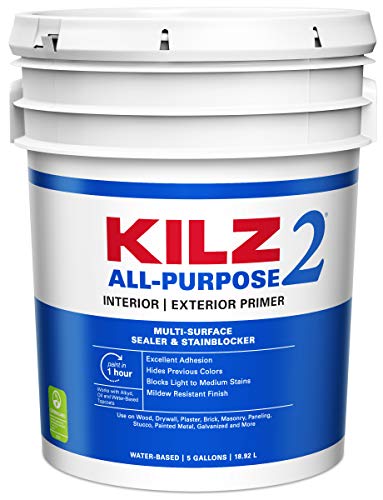
Primers are usually the first layer you put on walls. They help paint stick better. They also hide old colors and fix small surface issues.
Then, you add your paint color on top. This gives you the final look and protection.
Paint and primer in one aims to combine these steps. It has special ingredients that help it grip and cover. This can make painting projects faster.
It feels like a smart shortcut for busy homeowners.
My Own Paint Project Panic
I remember staring at my old garage door. It was a faded, sad green. I wanted to paint it a deep, rich blue.
I saw the “paint and primer in one” cans. “Perfect!” I thought. “This will be so easy.” I bought a few cans and got to work, feeling pretty pleased with myself.
The first coat went on okay. It covered some of the green. But the blue wasn’t as bright as I wanted.
It looked a bit patchy in places. I thought, “No problem, a second coat will fix it.” I applied the second coat. It looked better, but the old green still peeked through in a few spots.
Then, a few months later, after a hot summer and some hard rain, I noticed some spots where the paint looked like it was peeling a little. It wasn’t everywhere, but it was enough to make me worry. I had used the “good stuff” too, or so I thought.
That’s when I learned that sometimes, shortcuts don’t always pay off for big jobs like your house exterior.
Paint & Primer: How It Works (The Basics)
Primer’s Job:
- Helps paint stick better.
- Covers dark or light colors.
- Blocks stains.
- Smooths the surface.
Paint’s Job:
- Gives color.
- Adds beauty.
- Protects from weather.
Paint & Primer in One: Tries to do both jobs in one can. The goal is to simplify your work.
When Is “Paint & Primer in One” a Good Idea for Your Exterior?
So, when might this all-in-one product actually work for your house? It really depends on what you’re painting and what your goals are. Think about the surface you’re working on.
Is it in good shape? What color are you starting with? What color do you want?
For starters, if you are painting over a color that is very similar to your new color, it might be fine. For example, going from a light gray to a slightly darker gray. The paint and primer in one will likely cover well enough.
You might only need two coats.
Another good time to consider it is if you are just giving your house a refresh. Maybe the old paint is still in good condition. It’s just looking a bit dull.
A fresh coat of paint and primer in one can bring it back to life. It can make your home look cared for again.
These products can also be good for smaller projects. Think about painting trim or a fence. For these areas, the stakes might feel a little lower.
If it doesn’t last as long as a separate system, it’s less of a headache to fix later.
The key is to manage your expectations. It’s not magic. It’s a product designed for convenience.
This often means there are trade-offs. The more challenging the job, the less likely it is to be a perfect solution on its own.
Quick Scan: When to Use Paint & Primer in One (Exterior)
Good For:
- Light color changes (e.g., light gray to medium gray).
- Repainting a similar color.
- Surfaces in good condition.
- Refreshing faded paint.
- Smaller projects like trim or fences.
Maybe Not For:
- Big color changes (e.g., dark to light, or vice-versa).
- Surfaces with stains or damage.
- Porous or unpainted wood.
- Areas with extreme weather.
The Challenge of Major Color Changes
Now, let’s talk about when paint and primer in one might let you down. The biggest hurdle is a major color change. This is where the “primer” part of the can often falls short.
Imagine painting your dark red house a soft white. That deep red is very stubborn.
A good, separate primer is designed to block these strong colors. It creates a neutral base. This ensures your new white paint looks pure and true.
Paint and primer in one might try to cover it, but it often takes many, many coats. You end up using more product than you thought.
And even after all those coats, you might still see faint hints of the old color. This is especially true in certain lighting. It’s a common complaint.
The “primer” in the paint is often not as robust as a dedicated primer. It’s diluted by the paint. Its coverage power is reduced.
This is why experienced painters often stick to the old way. They know a separate primer gives them control. It gives them confidence that the final color will be perfect.
They invest the extra time upfront for a better result. This is especially true for a big, visible project like your home’s exterior.
The U.S. Environmental Protection Agency (EPA) suggests proper preparation is key for lasting paint jobs. This includes using the right primers for the surface and color.
They emphasize that skipping steps can lead to premature failure. For homes, durability is a major concern.
Surface Preparation Still Matters (A Lot!)
This is a point many people miss. Even with paint and primer in one, you can’t skip prepping your walls. Your home’s exterior takes a beating from the sun, rain, wind, and even snow.
Dirt, mold, mildew, and old peeling paint can all be hiding there.
If you paint over these problems, you’re just trapping them. They will eventually cause the new paint to fail. You’ll see bubbling, peeling, or flaking.
It can happen sooner than you think. It feels like a waste of money and effort.
So, before you even open that can of paint and primer in one, you need to clean your house. Use a good power washer or a stiff brush and cleaner. You need to get rid of all the grime.
You also need to scrape away any loose or peeling paint. Sand down rough spots.
If you have mildew, you need to treat it. For wood siding, check for any rot or damage. You might need to repair or replace boards.
This prep work is crucial. It’s the foundation for any good paint job. Skipping it is the fastest way to ruin your “shortcut.”
This step is non-negotiable. Think of it like preparing a canvas before painting a masterpiece. The smoother and cleaner the canvas, the better the art will look.
Your home’s exterior deserves that same care.
Exterior Paint Prep Checklist
1. Clean Everything: Wash down all surfaces. Use a pressure washer on a low setting or a scrub brush with soap.
Remove dirt, dust, and grime. Rinse well.
2. Scrape and Sand: Find and remove all loose, peeling, or cracked paint. Feather the edges of the scraped areas by sanding them smooth.
3. Address Mildew: Mix a solution of bleach and water (1 part bleach to 3 parts water) or use a dedicated mildew cleaner. Scrub affected areas and rinse thoroughly.
4. Repair Damage: Fix any rotten wood, caulk gaps, and repair cracks. Let repairs dry completely.
5. Protect Surroundings: Cover plants, driveways, and windows with drop cloths or plastic sheeting.
What About Different Exterior Materials?
Your house isn’t just one material. It might have wood trim, vinyl siding, stucco, or brick. Each of these can react differently to paint.
Paint and primer in one might not be the best choice for all of them.
For example, unpainted wood is very porous. It drinks up paint. A good quality primer is essential here.
It seals the wood. This prevents the paint from soaking in too much. It ensures even coverage and helps the paint last longer.
Paint and primer in one might struggle to seal it properly.
Vinyl siding can be tricky. It expands and contracts with temperature changes. You need a paint formulated for vinyl.
Also, painting vinyl a darker color than its original can cause it to warp. This is because it absorbs more heat. Always check the paint manufacturer’s guidelines for vinyl siding.
Stucco can be rough and uneven. It has a lot of texture. A good primer can help fill some of those tiny pores.
It creates a smoother surface for the paint. This makes the final finish look more uniform. Paint and primer in one might not have the hiding power needed for very textured stucco.
Brick is often left unpainted. If you do paint it, it’s a permanent decision. The brick needs to breathe.
If you seal it with a paint that doesn’t allow it to breathe, moisture can get trapped. This can lead to damage. Special masonry primers and paints are often recommended for brick.
So, while the idea of one can is appealing, think about the material of your home’s exterior. It plays a big role in whether this product will serve you well. Always check the paint can for specific recommendations for different surfaces.
The Weather Factor: Our Homes Endure a Lot
The environment where you live plays a huge role. Some parts of the U.S. have mild weather.
Others experience harsh winters, scorching summers, or constant high humidity. Your exterior paint needs to stand up to all of it.
In areas with extreme temperature swings, paint can expand and contract. This can lead to cracking and peeling over time. A good primer provides a flexible base.
It helps the paint move with the surface. A paint and primer in one might not offer this same flexibility.
If you live in a rainy climate, moisture is a big enemy. Paint needs to protect your home from water damage. It needs to be able to resist mildew and mold growth.
Some all-in-one paints might not have the same level of moisture protection as a dedicated exterior paint system.
High UV exposure from strong sun can fade and break down paint. High-quality exterior paints and primers are formulated to resist this. They contain UV inhibitors.
You need to be sure your paint and primer in one has these protective qualities. Many do, but it’s worth checking the label.
Consider the Consumer Reports guides for paint. They often test durability against various weather conditions. Their findings consistently show that separate, high-quality primers often outperform combined products in demanding environments.
This is because they are engineered for a specific task.
Understanding Exterior Paint Durability
Key Factors:
- UV Resistance: How well it fights sun damage and fading.
- Moisture Barrier: How it keeps water out while letting surfaces breathe.
- Flexibility: How it handles expansion and contraction with temperature changes.
- Adhesion: How well it sticks to the surface over time.
- Mildew/Mold Resistance: How it prevents growth in damp conditions.
Paint & Primer in One: Aims to balance these, but dedicated products often excel in specific areas.
When is “Paint & Primer in One” NOT a Good Idea?
Let’s be clear. There are times when you should just say no to paint and primer in one for your exterior. I’ve seen it happen too many times.
People think they are saving time and money, but they end up spending more in the long run.
The biggest red flag is painting over a surface that has issues. This includes chalking paint. This is a powdery residue that comes off on your hand.
It means the paint is breaking down. You absolutely need to remove this. Then, you need a good primer to create a stable surface.
Also, if you have oil-based paint and want to switch to latex (water-based) paint, you MUST use a primer. Latex paint won’t stick well to oil-based paint without it. Trying to use paint and primer in one here is a recipe for disaster.
You’ll likely see peeling and flaking very quickly.
Raw, unpainted wood, as I mentioned, really needs a dedicated primer. It’s the best way to ensure the paint adheres properly and lasts. The same goes for wood siding that has never been painted before.
You want to seal and protect that wood.
If your home is in an area with very harsh weather – think extreme heat, cold, or lots of rain – a separate, high-quality primer and paint system will give you better protection. It’s an investment in the longevity of your home’s exterior.
Finally, if you want a truly flawless finish, especially with bold colors or intricate details, a separate primer provides a clean canvas. It allows your topcoat to shine without interference from old colors or surface imperfections.
What This Means for Your Home
For your home’s exterior, the decision to use paint and primer in one isn’t just about convenience. It’s about protection and curb appeal. A good paint job shields your home from the elements.
It also makes it look its best.
If you choose paint and primer in one, understand its limitations. Be realistic about the outcome. It might be perfectly fine for a simple refresh.
It might not be enough for a dramatic makeover or for a home facing tough conditions.
When in doubt, err on the side of caution. A little extra work upfront with a separate primer can save you a lot of headaches later. It can save you money on future repairs and repainting.
Think about the value of your home. The exterior is the first impression. You want it to look good for years.
This means choosing the right materials and doing the job right. It’s an investment in your property.
Consider talking to a paint professional at your local hardware store. They can offer advice based on the specific products they carry. They can also give you tips for your region’s climate.
They see what works and what doesn’t day in and day out.
When to Worry: Red Flags for Paint & Primer in One
Major Color Changes: Dark to light, or light to dark requires serious blocking power.
Problematic Surfaces: Chalking, peeling, or stained areas need a stable base.
Material Transitions: Moving from oil-based to latex paint demands a specific primer.
Extreme Weather: Homes facing harsh sun, heavy rain, or extreme cold need maximum protection.
Unpainted Surfaces: New wood or stucco benefits greatly from sealing primers.
Quick Tips for Exterior Painting Success
Whether you use a combined product or a separate system, good practices lead to a better result. Here are some simple tips:
Choose the Right Product: Always buy exterior-grade paint. Never use interior paint outside. Check labels for specific use cases.
Consider the Sheen: Higher sheens (like satin or semi-gloss) are often more durable and easier to clean on exteriors than flat finishes. However, they show imperfections more.
Paint in Good Weather: Avoid painting in direct, hot sun. Wait for a mild day, typically between 50°F and 85°F. Check the forecast for rain for at least 24-48 hours after you finish.
Work in Sections: Paint one side of the house at a time. This helps maintain a wet edge. It prevents lap marks.
Use Quality Tools: Good brushes and rollers make a difference. They help you apply paint evenly. They make the job easier.
Read the Can: Seriously, read the instructions on the paint can. They have specific advice from the manufacturer.
These tips apply no matter what paint you choose. They are about making your hard work last and look great.
Frequently Asked Questions About Exterior Paint & Primer
Can I use interior paint and primer in one on my exterior porch?
No, it’s best to always use exterior-grade paint for any outdoor surfaces. Interior paints aren’t designed to withstand weather, sun, and moisture. They will likely peel, fade, or chalk very quickly when exposed to the elements.
Always select products labeled for exterior use, even for porches.
How many coats of paint and primer in one do I need for a color change?
For minor color changes, two coats might be enough. For drastic changes, like going from dark to light, you might need three or even four coats. It’s often more efficient and cost-effective to use a dedicated primer first for significant color shifts.
This ensures full coverage and a true final color.
Will paint and primer in one cover chalky paint on my house?
No, paint and primer in one will not properly cover chalky paint. Chalking means the old paint is breaking down. You must remove all chalky residue by washing and scrubbing the surface thoroughly.
Even then, a dedicated primer is usually needed to create a stable base over a chalking surface.
Is it okay to paint over old, peeling paint with a paint and primer in one?
Absolutely not. You must scrape and sand off all loose or peeling paint before applying any new coating. Painting over peeling paint will only cause the new paint to fail as well.
It traps the problem and leads to more extensive damage and costly repairs down the line.
Can I use paint and primer in one on unpainted wood siding?
While some paint and primer in one products might claim to work on raw wood, it’s generally not recommended for the best results and longevity. Unpainted wood is very porous. A dedicated oil-based or stain-blocking primer is much more effective at sealing the wood, preventing moisture absorption, and ensuring even paint adhesion.
This protects the wood from rot and extends the life of your paint job.
Does paint and primer in one last as long as separate coats?
Generally, a properly applied system of separate primer and paint tends to last longer and perform better, especially in challenging conditions. The dedicated primer has specific properties to bond with the surface and block issues. The topcoat then focuses on providing color and ultimate protection.
While convenience is high with combined products, durability can sometimes be a trade-off.
Conclusion: A Smart Choice for the Right Job
Paint and primer in one can be a handy tool for certain exterior painting tasks. It’s great for minor updates or when your current paint is in good shape. It can save you time and effort on simpler jobs.
However, it’s not a universal solution.
For major color changes, damaged surfaces, or harsh weather, a separate primer and paint system is usually the smarter choice. It offers better adhesion, coverage, and long-term protection for your home. Weigh the pros and cons carefully for your specific project.
Your home’s exterior deserves the best care it can get.
Sponsored / affiliate links. As an Amazon Associate I earn from qualifying purchases. I may earn additional commission from eligible campaigns.