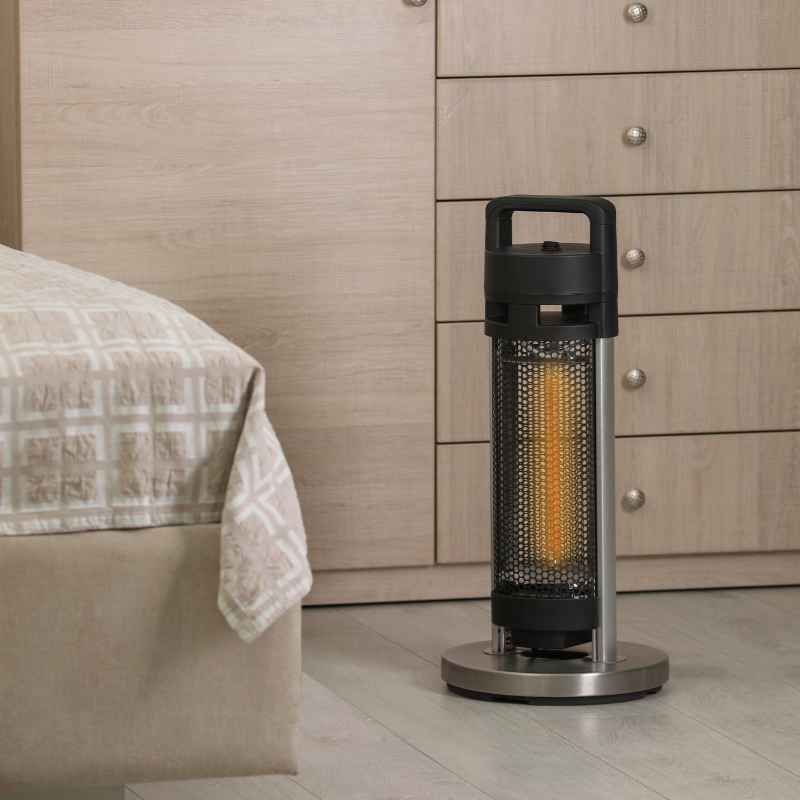
What Is The Automatic Timer On Infrared Heaters For?
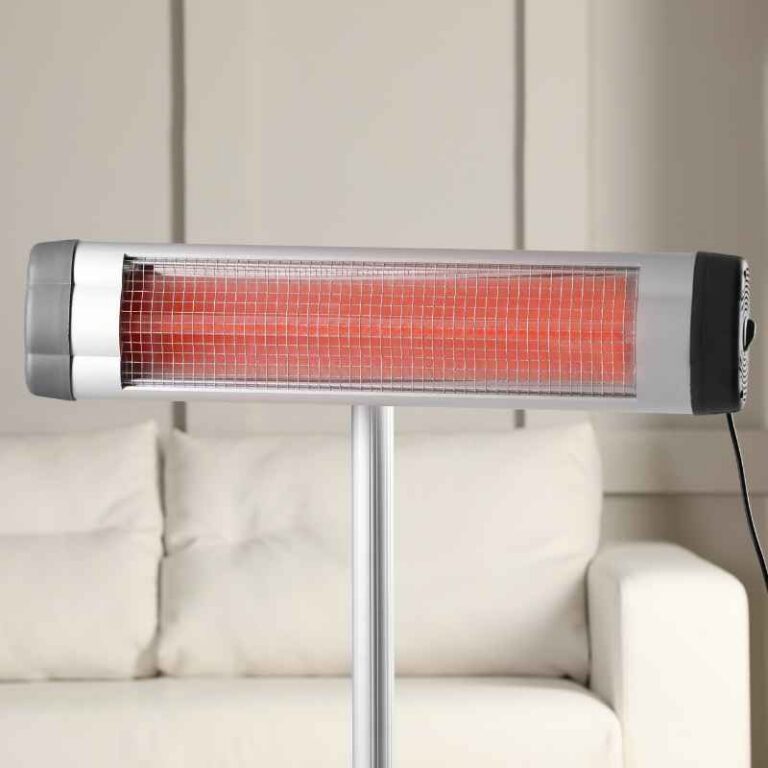
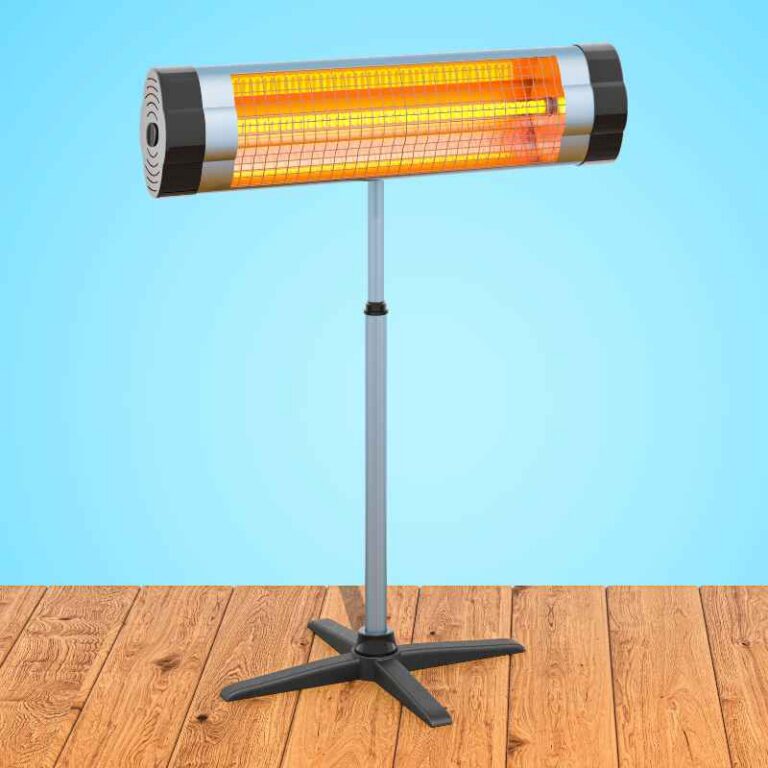
The automatic timer on infrared heaters is primarily for energy saving, safety, and convenient temperature control. It allows you to set specific times for the heater to turn on or off, ensuring comfort only when needed and preventing accidental continuous operation, which helps reduce electricity bills and potential hazards.
Understanding Your Infrared Heater’s Timer
So, what exactly does that timer button do on your infrared heater? Think of it like a little helper. It lets you tell your heater when to start working and when to stop.
You don’t have to remember to do it yourself. This is super helpful. It means you can set it before you go to bed.
Then, it turns off on its own. Or, you can have it turn on just before you wake up.
This feature is all about making your life easier and your home more efficient. It helps you save money on your electricity bill. It also makes your home safer.
We’ll dive into all the cool things it can do.
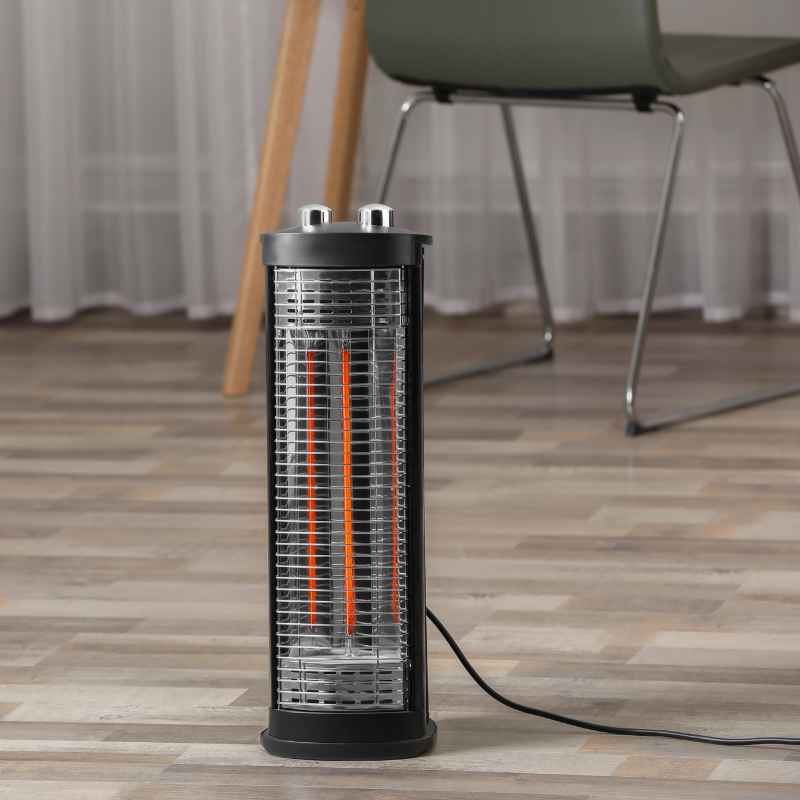
Why Did They Put a Timer on My Infrared Heater?
Infrared heaters are great because they heat objects directly. This means they can warm a room faster. But like any heater, they use electricity.
If you forget to turn it off, it keeps running. This wastes energy. It also costs you more money each month.
That’s where the timer comes in handy.
The main reason for the timer is energy efficiency. You want to be warm when you are in the room. You don’t need it to run all night if you are asleep.
Or maybe you are at work all day. The timer lets you set it to turn off when you leave. Then, you can set it to turn on a bit before you get home.
This way, you have a warm house waiting for you. But you didn’t pay to heat an empty house.
Another big reason is safety. Sometimes, we get distracted. We might accidentally leave a heater on for too long.
This can be a fire risk, though infrared heaters are generally safer than older types. The timer acts as a backup. It ensures the heater won’t run longer than you intended.
This is especially useful if you have pets or children. It adds an extra layer of security.
My Own Timer Story
I remember when I first got my infrared patio heater. It was a chilly spring evening. I set it up to enjoy dinner outside.
The heater worked wonders. It made the whole area feel cozy. I got caught up talking with my family.
The night got late. I completely forgot about the heater. I was already in bed when I suddenly remembered.
I jumped out of bed. I worried about it running all night. I rushed downstairs.
I found it still on. Thankfully, nothing happened. But it was a real scare.
That’s when I looked at the timer feature I had ignored. I set it for just three hours. The next evening, I used the timer.
It turned off automatically. I felt so much better knowing it was safe. It also saved me some electricity, I’m sure.
How the Timer Works (Simple Version)
What it does: It’s like a switch with a schedule.
You set it: You pick the hours and minutes.
It follows: The heater turns on or off at those times.
Why it helps: Saves power, adds safety.
Different Ways to Use Your Infrared Heater Timer
There are so many ways you can use this timer. It’s not just one setting. Most timers let you do a few things.
You can often set it for a specific amount of time. You can also set daily schedules.
Let’s look at some common uses. Think about your daily routine. Where could a timer help you most?
Morning Comfort
Waking up can be tough, especially when it’s cold. You might dread getting out of your warm bed. You can set your infrared heater to turn on about 15-30 minutes before your alarm.
This warms up your bedroom gently. When you wake up, the room is already comfortable. No more shivering as you get ready.
This is a great example of how the timer adds comfort. It makes your mornings much more pleasant. You start your day feeling relaxed, not rushed and cold.
Evening Wind-Down
As the day ends, you want to relax. Maybe you like to read in your living room. Or perhaps you enjoy watching TV.
You can set the timer to turn on when you usually sit down. Then, set it to turn off after you usually go to bed.
This ensures you are warm during your evening hours. But it also means the heater switches off on its own. You don’t have to remember.
This is especially good if you sometimes fall asleep on the couch. The timer provides peace of mind.
Timer Settings Explained
Set It and Forget It: This is the main idea. You program it once.
Specific Duration: Many timers let you choose how long the heater runs. For example, “run for 2 hours.”
Daily Schedules: Some advanced timers let you create a schedule for each day of the week. This is great for different weekday and weekend routines.
Auto Shut-Off: A key safety feature. It stops the heater after a set time.
Saving Energy When You’re Away
This is a huge benefit. If you work outside the home, your heater doesn’t need to run all day. You can set it to turn off in the morning.
Then, set it to turn on about 30 minutes before you usually arrive home.
This saves a lot of electricity. Heating an empty house is a waste of money. Using the timer means you only pay for heat when you are actually there to enjoy it.
Over time, this can lead to noticeable savings on your utility bills.
Child and Pet Safety
Parents and pet owners know that safety is always a top concern. Infrared heaters are generally safe. They don’t have exposed heating elements.
But they still get hot. Leaving a heater on for too long can still be a risk.
The timer acts as a critical safety net. You can ensure the heater is only on when someone is actively using it. You can set a time limit.
This reduces the chance of accidents. It’s one less thing to worry about when you’re busy with your family or your pets.
Smart Timer vs. Basic Timer
Basic Timer: Usually found on simpler models. You might set a specific duration (e.g., 1-8 hours). It turns off after that time.
Programmable Timer: More advanced. Allows you to set specific on/off times for different days. Like a thermostat’s programming feature but for timing.
Smart Timer (Connected Models): Some infrared heaters connect to Wi-Fi. You can control them with an app on your phone. This often includes very flexible scheduling and remote control.
Real-World Scenarios: Where Timers Shine
Let’s think about different places and times you might use this timer feature.
The Home Office Boost
Many people work from home now. You might only need heat in your office during work hours. You can set the timer to turn on before you start work.
Then, have it turn off at the end of your workday. This keeps your workspace cozy without heating the whole house unnecessarily.
This also helps if you tend to get engrossed in your work. You might forget to turn off the heater. The timer does it for you.
It maintains your focus on your tasks.
The Guest Room Comfort
If you have guests, you want them to be comfortable. But you don’t need to heat a guest room all the time. You can set the timer to turn on a few hours before they arrive.
Or, you can show them how to use it with the timer. They can set it for a few hours at a time.
This is thoughtful hospitality. It ensures your guests have a warm and welcoming stay. It also prevents wasted energy when the room is not in use.
The Garage or Workshop Helper
Some people use infrared heaters in garages or workshops. These spaces can get very cold. You might only need heat when you are actively working there.
You can set the timer to turn on for a few hours when you plan to work on a project.
This provides warmth for focused work. It prevents the heater from running for extended periods when you are not present. It’s a practical way to use the timer for hobby or DIY spaces.
Timer vs. Thermostat
Timer: Controls WHEN it runs. You set start and stop times.
Thermostat: Controls HOW HOT it gets. It turns on/off to maintain a specific temperature.
Best Use: Many heaters have both! Use the thermostat for steady temps. Use the timer to control when the thermostat is active.
What This Means for You: When is it Normal?
It’s completely normal to use the timer on your infrared heater. In fact, it’s highly recommended. Using the timer is a sign of smart energy use.
It shows you are thinking about safety and efficiency.
Think about your own habits. Do you often forget to turn off electronics? Do you like your home at a certain temperature at certain times?
If so, the timer is your friend.
Here’s a quick check: If you feel you could be saving money on your electric bill, the timer can help. If you sometimes worry about leaving appliances on, the timer adds peace of mind.
When to Actually Worry (And What to Do)
You shouldn’t worry about the timer itself if it’s working correctly. The timer is designed to prevent problems. However, you should worry if:
- The timer doesn’t seem to work. The heater runs continuously even when it should be off.
- The heater turns on or off at random times, not matching your settings.
- You notice any strange smells or sounds when the timer is engaged.
If you see any of these issues, stop using the heater. Check your user manual. If you can’t fix it, contact the manufacturer’s customer support.
Most reputable brands offer warranties. They can help you troubleshoot or get a replacement. Always prioritize safety.
Quick Tips for Using Your Timer
Here are some easy tips to get the most out of your infrared heater’s timer:
- Read your manual: Every heater is a bit different. Your manual will show you exactly how to set your specific timer.
- Start simple: If you’re new to timers, try a basic “run time” setting first. Then, explore more complex schedules.
- Consider your daily flow: Think about when you are home and when you are away. Match the timer settings to your life.
- Use it for a week: Try using the timer consistently for a week. Notice if you feel warmer when you need to be. See if your electricity bill changes.
- Combine with thermostat: If your heater has a thermostat, use them together! Set the timer for when you want the heating to be active. Then, let the thermostat control the exact temperature.
Checking Your Heater Settings
Look for buttons: Search for buttons labeled “Timer,” “Set,” “Program,” or clock icons.
On-screen display: Many digital timers show the current time and your programmed settings.
User manual is key: This is your best friend for understanding the specific functions.
Test it out: Set a short timer (e.g., 15 minutes) to see if it turns off correctly.
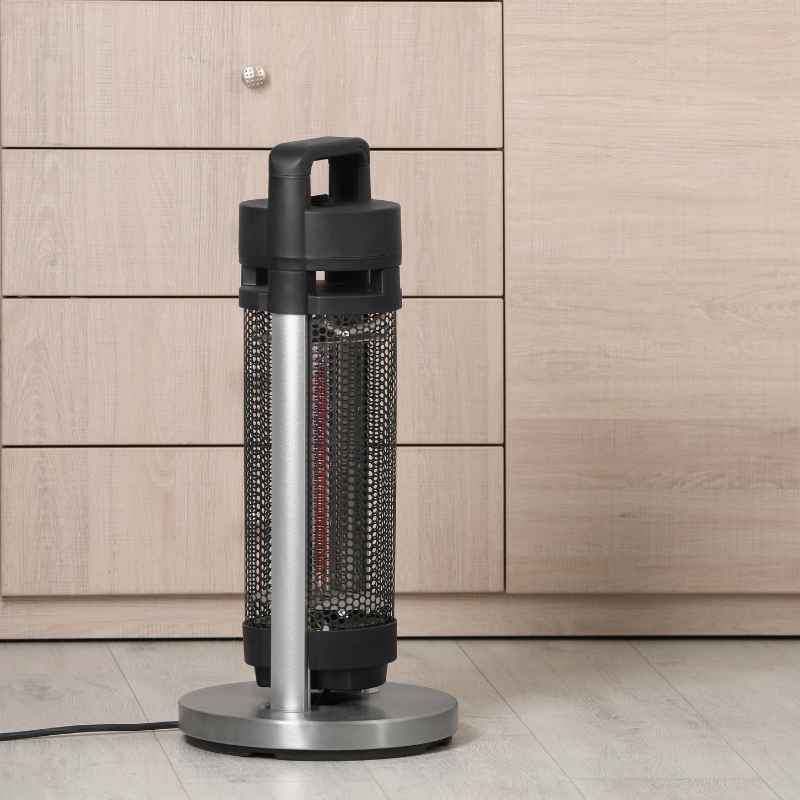
Frequently Asked Questions About Infrared Heater Timers
What is the main benefit of using the timer on an infrared heater?
The main benefit is saving energy and money on your electricity bill. You only heat your space when you need it.
Can I set my infrared heater to turn on automatically in the morning?
Yes, most programmable timers allow you to set specific times for the heater to turn on and off each day, including in the morning.
Is it safe to leave an infrared heater on with the timer?
Using the timer to set a specific duration or schedule is generally safe. It ensures the heater doesn’t run continuously if you forget, adding a layer of safety.
How do I set the timer on my infrared heater?
You’ll typically use buttons on the heater’s control panel or a remote. Consult your owner’s manual for exact instructions for your model.
What is the difference between a timer and a thermostat on a heater?
A timer controls when the heater is active (on/off times). A thermostat controls the temperature by turning the heater on or off to reach a set degree.
Do all infrared heaters have a timer?
Not all models have a timer. Basic units might not. Programmable and smart infrared heaters are more likely to include this feature.
Can I use the timer to make my home warmer?
Yes, by setting the timer to turn the heater on before you need it, you can ensure your space is warm when you enter it, improving comfort.
Conclusion
That automatic timer on your infrared heater is a really smart feature. It’s designed to help you save money and stay safe. By taking a few minutes to set it up, you can enjoy a comfortable home.
You also get peace of mind. Don’t let it go unused. Give it a try and see how much easier your heating can be.
Sponsored / affiliate links. As an Amazon Associate I earn from qualifying purchases. I may earn additional commission from eligible campaigns.