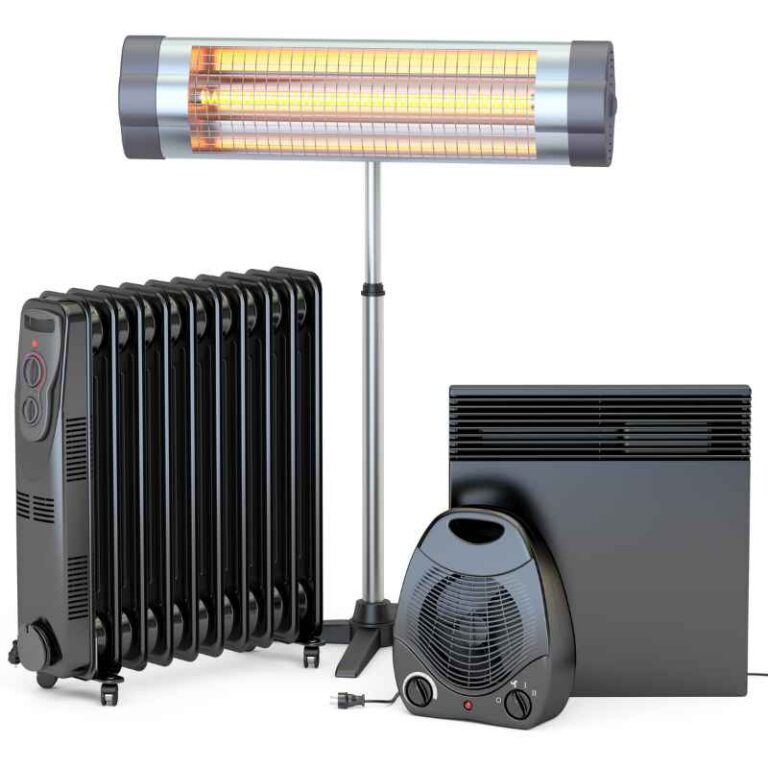
Do Far Infrared Heaters Work?
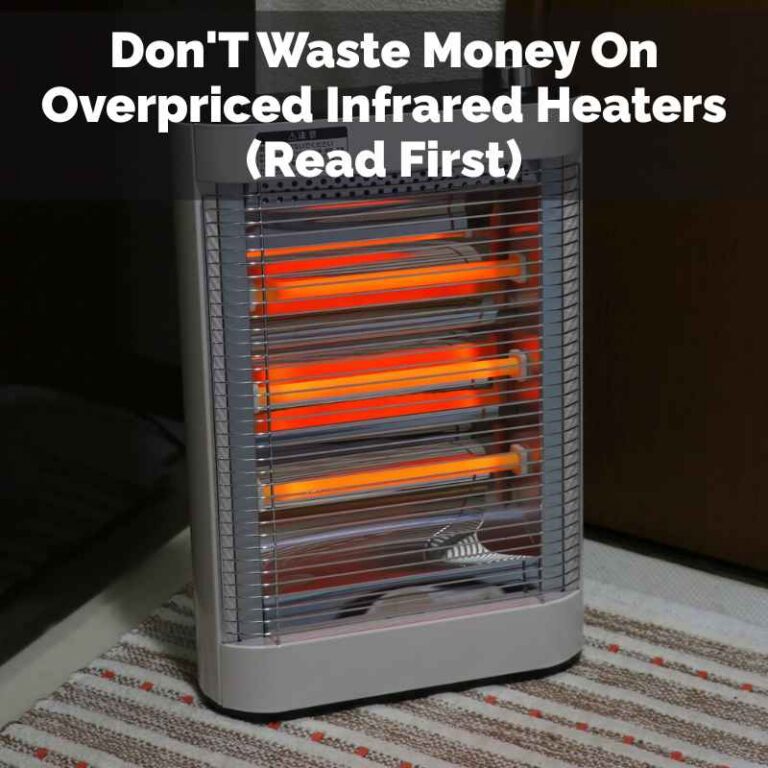
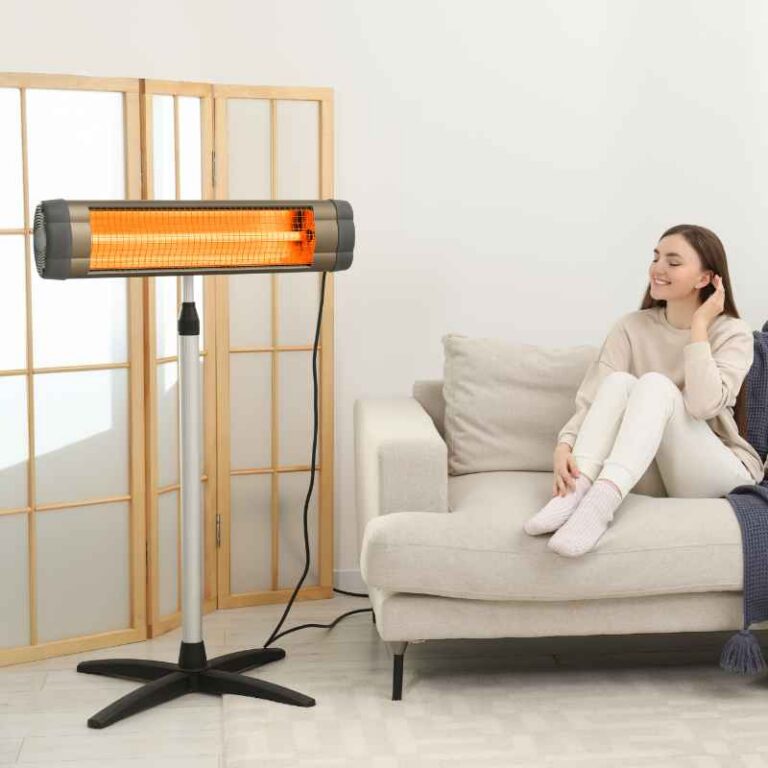
Yes, far infrared heaters work, but not the way most marketing describes them: they don’t heat the air first, they emit radiation that’s absorbed directly by your skin and nearby surfaces, the same way sunlight warms you on a cold day even when the air temperature hasn’t changed. This guide explains the actual physics behind that effect and where far infrared heating genuinely helps versus where it falls short.
How the heat actually transfers
Far infrared refers to electromagnetic radiation at the longer end of the infrared spectrum, roughly 4 to 1,000 microns in wavelength. Instead of warming the air a fan then circulates, this radiation travels through the air largely unabsorbed and is absorbed directly by solid objects, skin, and surfaces it strikes, converting to heat on contact. That’s why standing in front of one feels warm almost instantly, even in a room that still measures cold on a thermometer, since the thermometer is reading air temperature, not the radiant heat you’re feeling.
Why “efficiency” claims can be misleading
Far infrared heaters are electric resistance heaters, and like any resistive heater, they convert essentially 100% of the electricity they draw into heat, no more and no less than a basic 1,500-watt convection heater of the same wattage. Marketing that pushes an “Amish heater” or similar branding is describing comfort-per-watt from direct radiant heating of a person, not lower electricity consumption for a given wattage. They can reduce a heating bill only if used to let you turn down central heat in one occupied room, not because the unit itself is inherently more efficient at converting power to heat. For a deeper look at how infrared heaters work at the physics level, the wavelength and absorption mechanics are the same across near, medium, and far infrared products.
Where far infrared heating genuinely works well
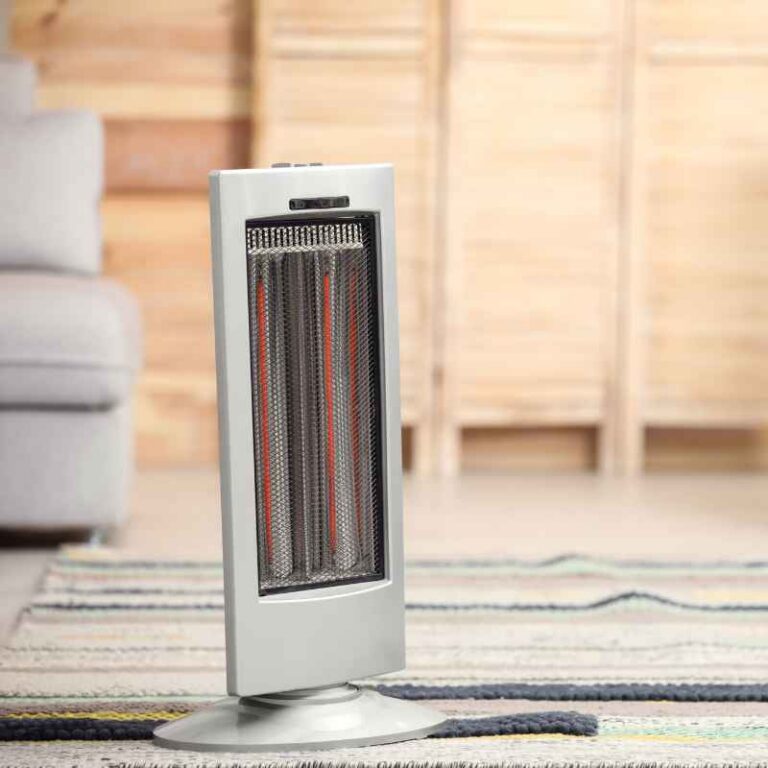
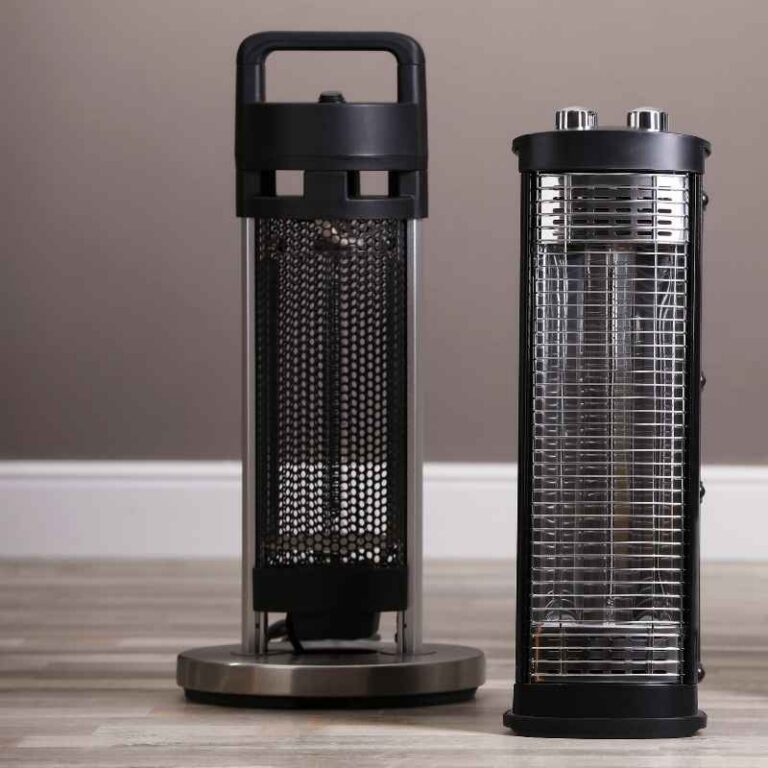
Garages, workshops, sunrooms, and drafty rooms are good candidates, since the goal there is usually warming a person or a work area rather than the entire air volume. Panel-style far infrared heaters using ceramic or carbon-fiber emitting elements are common for this kind of supplemental, spot-focused heating.
Where it falls short
In a large room, a space with high ceilings, or anywhere heat needs to reach every corner evenly, far infrared underperforms a forced-air or convection system, because surfaces re-radiate their absorbed heat slowly and the ambient air itself never really warms up. Anyone more than a few feet from the unit, or outside its direct line of sight, gets little benefit.
Frequently Asked Questions
Do far infrared heaters raise electric bills?
They draw the same electricity as any resistive heater of the same wattage. Whether your bill goes up depends on how you use it, running it in addition to full central heat costs more, while using it to offset turning down the thermostat in one room can save money.
Are far infrared heaters safe to touch?
Panel surfaces can get hot enough to cause burns on direct prolonged contact, so they should be treated like any space heater: kept clear of curtains and furniture and out of reach of children and pets.
Do far infrared heaters work as well as convection heaters in a large room?
No. Convection and forced-air heaters are better suited to warming an entire room’s air volume evenly, while far infrared is better matched to warming a specific person or small area.
Sponsored / affiliate links. As an Amazon Associate I earn from qualifying purchases. I may earn additional commission from eligible campaigns.
 GermGuardian HEPA Air Purifier - Large Room Air Purifier for Bedroom, Office, Dorm, and Home - Filters Pet Dander, Dust, Pollen, Smoke, Scents - AC4825W2PK - 22" Tower - White - 2-Pack
 HEYAXA Air Purifiers for Home Large Room Up to 2000 Ft² with Air Quality Monitor, Filter Remind,21dB Sleep Mode, Wi-Fi and Timer, Washable Filters,Air Purifier for Pets/Dust/Smoke/Odor