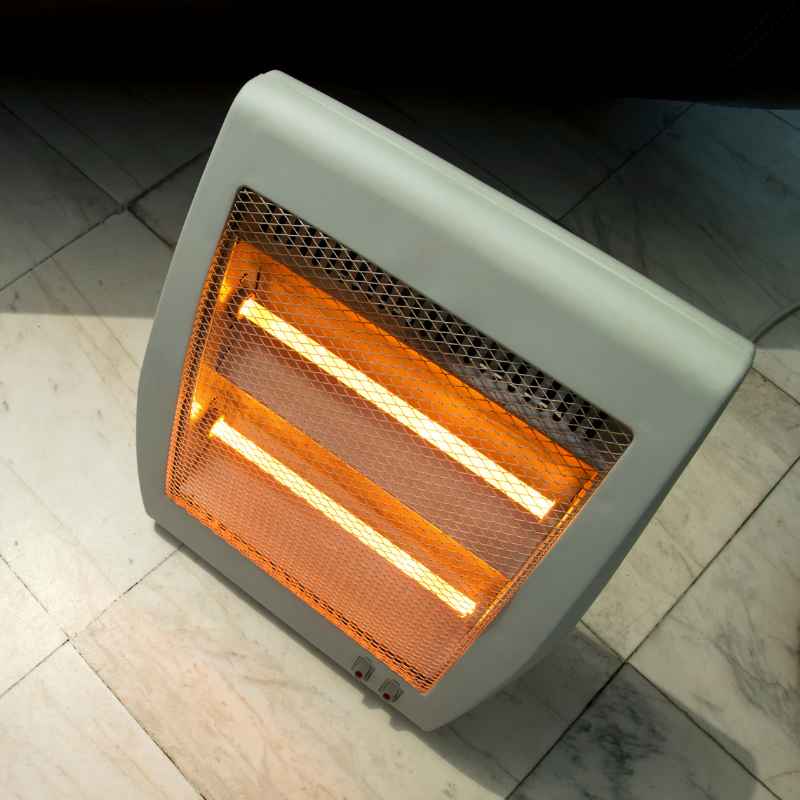
Does An Infrared Heater Heat Better Than Other Heaters?
Infrared heaters are often perceived as heating better because they warm objects and people directly, not just the air. This can feel more efficient and comfortable in certain situations, especially in rooms with drafts or high ceilings where air heating is less effective. However, “better” depends on your specific needs and the space being heated.
Understanding How Infrared Heaters Work
To see if an infrared heater is a good fit for you, we need to know how it works. Unlike other heaters that warm the air around them, infrared heaters work differently. They send out radiant heat. Think of it like the sun. The sun’s rays travel through space and warm you directly when they hit your skin. Infrared heaters do something similar.
These heaters have a heating element. This element gets very hot. It then gives off infrared radiation. This radiation travels in invisible waves. When these waves hit objects, like furniture, walls, or even you, they transfer heat. The objects and people absorb this energy. They then start to feel warm.
The air in the room is not the primary thing being heated. It gets warmed up indirectly. It’s warmed by the objects that have absorbed the infrared rays. This is a key difference. Many standard heaters, like space heaters or central heating systems, focus on warming the air first. They push hot air into the room.
This direct heating method means you can often feel the warmth from an infrared heater almost instantly. You don’t have to wait for the whole room to get toasty. This can be a big plus. It’s a feeling of warmth that sinks in. It’s not just on your skin, but also within.
How Other Heaters Work
To really compare, let’s look at how other common heaters do their job. This will help us see the differences more clearly. Most people are familiar with convection heaters. These are very common. They work by heating the air. Then, they use a fan or natural air currents to move that warm air around the room.
Think about a typical electric space heater with a fan. It draws in cooler air. It passes this air over a hot element. The air gets warm. A fan then blows this warm air out into the room. This hot air rises and mixes with the cooler air. This process continues, gradually warming the entire room.
Central heating systems, like furnaces or boilers, also work on the convection principle. They heat air (or water) centrally. This heated air or water is then distributed throughout the house via ducts or pipes. The goal is to warm the entire indoor space by heating the air.
Another type is radiant electric heaters. These are similar to infrared heaters in that they produce radiant heat. However, they often use glowing coils that are visible. They warm objects directly in front of them. But some can also heat the air to some extent. They are not as purely radiant as infrared models.
The main difference is the target. Convection heaters aim for the air. Infrared heaters aim for objects and people. This leads to different feelings of warmth and different uses for each type.
Heating Method Comparison: Quick Scan
- Infrared: Heats objects and people directly. Feels warm instantly.
- Convection: Heats the air. Takes time to warm the whole room.
- Radiant (other): Warms objects nearby. Can also warm air slightly.
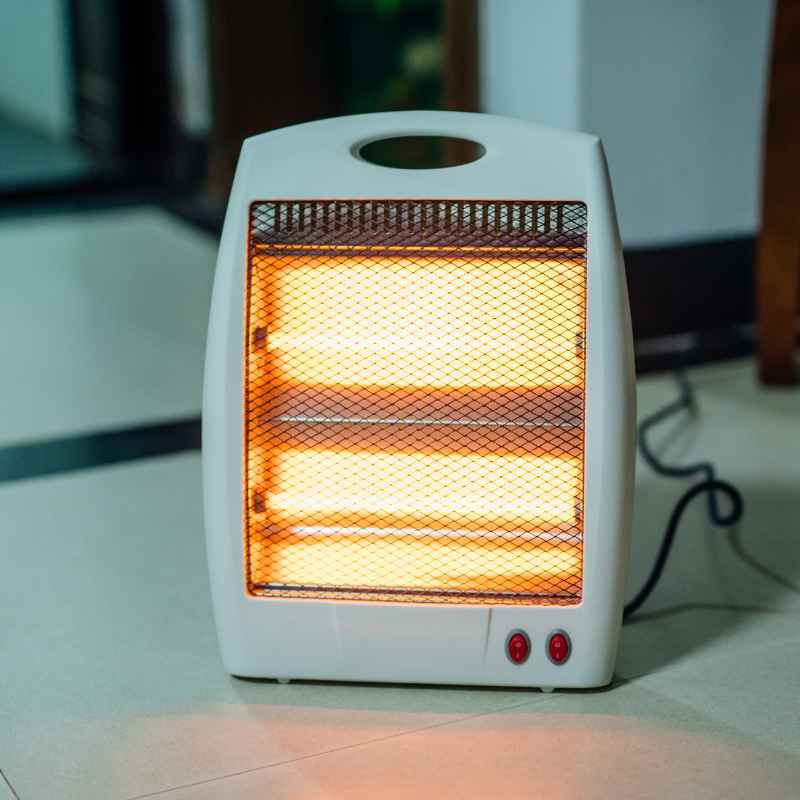
Why Infrared Feels “Better” Sometimes
Many people say that infrared heaters “heat better” because of how the warmth feels. It’s a more direct and often more penetrating warmth. When you stand in front of an infrared heater, you feel that heat soak into your clothes and skin almost right away. This is very different from sitting in a room warmed by convection heat.
With convection heating, the air temperature might be the same, but you can still feel a draft or a cool spot. This is because the air itself is what’s being heated and circulated. If there are any air leaks or drafts in the room, that warm air can escape quickly. The cooler air then rushes in.
Infrared heat, however, is not affected by air movement in the same way. The rays travel straight to where they are directed. So, even if there’s a slight breeze from a window, the objects and people in the path of the infrared rays will still feel warm. This makes them great for rooms that are hard to keep consistently warm, like sunrooms or workshops.
Another factor is how our bodies perceive heat. We are warmed by radiation all the time from the sun. So, this type of heat feels natural and comfortable. It bypasses the step of heating the air, which can sometimes feel stagnant or dry with convection heaters. This direct warming can make a space feel cozier at a lower overall air temperature.
In my own home, I found this to be true when I set up a small infrared heater in my garage. I work on projects out there, and it can get quite chilly in the winter. With a convection heater, I’d feel warm standing next to it, but as soon as I moved away, I was cold again. The garage itself never seemed to truly warm up.
When I switched to an infrared panel heater, it was a game-changer. I could feel the warmth on my workbench and my tools. I felt warm even when I was moving around the space. It made working out there so much more enjoyable. It felt like the garage was more comfortable, even though the air temperature hadn’t changed much.
Experience with an Infrared Heater in a Drafty Room
I remember one winter when my living room had this one tricky spot by the patio door. No matter how high I turned up the central heat, that area always felt like an ice box. The door itself seemed to leak cold air, and the draft was constant. We’d often put blankets over the sofa in that corner, even with the thermostat set to 72 degrees Fahrenheit.
It was so annoying. You’d be sitting there, wrapped in a blanket, and still feel that biting cold air. I tried sealing up the door as best I could, but it didn’t make a huge difference. The rest of the room felt okay, but that one section was just miserable. I started dreading sitting there.
Then, I decided to try an infrared panel heater. I mounted a slim, white panel on the wall opposite the patio door. The first time I turned it on, I was a bit skeptical. I sat down in my usual spot. Within minutes, I could feel a gentle warmth spreading over me. It wasn’t like a blast of hot air.
It was a soft, deep heat. It felt like the warmth was coming from within the objects around me, and from me! The chill from the door seemed to fade away. I took off my blanket. I could sit there comfortably for hours. It completely changed how we used that part of the living room. This experience showed me the power of direct heat.
Key Benefit: Direct Warmth
What it means: Infrared heat warms objects and people. This creates a comfortable feeling directly where you are.
How it feels: Like standing in a sunny spot on a cool day. It’s a penetrating warmth.
Why it’s good: Helps in drafty rooms or large spaces where air heating is slow.
Efficiency and Energy Use
When we talk about whether one heater “heats better,” efficiency is a big part of the puzzle. Nobody wants to waste money on their energy bills. Infrared heaters are often considered quite efficient. This is because they focus on heating objects and people. They don’t waste as much energy trying to heat the air volume of a room.
In a convection system, a lot of the heated air can rise to the ceiling. It can also escape through gaps and cracks in the building. This means the heater has to work harder and longer to bring the entire room up to a comfortable temperature. It’s like trying to fill a leaky bucket.
Infrared heat, by warming surfaces and people directly, can create a feeling of comfort even if the air temperature isn’t super high. This means you might be able to set your thermostat a few degrees lower and still feel just as warm. Lowering your thermostat by even a degree or two can lead to noticeable savings on your heating bill.
However, it’s important to be realistic. All electric heaters convert electricity into heat with nearly 100% efficiency. The difference lies in how effectively that heat is used to make you feel comfortable. An infrared heater is efficient in its application of heat.
For example, if you only need to heat a small area where you are sitting, an infrared heater is very efficient for that. You can direct its warmth precisely where you need it. A convection heater would try to warm the whole room, using more energy overall.
But, if you need to warm up a large, open space quickly and keep the entire air volume at a steady temperature, a powerful convection system might be more practical. Infrared is about targeted warmth. It’s not about heating every cubic foot of air equally.
The U.S. Department of Energy (DOE) points out that radiant heating can be more efficient in situations where air leakage is a problem. This is because it doesn’t rely on holding heated air in place. It sends heat energy directly to surfaces and occupants.
Efficiency Spotlight: Infrared vs. Convection
Infrared Efficiency: High when heating specific areas or people. Less energy lost to drafts.
Convection Efficiency: Good for heating entire rooms evenly, but can lose heat through air leaks.
Energy Bill Impact: Infrared can help save by allowing lower thermostat settings for comfort.
When Infrared Shines and When It Doesn’t
So, does an infrared heater heat better? It really depends on the situation. Infrared heaters are fantastic in specific scenarios. They are excellent for spot heating. This means warming a particular person or area in a larger room. Think about sitting at a desk in a big office, or a workspace in a garage.
They are also great for rooms that are hard to insulate well. This includes places like sunrooms, porches, or even workshops where you might have large windows or doors. The direct heat is less affected by the outside air creeping in.
If you have high ceilings, infrared can also be more effective. With convection heat, the hot air rises and can get trapped at the top of the room. This leaves the living space cooler. Infrared heat warms objects at your level directly. This makes the space feel warmer where you are.
However, infrared heaters are not always the best choice for heating an entire home. If your main goal is to bring the entire air volume of a well-sealed house to a uniform temperature, a central heating system or a powerful convection heater might be more practical. Infrared heat is directional. If you move out of its path, you stop feeling the direct warmth.
Also, the heat from an infrared heater doesn’t circulate on its own. If you have a very large, open space with no objects or people in the path of the heaters, the heat might not reach everywhere effectively. It relies on direct line-of-sight heating.
My uncle has a large open-plan living area. He tried using infrared heaters to warm the whole space. He found that while the areas directly in front of the heaters were warm, the other parts of the room felt cool. He eventually added some convection units to help move the heat around.
The type of infrared heater matters too. Some are designed to be mounted on walls or ceilings, providing a steady, radiant warmth. Others are portable floor units that allow you to direct heat where you need it most. Knowing the strengths of each type helps make the right choice.
Where Infrared Excels
- Spot Heating: Warming a specific person or area.
- Drafty Rooms: Sunrooms, garages, workshops with poor insulation.
- High Ceilings: Warms people directly, not just air at the top.
- Quick Warmth: Feel heat almost instantly.
Where Infrared Might Not Be Best
- Whole-Home Heating: For large, open, well-sealed spaces.
- Even Air Temperature: If the goal is to warm all the air uniformly.
- Obstructions: If heat path is blocked by furniture or walls.
Real-World Context and Scenarios
Let’s imagine some common home situations. In a typical American home, you might have a basement that’s converted into a family room. Often, basements can be cooler and more prone to drafts. An infrared heater placed in the main seating area can make a big difference. It warms the people on the couch directly, even if the air temp is a little lower.
Consider a home office set up in a spare bedroom. If this room isn’t used all the time, running the central heat constantly might be wasteful. A small, portable infrared heater that you can turn on when you’re working can provide targeted warmth. It heats you, not the whole empty room.
Another example is an older home with less efficient insulation. In these homes, drafts can be a major issue. Infrared heat can help make living spaces more comfortable because it doesn’t get lost as easily to the outside air through small gaps. You feel the warmth immediately where you are.
Think about garages or workshops. Many people use these spaces for hobbies or work. They are often not insulated as well as the main house. Running a full heating system might be too expensive. Infrared heaters provide a practical way to make these spaces usable during colder months. You can point them towards your workspace.
The design of homes has also changed. Open-plan living is popular. In these large spaces, a single convection heater might struggle to heat everything evenly. Infrared panels can be strategically placed to provide warmth in different zones. This can make the entire large area feel more comfortable for everyone.
The materials used in your home also play a role. Infrared heat warms solid objects. This includes furniture, floors, and walls. These objects then re-radiate some of that warmth back into the room. This can create a more consistent and stable feeling of warmth compared to just heating the air.
Practical Use Cases
- Basement Comfort: Adds warmth to naturally cooler spaces.
- Home Office Heating: Efficiently heats just your workspace.
- Garage/Workshop Warmth: Makes hobby spaces usable in winter.
- Older Homes: Helps combat drafts and inconsistent temperatures.
What This Means for Your Home Comfort
So, what does all this mean for you and your home comfort? It means you have more options. Infrared heaters offer a different way to feel warm. If you’re struggling with cold spots, drafts, or just want a more immediate feeling of coziness, an infrared heater might be a great addition.
When is it normal to consider an infrared heater? If you have a room that’s consistently chilly, like a four-season porch or a finished basement. If you have a workspace that you only use for a few hours a day. If you feel cold even when your thermostat is set reasonably high.
When should you perhaps worry or reconsider? If your goal is to heat a large, open-plan home evenly and consistently with a single heating source. If you have pets or children who might touch the heating element of some older models (though modern units have safety features). Always check the product specifications.
Simple checks you can do at home involve identifying where you feel cold the most. Is it a specific chair? A corner of a room? Near a window? These are areas where direct, targeted heat from an infrared heater can be very effective. If you feel cold all over your body, even in the middle of a room, it might be a sign your overall home heating needs a review.
The main takeaway is that infrared heating is not necessarily “better” than all other heating methods, but it is “better” for specific purposes. It offers a unique kind of comfort and efficiency when used in the right context. It’s about understanding its strengths and applying them to your unique home.
I’ve found that having a mix of heating types can be ideal. My main house is heated by a gas furnace. But I have a couple of infrared panel heaters in rooms that tend to be cooler. This gives me the best of both worlds: general warmth and targeted comfort where I need it most.
When to Use Infrared for Comfort
Ideal For: Targeting personal comfort in specific zones.
Consider If: You experience cold spots or drafts regularly.
Check For: Direct line of sight between heater and where you’ll be.
Quick Tips for Using Infrared Heaters
If you’re considering an infrared heater, here are a few simple tips to get the most out of it. First, placement is key. Position the heater so that the direct line of radiant heat is aimed at where you’ll be sitting or working. Don’t place it where furniture will block the rays.
Second, understand that infrared heat warms objects. It takes a little time for objects to absorb the heat and start radiating it back. So, turn the heater on a few minutes before you plan to use the space. You’ll feel the warmth more fully.
Third, consider the type of infrared heater. Some are powerful and designed for larger spaces, while others are small, personal heaters. Choose one that matches the size of the area you want to heat. A unit that’s too small won’t be effective. A unit that’s too large might be wasteful.
Fourth, safety first. Always read the manufacturer’s instructions. Ensure the heater is placed on a stable surface away from flammable materials. If you have children or pets, look for models with safety grilles or automatic shut-off features. Never leave a portable heater running unattended.
Fifth, use them to supplement your existing heating. Often, the best approach is not to replace your primary heating system, but to use infrared heaters to boost comfort in problem areas. This can allow you to lower your central thermostat setting, saving energy.
Finally, consider models with thermostats. This allows you to set a specific temperature for the area being heated. It helps maintain comfort without constant adjustments and can improve energy efficiency.
Frequently Asked Questions about Infrared Heaters
Here are some common questions people have about infrared heaters.
Are infrared heaters safe for people and pets?
Yes, infrared heaters are generally safe. They produce a type of heat similar to sunlight. Most modern units have safety features like tip-over switches and overheat protection. Always keep them a safe distance from flammable materials and out of reach of very young children or curious pets if they have exposed heating elements.
Can an infrared heater heat an entire room?
An infrared heater can help warm a room, but its primary strength is direct heating of objects and people. For consistently heating the entire air volume of a large or poorly insulated room, it might need to be supplemented with another heat source or used strategically. It excels at making the area you occupy feel warmer.
How quickly will I feel the heat from an infrared heater?
You will feel the warmth almost immediately. The infrared rays travel at the speed of light. When they hit your skin or clothing, you will feel the heat directly. This is much faster than waiting for air to be heated and circulated.
Are infrared heaters more expensive to run than other heaters?
Infrared heaters use electricity, just like many other portable heaters. All electric heaters are nearly 100% efficient at converting electricity to heat. The cost to run depends on the wattage of the heater and the electricity rates in your area. They can be more cost-effective for spot heating because you might not need to heat a whole room.
Do infrared heaters dry out the air?
No, infrared heaters do not dry out the air. Unlike convection heaters that heat the air, infrared heaters warm objects directly. This process does not remove moisture from the air, making them a comfortable heating option in dry climates or for people sensitive to dry air.
Can I use an infrared heater as my only heat source?
For a single room that you use frequently, an infrared heater can be a primary heat source, especially if it’s well-placed and appropriately sized. However, for an entire house, especially in very cold climates, it’s usually best to use them as a supplement to a central heating system or other main heat source to ensure consistent warmth throughout all areas.
Conclusion: The Right Heater for the Right Job
So, does an infrared heater heat better? The answer, as with many things, is: it depends. Infrared heaters excel at providing direct, instant warmth to objects and people. They are wonderful for tackling cold spots, drafty areas, and for targeted comfort.
They can make a space feel warmer more quickly and efficiently than some other types of heaters when used for their intended purpose. If you’re looking for a way to boost comfort in a specific area of your home, especially if it’s a tricky or underheated spot, an infrared heater is a powerful tool to consider.
Sponsored / affiliate links. As an Amazon Associate I earn from qualifying purchases. I may earn additional commission from eligible campaigns.
 Floor Gap Fixer Tool for Laminate, Vinyl & Hardwood Floors – Heavy-Duty Nylon Plank Puller with Reusable Washable Adhesive Pad, DIY Floor Gap Repair Tool (Plank Grabber Only, Hammer Not Included)
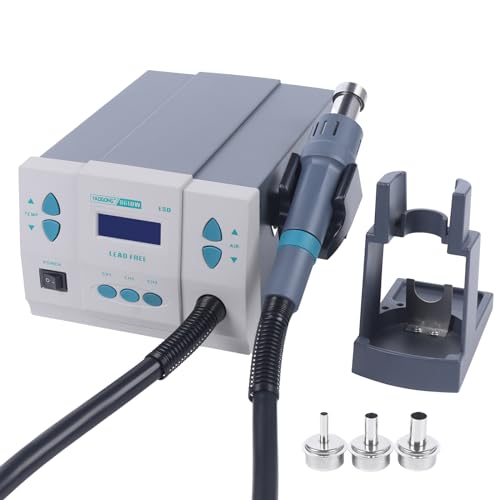 Hot Air Rework Station Soldering Hot Air Heat Gun, 861DW 1000W Digital LCD Display Station Solder Iron Station Welding Tool Kit with Adjustable 212-932°F Heat Gun for Repairing and Desoldering