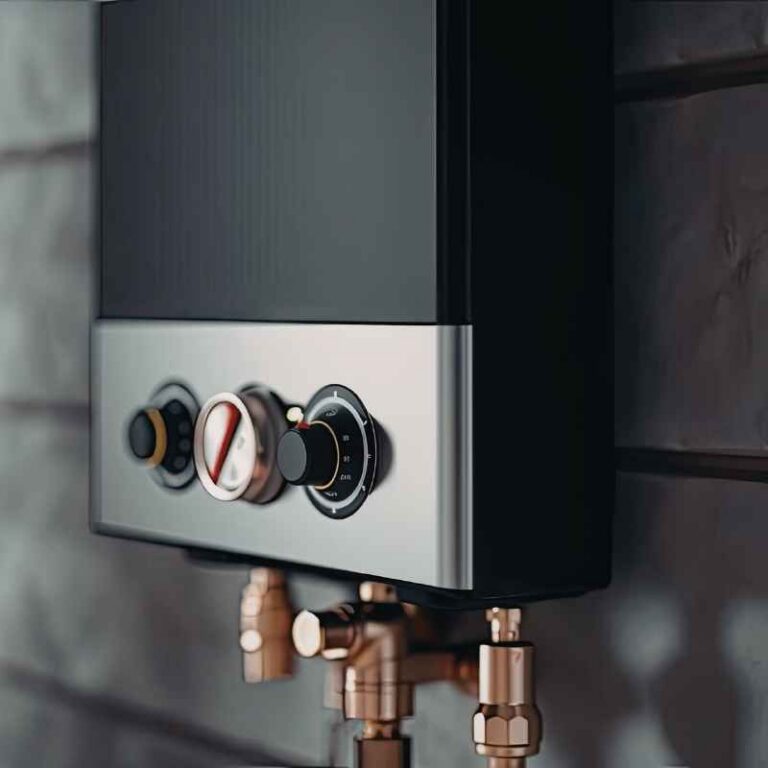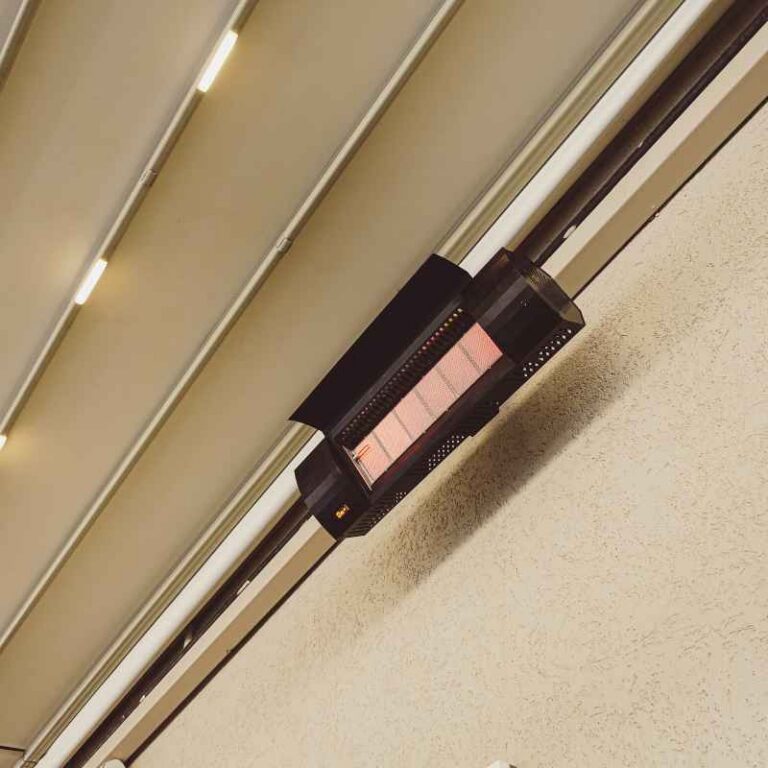
Is an Infrared Heater Better Than an Electric Heater?
Infrared heaters are electric heaters, so this comparison really means infrared (radiant) heating versus convection or fan-forced electric heating. Neither is “better” outright: infrared wins for spot-heating an open, drafty, or occasionally-used space, while convection heaters win for evenly warming a closed room you want to maintain at a set temperature over time.
How each one actually heats a space
Infrared heaters emit electromagnetic radiation, the same basic principle as sunlight warming your skin, that heats objects and people directly in its path without needing to first warm the air in between. This is why you feel warmth from an infrared heater almost instantly, even outdoors or in an unheated garage, but step outside its direct radiant field and the warmth disappears immediately since the surrounding air was never actually heated. Convection and fan-forced electric heaters instead warm the air that passes over or near the heating element, and that warm air then circulates through the room, gradually raising the ambient temperature everywhere, including areas not in a direct line of sight to the heater.
Running cost is identical at equal wattage
Because both heating methods rely on electrical resistance, which converts essentially 100% of the electricity drawn into heat, a 1,500W infrared heater and a 1,500W convection heater cost exactly the same to run per hour. Any perceived cost difference in practice comes from how each is used, not how efficiently it converts electricity, since people often run infrared heaters for shorter, targeted sessions rather than continuously heating an entire room.
Where infrared has a real edge
Open garages, workshops, patios, and drafty older rooms lose heated air quickly, making convection heating inefficient since the warm air it produces escapes or mixes with cold air before the room ever fully warms. Infrared bypasses that problem entirely by warming you directly rather than the air, which is also why patio heaters and garage-mounted heaters are almost always infrared rather than convection designs. It also runs silently, with no fan noise, and does not stir up dust the way fan-forced units can. For a closer look at this specific matchup, see this comparison of infrared versus forced-air heaters.
Where convection has a real edge
In a closed room where you want a consistent ambient temperature, an oil-filled radiator, ceramic, or fan-forced heater will maintain that temperature evenly throughout the space, including areas out of direct line of sight from the unit. This makes convection heaters better suited for bedrooms, offices, or any room where you want to walk around freely and feel the same warmth everywhere, rather than only in front of the heater.
Frequently Asked Questions
Can an infrared heater warm a whole room like a convection heater?
Only partially and slowly, since some radiated heat does eventually transfer into surfaces and the air over time, but infrared is fundamentally designed for direct-path warmth, not even whole-room air heating.
Is infrared heat healthier or drier than convection heat?
Infrared does not dry out room air the way some fan-forced convection heaters can appear to, since it is not actively circulating and recirculating the same air repeatedly, though neither heater type meaningfully affects humidity at typical home heating levels.
Which type is safer around children and pets?
Both types carry standard space-heater precautions around clearance and supervision; infrared heating elements and their protective grilles can reach very high surface temperatures, so keep the same distance guidelines regardless of which type you choose.
Sponsored / affiliate links. As an Amazon Associate I earn from qualifying purchases. I may earn additional commission from eligible campaigns.
 MEGAWISE Portable Air Conditioner and Heater, 420W 110V Compact AC Unit with Remote Control, 1400W Cooling Capacity, 800W Heating, Dehumidifier, Fan, Sleep Timer, ChampagneAZEUS Portable AC and Heater Unit, 420W 110V Compact Air Conditioner for Tent RV Truck Cabin and Small Room, 1400W Cooling, 800W Heating, Remote Control, Dehumidifier, Sleep Timer, Champagne