Ceramic Heaters vs. Electric Heaters: What Is the Difference?
Ceramic heaters are electric heaters, so the useful comparison is not ceramic versus electric. The real choice is ceramic fan heat versus other electric designs, such as oil-filled radiators, infrared heaters, panel heaters, and conventional fan heaters. A ceramic model can warm a small occupied room quickly, but it is not automatically cheaper, safer, or better for every situation.
What does ceramic mean on an electric heater?
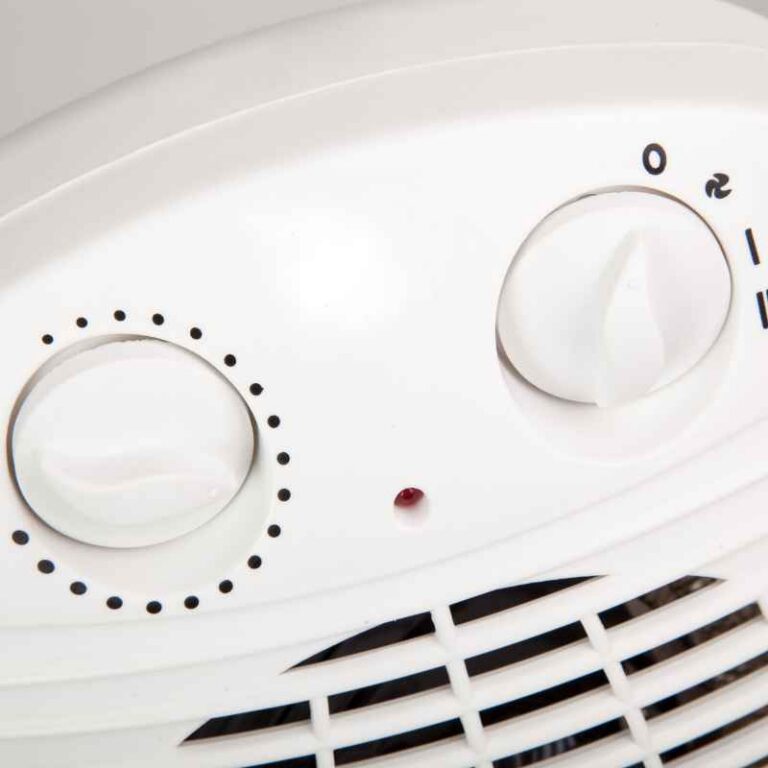
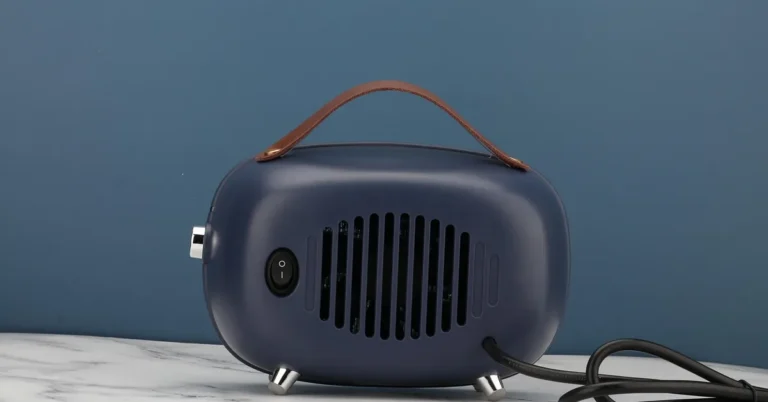
A ceramic space heater typically uses a ceramic heating element and a fan. Electricity heats the element, and the fan moves room air across it. The ceramic element is part of the heater design; it does not change the fact that the appliance uses electric power. That distinction matters because a ceramic heater and another plug-in heater of the same wattage can draw roughly the same amount of electricity while producing heat in different ways.
Ceramic heater versus electric heater: the comparison to make
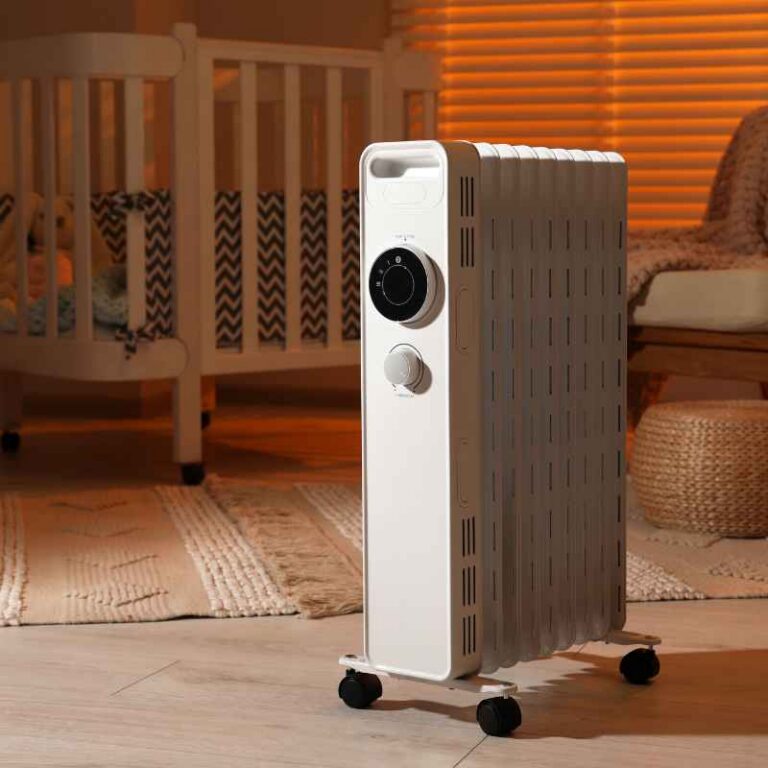
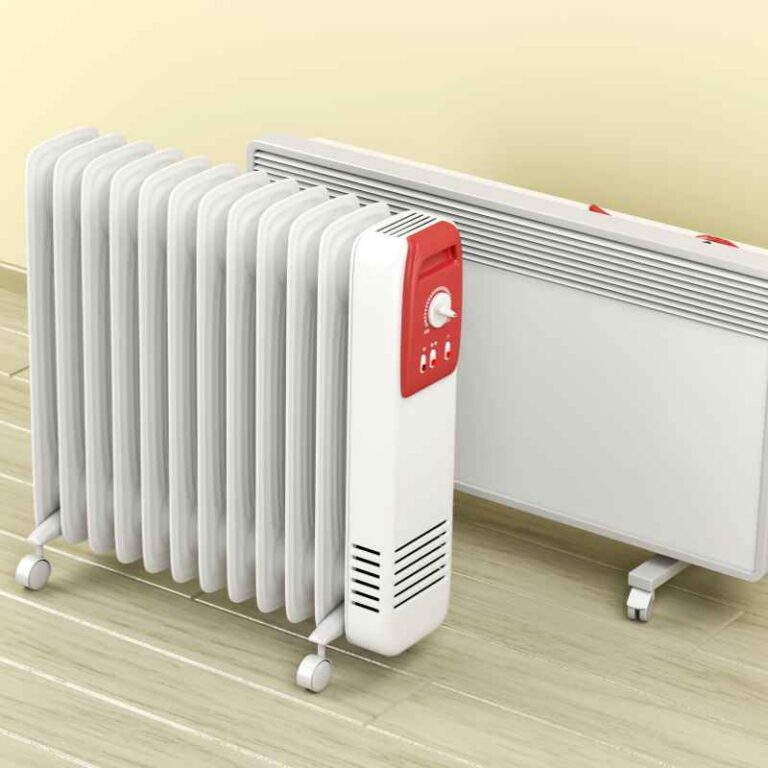
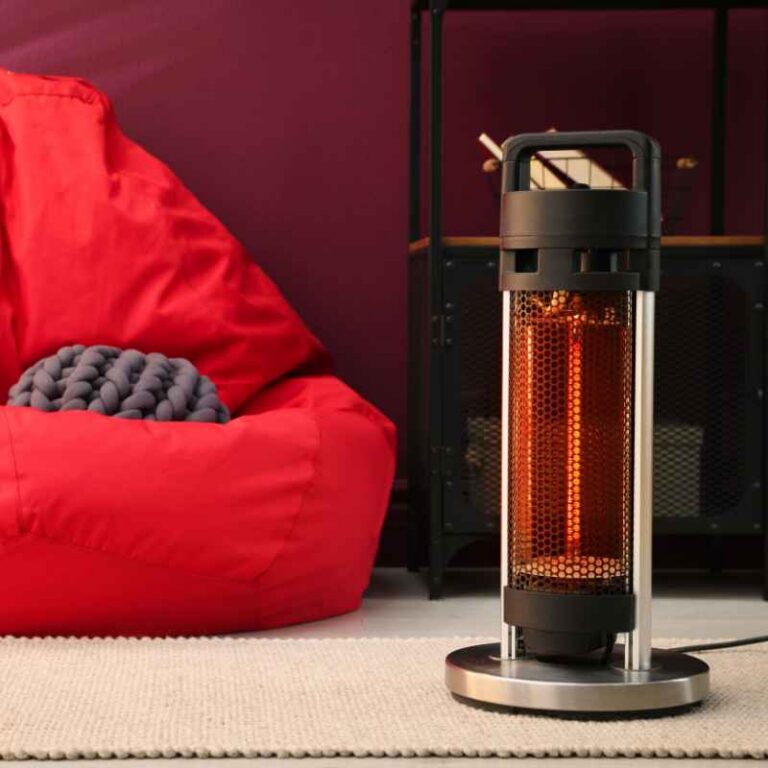
Compare heater types by how they deliver heat, not by marketing labels. A fan-assisted ceramic heater moves warmed air quickly. An oil-filled electric radiator warms more slowly but continues giving off heat after the element cycles off. An infrared electric heater is intended to warm surfaces and people in its path. A panel heater may offer quieter, steadier background heat. None of these options can overcome a drafty room, poor insulation, or an unsafe outlet.
When a ceramic heater is a good fit
A ceramic heater can be useful for a short period in a small room where you are present and want heat quickly. The fan helps distribute warmth sooner than a passive radiator. It can also be practical when you want a compact appliance that can be moved after it cools. The right use case is a stable surface, a nearby wall outlet, clear space around the heater, and a person available to monitor it.
When another electric heater may fit better
Choose an oil-filled radiator when fan noise is a problem and slower, steadier heat is acceptable. Consider an infrared heater when the goal is directional comfort in a specific seating area, not immediate whole-room air circulation. A permanently installed heating solution may be more appropriate when a room needs regular heating. The best choice is shaped by the heat loss of the room and the appliance instructions, not just the heater element.
Does ceramic technology save electricity?
Ceramic technology alone does not set your electricity cost. A heater rated at a given wattage uses power according to that wattage while it is actively heating. A thermostat can reduce runtime after the room reaches its set temperature, but the room temperature, insulation, door openings, and set point decide how often it cycles. For a meaningful comparison, note the wattage, use time, and the electric rate on your bill rather than relying on a promise that one heater type is always cheaper.
A simple running-cost check
Start with the wattage printed on the appliance label. Convert watts to kilowatts by dividing by 1,000, then multiply by the hours the heater is actively running and by your electricity price per kilowatt-hour. This estimates operating cost, but it is not a guarantee because a thermostat may cycle the heating element. The calculation is most useful for comparing two heaters in the same room under similar conditions.
Safety conditions matter more than heater style
The U.S. Consumer Product Safety Commission advises keeping portable heaters at least three feet from beds, furniture, curtains, papers, and other combustible materials, placing them on a stable level surface, and plugging them directly into a wall outlet. Do not use an extension cord or power strip. Unplug and stop using the appliance if the plug or outlet is hot, the cord is damaged, there is a burning smell, or the heater repeatedly shuts off after the air openings are clear.
How to compare two heaters before buying
- Check the rated wattage and the electrical requirements on the label.
- Match the heater to the room and how long you will be present.
- Compare thermostat, tip-over, and overheat-protection features as supports, not replacements for supervision.
- Check the noise level if the heater will be used near sleep, work, or conversation.
- Confirm that the intended location has a clear floor area and a suitable wall outlet.
- Read the manual for placement limits, cleaning, and any recall or service information.
Common mistakes that lead to the wrong choice
Do not treat a portable heater as a solution for an unresolved central-heating problem. Do not assume a higher price means lower running cost. Do not place a heater under a desk, beside bedding, in a bathroom unless the model is specifically approved for that environment, or where pets and children can knock it over. Most importantly, do not use a heater with a damaged plug, a loose outlet, or a cord that becomes hot.
When to stop and get help
Call a qualified electrician for a warm or discolored outlet, a breaker that trips repeatedly, sparking, or damaged fixed wiring. Stop using the heater and follow the manufacturer service or recall path for smoke, a burning odor, a damaged cord, a cracked housing, or a shutdown that continues after the unit cools and the intake is clear. A fuel-burning heater needs a different safety process and should never be treated like a ceramic electric model.
Frequently asked questions
Are ceramic heaters electric heaters?
Yes. A ceramic space heater uses electricity. Ceramic describes the heating element technology, while electric describes the energy source.
Do ceramic heaters use less electricity?
Not automatically. Electricity use depends mainly on the heater wattage and how long it runs. Compare the wattage and runtime, not the word ceramic on the box.
Are ceramic heaters safe to leave on overnight?
Follow the model manual, but portable heaters should not be left unattended or used while sleeping. A thermostat or automatic shutoff is not a substitute for safe placement and supervision.
Which heater is best for a bedroom?
Choose based on the room, noise tolerance, permitted use, and the manufacturer instructions. Keep any portable heater on a stable surface with clear space around it.
Bottom line
Ceramic heaters are electric heaters, not an alternative power source. They are often a sensible option for quick supplemental heat in an occupied room, but their value depends on wattage, runtime, room conditions, and safe use. Compare the delivery style that fits the room, then follow the model instructions every time.
Comparison table: choose by the room, not the label
| Heater type | How it feels in use | Best fit | Check before choosing |
|---|---|---|---|
| Ceramic fan heater | Fast warm air with fan noise | Short, attended use in a small occupied room | Clear intake, stable floor, direct wall outlet |
| Oil-filled radiator | Slower and quieter residual heat | Where fast warm-up is less important | Space, surface stability, manufacturer placement rules |
| Infrared electric heater | Directional warmth for objects and people | A defined seating or work zone | Clear line of heat and safe distance from materials |
| Panel or fixed heat | Steadier background heat | Regular room heating needs | Installation, capacity, and electrical suitability |
The table is a planning tool, not a safety rating. Every portable heater still needs the same basic safeguards: a direct wall outlet, clear space, an undamaged cord, and an adult who can respond if something changes.
How room conditions change the result
A heater is only part of the comfort result. Cold windows, an open doorway, uninsulated walls, and a high ceiling can carry heat away faster than a small portable unit can replace it. Before moving up to a larger heater, check whether a draft, a missing door sweep, or an unheated adjacent space is the reason the room feels cold. Reducing the heat loss may improve comfort without increasing heater runtime.
Thermostat behavior is not a fault by itself
Many ceramic heaters cycle the heating element off when the air near the appliance reaches the selected temperature, then resume later. That is different from an overheat shutdown. Normal cycling is usually predictable and occurs with clear air openings and a cool plug. A shutdown caused by overheating may happen quickly, return only after a cooling period, or come with weak airflow. The manual is the reference for normal indicator lights and reset behavior.
Use the outlet as part of the safety check
A portable heater places a sustained electrical load on the circuit. Plug it directly into a wall outlet that grips the plug firmly. Avoid sharing that outlet with other high-draw appliances. Check the plug and outlet after normal operation without touching exposed metal. Warmth, discoloration, looseness, a buzzing sound, or a tripped breaker is a reason to stop using the heater and have the electrical condition assessed.
Decision checklist: ceramic or another electric design?
Choose ceramic fan heat when quick warm air and portability matter. Choose an oil-filled radiator when quiet residual warmth matters more than fast warm-up. Choose infrared when the goal is directional warmth for people or surfaces in a defined zone. Choose neither as a substitute for repairing a building-heating fault or unsafe wiring. This checklist keeps the decision anchored to the room and the use case.
Sponsored / affiliate links. As an Amazon Associate I earn from qualifying purchases. I may earn additional commission from eligible campaigns.