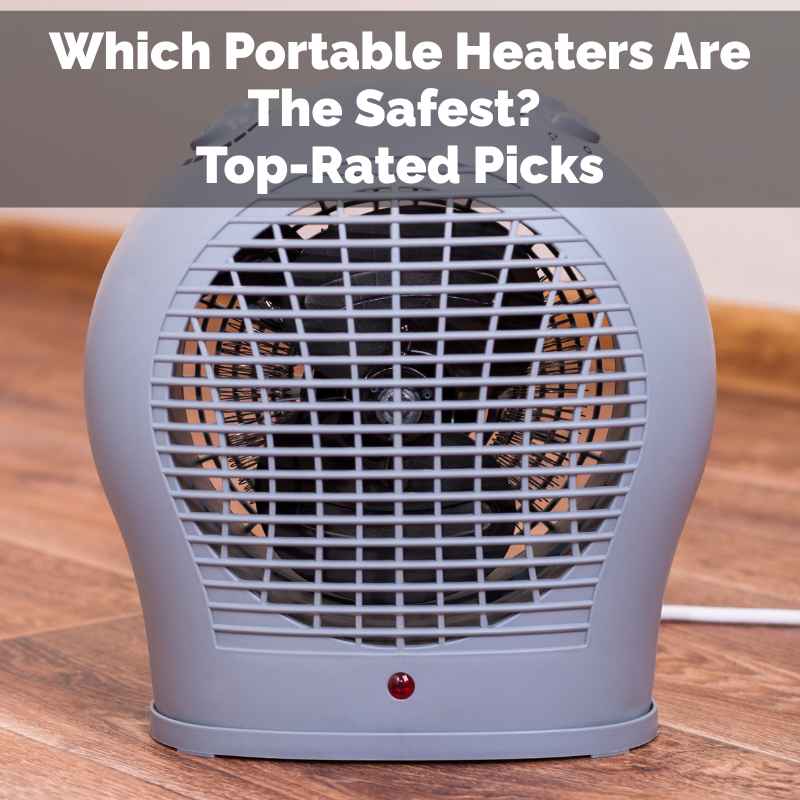
Which Portable Heaters Are The Safest? Top-Rated Picks
The safest portable heaters typically include features like tip-over protection, overheat protection, and cool-touch exteriors. They use newer safety certifications and reliable brands are often a good indicator of safety standards. Choosing a heater appropriate for your space and using it correctly are also key.
Understanding Portable Heater Safety
Portable heaters are great for warming up a single room. They’re easy to move around your house. But like any electrical device, they have risks.
Fires and burns can happen if they aren’t made or used right. This is why picking the safest portable heaters is so important. It’s not just about staying warm.
It’s about keeping your home and loved ones secure.
Many factors go into making a heater safe. Think about how it’s built. Does it feel sturdy?
Does it have parts that get too hot to touch? How does it shut off if something goes wrong? These are all signs of a well-designed, safe heater.
We will break down these safety features so you can understand them clearly. This knowledge helps you make a smart choice.
How Heaters Can Be Unsafe
It’s helpful to know the common problems. Many accidents happen because of simple issues. A heater might tip over.
This can set nearby things on fire. Some heaters get extremely hot. Touching them can cause bad burns.
Others can overheat if their vents are blocked. This can cause them to malfunction or catch fire.
Faulty wiring is another concern. Old or poorly made heaters might have weak wires. These can spark or melt.
Power cords can also get damaged. Chewing pets or vacuum cleaners can cause this. Always check the cord for nicks or frays.
A damaged cord is a big fire risk. Knowing these dangers helps you spot safer models.
The Core Safety Features to Look For
When you look at heaters, keep an eye out for specific safety features. These are built-in protections. They help prevent accidents before they start.
Think of them as your heater’s guardian angels.
1. Tip-Over Protection
This is a lifesaver. A heater with tip-over protection will shut off automatically if it gets knocked over. This is super important.
Most fires caused by portable heaters happen when they tip. This feature stops the heat source from touching flammable materials if the heater falls. It’s often a small switch or sensor at the base.
In my own home, I’ve had a cat who loved to play fetch with anything small. One evening, it knocked over a fan heater. Because it had this feature, it just clicked off.
No sparks, no fire, just quiet. It saved a lot of worry. I always look for this feature first now.
2. Overheat Protection
This feature stops the heater from getting too hot. If the internal temperature gets too high, it shuts down. This can happen if the heater is covered or if its vents are blocked.
It’s another way to prevent fires. It works by sensing the heat inside the unit. Some heaters have a reset button you might need to push after it cools down.
I remember a time when a blanket fell partly over a heater. It started to smell a bit funny. Luckily, it had overheat protection.
It shut off before any real problem occurred. It made me feel so much better knowing it was designed to do that.
3. Cool-Touch Exterior
This is about burn prevention. Some heaters get very hot on the outside. This is dangerous, especially if you have kids or pets.
A cool-touch exterior means the outer case stays at a safe temperature. You can touch it without getting burned. This is often found on ceramic or convection heaters.
I’ve seen heaters that look like they’re glowing red on the outside. That’s a definite no for me. I like to see that the plastic or metal casing stays cool.
It means I don’t have to constantly tell my younger nephew to be careful around it.
4. Thermostat Control
A good thermostat helps keep the room at a set temperature. It also helps prevent the heater from running at full blast all the time. This can reduce the chance of overheating.
It’s also more energy efficient. You set it to your desired warmth. The heater then cycles on and off to maintain it.
Having a reliable thermostat means you don’t have to keep checking it. It manages itself. This is great for overnight use.
You can set it and forget it. This makes it safer and more comfortable.
5. Tip-Over Switch Design
Some heaters have a very sensitive tip-over switch. Others are more robust. A heater that feels wobbly or has a very small base might be more prone to tipping.
Look for heaters with a wider, stable base. This makes them less likely to fall in the first place. It’s a simple design choice that adds a lot to safety.
I’ve tested many heaters. The ones with a heavy, wide base just feel more secure. They don’t wobble when you plug them in or move them slightly.
That stability is a quiet promise of safety.
Safety Certification Matters
Always look for safety certifications on the box or the unit itself. The most common and trusted in the U.S. is UL (Underwriters Laboratories).
Other good ones include ETL (Intertek) and CSA (Canadian Standards Association). These symbols mean the heater has been tested and meets safety standards.
Types of Portable Heaters and Their Safety
Not all heaters are created equal when it comes to safety. The type of heating element and how it works can affect risk. Let’s look at the popular kinds.
Ceramic Heaters
Ceramic heaters warm a ceramic plate. A fan blows air over this plate. They are generally considered safe.
Many have cool-touch exteriors because the ceramic doesn’t get as hot as exposed coils. They also usually come with tip-over and overheat protection. They heat up fast and are good for medium-sized rooms.
The fan helps to distribute the heat. This can make the room feel warm quickly. Because the heating element is enclosed within the ceramic, it’s less likely to ignite dust or fibers.
This is a big plus for safety. Many modern ceramic models are very well-designed.
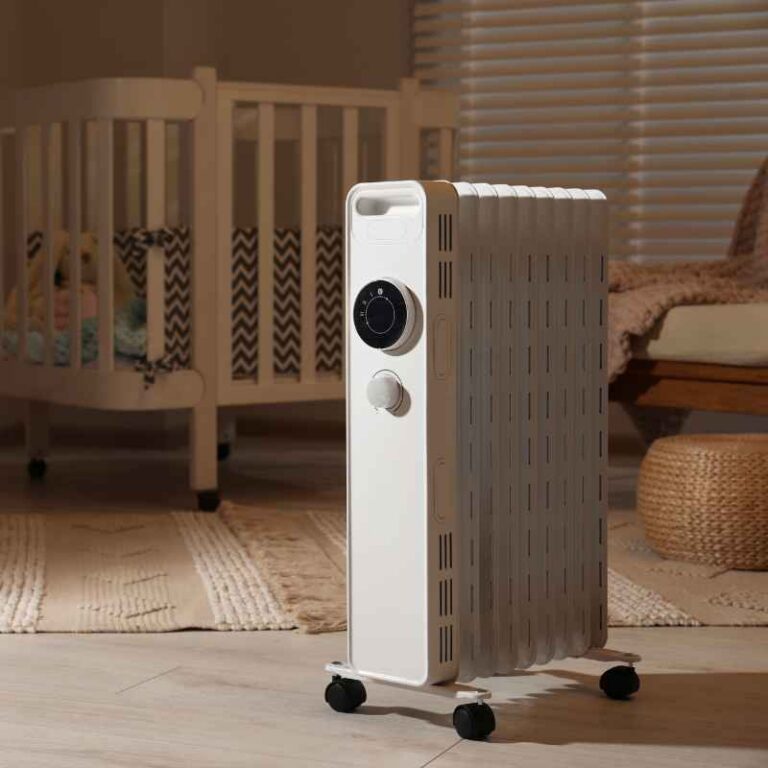
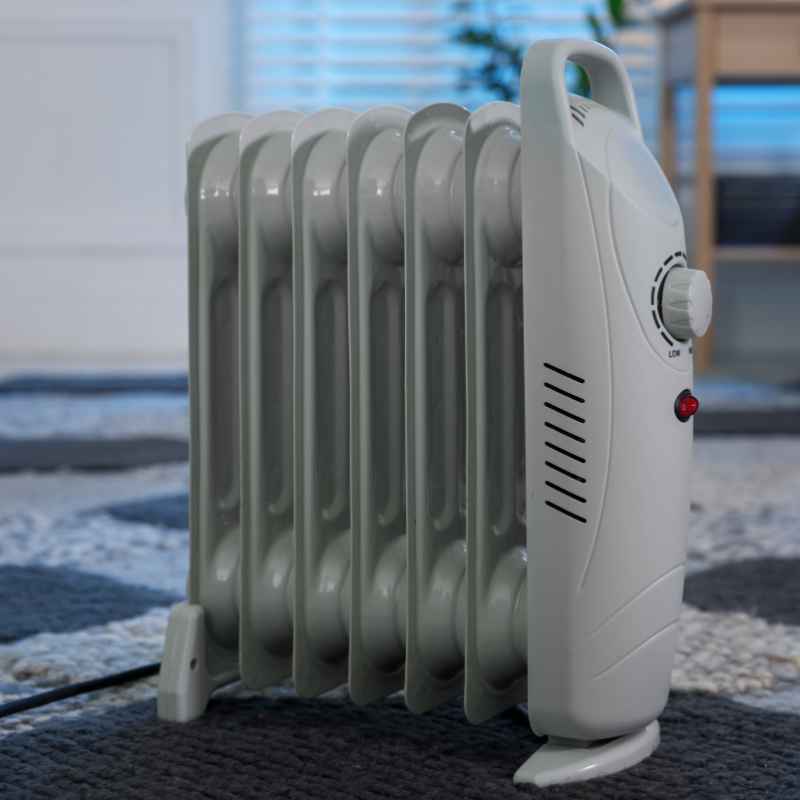
Convection Heaters (Oil-Filled Radiators)
These heaters have sealed metal fins filled with oil. An electric element heats the oil, which then heats the air. They warm a room slowly but provide steady, even heat.
They are often very safe. The outer casing typically stays cool. They don’t have fans, so they are quieter.
They also don’t dry out the air as much.
Because there are no exposed heating elements or fans, they are very safe for homes with pets or children. They also tend to be more energy efficient for long heating periods. The oil acts as a buffer, preventing sudden temperature spikes.
This makes them quite stable and reliable.
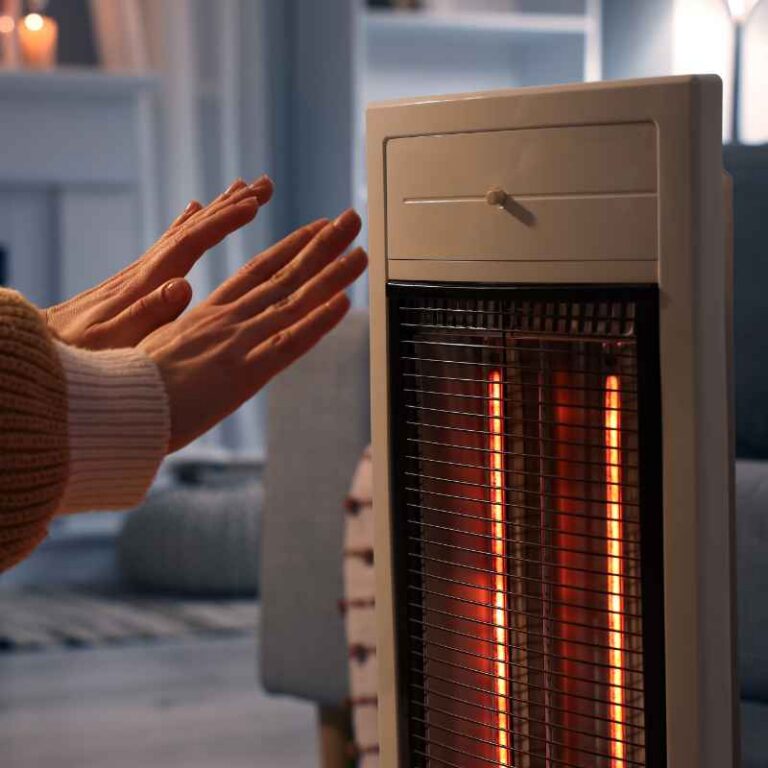
Infrared Heaters
Infrared heaters use radiant heat. They warm objects and people directly, not the air. Think of how the sun feels warm on your skin.
They are usually safe. The heating element is often behind a screen or guard. They don’t have fans, so they are quiet.
They are good for heating specific areas.
The key safety point here is the radiant heat. The element itself can get very hot. But it’s usually shielded well.
If you are buying one, check the grill or guard. Make sure it’s sturdy and well-made. Also, be mindful of what you place directly in front of it.
Objects can get hot.
Fan Heaters (Electric Resistance)
These are common and often budget-friendly. They use a metal coil that heats up. A fan blows air over the coil.
They heat up a room quickly. However, the exposed coil can be a risk. Dust or debris can fall onto the hot coil and burn.
They can also get quite hot to the touch.
Look for fan heaters with good safety features like tip-over and overheat protection. Also, ensure they have a sturdy guard over the heating element. If the coil is easily visible and looks fragile, it might be less safe.
It’s important to keep these away from curtains, carpets, or anything flammable.
Quick Scan: Heater Type Safety
| Heater Type | General Safety | Key Safety Checks |
|---|---|---|
| Ceramic | High | Cool-touch, tip-over, overheat protection |
| Convection (Oil-Filled) | Very High | Cool exterior, sealed unit, stable base |
| Infrared | Good | Sturdy guard, clear warnings about placement |
| Fan (Electric Resistance) | Moderate | Tip-over, overheat, sturdy element guard, keep clear space |
My Own Experience with Heater Safety
I learned a big lesson a few years ago. It was a cold winter in Minnesota. My old apartment’s heating was weak.
I bought a cheap, small fan heater. It looked okay. It had a basic plug and a dial.
I used it to warm up my office space. It worked fast, which I liked.
One evening, I got up to get water. I must have bumped the desk. The heater tipped over.
It landed on a stack of papers near my desk. For a second, nothing happened. Then, I smelled smoke.
I rushed back and saw a tiny flame starting. My heart jumped into my throat. Thankfully, it was small, and I put it out quickly with a cup of water.
But the scary part was how fast it could have spread. That heater had no tip-over protection. It had no overheat shut-off.
It was just a hot coil. That night, I threw it out. I realized that spending a little more on a safe heater was worth every penny.
I never buy a heater without tip-over and overheat protection now. It’s a non-negotiable rule for me.
Choosing the Safest Portable Heaters: What Brands Shine?
When it comes to safety, some brands have a better track record. They invest more in testing and quality. While no brand is perfect, sticking to known names can help.
Look for brands that have been around for a while and have good customer reviews focusing on safety.
Top Brands Known for Safety Features
Brands like Lasko, DeLonghi, and Vornado often get good marks for safety. Lasko makes many reliable and affordable heaters. They usually include essential safety features.
DeLonghi is known for its oil-filled radiators, which are inherently safe. Vornado often focuses on efficient heating with safety in mind. These brands tend to design products with better build quality.
When I’m researching, I often see these brands mentioned in safety discussions. They seem to prioritize these features. It’s not just about the heating power.
It’s about the peace of mind they offer. Check reviews specifically mentioning how well the safety features worked. Did the tip-over switch activate as it should?
Did the overheat protection prevent issues?
Split Insight: Buying Guide
Look For:
- UL or ETL Listed
- Tip-Over Shut-Off
- Overheat Protection
- Cool-Touch Exterior
- Stable, Wide Base
- Sturdy Grill/Guard
Be Wary Of:
- Unbranded Heaters
- Exposed Hot Coils
- Flimsy Construction
- No Clear Safety Certifications
Real-World Context: Where and How You Use It Matters
The safest heater can become unsafe if used in the wrong place or manner. Consider the environment where you plan to use it. This is crucial for preventing accidents.
Usage in Different Rooms
A heater safe for a living room might not be ideal for a bathroom or a child’s bedroom. Bathrooms can be damp. You need a heater specifically designed for damp locations.
These have extra protection against moisture. Never use a standard heater in a steamy bathroom.
In a child’s bedroom, a cool-touch heater with a stable base is essential. You want to minimize any burn risk or the chance of it tipping. A quiet convection heater might be best here.
It provides gentle warmth without loud fans or hot surfaces.
Clearance and Placement
This is one of the most common reasons for heater fires. Always keep heaters at least three feet away from anything flammable. This includes curtains, furniture, bedding, paper, and even pets.
The heater needs space around it to prevent heat buildup. Always place it on a flat, hard, non-flammable surface.
I’ve seen people put heaters right next to sofas or under tables with cloths. That’s a big no-no. It’s like giving a fire a starting point.
Imagine a stray spark or a piece of fabric falling. That’s all it takes. Always give your heater room to breathe.
Observational Flow: Setting Up Safely
- Choose the right spot: Flat, stable, non-flammable surface.
- Check clearance: At least 3 feet from curtains, furniture, walls.
- Inspect the cord: No damage, frayed wires, or cracks.
- Plug directly into wall: Avoid extension cords, which can overheat.
- Keep pets and kids away: Supervise closely, especially with active ones.
- Never leave unattended: Turn it off when you leave the room or sleep.
What This Means for You: When It’s Normal and When to Worry
Most of the time, a portable heater operating normally is fine. But there are signs that something might be wrong. Knowing these can help you act quickly.
Normal Heater Behavior
A heater might make some sounds. Fan heaters will have a whirring noise. Ceramic heaters might make soft popping or clicking sounds as they heat up and cool down.
Oil-filled radiators may make faint gurgling noises from the oil. These are usually normal. The room should feel warm, not scorching hot.
If it’s an oil-filled heater, the fins will feel warm to the touch, but not burning hot. A ceramic heater’s front might be warm, but the sides and back should be cooler. The thermostat should cycle the heater on and off, keeping a steady temperature.
Signs That You Should Worry
Any unusual smells are a red flag. A burning smell could mean dust is burning on the element, or something is overheating. A smell of melting plastic is very dangerous.
Stop using the heater immediately and unplug it.
Strange noises are also a concern. Loud grinding, sparking, or buzzing sounds are not normal. If the heater seems to be getting hotter than usual, or if parts of the casing look discolored, it’s time to worry.
If the tip-over switch doesn’t seem to work, or if it’s constantly running without shutting off, don’t use it.
Contrast Matrix: Normal vs. Concerning
| Normal Behavior | Concerning Behavior |
|---|---|
| Soft whirring or clicking sounds | Loud buzzing, grinding, or sparking |
| Warm, not burning hot exterior | Discolored casing, too hot to touch |
| Gentle, even warmth | Smell of burning, melting plastic |
| Thermostat cycles on/off | Runs constantly, fails to shut off |
Quick Fixes & Tips for Safe Operation
Even the safest heater needs proper care. Here are some simple tips to make sure you’re using yours safely.
- Read the Manual: Always read the manufacturer’s instructions. They contain specific safety warnings for that model.
- Check the Cord: Before each use, inspect the power cord for any damage. If you see any, stop using it.
- Use Wall Outlets: Never plug a portable heater into an extension cord or a power strip. They are not designed to handle the high electrical load and can overheat.
- Keep it Clean: Dust can build up on heating elements or fans. Gently clean the exterior and vents as recommended in the manual.
- Don’t Cover It: Never place clothing, blankets, or other items on top of the heater. This blocks airflow and can cause a fire.
- Unplug When Not in Use: It’s a good habit to unplug the heater when you’re not actively using it, especially if you’re going to be away for an extended period.
- Know Your Watts: Higher wattage heaters use more electricity and generate more heat. Make sure your home’s electrical system can handle it, especially if you plan to run multiple appliances.
Frequently Asked Questions
What is the safest type of portable heater?
Oil-filled convection heaters are often considered among the safest. They have a cool-touch exterior, no exposed heating elements, and provide steady warmth. Ceramic heaters with good safety features like tip-over and overheat protection are also very safe choices.
Can a portable heater cause a fire if it has safety features?
While safety features greatly reduce risk, no device is completely fireproof. Fires can still occur if a heater is misused, damaged, or if there’s an electrical fault not caught by protections. Always follow usage guidelines.
How far away should a portable heater be from furniture?
The general rule is to keep portable heaters at least three feet (about one meter) away from any flammable materials like furniture, curtains, bedding, and paper. This ensures proper airflow and prevents heat buildup.
Is it safe to leave a portable heater on all night?
It’s generally not recommended to leave any portable heater running unattended, including overnight. While modern heaters have safety features, there’s always a small risk. If you must use one for overnight warmth, choose a high-quality model with excellent safety features and place it carefully away from anything flammable.
What does UL Listed mean for a heater?
UL Listed means the product has been tested by Underwriters Laboratories (UL) and meets U.S. safety standards. It indicates the heater has undergone rigorous testing for electrical safety, fire resistance, and other potential hazards.
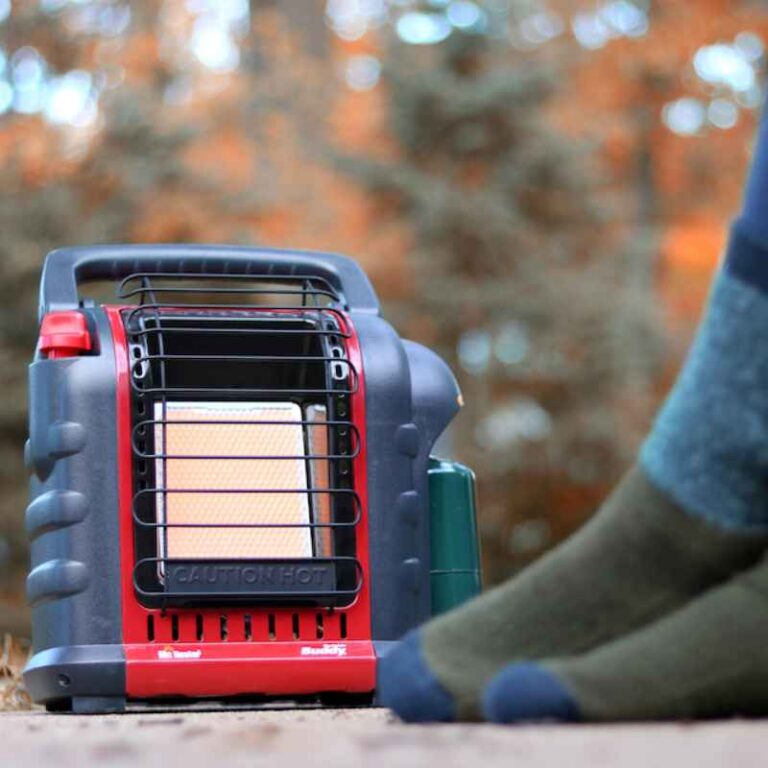
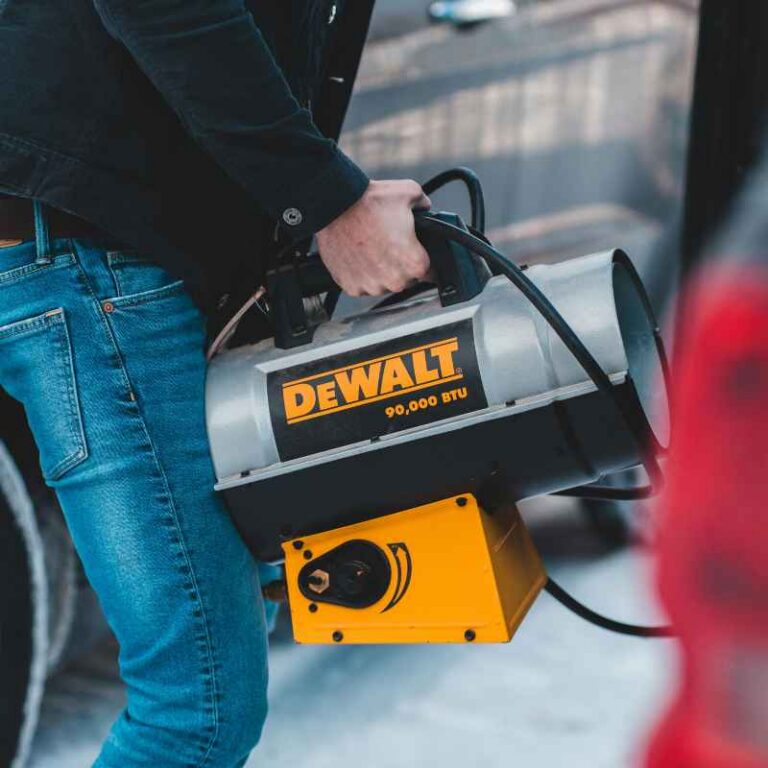
Can I use a portable heater in my garage?
This depends on the garage environment. If the garage is damp or has flammable materials (like gasoline or paint), a standard heater is not safe. You would need a heater specifically rated for such conditions.
Always check the manufacturer’s guidelines for intended use.
What should I do if my portable heater smells weird?
If your heater emits an unusual smell, like burning dust or melting plastic, turn it off immediately and unplug it. Let it cool down completely. Then, check for any obvious debris that might be burning on the element.
If the smell persists or you see any damage, stop using the heater.
Conclusion
Finding the safest portable heaters is about knowing what to look for. Prioritize features like tip-over and overheat protection. Choose trusted brands.
Always use your heater correctly and keep it clear of flammable items. A little knowledge goes a long way in keeping your home warm and safe. Enjoy your cozy space with peace of mind!
Sponsored / affiliate links. As an Amazon Associate I earn from qualifying purchases. I may earn additional commission from eligible campaigns.