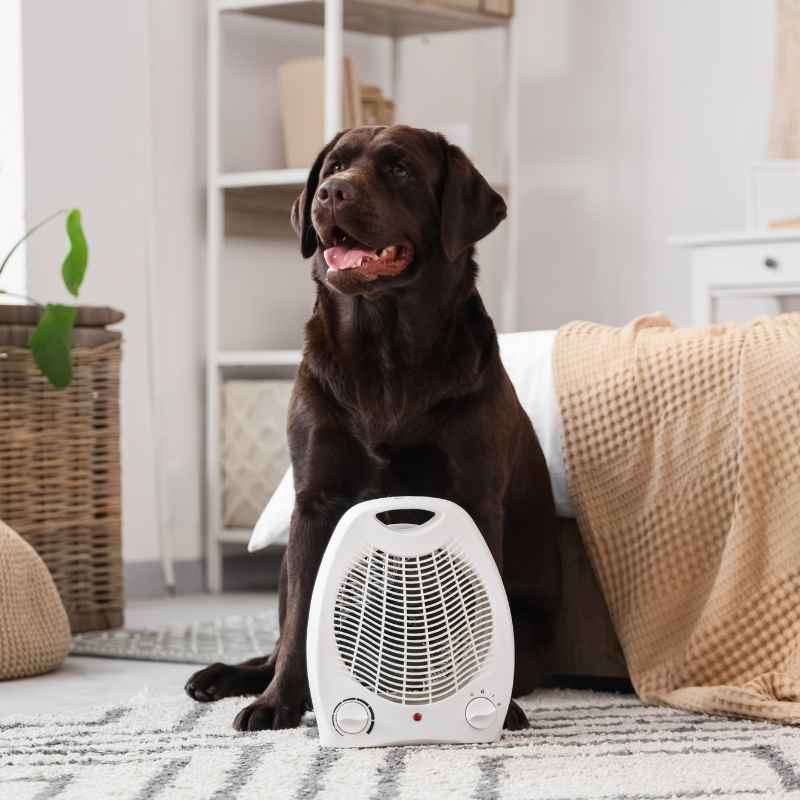
What Stores Sell Portable Heaters Near You? Best Options
Finding portable heaters readily available is crucial as the temperature drops, ensuring your space stays warm and comfortable without major renovations.
This guide will help you identify where to buy portable heaters, what types are best for different needs, and what factors to consider to make an informed purchase, saving you time and energy.
In short, portable heaters can be found at major big-box retailers like Home Depot, Lowe’s, Walmart, and Best Buy, as well as online marketplaces such as Amazon and direct from manufacturer websites, offering a range of types including ceramic, infrared, and oil-filled heaters to suit various heating needs and budgets.
Key Takeaways
- Major home improvement stores (Home Depot, Lowe’s) and general retailers (Walmart, Target) are prime locations for purchasing portable heaters.
- Online giants like Amazon and direct manufacturer sites offer extensive selections and competitive pricing for various portable heater types.
- Consider the heating technology (ceramic, infrared, oil-filled), room size, safety features, and energy efficiency when selecting a model.
- Actively check for seasonal sales and compare prices across different retailers to find the best deal on your chosen portable heater.
Where to Buy Portable Heaters: Retail Store Options
When you need to heat a specific room or a small area quickly, portable heaters are an excellent solution. These compact units offer flexibility and can be moved from room to room as needed, making them a practical choice for many households.
The most accessible places to find a wide variety of portable heaters are large brick-and-mortar retailers that specialize in home goods and electronics. These stores often have dedicated seasonal sections for heating and cooling appliances, allowing you to see and sometimes even test models before buying.
You’ll typically find a good range of options, from basic fan heaters to more advanced radiant and convection models, catering to different budgets and heating requirements. It’s worth visiting these stores in person, especially if you want to get a feel for the size and build quality of a heater.
Home Improvement Stores
Stores like Home Depot and Lowe’s are go-to destinations for anything related to home maintenance and improvement, including heating solutions. They stock a broad selection of portable heaters, from budget-friendly electric models to more robust options.
- Variety: Expect to find ceramic heaters, infrared patio heaters, oil-filled radiators, and compact fan heaters.
- Brands: Major brands like Lasko, Honeywell, De’Longhi, and Pelonis are commonly available.
- Expertise: Staff members in these stores are often knowledgeable about different types of heaters and can offer advice.
- Accessories: You can also find related items like extension cords, surge protectors, and thermostat controllers.
These stores frequently have sales, particularly during autumn and winter months, making it a good time to purchase.
General Merchandise Retailers
Big-box stores such as Walmart and Target offer a more diverse range of consumer goods, including a selection of portable heaters. While their selection might be slightly less specialized than home improvement stores, they often provide competitive pricing.
- Affordability: Walmart, in particular, is known for its budget-friendly options and private-label heating products.
- Convenience: These stores are often conveniently located and offer a one-stop shopping experience for various household needs.
- Model Range: You’ll find popular choices like ceramic tower heaters, small electric space heaters, and some infrared models.
- Online Integration: Many of these retailers also have robust online stores where you can browse an even wider inventory and check stock at local branches.
These retailers are excellent for finding basic, reliable portable heaters for smaller spaces or supplemental heating needs.
Where to Buy Portable Heaters: Online Retailers and Direct Sales
The digital marketplace has revolutionized how we shop for appliances, and portable heaters are no exception. Online retailers provide an unparalleled breadth of choice, often with better pricing and the convenience of home delivery.
When you shop online, you can compare specifications, read countless customer reviews, and find niche products that might not be available in physical stores. This makes it an efficient way to find the exact type of portable heater that meets your specific requirements.
It’s important to check shipping costs and delivery times, especially if you need a heater urgently. However, for most shoppers, the benefits of online purchasing far outweigh these minor considerations.
Amazon and Other E-commerce Giants
Amazon is arguably the largest online marketplace globally, featuring an extensive catalog of portable heaters from thousands of sellers. You can find everything from the most basic personal heaters to high-end, feature-rich models.
- Selection: An almost endless variety of brands, types (ceramic, infrared, oil-filled, fan), and styles are available.
- Reviews: User reviews are invaluable for assessing real-world performance and reliability.
- Pricing: Competitive pricing is common, with frequent deals and discounts, especially during peak heating seasons.
- Delivery: Fast shipping options are often available, particularly for Amazon Prime members.
Other e-commerce sites like eBay, Overstock, and Wayfair also offer a good selection of portable heaters, often with unique deals.
Direct from Manufacturer Websites
Many reputable portable heater brands have their own websites where you can purchase products directly. This can sometimes offer exclusive models, extended warranties, or better customer support.
- Exclusive Models: Brands might offer specific product lines or customization options only through their direct sales channels.
- Warranty Support: Purchasing directly can simplify the warranty claims process.
- Latest Technology: You’re likely to find the newest innovations and models available here first.
- Promotions: Manufacturers often run special promotions or offer bundle deals on their sites.
Companies like Dyson, Vornado, and De’Longhi often have comprehensive product information and direct sales on their branded websites.
Types of Portable Heaters and What to Consider
Choosing the right portable heater depends on your specific needs, including the size of the space you want to heat, your budget, and safety considerations. Understanding the different technologies and features available will help you make an informed decision.
Different types of portable heaters use various methods to generate and distribute heat. Some are better suited for quick, localized heating, while others are designed for more sustained warmth in larger areas. Energy efficiency is also a key factor, as you’ll want a heater that provides effective warmth without excessively high electricity bills.
When selecting a portable heater, always prioritize safety features. Look for models with automatic tip-over shut-off, overheat protection, and cool-touch exteriors, especially if you have children or pets.
Heating Technologies
The core difference between portable heaters lies in how they produce and emit heat. Each technology has its pros and cons, making certain types better for specific applications.
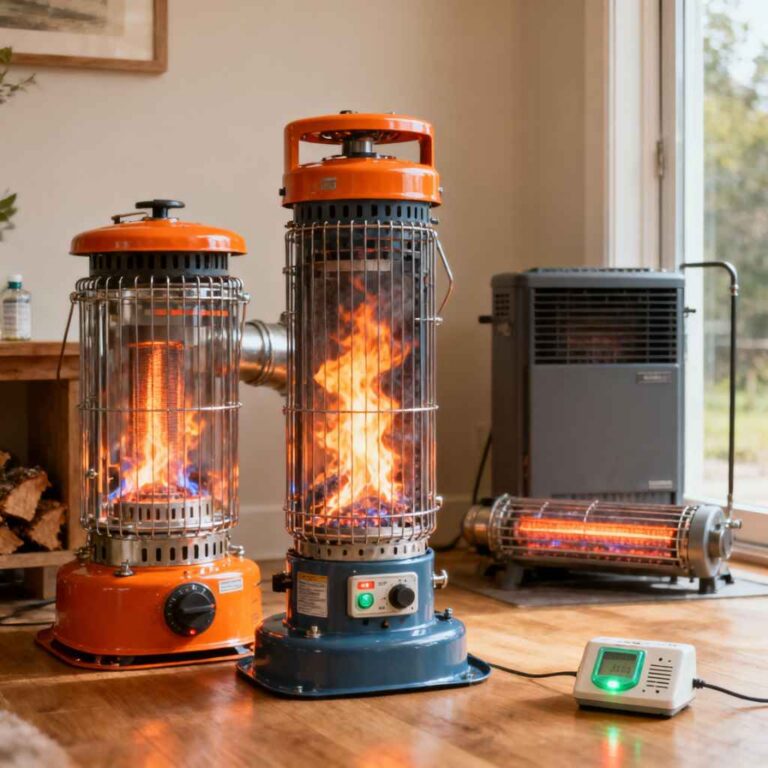
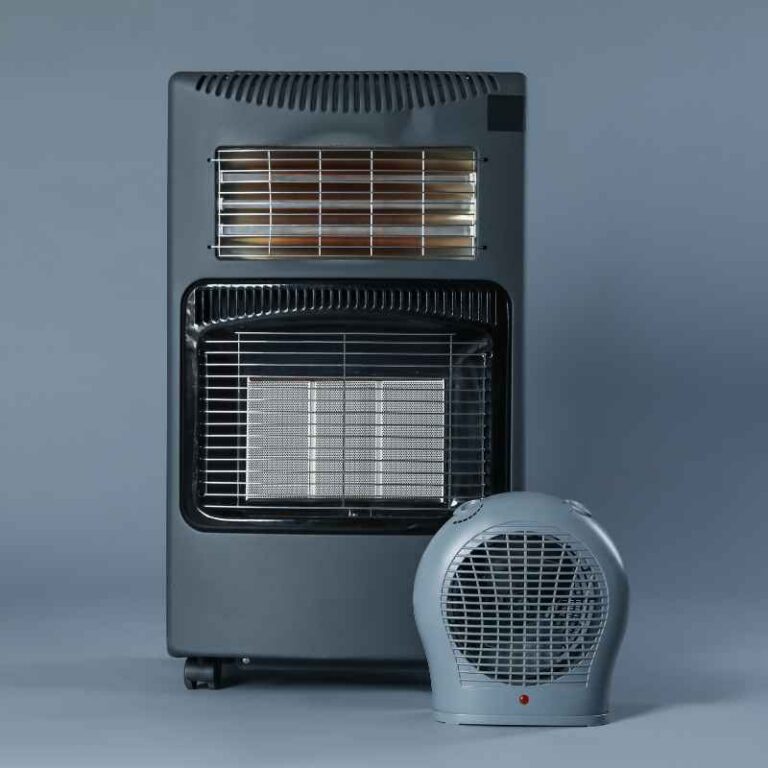
- Ceramic Heaters: These use a ceramic plate with an electric current running through it. A fan blows air across the hot plate, distributing warm air into the room. They are generally safe, quick to heat up, and good for personal or small room heating.
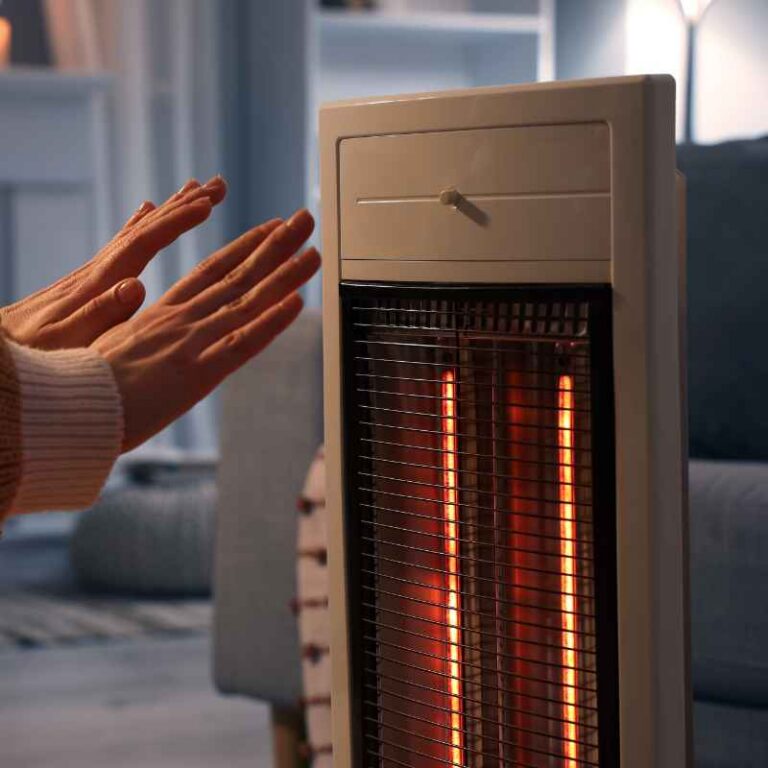
- Infrared Heaters: These emit infrared radiation, which directly heats objects and people in their path, similar to sunlight. They don’t heat the air itself, making them efficient for spot heating without significantly changing the ambient room temperature. They are great for living rooms or workshops where you want to feel warmth directly.
- Oil-Filled Radiators: These electric heaters heat oil contained within sealed columns. The oil circulates and warms the metal fins, which then radiate heat into the room. They provide a steady, quiet, and even heat distribution, ideal for maintaining a consistent temperature in bedrooms or offices overnight.
- Fan Heaters (Convection Heaters): These use a heating element (often coiled wire or ceramic) and a fan to draw in cool air, heat it, and blow it out. They heat up a room relatively quickly but can be noisy.
The choice often comes down to how quickly you need heat, whether you want to heat the air or objects directly, and noise tolerance.
Room Size and Heating Capacity
The wattage of a portable heater is a good indicator of its heating power. A general rule of thumb is that 10 watts per square foot are needed to heat a room adequately. However, this can vary based on insulation, ceiling height, and the desired temperature increase.
| Room Size (Sq. Ft.) | Recommended Wattage | Typical Heater Type |
|---|---|---|
| Up to 150 sq. ft. (Small Bedroom, Office) | 750 – 1000 Watts | Compact Ceramic, Small Fan Heater |
| 150 – 250 sq. ft. (Living Room, Medium Bedroom) | 1000 – 1500 Watts | Ceramic Tower Heater, Infrared Heater |
| 250 – 400 sq. ft. (Large Living Area, Basement) | 1500+ Watts | Oil-Filled Radiator, Larger Infrared Heater |
It’s crucial to match the heater’s capacity to your room size for efficient and effective heating.
Energy Efficiency and Features
Portable heaters vary greatly in their energy consumption. While most use electricity, some are more efficient than others. Look for features that help manage energy use and enhance safety.
- Adjustable Thermostat: Allows you to set a desired temperature, preventing the heater from running continuously and saving energy.
- Programmable Timer: Lets you set specific on/off times, so you only heat your space when needed.
- Eco Modes: Some heaters have special settings designed to optimize energy consumption.
- Energy Star Certification: While less common for portable heaters than for larger appliances, look for this if available.
- Tip-Over Protection: Automatically shuts off the heater if it’s accidentally knocked over, a critical safety feature.
- Overheat Protection: Prevents the unit from becoming dangerously hot.
- Cool-Touch Exterior: Keeps the outer casing from getting too hot, reducing the risk of burns.
Consider which features are most important for your usage patterns and safety concerns.
Tips for Buying and Using Your Portable Heater
Purchasing a portable heater is straightforward, but using it safely and effectively can maximize its benefits and longevity. Being mindful of placement, maintenance, and energy consumption will ensure you get the most out of your purchase.
Before buying, it’s always a good idea to compare prices and read reviews from multiple sources. Many retailers offer extended warranties, which can be a worthwhile investment for electrical appliances.
Once you have your heater, remember that proper storage during warmer months can prevent damage and keep it ready for next winter.
Price Comparison and Sales
Prices for portable heaters can range from under $30 for basic fan heaters to over $200 for advanced infrared or oil-filled models. Prices are often highest at the beginning of the cold season and may drop during mid-season sales or end-of-season clearances.
| Heater Type | Typical Price Range | Key Considerations |
|---|---|---|
| Basic Fan Heater | $25 – $60 | Quick to heat, can be noisy, good for small spaces. |
| Ceramic Heater (Tower/Portable) | $40 – $100 | Safe, efficient for medium rooms, variable fan speeds. |
| Infrared Heater | $70 – $200+ | Direct radiant heat, energy efficient for spot heating, quiet. |
| Oil-Filled Radiator | $60 – $150 | Steady, quiet heat, ideal for overnight use, slower to heat up. |
Always look for seasonal sales, especially around Black Friday, Cyber Monday, and the start of winter, to get the best value.
Safe Placement and Usage
Improper placement of portable heaters is a leading cause of home fires. Always follow the manufacturer’s instructions regarding placement and clearances.
Warning: Never place a portable heater closer than three feet to any combustible materials, including furniture, curtains, bedding, paper, or clothing. Ensure the power cord is not a tripping hazard and is not placed under rugs or carpets where it can overheat. Always plug heaters directly into a wall outlet; avoid using extension cords or power strips if possible, as they can overheat and pose a fire risk.
Keep heaters on a hard, level surface and away from areas where they could be bumped or knocked over. Ensure pets and children cannot access the heater without supervision.
Maintenance and Storage
Regular maintenance ensures your portable heater functions efficiently and safely. Before cleaning, always unplug the heater and allow it to cool completely.
- Dust Removal: Use a soft cloth or vacuum cleaner with a brush attachment to gently remove dust from the grille and heating element. Accumulated dust can reduce efficiency and become a fire hazard.
- Cord Inspection: Periodically check the power cord for any signs of fraying or damage. If damaged, discontinue use and seek professional repair or replacement.
- Filter Cleaning: Some heaters have removable filters that need to be cleaned or replaced to maintain optimal airflow and heating performance. Check your manual for specific instructions.
- Storage: When not in use, store the heater in a clean, dry place, ideally in its original box or a protective cover. Ensure the cord is neatly wrapped to prevent damage.
Proper storage during the off-season can prolong the life of your portable heater.
Frequently Asked Questions
Where can I buy a portable heater near me?
You can find portable heaters at major retailers like Home Depot, Lowe’s, Walmart, and Target. Online stores such as Amazon and the direct websites of heater manufacturers are also excellent sources.
What is the safest type of portable heater?
Oil-filled radiators and infrared heaters are generally considered among the safest because they don’t have exposed heating elements that get extremely hot, and they typically lack fans that can blow dust. However, any portable heater with advanced safety features like tip-over shut-off and overheat protection can be very safe when used correctly.
How much electricity does a portable heater use?
Portable heaters use electricity ranging from about 750 watts to 1500 watts or more. A 1500-watt heater running for one hour will consume 1.5 kilowatt-hours (kWh). The cost depends on your local electricity rates, but they can increase your energy bill if used excessively.
Can I use a portable heater in a bathroom?
It is generally not recommended to use standard portable electric heaters in bathrooms due to the high risk of electrocution from water exposure. Look for specialized bathroom heaters designed for damp environments, or ensure the room is well-ventilated and the heater is kept far from water sources.
How do I choose the right size portable heater for my room?
Consider the square footage of your room. A common guideline is 10 watts per square foot. For example, a 100 sq.
ft. room would need approximately 1000 watts. Always check the manufacturer’s recommendations for their specific models based on room size and desired temperature rise.
Final Thoughts
Locating the right portable heater involves knowing where to shop and what features matter most. Big-box stores and online retailers offer vast selections, while understanding heater types like ceramic, infrared, and oil-filled ensures you pick the best fit for your space and budget.
Prioritize safety features, compare energy efficiency, and always follow usage guidelines to keep your home warm and secure this season. With the right portable heater, you can effectively manage your home’s temperature.
Sponsored / affiliate links. As an Amazon Associate I earn from qualifying purchases. I may earn additional commission from eligible campaigns.