Do Portable Heaters Give Off Radiation? The Real Answer
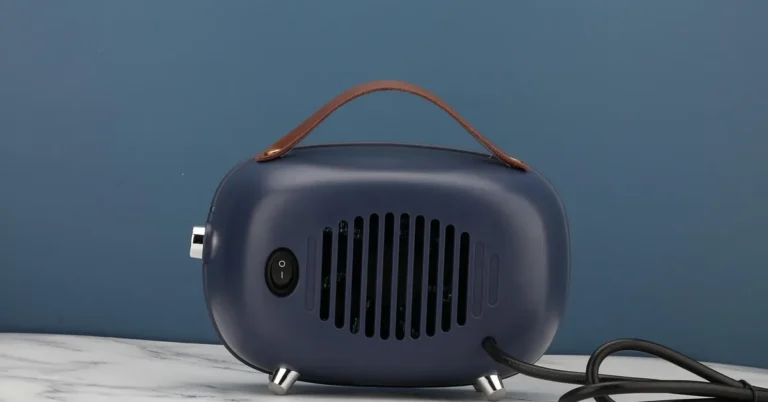
Portable heaters primarily use convection or radiant heat to warm a space. Most common types, like ceramic or oil-filled radiators, do not emit harmful ionizing radiation. Some radiant heaters emit non-ionizing infrared radiation, which is safe and similar to natural sunlight.
Understanding How Portable Heaters Work
To truly answer if portable heaters give off radiation, we first need to look at how they create heat. Think of it like this: there are a few main ways to get warm, and heaters use these principles. Most portable heaters fall into two main categories: convection heaters and radiant heaters.
Each type heats your room in a slightly different way. Knowing this helps us understand what kind of “energy” they are releasing into the air.
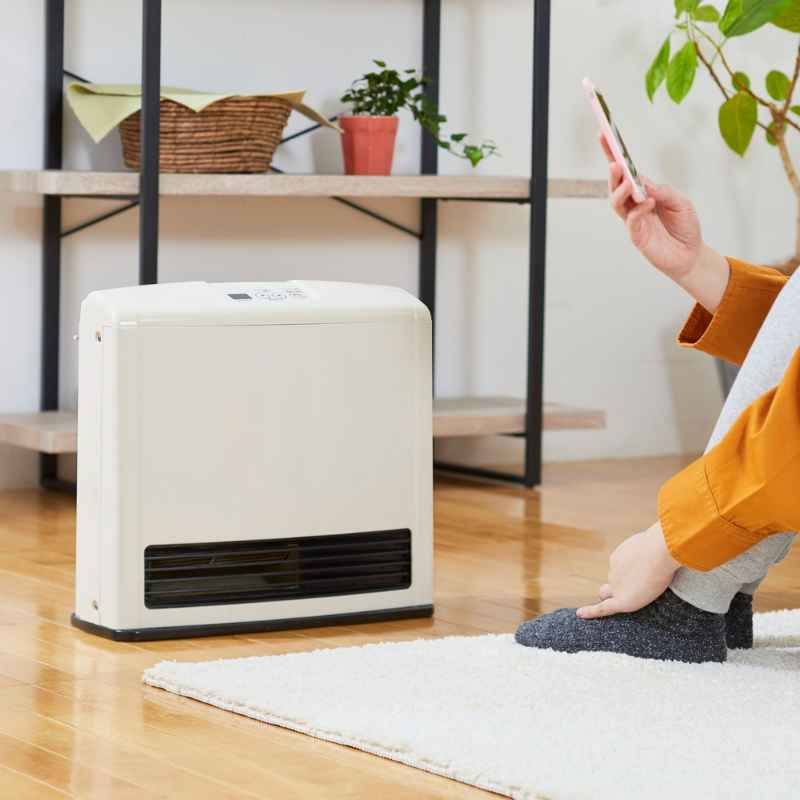
Convection heaters work by heating the air. They draw in cool air from the room, warm it up inside the heater, and then release the warmer air back into the room. This warm air then rises, creating a circulation pattern called convection.
This process slowly and evenly heats the entire room. Examples include many electric space heaters with fans, and oil-filled radiators.
Radiant heaters, on the other hand, heat objects and people directly. They give off invisible waves of energy that travel in a straight line. When these waves hit an object or your skin, they are absorbed and turned into heat.
This is similar to how the sun warms you up on a cool day. The heat is more immediate but might not warm the whole room as evenly as convection. Examples include infrared heaters and some quartz heaters.
Some heaters combine these methods. For example, a heater might use a fan to push warm air around (convection) while also emitting infrared waves (radiant). The key thing to remember is that the “waves” they emit are mostly related to heat, not the harmful types of radiation we often hear about in other contexts.
The Science of Radiation: Ionizing vs. Non-Ionizing
When people worry about radiation, they often think of the kind that can be harmful. This is usually ionizing radiation. Ionizing radiation has enough energy to remove an electron from an atom or molecule.
Think of X-rays or the radiation from nuclear power. This type of radiation can damage living tissue and DNA. It’s a serious concern, but it’s not what most common portable heaters produce.
The other type of radiation is non-ionizing radiation. This type of radiation does not have enough energy to remove electrons from atoms. It’s much less powerful.
Examples include radio waves, microwaves, and infrared radiation. Infrared radiation is the type of energy that makes things feel warm when you stand near a heat source. It’s perfectly safe in the levels produced by radiant heaters.
So, when we ask do portable heaters give off radiation, we need to distinguish between these two types. The radiation that makes you feel warm from a radiant heater is infrared radiation, which is non-ionizing. It’s the same kind of energy that our bodies naturally emit and absorb.
It doesn’t damage cells in the way that ionizing radiation can.
It’s easy to get these two types of radiation confused. The word “radiation” itself can sound scary. But in the context of heating your home, the energy waves being emitted are overwhelmingly in the safe, non-ionizing spectrum.
This is a crucial distinction for understanding the safety of your portable heater.
Common Types of Portable Heaters and Their Radiation Output
Let’s dive into some specific types of portable heaters you might find in a store or in someone’s home. This will help clarify exactly what kind of energy they are sending out. Understanding the technology behind each type makes the safety aspect much clearer.
We’ll look at the most popular ones and how they work with regards to heat and any emitted energy.
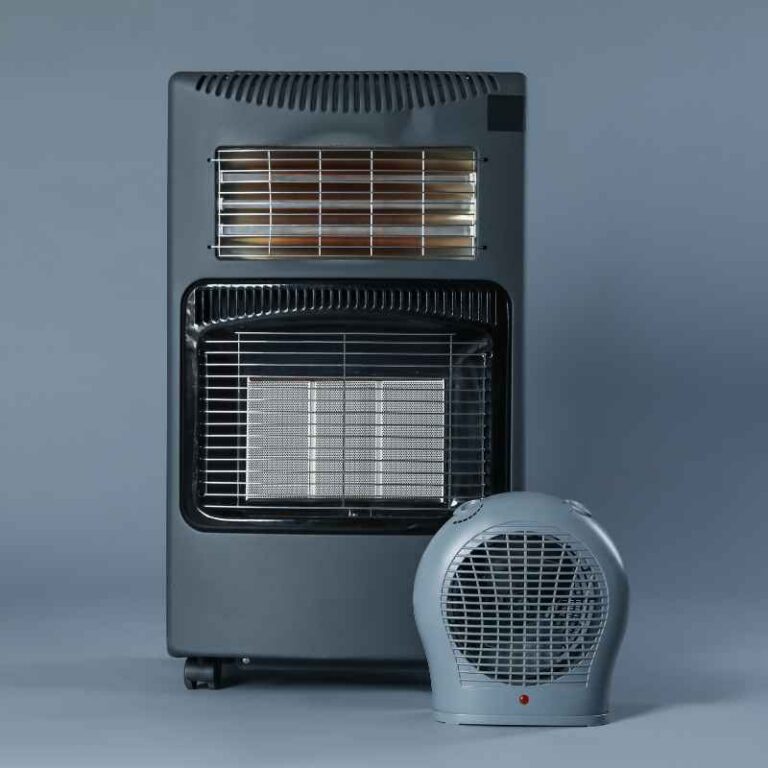
Ceramic Heaters: These are very common. They use a ceramic heating element and a fan. Electricity passes through the ceramic material, making it hot.
A fan then blows air over the hot ceramic and out into the room. This is a convection-based system. The primary energy transfer is through heated air.
They do not produce any significant amounts of radiation, ionizing or non-ionizing, beyond what any warm object naturally emits as infrared energy.
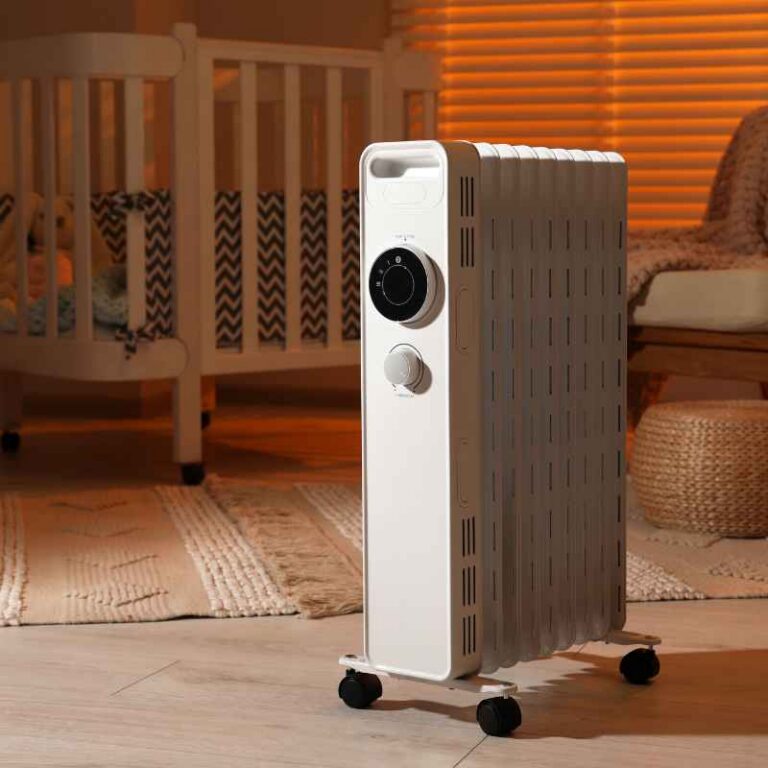
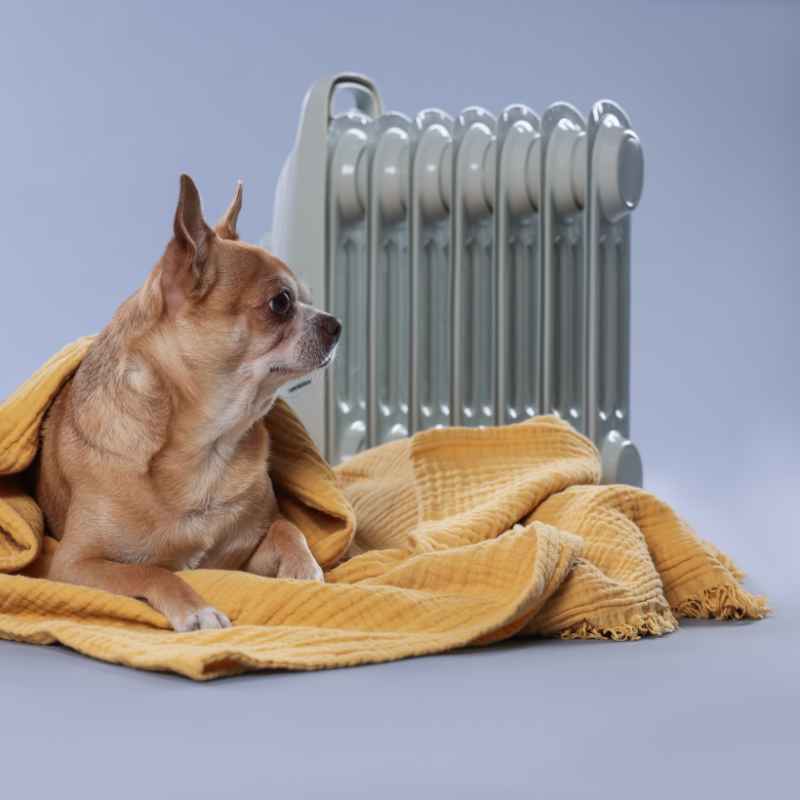
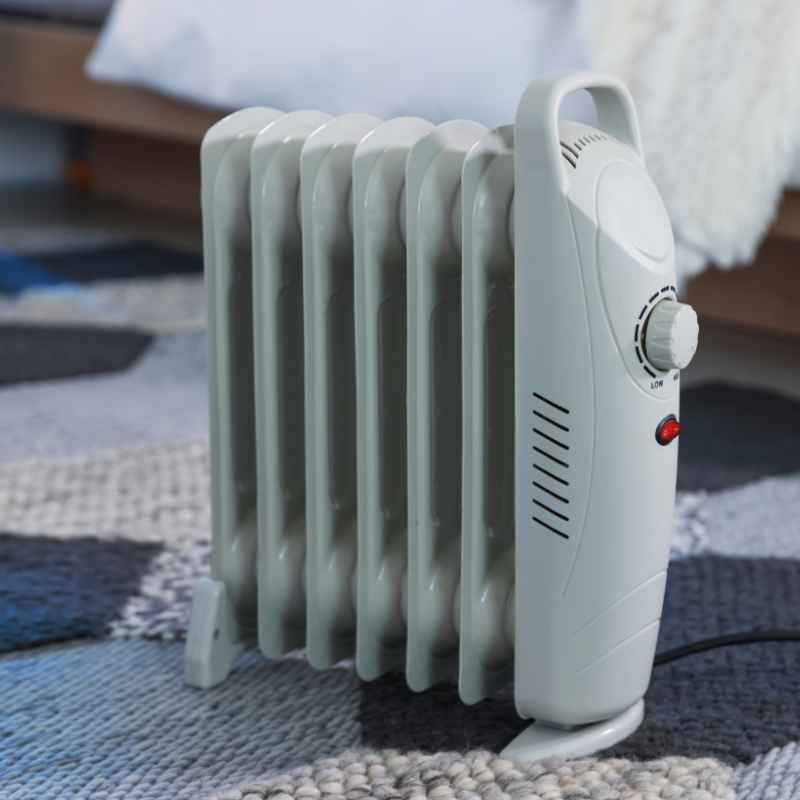
Oil-Filled Radiators: These heaters look like old-fashioned radiators. They have an electric element that heats oil sealed inside the metal fins. The oil heats up and then circulates, warming the metal fins.
The fins then radiate heat into the room and also warm the air around them, causing convection. They provide a gentle, steady heat. Like ceramic heaters, they primarily use convection and mild radiant heat.
The “radiation” is mainly infrared heat, which is safe.
Infrared Heaters: These are pure radiant heaters. They use quartz elements or infrared bulbs to generate infrared radiation. This energy travels directly to objects and people in the room, warming them.
They are great for quickly heating a specific spot or person. The “radiation” here is 100% infrared heat. It’s non-ionizing and safe.
You can feel its warmth instantly on your skin. They don’t heat the air much, so the room might feel cooler if you move away from the direct beam.
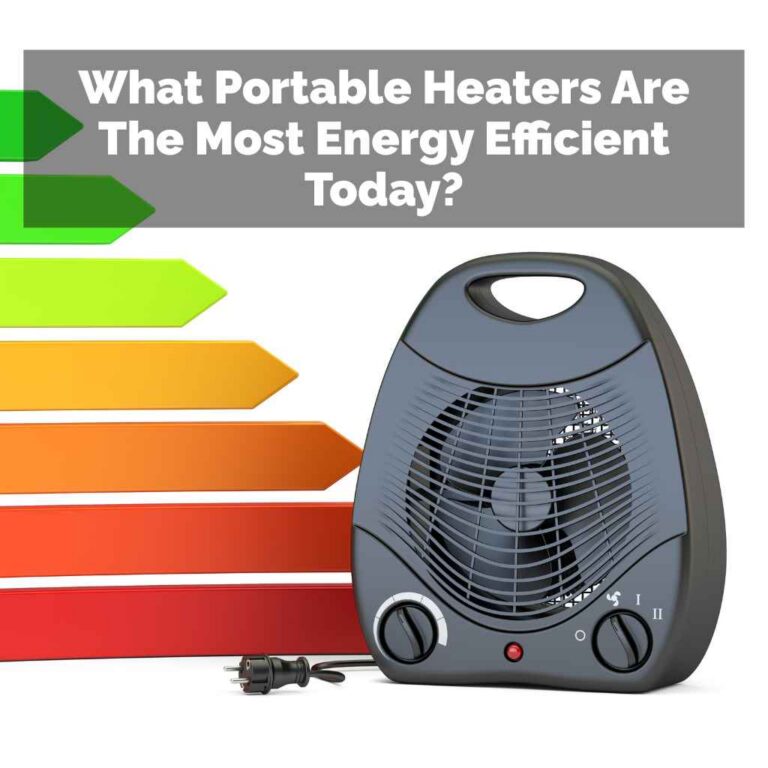
Fan Heaters: These are simple. An electric coil gets hot, and a fan blows air over it. The warm air is then pushed into the room.
They are quick to heat up a small space but can be noisy. They are purely convection. Any emitted energy is in the form of hot air.
No significant radiation is involved beyond general warmth.
Panel Heaters: These are typically wall-mounted but some are portable. They heat up a flat panel, which then radiates heat into the room. They are quieter than fan heaters and use a combination of radiant and convection heat.
The radiant component is infrared, which is safe non-ionizing radiation. They provide a more subtle background warmth.
In all these cases, the energy being emitted is either hot air (convection) or infrared waves (radiant heat). Neither of these poses a risk of harmful radiation.
Heat Transfer Quick Facts
Convection: Warms air that then circulates. Like a hot air balloon.
Radiation: Warms objects directly. Like sunshine on your face.
Conduction: Warms through direct contact. Like a hot pan handle.
Portable heaters use convection and radiation the most. Conduction is usually minimal for heating a room.
Personal Experience: The Chilly Basement and the Radiant Heater
I remember years ago when we bought our first house. It had this unfinished basement that was always freezing. Even with the main heating system running, it felt like a dungeon down there.
My partner suggested getting a portable heater. I was a bit hesitant at first, partly because I’d heard vague things about “radiation” from electric devices.
We ended up getting a small infrared heater. It was a simple, compact unit with a glowing quartz tube inside. I remember plugging it in for the first time, still feeling a bit nervous.
The instructions said it was safe. I sat on the old couch down there, shivering, and pointed the heater towards me. Within minutes, I could feel a distinct warmth on my skin, even though the air itself didn’t feel dramatically hotter.
It was a strange sensation. It wasn’t like the blast of hot air from a fan heater. It was a more direct, cozy warmth, like sitting by a campfire.
I spent a good hour reading down there, completely comfortable. That experience really demystified it for me. It wasn’t emitting some mysterious, invisible energy.
It was just giving off infrared heat, which felt perfectly natural and pleasant. My initial worry about “radiation” completely faded away as I felt the gentle warmth soak into my clothes and skin.
When “Radiation” Means Heat: Infrared Energy
Let’s really hammer this home: when people talk about the “radiation” from things like infrared heaters, they are talking about infrared light waves. This is part of the electromagnetic spectrum, just like visible light or radio waves. Our eyes can’t see infrared light, but our skin can feel it as heat.
Think about the sun. The sun emits a wide range of electromagnetic radiation, including visible light, ultraviolet (UV) rays, and infrared radiation. The infrared part of sunlight is what warms us up on a sunny day, even when the air is cool.
Portable infrared heaters work on the exact same principle. They produce infrared waves that travel through the air and are absorbed by surfaces they hit, including you!
This is why radiant heaters feel so effective. They don’t waste energy heating up the air first. They directly warm you and the objects around you.
This can be very efficient for heating a person or a small area. And because it’s just heat energy, it’s perfectly safe. It doesn’t penetrate your body in a harmful way.
It’s absorbed at the surface, creating that pleasant warm feeling.
The key difference between this safe infrared radiation and harmful ionizing radiation is the amount of energy. Infrared waves simply don’t have enough energy to knock electrons off atoms. Ionizing radiation, like from X-rays, does have that much energy.
It’s like comparing a gentle breeze to a hurricane; both involve air movement, but the force is entirely different.
So, when you see “infrared” on a heater, think of it as “heat rays” rather than “danger rays.” It’s a natural and safe way to transfer warmth.
Infrared Heater Myth vs. Reality
Myth: Infrared heaters emit dangerous radiation.
Reality: They emit non-ionizing infrared radiation, which is safe heat energy, similar to sunlight.
Myth: Infrared radiation is harmful to your skin.
Reality: In the levels produced by heaters, it provides warmth and is not damaging.
Safety Standards for Portable Heaters
Manufacturers of portable heaters in the United States must follow strict safety standards. These standards are overseen by organizations like Underwriters Laboratories (UL) or Intertek (ETL). When you see a UL or ETL mark on a heater, it means the product has been tested and certified to meet safety requirements.
These safety tests cover many aspects, including electrical safety, fire hazards, and overheating. They ensure that the heater will not pose an undue risk to consumers when used as directed. This includes checks for things like tip-over protection, overheat shut-off, and ensuring that external surfaces don’t get dangerously hot.
The standards also implicitly address the type of energy output. While they might not use the exact terms “ionizing” or “non-ionizing radiation” in consumer-facing literature, the underlying safety engineering ensures that any energy emitted is within safe, acceptable limits for home use. The focus is on preventing burns, fires, and electrical shock.
The U.S. Consumer Product Safety Commission (CPSC) also provides guidance on the safe use of portable electric heaters. They emphasize features like automatic shut-off when tipped over and keeping them away from flammable materials.
These recommendations focus on the physical hazards and fire risks, not on radiation concerns, because radiation from these devices is not considered a safety hazard.
So, you can feel confident that any heater you buy from a reputable brand will have been rigorously tested for safety, covering all the real risks associated with heating appliances.
Are There Any “Radiation” Concerns at All?
While the primary concern of “radiation” from portable heaters is largely a misunderstanding of non-ionizing heat energy, it’s worth briefly touching on related concepts. Some very old or poorly manufactured devices could potentially have issues, but this is rare with modern products.
For example, if a heater has exposed heating coils that are extremely hot, they will emit a lot of infrared radiation. While not dangerous in itself, being too close to these can feel intense. This is why many heaters have guards or enclosures.
The heat is still infrared, but the design protects you from getting too close.
Another concept sometimes confused with radiation is electromagnetic fields (EMFs). All electrical devices produce EMFs. Portable heaters, being electric, do produce low-level EMFs.
However, scientific consensus is that the EMFs produced by typical household appliances, including heaters, are too low to cause any harm. The levels are significantly lower than those considered potentially problematic, and they decrease rapidly with distance from the device.
So, to reiterate, when it comes to the question do portable heaters give off radiation, the answer is yes, they give off infrared radiation (heat). But this is a safe, natural form of energy transfer. There are no known risks from the EMFs produced by these devices in a home environment.
Quick Safety Checks
- Look for Certifications: UL or ETL listed means it met safety standards.
- Tip-Over Protection: Essential for preventing fires if the heater falls.
- Overheat Shut-Off: Stops the heater if it gets too hot.
- Sturdy Construction: Avoid wobbly heaters.
- Clearance: Keep heaters at least 3 feet from curtains, furniture, and bedding.
- Unplug When Not in Use: Always a good safety practice.
Real-World Context: Using Heaters Safely in Your Home
In my own home, we use a few different types of portable heaters depending on the need. In the living room, we have an oil-filled radiator that provides a nice, consistent background warmth. It runs quietly and doesn’t dry out the air.
It makes the room feel cozy without any noticeable emissions other than gentle heat.
In my home office, which is a bit drafty, I sometimes use a small ceramic heater with a thermostat. It heats up quickly and I can set it to keep the room at a comfortable temperature. The fan noise is a minor distraction, but the warmth is effective.
Again, no concerns about dangerous energy output, just hot air.
And as I mentioned, for that chilly basement, the infrared heater was a game-changer. It’s fantastic for directing heat exactly where you need it, making a cold space usable. The feeling of warmth is immediate and comfortable.
The environments where we use these heaters are varied: drafty old houses, modern apartments, even workshops. The common thread is the need for supplemental heat. In all these scenarios, the primary concern is not radiation, but rather fire safety, electrical safety, and air quality (like avoiding too much dryness).
Habits also play a role. Leaving a heater on unattended for long periods, piling blankets on it, or placing it too close to flammable items are the real risks. Understanding how the heater works – whether it blows hot air or emits heat rays – helps us use it more effectively and safely.
For instance, with a radiant heater, you position it to face you. With a convection heater, you might place it where it can circulate air best.
What This Means for You and Your Family
Knowing that portable heaters are safe in terms of radiation should bring a sense of relief. The “radiation” they emit is just heat, and it’s non-ionizing. This means you don’t need to worry about long-term health effects from using them.
When it’s normal to use a portable heater? It’s perfectly fine to use them to supplement your main heating system, warm up a room that’s colder than the rest of the house, or heat a space that isn’t used often. They are excellent tools for adding comfort and saving energy by heating only the areas you need.
When should you be more cautious? The real concerns are not about radiation, but about physical safety. You should always be aware of the heater’s placement.
Never put anything on top of a heater. Keep it away from curtains, paper, and anything that could catch fire. Ensure children and pets cannot accidentally knock it over.
Simple checks you can do: Before using a heater, inspect the cord for any damage. Make sure the plug fits snugly into the outlet. If the heater seems to be making unusual noises or smells, unplug it immediately.
For oil-filled radiators, check for any signs of oil leaks.
Most importantly, always follow the manufacturer’s instructions. They will tell you the best way to use the heater and any specific safety precautions for that model. Trusting these guidelines is key to safe and warm use.
Quick Tips for Using Your Portable Heater
Here are some straightforward tips to make sure your portable heater experience is both warm and safe. These are the things I always keep in mind when I’m using mine, and they make a big difference.
- Placement is Key: Put your heater on a flat, stable surface. Never place it on soft surfaces like beds or carpets where air vents could be blocked.
- Clearance is Crucial: Maintain at least three feet of space around the heater. This keeps flammable materials away and allows for good air circulation.
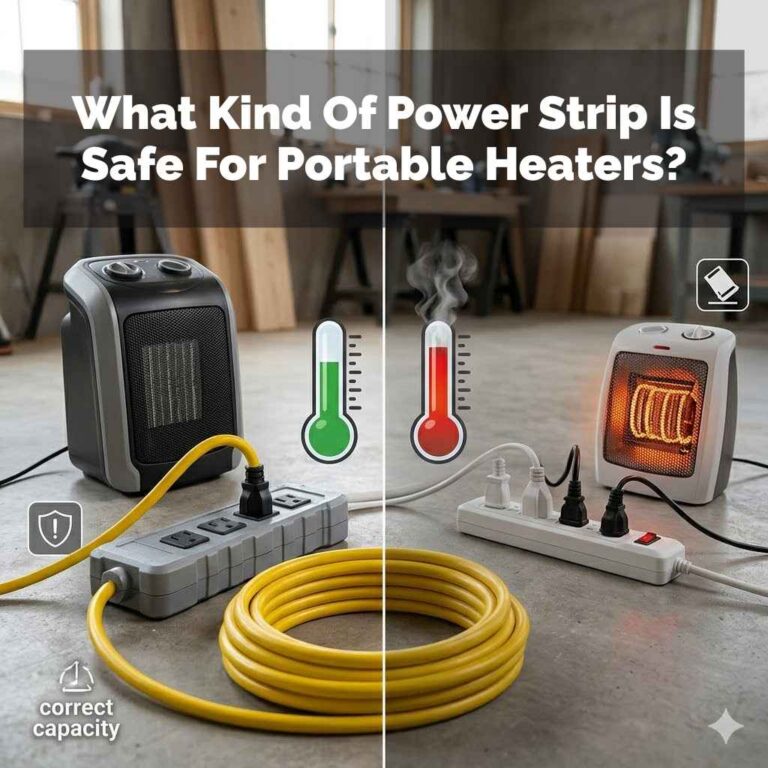
- Use One Outlet: Plug your heater directly into a wall outlet. Avoid using extension cords or power strips, as they can overheat and cause a fire. If you absolutely must use an extension cord, ensure it’s rated for the heater’s wattage.
- Set and Forget (Mostly): Use the thermostat if your heater has one. This prevents the heater from running constantly and potentially overheating.
- Supervise Use: Never leave a portable heater running unattended, especially when you’re sleeping or away from home.
- Kid and Pet Patrol: If you have young children or pets, choose a heater with safety features like tip-over protection and a cool-touch exterior.
- Regular Inspection: Give your heater a quick look-over before each use. Check the cord and plug for damage.
- Know When to Retire It: If a heater is old, damaged, or seems to be malfunctioning, it’s time to replace it. Safety first!
Frequently Asked Questions About Portable Heater Radiation
Do electric heaters emit harmful radiation?
No, common electric portable heaters do not emit harmful ionizing radiation. They emit infrared radiation, which is safe heat energy, and heat through convection (warming the air).
Is infrared heat safe?
Yes, infrared heat is very safe. It’s the same type of heat we feel from the sun and is non-ionizing. It warms objects directly and is a natural part of our environment.
Should I worry about EMFs from portable heaters?
EMFs from portable heaters are very low-level and are not considered a health risk by scientific consensus. They decrease rapidly with distance.
What’s the difference between ionizing and non-ionizing radiation?
Ionizing radiation has enough energy to remove electrons from atoms, which can damage cells (like X-rays). Non-ionizing radiation, like infrared heat or radio waves, does not have this much energy and is safe.
Are all portable heaters safe regarding radiation?
Yes, modern portable heaters sold in the U.S. are designed and certified to be safe. They do not emit harmful radiation.
The main safety concerns are fire and electrical hazards, which can be managed with proper use.
Can a portable heater cause cancer?
There is no scientific evidence to suggest that portable heaters, which emit safe infrared radiation or heat air, can cause cancer.
Conclusion: Warmth Without Worry
So, to finally put your mind at ease, do portable heaters give off radiation? Yes, they emit infrared radiation, which is a form of heat energy. This is perfectly safe and natural, much like the warmth from the sun.
You can enjoy the convenience and comfort of your portable heater without worrying about harmful radiation. Focus on safe usage practices to prevent fires or electrical issues, and you’ll stay warm all season long.
Sponsored / affiliate links. As an Amazon Associate I earn from qualifying purchases. I may earn additional commission from eligible campaigns.