What Is The Safest Type Of Portable Heater For Indoors?
The safest portable heaters for indoor use are typically those with advanced safety features like automatic shut-off, tip-over protection, and cool-touch exteriors. Ceramic heaters and infrared heaters often rank high for safety when used correctly. Always prioritize models from reputable brands that meet safety standards.
Understanding Portable Heater Safety
Portable heaters are fantastic for adding warmth to a room. They can boost your comfort in a drafty basement or a chilly home office. However, they also carry risks if not used carefully.
The main worries often involve fire hazards and burns. This is why choosing the right type of heater and knowing how to use it safely is so important.
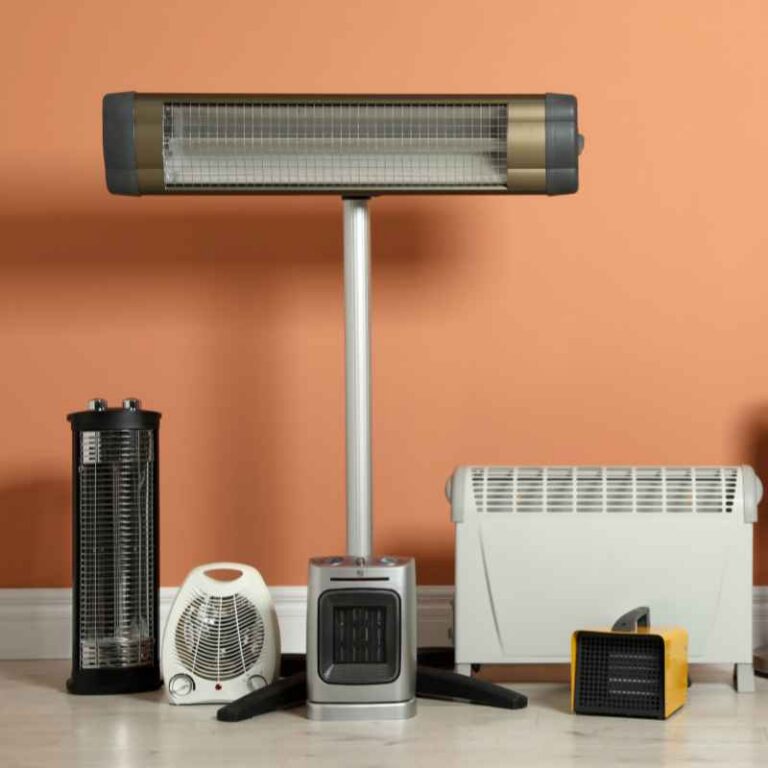
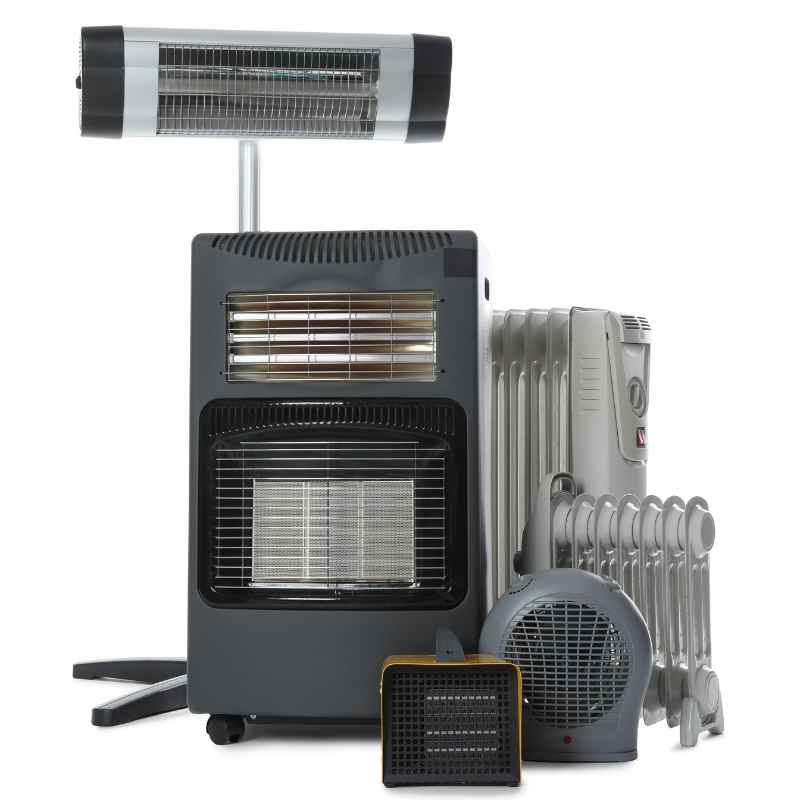
Many types of portable heaters exist. They use different ways to create heat. Some use electricity to heat up coils.
Others use oil or ceramic elements. Some even use infrared light. Each method has its own pros and cons.
Safety is always a top factor for any home appliance, and heaters are no exception.
We’ll dive into the specifics of what makes a heater safe. This includes the technology it uses and the built-in features. It also covers how you use it in your home.
Think of it like choosing a car seat for a child. You want the one that offers the best protection. The same applies to keeping your home warm and safe.
Experience: That Time I Almost Overlooked a Simple Safety Check
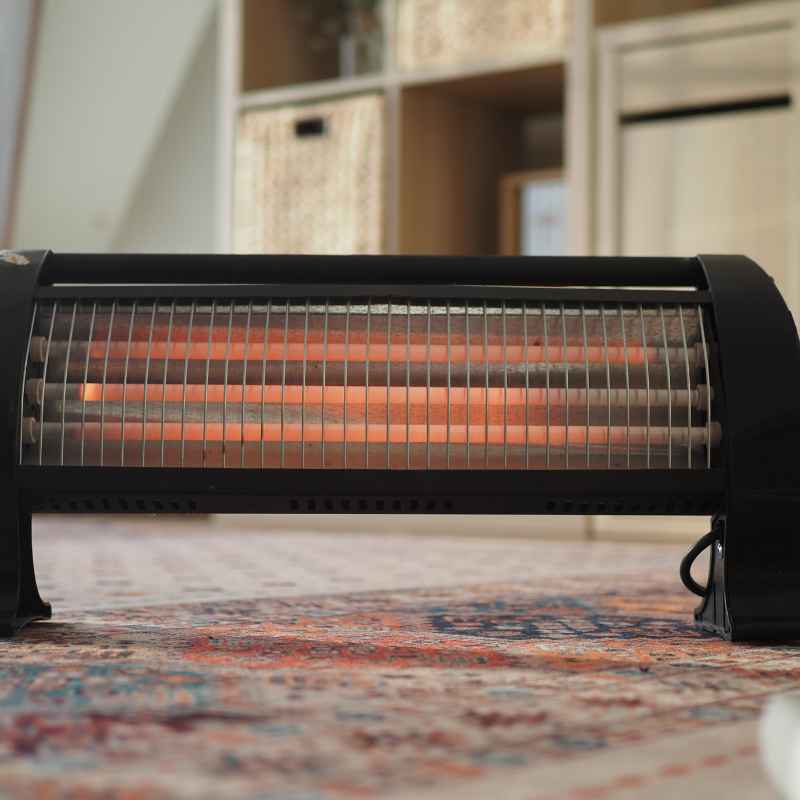
I remember one particularly cold November evening a few years back. I was working late in my home office, which tends to get a bit cooler than the rest of the house. I pulled out my trusty old ceramic heater, the kind with the orange glow.
I’d used it for years without any issue. I plugged it in, set the dial, and felt that immediate wave of warmth. Ah, bliss!
I got back to my work, totally absorbed. About an hour later, I got up to stretch. I noticed a faint, acrid smell in the air.
My heart did a little jump. I looked around, my eyes scanning the room. Then I saw it.
The heater’s cord was starting to look a little… fuzzy. The plastic around the plug seemed slightly discolored. It wasn’t melted, not yet, but it was definitely not how it should look.
I immediately unplugged it, my hands a little shaky. It was a stark reminder that even trusted appliances need a quick check now and then. That moment really hammered home how critical it is to inspect your heaters, especially older ones, before each use.
A few seconds of looking could have saved me from a much bigger problem.
The Safest Heater Types Explained
When looking for a safe portable heater, certain types stand out. These heaters often combine effective heating with strong safety measures. Understanding how they work helps you see why they are a good choice for your home.
Ceramic Heaters
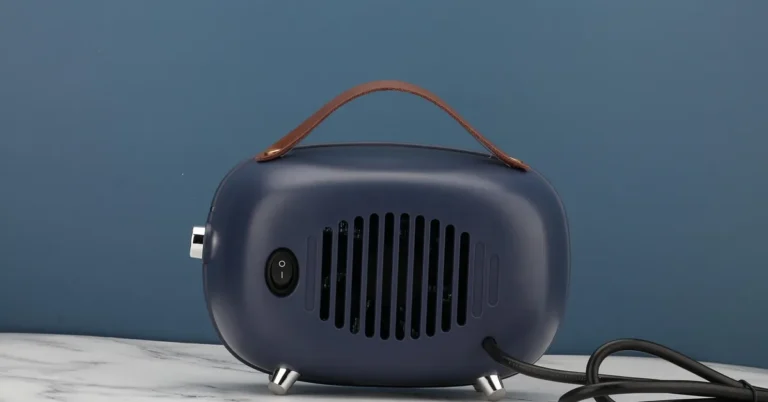
Ceramic heaters are very popular. They use a ceramic plate that heats up. A fan then blows air over this plate.
This warmed air is pushed into the room. They are good at heating up a space quickly. Because the heating element itself gets hot, many models have a cool-touch exterior.
This means the outside of the heater stays cooler. This greatly reduces the risk of burns if you touch it by accident. Many ceramic heaters also come with tip-over protection.
This is a safety switch that turns the heater off if it’s knocked over. This is a crucial feature to prevent fires.
The heating element in a ceramic heater is enclosed. This means there are no exposed glowing coils. This makes them safer to use around children and pets.
The enclosed design also helps prevent dust or debris from igniting on a hot coil. They are also very efficient. They can heat a room evenly.
You can often adjust the temperature settings. Some even have timers. These features add to their overall safety and convenience.
Infrared Heaters
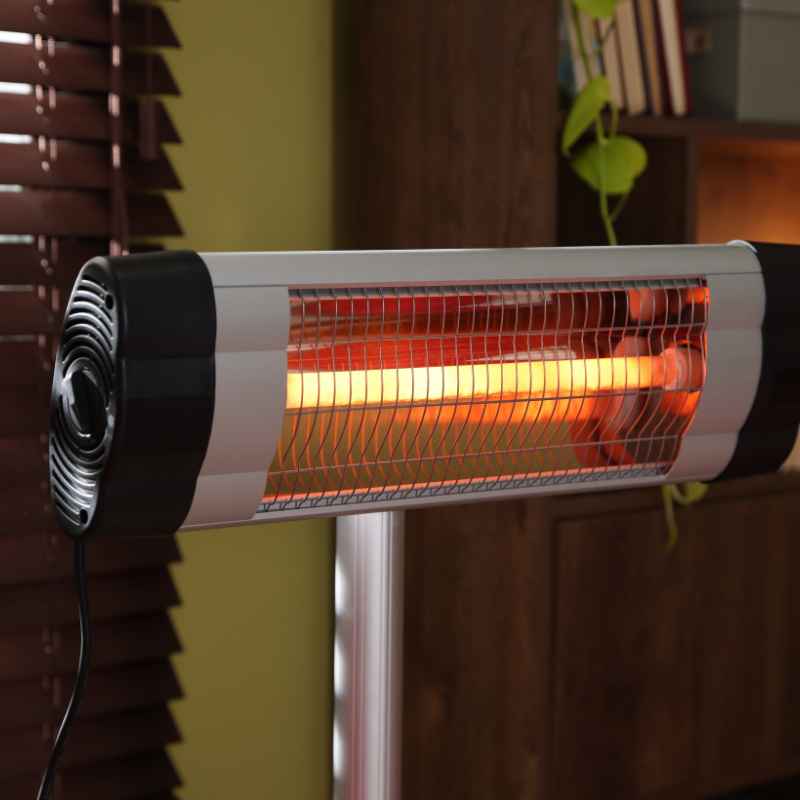
Infrared heaters work differently. They don’t heat the air directly. Instead, they emit infrared light.
This light warms objects and people directly in its path. Think of how the sun feels warm on your skin. That’s similar to how infrared heaters work.
This direct heating method can be very effective. It also means the heater itself doesn’t get as intensely hot on its surface as some other types.
Because they heat objects rather than the air, they can be more energy-efficient for spot heating. You feel the warmth quickly. Many infrared heaters have safety features like tip-over switches and overheating protection.
Since there are no fans and no open coils, they are often very quiet. They also don’t blow dust around. This can be a plus for people with allergies.
The surfaces of some infrared heaters remain cooler. This makes them a safer choice for homes with curious little ones or pets.
Oil-Filled Radiators
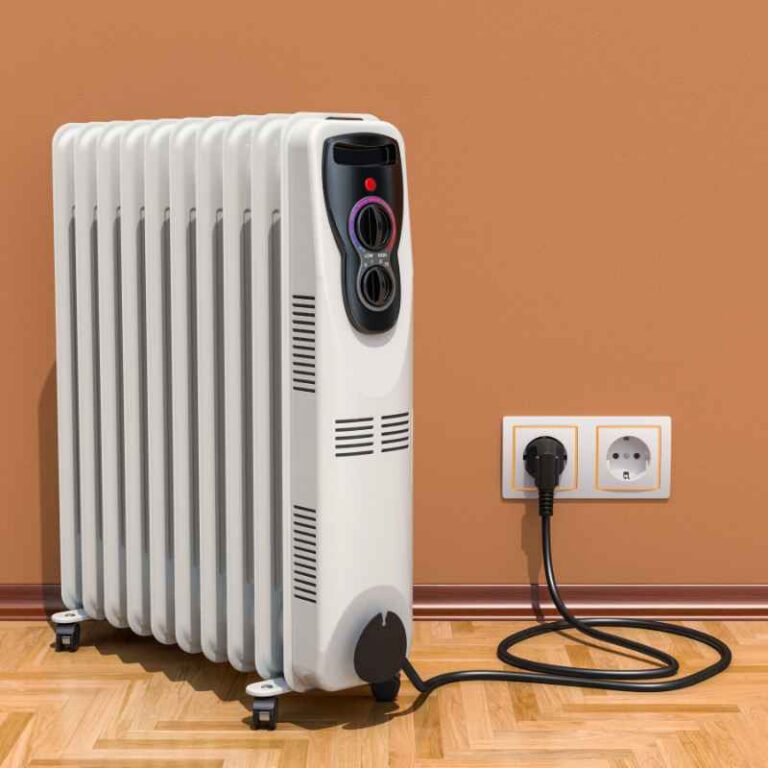
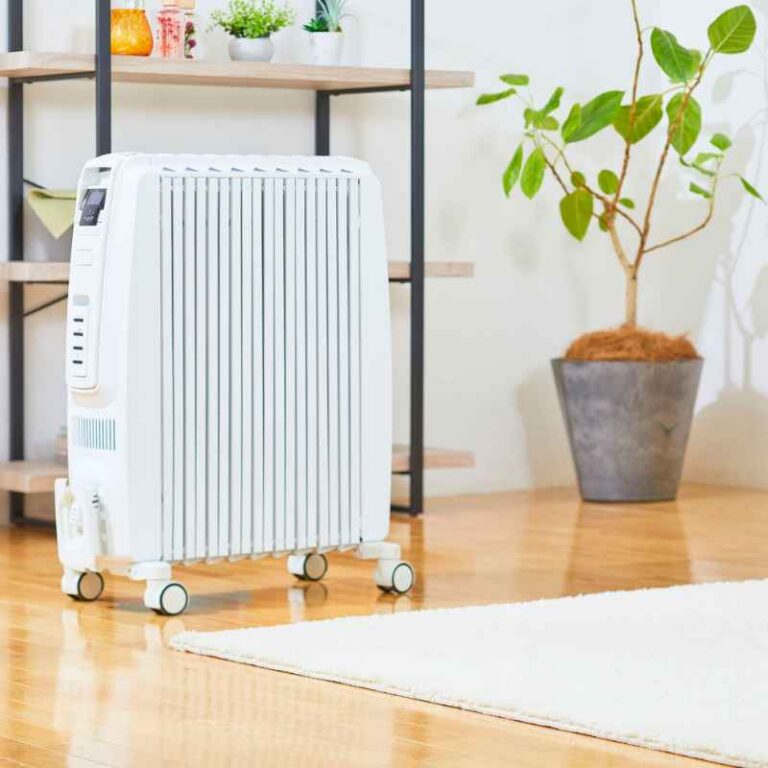
These heaters look like traditional radiators. They are filled with a special oil. Electricity heats up a sealed element inside the radiator.
This element heats the oil. The oil then circulates through the fins of the radiator. The heat radiates out into the room.
They provide a steady, gentle heat. They are often very quiet. They also tend to have a more even heat distribution.
A key safety feature of oil-filled radiators is that their surfaces can get warm, but they don’t have exposed glowing elements. This means they are less likely to cause immediate burns compared to some other types. They also don’t blow air, so they don’t stir up dust.
This is good for people with respiratory issues. Most models include tip-over protection and overheat shut-off. They are generally considered very safe for continuous use in a room, provided they aren’t covered or placed too close to flammable materials.
Heater Safety Features to Look For
Automatic Shut-Off: This is a must-have. It turns the heater off if it overheats. This prevents dangerous situations.
Tip-Over Protection: A switch that powers down the heater if it’s knocked over. Crucial for preventing fires.
Cool-Touch Exterior: The outside casing stays safe to touch. Reduces burn risks, especially for homes with kids or pets.
No Exposed Heating Elements: Look for enclosed coils or elements. This dramatically lowers fire hazards.
Overload Protection: Similar to automatic shut-off, this protects the heater and your home’s electrical system.
Understanding Heater Wattage and Room Size
Choosing a heater that’s the right size for your room is also a safety factor. A heater that’s too small won’t warm the space effectively. You might be tempted to run it for too long or at too high a setting.
A heater that’s too large could overheat the space or pose a risk if not properly managed.
A general rule of thumb is to use about 10 watts of power per square foot of room space. So, for a 100-square-foot room, a 1000-watt heater would be a good start. For larger rooms, you might need a more powerful heater or a combination of heaters.
Always check the manufacturer’s recommendations for the heater’s ideal room size.
Using a heater that’s correctly sized prevents it from working too hard. It also ensures it heats the space efficiently. This reduces the strain on the appliance and your home’s wiring.
It’s part of safe and effective heating. It’s about finding that balance.
Real-World Context: Where and How to Use Safely
The environment where you use a portable heater is key to safety. It’s not just about the heater itself, but where you place it and what’s around it.
Clearance is Crucial: Always keep portable heaters at least three feet away from anything that can burn. This includes curtains, bedding, furniture, paper, and clothing. It might seem obvious, but in a rush, it’s easy to forget this vital rule.
Think about all sides of the heater, including the top and bottom.
Stable Surfaces: Place your heater on a flat, stable, and level surface. This helps prevent it from tipping over. Avoid placing heaters on carpets that can be easily ignited.
A hard floor is best. If you must use it on carpet, ensure it has a sturdy base and won’t sink or tip.
Never Cover It: Do not place anything over the heater. This includes blankets, towels, or clothes. Covering a heater can trap heat.
This can cause it to overheat and become a fire hazard. It also blocks the airflow, making it less effective.
Avoid Wet Areas: Most electric heaters should not be used in bathrooms or other damp areas. Water and electricity are a dangerous mix. Check the heater’s manual for specific warnings about moisture.
Supervise Use: Never leave a portable heater running unattended. This is especially important when children or pets are in the house. If you leave the room, turn the heater off.
If you go to sleep, turn it off.
Quick Scan: Heater Placement Checklist
- 3-Foot Rule: Keep away from curtains, furniture, and flammable items.
- Flat Ground: Always place on a level, stable surface.
- No Covers: Never block the heater’s vents or casing.
- Dry Zones Only: Avoid bathrooms and wet areas.
- Supervision: Never leave it on when you’re not there.
Electrical Safety and Your Home
Portable heaters draw a lot of power. This can sometimes put a strain on your home’s electrical system. It’s important to be aware of this.
Using extension cords or sharing outlets with other high-draw appliances can be risky.
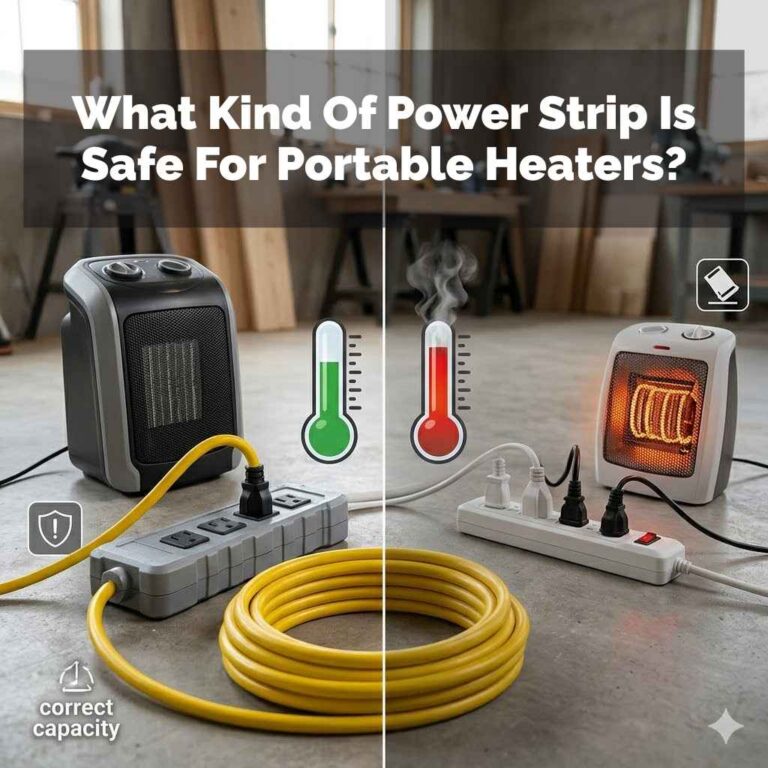
Direct Outlet Use: It’s best to plug portable heaters directly into a wall outlet. Avoid using extension cords if possible. If you must use one, make sure it is rated for the heater’s wattage.
It should also be heavy-duty and in good condition. Frayed or damaged cords are a serious fire risk.
Avoid Overloaded Circuits: Don’t plug your heater into the same outlet or circuit as other major appliances. This includes things like toasters, hair dryers, or washing machines. Overloading a circuit can cause it to overheat.
It can lead to blown fuses or even fires.
Check Your Wiring: If your home has older wiring, it might not be able to handle the power draw of a modern portable heater. If you notice outlets feeling warm, lights dimming when the heater turns on, or breakers tripping frequently, it’s a sign your wiring might need an inspection by a qualified electrician.
GFCI Outlets: In areas where moisture is a concern, using heaters plugged into Ground Fault Circuit Interrupter (GFCI) outlets is recommended. These outlets are designed to shut off power quickly if they detect a ground fault, adding an extra layer of protection.
Smart Outlet Usage
Direct Plug-In: Wall outlet is best.
Heavy-Duty Cord: If needed, use a strong extension cord rated for high power.
No Sharing: Don’t share outlets with big appliances.
Watch for Signs: Flickering lights or warm outlets mean trouble.
GFCI: Use in potentially damp locations for added safety.
What This Means for You: When is a Heater Safe?
So, what does all this mean for you and your home? It means making informed choices and staying vigilant.
When it’s Normal: A portable heater is operating normally when it provides consistent warmth without strange smells or noises. The unit itself should not feel excessively hot to the touch (beyond its intended operational warmth, like an oil radiator’s surface). Safety features like the tip-over switch and overheat protection should function correctly if tested.
The electrical outlet and cord should remain cool to the touch.
When to Worry: You should worry if you notice any unusual smells, like burning plastic or dust. Strange buzzing or popping sounds are also red flags. If the heater’s casing becomes too hot to touch, or if the cord or plug feels warm or looks damaged, that’s a clear sign of a problem.
If your circuit breaker trips often when the heater is in use, or if the lights in the room dim significantly, these are also indicators of potential electrical issues. Any visible damage to the heater itself also warrants immediate concern.
Simple Checks: Before each use, do a quick visual inspection. Look at the cord for any nicks or fraying. Check the plug for damage.
Ensure the heater’s vents are clear of dust and debris. Test the tip-over switch by gently tilting the unit (while it’s off, or be ready to unplug it if it doesn’t shut off). Make sure the power cord isn’t kinked or stressed.
These simple checks take mere seconds but can prevent serious incidents. They are part of responsible heater ownership. They ensure your comfort doesn’t come at the cost of safety.
Quick Fixes & Safe Usage Tips
While we aren’t focusing on specific “fixes” for faulty heaters (because safety first means replacing them!), we can talk about safe usage. These are guidelines to help you get the most out of your heater while staying safe.
- Read the Manual: Seriously, this is the first step. Every heater is a bit different. The manual has specific safety instructions for your model.
- Regular Cleaning: Dust and debris can build up in heater vents. This can block airflow and increase fire risk. Clean them regularly with a vacuum brush attachment or a soft cloth.
- Thermostat Use: Use the heater’s thermostat to maintain a comfortable temperature. This prevents it from running constantly at maximum output, saving energy and reducing wear.
- Room Sensors: Some modern heaters have room sensors that detect when a room has reached the desired temperature and cycle off. These are excellent for maintaining safety and efficiency.
- Keep it Mobile (Carefully): If you need to move the heater, turn it off and let it cool down first. This prevents accidental activation or burns.
Frequent Questions About Safe Portable Heaters
Are ceramic heaters safe for bedrooms?
Yes, ceramic heaters are generally considered safe for bedrooms. They often have cool-touch exteriors and tip-over protection. However, always ensure they are placed a safe distance from bedding and curtains, and never leave any heater running unattended overnight unless it has specific sleep-safe features and is properly certified.
Can I use a portable heater with a timer?
Many portable heaters come with built-in timers, which is a great safety feature. Timers allow you to set the heater to turn off automatically after a certain period. This is helpful if you want to warm a room before you go to sleep or before you wake up, but remember to always follow the manufacturer’s guidelines for safe operation.
What is the risk of carbon monoxide from electric heaters?
Electric portable heaters do not produce carbon monoxide. Carbon monoxide is a byproduct of burning fossil fuels like natural gas, propane, or wood. Therefore, electric heaters are a safer choice in terms of CO risks compared to fuel-burning heaters.
How often should I replace my portable heater?
Portable heaters don’t have a strict expiration date, but they do wear out. If a heater is more than 10-15 years old, or if it shows signs of damage (frayed cords, rattling noises, overheating), it’s time to replace it. Older models may also lack modern safety features.
Always check for visible wear and tear.
Are infrared heaters safe around pets?
Infrared heaters can be safer for pets because their surfaces often stay cooler than some other types of heaters, and they don’t have exposed heating elements. However, it’s still important to keep pets at a safe distance, as any heat source can potentially cause discomfort or burns if they get too close for too long. Always ensure tip-over protection is active.
What does “cool-touch exterior” really mean for safety?
A “cool-touch exterior” means that the outer casing of the heater is designed to remain at a temperature that is safe to touch, even when the heater is on. This significantly reduces the risk of accidental burns, making it a valuable safety feature, especially in households with children or pets who might come into contact with the appliance.
Conclusion
Staying warm indoors during colder months is important for comfort. Choosing a safe portable heater is a smart step. Look for models with features like automatic shut-off and tip-over protection.
Always use them in clear, stable spaces. Pay attention to electrical safety. By making informed choices and being mindful of safe practices, you can enjoy reliable warmth without compromising your home’s safety.
Sponsored / affiliate links. As an Amazon Associate I earn from qualifying purchases. I may earn additional commission from eligible campaigns.