Do Portable Heaters Save Money? Your Energy Bill Guide
Do portable heaters save money compared to central heating? This is a question many homeowners and renters ask when looking for ways to reduce their energy bills, especially during colder months. While they offer targeted warmth and flexibility, understanding their true cost-effectiveness involves looking at several factors beyond just the initial purchase price.
This guide will break down the economics of using portable heaters, helping you make an informed decision for your home’s heating needs.
Portable heaters can save money if used strategically to heat only occupied spaces or supplement existing heating, rather than as a primary whole-home solution. Their efficiency depends on the type, electricity costs, and how they are used.
Key Takeaways
- Portable heaters save money when used for zone heating, warming only specific rooms you’re in, rather than heating an entire house.
- Electric portable heaters consume a significant amount of electricity, making their cost-effectiveness highly dependent on local electricity rates.
- Infrared and oil-filled radiators are generally more energy-efficient for sustained heat than fan-forced or ceramic heaters.
- Using portable heaters as a supplement to your main heating system can reduce overall energy consumption and costs.
- The initial purchase price and the longevity of the unit also play a role in the overall cost-benefit analysis.
What Are Portable Heaters and How Do They Work?
Portable heaters are self-contained heating units designed to warm a specific area or room. Unlike central heating systems that distribute warm air throughout an entire building via ducts, portable heaters operate independently, offering localized warmth. They come in various types, each utilizing different methods to generate and distribute heat.
The primary mechanism involves converting electrical energy into heat. This heat can then be dispersed into the room through convection, radiation, or forced air. Convection heaters, like oil-filled radiators, heat the air, which then circulates naturally.
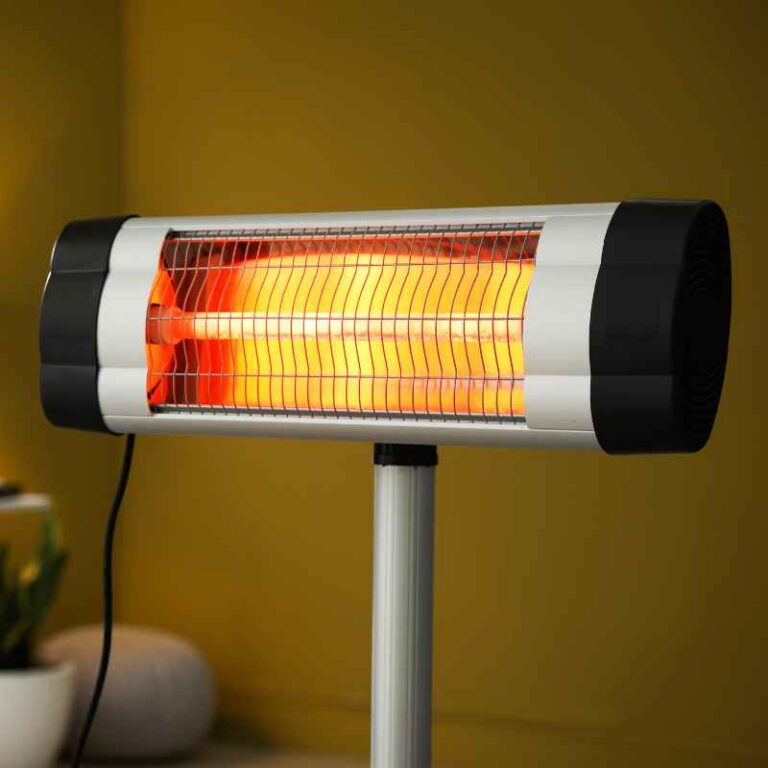
Radiant heaters, such as infrared models, emit heat that warms objects and people directly in their line of sight. Fan-forced and ceramic heaters use a heating element and a fan to blow heated air into the space.
Understanding these working principles is crucial because it directly impacts their energy consumption and effectiveness. A heater that generates more heat for a longer duration, or one that targets heat more precisely, can be more economical in the long run, even if its initial wattage is high. The goal is to achieve comfort with the least amount of energy expenditure.
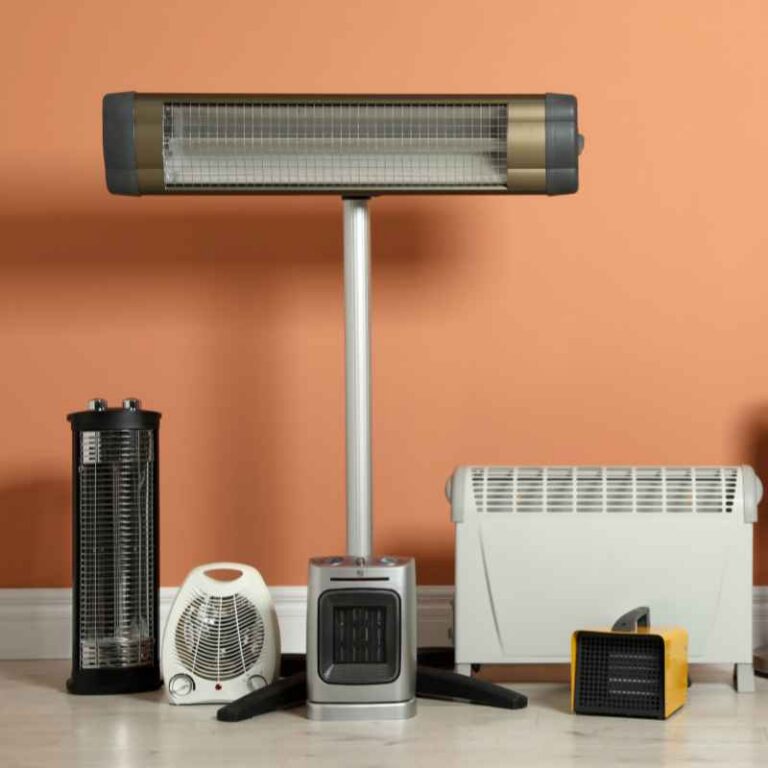
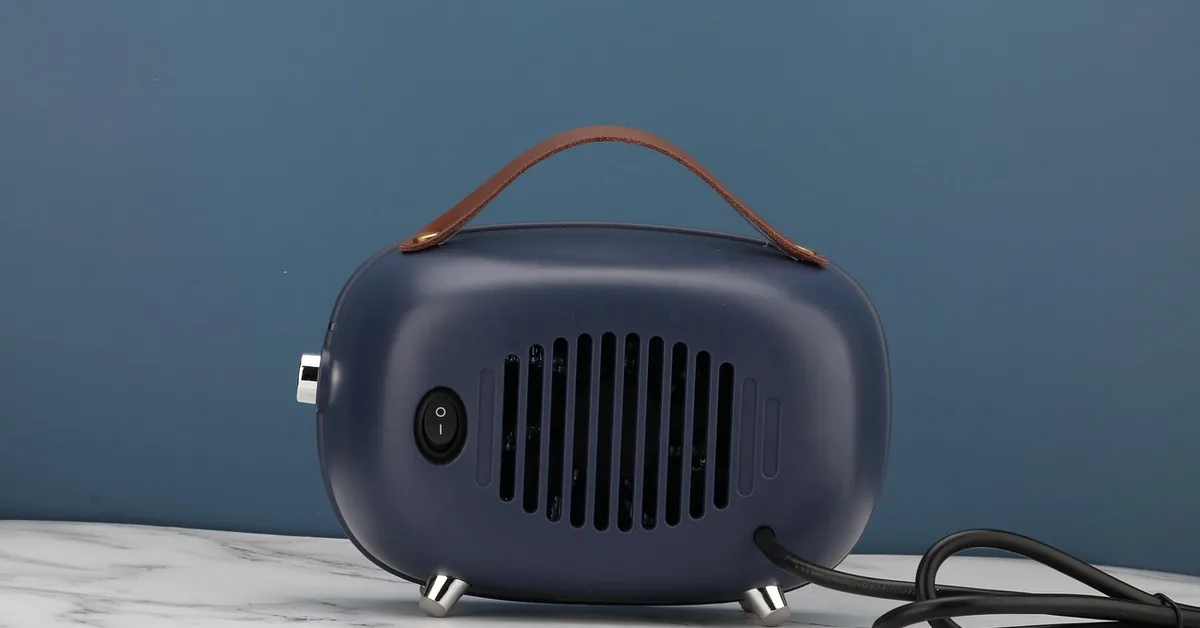
- Ceramic Heaters: Use a fan to blow air across a heated ceramic plate. Quick to heat up a small space.
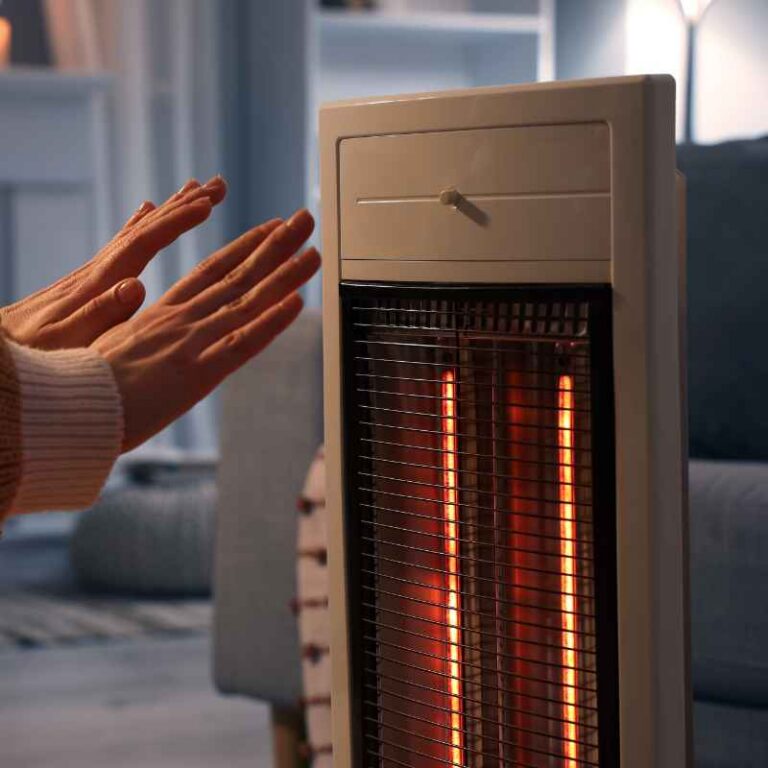
- Infrared Heaters (Radiant): Emit infrared radiation to heat objects and people directly. Good for focused warmth without heating the whole room.
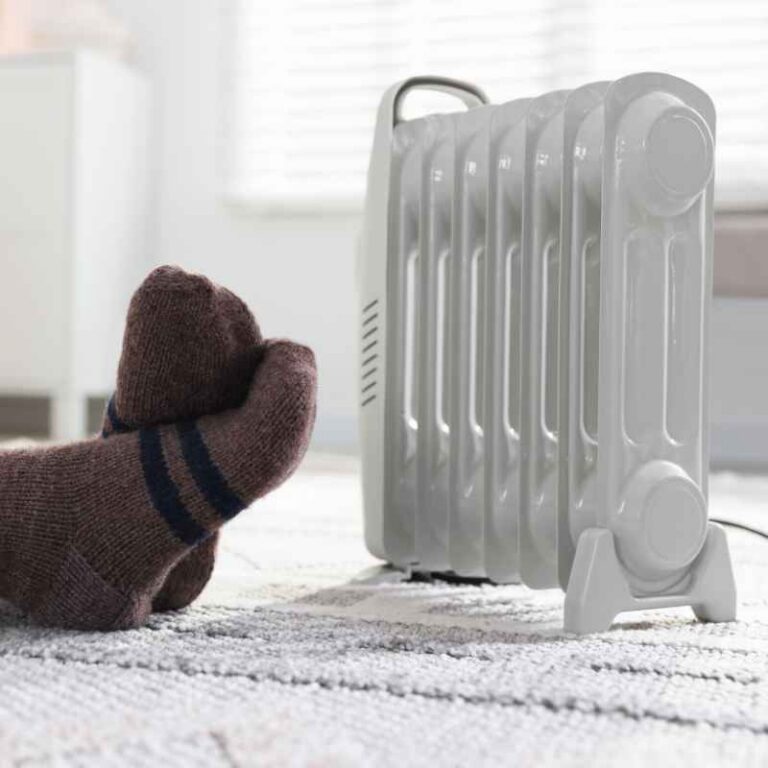
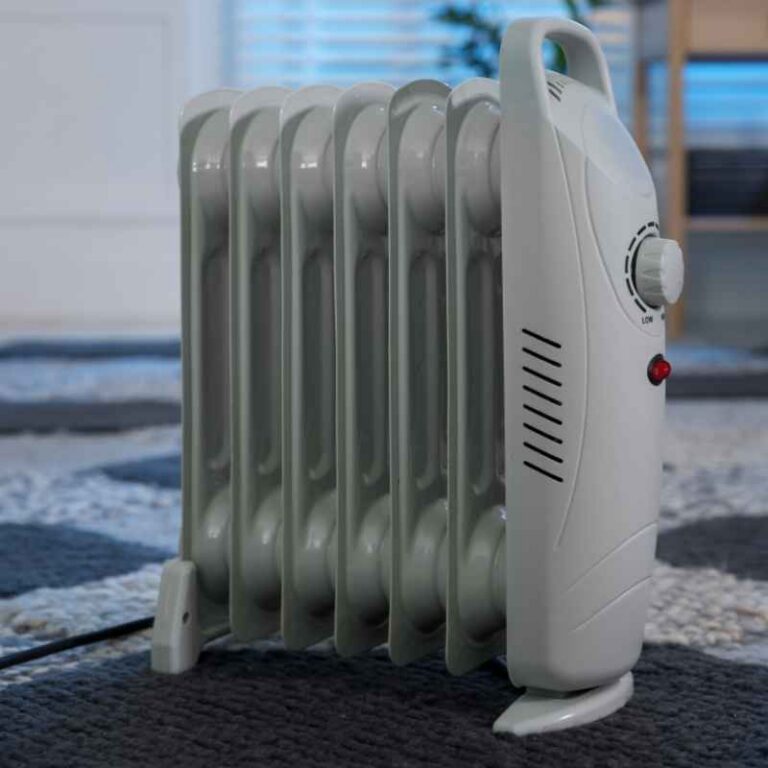
- Oil-Filled Radiators: Heat oil sealed within the unit, which then radiates heat gently and steadily. Ideal for prolonged heating.
- Fan Heaters (Convection): Have a heating element and a fan to quickly circulate warm air. Fast but can be noisy.
- Panel Heaters: Thin, wall-mounted electric heaters that use convection and radiation. Quiet and slim.
- Micathermic Heaters: Combine radiant and convection heating, offering quick and widespread warmth.
The wattage of a portable heater is a key indicator of its power consumption. Higher wattage generally means more heat output but also higher electricity usage. For example, a 1500-watt heater will use more electricity per hour than a 750-watt heater.
| Heater Type | Heat Distribution | Best For | Typical Wattage |
|---|---|---|---|
| Ceramic | Forced Air / Convection | Quickly warming small spaces. | 750-1500W |
| Infrared (Radiant) | Radiant | Targeted warmth, direct heating. | 400-1500W |
| Oil-Filled Radiator | Convection | Sustained, gentle heating in medium rooms. | 1000-1500W |
| Fan Heater | Forced Air | Rapidly heating small to medium rooms. | 1500W |
The choice of heater type significantly influences how quickly and efficiently your space is warmed.
The Cost of Electricity and Portable Heaters
The most significant factor determining whether portable heaters save money is the cost of electricity in your region. Electricity prices vary dramatically by location and are often measured in cents per kilowatt-hour (kWh). A 1500-watt heater, for instance, consumes 1.5 kilowatts of power.
If you run it for one hour, it will cost you 1.5 kWh multiplied by your local electricity rate.
For example, if your electricity rate is $0.15 per kWh, running a 1500-watt heater for one hour would cost $0.15 * 1.5 = $0.225. Over several hours, or for multiple heaters, these costs can accumulate quickly. In areas with very high electricity rates, portable electric heaters can become quite expensive to operate continuously.
Conversely, in regions where electricity is relatively cheap, portable heaters can be a more cost-effective solution for supplemental or zone heating. It’s essential to know your local utility rates to accurately calculate the operational cost of any portable heater you consider using.
Important: Check your latest utility bill for the exact price per kilowatt-hour (kWh) in your area to accurately estimate heating costs.
| Heater Wattage | Energy Use (per hour) | Cost at $0.10/kWh | Cost at $0.20/kWh | Cost at $0.30/kWh |
|---|---|---|---|---|
| 750W | 0.75 kWh | $0.075 | $0.15 | $0.225 |
| 1500W | 1.5 kWh | $0.15 | $0.30 | $0.45 |
| 2000W | 2.0 kWh | $0.20 | $0.40 | $0.60 |
This table illustrates how drastically electricity rates impact the hourly cost of running a portable heater.
Many modern portable heaters include features like thermostats, timers, and energy-saving modes, which can help mitigate costs by preventing overheating and ensuring the heater only runs when needed. Using these features intelligently is key to maximizing savings.
Zone Heating vs. Whole-Home Heating
The primary way portable heaters contribute to saving money is through zone heating. Instead of running a central heating system to warm every room in the house, even those that are unoccupied, you can use a portable heater to warm only the space you are currently in. This targeted approach can lead to significant energy savings.
Consider a scenario where you spend most of your day in a living room and sleep in a bedroom. With zone heating, you might only need to heat the living room during the day and the bedroom at night. This localized approach means your central heating system, which might be powering radiators or vents in hallways, bathrooms, and guest rooms, doesn’t have to work as hard or as long.
The effectiveness of zone heating also depends on how well-insulated your home is and how easy it is to seal off unused areas. If heat escapes easily or if rooms are not well-separated, the benefits of zone heating can be diminished. However, for many, especially those in apartments or smaller homes, it’s a powerful strategy for reducing overall energy consumption.
- Focus on Occupied Areas: Only heat rooms you are actively using.
- Close Doors: Keep doors to unused rooms closed to contain heat.
- Thermostat Settings: Set your central heating thermostat lower if using a portable heater to supplement.
- Smart Use of Timers: Program portable heaters to turn on just before you enter a room and off when you leave.
- Draft Proofing: Ensure windows and doors are sealed to prevent heat loss.
A central heating system might have an efficiency rating (AFUE for furnaces, HSPF for heat pumps) that dictates how much energy it converts into heat. While modern central systems are generally efficient for whole-home heating, their constant operation to maintain a uniform temperature can be less economical than precisely heating only what you need.
When Portable Heaters Can Save You Money
Portable heaters excel in specific scenarios where they can be more cost-effective than relying solely on central heating:
- Supplemental Heating: When your central heating system struggles to keep a particular room warm, a portable heater can provide that extra boost without needing to turn up the thermostat for the entire house. This is particularly useful for rooms that are far from the main heat source or are poorly insulated.
- Heating Small, Frequently Used Spaces: For smaller areas like a home office, a bathroom before use, or a reading nook, a portable heater can provide quick, targeted warmth more efficiently than a large central system.
- Temporary Heating Needs: If your central heating system breaks down, a portable heater can offer a temporary solution. While it might not heat your entire home as effectively, it can keep you comfortable in one or two key rooms while repairs are underway.
- During Mild Weather: On days when the weather is cool but not freezing, you might not need to run your central heating at all. A small portable heater can provide just enough warmth to make a room comfortable.
- Saving on Entire Home Heating: If you live alone or primarily use one or two rooms in your home, it makes sense to heat only those spaces. Lowering the thermostat on your central system and using a portable heater in your main living area can significantly reduce energy bills.
It’s important to note that “saving money” is relative and depends heavily on your local electricity rates and how you use the heater. Running a powerful 1500W heater for 10 hours a day in a high-cost electricity area might still be more expensive than running a moderately set central heating system.
Warning: Never use portable heaters with extension cords, as this can be a fire hazard. Always plug them directly into a wall outlet. Ensure the outlet is compatible with the heater’s wattage.
When Portable Heaters Might Cost More
Despite their benefits, portable heaters can become expensive to operate if used improperly or as the sole source of heat for larger homes. Their reliance on electricity is a major factor, especially in areas with high electricity prices. If your home is well-insulated and your central heating system is modern and efficient, trying to heat your entire house with multiple portable heaters could lead to higher bills.
Furthermore, some types of portable heaters are less efficient than others. Fan-forced heaters, while quick, can sometimes blow heat around without effectively warming the room for long periods, leading to continuous operation. Over-reliance on high-wattage units without considering thermostat settings can also lead to unexpected costs.
The initial purchase price also plays a role in the overall cost. While some basic models are inexpensive, high-end portable heaters with advanced features can cost a few hundred dollars. If you need to purchase multiple units to heat different areas, the upfront investment can be substantial.
| Scenario | Portable Heater Cost-Effectiveness | Reasoning |
|---|---|---|
| Heating a 2000 sq ft home as primary heat | Likely More Expensive | Requires multiple high-wattage units running constantly, leading to high electricity bills. Central heating is designed for this scale. |
| Using a 1500W heater 12 hours/day in a high-cost electricity region | Can be Very Expensive | High continuous energy consumption adds up quickly at premium rates. |
| Heating a small, unoccupied sunroom in winter | Potentially Wasteful | Heating an uninsulated, rarely used space will consume energy without significant benefit. |
| Relying on cheap, basic models for long-term primary heating | Can be Less Efficient | Lower-quality units may lack good thermostats, better insulation, or efficient heating elements. |
The key is to match the heating solution to the specific need and context of your home and climate.
Some studies suggest that in regions with high electricity costs, gas heating or heat pumps can be more economical for whole-home heating than electric resistance heaters, which is what most portable heaters use. According to the U.S. Energy Information Administration (EIA), in 2022, the average cost of electricity was 16.73 cents per kWh, while natural gas costs were significantly lower per unit of energy delivered.
Tips for Maximizing Savings with Portable Heaters
To ensure your portable heater contributes to saving money rather than increasing your bills, follow these practical tips:
- Choose the Right Heater: Opt for energy-efficient models like oil-filled radiators or infrared heaters for sustained warmth. Consider the size of the space you need to heat when selecting wattage.
- Use the Thermostat Wisely: Most modern portable heaters have built-in thermostats. Set it to the desired temperature and let the heater cycle on and off automatically to maintain it, rather than running continuously.
- Utilize Timers: If your heater has a timer function, use it to schedule heating for specific times, such as just before you wake up or arrive home.
- Regular Maintenance: Keep the heater clean and free of dust, especially air vents and filters. This ensures optimal performance and energy efficiency.
- Combine with Other Heating: Use portable heaters to supplement your central heating. Lower your central thermostat by a few degrees and use a portable heater for the room you’re in.
- Check Energy Labels: Look for ENERGY STAR certified models, which are designed to be more energy-efficient.
- Seal Drafts: Reduce heat loss by sealing gaps around windows, doors, and electrical outlets. Weatherstripping and caulk can make a significant difference.
Tip: For a small room around 100-150 sq ft, a 750W heater might suffice. For larger rooms (200-300 sq ft), a 1500W heater is usually necessary. Always ensure your electrical circuit can handle the heater’s wattage.
Proper usage involves understanding the heater’s capabilities and limitations, and integrating it smartly into your overall home comfort strategy. Energy.gov suggests that for supplemental heating, electric space heaters can be cost-effective if used in small, occupied spaces and if the electricity rate is not prohibitively high.
Comparing Portable Heaters to Central Heating Costs
Directly comparing the cost-effectiveness of portable heaters to central heating requires considering several variables. Central heating systems (furnaces, boilers, heat pumps) are designed to heat an entire home and often have higher initial installation costs but can be more efficient for large-scale heating. Portable heaters have lower upfront costs but higher per-hour operating costs if not used strategically.
Let’s consider a simplified comparison. A central furnace might have an annual energy cost based on its AFUE rating (Annual Fuel Utilization Efficiency) and the cost of fuel (natural gas, propane, oil, or electricity for electric furnaces). For example, a 95% AFUE furnace using natural gas might cost less per BTU than an electric portable heater.
However, if your central system is old and inefficient (e.g., 60% AFUE), or if you’re only heating a small part of a large, poorly insulated house, then a portable heater used for zone heating can absolutely be cheaper. The U.S. Environmental Protection Agency (EPA) notes that modern, high-efficiency furnaces can save a significant amount of energy annually compared to older models.
| Feature | Portable Heaters (Electric) | Central Heating Systems |
|---|---|---|
| Upfront Cost | Low ($30 – $300) | High ($4,000 – $12,000+) |
| Operating Cost (per unit of heat) | Potentially High (electricity dependent) | Generally Lower for whole-home heating (esp. gas, heat pumps) |
| Heating Area | Zone/Room Specific | Whole Home |
| Installation | None (plug and play) | Professional installation required |
| Flexibility | High (moveable) | Low (fixed system) |
The table highlights that portable heaters offer a low-entry cost and high flexibility, ideal for specific needs, while central heating is a significant investment for comprehensive home comfort.
According to the EIA, the cost per million British thermal units (MMBtu) in 2022 varied greatly, with natural gas being significantly cheaper than electricity for heating purposes in many U.S. regions.
Frequently Asked Questions
Do portable heaters use a lot of electricity?
Yes, most portable heaters use electric resistance to generate heat, which is an energy-intensive process. A 1500-watt heater, for example, consumes 1.5 kilowatts of electricity every hour it is running at full power. The amount of electricity they use makes their cost-effectiveness highly dependent on your local electricity rates.
Are oil-filled radiators more energy-efficient than other portable heaters?
Oil-filled radiators are often considered more energy-efficient for sustained heating because they retain heat for a long time after being turned off, providing a gentle, continuous warmth. They also tend to heat the air more evenly without the use of fans, which can be quieter and less drying.
Can I use portable heaters to replace my central heating system?
Generally, no. Portable heaters are best suited for supplemental or zone heating. While they can keep a single room warm, they are not designed to efficiently or effectively heat an entire house, especially larger ones, compared to a dedicated central heating system.
What is the most cost-effective way to use a portable heater?
The most cost-effective way is to use them for zone heating, warming only the room you are currently occupying. Lowering your central heating thermostat and using a portable heater in the occupied space can significantly reduce overall energy consumption and costs.
Are there safety concerns with portable heaters?
Yes, safety is a primary concern. Always ensure portable heaters are placed on a level surface, kept at least three feet away from flammable materials like curtains or bedding, and are plugged directly into a wall outlet without extension cords. Many models have safety features like tip-over switches and overheat protection.
Final Thoughts
Ultimately, whether portable heaters save money depends on intelligent usage. When employed strategically for zone heating, supplementing an existing system, or for temporary needs, they can indeed lead to cost savings by reducing reliance on whole-home central heating. However, their high electricity consumption means they can become expensive if used as a primary heat source for larger spaces or in areas with high electricity rates.
Always consider your local energy costs, home insulation, and heating habits to make the most economical choice.
Sponsored / affiliate links. As an Amazon Associate I earn from qualifying purchases. I may earn additional commission from eligible campaigns.
 Portable Air Conditioners 14000 BTU, Energy Efficient AC with Remote Control & 24H Timer, Ultra Quiet Cooling Unit for Large Rooms Up to 750 Sq. Ft, Office, Bedroom, White
 Garvee 14,000 BTU Inverter Portable Air Conditioner, Dual Hose with Heat Pump, Energy Efficient Smart AC Unit for Rooms Up to 700 sq.ft, Quiet Cooling & Dehumidifier with Remote