Do Portable Heaters Produce Carbon Monoxide? Stay Safe
It’s that time of year when cozying up indoors feels extra special. Maybe you’ve got a chilly basement, a drafty home office, or you just want a little extra warmth in a room. Portable heaters seem like a great answer, right?
They’re handy and can give you that quick boost of heat exactly where you need it. But as you plug one in, a little worry might bubble up: do portable heaters produce carbon monoxide? It’s a very smart question to ask, and understanding the answer is key to keeping everyone safe.
Portable heaters can produce carbon monoxide if they burn fuel without proper ventilation or if they malfunction. Electric heaters do not produce carbon monoxide, but fuel-burning heaters (like propane, kerosene, or natural gas) do. Always ensure adequate ventilation and follow safety guidelines.
Understanding How Heaters Can Create Carbon Monoxide
Carbon monoxide, or CO, is a gas that’s often called the “silent killer.” This is because you can’t see it, smell it, or taste it. It’s made when fuels don’t burn completely. Think of things like natural gas, propane, kerosene, wood, and even charcoal.
When these fuels burn fully, they mostly create carbon dioxide and water. That’s pretty harmless.
But if there isn’t enough oxygen, or if the appliance isn’t working right, the burning process is incomplete. This is when dangerous carbon monoxide can form. It then mixes with the air you breathe.
Your body can’t get oxygen properly when CO is around. This is why it’s so serious.
Portable heaters are designed to heat up spaces. Some use electricity. Others use fuels that need to be burned.
This difference is really important when we talk about carbon monoxide. Let’s look at the main types you might find.
Types of Portable Heaters and Their CO Risks
When you’re looking at portable heaters, they mostly fall into two big camps: electric and fuel-burning. Each one has its own way of working and its own safety profile when it comes to carbon monoxide.
Electric Heaters: Generally CO-Free
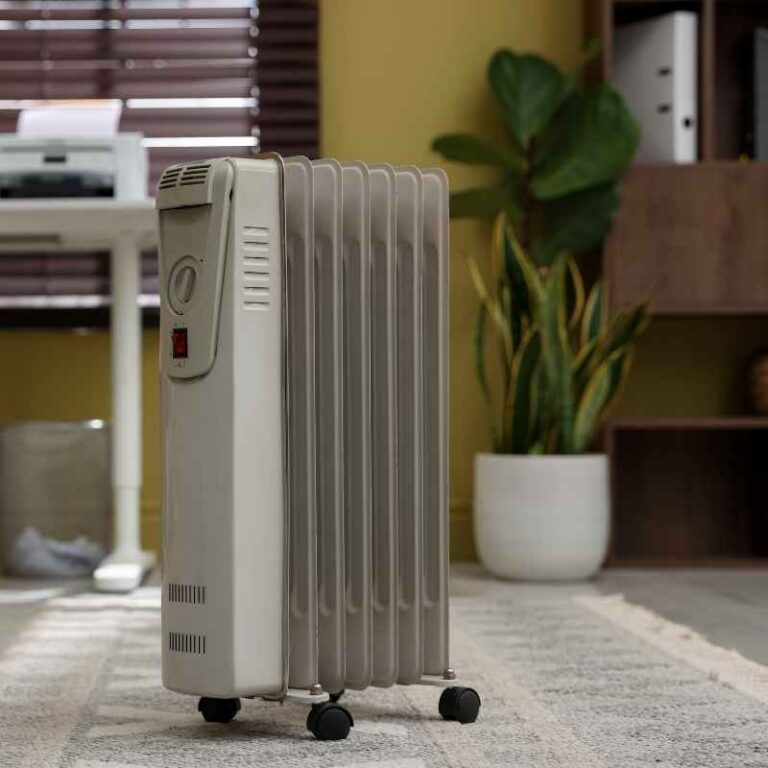
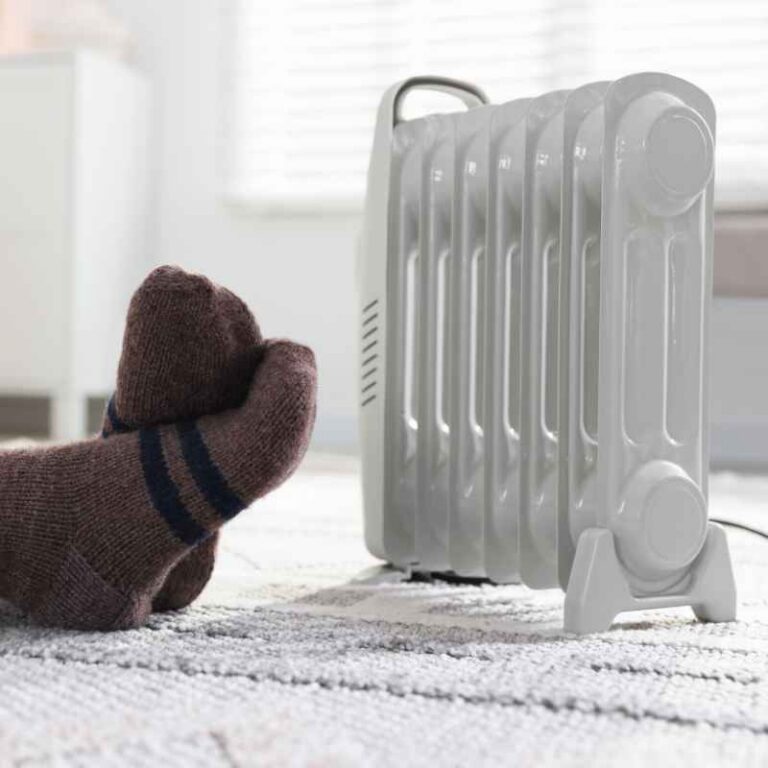
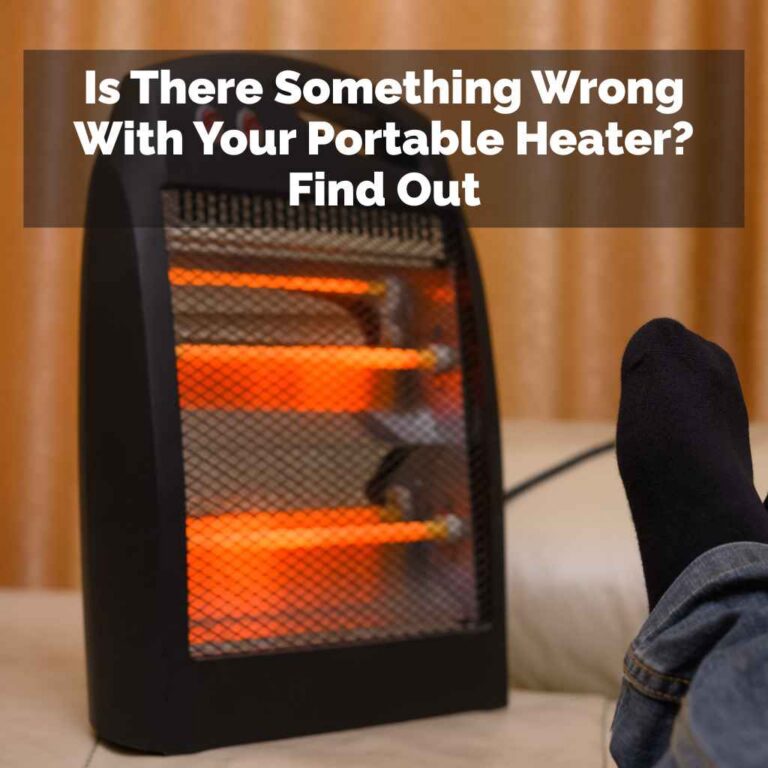
Electric portable heaters are super common. Think of the ones that look like little ceramic towers, oil-filled radiators, or even those with a glowing red coil. These heaters work by using electricity to power a heating element.
This element gets hot.
A fan then blows air over the hot element. The warm air is pushed into the room. Because they use electricity and don’t burn anything, electric heaters do not produce carbon monoxide.
This makes them a much safer choice in terms of CO risk, as long as they are used according to their instructions and are in good working order.
Even with electric heaters, you still need to be careful. They can be a fire hazard if placed too close to curtains or furniture. And faulty wiring can be a problem.
But from a carbon monoxide standpoint, they are your safest bet.
Fuel-Burning Heaters: The Carbon Monoxide Concern
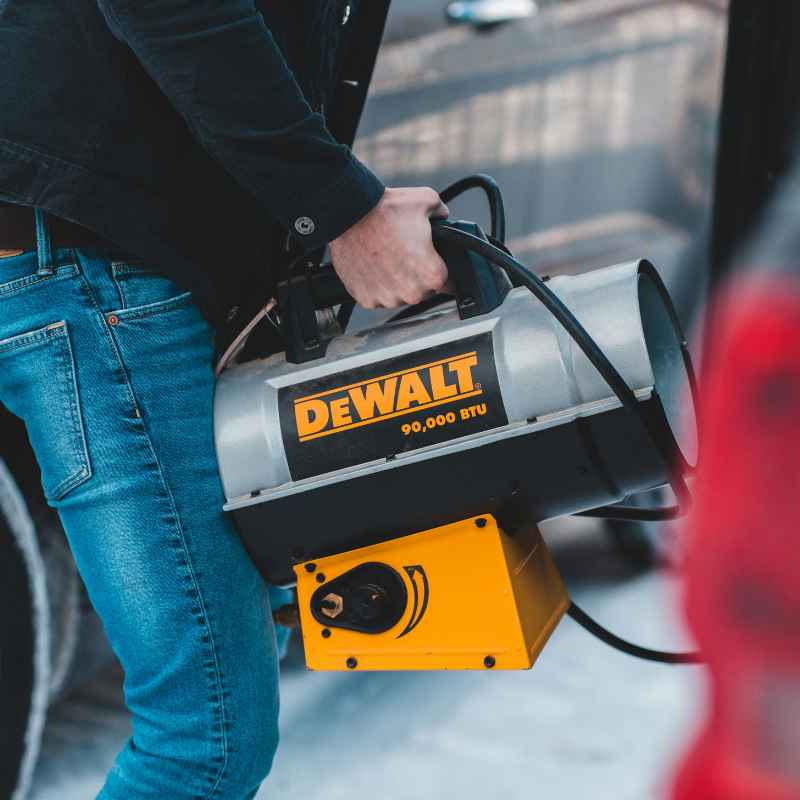
This is where we need to pay close attention. Fuel-burning portable heaters are designed to be used in places where you might not have electricity or for situations where you need a lot of heat quickly. These include heaters that run on:
- Propane
- Kerosene
- Natural Gas (less common as a truly “portable” unit, but some variations exist)
- Diesel fuel
These heaters work by igniting a fuel source. The heat from the burning fuel then warms the air or heats a surface. As we discussed, any time you burn a fuel, there’s a potential for incomplete combustion.
This is what creates carbon monoxide.
The risk with these heaters is much higher. It depends a lot on how they are designed and how they are used. Some are designed for indoor use, but they require strict ventilation.
Others are strictly for outdoor use.
Kerosene Heaters
Kerosene heaters are a popular choice for adding heat to garages, workshops, or even during power outages. They burn kerosene to generate heat. If the heater is in good condition and used with proper ventilation, the amount of CO produced can be managed.
However, if the wick is dirty, the fuel is old, or the heater is used in an unventilated space, CO levels can climb quickly.
I remember a friend’s family using one in their attached garage during a really cold snap. They thought it was fine because the garage door was slightly ajar. But it wasn’t enough airflow.
They started feeling really tired and dizzy. Thankfully, they realized something was wrong and opened the door wide. It was a scary moment that highlighted how easily things can go wrong.
Propane Heaters
Propane heaters are also common, especially for outdoor spaces like patios or workshops. Some smaller propane heaters are designed for indoor use, but these are the ones you must be most cautious with. They often have safety features like oxygen depletion sensors (ODS) or tip-over switches.
But even these can’t replace the need for fresh air.
These heaters can produce significant amounts of carbon monoxide if they are not properly maintained or if they are used in a space that is too small or too tightly sealed. The smell of propane itself is a warning, but carbon monoxide has no smell.
Other Fuel-Burning Options
You might also see heaters that run on diesel or other fuels. The principle is the same: burning fuel equals potential CO. Always, always check the label and instructions.
If a heater says “for outdoor use only,” it means it! The CO it produces can build up to deadly levels indoors.
My Own Close Call with a Garage Heater
It was a Saturday morning, bitterly cold outside. I was trying to finish a woodworking project in my attached garage. The garage was always a bit of a chilly zone.
I’d recently picked up a small, vent-free propane heater. It was advertised as safe for garages and workshops. I figured it was perfect for my needs.
I fired it up. Within about twenty minutes, the garage felt wonderfully warm. I was happily sanding away.
Then, I started to feel a bit… off. My head felt a little foggy. My cat, who usually liked to hang out nearby, was acting strange.
She was panting a bit and seemed really restless. That’s when the alarm bells in my head started ringing.
I remembered reading about carbon monoxide. I didn’t have a detector in the garage. That was a huge mistake.
The heater was still running. The air felt still and thick. I immediately turned off the heater and opened the big garage door all the way.
I let fresh air pour in for a good hour. The fog in my head cleared up pretty fast. My cat calmed down too.
It was a wake-up call. That heater might have been designed for enclosed spaces, but my garage, while attached, still had limited airflow. It taught me a crucial lesson: never assume a heater is safe indoors without checking its specific requirements and ensuring there’s always fresh air circulating.
I bought a CO detector for the garage that very day.
Heater Safety Checklist: What to Look For
Before you buy or use any portable heater, take a moment to check these things:
- Fuel Type: Electric is safest for CO. If using fuel, know the risks.
- Ventilation Requirements: Does it need an open window or a vent?
- Safety Certifications: Look for labels from UL, ETL, or CSA.
- Safety Features: Does it have tip-over shut-off or an oxygen depletion sensor (ODS)?
- Age and Condition: Older or damaged heaters can be more dangerous.
The Invisible Danger: How Carbon Monoxide Affects You
So, why is carbon monoxide such a big deal? When you breathe it in, it enters your bloodstream. It then sticks to the red blood cells that are supposed to carry oxygen.
This is a process called binding. CO binds to hemoglobin much more strongly than oxygen does. This means CO effectively blocks oxygen from reaching your body’s vital organs, like your brain and heart.
The symptoms can sneak up on you. They often mimic the flu. This is why it’s so hard to spot.
Early signs include:
- Headache
- Dizziness
- Nausea
- Weakness
- Vomiting
As CO levels rise and more oxygen is blocked, the symptoms get worse. You might experience:
- Confusion
- Sleepiness
- Blurred vision
- Shortness of breath
- Chest pain
In severe cases, or with prolonged exposure, carbon monoxide poisoning can lead to:
- Loss of consciousness
- Brain damage
- Heart problems
- Death
Children, older adults, and people with heart or lung conditions are often more vulnerable to the effects of CO. This is why it’s critical to protect everyone in the household.
Carbon Monoxide Symptoms vs. Flu Symptoms
It can be tricky to tell the difference. Here’s a quick comparison:
Carbon Monoxide Poisoning
- Symptoms often affect everyone in the house.
- Symptoms tend to occur suddenly.
- Symptoms improve when you leave the area.
- No other signs of illness (like a sore throat or runny nose).
Flu Symptoms
- Symptoms are usually individual.
- Often come with other signs like fever, cough, sore throat.
- Don’t necessarily improve when leaving a specific room.
Real-World Scenarios: Where CO Risks Are Higher
Certain situations and locations make the risk of carbon monoxide buildup from portable heaters much greater. Understanding these helps you avoid them.
Enclosed Spaces with Limited Airflow
This is the biggest danger zone. Think of small, tightly sealed rooms, basements without good ventilation, RVs, tents, or even garages. If a fuel-burning heater is running in one of these spots, the CO has nowhere to go.
It will build up quickly. Even a heater that’s running perfectly can become a threat if the air can’t circulate.
Many modern homes are built to be very energy-efficient. This means they are well-insulated and sealed to keep heat in. While great for saving energy, it also means less natural airflow.
If you use a fuel-burning heater in such a home, you must ensure there’s a way for fresh air to get in. Opening a window just a crack can make a big difference.
Improper Use and Maintenance
This is where human error or simple neglect can cause serious problems. If you don’t read the owner’s manual, you might use a heater in a way it wasn’t designed for. For example, using an outdoor-only heater inside.
Or not providing the required amount of ventilation.
Fuel-burning heaters need maintenance. Wicks can get dirty or worn. Burners can become clogged.
Filters might need cleaning. If these parts aren’t cared for, the heater won’t burn fuel efficiently. This leads to more carbon monoxide.
Regular cleaning and checks are vital for safety and performance.
Faulty or Damaged Heaters
Sometimes, a heater itself is the problem. If a unit is old, rusted, cracked, or has been dropped, internal components might be damaged. This could affect how it burns fuel.
A damaged safety sensor might not work, leaving you unprotected. It’s always best to inspect a heater before you use it, especially if it’s been stored for a while.
I saw a post once on a local community forum where someone was complaining about their heater not working well. They posted a picture, and you could clearly see a large crack in the metal casing. It was a huge red flag.
I, along with others, urged them to stop using it immediately. It’s amazing how many people overlook visible damage.
Contrast Matrix: Indoor vs. Outdoor Fuel-Burning Heaters
Indoor Use (with proper ventilation)
- Designed for controlled environments.
- Often have safety features like ODS.
- Require fresh air intake (open window, vent).
- Examples: Some propane heaters, electric heaters.
- Risk: Moderate (if ventilation fails or unit malfunctions).
Outdoor Use Only
- Produce high levels of CO.
- NEVER use in enclosed spaces.
- Examples: Large patio heaters, construction heaters.
- Risk: Very High indoors, safe outdoors.
What This Means For Your Home Safety
Understanding the risks of carbon monoxide from portable heaters is the first step to staying safe. Now, let’s talk about what you can do to protect yourself and your family.
When is a Heater’s CO Production Normal?
For fuel-burning heaters, some CO is produced during combustion. This is a normal part of the process. The key is that it should be produced in very small amounts and vented away from living spaces.
Heaters designed for indoor use will have safety mechanisms and guidelines that aim to keep these normal levels extremely low and harmless, provided they are followed.
Electric heaters, as we know, produce no carbon monoxide at all. So, if you are concerned about CO, sticking to electric options is the simplest solution.
When Should You Worry?
You should worry if you:
- Smell exhaust fumes or a “burning” smell that doesn’t go away.
- Are using a fuel-burning heater in a space that feels stuffy or has no fresh air coming in.
- Experience any of the symptoms of CO poisoning (headache, dizziness, nausea) while a fuel-burning heater is in use.
- Hear unusual noises from the heater, or if it looks damaged.
- Don’t have a working carbon monoxide detector nearby.
These are all signs that something is wrong and needs immediate attention. Don’t wait to see if symptoms get better. Move to fresh air and seek medical help if you suspect CO poisoning.
Simple Checks You Can Do
Before you turn on any fuel-burning portable heater:
- Read the Manual: Seriously, do it. Understand its purpose and limitations.
- Inspect the Heater: Look for any cracks, dents, or damage. Check the fuel line for leaks.
- Check the Ventilation: Is there an open window, a vent, or an exterior door nearby? Is it enough for the type of heater?
- Test Your CO Detector: Make sure your carbon monoxide detector is working and has fresh batteries.
A CO detector is your best friend. It’s an inexpensive device that can save lives. Place them on every level of your home, and especially near sleeping areas.
Test them monthly.
Quick Scan: CO Detector Placement
Bedrooms
Near sleeping areas.
Each Level
Including basements and attics.
Near Attached Garage
If applicable.
Living Areas
Where people spend time.
Tips to Stay Safe with Portable Heaters
Keeping warm shouldn’t put you at risk. Here are some practical tips to ensure your safety when using portable heaters.
Prioritize Electric Heaters When Possible
For most indoor heating needs, especially in living areas, bedrooms, or offices, electric portable heaters are the safest choice. They do not produce carbon monoxide. Modern electric heaters are efficient and come with many safety features like automatic shut-off if they overheat or are tipped over.
Always Ensure Ventilation for Fuel-Burning Heaters
If you must use a fuel-burning heater indoors, ventilation is non-negotiable. This doesn’t just mean opening a door. It means ensuring a constant supply of fresh outdoor air is entering the space.
For most indoor-rated fuel-burning heaters, this typically means opening a window or door nearby by at least a few inches. Check the manufacturer’s specific requirements.
Never use heaters rated for outdoor use inside your home, garage, or RV. They produce too much CO for these enclosed spaces.
Follow Manufacturer Instructions Meticulously
Every heater is different. The manual contains vital information about setup, operation, maintenance, and safety. Never assume you know how a heater works.
Always read the instructions before your first use and keep them handy for reference.
Regular Maintenance is Key
Fuel-burning heaters require regular cleaning and servicing. Dust and debris can clog burners or wicks, leading to incomplete combustion and increased CO production. Refer to your manual for cleaning schedules and procedures.
If you’re not comfortable doing it yourself, have a qualified technician inspect your heater annually.
I learned this the hard way. My old kerosene heater started smelling a bit off one winter. I just kept using it.
Then, I saw a tip online about cleaning the wick. I followed the steps, and wow, what a difference! The smell was gone, and it seemed to heat better too.
It was a simple fix that likely prevented a dangerous situation.
Never Use Heaters Unattended
This is a general heater safety rule, but it’s especially true for fuel-burning types. Don’t leave them running when you go to sleep or leave the house. This is when problems are most likely to go unnoticed.
If a heater malfunctions or CO builds up, there might be no one there to react.
Install and Maintain Carbon Monoxide Detectors
This is possibly the most important tip. Install CO detectors on every level of your home. Check their batteries regularly and replace the units every 5-7 years as recommended by the manufacturer.
Some smart detectors can even alert your phone if CO is detected.
When to Call a Professional
- If your fuel-burning heater is not working correctly.
- If you suspect a gas leak (for natural gas heaters).
- If you are uncomfortable performing maintenance.
- If your CO detector goes off and you cannot identify the source.
Frequently Asked Questions About Portable Heaters and CO
Do electric space heaters produce carbon monoxide?
No, electric space heaters do not produce carbon monoxide. They work by converting electricity into heat, and this process does not involve combustion, which is what creates carbon monoxide. They are generally considered the safest type of portable heater from a carbon monoxide perspective.
Can a propane heater used in a garage produce carbon monoxide?
Yes, a propane heater used in a garage can produce carbon monoxide. If the garage is not adequately ventilated, the carbon monoxide can build up to dangerous levels. Even propane heaters designed for enclosed spaces require a certain amount of fresh air to operate safely and prevent CO buildup.
What is the biggest risk with kerosene heaters indoors?
The biggest risk with kerosene heaters indoors is the production of carbon monoxide (CO) if they are not used with proper ventilation. In enclosed spaces, CO can build up quickly to lethal concentrations, as it is an odorless, colorless gas that displaces oxygen in the blood.
How do I know if my portable heater is producing carbon monoxide?
You cannot see, smell, or taste carbon monoxide. The best way to know if CO is present is by using a working carbon monoxide detector. If you experience symptoms like headaches, dizziness, or nausea while a fuel-burning heater is running, and these symptoms improve when you leave the area, suspect CO and get to fresh air immediately.
Are vent-free heaters safe for indoor use?
Vent-free heaters can be safe for indoor use only if they are designed and approved for that specific purpose and used exactly as the manufacturer instructs, which usually includes ensuring adequate ventilation. However, they still carry a risk of producing carbon monoxide if ventilation is insufficient or the unit malfunctions. Many experts recommend vented heaters or electric heaters for maximum safety indoors.
What’s the difference between carbon monoxide (CO) and carbon dioxide (CO2)?
Carbon monoxide (CO) is a dangerous, poisonous gas produced by incomplete fuel burning. Carbon dioxide (CO2) is a less harmful gas that is a normal byproduct of complete fuel burning and is also what we exhale. High levels of CO2 can cause drowsiness, but CO is toxic and deadly at much lower concentrations.
Final Thoughts on Heater Safety
Staying warm during colder months is a comfort we all enjoy. Portable heaters can be a great tool for this. But it’s crucial to use them wisely.
Understanding that fuel-burning portable heaters can produce carbon monoxide is the most important piece of knowledge. Always prioritize safety. Choose electric heaters when you can.
For fuel-burning units, proper ventilation, regular maintenance, and vigilant CO monitoring are absolutely essential. Your family’s well-being is worth the extra caution.
Sponsored / affiliate links. As an Amazon Associate I earn from qualifying purchases. I may earn additional commission from eligible campaigns.