Are Portable Heaters A Fire Hazard? Stay Safe This Winter
Cold weather is here. Many of us reach for portable heaters. They offer quick warmth in any room.
But questions linger. Are these handy devices safe? Do they really pose a fire risk?
We dive into this important topic. You want to stay warm and, most importantly, safe. Let’s explore the facts together.
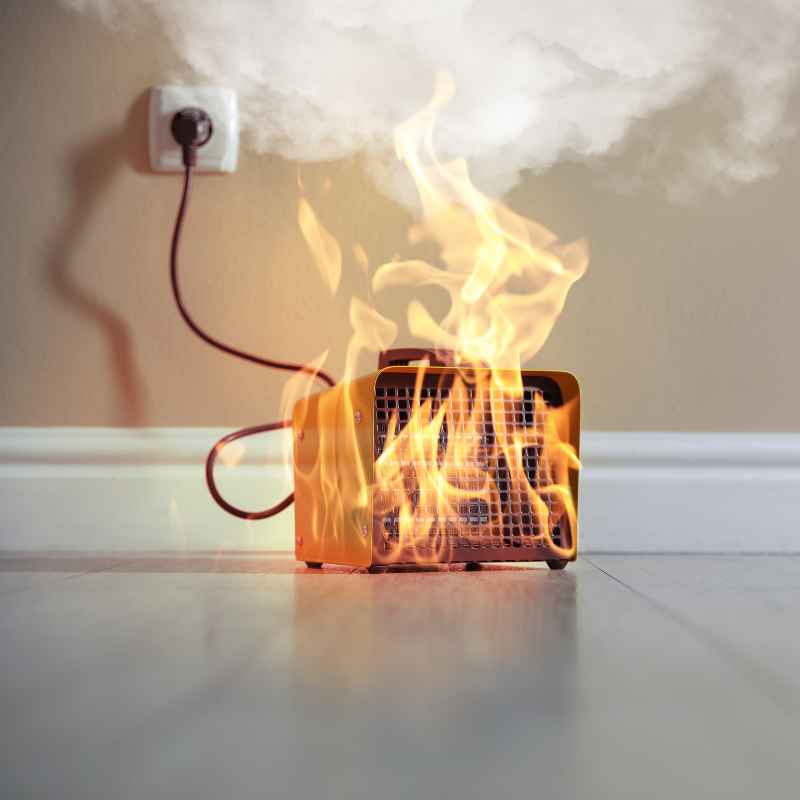
Portable heaters can be a fire hazard if not used correctly. Most fires are caused by user error, not the heater itself. Following safety guidelines greatly reduces the risk of a fire in your home.
Understanding Portable Heater Fire Risks
Portable heaters are common. They are also a leading cause of home fires. The U.S.
Fire Administration reports this clearly. Many of these fires happen in winter. They often start when items too close to the heater catch fire.
This is a big concern for families.
The heat they produce is strong. This heat can ignite nearby things. Think about curtains, blankets, or even clothes.
These items are often found near places where people sit or sleep. This proximity creates a dangerous mix. Understanding this risk is the first step to preventing fires.
Faulty heaters are another concern. Sometimes, the heater itself might have a problem. A damaged cord or an internal defect can lead to sparks.
These sparks can then start a fire. Regular checks and proper maintenance are key here. We will talk more about this later.
It’s not just the heat. Electrical issues play a role too. Overloading an outlet is a common mistake.
Plugging too many devices into one spot can cause overheating. This can lead to wiring problems. It might even cause a spark.
Always use heaters on a dedicated outlet when possible.
Finally, space heaters need space. They are called “space” heaters. But they need their own space to be safe.
This means keeping them away from anything that can burn. We all want comfort. But safety must come first.
Let’s break down what “safe distance” really means.
My Experience with a Close Call
I remember one chilly December evening. I was working late. My office felt extra cold.
I plugged in my trusty portable heater under my desk. I got engrossed in a project. I had a stack of papers right next to it.
A blanket was also draped over my lap. I didn’t think much of it.
Suddenly, I smelled something odd. It wasn’t a burning smell exactly. It was more like hot plastic.
My eyes darted around. I saw a slight shimmer near the heater’s vent. Then, I noticed a tiny wisp of smoke.
Panic set in instantly. That blanket was getting warm. The papers looked a little discolored.
I yanked the plug out fast. I moved the heater away. I spread out the papers.
I felt my heart pounding. It was a wake-up call. That heater was too close to things.
It was a simple mistake. But it could have been so much worse. I learned a vital lesson that night: give heaters room.
Heater Safety Checklist: Quick Scan
Keep Clear: Maintain at least 3 feet of space around the heater.
Flat Surface: Always place on a stable, level floor.
Unattended Off: Never leave a heater on when you leave the room or sleep.
Adult Supervision: Keep away from children and pets.
Inspect Cords: Check for damage before each use.
Types of Portable Heaters and Their Risks
Not all portable heaters are the same. They use different ways to heat your space. Each type has its own safety points.
Knowing these helps you choose wisely. It also helps you use them better.
Ceramic Heaters are very popular. They use an electric element. This element heats up ceramic plates.
A fan blows air over these plates. This warm air then moves into the room. They tend to heat up quickly.
They are good for medium-sized rooms.
The main risk here is touching the hot surfaces. The ceramic plates can get very hot. Young children or pets might get burned.
Always make sure the heater is on a safe surface. It should not be near anything flammable. The fan can also collect dust.
This dust can sometimes get hot and smell.
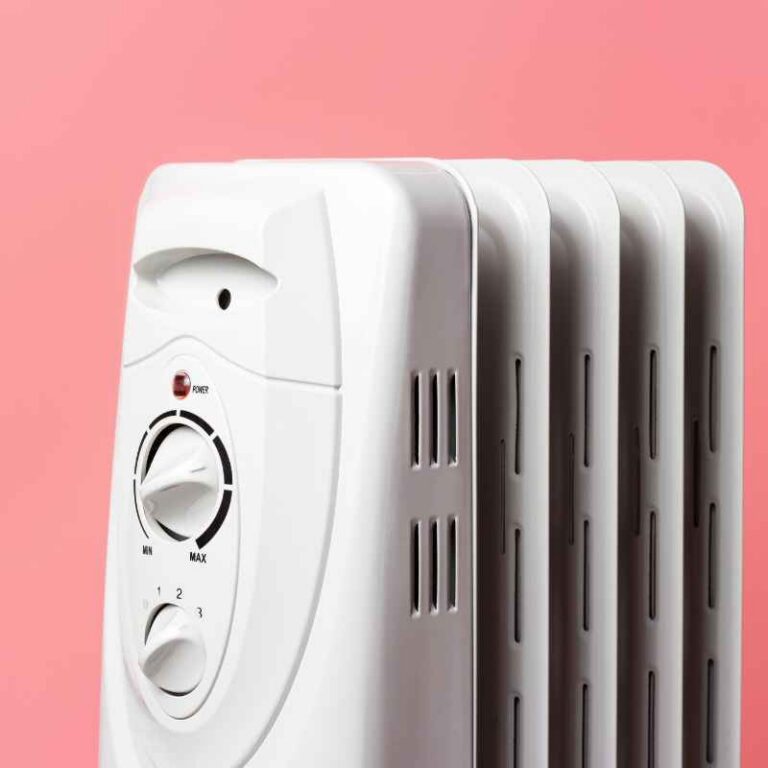
Oil-Filled Radiators are another kind. These heaters look like old-fashioned radiators. They have fins.
Inside these fins is a special oil. An electric element heats the oil. The oil then heats the metal fins.
The fins radiate heat into the room. They heat up slowly but keep heat longer.
These are generally considered very safe. They don’t have exposed heating elements. They also don’t use fans.
This means less dust is blown around. The surfaces get warm but not usually burning hot. However, they are heavy.
And they take time to heat up. You need to plan ahead.
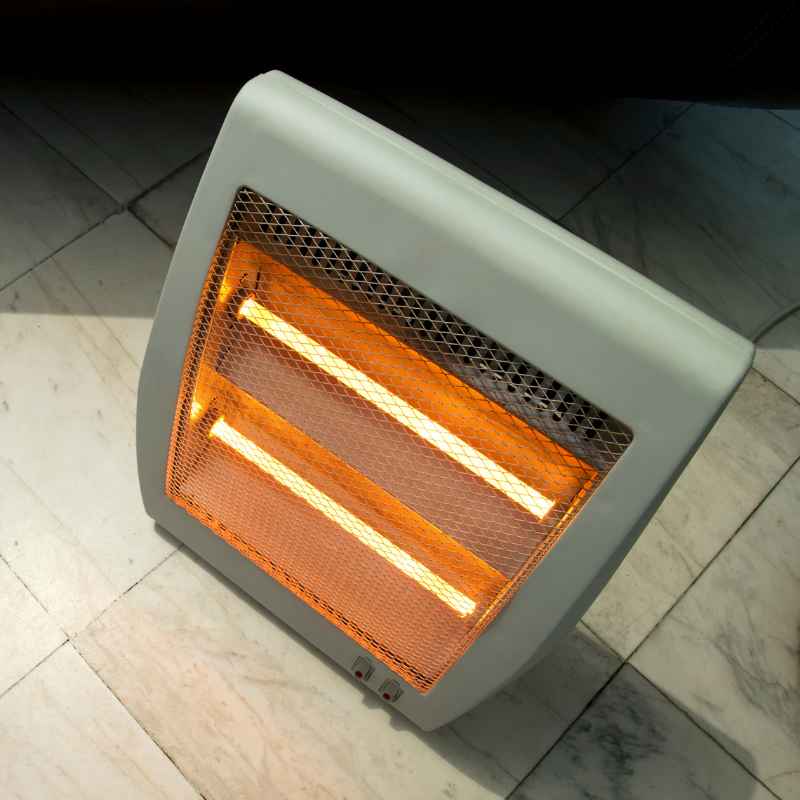
Infrared Heaters work differently. They don’t heat the air directly. They heat objects and people in their path.
Think of sunlight. It warms you directly. These heaters use quartz elements or halogen lamps.
They emit infrared radiation. This feels like direct heat.
They are efficient for heating a person or a small spot. They don’t warm up an entire room as much. The main risk is looking directly at the bright bulbs.
They can also get quite hot. Keep them pointed away from people or furniture. They are good for patios or workshops too.
Convection Heaters heat air. They draw cool air in. They warm it up inside the unit.
Then they release the warm air. This warm air rises. It circulates through the room.
This provides a more even heat. They also tend to be quiet.
Like ceramic heaters, they can have hot surfaces. Ensure they are not blocked. Air needs to flow freely.
If airflow is blocked, the heater can overheat. This is a fire risk. Always read the manual for specific clearance needs.
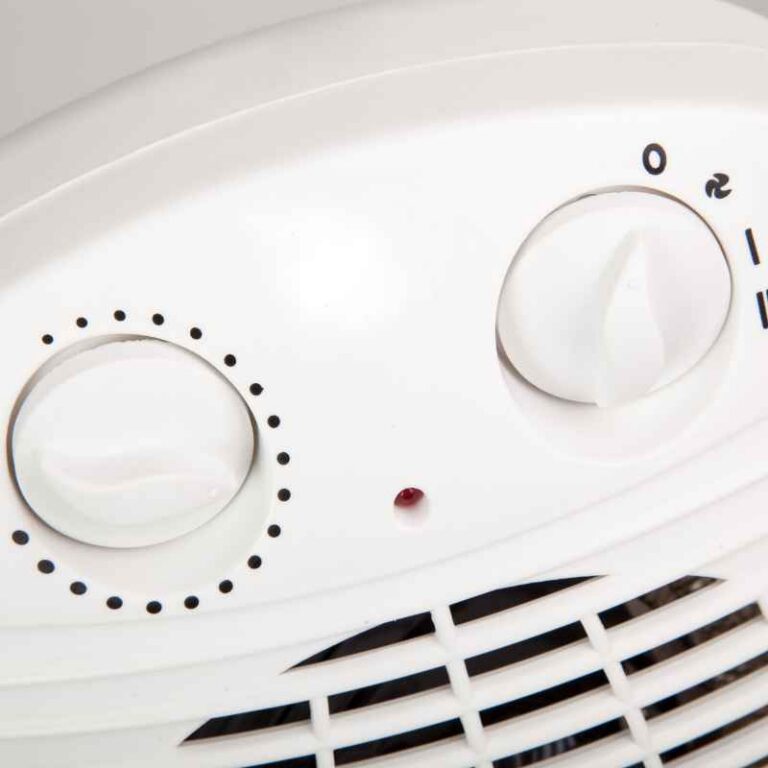
Fan Heaters are simple. They have a heating element. A fan blows air across it.
This blows hot air into the room. They are usually small and portable. They heat a space quickly.
But they can be noisy.
The heating element can get very hot. Dust on the element can burn. This creates smoke and odors.
This is a common cause of minor fires. Regular cleaning is essential. Keep them away from curtains or loose items.
The fan can also stop working. If the fan stops, the element can overheat. Look for models with tip-over protection.
Heater Type Comparison: Quick Glance
| Heater Type | How it Works | Primary Risk | Best For |
|---|---|---|---|
| Ceramic | Fan blows air over hot ceramic | Hot surfaces, dust | Medium rooms, quick heating |
| Oil-Filled | Heats oil, radiates heat | Slow to heat, heavy | Steady, safe heat for longer periods |
| Infrared | Heats objects directly | Direct heat can burn, bright light | Spot heating, personal warmth |
| Convection | Heats air, circulates it | Blocked airflow, hot surfaces | Even room heating, quiet operation |
| Fan | Element heats air, fan blows | Dust burning, overheating if fan fails | Rapid heating of small areas |
The Critical Importance of Clearance
This is perhaps the most crucial safety point. Portable heaters need space. They need space to work well.
They need space to be safe. This space prevents fires from starting. Most heaters will tell you the safe distance.
It is usually about three feet. That’s three feet in all directions.
Think about your living room. Where do you put the heater? Is it near the sofa?
Is there a stack of books on the end table? Are there magazines on the floor? All of these things are fire risks.
They can easily catch fire. This happens even with a small spark or a hot surface.
Consider your bedroom. Do you use a heater there? Where would you place it?
You must keep it far from the bed. Bedding can be very flammable. A blanket falling onto a heater is a real danger.
So is a curtain blowing near it. The air currents from the heater can draw things closer.
Even in a bathroom, be careful. While they are great for warming up a cold bathroom, be mindful of towels. Towels hang everywhere.
They can easily touch the heater. Make sure the floor is dry and level. And never leave a heater running unattended in a bathroom.
What about pets? Dogs and cats love warm spots. They might curl up too close to the heater.
They could burn themselves. Or they could knock it over. Some heaters have tip-over switches.
These switches turn the heater off if it falls. This is a great safety feature. Make sure your heater has one.
Children are also curious. They might touch the heater. Or they might try to play with it.
Keep heaters out of reach of children. Never let them turn a heater on or off by themselves. Supervision is key.
“Three Feet Rule” Explained
Concept: Maintain a minimum of 3 feet (about 1 meter) of clear space around your portable heater.
What to Keep Away:
- Furniture (chairs, sofas, tables)
- Bedding (sheets, blankets, pillows)
- Curtains and drapes
- Clothing and laundry
- Paper products (magazines, books, newspapers)
- Flammable liquids or aerosols
Why it Matters: This distance prevents heat from igniting nearby materials and allows for safe air circulation.
Electrical Safety and Portable Heaters
Portable heaters use electricity. This is a critical area for safety. Many fires start from electrical issues.
You need to be aware of how you use them.
Extension Cords: Avoid using extension cords. If you must, use a heavy-duty cord. It must be rated for the heater’s wattage.
Check the heater’s manual. Most manufacturers say not to use extension cords at all. This is the safest advice.
Why are extension cords risky? They can overheat. The wires inside might be too thin.
They might not be designed for the continuous high power draw of a heater. This can cause the cord to melt. It can also cause sparks.
These sparks can ignite nearby materials. Or they can cause a shock.
Outlets: Always plug heaters directly into a wall outlet. Do not plug them into power strips. Power strips are not designed for high-wattage appliances like heaters.
They can overheat. They can cause fires.
Also, avoid plugging other devices into the same outlet. If your heater is 1500 watts, and you plug in a lamp and a TV, you might overload the circuit. This can trip a breaker.
Or it can cause wires to get too hot. This is a fire hazard. Use a dedicated outlet if you can.
Cord Condition: Check the heater’s power cord before each use. Look for any damage. Are there nicks, cuts, or fraying?
Is the plug bent or damaged? If the cord looks worn or damaged, do not use the heater. It’s too risky.
Replace the cord or the heater.
Ground Fault Circuit Interrupters (GFCIs): For heaters used in potentially damp areas, like bathrooms or garages, ensure they are plugged into a GFCI-protected outlet. GFCIs quickly shut off power if they detect a fault. This adds a layer of safety against electrical shocks.
Surge Protectors: While surge protectors can protect electronics from power spikes, they are NOT a substitute for proper wiring. They can still overheat if they are overloaded with a high-wattage device like a heater. Again, plug directly into the wall when possible.
Electrical Safety: Key Takeaways
- No Extension Cords: Use them only as a last resort, and only with heavy-duty, correctly rated cords. Better yet, avoid them.
- Direct Plug-In: Always plug heaters directly into a wall outlet.
- Dedicated Circuit: Ideally, plug heaters into a circuit with nothing else. Avoid overloading outlets.
- Inspect Regularly: Check the power cord and plug for any signs of damage before every use.
- GFCI Protection: Use GFCI outlets in damp locations.
Features That Enhance Heater Safety
Modern portable heaters come with safety features. These features are designed to prevent fires and injuries. It’s worth looking for them when you buy a new heater.
Tip-Over Switch: This is a vital safety feature. If the heater is knocked over, it automatically shuts off. This prevents a tipped heater from continuing to blast heat onto flammable materials.
If you have pets or young children, this feature is a must-have.
Overheat Protection: Most newer heaters have a thermostat. This thermostat will shut the heater off if it gets too hot. This can happen if the air vents are blocked.
It can also happen if the internal components fail. This feature adds a significant safety layer.
Cool-Touch Exterior: Some heaters are designed with a cool-touch exterior. This means the outer casing stays cooler. This reduces the risk of burns if someone accidentally touches the heater.
It’s especially good for families with small children.
Automatic Shut-Off Timer: Many heaters have a timer. You can set it to turn off after a certain period. This is great for falling asleep.
You can set it to shut off in an hour or two. You get warmth through the night. But the heater won’t run all night long.
Indicator Lights: Simple indicator lights let you know the heater is on. This might seem basic. But it’s a good reminder.
You can see at a glance if a heater is still running. It’s a visual cue for safety.
Safety Certifications: Look for heaters that are certified by reputable organizations. In the U.S., this includes UL (Underwriters Laboratories) or ETL (Intertek). These certifications mean the heater has been tested.
It meets safety standards. It’s a mark of quality and safety.
Smart Features to Look For
Must-Have:
- Tip-Over Switch
- Overheat Protection
Highly Recommended:
- Automatic Shut-Off Timer
- Cool-Touch Exterior
- UL or ETL Certification
Real-World Scenarios: Where Fires Happen
Fires from portable heaters are sadly common. Let’s look at where and why they start in real homes.
The Bedroom Scenario: This is a very common place for heater fires. People often use them to stay warm at night. A common cause is placing the heater too close to the bed.
A blanket or comforter can slide off. It can land on the heater. This ignites the bedding.
Another issue is placing it too close to curtains. A draft can blow the curtain onto the heater. Never leave a heater on while you sleep.
Always check placement. Ensure at least 3 feet of clearance.
The Living Room Danger: In the living room, heaters are often placed near sofas or chairs. People might put magazines or papers on the floor. Or they might have a pile of laundry nearby.
A pet could knock the heater over. Or a child could be playing and accidentally move it too close to flammable items. Kids might also try to put toys on or near the heater.
Always supervise children and pets around heaters. Keep all clutter away from the heater.
The Home Office Hazard: My own close call happened in my office. I had papers, books, and a blanket. I was focused on work.
I forgot about the heater’s proximity. It’s easy to do when you’re busy. Workplaces, especially home offices, often have many things stored or used nearby.
Always check your surroundings. Make sure nothing is too close.
The Garage or Workshop Problem: Sometimes people use heaters in garages or workshops. These areas can have flammable materials. Think about paint thinner, oily rags, or gasoline cans.
These are extremely flammable. A heater should NEVER be used near these items. Also, garages can be damp.
Make sure any heater used there is rated for such conditions. And ensure it’s plugged into a GFCI outlet.
The Kitchen Caution: While less common, heaters can be used in kitchens. They might be placed near cabinets or dish towels. A towel left hanging too low could easily catch fire.
Never place a heater where it can be bumped by someone opening a cabinet or drawer. Keep them on the floor and away from high-traffic areas.
Common Fire Ignition Points
- Bedding: Blankets, comforters, sheets falling onto heater.
- Curtains: Drafts blowing curtains onto hot surfaces.
- Furniture: Sofas, chairs too close to the heater.
- Paper Goods: Magazines, books, newspapers igniting.
- Flammable Liquids: Solvents, fuels in garages.
- Clothing: Laundry piles or garments left nearby.
What This Means for You: When to Worry
Knowing the risks is important. But it’s also about knowing when things are normal and when they are not.
Normal Heater Behavior: A heater will get warm. You’ll feel heat coming off it. It might make a low humming sound.
The fan might whir. Some heaters make clicking noises as the thermostat turns on and off. These are all normal signs of operation.
The smell of hot dust can happen when you first turn it on. This usually goes away quickly.
When to Worry:
- Strange Smells: If you smell burning plastic, rubber, or electrical odors, turn the heater off immediately. This could mean something is overheating inside.
- Sparks or Smoke: Any sign of sparks, glowing elements that shouldn’t be, or smoke is a serious warning. Unplug the heater and get it checked or replaced.
- Noisy Operation: If your heater starts making loud grinding, popping, or banging noises, it’s not normal. This could mean internal damage.
- Flickering Lights: If plugging in your heater causes lights in the room or house to flicker, your electrical system might be overloaded. This is a fire risk.
- Damaged Cord/Plug: As mentioned, a frayed or damaged cord is a major safety concern.
- Heater Not Shutting Off: If the heater stays on constantly, even when it’s very hot, the thermostat or safety shut-off might be broken.
Simple Checks You Can Do:
- Visual Inspection: Before each use, look at the heater. Is it clean? Are the vents clear? Is the cord intact?
- Stability Check: Make sure it’s sitting on a flat, stable surface. It shouldn’t wobble.
- Clearance Check: Do a quick scan around the heater. Is there at least 3 feet of clear space?
- Listen Carefully: Pay attention to the sounds it makes when it’s running.
If you are ever in doubt about a heater’s safety, err on the side of caution. Unplug it. Do not use it.
It’s not worth the risk.
Heater Watchlist: Red Flags
Immediate Action Needed:
- Smoke or visible sparks
- Burning plastic or electrical smell
- Loud, unusual noises
- Damaged power cord or plug
- Heater not turning off
If you see any of these, unplug the heater and get it serviced or replaced.
Quick Fixes and Safety Tips
While not all problems have “quick fixes,” there are many tips to keep you safe. These are simple things you can do. They make a big difference.
1. Read the Manual: Every heater comes with instructions. They contain important safety information.
Read it. Understand it. Keep it handy.
2. Clean Your Heater: Dust build-up is a fire hazard. It can overheat and burn.
Gently vacuum the vents and heating elements. Do this regularly. Do it when the heater is cool and unplugged.
3. Place on a Hard Surface: Never put a heater on carpet. Carpet can shift.
It can block vents. It’s also more flammable than a hard floor. Use a tile or a heat-resistant mat if you must place it on carpet.
4. Never Block Vents: Airflow is crucial. Blocking the vents makes the heater work harder.
It can overheat. Make sure nothing is covering the front, back, or sides.
5. Use Only in Approved Areas: Some heaters are not meant for bathrooms. Water and electricity are a dangerous mix.
Always check the heater’s rating for humidity or dampness.
6. Unplug When Not in Use: When you leave the room, unplug it. When you go to bed, unplug it.
This is a simple step that prevents many fires.
7. Install Smoke Alarms: Make sure you have working smoke alarms. Test them monthly.
Change the batteries at least once a year. They are your first line of defense.
8. Consider a Newer Model: Older heaters may not have modern safety features. Newer models often have better overheat protection and tip-over switches.
9. HeaterBuddy Approach: Think of your heater as a tool. It needs care and attention.
It needs to be used correctly. It’s not a set-it-and-forget-it appliance.
Your Heater Safety Action Plan
- Daily Check: Quick visual scan for blockages or damage.
- Weekly Clean: Dust vents and elements (heater unplugged).
- Before Bed: Unplug the heater.
- When Leaving Room: Unplug the heater.
- Monthly Test: Test your smoke alarms.
- Annual Check: Replace smoke alarm batteries.
Frequent Questions About Portable Heater Safety
Are portable heaters energy efficient?
Portable heaters can be quite efficient for heating a small area or a single room. They don’t lose much heat through ductwork like central systems. However, they use a lot of electricity.
If you use them to heat your whole house, they will be more expensive to run than a central heating system. They are best for supplemental heat.
Can I use a portable heater in my bathroom?
Only use a portable heater in a bathroom if it is specifically designed and rated for damp or wet locations. Water and electricity are a dangerous combination. Always ensure the heater is plugged into a GFCI-protected outlet and kept away from water sources like the shower or tub.
Never leave it unattended.
How often should I replace my portable heater?
There’s no set rule. If a heater is well-maintained and has no signs of damage, it can last many years. However, if it’s old, shows wear, or lacks modern safety features like tip-over protection and overheat shut-off, it’s wise to consider replacing it.
Look for visible signs of damage to the cord or casing.
What is the safest type of portable heater?
Oil-filled radiators are often considered among the safest because they don’t have exposed heating elements and use radiant heat. However, all types can be used safely if proper precautions are taken. Heaters with modern safety features like tip-over switches and overheat protection are also very safe options, regardless of type.
Can I leave my portable heater on all night?
It is strongly advised not to leave a portable heater on all night, especially unattended. While some models have timers, the safest practice is to turn them off before you go to sleep. This significantly reduces the risk of a fire if something goes wrong.
What does “wattage” mean on a portable heater?
Wattage refers to the heater’s power consumption. Higher wattage means the heater uses more electricity and produces more heat. A typical portable heater might range from 700 to 1500 watts.
Be aware of your home’s electrical capacity. High-wattage heaters need strong circuits. Always check your home’s breaker box capacity.
Conclusion: Warmth and Safety Together
Portable heaters offer welcome warmth. They can make a cold room cozy. But they do carry risks.
The good news is these risks are manageable. Understanding how to use them safely is key. Always keep them clear of flammables.
Check their cords. Use them on flat, stable surfaces. And never leave them running when you’re not watching.
By following these guidelines, you can enjoy the comfort. You can do so without the worry of a fire. Stay warm and stay safe this season.
Sponsored / affiliate links. As an Amazon Associate I earn from qualifying purchases. I may earn additional commission from eligible campaigns.