What Are The Best Portable Heaters To Buy Right Now?
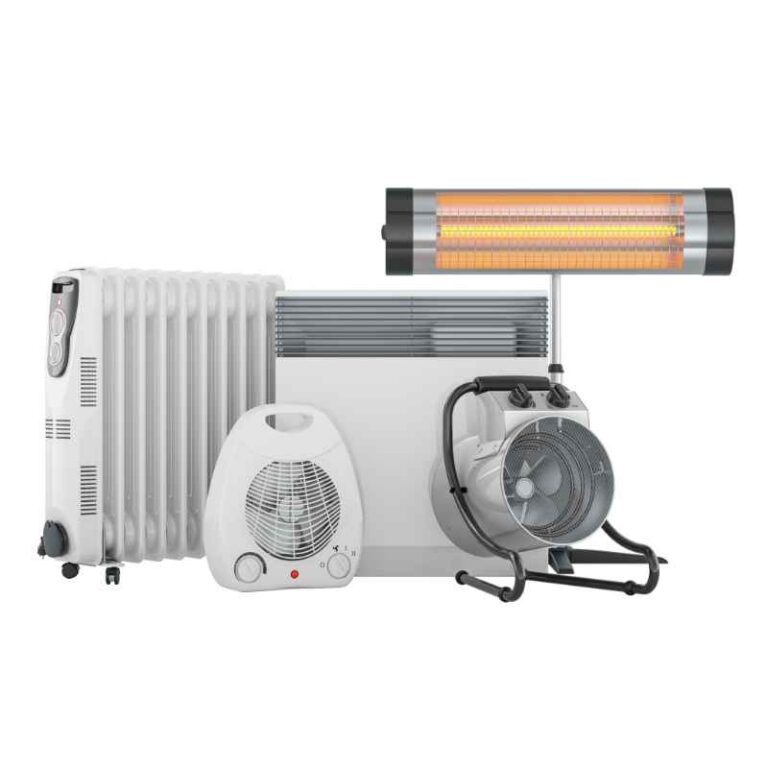
There are several types of portable heaters. Ceramic heaters offer quick, safe warmth. Oil-filled radiators provide gentle, lasting heat. Infrared heaters warm objects directly. Fan heaters are fast but can be noisy. Choosing depends on room size, safety needs, and desired heat type.
Understanding Portable Heaters
A portable heater is a small, movable device. It adds heat to a specific room or area. Think of it as a personal warming friend.
It helps you avoid heating your whole house. This saves energy and money. These heaters are great for spare rooms or chilly basements.
They can also be a backup if your main heater struggles.
Why do we even need them? Well, homes are not always heated evenly. Some rooms might be much colder.
Central heating can be costly to run all the time. Portable heaters offer a smart way to manage this. They let you target heat where you need it most.
This makes living spaces more comfortable. It also keeps energy bills from soaring.
The main goal is simple: add comfort. They do this in different ways. Some use electricity to warm a coil.
Others use oil or special bulbs. We will look at the popular types. We’ll also talk about safety features.
These are super important when picking any heater.
My Own Chilly Basement Adventure
I remember staring at my unfinished basement. It was always the coldest spot in the house. I wanted to set up a small home office down there.
But every time I went down, I shivered. My fingers would get numb. Typing became a chore.
I tried wearing extra layers, but it only helped so much.
One winter afternoon, I sat at my desk, teeth chattering. I felt a pang of frustration. This space could be so useful, but it was just too cold.
I decided then and there I needed a better solution than just more socks. I needed a portable heater that could handle a slightly larger, less insulated space without breaking the bank or causing a fire.
My initial search was overwhelming. So many choices! Some looked like tiny ovens, others like sleek towers.
I worried about safety. I had heard stories. My uncle once left a space heater too close to a curtain.
Luckily, nothing bad happened, but it scared him. That thought stuck with me. I knew safety had to be my top priority.
I wanted something effective but also worry-free.
Heater Types at a Glance
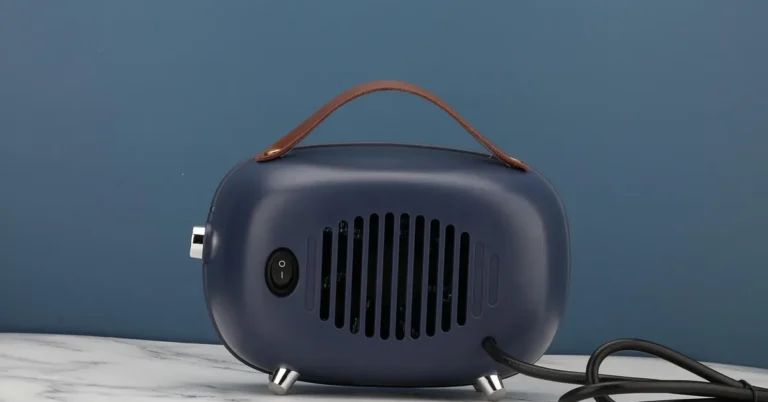
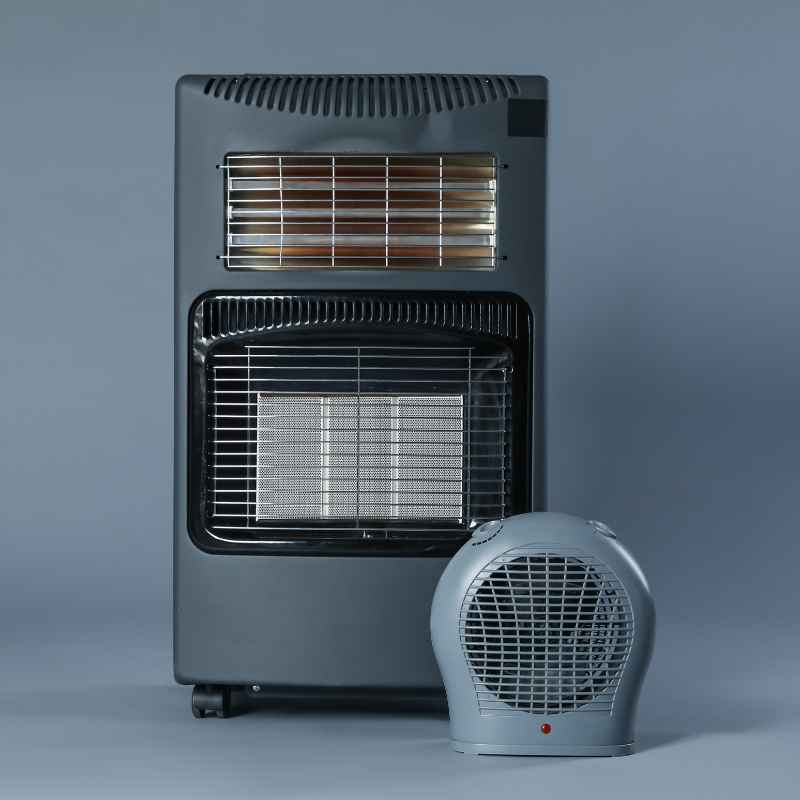
Ceramic Heaters: Fast heating, safe to touch surfaces, good for small to medium rooms. They use an electric element to heat ceramic plates. A fan blows air over these plates.
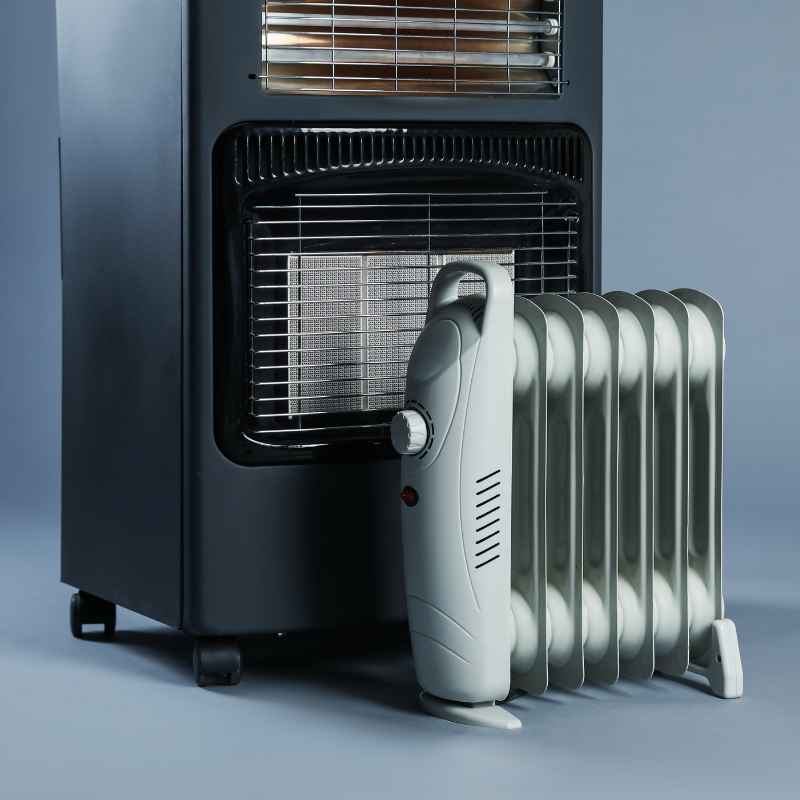
Oil-Filled Radiators: Slow to heat up but provide long-lasting, gentle warmth. They are quiet and don’t dry out the air much. They contain oil that gets heated by electric elements.
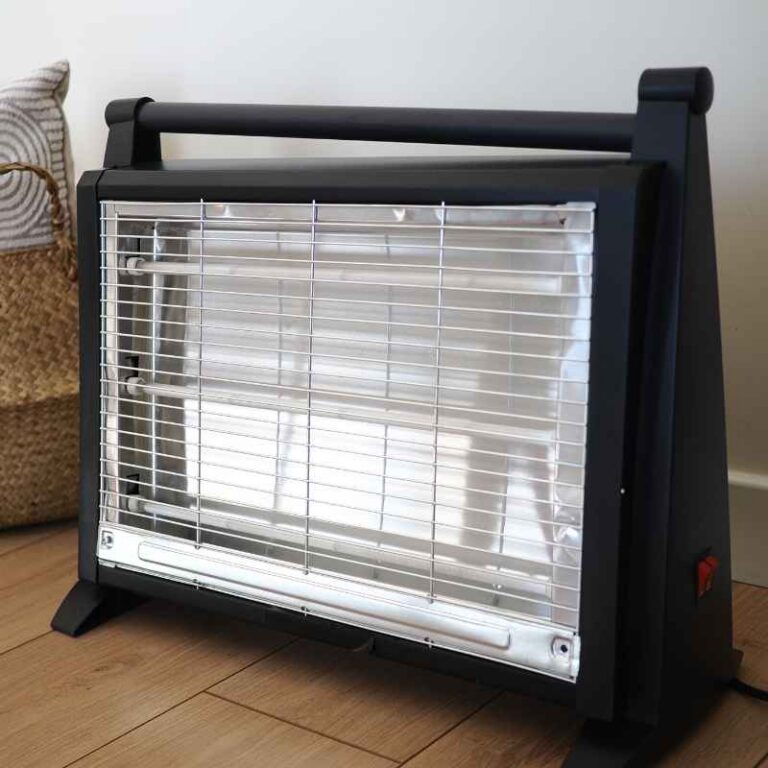
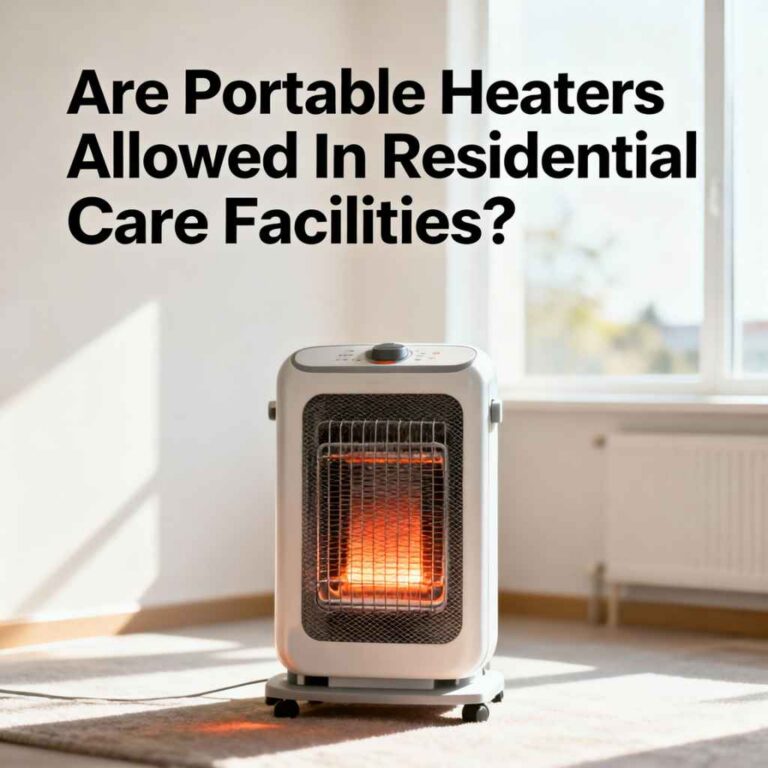
Infrared Heaters: Warm objects and people directly, not the air. This is like the sun’s rays. They are efficient for targeted heating.
Great for drafty areas or when you just want to feel warm instantly.
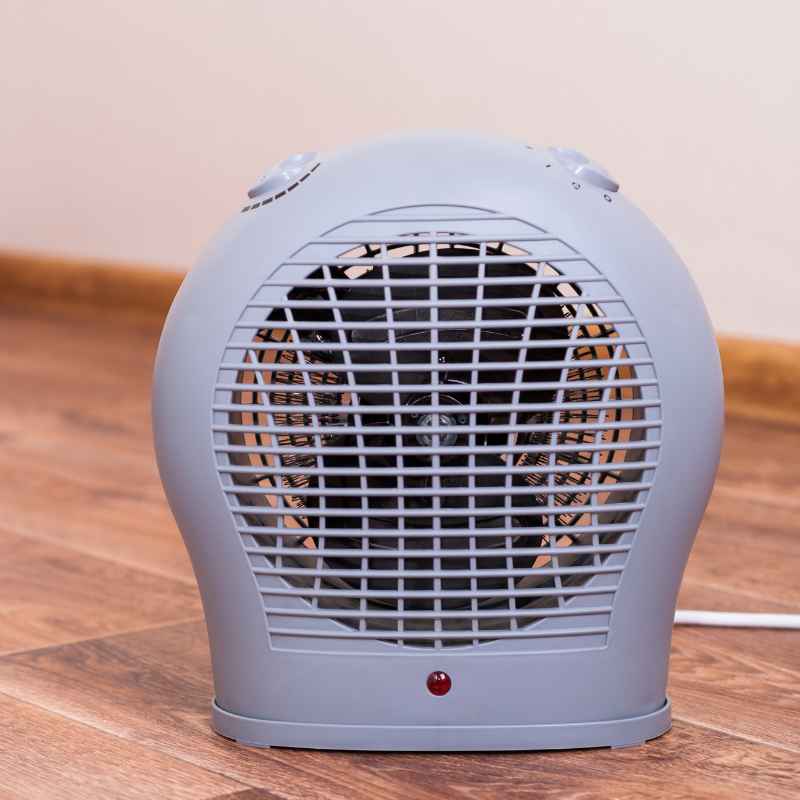
Fan Heaters: Very quick to heat a space. They use a fan to push air over a heating element. They can be a bit noisy.
Good for quick bursts of heat.
How Portable Heaters Work
Portable heaters create heat using electricity. Most types plug into a standard wall outlet. Some larger ones might need a dedicated circuit.
The electricity powers a heating element. This element gets hot. Different heaters use this heat in various ways.
For example, ceramic heaters have a ceramic plate. This plate heats up fast. A fan then blows air across the hot plate.
This warm air is pushed into the room. It warms the air around you. These are good for quick comfort.
Oil-filled radiators are different. They have metal fins. Inside these fins is a special oil.
Electric elements heat this oil. The oil then slowly releases its heat. This warms the metal fins.
The fins radiate heat into the room. This heat is very gentle. It lasts a long time even after the heater is off.
Infrared heaters work by light. They emit infrared radiation. This radiation travels in waves.
When these waves hit objects or people, they absorb the energy. This makes the objects and people warm. It’s like standing in sunlight on a cool day.
The air itself doesn’t get heated much. This is efficient for direct warmth.
Safety First: Key Features to Look For
Safety is not an option; it’s a must-have. When buying a portable heater, check for these features. They help prevent accidents.
They give you peace of mind. Always look for the UL or ETL safety certifications. These mean the product has been tested.
Overheat Protection: This is vital. If the heater gets too hot, it will shut itself off. This stops fires from starting.
It’s a smart safety net. Most modern heaters have this. Check the product description.
Tip-Over Switch: This is another crucial feature. If the heater falls over, it automatically shuts off. This prevents it from tipping and causing damage or fire.
It’s a simple yet effective safety measure.
Cool-Touch Exterior: Some heaters get very hot on the outside. This can cause burns. A cool-touch exterior means the outside stays cooler.
This is especially important if you have kids or pets. Ceramic heaters often have this feature.
Adjustable Thermostat: While not strictly a safety feature, it helps. It lets you set a desired temperature. The heater then cycles on and off.
This prevents it from running too hot for too long. It also saves energy.
Quick Safety Checklist Before You Buy
- Certification: Look for UL or ETL mark.
- Auto Shut-off: Overheat protection is a must.
- Tip-Over Protection: Heater turns off if it falls.
- Exterior Temperature: Does it stay cool to the touch?
- Timer: Helps prevent it from running all day.
- Child Lock: If you have very young children.
Choosing the Right Heater for Your Space
The size of the room matters a lot. A small heater won’t warm a large living room. A huge heater in a tiny bathroom can be too much.
Measure the space you want to heat. Look at the heater’s wattage or BTU rating. This tells you its heating power.
For small bedrooms or offices, a 750-watt ceramic heater might be enough. For a medium-sized living room, you might need 1500 watts. Always check the manufacturer’s recommendations.
They usually tell you the square footage a heater can cover.
Think about how quickly you need heat. If you want to warm up fast, a fan heater or a powerful ceramic heater is best. If you want steady, gentle warmth that lasts, an oil-filled radiator is a good choice.
Infrared heaters are great for feeling warm right away in one spot.
Consider the noise level. Fan heaters can be loud. Oil-filled radiators are almost silent.
Ceramic heaters are usually somewhere in between. If you plan to sleep with the heater on, quiet is better. If it’s for a workshop, noise might not be a big deal.
Room Size vs. Heater Power
| Room Size | Recommended Wattage | Best Heater Type |
|---|---|---|
| Small (up to 100 sq ft) | 500-750W | Ceramic, Small Fan |
| Medium (100-250 sq ft) | 750-1500W | Ceramic, Oil-Filled, Infrared |
| Large (250+ sq ft) | 1500W+ or Multiple Units | Larger Ceramic, Oil-Filled, Radiant Panel |
Energy Efficiency: Saving Money and the Planet
Portable heaters use electricity. Some are more efficient than others. The best heaters give you a lot of heat for the energy they use.
Wattage tells you how much power a heater uses. Higher wattage means more power. It can also mean higher energy bills.
Look for heaters with energy-saving features. An adjustable thermostat is key. It prevents the heater from running constantly.
A timer is also helpful. You can set it to turn off after a certain time. This stops you from forgetting and wasting power.
Some types are naturally more efficient for certain uses. Infrared heaters can be very efficient for personal comfort. They heat you directly.
You might feel warm even if the room air isn’t very hot. This means you might use a lower setting or run it for less time.
Ceramic heaters are also quite good. They heat up fast. This means they don’t need to run as long to warm a small space.
Oil-filled radiators take longer to heat up. But they continue to radiate heat. This can be efficient for maintaining a constant, mild temperature.
Remember, the goal of a portable heater is often to supplement. It’s not meant to replace your main heating system. Using it wisely means you only heat the space you’re in.
This is much more efficient than heating your whole house when you’re only using one room.
Energy Saving Tips
- Use a Thermostat: Set it to a comfortable, not scorching, temperature.
- Use a Timer: Program it to turn off automatically.
- Targeted Heating: Use it only in the room you are in.
- Seal Drafts: Close doors and windows. Use draft stoppers.
- Combine with Layers: Wear a sweater before turning up the heat.
- Regular Maintenance: Clean dust filters for better airflow.
Top Picks for Portable Heaters in 2024/2025
When looking for the best portable heaters, several brands stand out. They consistently offer good quality and safety. Here are a few types that are highly rated.
They cover different needs and budgets.
Best Overall Ceramic Heater: Lasko Ceramic Heater with Digital Display. This heater is popular for a reason. It’s powerful, easy to use, and very safe. It has multiple heat settings and a thermostat.
The digital display makes it simple. It also has a tip-over switch and overheat protection. It’s great for medium rooms.
Best Quiet Heater: De’Longhi Oil-Filled Radiator. For those who need peace and quiet, this is a top choice. It’s an oil-filled radiator. It heats gently and stays warm for a long time.
It’s almost silent. It’s perfect for bedrooms or offices where noise is a distraction. It has multiple heat settings and safety features.
Best Infrared Heater: Dr. Infrared Heater Portable Infrared Heater. This heater is known for its efficiency. It heats you directly without warming the entire room.
It’s great for large spaces where you want to feel warm quickly. It has a dual heating system. It also includes a fan to help circulate air.
Best Budget-Friendly Option: Honeywell HCE830 EnergySmart Ceramic Heater. If you’re on a budget, this Honeywell heater is a solid choice. It’s a ceramic heater. It offers good warmth for its price.
It has a thermostat and safety features. It’s best suited for smaller rooms.
Best Smart Heater: Dyson Pure Hot+Cool HP07. This is a premium option. It’s a fan heater, air purifier, and bladeless fan all in one. You can control it with an app.
It’s very safe and efficient. It automatically monitors and reacts to air quality. It’s a significant investment but offers a lot of value.
My Personal Experience with a Lasko Ceramic Heater
I ended up buying a Lasko ceramic heater for my basement office. It was a game-changer. Within 15 minutes of turning it on, the room felt noticeably warmer.
I loved the digital thermostat. I could set it to 70 degrees and forget it. The heater would cycle on and off as needed.
This kept the room at a perfect temperature.
I also appreciated the safety features. I have a cat who likes to explore. Knowing the heater would shut off if it tipped gave me peace.
The exterior did get warm, but not dangerously so. It was easy to move from my desk area to another corner if needed. It made working in the basement enjoyable for the first time.
Real-World Usage: Where and How to Use Them
Portable heaters are versatile. They are perfect for rooms that feel drafty. This includes older homes.
Basements, garages, and attics can also benefit. They are great for temporary heat. Need to warm up a guest room before visitors arrive?
A portable heater is ideal.
Think about your daily routine. Do you spend most of your time in one or two rooms? Instead of heating your whole house, use a portable heater in those specific areas.
This is a smart way to save energy. It makes your living space more comfortable where it matters most.
Consider the materials in your home. If you have wooden floors or furniture, direct radiant heat (like from infrared) can feel very pleasant. If you have dry air issues, an oil-filled radiator might be better.
They tend to add less dryness to the air compared to some fan heaters.
User behavior is also key. Always follow the manufacturer’s instructions. Keep heaters away from flammable materials like curtains or paper.
Never leave a running heater unattended, especially if it doesn’t have auto shut-off features. Make sure the cord is not a tripping hazard.
Situations Where Portable Heaters Shine
Supplementing Central Heat: For rooms that are always colder.
Spot Heating: Warming up a specific area, like your desk or a reading chair.
Temporary Heating: For guest rooms or spaces used only occasionally.
Power Outages: As a backup heat source (ensure safe use).
Workshops/Garages: Providing comfort in otherwise unheated spaces.
When is a Portable Heater Enough?
A portable heater is great for supplemental heat. It’s perfect for making one room cozy. It can keep you comfortable while you work or relax.
It’s also good for small spaces like bathrooms. You can quickly warm them up before a shower.
However, a portable heater is usually not a replacement for your home’s main heating system. If your entire house is freezing, a single portable heater won’t be enough. They are designed for localized heating.
Using too many can overload circuits. This can be a fire hazard or just cause your power to go out.
Think about the climate. In very cold regions, you’ll likely need central heating. Portable heaters are most effective in moderate climates.
Or for those few extra chilly days. They help bridge the gap without running your main system all the time. They are an addition, not a replacement, for robust home heating.
When to worry: If you rely solely on portable heaters and still feel cold, your main system might need service. If a heater seems to struggle to warm even a small room, it might not be powerful enough, or there might be a bigger insulation issue. Always check for drafts.
Drafts can make any heater work much harder.
Simple Checks and When to Call a Pro
There are a few simple checks you can do. Regularly inspect the power cord. Look for any fraying or damage.
If you see any, stop using the heater immediately. Clean dust from vents and filters. Dust buildup can reduce efficiency and be a fire hazard.
Make sure the heater is stable. It should sit on a flat, hard surface. Never place it on carpets or rugs.
These can block airflow and melt. Ensure there’s at least 3 feet of clear space around the heater. Keep it away from furniture, curtains, and bedding.
If you notice any strange smells, buzzing sounds, or sparks, turn the heater off. Unplug it and do not use it again. Contact the manufacturer.
If your main heating system seems weak, or if you have consistently cold rooms despite using a heater, it’s time to call a professional HVAC technician. They can assess your home’s heating needs and insulation.
Quick Heater Maintenance Guide
- Inspect Cord: Check for wear and tear.
- Clean Vents: Use a soft brush or vacuum attachment.
- Dust Filters: If your model has them.
- Stable Placement: Always on a flat, hard surface.
- Clearance: At least 3 feet of space around it.
Frequently Asked Questions About Portable Heaters
Are portable heaters safe to use overnight?
Many modern portable heaters are designed with safety features like automatic shut-off and tip-over switches, making them safer for overnight use. However, it’s always best to use them with caution. Ensure the area around the heater is clear and it’s placed on a stable surface.
Never cover it. For maximum safety, consider using a timer and turning it off before you sleep, especially if it’s an older model or you have pets or children.
How much electricity do portable heaters use?
Portable heaters can use a significant amount of electricity, especially those with high wattage (like 1500W). A 1500-watt heater uses 1.5 kilowatts per hour. The cost depends on your local electricity rates.
Using them strategically, like only in the room you’re in, helps manage costs. Look for energy-efficient models with thermostats and timers.
Can portable heaters dry out the air too much?
Some types of portable heaters, particularly fan-forced ceramic heaters, can reduce humidity. This is because they heat and circulate air quickly. Oil-filled radiators and infrared heaters tend to be less drying.
If dry air is a concern, consider using a humidifier alongside your heater or choose a model known for less air drying.
What is the difference between a ceramic heater and an infrared heater?
Ceramic heaters use an electric element to heat ceramic plates, then a fan blows air over them to warm the room’s air. Infrared heaters emit infrared radiation that directly warms objects and people, much like sunlight. Ceramic heaters warm the air, while infrared heaters warm you directly.
Are portable heaters suitable for bathrooms?
Yes, but only if they are specifically designed for bathroom use and have appropriate safety features (like GFCI plugs or enclosed elements). Standard portable heaters should NOT be used in bathrooms due to the risk of electric shock from water. Always check the product’s specifications and warnings.
How often should I replace my portable heater?
Portable heaters, especially good quality ones, can last for many years. There’s no set replacement schedule. Replace a heater if it shows signs of damage, such as a frayed cord, rust, or if its safety features seem unreliable.
If it’s not heating effectively anymore or making strange noises, it might be time for a new one. Regular cleaning and proper storage can extend its lifespan.
Final Thoughts on Staying Warm
Choosing the best portable heater means balancing your needs for warmth, safety, and budget. By understanding the different types and features, you can make a smart choice. Remember to prioritize safety.
Always look for those crucial safety certifications and features like overheat protection and tip-over switches.
Use these heaters wisely to supplement your main heating. This will keep you comfortable and save energy. A good portable heater can make a chilly room feel cozy and inviting.
Happy heating!
Sponsored / affiliate links. As an Amazon Associate I earn from qualifying purchases. I may earn additional commission from eligible campaigns.