Portable Heater Safety: 7 Essential Tips for Home Use
Portable heater safety is paramount for preventing accidents and ensuring a warm, secure environment in your home, especially during colder months. With the convenience of portable heaters comes the responsibility of understanding and implementing best practices to avoid hazards like fires, carbon monoxide poisoning, and burns. This guide will equip you with crucial knowledge to use your portable heating devices with confidence and peace of mind, covering everything from placement to maintenance.
Simply put, prioritizing portable heater safety involves careful placement, regular maintenance, and understanding the risks associated with each type of heater to prevent fires, burns, and carbon monoxide exposure. Following these essential tips ensures your home stays warm and secure.
Key Takeaways
- Portable heater safety starts with understanding the different types and their specific risks.
- Proper placement away from flammables and high-traffic areas is crucial for preventing fires.
- Regular maintenance, including cleaning and inspection, ensures your heater operates safely and efficiently.
- Never leave a portable heater unattended, especially when sleeping or leaving the house.
- Always use appropriate extension cords and check for damage to the cord and plug before each use.
What are the Different Types of Portable Heaters and Their Risks?
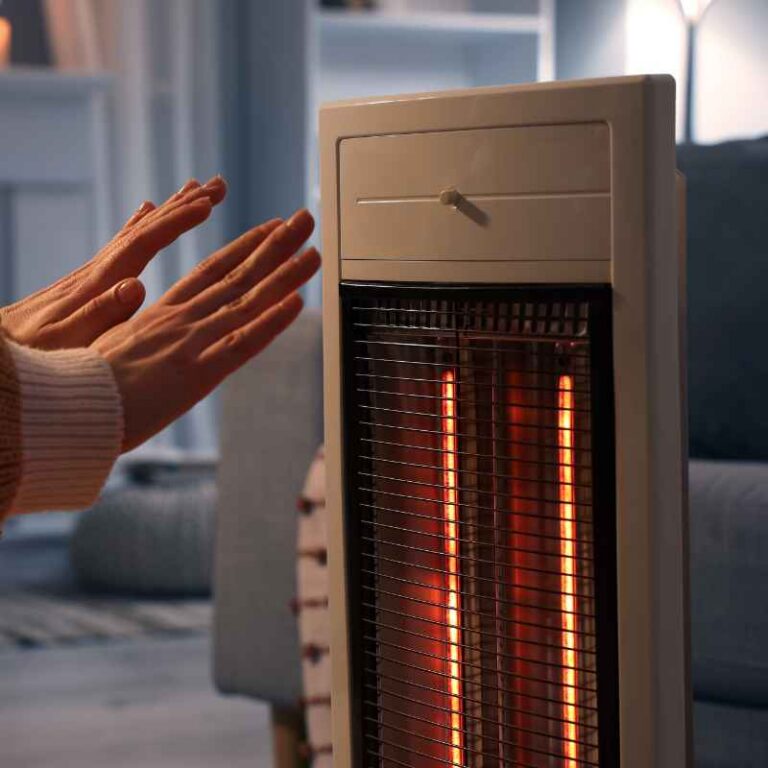
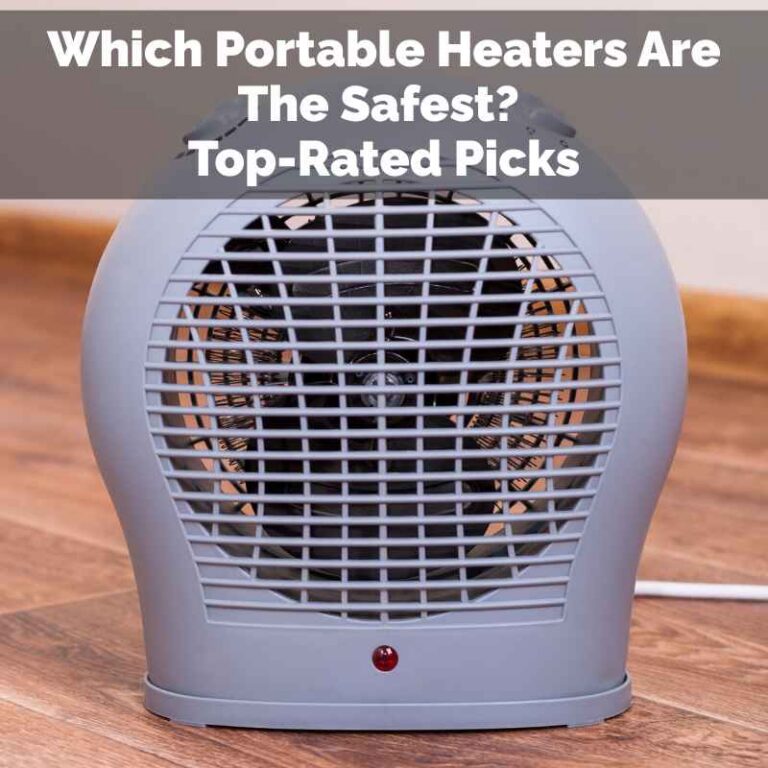
Understanding the various types of portable heaters available is the first step toward ensuring safe operation. Each type has unique mechanisms and potential hazards that users must be aware of. Electric heaters, for instance, are generally considered safer indoors due to the absence of open flames or combustion byproducts like carbon monoxide. However, they can still pose fire risks if they overheat or are placed too close to combustible materials. Ceramic heaters, fan heaters, and infrared heaters fall under this category, each with slightly different heating methods and safety considerations.
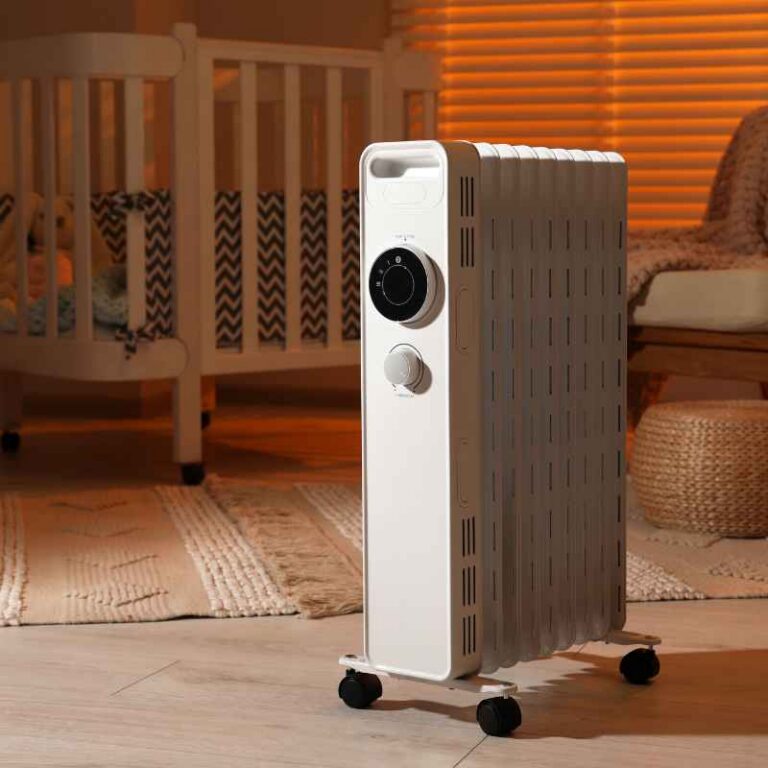
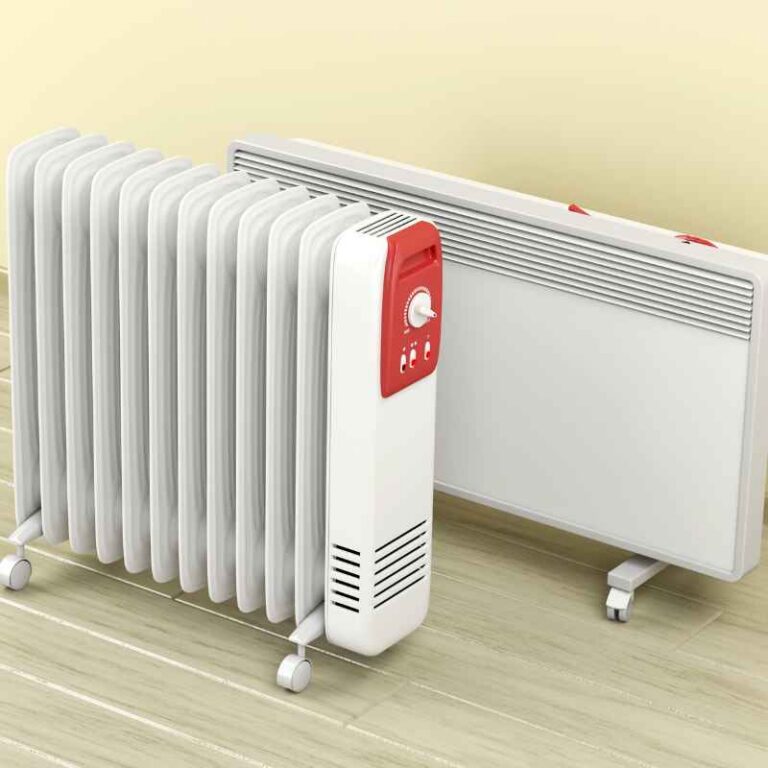
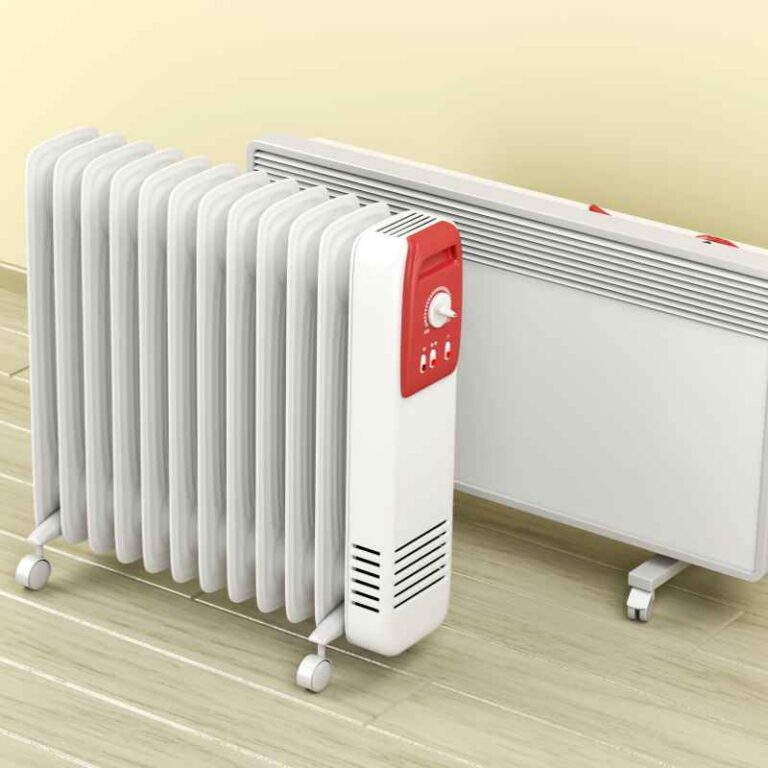
Oil-filled radiators are electric heaters that use oil to store and radiate heat, providing a more sustained and gentle warmth. While they don’t have exposed heating elements, the surfaces can become very hot, posing a burn risk, especially for children and pets. Propane or kerosene heaters, often used in garages or workshops, produce open flames and combustion gases. These require significant ventilation to prevent carbon monoxide buildup and are generally not recommended for indoor residential use without specialized safety features and strict adherence to manufacturer guidelines.
The primary risks associated with portable heaters include:
- Fire hazards: Caused by proximity to flammable materials, faulty wiring, or overheating.
- Burn injuries: Resulting from direct contact with hot surfaces or heating elements.
- Carbon monoxide (CO) poisoning: Primarily a risk with fuel-burning heaters (propane, kerosene) due to incomplete combustion and lack of proper ventilation.
- Electrical hazards: Such as short circuits or shocks from damaged cords or plugs.
- Tripping hazards: From heater cords running across floors.
By recognizing these risks, users can take proactive steps to mitigate them. Always read and follow the manufacturer’s instructions for your specific model.
What is Proper Portable Heater Placement?
The way you position your portable heater is critical for preventing accidents. The golden rule is to maintain a safe distance from anything that can catch fire. This includes curtains, upholstery, bedding, clothing, paper, and furniture. A minimum clearance of three feet (approximately one meter) is generally recommended by fire safety experts for most portable electric heaters. This distance ensures that radiant heat doesn’t ignite nearby materials, even if the heater is operating normally.
Always place portable heaters on a stable, level, and non-combustible surface. Avoid placing them on carpets, rugs, or any soft flooring that could potentially shift or absorb heat, leading to overheating of the flooring material. Hardwood floors, tile, or a stable, heat-resistant mat are ideal surfaces. Ensure the heater is not in a location where it can be easily knocked over, especially in homes with children or pets. High-traffic areas or doorways are particularly risky spots.
Here are essential placement guidelines:
- Maintain a 3-foot clearance: Keep the heater at least three feet away from all flammable materials.
- Use a stable, level surface: Never place heaters on unsteady surfaces, beds, or sofas.
- Avoid high-traffic areas: Position the heater where it won’t be bumped or tripped over.
- Keep away from water: Never use portable heaters in bathrooms or near sinks, tubs, or pools to prevent electrical shock.
- Ensure proper ventilation: For fuel-burning heaters, ensure adequate airflow to prevent CO buildup.
- Position away from drafts: Avoid placing heaters directly in front of open windows or doors where drafts could destabilize them or direct heat inefficiently.
Consider using a portable heater with tip-over protection. This safety feature automatically shuts off the heater if it’s tilted or knocked over, significantly reducing fire risk. Always verify that this feature is active and functional.
How to Perform Regular Maintenance and Inspection
Consistent maintenance is key to ensuring your portable heater remains a safe and reliable source of warmth. Over time, dust, lint, and debris can accumulate in the heater’s vents and internal components, potentially leading to overheating or reduced efficiency. Before each use, and periodically throughout the heating season, perform a visual inspection. Check the power cord and plug for any signs of damage, such as fraying, nicks, or melted plastic. If any damage is found, discontinue use immediately and have it repaired by a qualified professional or replace the unit.
Cleaning the exterior and interior of your portable heater is also essential. For most electric heaters, unplug the unit and use a soft, dry cloth to wipe down the casing. For the vents and internal components, a vacuum cleaner with a brush attachment or a soft brush can be effective for removing dust. Be careful not to force any parts or damage delicate components. For oil-filled radiators, ensure there are no leaks from the seals.
A maintenance checklist for portable heaters includes:
- Inspect the power cord and plug: Look for fraying, cuts, or signs of melting.
- Clean the vents and grilles: Use a vacuum cleaner or soft brush to remove dust and debris.
- Check for damage to the casing: Ensure no cracks or broken parts are present.
- Test safety features: If your heater has tip-over protection or overheat shut-off, test these features periodically.
- Ensure proper airflow: Blocked vents restrict airflow, causing the unit to work harder and potentially overheat.
- For fuel-burning heaters: Follow manufacturer instructions for cleaning filters, checking fuel lines, and ensuring proper ignition.
Warning: Never attempt to repair a damaged portable heater yourself unless you are a qualified technician. Improper repairs can create significant safety hazards. Always unplug the heater before cleaning or performing any maintenance.
Regular cleaning not only enhances safety but also improves the heater’s performance, allowing it to distribute heat more effectively. A well-maintained heater is a safer heater.
What are the Dangers of Using Extension Cords?
While extension cords offer flexibility, their improper use with portable heaters can create significant safety hazards. Portable heaters, especially those with higher wattage, draw a considerable amount of electricity. Using an undersized or damaged extension cord can lead to overheating of the cord, posing a serious fire risk. The cord’s insulation can melt, exposing live wires or igniting nearby combustible materials.
It’s crucial to use only heavy-duty extension cords that are rated for the wattage of your portable heater. Check the heater’s manual for specific recommendations on extension cord gauge and type. Always ensure the extension cord is in good condition, with no nicks, cuts, or fraying. Avoid using multi-outlet adapters or power strips, as these can overload the circuit and increase the risk of overheating. Plug the heater directly into a wall outlet whenever possible.
Here’s a breakdown of extension cord safety for portable heaters:
- Use heavy-duty cords: Select cords specifically rated for high-wattage appliances.
- Check for damage: Inspect cords for cuts, frays, or melted spots before use.
- Avoid daisy-chaining: Never connect multiple extension cords together.
- Plug directly into outlets: Whenever feasible, plug the heater directly into a wall socket.
- Keep cords clear of traffic: Ensure cords are not a tripping hazard and are not run under carpets or rugs.
- Do not overload circuits: Be mindful of other appliances drawing power from the same circuit.
| Extension Cord Gauge vs. Wattage |
|---|
| 16-gauge cord: Suitable for up to 1200 watts (typically for lower-wattage heaters). |
| 14-gauge cord: Recommended for 1200-1800 watts (standard for most residential portable heaters). |
| 12-gauge cord: Best for heaters exceeding 1800 watts, offering the lowest resistance and heat buildup. |
Using the correct gauge extension cord is not just about preventing fire; it also ensures the heater operates at its intended power level and prevents premature wear on the appliance. Always consult your heater’s manual for specific cord requirements.
Why is Unattended Operation a Major Risk?
Leaving a portable heater running unattended is one of the most dangerous practices, significantly increasing the risk of fire and other accidents. Heaters can malfunction, overheat, or be accidentally knocked over when no one is present to notice and react. A small issue, such as a blanket slipping too close to the heating element, can quickly escalate into a major fire if no one is there to intervene. This is particularly true during nighttime, when most home fires start.
The temptation to leave a heater on overnight or while you’re out running errands can be strong, especially in very cold conditions. However, the potential consequences far outweigh any perceived comfort. Most modern portable heaters include safety features like tip-over switches and overheat protection, but these are not foolproof. They are designed as safeguards, not replacements for responsible supervision.
Here’s why unattended operation is so risky:
- Unforeseen malfunctions: Internal component failures can occur without warning, leading to overheating or electrical shorts.
- Accidental knock-overs: Pets, children, or even vibrations can cause a heater to tip over.
- Ignition of nearby materials: Items too close to the heater can spontaneously ignite if the heater malfunctions or is moved.
- Reduced reaction time: In case of a problem, there’s no one present to quickly turn off the unit or escape.
- Overheating circuits: Without supervision, an overheating heater can damage electrical systems or wiring.
- CO buildup with fuel heaters: If a fuel-burning heater malfunctions or has ventilation issues, CO can accumulate to dangerous levels unnoticed.
The U.S. Fire Administration reports that heating equipment is a leading cause of home fires. Portable heaters are involved in a significant percentage of these incidents, often due to unattended use or improper placement. For instance, a 2022 report by the National Fire Protection Association (NFPA) indicated that heating equipment was involved in an average of 49,000 reported home fires each year, resulting in hundreds of deaths and injuries. Prioritizing safety means turning off portable heaters when you go to sleep, leave the room for an extended period, or vacate the house.
What Safety Features Should You Look For?
When purchasing a new portable heater, or evaluating your current one, look for specific safety features that can significantly reduce the risk of accidents. These features are designed to provide an extra layer of protection against common hazards associated with heating devices. The most critical safety features include automatic tip-over shut-off and overheat protection.
Automatic tip-over shut-off is a mechanism that senses when the heater is tilted or knocked over. Upon detecting this, it immediately cuts off power to the unit, preventing a potential fire hazard from a tipped appliance igniting surroundings. Overheat protection is another vital feature. This system monitors the heater’s internal temperature and shuts down the unit if it exceeds a safe operating threshold. This can prevent the heater from becoming too hot and igniting nearby materials.
Essential safety features to seek out:
- Automatic Tip-Over Switch: Instantly shuts off the heater if it’s tilted or falls.
- Overheat Protection: Automatically turns off the unit if it gets too hot.
- Thermostat Control: Allows you to set a desired temperature, preventing the heater from running continuously and overheating.
- Cool-Touch Exterior: Some models have casings that remain cool to the touch, reducing the risk of burns.
- Flame-Resistant Materials: Using high-quality, flame-retardant plastics and metals in construction.
- Child Lock Feature: Prevents accidental adjustments or activation by children.
- Certifications: Look for safety certifications from recognized organizations like UL (Underwriters Laboratories) or ETL (Intertek).
| Safety Feature Comparison | Description | Importance |
|---|---|---|
| Automatic Tip-Over Shut-off | Heater powers down if it tilts or falls. | Prevents fires from tipped appliances. |
| Overheat Protection | Heater shuts down if internal temperature is too high. | Reduces risk of electrical fires and damage. |
| UL/ETL Certification | Indicates independent testing for safety standards. | Assures product has met rigorous safety benchmarks. |
Always check for these features before buying and ensure they are functioning correctly on your existing heater. Safety certifications are a strong indicator of a product’s reliability and adherence to safety standards.
How to Handle Fuel-Burning Heaters Safely
Fuel-burning portable heaters, such as those using propane or kerosene, require strict adherence to safety protocols due to the risk of fire and carbon monoxide (CO) poisoning. These heaters produce open flames and combustion byproducts. Therefore, proper ventilation is not just a recommendation; it’s a necessity for safe operation. Never use these types of heaters in enclosed, unventilated spaces like small rooms, basements, or tents. Always ensure there is adequate fresh air circulation to dissipate exhaust gases.
Carbon monoxide is an odorless, colorless, and deadly gas. Installing and regularly testing a battery-operated CO detector is crucial for any home using fuel-burning appliances. Place detectors on each level of your home and near sleeping areas. If the CO detector sounds, evacuate the premises immediately and call emergency services. Also, only use the type of fuel specified by the manufacturer. Never use gasoline, or a mixture of fuels, in a heater designed for kerosene or propane, as this can cause explosions or fires.
Key safety practices for fuel-burning heaters:
- Adequate Ventilation is Non-Negotiable: Always operate in well-ventilated areas. Open doors or windows if necessary.
- Install and Test CO Detectors: Ensure detectors are working and positioned correctly.
- Use the Correct Fuel: Only use the fuel type recommended by the manufacturer.
- Regular Inspection: Check for fuel leaks, damaged components, and ensure proper ignition.
- Keep Away from Flammables: Maintain the same three-foot clearance as with electric heaters.
- Never Use Indoors Unattended: Do not leave fuel-burning heaters on when sleeping or away from the immediate area.
- Store Fuel Safely: Keep fuel containers in a cool, well-ventilated area away from heat sources.
Important: If you are unsure about the ventilation requirements or safe operating procedures for your specific fuel-burning heater, consult the owner’s manual or contact the manufacturer. Never compromise on ventilation.
According to the Centers for Disease Control and Prevention (CDC), improperly used fuel-burning appliances are a leading cause of preventable carbon monoxide poisoning. Always err on the side of caution when dealing with these powerful heating devices.
What are Common Mistakes to Avoid?
Even with the best intentions, users can fall into common traps that compromise portable heater safety. Understanding these mistakes is the first step toward avoiding them. One of the most frequent errors is placing the heater too close to combustible materials like curtains, blankets, or furniture. This oversight can quickly lead to a fire, even if the heater seems to be functioning normally. Always maintain that critical three-foot clearance.
Another common pitfall is using damaged or inappropriate extension cords. As discussed, using an undersized cord or one with frayed wires can cause overheating and fire. People often underestimate the power draw of portable heaters and assume any extension cord will suffice. Similarly, plugging too many devices into one outlet or using power strips with high-wattage heaters can overload circuits, leading to overheating and potential electrical fires.
Here is a list of common mistakes to avoid:
- Placing heaters too close to flammables: Curtains, bedding, paper, furniture, and clothing are all fire hazards.
- Using damaged or inadequate extension cords: Always use heavy-duty cords rated for the heater’s wattage.
- Running cords under carpets or rugs: This hides potential damage and traps heat, creating a fire risk.
- Leaving heaters unattended: Especially overnight or when leaving the house; this is a major cause of heating-related fires.
- Using heaters in wet areas: Bathrooms, laundry rooms, or near sinks increase the risk of electrical shock.
- Blocking heater vents: This restricts airflow, causes overheating, and reduces efficiency.
- Using fuel-burning heaters in unventilated spaces: This can lead to dangerous levels of carbon monoxide.
- Allowing children or pets unsupervised access: They can accidentally knock over heaters or touch hot surfaces.
It’s estimated that faulty or misused heating equipment causes approximately 40% of home fires. Avoiding these common mistakes significantly enhances your home’s safety and reduces the likelihood of an accident.
The National Fire Protection Association (NFPA) highlights that heating equipment was involved in an estimated annual average of 49,000 reported home fires in the U.S. between 2014-2018. A significant portion of these were due to portable heaters. Vigilance and adherence to safety guidelines are paramount.
Frequently Asked Questions
What is the safest type of portable heater?
Electric portable heaters, particularly ceramic, infrared, or oil-filled radiator types, are generally considered the safest for indoor residential use because they don’t produce combustion byproducts like carbon monoxide. However, all portable heaters carry some risk, and safety depends heavily on proper usage and maintenance.
Can I use a portable heater in my bedroom overnight?
It is strongly advised against leaving any portable heater unattended, including overnight, as this significantly increases the risk of fire should a malfunction or accident occur. If you must use one, ensure it has an automatic tip-over shut-off and overheat protection, is placed correctly away from flammables, and you check it periodically.
How often should I clean my portable heater?
You should inspect your portable heater before each use and perform a thorough cleaning at least once a month during the heating season, or more frequently if it’s used heavily. Accumulated dust and debris can cause overheating and reduce efficiency.
Are portable heaters expensive to run?
The cost of running a portable heater depends on its wattage and local electricity rates. Higher wattage heaters consume more electricity. For example, a 1500-watt heater running for 10 hours a day could cost several dollars per day depending on your utility rates, making them best suited for supplemental heating rather than primary heating for large areas.
What should I do if my portable heater smells strange?
If your portable heater emits a strange smell, unplug it immediately and stop using it. The smell could indicate overheating components, burning dust, or an internal issue. Allow the unit to cool completely and inspect it for visible damage or debris.
If the smell persists or you cannot identify the cause, it’s best to have it serviced by a professional or replace the unit.
Final Thoughts
Ensuring portable heater safety is an ongoing commitment, not a one-time task. By understanding the risks, following proper placement guidelines, performing regular maintenance, and always using caution, you can enjoy the warmth and comfort portable heaters provide without compromising the safety of your home and loved ones. Always prioritize vigilance, heed safety features, and never leave a heater unattended to prevent potential disasters.
Sponsored / affiliate links. As an Amazon Associate I earn from qualifying purchases. I may earn additional commission from eligible campaigns.