What Is The Greatest Risk Of Using Portable Heaters Daily?
It’s getting chilly outside, and your thoughts might turn to keeping your home warm. Portable heaters seem like a great idea. You can move them from room to room.
They give you heat right where you need it. But is using them every single day a good plan? Many folks wonder about the real impact.
This article will walk you through what you need to know about daily portable heater use. We’ll focus on the main worries and how to stay safe.
The greatest risk of using portable heaters daily is the potential for overheating, fires, and carbon monoxide poisoning. This is especially true if the heater is old, damaged, or used improperly near flammable materials or in poorly ventilated spaces. Regular use without proper checks increases these dangers.
Understanding the Greatest Risk of Daily Portable Heater Use
Portable heaters are handy. They help warm up a room quickly. People often use them in bedrooms or offices.
They might even use them in garages or basements. This happens a lot, especially when the main heating system isn’t quite enough. Daily use, however, can ramp up the risks.
The biggest worry is safety. We’re talking about things that can cause harm to you and your home.
The primary concern is fire. Portable heaters have heating elements. These get very hot.
If something flammable gets too close, it can catch fire. This includes curtains, blankets, paper, or even dust. Leaving a heater on too long or too close to these items is a recipe for disaster.
Old heaters or those with damaged cords are even worse. They can spark or overheat easily.
Another serious risk is carbon monoxide (CO) poisoning. This happens with heaters that burn fuel. This includes propane or kerosene heaters.
They give off CO gas. It’s a silent killer. You can’t see it or smell it.
It builds up in the air. If you use these heaters indoors without good airflow, CO can fill your home. It makes people sick.
It can even be deadly. Electric heaters don’t produce CO. But any heater can be a fire risk.
Overheating is also a problem. Some heaters have safety shut-offs. But older models might not.
If a heater overheats, it can damage itself. It might even start a fire. This is more likely if the heater is covered or blocked.
Daily use means the heater runs for long periods. This gives more chances for something to go wrong.
Lastly, there’s the risk of electrical problems. Portable electric heaters draw a lot of power. Using them on old or overloaded circuits can cause issues.
You might trip breakers. In bad cases, it could even start an electrical fire. Always plug them into a wall outlet.
Avoid using extension cords if you can. Heavy-duty extension cords are sometimes okay. But check the heater’s manual first.
My Own Close Call with a Portable Heater
I remember one very cold winter. My apartment’s old heating system just couldn’t keep up. I decided to buy a small electric space heater.
I put it in my living room. I used it every single day. I’d turn it on when I woke up.
I’d leave it running while I worked. I even used it at night. I thought I was being smart by saving money on central heat.
One evening, I had a pile of mail on my desk. My heater was on the floor. It was a bit too close to the edge of the desk.
I got up to get some water. When I came back, I saw a faint wisp of smoke. The corner of a magazine near the heater was dark and smoking.
My heart jumped into my throat. The heat from the heater had started to scorch the paper. It hadn’t burst into flames yet.
But it was really close. I quickly turned off the heater. I felt a wave of fear and relief.
That day taught me a huge lesson. It showed me how quickly things can go wrong. Even electric heaters pose a fire risk.
I learned to keep everything clear of my heater. Now I use it with much more care.
Understanding Different Heater Types and Their Risks
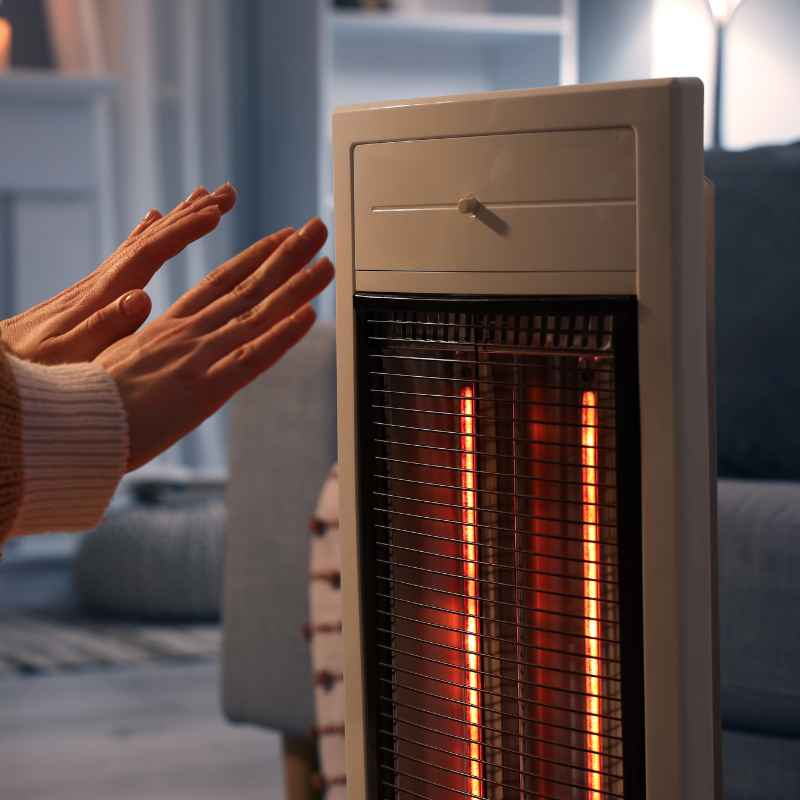
Electric Heaters: These are common. They use electricity to heat a coil or ceramic element. They don’t produce fumes.
Their main risk is fire from proximity to items. Overheating can also be an issue. Faulty wiring is another danger.
Propane/Kerosene Heaters: These burn fuel. They are often used in places without electricity. They produce carbon monoxide.
This is a major risk if not used with extreme caution. They also pose a fire hazard.
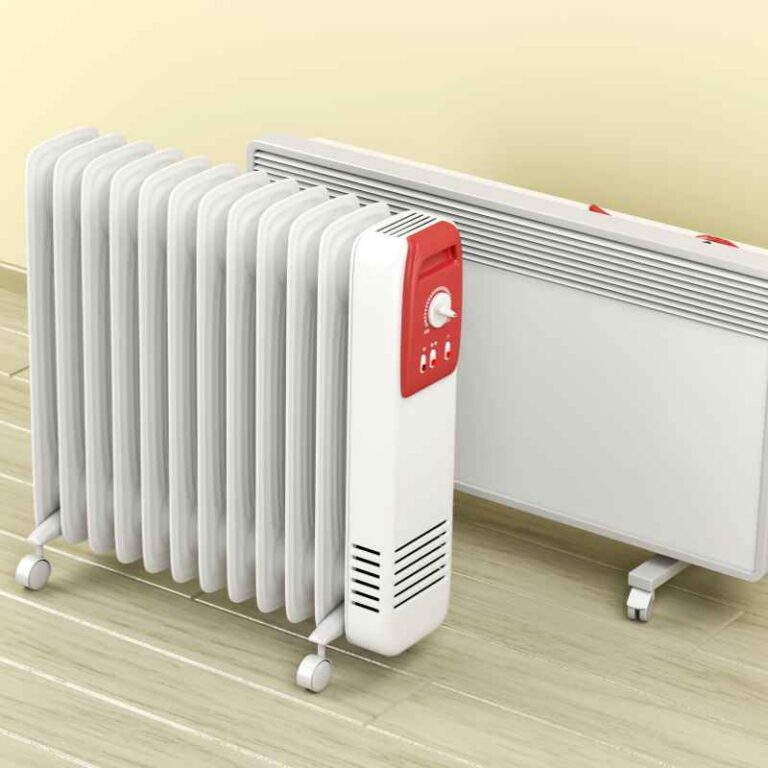
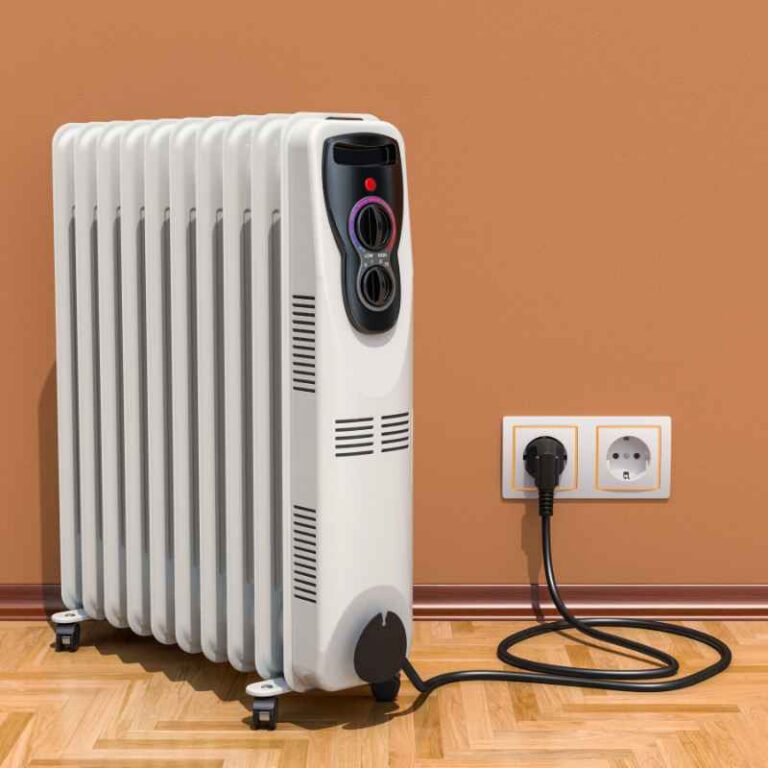
Oil-Filled Radiators: These electric heaters warm oil inside. The oil then radiates heat. They are generally safer.
They don’t have exposed hot coils. But they can still overheat. They are slower to warm a room.
Real-World Scenarios: Where and Why Risks Increase
The environment where you use a portable heater matters a lot. Using one in a small, enclosed space like a closet or a bathroom without a vent is dangerous. This is especially true for fuel-burning heaters.
Poor ventilation means carbon monoxide can build up fast. Even electric heaters can overheat in tight spots. They don’t have enough room for air to circulate.
Habits play a big role too. Leaving a heater on when you go to sleep is a common practice. Many modern heaters have safety timers and tip-over switches.
But older models may not. Even with safety features, it’s a risk. Falling asleep means you might not notice if something goes wrong.
A blanket falling onto the heater is easy to do.
The design and materials of your home also contribute. Older homes might have outdated electrical wiring. This wiring might not handle the power draw of a heater.
It could overheat wires in the walls. This could lead to an electrical fire. Homes with lots of carpeting or curtains also increase fire risk.
These materials catch fire easily.
User behavior is key. People sometimes put heaters too close to furniture. They might drape clothes over them to dry.
They might place them near pet beds or children’s toys. These actions create direct fire hazards. It’s often a matter of not thinking about the danger.
Or perhaps underestimating how hot the heater can get.
Quick Scan: Daily Heater Safety Checklist
Do This:
- Keep a 3-foot clear space around it.
- Place on a hard, flat surface.
- Plug directly into an outlet.
- Use only in well-ventilated areas.
- Turn off when not in the room.
- Turn off before sleeping.
- Check cords for damage.
Don’t Do This:
- Don’t put near curtains or blankets.
- Don’t put on carpet or rugs.
- Don’t use extension cords unless needed (and check rating).
- Don’t use in bathrooms or damp areas.
- Don’t leave unattended.
- Don’t cover the heater.
- Don’t use if damaged.
What Daily Heater Use Means for You and Your Home
So, what does all this mean for you? When is daily portable heater use normal? It’s normal if you take all the right precautions.
This means using a modern heater. It should have safety features like tip-over protection and overheat shut-off. You must keep it far from anything flammable.
You need to ensure good airflow. You always supervise it.
When should you worry? You should worry if your heater is old. You should worry if it has frayed cords.
You should worry if it makes strange noises. You should worry if it smells funny when it runs. You should worry if you forget to turn it off often.
You should worry if you use it in a small, unventilated room. You should worry if you have young children or pets who might touch it.
Simple checks can help. Look at the heater’s plug and cord. Are they damaged?
Does the heater feel wobbly or unstable? Does it turn off by itself when tipped? These are basic things to look for.
If you have any doubts, it’s time to stop using it. Or at least get it checked by a pro. Or buy a new one.
Contrast: Normal vs. Concerning Heater Use
Normal Use
Setup: Placed on a hard floor, 3 feet from walls and furniture. Used in a room with a window slightly open.
Operation: Turned on only when needed. Turned off when leaving the room or going to sleep.
Heater: Modern electric model with safety features. Cord is intact. Unit is clean.
Environment: Open living space or office.
Concerning Use
Setup: Placed on carpet or near curtains. Too close to a bed or couch.
Operation: Left on 24/7. Used unattended for long periods.
Heater: Old model with damaged cord. Makes odd noises. Lacks safety features.
Environment: Small closet, poorly ventilated room, or bathroom.
Quick Tips for Safer Daily Portable Heater Use
If you choose to use portable heaters daily, safety must be your top priority. Here are some simple guidelines. They can help you use them more safely.
- Read the Manual: Every heater is different. Always read the manufacturer’s instructions. It will tell you how to use it safely. It will also list what not to do.
- Inspect Regularly: Check the heater and its cord often. Look for any signs of wear or damage. If you see any, stop using it. Get it repaired or replaced.
- Maintain Clearance: Keep at least three feet of clear space around the heater. This means no curtains, no furniture, no paper. Nothing should touch it or be too close.
- Use on a Hard Surface: Never put a portable heater on carpet or rugs. These can block airflow underneath. They can also ignite if the heater gets too hot. Use it on tile, wood, or linoleum floors.
- Plug Directly In: Connect the heater directly to a wall outlet. Do not use a power strip or extension cord unless absolutely necessary. If you must use an extension cord, make sure it is heavy-duty and rated for the heater’s wattage.
- Ventilation is Key: For fuel-burning heaters, ensure the area is very well-ventilated. Open a window or door. For electric heaters, good airflow helps prevent overheating.
- Never Leave Unattended: This is a critical rule. Do not leave a portable heater running when you are not in the room. This includes when you are sleeping.
- Use Timers Wisely: If your heater has a timer, use it. Set it to turn off automatically. But still, avoid sleeping with it on.
- Child and Pet Safety: Keep heaters out of reach of children and pets. They can get burned or knock the heater over. Some newer heaters have child lock features.
- Know When to Call a Pro: If your heater smells strange, makes loud noises, or seems to be malfunctioning, turn it off. Call a qualified technician. Or replace the unit.
Heater Safety: Key Features to Look For
Essential Features
- Automatic Shut-off: Turns off if it overheats.
- Tip-Over Switch: Shuts off if the unit is knocked over.
- Cool-Touch Exterior: The outside stays cooler, reducing burn risk.
- Adjustable Thermostat: Helps maintain a safe temperature.
Beneficial Features
- Timer Function: Allows you to set operating times.
- Child Lock: Prevents accidental changes to settings.
- Remote Control: Lets you adjust settings from a distance.
- Fan-Only Mode: For air circulation without heat.
Frequently Asked Questions About Daily Heater Use
Is it safe to use a portable electric heater all day?
It can be safe if you follow strict safety rules. This includes keeping it clear of flammable items, plugging it directly into an outlet, and never leaving it unattended. Modern heaters with safety features are much safer for daily use than older models.
However, it’s always best to turn it off when you leave the room or go to sleep.
What is the biggest danger of portable heaters?
The biggest danger is fire. Portable heaters get very hot. If they are too close to flammable materials like curtains, paper, or bedding, they can start a fire.
For fuel-burning heaters, carbon monoxide poisoning is also a major and deadly risk if not used in a well-ventilated space.
Can a portable heater cause an electrical fire?
Yes, portable heaters can cause electrical fires. They use a lot of electricity. If plugged into an old or overloaded circuit, or if the cord is damaged, it can overheat wiring and cause a fire.
Always use them in circuits that can handle the load and inspect cords regularly.
Should I use a portable heater overnight?
Using a portable heater overnight is generally not recommended, even with safety features. The risk of something going wrong while you are asleep is too high. A blanket could fall on it, or a malfunction could occur undetected.
It’s safer to rely on your home’s main heating system for overnight warmth.
How far should a portable heater be from walls and furniture?
A good rule of thumb is to keep portable heaters at least three feet away from any walls, furniture, curtains, bedding, or other combustible materials. This distance allows for proper airflow and reduces the risk of ignition.
What does carbon monoxide poisoning from heaters feel like?
Symptoms of carbon monoxide poisoning can include headache, dizziness, nausea, vomiting, and confusion. It often feels like the flu. Because it is odorless and colorless, people may not realize they are being poisoned until it is severe.
If you suspect CO poisoning, get to fresh air immediately and call 911.
Conclusion
Portable heaters can be useful tools. They help make your home feel cozier. But daily use comes with real dangers.
The greatest risk involves fire and carbon monoxide. Understanding these risks is the first step. Always prioritize safety.
Check your heater, keep your distance, and never leave it alone. By being careful, you can enjoy the extra warmth without the worry. Stay safe and warm this season.
Sponsored / affiliate links. As an Amazon Associate I earn from qualifying purchases. I may earn additional commission from eligible campaigns.