Are Portable Fan Heaters Safe for Your Home?
Portable fan heaters offer a convenient way to warm up small spaces, but their safety is a critical concern for many homeowners. Understanding the potential risks and how to mitigate them is essential before plugging one in. This post will break down the safety aspects of portable fan heaters, covering common hazards, safety features, and best practices for their use.
Simply put, portable fan heaters can be safe when used correctly and equipped with modern safety features like tip-over protection and overheat shut-offs. Always follow manufacturer instructions, ensure proper ventilation, and keep them away from flammable materials to minimize risks. Older or damaged units may pose greater dangers.
Key Takeaways
- Portable fan heaters are generally safe if used according to manufacturer guidelines and equipped with essential safety features.
- Key safety concerns include fire hazards from flammable materials, electrical risks, and potential burns from hot surfaces.
- Modern units feature automatic shut-offs (overheat and tip-over protection) that significantly enhance safety.
- Proper placement, regular maintenance, and informed purchasing decisions are crucial for safe operation.
- Always ensure adequate ventilation to prevent the buildup of carbon monoxide, especially with fuel-burning portable heaters.
What Are Portable Fan Heaters and How Do They Work?
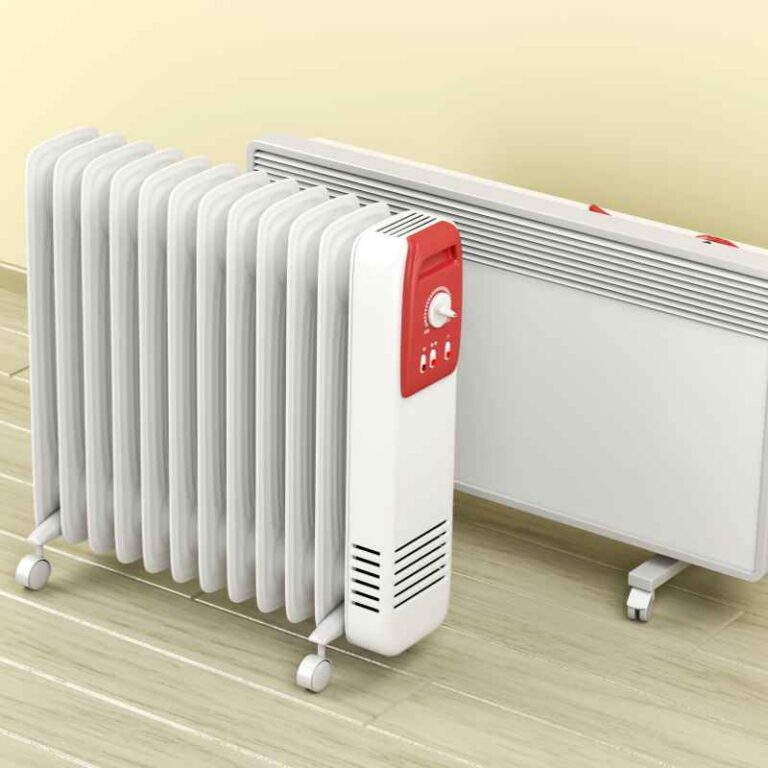
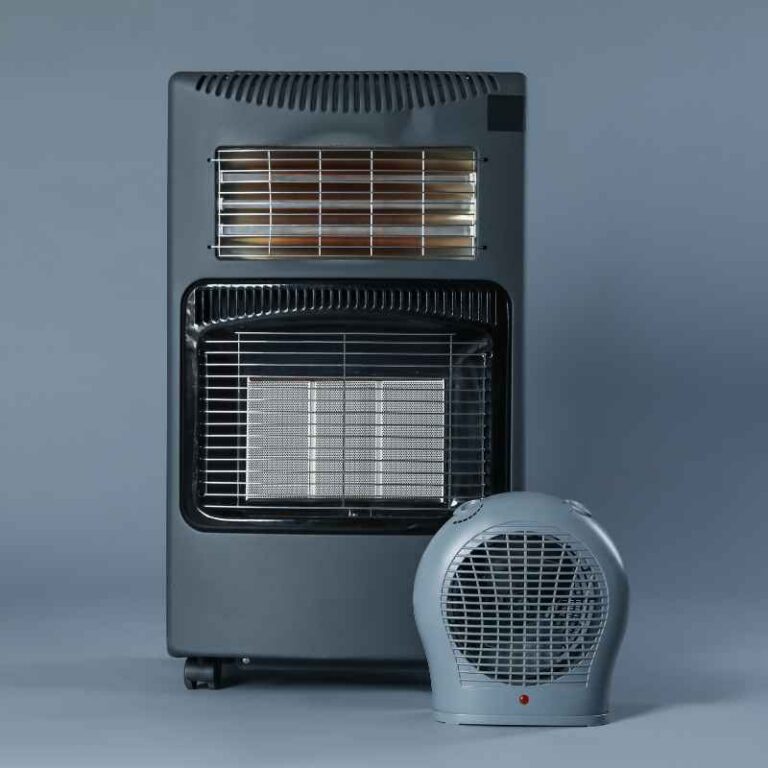
Portable fan heaters are compact, electric appliances designed to provide localized heating for rooms or specific areas. They draw in cooler air, heat it using an internal element (often a ceramic or metal coil), and then expel the warm air back into the room with the help of a fan. Their primary advantage lies in their mobility, allowing users to easily move them from room to room as needed, providing targeted warmth without needing to heat an entire house.
The heating mechanism typically involves an electric current passing through a resistive element, generating heat. This heat is then transferred to the air by the fan. The speed of the fan and the intensity of the heating element are usually adjustable, allowing users to control the temperature output.
Many models also include thermostats to maintain a set temperature automatically.
Their convenience makes them popular for supplemental heating in bedrooms, offices, garages, or any space that feels a bit too chilly. However, this widespread use also means a greater potential for misuse, which can lead to safety issues if not managed carefully. Understanding their operation is the first step towards safe usage.
- Heating Element: Typically a ceramic plate or nichrome wire coil that heats up when electricity passes through it.
- Fan: Circulates air over the heating element and disperses the warm air into the room.
- Thermostat: Regulates the room temperature by switching the heating element on and off.
- Controls: Dials or buttons for adjusting temperature, fan speed, and power settings.
- Safety Features: Overheat protection, tip-over switch, and sometimes cool-touch exteriors.
Common Safety Hazards Associated with Portable Fan Heaters
While generally safe when manufactured to modern standards, portable fan heaters do present several inherent safety hazards that users must be aware of. The most significant concern is the risk of fire. Because they generate heat and have moving parts, improper use or malfunctions can easily ignite nearby flammable materials.
This includes curtains, upholstery, paper, blankets, and even dust buildup within the unit itself.
Another major risk is electrical shock or fire originating from the power cord or plug. Damaged cords, faulty wiring within the heater, or overloading electrical circuits can lead to sparks, short circuits, and potential fires. Furthermore, the heating elements can reach very high temperatures, posing a burn risk if touched directly, especially for children or pets.
| Hazard Type | Description | Potential Consequences |
|---|---|---|
| Fire Hazard | Proximity to flammable materials, dust buildup, overheating. | Room fires, structural damage, injury or fatality. |
| Electrical Shock/Fire | Damaged cords, faulty wiring, overloaded circuits. | Electric shock, minor to major house fires. |
| Burn Risk | Contact with hot surfaces or heating elements. | Skin burns. |
| Air Quality Issues | Poor ventilation, especially with unvented models. | Carbon monoxide poisoning, respiratory issues. |
These hazards underscore the importance of choosing models with robust safety features and adhering to strict usage guidelines.
Essential Safety Features in Modern Portable Fan Heaters
Fortunately, manufacturers have incorporated several crucial safety features into modern portable fan heaters to significantly reduce the risks associated with their use. The most common and vital of these is the overheat protection shut-off. This feature automatically turns the heater off if its internal temperature exceeds a safe limit, preventing fires caused by malfunctions or dust buildup.
Another critical safety mechanism is the tip-over switch. This device immediately cuts power to the heater if it is accidentally knocked over. This is especially important for preventing fires that could start if a hot heater remains in contact with flammable flooring or materials after being tipped.
Many modern units also have exteriors designed to stay relatively cool to the touch, reducing the risk of accidental burns.
Important: Always check for the presence of an overheat shut-off and a tip-over switch when purchasing a portable fan heater. These features are standard on reputable brands and are crucial for safe operation.
- Overheat Protection: Senses when the unit is too hot and automatically shuts it off to prevent fires.
- Tip-Over Switch: Disconnects power if the heater is knocked over, preventing fires and damage.
- Cool-Touch Housing: The exterior remains at a safer temperature, minimizing burn risks.
- Thermostatic Control: Prevents the unit from running continuously at maximum heat, reducing the chance of overheating.
- Indicator Lights: Clearly show when the unit is on and heating.
- Child Lock Feature: Some models have this to prevent accidental changes to settings by children.
Proper Placement and Usage for Maximum Safety
The safest way to operate a portable fan heater is to ensure it’s placed correctly and used in an appropriate environment. The golden rule is to maintain a safe distance from any flammable materials. This includes furniture, bedding, curtains, rugs, and paper products.
A minimum clearance of three feet (approximately one meter) is generally recommended, but always consult the manufacturer’s manual for specific guidance.
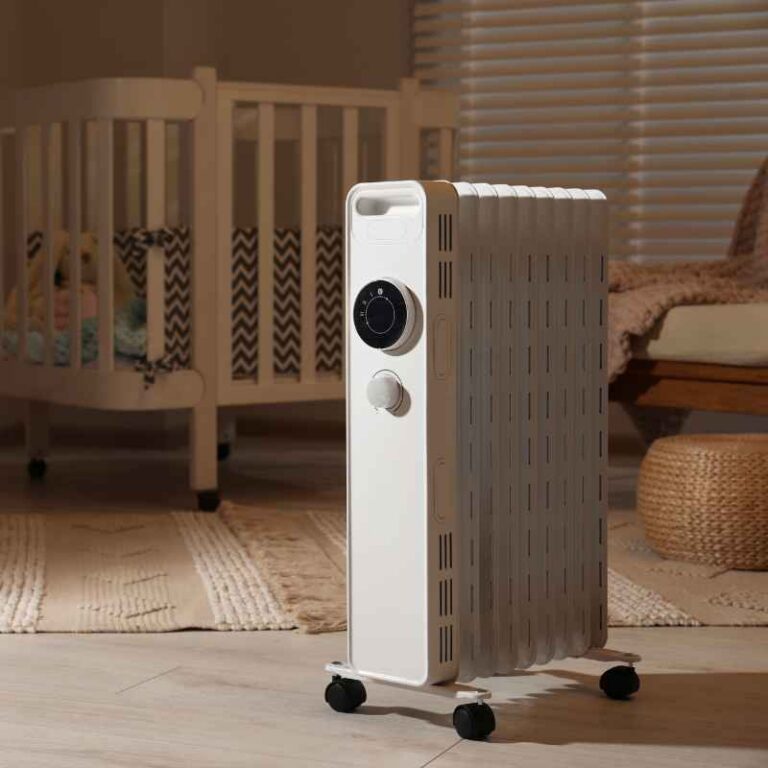
Never block the air vents or the fan intake/outlet. Obstructing airflow can cause the unit to overheat, potentially leading to a fire. Avoid placing the heater on soft surfaces like carpets or beds, as these can also impede airflow and may be flammable.
A hard, stable, and level surface is ideal. Additionally, never use a portable fan heater in a bathroom or other damp environments, as water and electricity are a dangerous combination.
Warning: Never leave a portable fan heater unattended, especially when children or pets are in the room. Always turn it off and unplug it when leaving the room or going to sleep.
- Clearance: Maintain at least 3 feet (1 meter) of clear space around the heater.
- Surface: Place on a hard, level, and stable surface. Avoid carpets, rugs, and bedding.
- Ventilation: Ensure air vents are unobstructed.
- Location: Keep away from water sources, curtains, and flammable materials.
- Supervision: Never leave a running heater unattended.
- Power Source: Plug directly into a wall outlet; avoid extension cords unless absolutely necessary and rated for high wattage.
- Room Size: Use only in rooms that are appropriately sized for the heater’s wattage.
Electrical Safety and Maintenance for Portable Fan Heaters
Electrical safety is paramount when using any portable appliance, and fan heaters are no exception. Always inspect the power cord and plug for any signs of damage, such as fraying, cuts, or exposed wires, before each use. If damage is found, the heater should not be used and should be repaired by a qualified technician or replaced.
Connecting your heater to a suitable power source is also crucial. Portable fan heaters, especially higher-wattage models, can draw a significant amount of electricity. Plugging multiple high-draw appliances into the same circuit can overload it, leading to tripped breakers or blown fuses, and in worst-case scenarios, electrical fires.
It’s best to plug the heater directly into a wall outlet, ideally on a dedicated circuit if possible, and avoid using extension cords unless they are specifically rated for the heater’s wattage and are in good condition.
| Maintenance Task | Frequency | Why It’s Important |
|---|---|---|
| Inspect power cord and plug | Before each use | To detect damage that could cause shocks or fires. |
| Clean air vents and heating element | Monthly (or as needed) | Prevents dust buildup, which can be a fire hazard and reduce efficiency. |
| Check for unusual noises or smells | During operation | Indicates potential internal malfunctions requiring professional attention. |
Regular cleaning of the air vents and heating element is also crucial. Dust and debris can accumulate inside the unit, restricting airflow and potentially igniting. Unplug the heater and allow it to cool completely before attempting any cleaning.
A soft brush or vacuum cleaner attachment can be used to carefully remove dust from the vents and any visible heating elements.
Ventilation and Air Quality Considerations
While most portable fan heaters are electric and do not produce combustion byproducts like carbon monoxide, ventilation is still important, especially in smaller, well-sealed rooms. Running any heating appliance can slightly reduce oxygen levels and increase the concentration of indoor pollutants. For electric models, good airflow helps maintain comfortable humidity levels and prevents stuffiness.
It’s crucial to differentiate electric fan heaters from fuel-burning portable heaters (like propane or kerosene heaters), which do produce carbon monoxide. If you are using a fuel-burning portable heater, functioning carbon monoxide detectors are absolutely non-negotiable. Even with electric heaters, opening a window slightly or ensuring your home’s general ventilation system is operational can contribute to a healthier indoor environment.
For electric fan heaters, this is more about comfort and preventing air from becoming too dry.
- Electric Heaters: Generally do not produce carbon monoxide. Ventilation is for air circulation and comfort.
- Fuel-Burning Heaters: ALWAYS require proper ventilation and carbon monoxide detectors due to combustion byproducts.
- Humidity: Heating can dry out the air; consider a humidifier if experiencing dryness.
- Stuffy Rooms: Even electric heaters can make a room feel stuffy if not adequately ventilated.
- Indoor Air Quality: Ensure your home has a generally healthy indoor air quality, especially when using supplemental heating.
Choosing a Safe Portable Fan Heater: What to Look For
When shopping for a portable fan heater, prioritize models that meet current safety standards and come equipped with the essential safety features mentioned earlier. Look for certifications from recognized safety organizations, such as UL (Underwriters Laboratories) or ETL (Intertek). These certifications indicate that the product has undergone rigorous testing for safety and performance.
Consider the wattage of the heater in relation to the size of the room you intend to heat. A higher wattage generally means more heat output, but also greater electricity consumption and potentially a higher risk of overloading circuits if not used properly. For small to medium-sized rooms, heaters between 750W and 1500W are typically sufficient.
Avoid extremely high-wattage models unless your home’s electrical system is specifically designed to handle them. Reading user reviews can also provide valuable insights into a model’s reliability and safety performance in real-world conditions.
| Feature | Importance | Look For |
|---|---|---|
| Safety Certifications (UL, ETL) | Ensures product meets safety standards. | Visible certification marks on the product or packaging. |
| Overheat Protection | Prevents fires due to overheating. | Stated in product description or manual. |
| Tip-Over Switch | Shuts off heater if it falls. | Stated in product description or manual; often a physical switch at the base. |
| Adjustable Thermostat | Maintains temperature, prevents constant full power. | Temperature settings or dial. |
| Cool-Touch Exterior | Reduces burn risk. | Often mentioned in specifications; check reviews. |
When in doubt, always opt for a slightly more expensive model with superior safety features and from a reputable brand. The peace of mind and increased safety are well worth the investment.
Frequently Asked Questions
Are portable fan heaters safe to leave on overnight?
It is generally not recommended to leave any portable fan heater on unattended overnight, even with safety features. While modern units have safety mechanisms, there’s always a small residual risk of malfunction. Always turn off and unplug the heater before sleeping for maximum safety.
Can portable fan heaters cause fires if they touch a rug?
Yes, this is a significant fire risk. Portable fan heaters should never be placed directly on carpets, rugs, or other soft, potentially flammable surfaces. Doing so can block airflow, leading to overheating and ignition.
Always place them on a hard, stable surface with adequate clearance.
Do portable fan heaters use a lot of electricity?
Portable fan heaters, especially those with higher wattage (e.g., 1500W), can consume a considerable amount of electricity. They are best used for supplemental heating in smaller spaces rather than as a primary heat source for an entire home, which could lead to high energy bills and potential circuit overloads if not managed carefully.
Are ceramic portable heaters safer than other types?
Ceramic heaters are often considered safer due to their heating elements. They tend to heat up more gradually, and the ceramic material itself doesn’t glow red-hot as intensely as some metal coil elements. They also often feature durable, cool-touch casings.
However, all electric portable heaters should be used with the same safety precautions.
What should I do if my portable fan heater starts smelling strange?
If your portable fan heater emits a strange smell, immediately turn it off and unplug it. Allow it to cool completely. The smell could be due to dust burning off, a minor internal issue, or a more serious problem.
Inspect the vents for dust buildup. If the smell persists or seems electrical (like burning plastic), do not use the heater again and consider professional inspection or replacement.
Final Thoughts
Portable fan heaters can be a safe and effective way to add warmth where you need it, provided you prioritize safety. Always choose models with robust safety features like tip-over protection and overheat shut-offs, maintain a safe distance from flammable materials, and ensure your electrical setup can handle the load. By following these guidelines and regularly inspecting your unit, you can enjoy the comfort of portable heating with peace of mind.
Sponsored / affiliate links. As an Amazon Associate I earn from qualifying purchases. I may earn additional commission from eligible campaigns.